











Topical application of arnica cream demonstrated a reduction in postoperative pain and swelling following dental surgery to extract a molar tooth.
In this article, we summarise,“Can topical agents (arnica and mucopolysaccharide polysulfate) reduce postoperative pain, edema and trismus following mandibular third molar surgery?” (1).
Plant name and species
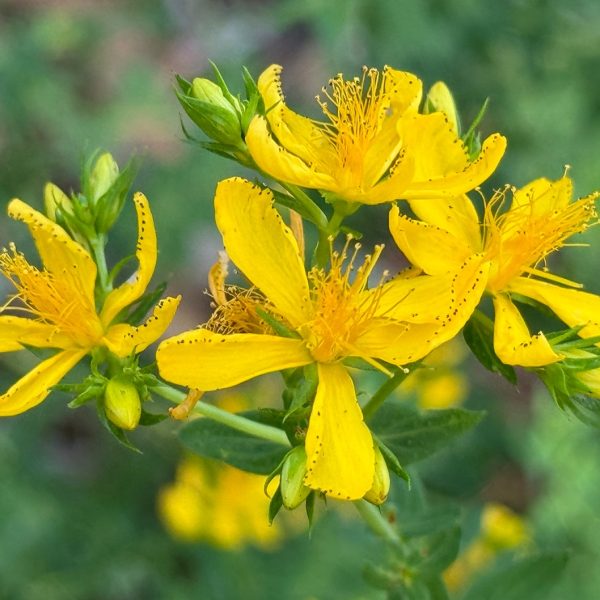
Arnica (Arnica montana)


Aim of study
The study aim was to compare the topical application of arnica and standard treatment on pain and swelling following the removal of third molar teeth.
Study method
This was a single blinded randomised controlled trial carried out at a single dental practice. All patients had molar teeth extracted under local anaesthesia. Everyone received standard therapy, which was the use of antibiotics and non-steroidal anti-inflammatory drugs twice per day.
There were three parallel study groups:
- Control (standard therapy only)
- Topical arnica cream (+ standard therapy)
- Topical mucopolysaccharide polysulphate (+ standard therapy)
Mucopolysaccharide polysulphate (MPSP) is an anti-inflammatory and anticoagulant treatment. Both arnica and MPSP topical treatments were applied on the skin of the face along the jawline local to the removed tooth.
The outcome measures were examined at day 1, 3, 5 and 10 post-surgery. The following measures were taken:
- Oedema (three measures taken at five reference points)
- Subjective pain (using a visual analogue scale)
- Maximal mouth opening (in mm)
Herbal preparation
The study used a proprietary arnica product — Arnika Krem, produced by MediTech, Istanbul. Unfortunately, the proportion of arnica within the product is not disclosed; however, arnica is often used in creams from 0.5–10%.
Sample size
Sixty patients completed the study with n=20 in each group. The inclusion criteria were patients over 16 years of age with no systemic disease, good oral hygiene and no allergy to medication.
Results of study
There were 33 (55%) female patients and 27 (45%) male patients, with a mean age of 26.9 years. There were no statistically significant differences in demographic data or surgical times between the groups. The surgical time was around 23 minutes.
The pain level was significantly lower on days 1, 3, and 5 for both the arnica group and MPSP group compared to controls who received only standard treatment.
Jaw opening was significantly improved on postoperative days 1, 3, and 5 in the arnica group, and day 1 only for the MPSP group.
Oedema was significantly reduced at day 1 for the arnica group, and day 1 and 3 for the MPSP group.
Discussion
Pain, oedema and difficulty opening the jaw (trismus) are common symptoms of molar extractions, and both antibiotics and NSAIDs are used to reduce discomfort and allow patients to resume daily activities more quickly. The use of adjunctive treatments can also encourage the healing process.
This study showed that topical arnica cream significantly reduced pain levels and improved jaw opening for up to five days post-surgery, and reduced swelling at day 1.
Arnica montana is a herbal medicine often used to relieve bruising, swelling and pain. Other studies have looked at the use of topical arnica to treat pain and swelling following minor surgery or exercise. In a study investigating the efficacy of arnica on exercise-induced muscle soreness, participants applied arnica cream immediately after exercise and at four hourly intervals (2). Arnica relieved muscle tenderness compared to a placebo for up to 96 hours. Despite local improvement, arnica did not change levels of blood inflammatory markers in blood analysis.
Future research could explore the effects of arnica for postoperative dental care. An investigation into whether repeated dosing with arnica could provide additional relief, as found in the post-exercise study, would also be insightful (2). Unfortunately, neither the publication or the manufacturer’s website disclose the proportion of arnica in the product, making comparison with other studies challenging.
Safety note: Arnica should not be taken internally, applied on open wounds, or used topically at any concentration higher than 10%. Arnica should also be avoided by individuals taking blood-thinning medication or with any clotting disorders. For further guidance on how to safely work with herbs such as arnica, find a qualified medical herbalist to work with.
Conclusion
The study concludes that the topical facial application of both arnica and MPSP can relieve postoperative pain for up to five days following removal of third molar teeth. Arnica was more effective in reducing jaw stiffness, but MSPS was more effective at reducing swelling over five days following surgery.
Arnica cream can be recommended to support healing and relieve patient discomfort following dental extractions.
References
- Akay N, Şanal KO. Can Topical Agents (Arnica and Mucopolysaccharide Polysulfate) Reduce Postoperative Pain, Edema and Trismus Following Mandibular Third Molar Surgery? J Oral Maxillofac Surg. 2024 Jan;82(1):113-121. doi: https://doi.org/10.1016/j.joms.2023.10.003
- Pumpa KL, Fallon KE, Bensoussan A, Papalia S. The effects of topical Arnica on performance, pain and muscle damage after intense eccentric exercise. Eur J Sport Sci. 2014;14(3):294-300. https://doi.org/10.1080/17461391.2013.829126