






Last reviewed 26/03/2026
Sustainability status
Not currently on risk lists but complete data may be missing on the status of the species. Read more in our sustainability guide.

Avoid in pregnancy and lactation
Herbs are generally best-avoided in pregnancy, unless working with them under the guidance of a medical herbalist. However, some herbs pose a risk to pregnancy as they are potentially: toxic to the mother, toxic to the neonate, teratogenic (risk developmental malformation), may increase miscarriage risk, or could cause foetal distress leading to miscarriage or premature birth. Herbs with teratogenic, emmenagogue, or stimulant laxative actions are all contraindicated in pregnancy. Furthermore, herbs containing volatile oils, thujone, apiol, phyto-oestrogens also should be avoided.
During lactation, there is the possibility for transfer of plant compounds through the breast milk, which can have an effect (detrimental or beneficial) on the infant.
Please read the Safety section in this monograph.

Contraindications
A contraindication refers to a situation in which a herb should be avoided as it may exacerbate a medical condition or pose undue risk. Contraindications may arise through pharmacodynamic mechanisms (e.g., liquorice in uncontrolled hypertension or uterine stimulants during pregnancy) or pharmacokinetic effects that alter metabolism, absorption or elimination (e.g., tannin-rich herbs in iron-deficient anaemia).
In some cases, herbal actions may aggravate underlying pathologies (e.g., the use of bitter herbs in GERD). Recognition of contraindications requires thorough assessment of patient history, co-morbidities and medications. Consultation with a qualified medical herbalist will provide guidance to ensure safe and appropriate prescribing.
Please read the Contraindications section in this monograph.

-
Herb overview
Safety
Avoid in pregnancy and breastfeeding.
May cause nausea and vomiting in some individuals.
Avoid with salicylate allergy.Sustainability
Status: Lower risk
Key constituents
Polysaccharides
Mucilage
Volatile oils
FlavonoidsQuality
Europe
Cultivated
Adulteration with other Viola species commonKey actions
Alterative
Antimicrobial
Nervine
LymphaticKey energetics
Cool
Moist
Neutralising
SweetPreperation and dosage
Flower and leaf
9 g/per day
Tincture (1:5 in 25%) 6–15 ml per day
-
How does it feel?
Violets are pleasant to taste in all their forms and medicinal preparations. Sweet violets have a subtle and unique aromatic quality when harvested and used fresh. The aroma of sweet violets is largely lost on drying, but well preserved in a syrup. Violet syrup is often used to address conditions in the respiratory system using either species. The tea of violet is also sweet to taste, with delicate aromatic and slightly salty tones. The green, grassy flavours come through more with the tincture.

-
Into the heart of violets

Violet (Viola tricolor) Violet is energetically cooling and moist in nature (1,4,5). It is therefore mostly directed towards treating the symptoms of heat and dryness (1). It is also, however, very specific for dampness and congestion due to its alterative and lymphatic activities. This is most specific to atrophic or underfunctioning tissues that result in stagnation and congestion.
The typical patient indicated for violet is one who has flaccid, loose skin, prone to cysts, swollen glands and infections with a low immune activity. Another clinical sign that may indicate violet is moist skin and palms.
Violet works on multiple body systems largely through its systemic clearing and detoxifying lymphatic action. This helps to clear away congestion and toxicity, move it through the system and thus increase elimination from the tissues (skin, connective tissue and mucous membranes) and out into the blood for excretion.
It also has a gentle laxative effect and therefore improves the eliminatory activities of the digestive system (5). Violet’s lymphatic and alterative actions are also key in their application for seborrheic skin conditions including eczema (1,4,5).
They have a sweet, softening and nourishing effect whilst also bringing strength and balance through revitalising the blood and lymph (1,4).
Violets emerge directly after winter to soften the hardness and clear the stagnancy of the cold winter months (4). They symbolise the transition of winter to spring and are, therefore, often associated with being helpful in times of transition. Heartsease is the common name for V. tricolor, and as the name suggests, has an association with the heart that goes back far in history. The heart is also associated with thoughts and emotions, which corresponds with one of violet’s more energetic uses — to help reduce excessive and unwanted thoughts (1).
The name heartsease is an ode to this herb’s use for the emotional heart. Historically, violets were worn at funerals as they assist in comforting and strengthening the heart in times of grief and despair (4).
-
What practitioners say
 Skin health
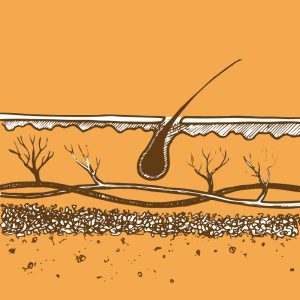
 Violet is primarily used in herbal medicine to address skin conditions. As an alterative and anti-inflammatory herb, it offers two of the fundamental therapeutic effects where hot, dry, inflammatory or seborrheic skin conditions are concerned (5,7). It can be used as part of a systemic approach to treating a wide range of skin issues such as eczema, psoriasis and acne. It is used both internally and topically (2).
Violet is rich in antioxidant flavonoids such as rutin. The activities of rutin are specifically known to address capillary fragility. These activities directly benefit the skin structures. Many inflammatory skin conditions are indicated for violet — but it is most appropriate for eczematous and other skin eruptions which present with serous exudate. Violet’s alterative, lymphatic and diaphoretic actions also offer a combined action for detoxification through the skin.
The benefits of rutin in addressing capillary fragility are best seen in bruising, broken capillaries and oedema (1).
Respiratory system
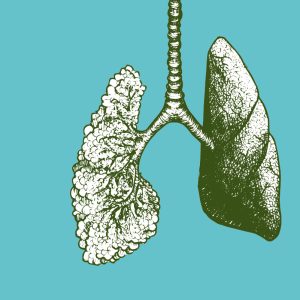
Violet has a long history of use for cough, colds and catarrh. The saponins account for much of its expectorant action, whilst its mucilage and flavonoids offer a demulcent, soothing effect on the lungs. The British Herbal Pharmacopoeia indicates violet in pertussis (whooping cough) and acute bronchitis (1,8).
Violet specifically addresses pulmonary congestion whilst also offering its protective and softening action to inflamed mucous membranes in the respiratory system. It can be a useful medicine for dry coughs (a syrup is often best for this) and also for chronic nasopharyngeal catarrh taken as a tea (3,5).
Urinary system
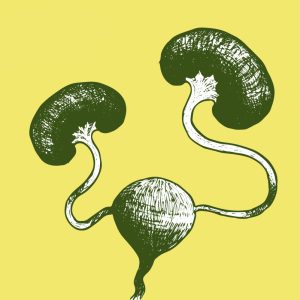
Violet is sometimes referenced for use in urinary tract infections due to its demulcent and anti-inflammatory activities. Mucilage rich herbs like violet offer a protective and healing element to addressing urinary tract inflammation. The diuretic qualities are beneficial for improving the function of the urinary system, whilst also bringing the herbal compounds of other plants into direct and consistent contact with the affected mucous membranes.
The British Herbal Pharmacopoeia discusses these diuretic activities in relation to rheumatism and also for addressing cystitis, polyuria and dysuria (1). Whilst both of these species elicit all of the aforementioned properties, heartsease is more appropriate to apply in the treatment of urinary conditions (2).
Musculoskeletal system
The diuretic activities of violet can offer a valuable component to treatment of rheumatic conditions. Violet contains salicylates and rutin — two anti-inflammatory compounds known to be useful in the treatment of inflammatory musculoskeletal conditions due to their analgesic and anti-inflammatory activities.
Rutin’s ability to counter capillary fragility is also beneficial here in improving the microcirculation that innovates the musculoskeletal system (1). Whilst both of these species act in much of the same ways, heartsease is more appropriate to apply in the treatment of arthritis (2).
Immune system
There are multiple references for the use of violets in cancer. Herbalists who specialise in supporting patients in different stages of cancer frequently use it as part of a multifaceted approach along with other herbs and nutrition. The British Herbal Pharmacopoeia classifies violet as an antineoplastic herb, which is echoed by Donand Yance, a herbalist with a specialisation in oncology, in his book Herbal Medicine, Healing and Cancer, where he describes the antineoplastic, antitumour and antiviral activities of violet (1,9).
Violet has multiple activities that lend it well to supporting the body through serious illness, via its anti-inflammatory, lymphatic, alterative and depurative actions. It is used for neoplasms in the breast and digestive system and may even offer some protection against metastasis (3,9,10).
Studies have focused on both species with some similar findings; however, one study on V. tricolor identifies and explores the cytotoxic effects of active compounds called cyclotides. These are found in violets and showed strong activity against myeloma and lymphoma cancer cell lines. It is important to note that the current research into the therapeutic potential of violet in the treatment of cancer has only been through in vitro or in vivo studies, and it has yet been scientifically explored in clinical studies (3).
Violets have been researched using in vitro methodology on cancer cell lines, such as breast colon, and liver cancer cells (11). Some of the activities identified include cytotoxicity, which was understood to be due to the induction of apoptosis (programmed cell death) (12).
Violet is also indicated where there is a proneness to congestion, poor lymphatic flow, cysts and swollen glands. Violet stimulates the lymphatic system, which is the central and functional part of our immune system. Violet is commonly referenced in herbal pharmacopoeias for use in benign and malignant breast lumps as well as cysts (3,5,9).
Some in vitro studies have shown that V. tricolor has antimicrobial activities. The studies demonstrated that extracts of this species are active against seven bacterias including Staphylococcus aureus, Staphylococcus epidermidis and Bacillus cereus as well as some fungus, including Candida albicans (3).
Please note: Supporting patients with cancer should only be carried out under the care of an experienced integrative or herbal oncology specialist. Herbs can offer invaluable support through all stages of healing with cancer. However, considerations such as contraindications and interactions need to be taken into account. Cancer is also a complex condition that requires a specialised and personalised approach that includes nutrition, lifestyle and herbs along with any necessary conventional treatments.
Nervous system
In Iranian medicine, violet oil is traditionally used to treat insomnia. The oil is made using almond or sesame oil with V. odorata and is administered via nasal drops (13).
It is also believed to have an emotionally balancing effect, specifically to address anger and grief. It strengthens the heart (both physically and emotionally) and helps to bring a sense of comfort and calmness to one’s state of mind (3).
-
Violets research

Violet (Viola odorata) There are a small number of human clinical trials along with some interesting in vivo and in vitro studies that focus on whole plant extracts of violet or number of its compounds. Violet’s effects in respiratory health, insomnia and even cancer have been scientifically explored with some fascinating findings (13). A number of these studies have been included below to demonstrate the mechanism of action for some of the medicinal actions discussed in this monograph.
Animal studies are not condoned by herbal reality, however for the purpose of including research from which some understanding of therapeutic actions can be confirmed, some animal studies may have been referenced in the works included herein.
The efficacy of V. odorata extract in the treatment of insomnia: A systematic review and meta-analysis
A systematic review and meta-analysis was carried out to analyse a range of studies that have set out to identify the effect of V. odorata extracts in the treatment of insomnia.
A total of 224 patients were included in the analysis. The evidence base used in this review demonstrates that violet extract led to improved sleep quality, sleep duration and overall insomnia sleep index scores compared with the placebo groups of patients with chronic insomnia (14).
Efficacy of violet oil, a traditional Iranian formula, in patients with chronic insomnia: A randomised, double-blind, placebo-controlled study
A three-arm, double-blind, randomised trial was carried out to explore the effects of violet oil on 75 patients with chronic insomnia. The participants were randomly assigned to three groups, either to receive intranasal drops of violet oil, almond oil or placebo (1% solution of carboxymethyl cellulose). Three drops were given at night before sleep for a period of 30 days. The results showed significant differences between the three groups with violet oil having the most effect in terms of sleep quality (13).
The effect of Viola odorata flower syrup on the cough of children with asthma: A double-blind, randomised controlled trial
A double blind randomised controlled trial was carried out to investigate the effects of violet syrup on cough alleviation in children with intermittent asthma. One hundred and eighty-two children aged between 2 to 12 years were randomly assigned to receive violet syrup or a placebo. Short-acting β-agonist conventional treatments were also used consecutively. The results of this study confirm that the adjuvant use of violet syrup improved cough suppression in children with intermittent asthma (15).
These works afford us a deeper insight into the medicinal activities of this fascinating plant and show it has significant potential beyond many of its current uses.
-
Historical use of violets

Violet tea (Viola odorata) In the writing of Dioscorides, violet was described as a cooling and soothing medicine. In these ancient works, violet was referenced for use in treating heartburn and addressing inflammations of the skin and eyes. A topical application of a plaster was used to treat anal prolapse.
Violet was often considered for all matters of the head. It was historically applied as a poultice to the forehead for headaches, watering eyes and for the after effects of drinking alcohol and its headaches.
Dried violets were used for their diuretic activities. In the traditional herbal texts it was also used to reduce menstrual discharge and abscesses. Galen also assigned violet’s virtues to their cool, moist nature. In reference to the respiratory system, the benefits of violet directly address melancholy.
In the words of Galen, violet is indicated for “anyone oppressed by melancholy with a discontented mind, which then harms his lungs, should cook violets in pure wine. He should strain this through a cloth, add a bit of galingale, and as much liquorice as he wants, and so make spiced wine. When he drinks it, it will check the melancholy, make him happy and heal his lungs” (1).
Sixteenth century herbalist, John Gerard discusses the traditional use of violets as prepared into an oil infusion for topical use. It was used for all manner of skin afflictions including for haemorrhoids.
Violet leaves are often discussed with slightly different applications, though its energetic qualities are much the same as the flowers. Gerard quotes that “violet leaves help with making the belly soluble” thus referring to its digestive benefits (6).
A dried violet flower infusion has long been used to address colds, catarrh, coughs and a sore and swollen throat (1). The seed today is rarely referenced in herbal medicine although it was historically used to treat the sting of scorpions, taken internally it may however act as an emetic (5).
Violets often featured in Tudor recipe books where the flowers were recommended for candying, conserving, making syrups and even in beauty products. Practices that are much revived in modern times (6).
-
Violets’s herbal actions
Herbal actions describe therapeutic changes that occur in the body in response to taking a herb. These actions are used to express how a herb physiologically influences cells, tissues, organs or systems. Clinical observations are traditionally what have defined these actions: an increase in urine output, diuretic; improved wound healing, vulnerary; or a reduction in fever, antipyretic. These descriptors too have become a means to group herbs by their effects on the body — herbs with a nervine action have become the nervines, herbs with a bitter action are the bitters. Recognising herbs as members of these groups provides a preliminary familiarity with their mechanisms from which to then develop an understanding of their affinities and nuance and discern their clinical significance.
-
Violets’s energetic qualities
Herbal energetics are the description that herbalists have given to plants, mushrooms, lichens, foods and some minerals based on the direct experience of how they taste, feel and effect the body. All traditional health systems use these principles to explain how the environment impacts health, according to each of their philosophies and frameworks. These assessments of individual herbs, though often do align, can differ from one another. Find out more about traditional energetics in our article An introduction to herbal energetics.
Western energetics
Western energetics here are informed by The Energetics of Western Herbs by Peter Holmes, as well as traditional materia medica from Culpeper and Dioscorides.
-
What can I use violets for?
Violet (Viola odorata) Violet is a gentle, yet deeply nourishing and healing medicine that is often used for soothing inflammatory skin conditions. It is high in mucilaginous compounds that are renowned in herbal medicine for soothing irritated tissues, particularly the mucous membranes (inner lining of the visceral organs).
In modern herbalism violet is predominantly used for these types of conditions, both as internal and topical preparations (1,2,3). In home herbalism, violets make an excellent remedy for the symptomatic treatment of eczema, bee bites, stings and bruises. This may be in the form of a cream, balm or poultice used topically.
The demulcent and healing action of violet also has an affinity for the respiratory system, which lends itself to the treatment of harsh, dry coughs and to help soothe sore respiratory tissues associated with colds and flu. Violet helps to address the discomfort of a sore throat whilst also assisting in localised immune and lymphatic functions. It is a gentle medicine that is safe for children, for which it is often prescribed by herbalists (1,2,4).
Violets improve the functionality of the lymphatic system thus helping to reduce stagnation and offering relief of swollen or congested tissue. These actions also help to address systemic toxicity and inflammation from around the body — a therapeutic action that herbalists often employ in inflammatory skin conditions.
Violet tea is effective for addressing the lymphatic system. The relief of lymphatic swellings, pain such as with cystic conditions and swollen glands caused by infections are well addressed with the correct and proper use of violet.
Violet leaves contain salicylic acid, which helps reduce pain and lessen swellings. This means that violet leaves can make an excellent first aid plaster or poultice for the treatment of bruises, wounds and minor joint injuries such as sprains and strains to reduce swelling. Their anti-inflammatory effects lessen the pain of these types of minor injuries (4).
-
Did you know?
Gerard also discusses the alternative uses of violets in folklore. He quotes, “for there be made of them garlands for the head, nose-gays, and posies, which are delightful to look on” — giving reference to the ever celebrated beauty and delight of these colourful vibrant flowers (6).





 Skin health

-
Botanical description
Viola odorata
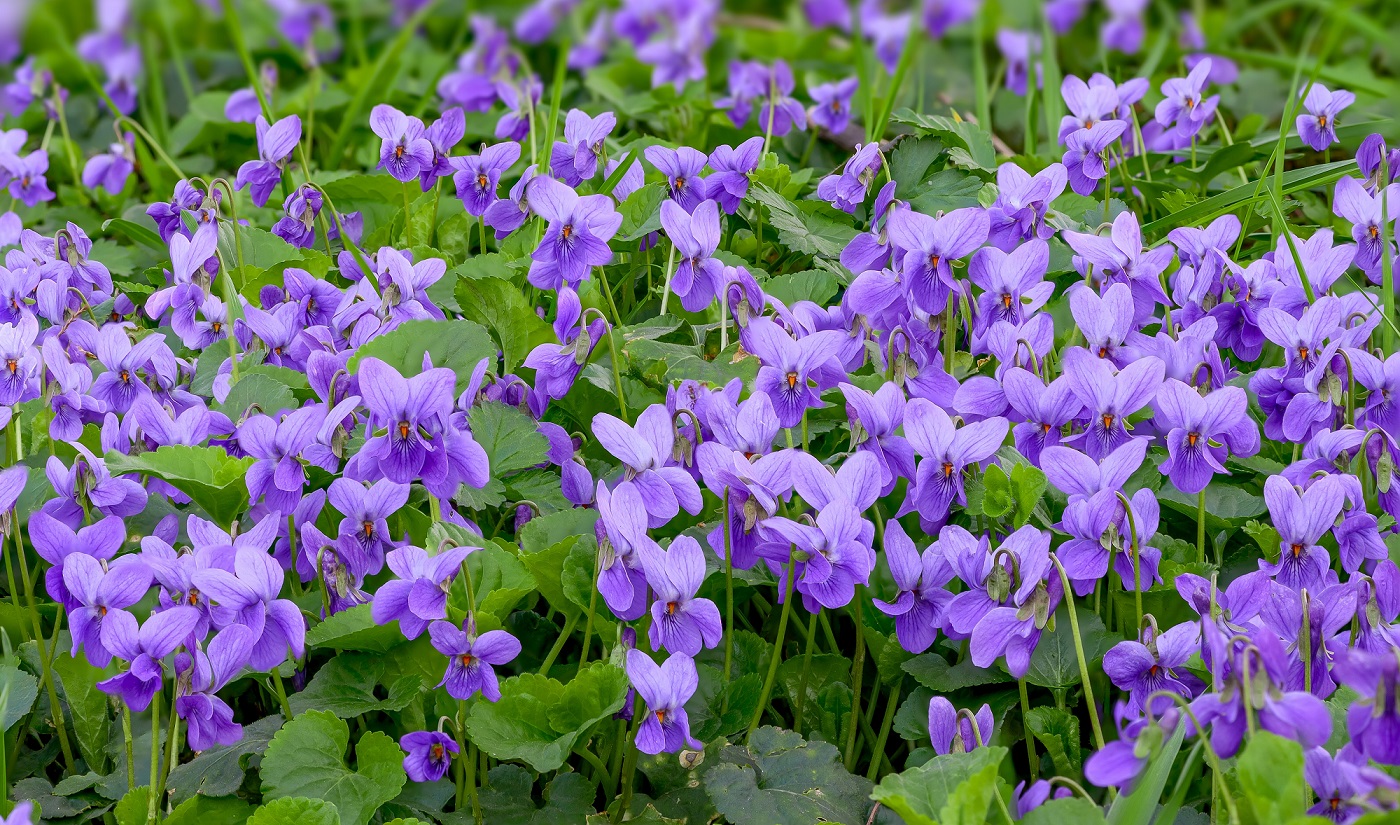
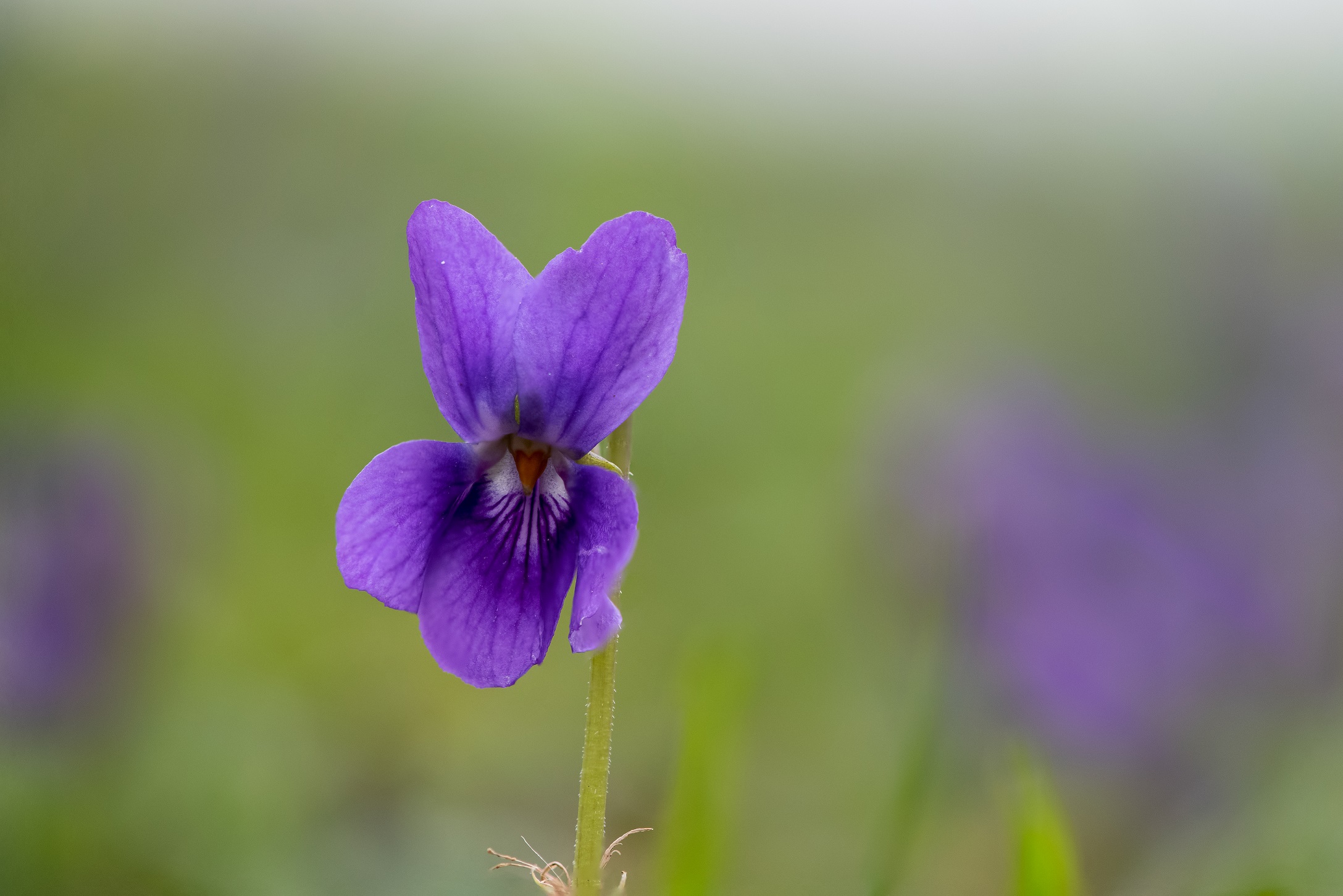
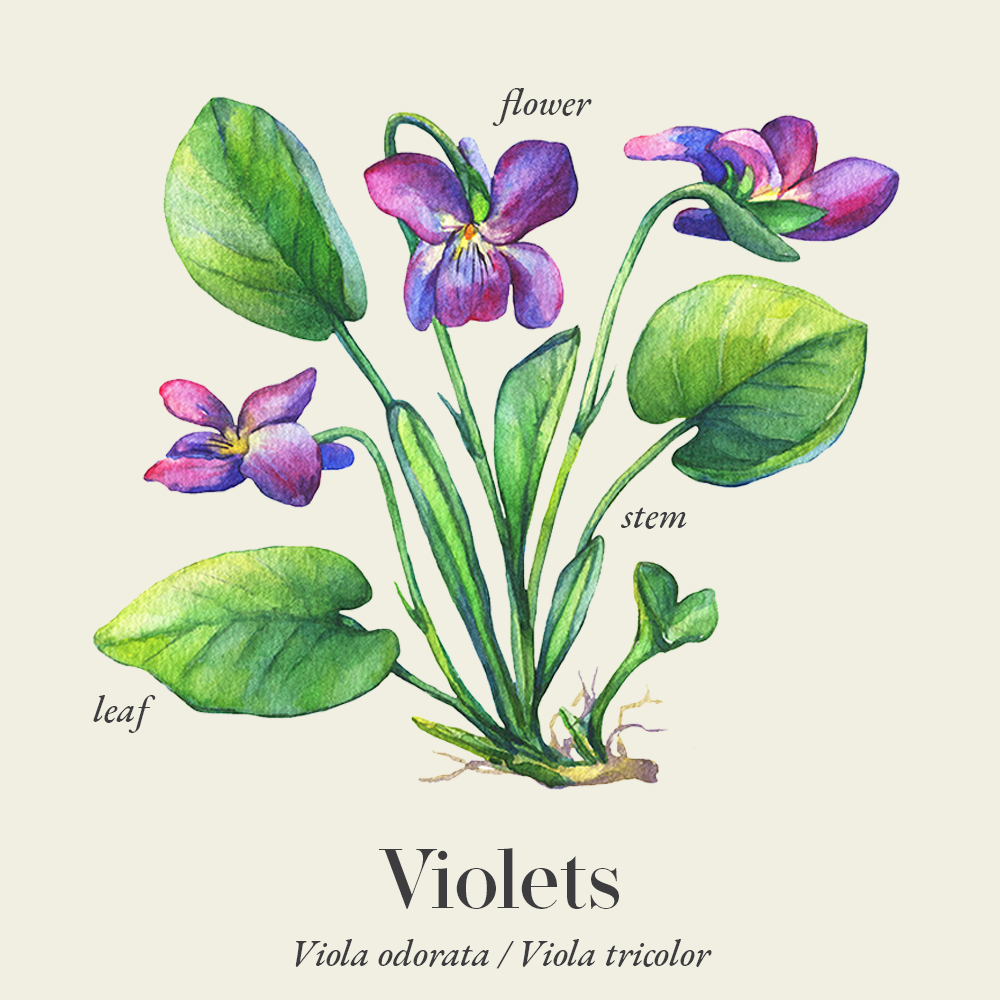
This perennial plant is uniquely aromatic which is one of the best tell-tale signs you have found the right violet. Its flowers and leaves rise directly from long, horizontal, runners or ‘stolons’, which have roots at the nodes. The leaves are all scalloped, basal, heart shaped with rounded lobes at the base.The tips of the lower leaves appear more rounded, while the upper leaves have a more tapering appearance or a blunt tip. The leaves and flowers are all in a basal rosette, and the leaf stalks have downward-pointing hairs. The flowers are either dark violet or blue and are sweetly scented and appear hooked at the rear. The plants mature to a height of 4–6 inches and can spread to between of 8–24 (16,17). Be careful not to confuse this species with dog violet, which is almost identical but is completely odourless.
Viola tricolor
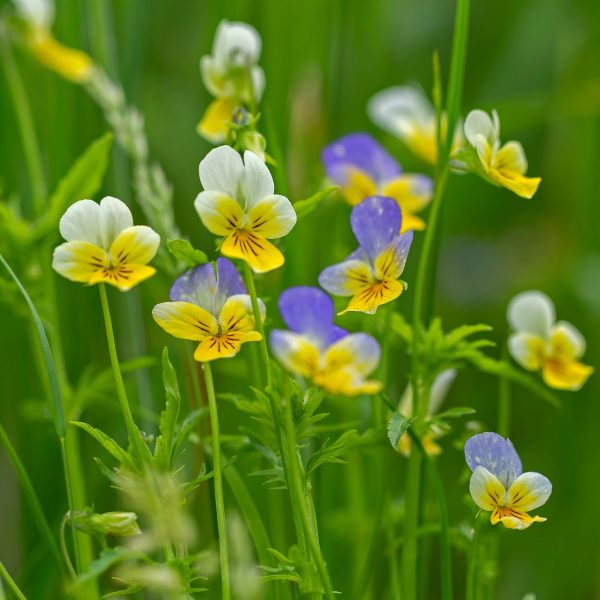
Viola tricolour is a perennial herbaceous plant with leaves that are simple, alternate, and oval with a serrated margin. The leaves are attached to the stem with a petiole and often deeply lobed stipules (leaf-like structures) at the leaf base. Leaves found at the base of the plant are somewhat more rounded, with the leaves higher up the plant appearing more lance-shaped. The flowers are typically 1–2 cm in diameter with five tri-coloured petals. The myriad of colours often found includes purple, blue, yellow, and white. The lower petal is often larger and features dark lines. Its vibrant appearance is believed to guide its pollinators toward the nectar source. Its stems are thin and slightly angular. Both species often flower in spring, but the season may extend into late summer (18).
-
Common names
Viola odorata
- English violet
- Sweet violet
- Wood violet
- Common violet
- Florist’s violet
- Garden violet
- Fragrant garden violet
- Sweet blue violet
Viola tricolor
- Heart’s ease
- Wild pansy
- Johnny jump up
- Love-in-idleness
- Tickle-my-fancy
- Jack-jump-up-and-kiss-me
- Three faces in a hood
- Ladies delight
-
Habitat
Viola odorata and V. tricolor are native to parts of Western and southern Europe (including the United Kingdom, France, Spain and Italy) to the Mediterranean region. It may also be found in North Africa ( Morocco and Algeria), and parts of Southwest Asia (including Iran and Turkey). It grows mainly in forests and woodlands. It may also be found in shrub-land and along country footpaths along the coast (19).
-
How to grow violets
Violets thrive in humus-rich soil that is moisture-retentive and well-drained, which is much like its native woodland habitat. They will grow happily in the sun although semi-shade is preferred.
- Violets can be grown from seed in early spring or early autumn. Germination may not occur until spring. If sowing in spring it is best to undergo a process called cold stratification which is essentially a way to mimic the conditions of winter.
- To do this, place in the fridge or in an outdoor open cold frame for between one to two months prior to sowing. After then they can be placed in a warmer position (around 10°C), such as a greenhouse or window ledge, until the seedlings are ready to be planted out.
- When ready they can be sown into small trays or pots, lightly dusted over with a very thin layer of compost, before placing in an unheated greenhouse or cold frame.
- Violets benefit from an annual mulch with wood ash if you are growing in the garden.
- Water regularly and ensure that the soil does not dry out.
- Violets spread naturally by runner shoots, which can be separated and replanted in different locations in late spring. Every two to four years the clumps can be divided in summer or early autumn, to make new plants.
- Garden ants also disperse the seed of established violets (20).

-
Herbal preparation of violets
- Infusion (tea)
- Syrups
- Tincture
- Cream
-
Plant parts used
- Flower
- Leaf
-
Dosage
- Tincture (1:5 in 25%): Take between 2–5 ml in a little water up to three times a day (3).
- Infusion/decoction: To make an infusion place three grams of dried material into one cup of boiling water, cover and infuse for 10 minutes. This should be drunk hot 1–3 times a day.
- Topical use: A strong infusion can be made and applied as a wet dressing for seborrheic skin conditions. An infusion of 5–20 grams (per litre) may be used to dress the affected areas of the skin 2–3 times daily (7).
-
Constituents
Viola odorata
- Polysaccharides
- Mucilage (18%): Mainly galactose, glucose and galacturonic acid
- Volatile oils: In the leaf — aliphatic aldehydes: nona-2,6-dienal; aliphatic alcohols (leaf, cultivated, France). In the flowers (0.003%) — diethylphthalate 26%, alpha-curcumene 18%, zingiberene 17%, dihydro-beta-ionone 10%; trans-alpha-ionone gives the characteristic fragrance.
- Phenylpropanoids
- Anthocyanins (flower) 4%, total flavonoids 1.1%: flavonol glycosides. (Leaf, flower) methyl salicylate
- Macrocycylic peptides (leaf): Macrocyclic peptides with 28–37 amino acids — these are thought to have cytotoxic activities through disruption of membranes
- Saponins: Triterpene saponins (1)
- Vitamin A and C (3)
Viola tricolor
- Polysaccharides: Otal (10%), highest during flowering
- Saponins: Triterpene saponins
- Carotenoids: Violaxanthins
- Phenolic acids: Total 0.3
- Flavonoids: Up to 2%, mainly rutin, higher levels found in flowers; flavonol diglycosides; quercetin diglycosides, kaempferol diglycoside, isorhamnetin diglycoside
- Flavone glycosides: Apigenin-C-diglycosides , luteolin-C-diglycosides, chryosoeriol-C-glycoside; apigenin-C,O-glycosides; luteolin glycoside
- Tannins: Total 3%
- Macrocyclic peptides: Identified in all Viola species (1)
- Vitamin A and E (3)
-
Violets recipe
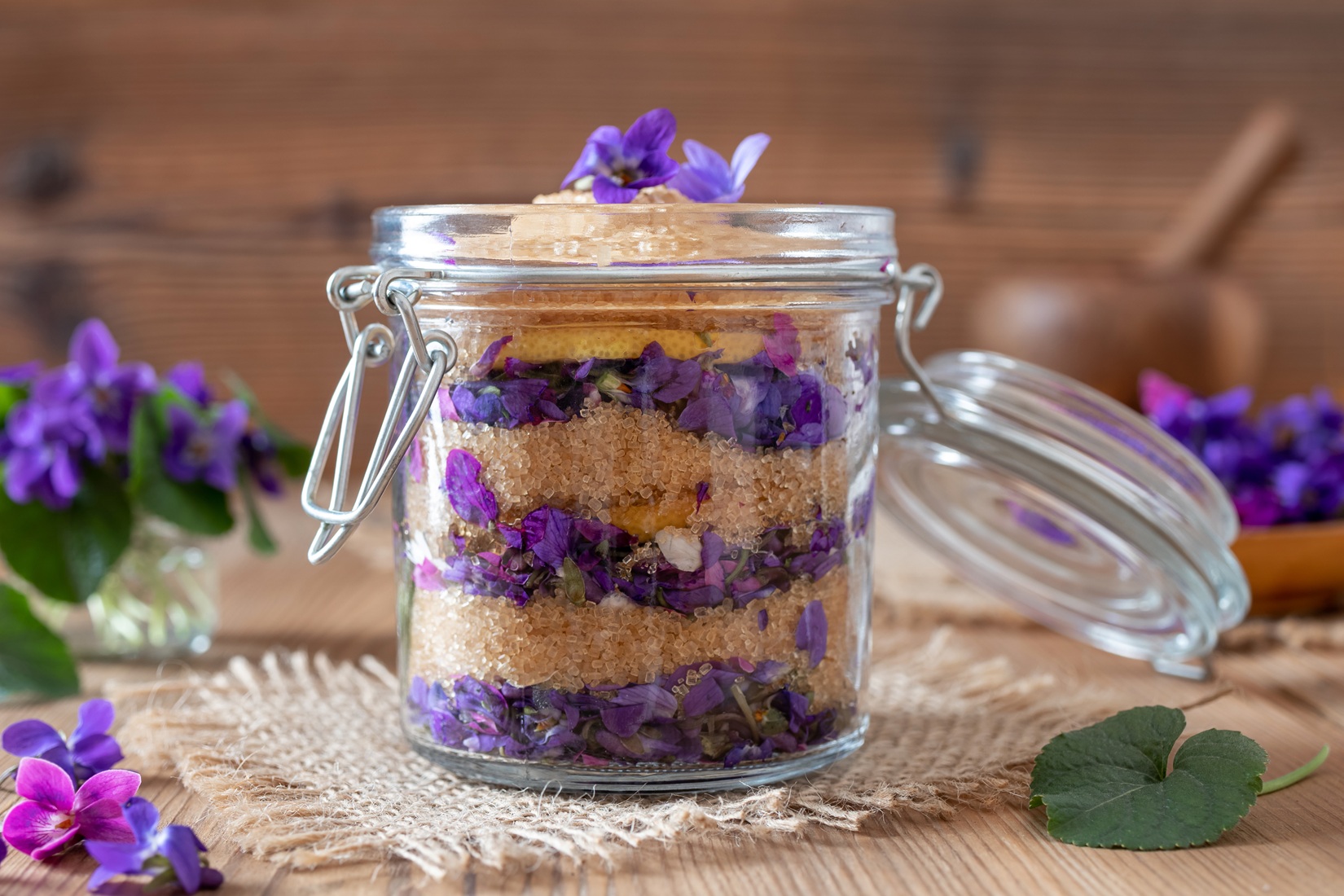
Violet syrup
Violet syrup is simple to make with a delicate and delightful flavour. It is also one of the few flowering herbs that creates an extract that reflects its true vibrant colour.
It can be used as a daily medicine and also incorporated into sweet culinary recipes.
The ratio of sugar to liquid for a simple syrup is 1 cup sugar : 1 cup water.
How to make violet syrup
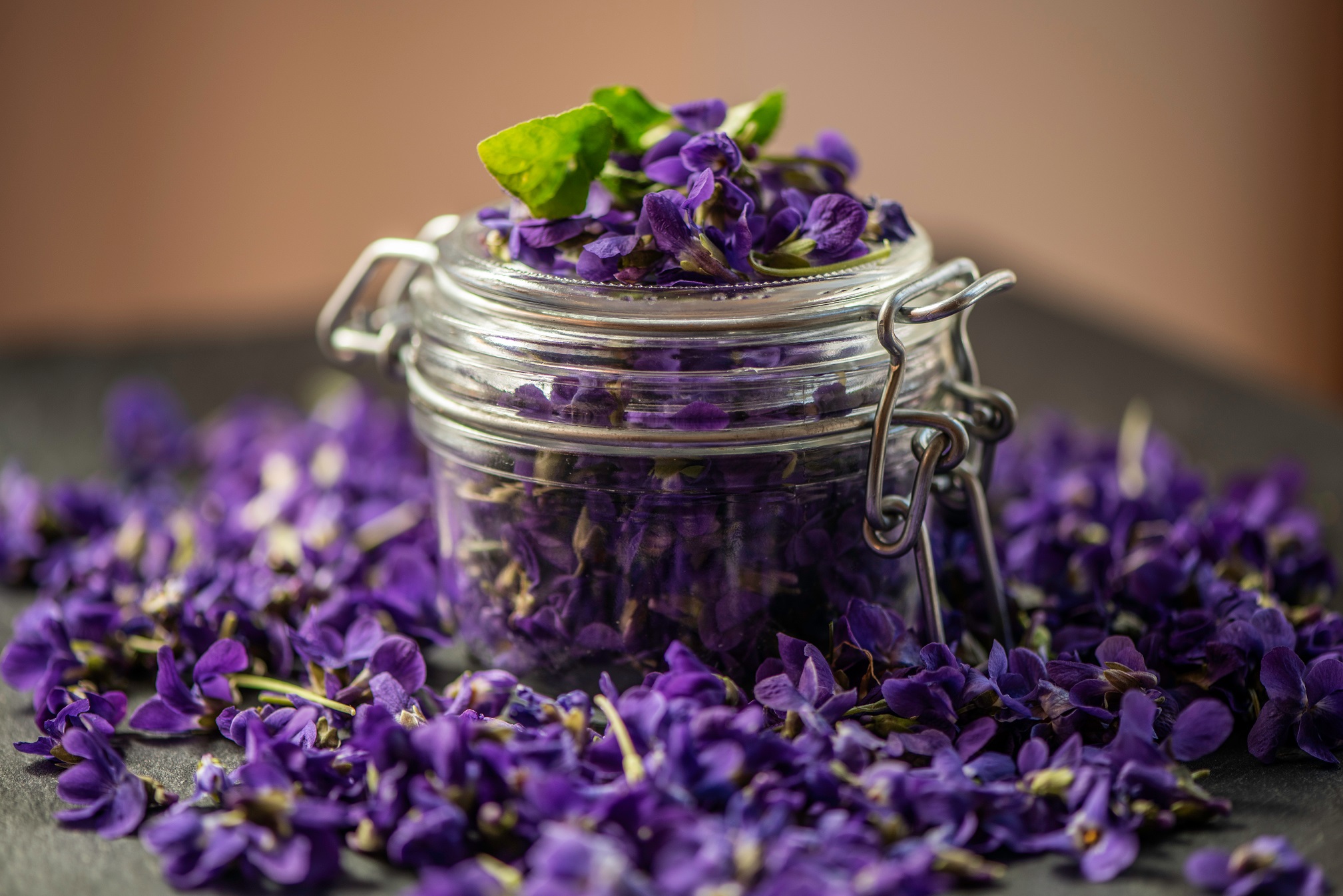
- Collect enough violets to fill a jar (of any size). Ensuring the area where harvesting is free of pesticides and other contaminants.
- Remove any green stems, leaves and calyx.
- Boil the kettle with enough water to cover and soak the violets in the hot water letting this sit and cool overnight.
- Strain the violet-infused water through a fine-mesh sieve. To extract as much liquid as possible gently press any additional liquid from the violets using the back of a spoon.
- Now transfer the violet infusion over a bain-marie or in the same pot over very low heat.
- Do not boil, but bring to a low simmer and then add sugar, stirring until dissolved.
- Cool the syrup and then transfer it into a sterile bottle or jar. Label clearly with the date made and store in the refrigerator for up to six months.

-
Safety
Information of use during pregnancy and breastfeeding is currently not clear. It is best to consult with a professional medical herbalist before using violets if you are pregnant or breastfeeding
Large doses of V. tricolor have been known to cause nausea and vomiting in some individuals (2,3,21,22).
-
Interactions
None known (21,22).
-
Contraindications
Those with a known hypersensitivity to salicylates should avoid using violets.
For open wounds or larger areas of damaged skin, consult with a medical herbalist before use (7).
-
Sustainability status of violets
Both V. odorata and V. Tricolor are classified as Least Concern on the IUCN Red List of Endangered Species. Both natural and introduced distributions in Europe are widespread and stable (23,24).
Read our article on Herbal quality & safety: What to know before you buy and Sustainable sourcing of herbs to learn more about what to look for and questions to ask suppliers about sustainability.
-
Quality control
Both species are commonly cultivated for medicinal and culinary purposes. V. odorata can sometimes be at risk of substitution with other viola species, and some essential oils have contained synthetic additives including lillial (25). V. tricolor is sometimes substituted with Viola arvensis (field pansy) which carries a lower flavonoid content (26).

-
References
- Tobyn G, Denham A, Whitelegg M. Viola odorata, sweet violet; Viola tricolor, heartsease. Medical Herbs. Published online 2011:337-348. doi:https://doi.org/10.1016/b978-0-443-10344-5.00037-9
- Hoffmann D. Medical Herbalism – the Science and Practice of Herbal Medicine. Healing Arts Press; 2003.
- Fisher C. Materia Medica of Western Herbs. Aeon Books; 2018.
- British Columbia Herbalists Association – Violet Monograph. Bcherbalists.ca. Published 2021. Accessed October 15, 2024. https://www.bcherbalists.ca/Blog/12108781
- Wood M. The Earthwise Herbal : A Complete Guide to New World Medicinal Plants. Berkeley, Calif. North Atlantic Books; 2009.
- Doleschal M. Shakespeare’s Favourite Flowers: The Violet. Shakespeare Birthplace Trust. Published May 27, 2021. https://www.shakespeare.org.uk/explore-shakespeare/blogs/sweet-sound-breathes-upon-bank-violets-meaning-violet-shakespeares-plays/
- European Medicines Agency. Community herbal monograph on Viola tricolor L. and/or subspecies Viola arvensis Murray (Gaud) and Viola vulgaris Koch (Oborny), herba cum flore. EMA/HMPC/131734/2009. Published November 25, 2010. Accessed October 17, 2024. https://www.ema.europa.eu/en/documents/herbal-monograph/final-community-herbal-monograph-viola-tricolor-l_en.pdf
- British Herbal Medicine Association. Scientific Committee. A Guide to Traditional Herbal Medicines : A Sourcebook of Accepted Traditional Uses of Medicinal Plants within Europe. British Herbal Medicine Association; 2003.
- Yance DR, Valentine A. Herbal Medicine, Healing & Cancer : A Comprehensive Program for Prevention and Treatment. Keats Publishing; 1999.
- British Herbal Medicine Association. British Herbal Pharmacopoeia. 4th ed. Bournemouth, UK: British Herbal Medicine Association; 1996.
- Alipanah H, Bigdeli MR, Esmaeili MA. Inhibitory Effect of Viola odorata Extract on Tumor Growth and Metastasis in 4T1 Breast Cancer Model. Iranian Journal of Pharmaceutical Research : IJPR. 2018;17(1):276-291. https://www.ncbi.nlm.nih.gov/pmc/articles/PMC5937098/
- Lindholm P, Göransson U, Johansson S, et al. Cyclotides: A Novel Type of Cytotoxic Agents. Molecular Cancer Therapeutics. 2002;1(6):365-369. Accessed October 18, 2024. https://aacrjournals.org/mct/article/1/6/365/233738/Cyclotides-A-Novel-Type-of-Cytotoxic-Agents
- Feyzabadi Z, Rezaeitalab F, Badiee S, et al. Efficacy of Violet oil, a traditional Iranian formula, in patients with chronic insomnia: A randomized, double-blind, placebo-controlled study. Journal of Ethnopharmacology. 2018;214:22-28. doi:https://doi.org/10.1016/j.jep.2017.11.036
- Huang S, Huang Q, Zhou Z, Zhang J, Zhan Y, Liang Z. The Efficacy of V. odorata Extract in the Treatment of Insomnia: A Systematic Review and Meta-Analysis. Frontiers in Neurology. 2022;13. doi:https://doi.org/10.3389/fneur.2022.730311
- Qasemzadeh MJ, Sharifi H, Hamedanian M, et al. The Effect of Viola odorata Flower Syrup on the Cough of Children With Asthma. Journal of Evidence-Based Complementary & Alternative Medicine. 2015;20(4):287-291. doi:https://doi.org/10.1177/2156587215584862
- Native Plant Trust. Viola odorata (English violet): Go Botany. Nativeplanttrust.org. Published 2024. Accessed October 28, 2024. https://gobotany.nativeplanttrust.org/species/viola/odorata/
- Viola odorata (Common Violet, Devon Violet, English Violet, Florist’s Violet, Fragrant Garden Violet, Garden Violet, Sweet Blue Violet, Sweet Violet, Violet, Violets, Wood Violet) | North Carolina Extension Gardener Plant Toolbox. plants.ces.ncsu.edu. https://plants.ces.ncsu.edu/plants/viola-odorata/
- Native Plant Trust. Viola tricolor (garden violet): Go Botany. gobotany.nativeplanttrust.org. Published 2024.
- Viola odorata L. | Plants of the World Online | Kew Science. Plants of the World Online. Published 2017. Accessed October 15, 2024. https://powo.science.kew.org/taxon/urn:lsid:ipni.org:names:868828-1/general-information#descriptions
- Sillver H. How to grow violets. House & Garden. Published February 23, 2023. Accessed October 15, 2024. https://www.houseandgarden.co.uk/article/how-to-grow-violets
- Natural Medicines. Heart’s ease. naturalmedicines.therapeuticresearch.com. Published 2024. https://naturalmedicines.therapeuticresearch.com/databases/food
- Natural Medicines. Sweet Violet. naturalmedicines.therapeuticresearch.com. Published 2024. https://naturalmedicines.therapeuticresearch.com/databases/food
- Wild pansy | Kew. Kew.org. Published 2023. Accessed October 17, 2024. https://www.kew.org/plants/wild-pansy
- Chappuis E. IUCN Red List of Threatened Species: Viola odorata. IUCN Red List of Threatened Species. Published March 31, 2014. Accessed October 17, 2024. https://www.iucnredlist.org/species/203495/2766319#assessment-information
- Orchard A, Moosa T, Motala N, Kamatou G, Viljoen A, Vuuren S van. Commercially Available Viola odorata Oil, Chemical Variability and Antimicrobial Activity. Molecules. 2023;28(4):1676. https://doi.org/10.3390/molecules28041676
- Tobyn G, Denham A, Whitelegg M. Viola odorata, sweet violet; Viola tricolor, heartsease. Medical Herbs. Published online 2011:337-348. https://doi.org/10.1016/b978-0-443-10344-5.00037-9
Meet our herbal experts
Our monographs are written by our monograph authors and edited, reviewed and updated by Herbal Reality.
Meet our Herbal Reality team or explore our Herbal Reality authors.