









Last reviewed 07/11/2026
Sustainability status
Not currently on risk lists but complete data may be missing on the status of the species. Read more in our sustainability guide.

Avoid in pregnancy and lactation
Herbs are generally best-avoided in pregnancy, unless working with them under the guidance of a medical herbalist. However, some herbs pose a risk to pregnancy as they are potentially: toxic to the mother, toxic to the neonate, teratogenic (risk developmental malformation), may increase miscarriage risk, or could cause foetal distress leading to miscarriage or premature birth. Herbs with teratogenic, emmenagogue, or stimulant laxative actions are all contraindicated in pregnancy. Furthermore, herbs containing volatile oils, thujone, apiol, phyto-oestrogens also should be avoided.
During lactation, there is the possibility for transfer of plant compounds through the breast milk, which can have an effect (detrimental or beneficial) on the infant.
Please read the Safety section in this monograph.

-
Herb overview
Safety
Theoretical risks in pregnancy or in infants, mainly due to lack of data.
Sustainability
Status: Lower risk
Key constituents
Gypenosides
PolysaccharidesQuality
China
Mostly cultivatedKey actions
Strengthens the Lungs and Spleen
Clears heat and resolves toxicityKey indications
Chronic cough
Gastritis / ulcers
Cardiovascular disease
Metabolic disordersKey energetics summary
Bitter
Sweet
CoolingSee below for discipline-specific energeticsPreperation and dosage
Herb and rhizome
Dried: 5–30 g/per day
Powder: 0.75–6 g/day
Tincture (1:3 | 25%): 4 ml, t.d.s. cum aq.
-
How does it feel?
Jiaogulan is both bitter, sweet which makes it capable of clearing and nourishing simultaneously. Its cold nature means that this is especially applicable to clearing heat and nourishing cooling fluids, making it soothing and strengthening. This has earned it the title of “the herb of immortality.” (1)

-
Into the heart of jiaogulan

Jiaogulan (Gynostemma pentaphyllum) A paradox lies at the heart of jiaogulan, in that it is both bitter and sweet, draining and nourishing, which makes it capable of removing stagnation while simultaneously restoring deficiencies. Its affinity for the Lungs and Spleen implies that it can enhance our acquired energy systems, clearing obstructions of the airways and helping digestion, while also increasing our physical endurance.
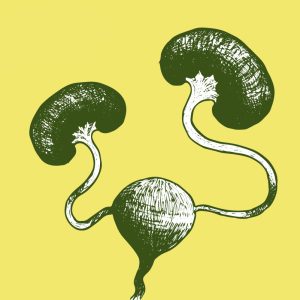
Meanwhile, its affinity for the Kidneys and Heart suggests it can also improve our innate energy, regulating the essential water–fire axis that drives the basic dynamic of life (16). Here too it clears obstructions that upset this balance, while also providing a boost to these systems when weak making it an invaluable herb for cardiovascular and metabolic diseases. This uniquely balanced profile makes it one of the few Chinese herbs that is most often taken alone, as a substitute for green tea, rather than worked into formulas.
Its cooling nature imposes some limits on these activities, making it better for clearing hot conditions and for nourishing fluids. This means that it treats mainly thick phlegm obstructing the lungs and conditions of excess digestive heat such as stomach ulcers, as well as reducing accumulations that affect the Heart (the Fire organ) leading to obstructed circulation, or disturbances to the Spirit that cause mental agitation. It is not the herb of choice for cold-excess patterns, such as watery sputum in the lungs, chills and spasmodic cramps.
Similarly, it also tends to be better at generating fluids to moisten dry lungs or treating erosive gastric conditions, and less applicable for warming the innate “Life Gate Fire,” or improving the digestive functions of the Spleen that depend upon warmth and dryness. In these cold-deficiency patterns, it may be used as part of a coordinated strategy but should not be relied upon alone.
Jiaogulan performs a delicate balancing act, clearing without weakening and nourishing without stagnation. This makes it well suited for prolonged use, to treat the low grade heat that slowly damages the yin and fluids, that then erode or accumulate in a pathological form. This is characteristic of many chronic diseases, and even of ageing itself (17), hence, its common name, “the herb of immortality.” (1)
-
What practitioners say
 Cardiovascular system
The primary use of G. pentaphyllum in cardiovascular diseases is for managing dyslipidemia. A systematic review of 22 randomized controlled trials found that gypenosides, the herb’s active saponins, demonstrate comparable effects to standard lipid-lowering agents on total cholesterol, triglycerides, and HDL-cholesterol levels, with fewer adverse events (24). The herb appears especially beneficial as an adjunctive therapy; with superior effects on triglycerides, LDL-cholesterol, and HDL-cholesterol obtained by combining it with lipid-lowering agents than with either treatment alone.
Mechanistic studies reveal that the gypenoside constituents lower hepatic cholesterol through multiple pathways, by inhibiting endogenous cholesterol synthesis by downregulating key enzymes (Hmgcs1, Fdft1, Pmvk, Mvd), promoting cholesterol efflux via upregulation of Abca1 and ApoB, and accelerating steroid hormone metabolism (25).
The cardioprotective effects of G. pentaphyllum extend beyond lipid regulation, with gypenosides being shown to preserve mitochondrial function in cardiomyocytes, restore cellular ATP content, and improve mitochondrial membrane potential through activation of the PI3K/Akt/GSK-3β/Mcl-1 signaling pathway (26). This helps to improve cellular survival and energy production in cardiomyocytes threatened by a number of diseases including myocardial infarction, ischemia-reperfusion injury, diabetic cardiomyopathy, atherosclerosis and doxorubicin induced heart injury.
Digestive system
One of the traditional uses of G. pentaphyllum is for chronic gastric and duodenal ulcers (4), although clinical data specific to digestive conditions remains limited to a single study that indicated its action was to preserve the gastric wall mucus, and not related to gastric volume, pH increase, or acidity output (27). Its polysaccharide components are recognised for their protective effect against gastric cancers and hepatic injury (28) and can reverse serum transaminase elevations induced by statins (24).
Endocrine system
G. pentaphyllum demonstrates significant potential for metabolic health, particularly in type 2 diabetes management. In animal studies, Gynostemma extract (0.3 g/kg daily for two weeks) significantly improved glucose tolerance in diabetic Goto-Kakizaki rats, with treated animals showing markedly lower blood glucose levels at 120 minutes post-glucose challenge (29). Plasma insulin levels increased by 1.9-fold compared to controls, and isolated islets from treated rats showed enhanced insulin secretion at high glucose concentrations.
Mechanistically, gypenosides stimulate insulin release via ATP-sensitive potassium channels, L-type calcium channels, and the PKA signaling system, with effects dependent on pertussis toxin-sensitive Ge-proteins. Another study identified a modulating effect on the IRS1/PI3K/Akt signaling pathway, promoting glycogen synthesis and inhibiting gluconeogenesis (30). Its simultaneous activities on lowering cholesterol and blood glucose have made it a valuable consideration for metabolic syndromes and diabetic patients with concurrent dyslipidemia, outperforming lovastatin in this respect (24).
Immune system
Polysaccharides and gypenosides from G. pentaphyllum are well recognised for their ability to modulate immunity, affecting both innate and adaptive immune responses through multiple mechanisms, underpinning its traditional actions of clearing heat, resolving toxicity and supplementing deficiency (4).
In enhancing immunity, the polysaccharide content is recognised as one of the key components (28). Studies in immunosuppressed mice showed significant increases in spleen and thymus indices, activation of macrophage phagocytosis and NK cell activity, and elevated CD4+ T lymphocyte counts as well as the CD4+/CD8+ ratio in a dose-dependent manner (31). Other studies have revealed that gypenosides activate the antitumor immunity of CD8+ T cells against melanoma (32) and enhance the immune response against hepatocellular carcinoma (33).
Conversely, other studies have revealed anti-inflammatory activities associated with gypenosides extracted from G. pentaphyllum. In macrophage cell models, the extract significantly reduced nitric oxide production and decreased expression of cyclooxygenase-2, prostaglandin E2, and the pro-inflammatory cytokine TNF-α in a dose-dependent manner (34). Gypenoside XVII has also been observed to promote macrophage polarization toward the M2 (anti-inflammatory) phenotype while inhibiting M1-associated pro-inflammatory responses (35).
One particular area of interest is the reduction of pro-inflammatory cytokines involved in neuroinflammation. One study found interleukin 1β being reduced by approximately 70% in hippocampal tissue and 44% in prefrontal cortex tissue in experimental models by suppressing NLRP3 inflammasome activation, a key mediator of inflammatory responses, and modulation glial cell activation and phenotypic polarization (36). Network analyses revealed 13 G. pentaphyllum compounds had 18 intersecting targets with Alzheimer’s disease, with the primary targets being epidermal growth factor receptor, IL-1β, IL-6, nitric oxide synthase in endothelial and serum paraoxonase/arylesterase 1 (37).
 Respiratory system
Traditionally, jiaogulan has been primarily used for respiratory conditions, with the ability to expel phlegm and generate fluids, giving it a great versatility in both dry and productive coughs, although its cold nature suggests it is better suited for hot conditions with thick phlegm, sore throat and fever predominating over chills (4). Preclinical studies support this action with intravenous administration of 2.5–10 mg/kg aqueous extract into sensitised guinea pigs decreasing bronchial resistance under basal conditions, reducing histamine-induced bronchoconstriction by 68% and antagonising antigen-induced bronchoconstriction by 80% (38).
Gypenosides have also revealed anti-inflammatory effects through inhibition of the AKT/mTOR/c-Myc pathway which reduced the mortality of bleomycin-induced pulmonary fibrosis mice from 40% in the control group to 0% in the treatment group (39).
G. pentaphyllum has also been researched in relation to Covid-19. Network analysis revealed 59 active compounds from the herb, with 19 targets overlapping with Covid-19-associated genes, with its flavonoid and saponin profiles having distinct but interconnecting axes central to the disease (40). The flavonoid component targeted pro-inflammatory genes including interleukin 1B, interleukin 6, tumour necrosis factor, and nitric oxide synthase 2 which drive the cytokine storm responsible for acute respiratory distress syndrome.
Gypenoside LI demonstrated strong binding to angiotensin converting enzyme (ACE, the primary receptor for SARS-CoV-2) and renin, suggesting potential to interfere with viral entry and regulate vascular homeostasis, mechanisms that link cardiovascular health to Covid-19 severity. In addition, the simultaneous use of G. pentaphyllum in respiratory, cardiovascular and metabolic disorders and its reputation for enhancing longevity also make it an interesting herb for future research due to age and pre-existing metabolic comorbidities exacerbating the risk of respiratory failure in Covid-19 (41).
-
Jiaogulan research

Jiaogulan (Gynostemma pentaphyllum) Gynostemma pentaphyllum increases exercise performance and alters mitochondrial respiration and AMPK in healthy males
Nayyar et al. (42) conducted a double-blind randomised crossover placebo control trial in human participants to measure the effects of G. pentaphyllum on exercise performance, AMP-activated protein kinase (AMPK), and mitochondrial signaling in human muscle. Sixteen healthy untrained healthy males between 18–35 years old were given either placebo or 450 mg of G. pentaphyllum dried leaf extract equivalent to 2.25 g of dry leaf per day for four weeks. Extracts contained 20(S)-ginsenoside Rg3 (0.24%); gypenoside (2.14%) and marker saponin (1.63%).
Improvements in exercise performance were measured with steady-state and time to exhaustion tests and a 20 km time trial, while mitochondrial analysis was performed through muscle biopsy of the vastus lateralis muscle taken at rest (0 min), at the midpoint (30 min), and at the conclusion of the 60 min steady-state submaximal exercise bout and analysed for gene and protein expression, electron transport system respiration and oxidative phosphorylation. Blood was also collected and examined for cholesterol, leptin and adiponectin.
The results showed no change in body weight or power output but improved performance in the 20 km time trial by approximately 4%. Plasma glucose, leptin and acetyl-CoA carboxylase (ACC) concentrations were lower and HDL cholesterol levels were higher following four weeks of G. pentaphyllum supplementation. The active arm also experienced a higher resting oxygen flux per mass of fresh muscle at complex I and a reduction in maximal oxidative phosphorylation capacity following exercise when compared to placebo.
There was also a significant increase in AMPK Thr172 phosphorylation levels after 60 min exercise in the supplemented group, which was not observed in the placebo group. Combined these suggest an increase in mitochondrial respiratory function, mediated by alterations in AMP and ACC, resulting in lower plasma leptin and glucose levels.
This study added to the existing research into the use of G. pentaphyllum in metabolic conditions by studying the changes in mitochondrial respiration in skeletal muscle tissue following supplementation, and suggesting this to be a possible mechanism of action.
It is one of the few studies to look at in vivo changes in mitochondrial function in human participants following herbal supplementation, but is limited by its small number of participants, short intervention period, lack of adverse event reporting and the use of a single gender with no health conditions. It does lay the groundwork for future studies that can use more arms of different dosages, look at different kinds of exercise, and research the effects on people with metabolic disorders.
The effect of an orally‐dosed Gynostemma pentaphyllum extract (ActivAMP®) on body composition in overweight, adult men and women: A double‐blind, randomised, placebo‐controlled study
Rao et al. (43) examined the effect of a G. pentaphyllum extract on improving body composition in 117 overweight Australian men and women in a double‐blind, randomised, clinical trial. Participants were over 18 and had a BMI between 25 and 35. The active arm received a commercial brand of encapsulated G. pentaphyllum from Korea (ActivAMP®) standardised to 450 mg extract per day, for 16 weeks, while the placebo arm received a capsule of maltodextrin.
Effects were measured primarily through body composition with dual‐energy X‐ray absorptiometry to measure total body fat and fat‐free mass. Secondary anthropometry measures of height, weight, hip and waist circumference, along with blood samples, dietary intake diaries and quality of life questionnaires were also taken.
The results demonstrated that 16 weeks of G. pentaphyllum supplementation resulted in a significant reduction in total body weight, fat mass and BMI compared to the placebo group. Subgroup analysis revealed that males had a significant reduction in visceral fat (abdominal), whereas females had a significant reduction in gynoid fat (hips and thighs), compared to the placebo group.
However, there was no reduction in waist or hip circumference between groups. Other significant outcomes included a reduction in tumour necrosis factor-α, which was initially raised in both groups but returned almost baseline in the supplemented group, indicating a reduction in inflammation associated with adipose tissue. The extracts were well tolerated with five reported adverse events in the treatment group (diarrhoea, insomnia, dizziness, nausea, dry throat), compared to two in the placebo group (fatigue, increased bowel movements).
This study revealed the potential for G. pentaphyllum to play a role in the health conditions associated with obesity and visceral fat, which are some of the leading causes of death today. It was limited by a relatively small sample size that would need to be repeated in a larger population, and not measuring AMPK signalling, despite mentioning it as the most likely mechanism. The authors conclude that G. pentaphyllum could be an important addition to diet and exercise interventions for the treatment of metabolic conditions such as non-alcoholic fatty liver disease, insulin resistance and obesity.
Effects of gypenoside L-containing Gynostemma pentaphyllum extract on fatigue and physical performance: A double-blind, placebo-controlled, randomized trial
Ahn et al. (5) conducted a randomized, double-blind, placebo-controlled study to evaluate the effect of gypenoside L in G. pentaphyllum extract under non-exercise conditions on the improvement of physical performance. Participants were 100 healthy adults aged 19–60 years who agreed to an exercise stress test, randomly assigned to either the control or treatment group. Treatment consisted of a capsule with G. pentaphyllum extract, standardised to ensure it contained 18.46 ± 0.13 mg/g of gypenoside L and 1.61 ± 0.01 mg/g ginsenoside Rg3. The placebo group received a 700 mg capsule containing cyclodextrin, magnesium stearate, and silicon dioxide. All participants consumed a capsule once daily for 12 weeks.
Physiological assessments were measured at baseline and after 12 weeks of treatment. BMI was calculated from height and weight. Blood pressure and pulse were measured pre-exercise, post-exercise, and after recovery. Post-exercise cardiorespiratory responses, biochemical parameters of fatigue, and exercise responses were measured and compared at baseline and 12 weeks. The Global Physical Activity Questionnaire assessed their metabolic equivalent of task.
Cardiopulmonary responses, specifically VO₂ peak, O₂ pulse, and maximal heart rate (HRmax) were measured on a motorized treadmill using a modified Bruce protocol. Exhaustion was assessed using the ratings of perceived exertion scale, visual analog scale (VAS), and multidimensional fatigue scale were used to assess exercise response. Biochemical markers of fatigue, such as serum levels of myoglobin, interleukin-6, total antioxidant status, and endothelial nitric oxide synthase were examined.
The significant results found were that post-exercise levels of lactic acid, ammonia, lactate dehydrogenase, and free fatty acid in the blood serum were higher after 12 weeks of treatment than at baseline, the VO₂ max value was higher in the treatment group after 12 weeks of treatment than at baseline, VO₂ max was significantly different between the two groups, and temporal fatigue was significantly lower in the treatment group than in the control group, while no significant changes in the multidimensional fatigue scale were noted in the control group.
This showed 12 weeks of supplementation with G. pentaphyllum extract improved blood parameters in the recovery period compared to baseline, and induced positive changes in cardiopulmonary and exercise responses and endothelial nitric oxide synthase levels compared with the control, suggesting improved physical and mental performance. Although the study focused on the presence of gypenoside L in the extract, up to 1108 saponins have been isolated and characterised (44) from G. pentaphyllum meaning these effects could be due to any number of other constituents.

Jiaogulan (Gynostemma pentaphyllum) Supplementation with extract of Gynostemma pentaphyllum leaves reduces anxiety in healthy subjects with chronic psychological stress: A randomized, double-blind, placebo-controlled clinical trial
Choi et al. (6) tried to investigate the effect of jiaogulan on anxiety from chronic psychological stress by recruiting 72 healthy adults who had perceived chronic stress and anxiety with a score on the State-Trait Anxiety Inventory (STAI) from 40 to 60. 36 received 200 mg of G. pentaphyllum extract, while the other 36 received placebo for 8 weeks and were exposed to repetitive loads of stress by performing a serial subtraction task for 5 min every second day.
Primary outcomes were measured using changes in anxiety on the Trait-STAI, while secondary outcomes were State-STAI, total score of STAI, Hamilton Anxiety Inventory (HAM-A) and Beck Anxiety Inventory (BAI). Further biomarkers of stress were also taken, including blood noradrenaline and adrenocorticotropic hormone (ACTH), salivary cortisol and alpha-amylase, cardiovascular autonomic nervous system (ANS) functional test, and heart rate variability (HRV) test, measured before and after the intervention.
The Trait-STAI decreased in the active arm by 16.8% compared to the placebo (p = 0.041), but there were no other significant differences in any of the other parameters. Both groups saw reductions in all the psychometric tests which may be predictable since psychological states are likely to respond to the non-specific effects of the psychological component of the interventions.
There was also no causal relationship between consumption of the herb and any adverse effects. This suggests that G. pentaphyllum supplementation may reduce anxiety proneness in subjects under chronic stress, but that this effect is only specific to G. pentaphyllum in this one particular parameter.
Therapeutic potential of Gynostemma pentaphyllum extract for hair health enhancement: A randomized, double-blind, placebo-controlled clinical trial
Following its reputation as a “herb of immortality,” (1) Lee et al. (45) evaluated the efficacy and safety of G. pentaphyllum extract in improving general hair health parameters in adults with moderately damaged hair. They recruited 100 healthy adults aged 19–60 years with moderately damaged hair, determined by visual assessment and a hair damage score, into a randomized, double-blind, placebo-controlled trial.
Participants were randomly allocated to receive either 340 mL/day of G. pentaphyllum extract or a placebo for 24 weeks, to be consumed internally. Primary outcomes were changes in objective hair parameters, including elasticity, density and diameter, as well as subjective satisfaction. Secondary outcomes included safety evaluation, monitoring for adverse events, laboratory tests and hair glossiness.
After 24 weeks, the active group showed significantly greater hair elasticity, a threefold increase in density and a fourfold increase in hair diameter. The G. pentaphyllum group also self-reported greater satisfaction scores with better outcomes in reducing hair damage and dryness that corroborated the objective findings.
Among the secondary measures, no significant differences in hair glossiness were observed between the two groups, and there were no severe adverse events reported, indicating an excellent safety profile. The authors conclude that G. pentaphyllum extract is a promising natural therapeutic agent for enhancing hair health, offering significant functional improvements with a favorable safety profile.
-
Historical use of jiaogulan

Jiaogulan (Gynostemma pentaphyllum) Its main traditional function is to strengthen the body and generate fluids, especially by moistening the lungs and helping to dispel phlegm that is often the result of chronic impaired fluid metabolism (4). This makes it most applicable for asthma, chronic bronchitis and similar disorders of impaired respiratory and gastrointestinal functioning. It can also be used in the treatment of chronic neurological disorders like migraines and neuralgia which often involve a level of deficiency. This nourishing and moistening property is reflected in some sources ascribing it a sweet taste (18), while others do not (4).
Its second traditional use is for clearing heat and eliminating toxicity to reduce swelling, inflammation and pain (4). It is particularly useful for gastric and duodenal ulcers, nodules, tumours and cystitis, where it is consumed internally, or applied topically to herpes zoster and liver spots. This is perhaps its oldest medicinal use, reflected in Li Shizhen’s description, and deriving from its cold and bitter taste that all sources agree on.
Recently, jiaogulan has also been used for supporting cardiovascular health by lowering blood pressure and cholesterol (4). This has meant that some sources indicate that this herb enters the Heart meridian while others rely on its historical indications and do not (18). Furthermore, recent research indicates it may also treat anxiety (19) which is not described in traditional manuals, but would be an obvious extension to its cooling, phlegm clearing properties and affinity for the Heart meridian.
Another modern indication that has attracted much attention is its use in metabolic disorders. This is also based on modern research which has seen positive results in trials investigating obesity (20), exercise performance (21) and fatigue (5), with suggestions it could treat metabolic disorders such as non-alcoholic fatty liver disease and insulin resistance. While this also does not appear in traditional manuals, it can be explained by its traditional actions. Zhu Danxi noted that individuals with a higher body weight “have more phlegm and dampness,” while Zhang Jingyue said that they “have more qi deficiency, more dampness, and more stagnation” (22).
Meanwhile, the traditional concept of diabetes (xiao ke) stems from internal heat that causes an excessive thirst, appetite and urination that results in a wasting disorder (23). This means that a herb which fortifies the Spleen and Lungs to improve fluid metabolism and movement, dispels chronic phlegm and clears heat while moistening dryness to alleviate thirst is an ideal choice for metabolic disorders from a traditional perspective.
-
Jiaogulan’s herbal actions
Herbal actions describe therapeutic changes that occur in the body in response to taking a herb. These actions are used to express how a herb physiologically influences cells, tissues, organs or systems. Clinical observations are traditionally what have defined these actions: an increase in urine output, diuretic; improved wound healing, vulnerary; or a reduction in fever, antipyretic. These descriptors too have become a means to group herbs by their effects on the body — herbs with a nervine action have become the nervines, herbs with a bitter action are the bitters. Recognising herbs as members of these groups provides a preliminary familiarity with their mechanisms from which to then develop an understanding of their affinities and nuance and discern their clinical significance.
-
Jiaogulan’s energetic qualities
Herbal energetics are the description that herbalists have given to plants, mushrooms, lichens, foods and some minerals based on the direct experience of how they taste, feel and affect the body. All traditional health systems use these principles to explain how the environment impacts health, according to each of their philosophies and frameworks. These assessments of individual herbs, though they often do align, can differ from one another due to cultural differences regarding perspectives on how herbs taste versus their physiological effects. Find out more about traditional energetics in our article An introduction to herbal energetics.
Chinese energetics
Chinese energetics align with Bensky’s Chinese Herbal Medicine: Materia Medica.
-
What can I use jiaogulan for?

Jiaogulan (Gynostemma pentaphyllum) Since the discovery of ginsenosides found within G. pentaphyllum, the only example outside of the true ginseng family (Araliaceae) (2,3), its uses have expanded considerably beyond its traditional indications for stubborn chest phlegm, digestive disorders and inflammation (4). This has given it many of the adaptogenic applications of ginseng including for the relief of stress, including physical and mental fatigue, stress-related anxiety, heart disease prevention of food hypersensitivity through modulation of intestinal flora and the prevention of cancer (5–9).
The property that has attracted the most interest today is in the ability of G. pentaphyllum saponins to regulate metabolism. This has made it of particular interest in the treatment of many disorders common today such as diabetes, obesity, non-alcoholic liver disease and atherosclerosis (10). Its protective activity on the heart also makes it especially useful for reducing blood markers that predispose people to diseases such as high cholesterol, blood sugar and pressure. In these areas it has traditionally been drunk as a tea, but it has been suggested that its individual saponins could be useful as a sweetener and food additive to bring its protective effects to a wider audience (11).
Another use that has become popular today is as an anti-ageing supplement. Its impressive adatogenic properties were discovered in the 1970s after a census revealed that people living in the particular mountain region where this herb was regularly drunk as tea had a surprising number of centenarians, earning this herb titles such as “the longevity herb” (12) and “herb of immortality” (1). In modern applications, its highest antioxidant extracts are being used in cosmetics (13), and it has been demonstrated to improve hair health to prevent loss (14). Its neuroprotective properties have also made it popular for the prevention of age related cognitive decline and dementia (15).
-
Did you know?
Jiaogulan was originally listed as a survival food in Zhu Xiao’s Materia Medica for Famine in 1406 (46) before being listed for its medicinal applications in Li Shizhen’s Compendium of Materia Medica in 1596 (47). However, Li conflated this herb with a similar five leaf vine called wu lian mei (Cayratia japonica), and it was not until the 19th century that the botanist Wu Qijun realised Li’s error through a careful forensic analysis of the plants and their characteristics in relation to the texts and developed separate entries for both (10).



 Cardiovascular system
 Respiratory system
-
Botanical description
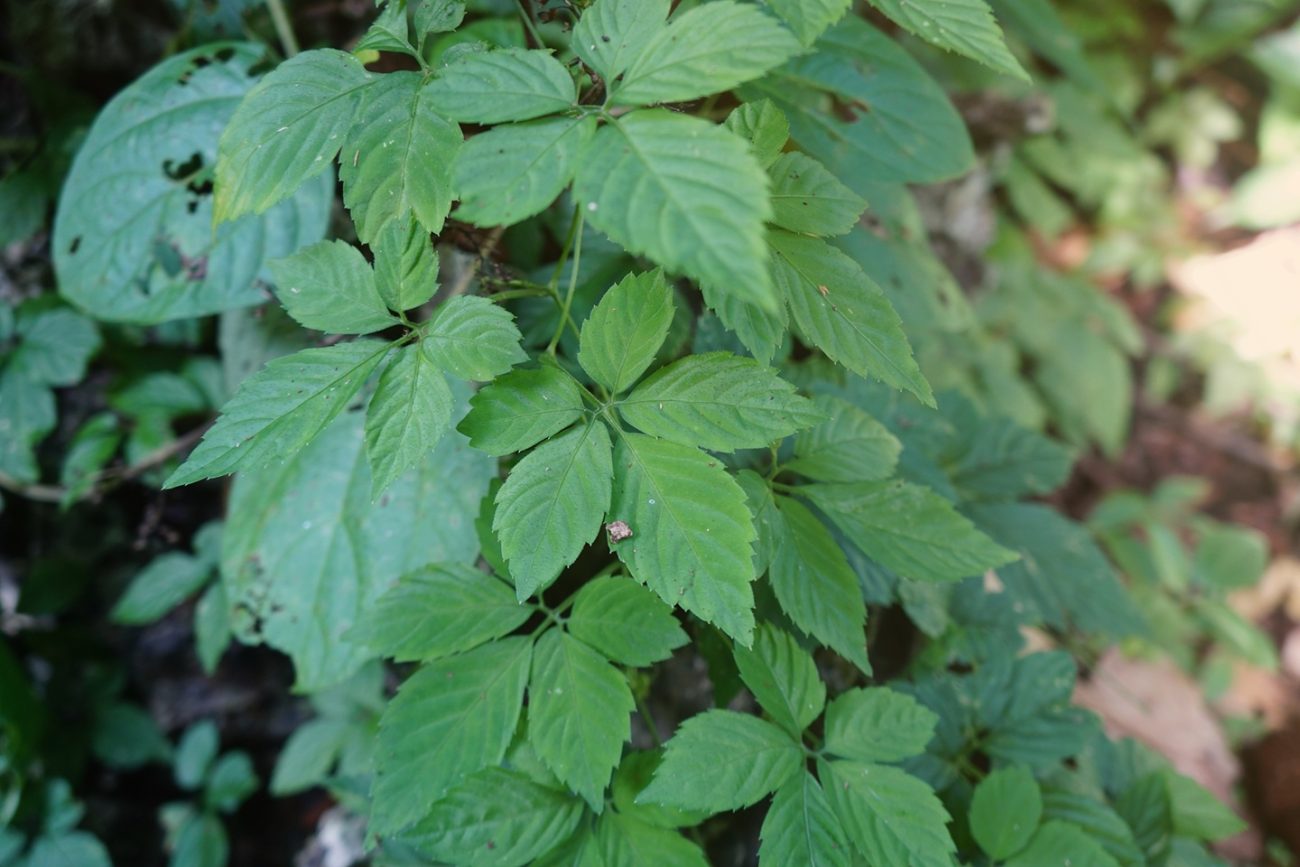
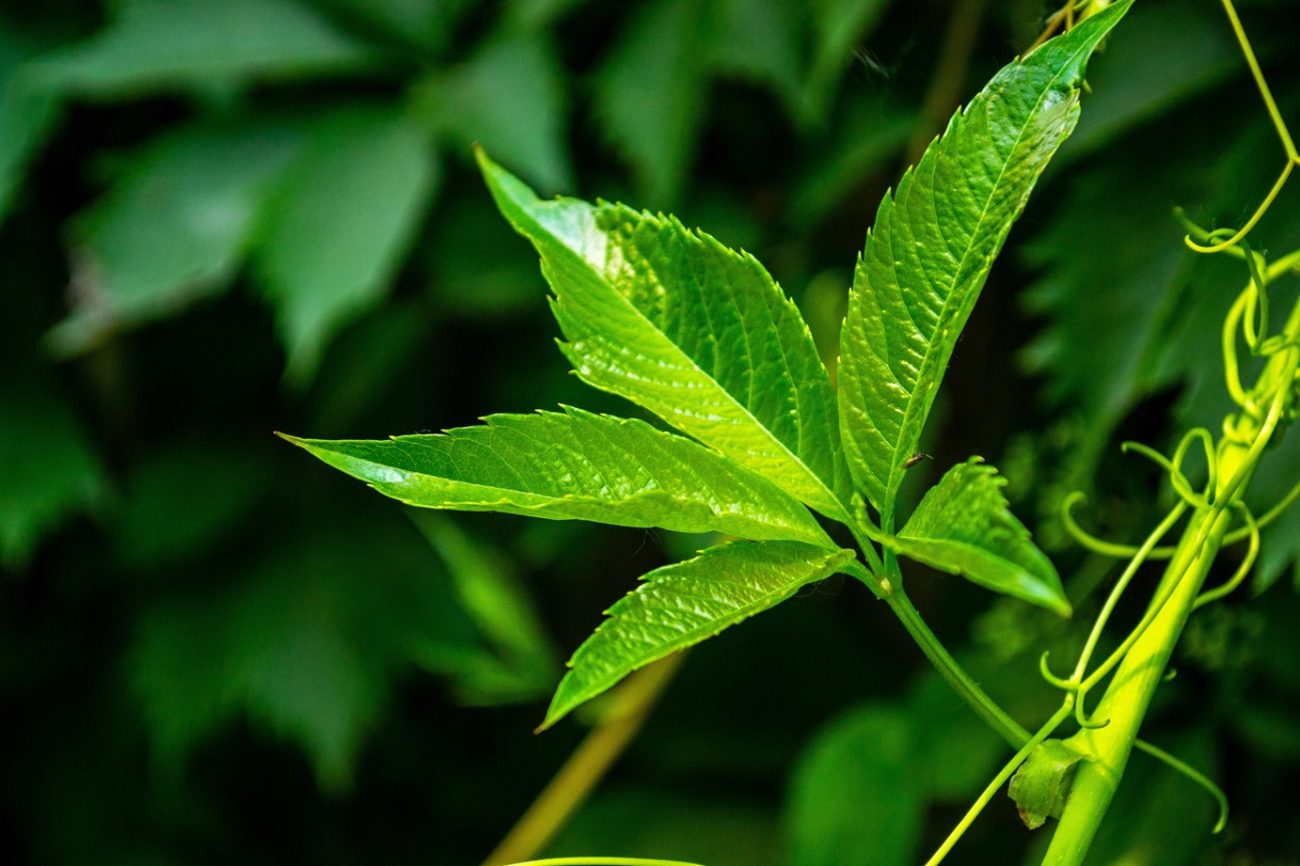
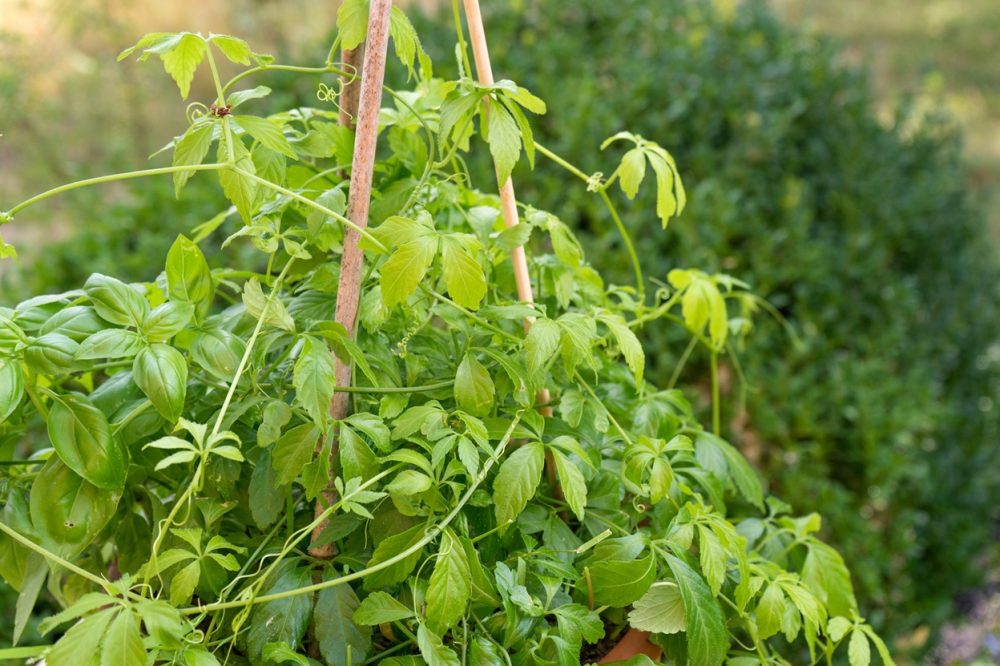
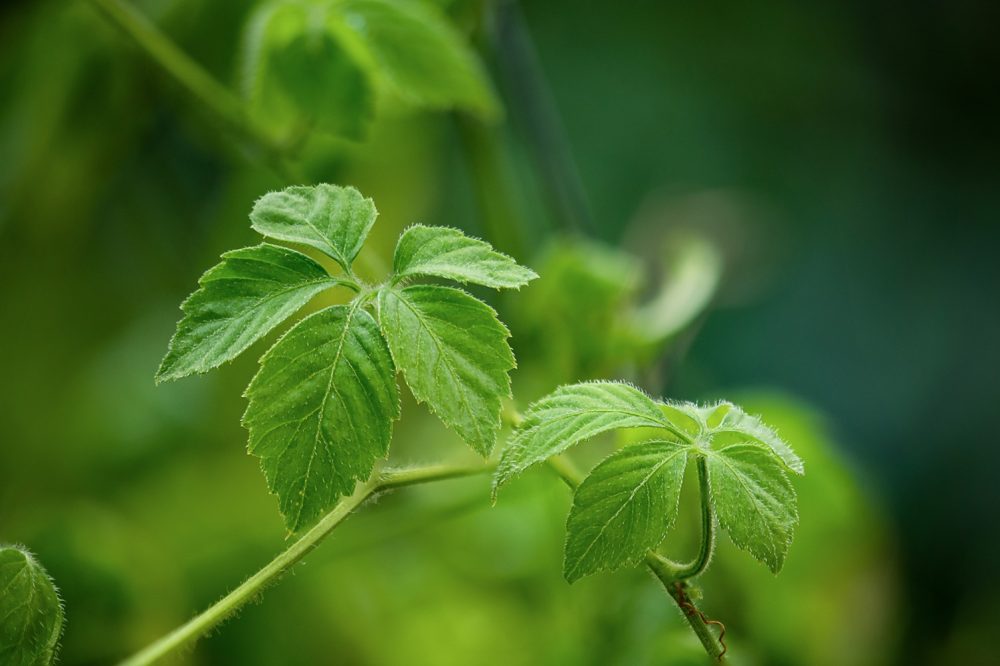
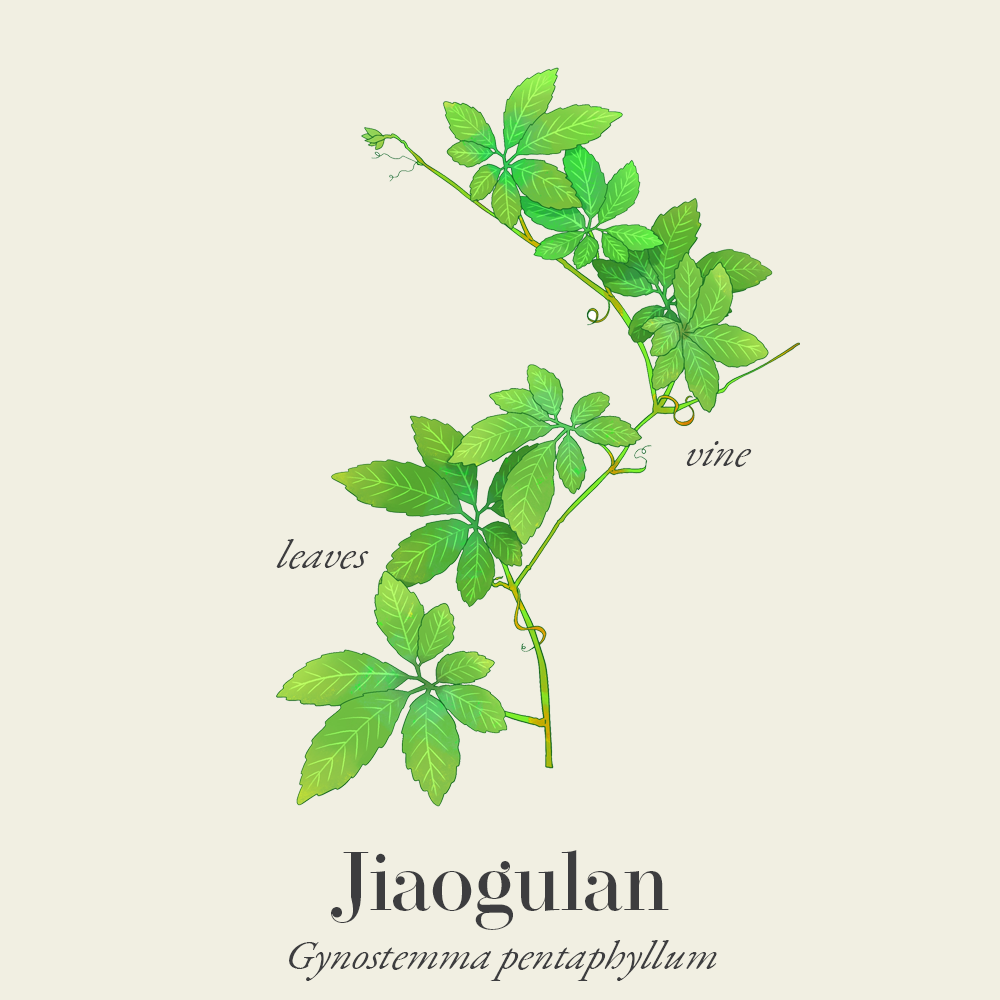
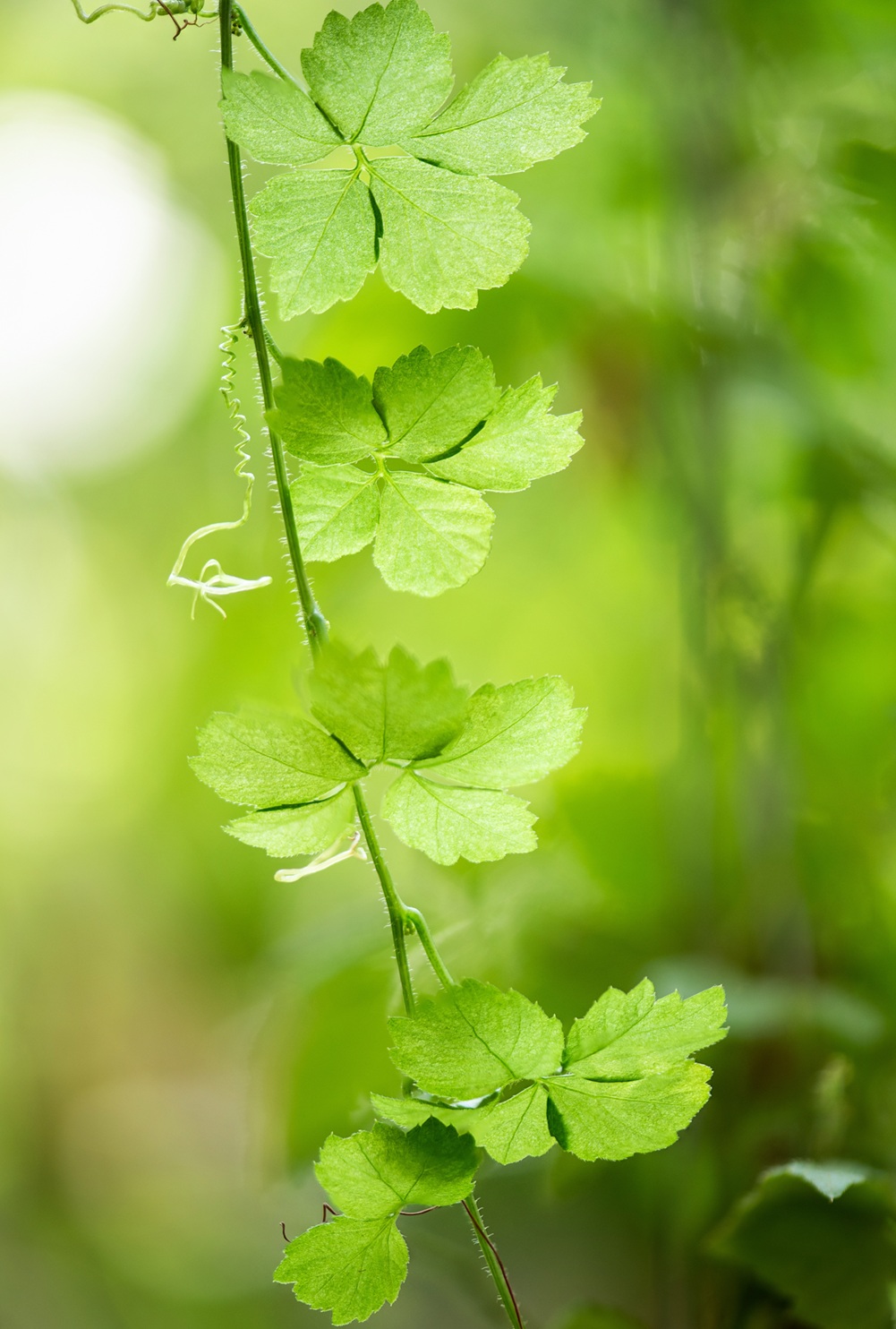
G. pentaphyllum is a dioecious, herbaceous perennial climbing vine belonging to the gourd and cucumber family, Cucurbitaceae (48). The plant has thin, slender, branching stems that are grooved and may be smooth or sparsely hairy.
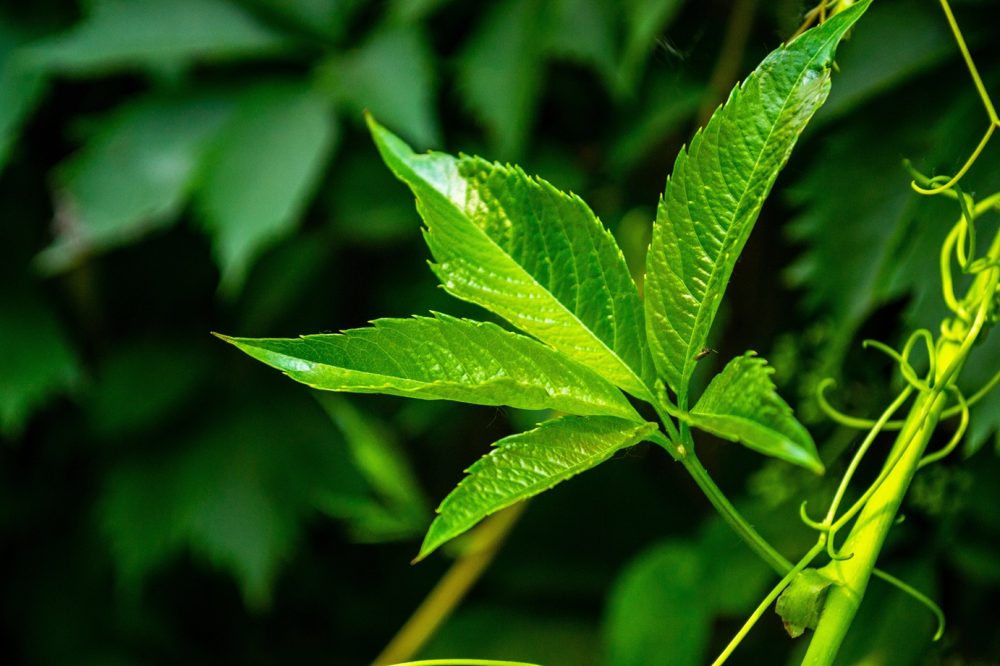
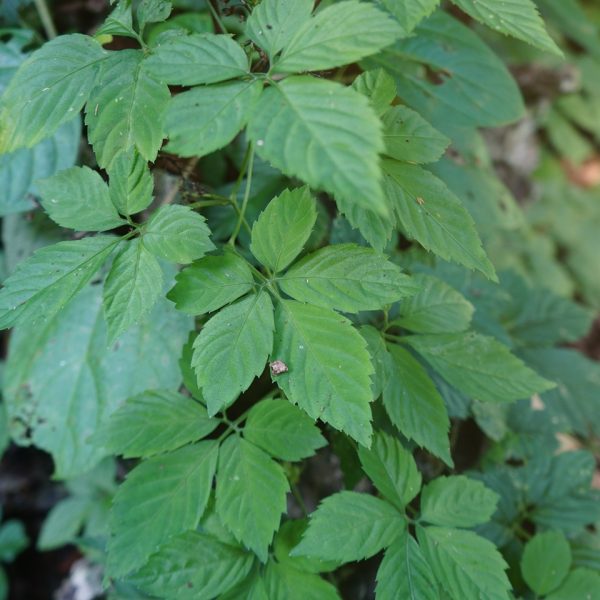
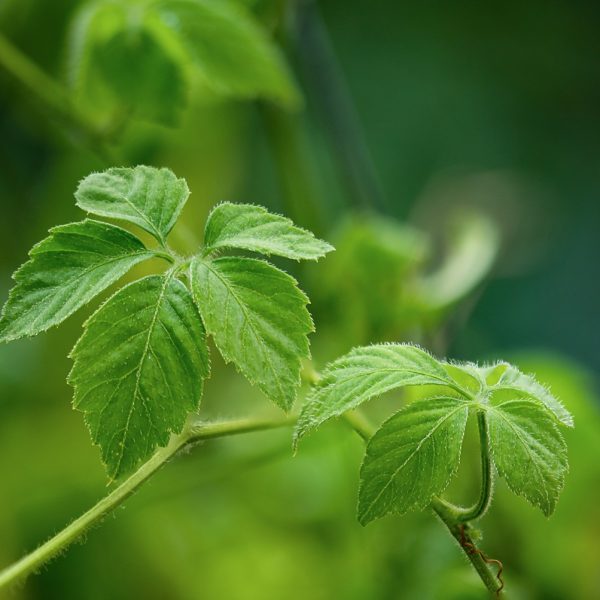
The leaves are palmately compound, consisting of 3 to 9 leaflets. The leaflets are membranous, ovate-elliptic to oblong in shape, with a tapering apex. The upper leaf surface is dark green and scabrous, while the underside is paler green and smooth. Tendrils are thin, simple, or two-branched, arising from the leaf axils.
Male flowers are borne in large, branched panicles 10–15 cm (sometimes up to 30 cm) in length. The corolla is light green or white, with five deeply cleft lobes; each lobe is ovate-lanceolate, single-veined, and measures 2.5–3.0 mm in length. The stamens consist of five fused filaments forming a central column. Female flowers are similar in structure to male flowers but notably smaller. They possess a globose ovary with 2–3 locules, and three short styles with dual-lobed stigmas.
The fruit is a small, smooth, globose berry, 4–6 mm in diameter, ripening from green to black. The seeds are dark brown, compressed, and covered with irregular, hairy or follicular nodules, with an oblique apex and a heart-shaped base.
In the Northern Hemisphere, flowering occurs from March to November, with fruiting from April to December. The optimal harvest time in China is September to October, when the aerial parts are collected for medicinal use.
-
Common names
- Five-leaf ginseng
- Southern ginseng
- Herb of immortality
- Longevity herb
- Sweet tea vine
-
Habitat
G. pentaphyllum is mainly found in southwestern China but also grows in India, Nepal, Bangladesh, Sri Lanka, Myanmar, Korea, and Japan (48). It is native to mountain forests, hillside meadows, timber, scrub, stream sides, roadsides, and shrubs, where it grows in shady and moist areas.
-
How to grow jiaogulan
Jiaogulan is suitable to grow in hardiness zones 8–11 but can also grow in cooler climates as an annual, or brought inside during winter, or covered with a frost blanket (49,50). It can grow in most types of soil but prefers slightly acidic (pH 5.5–6.5) and should be well drained with a layer of compost or well aged manure around the plant to keep the roots cool and moist. It does require any other fertiliser.
It can tolerate full sun but thrives in partial shade as direct sunlight may damage the leaves and hinder growth (49,50). It is native to tropical climates and so prefers warm, humid environments, or to be placed near a window and misted frequently, or in a greenhouse. Light frost can be tolerated but it can be damaged by hard frost. Provide a trellis or other supporting structure and water to keep the soil evenly moist. It may wilt in dry soil but springs back with a little water. It should be trimmed regularly to prevent it becoming invasive, and may need to be protected from common pests such as aphids, mealybugs, and spider mites with insecticidal soap or neem oil, and from slugs and snails with diatomaceous earth.
Propagate by planting cuttings from a mature vine (49,50). Seeds are much more difficult to propagate but they should be planted directly in the garden after the last frost in spring, or indoors in pots filled with moist seed-starting mix and placed under a grow light for at least 12 hours per day. Watch for germination in two to six weeks, depending on temperature. Plants are either male or female, so, if seeds are desirable, plant at least one of each in close proximity, 12–18 inches apart.
Leaves should be harvested in the morning when they are dry and stored in a cool, dry place (50).
-
Herbal preparation of jiaogulan
- Decoction
- Powder
- Tincture
-
Plant parts used
- Rhizome
- Herb
-
Dosage
- Tincture (1:3 | 25%) (51,52)
- Infusion/decoction: 5–2 g (4), or 15–30 g (53)
- Powder 0.75–1 g (4), or 6 g (53)
-
Constituents
- Saponins — gypenosides: Structurally similar to ginsenosides, the active compounds in Panax ginseng, with some being identical to ginsenosides Rb1, Rb3, F2, Rg3, Rc, Rd, malonyl-Rb1, and malonyl-Rd, making this the first plant outside of the true ginseng species (Araliaceae) found to contain these compounds (3,46).
- Polysaccharides: Carbohydrate content which has demonstrated antioxidant and antiinflammatory effects through modulation of cellular signalling pathways and modulation of gut microbiota (54).
-
Jiaogulan recipe
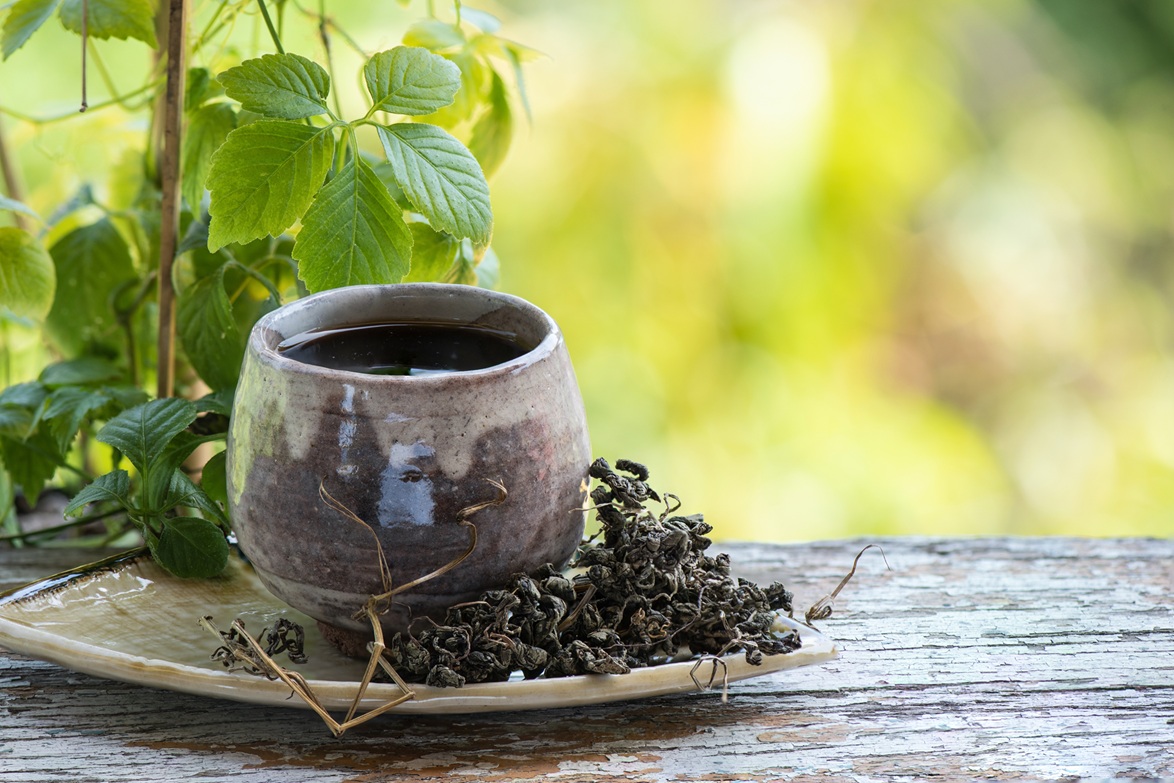
Jiaogulan tea
Jiaogulan is not typically used in classical formulas, but consumed in a similar way to tea, and occasionally added to stews. This makes its most representative recipe much simpler than most Chinese herbs. It is used as a long term aid for longevity, fatigue, obesity, diabetes, supporting liver, brain and cardiovascular health, prevention of cancer, anxiety, stress, allergies and gastric ulcers (55).
Ingredients
- 2–3 g (1 tsp) jiaogulan (G. pentaphyllum)
- 250 ml water
How to make jiaogulan tea
- Place the dried leaves in a teapot or cup.
- Pour the boiling water over the leaves.
- Cover and let it steep for between 1 and 20 minutes depending on the strength desired.
- The dregs can be retained and steeped again up to 3 times.
- Alternatively, 15–30 g can be decocted when treating specific conditions (53).

-
Safety
There have been no reports of toxic reactions due to consumption of ^. Animal studies support this with chronic consumption in doses of up to 750 mg/kg/day for 24 weeks producing no lethal or harmful effects (56) and a single acute dose of up to 5000 mg/kg and subchronic doses of up to 1000 mg/kg/day for 90 days producing changes in blood chemistry, but still within normal ranges (57).
There is no direct information on pregnancy although some sources (58) recommend avoiding taking during pregnancy. They are elusive about their source for this data, but it appears to be a theoretical concern derived from observation of birth defects in rat and mouse embryos given by high doses of ginsenoside Rb1 (59,60), of which gypenside III is an identical molecule (61). Caution is also advised during breastfeeding or when giving to children due to a lack of robust data supporting its use rather than any actual reported adverse events (58).
-
Interactions
G. pentaphyllum shows inhibitory effects on cytochrome P450 enzymes CYP2C8, CYP2C9, CYP2C19, and CYP3A4 in vitro (62), which could affect the metabolism of certain medications, although no confirmed reports of herb-drug interactions have been described in clinical trials (24).
-
Contraindications
None, although it is better suited to warm pathologies due to its cooling nature (4).
-
Sustainability status of jiaogulan
Gynostemma does not appear on any endangered species watch list, due to being a fast growing, widely distributed vine that is heavily cultivated throughout south and east Asia (63).
Read our article on Herbal quality & safety: What to know before you buy and Sustainable sourcing of herbs to learn more about what to look for and questions to ask suppliers about sustainability.
-
Quality control
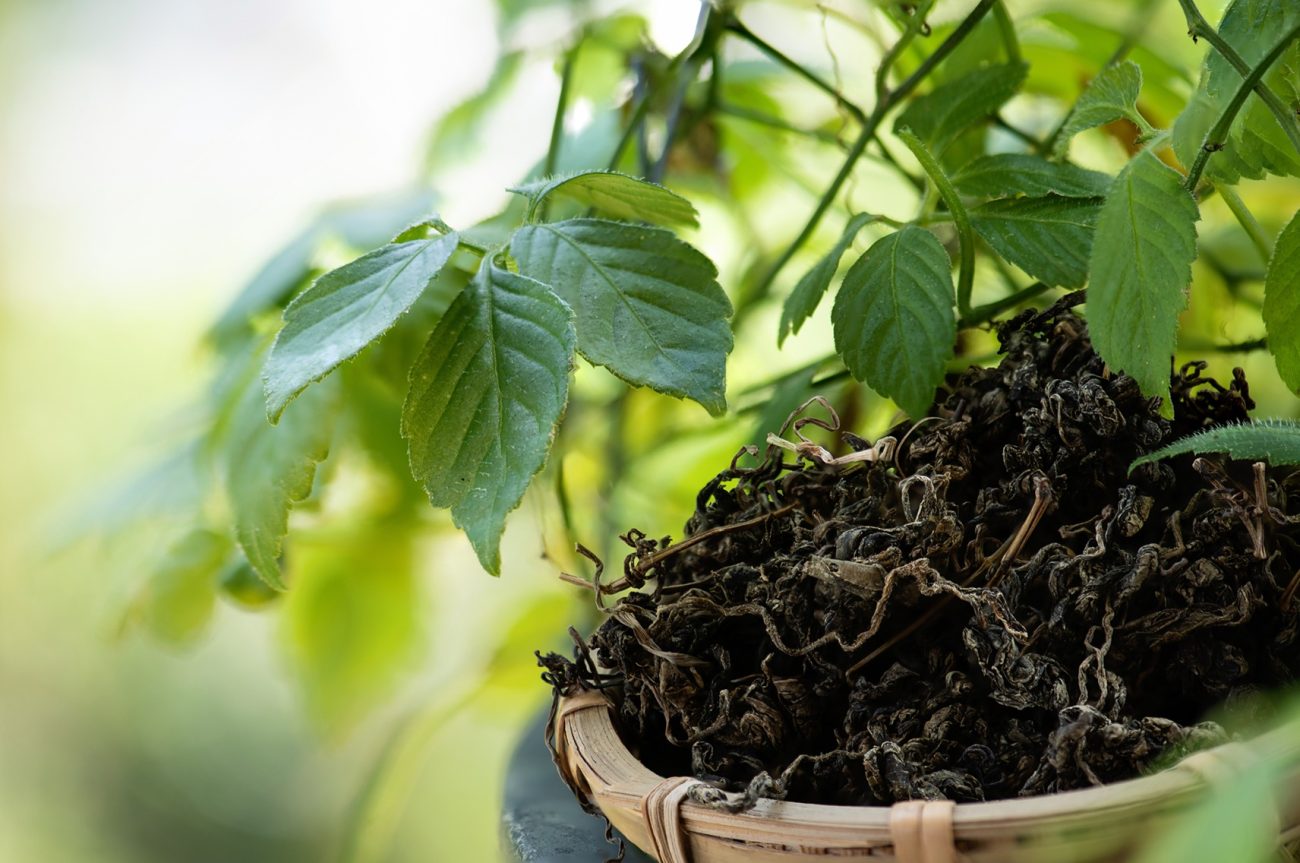
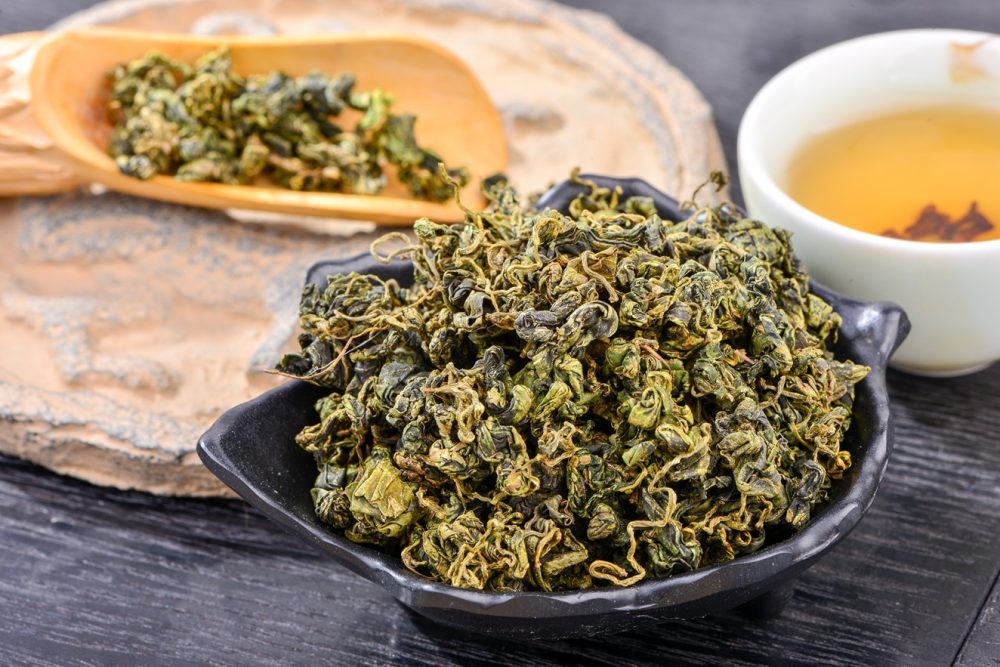
Good quality jiaogulan should be greenish brown with slender, angular-sulcate, glabrous or sparsely pubescent, stems, some with tendrils, and curled leaves (64). However, differentiation from adulterants and contaminants is challenging using macroscopic methods and Cayratia japonica has been a common adulterant which was even confused for G. pentaphyllum by Li Shizhen in the 16th century and whose entry remained unchecked for almost 300 years (10).
Other common adulterants include G. longipes, G. laxum, G. burmanicum, and G. pubescens. Today these can be easily differentiated using genetic markers (65,66,67), chloroplast markers (68) and saponin profile (69). This is often carried out using thin layer chromatography (64). Traditionally gypenoside III / ginsenoside Rb1 has been used as the primary quality marker, although gypenoside XLVI is a more stable and reliable marker and expected to replace it in time (70). It should have a saponin content of not less than 8% w/w dried weight (64).
G. longipes and G. laxum are sometimes considered acceptable substitutes in Vietnam and other Asian countries due to G. longipes displaying comparable antidiabetic activity, and G. laxum showing neuroprotective properties (10).
-
References
- Domuzov P. Benefits of jiaogulan and how it works. Majestic Herbs. Published 2023. Accessed June 16, 2026. https://majesticherbs.com/jiaogulan-benefits-how-it-works/
- Li XC, Li FF, Pei WJ, Yang J, Gu YL, Piao XL. The content and principle of the rare ginsenosides produced from Gynostemma pentaphyllum after heat treatment. Molecules. 2023;28(17):6415. https://doi.org/10.3390/molecules28176415
- Su C, Li N, Ren R, et al. Progress in the medicinal value, bioactive compounds, and pharmacological activities of Gynostemma pentaphyllum. Molecules. 2021;26(20):6249. https://doi.org/10.3390/molecules26206249
- Chen JK, Chen TT. Chinese Medical Herbology and Pharmacology. Art of Medicine Press; 2012.
- Ahn Y, Lee HS, Lee SH, et al. Effects of gypenoside L-containing Gynostemma pentaphyllum extract on fatigue and physical performance: a double-blind, placebo-controlled, randomized trial. Phytother Res. 2023;37(7):3069-3082. https://doi.org/10.1002/ptr.7801
- Choi EK, Won YH, Kim SY, et al. Supplementation with extract of Gynostemma pentaphyllum leaves reduces anxiety in healthy subjects with chronic psychological stress: a randomized, double-blind, placebo-controlled clinical trial. Phytomedicine. 2019;52:198-205. https://doi.org/10.1016/j.phymed.2018.05.002
- Kaur A, Kumar R. Use of herbal drugs in cardiovascular disease: a review. Curr Cardiol Rev. 2025;21(1):e1573403X323724. https://doi.org/10.2174/011573403X323724240830075719
- Li X, Khan I, Han R, et al. Gynostemma pentaphyllum saponins shield mice from peanut allergy by modulation of gut microbiota: a novel approach for peanut allergy management. Phytomedicine. 2024;135:156101. https://doi.org/10.1016/j.phymed.2024.156101
- Li Y, Lin W, Huang J, Xie Y, Ma W. Anti-cancer effects of Gynostemma pentaphyllum (Thunb.) Makino (Jiaogulan). Chin Med. 2016;11:43. https://doi.org/10.1186/s13020-016-0114-9
- Nguyen NH, Ha TKQ, Yang JL, Pham HTT, Oh WK. Triterpenoids from the genus Gynostemma: chemistry and pharmacological activities. J Ethnopharmacol. 2021;268:113574. https://doi.org/10.1016/j.jep.2020.113574
- Zhang HX, Wang ZZ, Du ZZ. Sensory-guided isolation and identification of new sweet-tasting dammarane-type saponins from Jiaogulan (Gynostemma pentaphyllum) herbal tea. Food Chem. 2022;388:132981. https://doi.org/10.1016/j.foodchem.2022.132981
- Glenn L. Gynostemma – the longevity herb. HerbClip. American Botanical Council. Published January 31, 2011. Accessed June 16, 2026. https://www.herbalgram.org/resources/herbclip/herbclip-news/2011/gynostemma-the-longevity-herb/
- Jaikampan K, Poomanee W, Thavanapong T, Chittasupho C, Jantadee K, Sainakham M. Preparation of Gynostemma pentaphyllum extracts using natural deep eutectic solvents with ultrasound-assisted extraction for cosmetic applications. Plants (Basel). 2025;14(11):1622. https://doi.org/10.3390/plants14111622
- Lee J, Jin Y, Zhang X, et al. Therapeutic potential of Gynostemma pentaphyllum extract for hair health enhancement: a randomized, double-blind, placebo-controlled clinical trial. Nutrients. 2025;17(5):767. https://doi.org/10.3390/nu17050767
- Liang Y, et al. Neuroprotective properties of Gynostemma pentaphyllum in age-related cognitive decline and dementia. [Incomplete. See note below.]
- Unschuld PU, Tessenow H. Huang Di Nei Jing Su Wen: An Annotated Translation of Huang Di’s Inner Classic—Basic Questions. Vols 1-2. University of California Press; 2011.
- Woodley S. Mitochondria in Chinese medicine part 3: antioxidants. Register of Chinese Herbal Medicine Journal. 2025;22(1). Accessed August 6, 2026. https://www.rchm.co.uk/resources/the-register-of-chinese-herbal-medicine-journal-summer-2025-vol-22-n-1
- 绞股蓝 [Jiaogulan]. A+ Hospital. Accessed May 26, 2026. https://cht.a-hospital.com/w/绞股蓝
- Duplicate of reference 6.
- Rao A, Clayton P, Briskey D. The effect of an orally-dosed Gynostemma pentaphyllum extract (ActivAMP) on body composition in overweight, adult men and women: a double-blind, randomised, placebo-controlled study. J Hum Nutr Diet. 2022;35(3):583-589. https://doi.org/10.1111/jhn.12936
- Nayyar D, Yan X, Xu G, et al. Gynostemma pentaphyllum increases exercise performance and alters mitochondrial respiration and AMPK in healthy males. Nutrients. 2023;15(22):4721. https://doi.org/10.3390/nu15224721
- Shao J, Li C, Bai L, et al. Recent evidence in support of traditional Chinese medicine to restore normal leptin function in simple obesity. Heliyon. 2022;8(5):e09482. https://doi.org/10.1016/j.heliyon.2022.e09482
- Shen X. The milestones of diabetes in traditional Chinese medicine. Sun Ten Journal. 2007;(8):51-54. Accessed June 15, 2026. https://www.suntenglobal.com/_en/News-Datain.php?id=475
- Dai N, Zhao FF, Fang M, Pu FL, Kong LY, Liu JP. Gynostemma pentaphyllum for dyslipidemia: a systematic review of randomized controlled trials. Front Pharmacol. 2022;13:917521. https://doi.org/10.3389/fphar.2022.917521
- Jiang Q, Yang T, Yang H, et al. Integrated multi-omics investigation of gypenosides’ mechanisms in lowering hepatic cholesterol. Biomolecules. 2025;15(8):1205. https://doi.org/10.3390/biom15081205
- Zheng Y, Wei W, Wang Y, Li T, Wei Y, Gao S. Gypenosides exert cardioprotective effects by promoting mitophagy and activating PI3K/Akt/GSK-3β/Mcl-1 signaling. PeerJ. 2024;12:e17538. https://doi.org/10.7717/peerj.17538
- Rujjanawate C, Kanjanapothi D, Amornlerdpison D. The anti-gastric ulcer effect of Gynostemma pentaphyllum Makino. Phytomedicine. 2004;11(5):431-435. https://doi.org/10.1016/j.phymed.2003.07.001
- Hu X, Wang W, Zhang D, et al. Phytochemistry, bioactivities and application of Gynostemma pentaphyllum polysaccharide: a review. Int J Biol Macromol. 2025;322(pt 1):144964. https://doi.org/10.1016/j.ijbiomac.2025.144964
- Lokman EF, Gu HF, Wan Mohamud WN, Östenson CG. Evaluation of antidiabetic effects of the traditional medicinal plant Gynostemma pentaphyllum and the possible mechanisms of insulin release. Evid Based Complement Alternat Med. 2015;2015:120572. https://doi.org/10.1155/2015/120572
- Yang S, Zhao M, Lu M, et al. Network pharmacology analysis, molecular docking integrated experimental verification reveal the mechanism of Gynostemma pentaphyllum in the treatment of type II diabetes by regulating the IRS1/PI3K/Akt signaling pathway. Curr Issues Mol Biol. 2024;46(6):5561-5581. https://doi.org/10.3390/cimb46060333
- Shang X, Chao Y, Zhang Y, Lu C, Xu C, Niu W. Immunomodulatory and antioxidant effects of polysaccharides from Gynostemma pentaphyllum Makino in immunosuppressed mice. Molecules. 2016;21(8):1085. https://doi.org/10.3390/molecules21081085
- Yin Y, Lai W, Hu C, et al. Gypenosides inhibit melanoma proliferation, migration and enhance the anti-tumor immunity of CD8+ T cells via ETV5/PD-L1 signaling. J Transl Med. 2026;24(1):735. https://doi.org/10.1186/s12967-026-08129-7
- Xiao MY, Pei WJ, Li S, et al. Gypenoside L inhibits hepatocellular carcinoma by targeting the SREBP2-HMGCS1 axis and enhancing immune response. Bioorg Chem. 2024;150:107539. https://doi.org/10.1016/j.bioorg.2024.107539
- Kim MY. Anti-inflammatory property of hydrogen-rich Gynostemma pentaphyllum Makino distillate. J Appl Nat Sci. 2024;16(4):1824-1829. https://doi.org/10.31018/jans.v16i4.5954
- Deng WY, Zhou CL, Zeng MY. Gypenoside XVII inhibits ox-LDL-induced macrophage inflammatory responses and promotes cholesterol efflux through activating the miR-182-5p/HDAC9 signaling pathway. J Ethnopharmacol. 2024;319(pt 1):117070. https://doi.org/10.1016/j.jep.2023.117070
- Guo M, Pei WJ, Liu L, Chen K, Cheng Y, Piao XL. Neuroprotective effects of gypenosides on LPS-induced anxiety and depression-like behaviors. Int Immunopharmacol. 2024;143(pt 1):113367. https://doi.org/10.1016/j.intimp.2024.113367
- Wang J, Shi J, Jia N, Sun Q. Network pharmacology analysis reveals neuroprotection of Gynostemma pentaphyllum (Thunb.) Makino in Alzheimer’ disease. BMC Complement Med Ther. 2022;22(1):57. https://doi.org/10.1186/s12906-022-03534-z
- Circosta C, De Pasquale R, Palumbo DR, Occhiuto F. Bronchodilatory effects of the aqueous extract of Gynostemma pentaphyllum and gypenosides III and VIII in anaesthetized guinea-pigs. J Pharm Pharmacol. 2005;57(8):1053-1058. https://doi.org/10.1211/0022357056613
- Liu S, Yang Q, Dong B, et al. Gypenosides attenuate pulmonary fibrosis by inhibiting the AKT/mTOR/c-Myc pathway. Front Pharmacol. 2022;12:806312. https://doi.org/10.3389/fphar.2021.806312
- Kim MH, Won JA, Yu JS, et al. Therapeutic potential of Gynostemma pentaphyllum (Thunb.) Makino against COVID-19 identified through network pharmacology. Pharmaceuticals (Basel). 2025;18(12):1851. https://doi.org/10.3390/ph18121851
- Hua S, Yang Y, Zou D, et al. COVID-19 and metabolic comorbidities: an update on emerging evidences for optimal therapies. Biomed Pharmacother. 2021;140:111685. https://doi.org/10.1016/j.biopha.2021.111685
- Duplicate of reference 21.
- Duplicate of reference 20.
- Chen XB, Yao CL, Hou JR, et al. Systematical characterization of gypenosides in Gynostemma pentaphyllum and the chemical composition variation of different origins. J Pharm Biomed Anal. 2023;232:115328. https://doi.org/10.1016/j.jpba.2023.115328
- Duplicate of reference 14.
- Li X, Liu L, Wei S. Gynostemma pentaphyllum: a review on its traditional uses, phytochemistry and pharmacology. J Funct Foods. 2025;124:106651. https://doi.org/10.1016/j.jff.2024.106651
- Li S. Bencao Gangmu [Compendium of Materia Medica]. [Publisher of the edition used; year]. Originally published 1596.
- Ahmed A, Saleem MA, Saeed F, et al. Gynostemma pentaphyllum an immortal herb with promising therapeutic potential: a comprehensive review on its phytochemistry and pharmacological perspective. Int J Food Prop. 2023;26(1):808-832. https://doi.org/10.1080/10942912.2023.2185566
- Dyer MH. Immortality herb care: tips for growing jiaogulan herbs at home. Gardening Know How. Updated January 26, 2023. Accessed August 9, 2026. https://www.gardeningknowhow.com/edible/herbs/jiaogulan/growing-jiaogulan-herbs.htm
- Lee L, Lee D. Jiaogulan (Gynostemma pentaphyllum): how to grow, care for, and use immortality herb. Lee House. Published April 28, 2023. Accessed August 9, 2026. https://leehouse.co/blogs/growing-guides/how-to-grow-and-care-for-jiaogulan-gynostemma-pentaphyllum
- Jiao gu lan tincture, Gynostemma pentaphyllum. Bristol Botanicals. Accessed May 26, 2026. https://www.bristolbotanicals.co.uk/pr-7789
- Jiaogulan tincture (Gynostemma pentaphyllum). Napiers. Accessed May 26, 2026. https://napiers.net/products/jiaogulan-tincture-gynostemma-pentaphyllum
- Duplicate of reference 18.
- Qiu M, Yi Q, Luo M, et al. Gynostemma pentaphyllum polysaccharides alleviate ulcerative colitis in mice via the Nrf2/ROS/NLRP3 axis and modulation of the gut microbiota. J Ethnopharmacol. 2026;363:121373. https://doi.org/10.1016/j.jep.2026.121373
- Jiaogulan tea (Gynostemma pentaphyllum) gr. A, USDA organic. Teaside. Published 2026. Accessed August 2, 2026. https://tea-side.com/jiaogulan-tea-gynostemma-pentaphyllum/
- Attawish A, Chivapat S, Phadungpat S, et al. Chronic toxicity of Gynostemma pentaphyllum. Fitoterapia. 2004;75(6):539-551. https://doi.org/10.1016/j.fitote.2004.04.010
- Chiranthanut N, Teekachunhatean S, Panthong A, Khonsung P, Kanjanapothi D, Lertprasertsuk N. Toxicity evaluation of standardized extract of Gynostemma pentaphyllum Makino. J Ethnopharmacol. 2013;149(1):228-234. https://doi.org/10.1016/j.jep.2013.06.027
- Jiaogulan. RxList. Accessed August 9, 2026. https://www.rxlist.com/supplements/jiaogulan.htm
- Chan LY, Chiu PY, Lau TK. An in-vitro study of ginsenoside Rb1-induced teratogenicity using a whole rat embryo culture model. Hum Reprod. 2003;18(10):2166-2168. https://doi.org/10.1093/humrep/deg401
- Liu P, Xu Y, Yin H, Wang J, Chen K, Li Y. Developmental toxicity research of ginsenoside Rb1 using a whole mouse embryo culture model. Birth Defects Res B Dev Reprod Toxicol. 2005;74(2):207-209. https://doi.org/10.1002/bdrb.20038
- National Center for Biotechnology Information. PubChem compound summary for CID 9898279, ginsenoside Rb1. Accessed August 9, 2026. https://pubchem.ncbi.nlm.nih.gov/compound/Ginsenoside-Rb1
- Yu JS, Ji YS, Jo SY, Piao XL, Yoo HH. Evaluation of the inhibitory effect of Gynostemma pentaphyllum extracts on CYP450 enzyme activities using LC-MS/MS. Mass Spectrom Lett. 2023;14(3):116-119. https://doi.org/10.5478/MSL.2023.14.3.116
- IUCN. The IUCN Red List of Threatened Species. Accessed August 9, 2026. https://www.iucnredlist.org
- Department of Medical Sciences, Ministry of Public Health. Thai Herbal Pharmacopoeia 2020. Vol 2. Department of Medical Sciences; 2020.
- Zhou J, Wu YS, Zhao RQ, et al. Molecular authentication of Gynostemma pentaphyllum through development and application of random amplification polymorphic DNA sequence-characterized amplified region marker. Genet Mol Res. 2015;14(4):16204-16214. https://doi.org/10.4238/2015.December.8.10
- Zhang X, Yang H, Wang X, Wang X, Chen C. Genome-wide identification and characterization of OSC gene family in Gynostemma pentaphyllum (Cucurbitaceae). Life (Basel). 2024;14(12):1599. https://doi.org/10.3390/life14121599
- Zhu M, Xie Y, Chen C, Han Y. The complete mitochondrial genome of Gynostemma pentaphyllum reveals a multipartite structure and dynamic evolution in Cucurbitaceae. Genes (Basel). 2026;17(1):7. https://doi.org/10.3390/genes17010007
- Abid S, Mohanan P, Kaliraj L, Park JK, Ahn JC, Yang DC. Development of species-specific chloroplast markers for the authentication of Gynostemma pentaphyllum and their distribution in the Korean peninsula. Fitoterapia. 2019;138:104295. https://doi.org/10.1016/j.fitote.2019.104295
- Cui J, Eneroth P, Bruhn JG. Gynostemma pentaphyllum: identification of major sapogenins and differentiation from Panax species. Eur J Pharm Sci. 1999;8(3):187-191. https://doi.org/10.1016/S0928-0987(99)00013-5
- Wang Y, Wu Y, Wang S, et al. Rapid identification of chemical composition and quality markers of Gynostemma pentaphylla by ultra-performance liquid chromatography combined with triple quadrupole mass spectrometry connected with high-performance liquid chromatography. Spectrosc Lett. 2023;56(8):434-443. https://doi.org/10.1080/00387010.2023.2252887
Meet our herbal experts
Our monographs are written by our monograph authors and edited, reviewed and updated by Herbal Reality.
Meet our Herbal Reality team or explore our Herbal Reality authors.