







Last reviewed 08/07/2026
Sustainability status
At risk from overharvesting and habitat loss. Read more in our sustainability guide.

Contraindications
A contraindication refers to a situation in which a herb should be avoided as it may exacerbate a medical condition or pose undue risk. Contraindications may arise through pharmacodynamic mechanisms (e.g., liquorice in uncontrolled hypertension or uterine stimulants during pregnancy) or pharmacokinetic effects that alter metabolism, absorption or elimination (e.g., tannin-rich herbs in iron-deficient anaemia).
In some cases, herbal actions may aggravate underlying pathologies (e.g., the use of bitter herbs in GERD). Recognition of contraindications requires thorough assessment of patient history, co-morbidities and medications. Consultation with a qualified medical herbalist will provide guidance to ensure safe and appropriate prescribing.
Please read the Contraindications section in this monograph.

-
Herb overview
Safety
Generally considered safe but has been associated with some occasional side effects
Sustainability
Status:
VulnerableKey constituents
Berberine
Coptisine
Palmatine
JatrorrhizineQuality
Origin: China
CultivatedKey actions
Clears heat
Drains damp
Sedates fire
Resolves toxicityKey indications
Dysentery
Fever
Inflammation
DiabetesKey energetics summary
Bitter
ColdSee below for discipline-specific energeticsPreperation and dosage
Rhizome
1.5–9 g/per day
Decoction
-
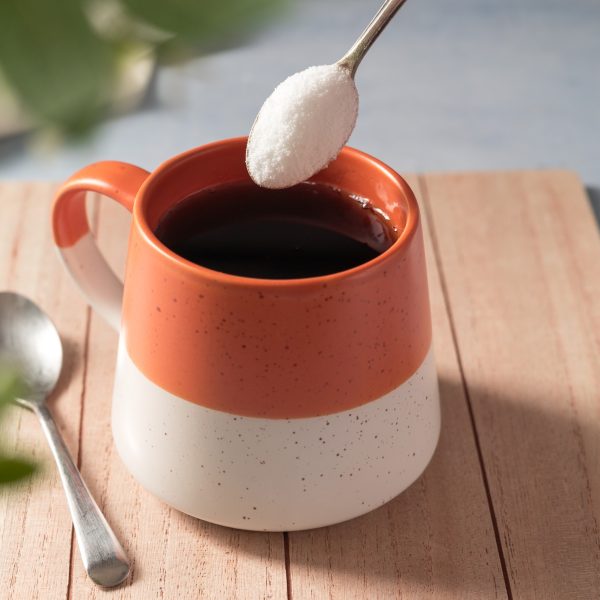
How does it feel?
-
Into the heart of huang lian
Huang lian is one of the coldest and most bitter herbs in the Chinese pharmacopoeia. It even appears in the popular idiom, “a mute person eating huang lian,” referring to being forced to suffer in silence (4). However, another saying says: “good medicine tastes bitter,” meaning that good advice can be uncomfortable to hear (5), but also attests literally to the esteem in which the therapeutic potential of huang lian is held.
The Yellow Emperor’s Inner Classic says that the bitter taste drains and dries while cold overcomes heat (6), properties which give this herb its exceptional fire draining and damp drying properties. This is also behind its limitations, which state that it should not be used in either yin or yang deficiency, because its drying nature will harm the yin, while its cold, descending properties will harm the yang.
The Spleen and Stomach also favour warm, dry conditions meaning, despite it promoting dryness, the coldness of this herb readily damages the digestive system (1). It should also be used cautiously in qi and blood deficiency (7).
-
What practitioners say
 Digestive system
The dominant use of huang lian is in treating inflammation and infection of the gastrointestinal system where its potent antibacterial and anti-inflammatory properties are able to be employed to its fullest extent, without being hampered by the poor bioavailability of berberine which is often less than 1% (8).
It may be combined with a number of other herbs to direct its action towards specific areas of digestive heat. For example, in instances of constipation with fever, flushed face and red eyes, it is combined with Baikal skullcap (Scutellaria baicalensis) and rhubarb root (Rheum officinale) in xie xin tang, which is the basis for a whole family of formulas in which huang lian is the only herb consistently present, including:
- Where there is dysentery with blood and mucus in the stool, it is combined with mu xiang (Aucklandia lappa) in Xiang Lian Wan
- In vomiting, reflux and gastritis it is combined with wu zhu yu (Evodia rutaecarpa) in Zuo Jin Wan (9)
- While in nausea it is combined with zi su ye (Perilla frutescens) leaf in Su He Huang Lian Tang (10)
This may also be the mechanism by which huang lian is able to act on so many other systems due to the close relationship of the gut to the brain, skin, endocrine and immune systems (11).
Immune system
Huang lian is known for its ability to bring down fevers and reduce inflammation both topically and systemically (1,7). The use of this herb for treating fevers dates back to the earliest medical writings in the Han dynasty but its intense cold and bitter qualities made it an important part of the Warm Disease School of the Qing dynasty.
It takes a prominent place in formulas such as Clear the Nutritive Level Decoction (Qing Ying Tang) where it clear heat from the qi and ying levels with high fever that worsens at night, severe irritability and restlessness, possibly with insomnia and delirium. It also appears in Clear Epidemics and Overcome Toxicity Drink (Qing Wen Bai Du Yin) and Guide Out the Red and Order the Qi Decoction (Dao Chi Cheng Qi Tang) that address heat in the blood level due to its ability to treat bleeding, rashes and delirium.
The ability of huang lian to affect the immune system suggests it may have much further indications that just fevers. It has also been suggested to be of use in inflammatory conditions such as arthritis, including rheumatoid, gouty and osteoarthritis (12). In traditional terms, rheumatoid and gouty arthritis translate to damp-heat channel obstructions and often have a dietary component making huang lian an obvious choice.
In treating osteoarthritis, it is important to differentiate between this damp-heat pattern with red, swollen joints that do not respond well to heat, and the more common cold-damp obstruction that tends to be less inflamed but present with greater stiffness and does respond well to heat.
Endocrine system
Berberine has been investigated recently in the management of diabetes for its ability to control blood sugar levels without interacting with medication (2,3). This has precedents in older literature too, with the classical understanding of diabetes, called “wasting and thirsting (xiao ke)” in ancient Chinese literature, being described as three increases (thirst, appetite and urination) and one loss (weight) (13).
Huang lian played a role in some formulas to address the Stomach heat that leads to a large appetite and thirst, but it needed to be combined with other herbs that stop the loss of fluids through the urine and nurture the yin damaged by the heat. Even then, many classical authors warned that all treatments were futile if the patient did not moderate their diet and lifestyle.
Nervous system
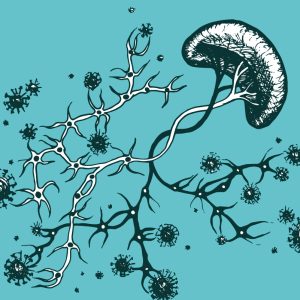
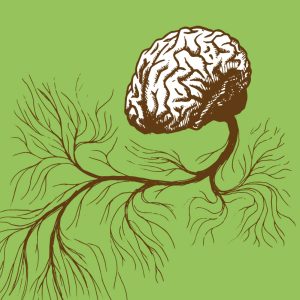
By altering the gut microbiome, huang lian is able to affect the heart (14) and brain (15). This may explain how huang lian has the ability to drain fire from the Heart and is used in some formulas for calming the spirit.
In the Grand Communication Pill (Jiao Tai Wan), huang lian is combined with a small dose of cinnamon (Cinnamomum spp.) to treat insomnia, irritability, restlessness and continuous palpitations with cool limbs (9). This is said to be because there is disharmony between the Heart and Kidneys, the shaoyin axis of fire and water, with fire lacking a basis in the Kidney yang and instead rising upwards towards the Heart, agitating the spirit. Huang lian clears the excess heat from the Heart and makes it descend, while cinnamon helps to guide it back to the Kidneys.
Huang lian is also appended to formulas that treat mental disturbances to address cases of more severe heat. For example, in Huang Lian Wen Dan Tang it is added to the formula Wen Dan Tang that already treats phlegm-heat harassing the Heart due Gallbladder and Stomach disharmony obstructing the qi dynamic (9). This increases its action on restlessness and irritability, especially if accompanied by an intense bitter taste in the mouth.
Skin health
Huang lian can treat skin conditions both topically, where its antimicrobial abilities can be employed on the skin directly, and taken internally where it can reshape the gut microbiome whose disruption is correlated with a number of skin conditions (16).
Its cold and drying nature mean that it excels at treating hot, swollen sores that may emit pus, but it should be avoided in cases where the skin is dry or cool. A common preparation for damp-heat skin conditions is to mix finely powdered huang lian with a base ointment such as petroleum jelly (17).
Eye health
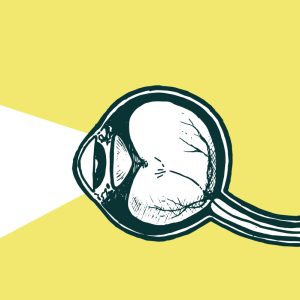
A traditional use that is mentioned only as a side note, if at all, in most modern pharmacopoeias, is for eye disorders, but this appears to have been an important use in ancient times. The earliest Chinese pharmacopoeia, the Divine Farmer’s Materia Medica, says it treats “eye pain, damage to the corner of the eye, and tearing; [and] brightens the eyes” (18).
Meanwhile, the 15th century (Ming dynasty) Essential Subtleties on the Silver Sea records a decoction of huang lian used to wash the eyes to counter an epidemic eye infection (19). This use continues today with research suggesting huang lian combined with levofloxacin can reduce eyelid swelling and pain, shorten healing time and improve treatment success rates (20).
-
Huang lian research
The clinical efficacy of Gegen Qinlian Decoction in treating type 2 diabetes is Positively correlated with the dose of Coptidis rhizoma: Three randomized, doubleblind, dose-parallel controlled clinical trials

Huang lian (Coptis chinensis) Kang et al. (21) set out to investigate whether huang lian or ge gen (Puerariae lobatae radix) was the active ingredient in regulating blood sugars in patients with type 2 diabetes treated with a formula that contained both.
This study followed up a previous study in which they demonstrated the effect on this formula against a placebo group, so this study did not use placebo controls but compared the two treatment groups of 120 participants each, consisting of new-onset type 2 diabetes patients diagnosed with a damp-heat TCM pattern, aged 30–65 years, who completed a screening period consisting of diet control and exercise for two weeks, and still had HbA1c ≥7.0%, fasting blood glucose between 7.0–13.9 mmol/L or two hours postprandial blood glucose ≥11.1mmol.
These were randomly divided into three arms in each group (six groups of ~40 participants each), all receiving the entire formula over a course of 12 weeks but with either high, medium and low doses of either herb. The standard formula consisted of Puerariae lobatae radix 72 g, Scutellariae radix 27 g, Coptidis rhizoma 27 g and Glycyrrhizae radix et rhizoma 18 g. The group receiving a low dose of Pueraria Lobata received 24g and the high dose received 120 g, while the group receiving a low dose of Coptis chinensis received 9g and the high dose received 45 g.
The primary outcome measurement was changes in HbA1c relative to baseline, while secondary outcome measurements were: fasting blood glucose and two hour post-load glucose; blood lipids, including:
- Cholesterol, triglyceride, high-density lipoprotein (HDL), and low-density lipoprotein (LDL)
- Weight, body mass index (BMI), waist circumference, hip circumference, and waist-hip ratio
- Fasting insulin, Homeostasis Model Assessment-β, Homeostasis Model Assessment of Insulin Sensitivity, and Homeostasis Model Assessment of Insulin Resistance
- A total symptom score
HbA1c and fasting insulin were taken at 0 and 12 weeks. All other measurements were taken at 0, 4, 8 and 12 weeks.
The results showed that the change in HbA1c was not significantly correlated with the dose of Puerariae lobatae radix but did positively correlate with the dosage of Coptidis rhizoma (p<0.0492). Neither herb showed a significant correlation with two hour post-load glucose tests.
Secondary outcomes were discussed in supplementary material. This implies that Coptis chinensis is the main agent that reduced HbA1c but the authors acknowledge that the limited number of participants mean the effect size is small and could have benefitted from larger groups, placebo arms, and longer duration of treatment to make better conclusions.
Efficacy and safety of mixture of ivy leaf extract and Coptidis rhizome in the treatment of acute bronchitis: Multicenter, randomized, double-blinded, active-controlled, parallel, therapeutic confirmatory clinical trial
Han et al. (22) investigated the safety and effectiveness of huang lian, mixed with ivy leaf (Hedera helix) extract in a syrup, compared against Pelargonium sidoides in the treatment of acute bronchitis. P. sidoides was chosen as an active comparison because it has been demonstrated to be effective against placebo in several trials with varying levels of approval in systematic analyses and meta-analyses (23,24).
The study recruited 220 participants from 13 treatment centres in Korea, all aged 19-75 years old with symptoms of acute bronchitis scoring five points or more on the Bronchitis Severity Score (BSS), with symptom duration less two weeks and presenting without fever.
They were treated with either intervention three times per day for seven days, after they underwent efficacy and safety assessments, measured as changes in BSS, physician assessed treatment response, overall improvement, and subjective satisfaction using the Integrative Medicine Outcomes Scale. Safety was assessed by asking to report adverse events.
The results indicated that there was no significant difference between the two arms, suggesting that huang lian and ivy leaf extract were equally effective at reducing bronchitis. This is important because P. sidoides has already demonstrated efficacy. It was suspected to be due to α-hederin from ivy leaf which reduces bronchospasms and berberine from Coptis which is anti-inflammatory, although one limitation of this study is that it cannot determine if both were contributing to this effect.
Berberine versus placebo for the prevention of recurrence of colorectal adenoma: a multicentre, double-blinded, randomised controlled study
Chen et al. (25) explored the possibility that berberine could have chemopreventive activity against colorectal adenoma. 1136 Chinese participants from across six provinces aged 18–75 years who had between one and six histologically confirmed colorectal adenomas removed within the last 6 months were recruited and randomly assigned to receive 0.3 g berberine twice daily or placebo. Outcomes were measured with colonoscopy one and two years after enrolment to determine the rate of recurrence.
Among 895 who completed the study, the active arm had a 36% recurrence rate of colorectal adenomas, compared to 47% in the placebo arm (p<0.001), with no cancers detected during follow-up. The implications were that berberine significantly decreased the recurrence rate of colorectal adenoma and all polypoid lesions.
No serious adverse events were reported. Furthermore, a follow up study (26) of 781 of the original participants found that the protective effects of berberine persisted for at least 6 years after the treatment ended, with lower adenoma recurrence rate (34.7% vs. 52.1%; p<0.001) and lower neoplasm occurrence rate (63.4% vs. 71.0% p<0.004).
-
Historical use of huang lian

Huang lian (Coptis chinensis) Huang lian can be used is whenever there is damp-heat in the stomach and intestines manifesting as diarrhoea or dysentery that may or may not contain pus and blood, a burning sensation in the anus after defecation, foul smelling stools, tenesmus, feelings of incomplete evacuation, abdominal pain, epigastric distension and fullness, vomiting or nausea, burning gastric pain, acid reflux, inflamed or bleeding gums and thirst with no desire to drink or a preference for cold drinks (1).
This will be accompanied by other damp-heat signs such as a rapid, slippery pulse and a red tongue with a greasy, yellow coating. It will generally be combined with other herbs that help to direct its actions depending on the specific presentation.
A second common use is to sedate fire and resolve toxicity. This generally relates to the Liver or Heart fire blazing with symptoms such as high fever, irritability, insomnia, dry mouth and throat, a red face, nosebleeds or vomiting blood and dark, scanty urine (7). Liver fire will also present with dizziness, headache, red eyes, short temper, nightmares, tinnitus, and constipation while Heart fire will manifest with tongue ulcers and mania (1).
Both will have a rapid pulse and red tongue, but the redness of Heart fire tends to be localised to the tip, while the Liver is around the sides. Again, it will be combined with different herbs to direct its effects.
The last traditional use of huang lian is for topical application for conditions arising from toxic fire. This includes abscesses, lesions, carbuncles, furuncles, burns, and any red, hot and swollen areas of inflammation where it can be applied as a powder (1). It can also be used as a wash for red and painful eyes, or ulcerations of the tongue and mouth (7).
-
Huang lian’s herbal actions
Herbal actions describe therapeutic changes that occur in the body in response to taking a herb. These actions are used to express how a herb physiologically influences cells, tissues, organs or systems. Clinical observations are traditionally what have defined these actions: an increase in urine output, diuretic; improved wound healing, vulnerary; or a reduction in fever, antipyretic. These descriptors too have become a means to group herbs by their effects on the body — herbs with a nervine action have become the nervines, herbs with a bitter action are the bitters. Recognising herbs as members of these groups provides a preliminary familiarity with their mechanisms from which to then develop an understanding of their affinities and nuance and discern their clinical significance.
-
Huang lian’s energetic qualities
Herbal energetics are the description that herbalists have given to plants, mushrooms, lichens, foods and some minerals based on the direct experience of how they taste, feel and affect the body. All traditional health systems use these principles to explain how the environment impacts health, according to each of their philosophies and frameworks. These assessments of individual herbs, though they often do align, can differ from one another due to cultural differences regarding perspectives on how herbs taste versus their physiological effects. Find out more about traditional energetics in our article An introduction to herbal energetics.
Chinese energetics
Chinese energetics align with Bensky’s Chinese Herbal Medicine: Materia Medica.
-
What can I use huang lian for?
Due to its high content of antimicrobial and anti-inflammatory berberine, huang lian can be used for a number of conditions that would be considered inflammatory or infectious. It is most effective for gastrointestinal infection due to the poor absorption and short half-life of berberine, making it most useful in the treatment of gastritis, stomach ulcers and infectious diarrhoea or dysentery (1).
It has also demonstrated some antiviral activities, which mean that it is often used in the treatment of influenza and hepatitis, and some antifungal actions that help with dermatological conditions where it can be applied topically.
Recent interest around the use of berberine in the management of blood glucose in type 2 diabetes (2), has also led to researchers investigating huang lian (3). This potential novel usage shows promise but further research is required.
-
Did you know?
The deep orange colour of the roots has led to huang lian being used by indigenous Bai peoples of Yunnan as a yellow dye for textiles (27,28).


 Digestive system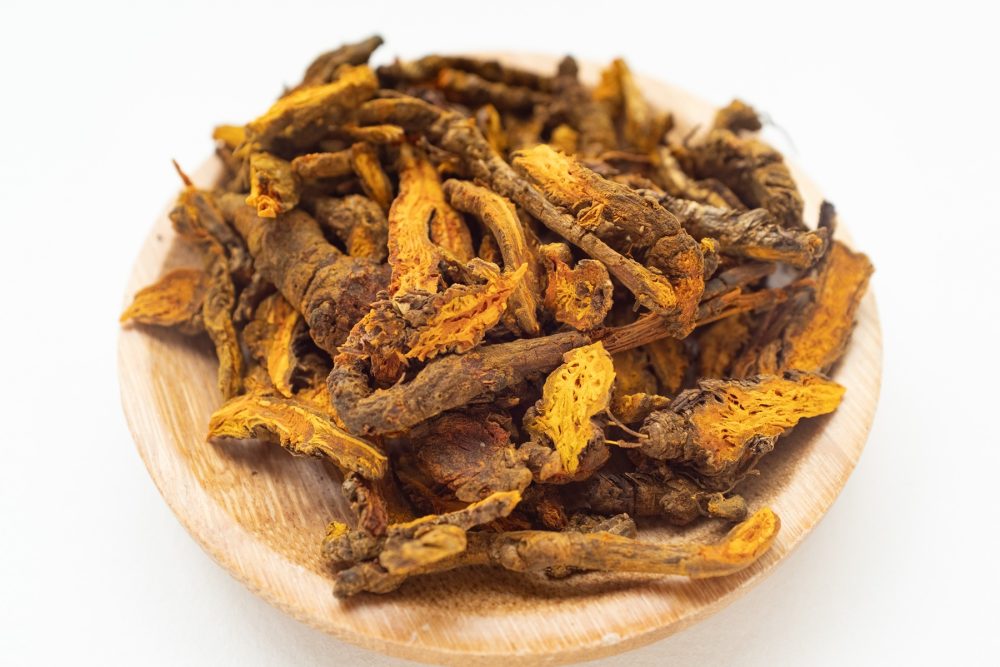
-
Botanical description
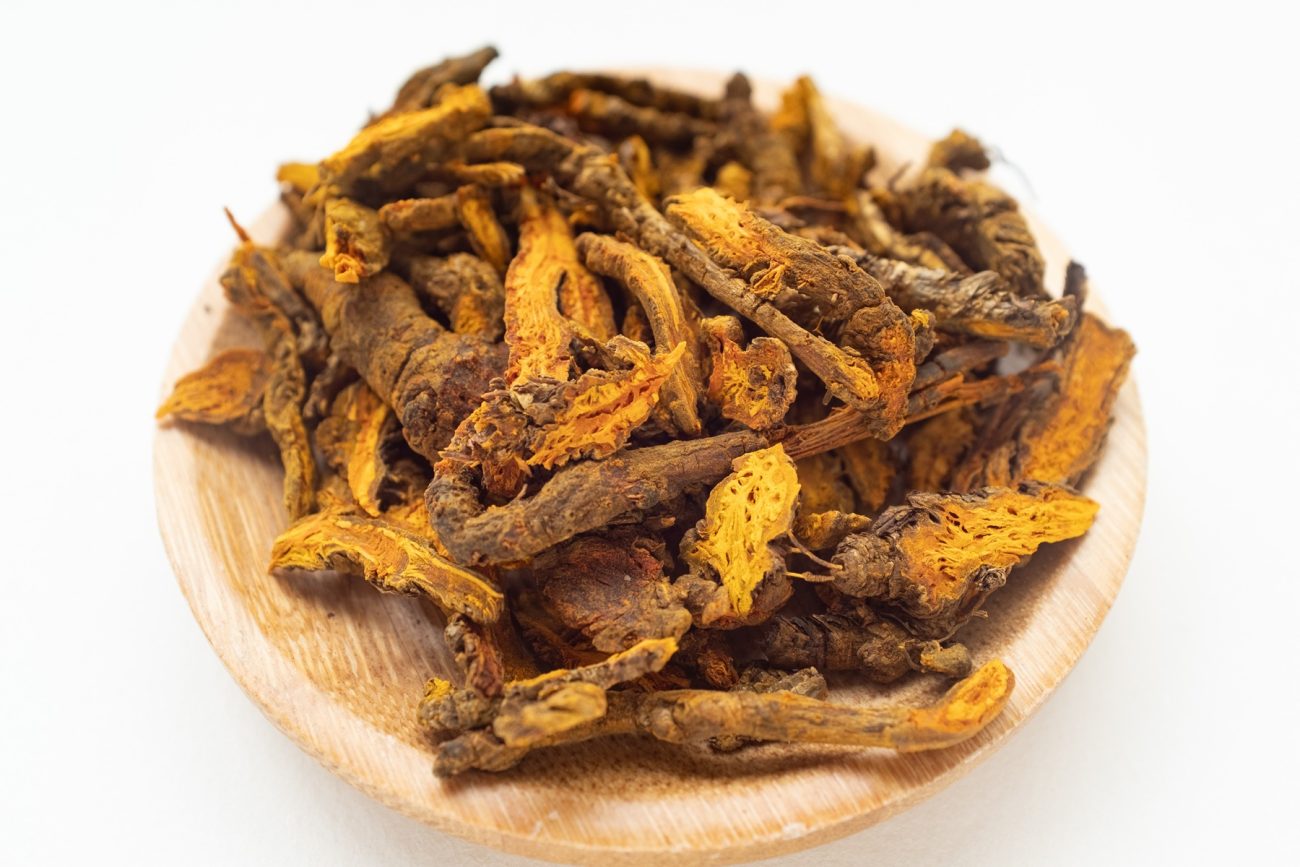
Coptis chinensis Franch. is an evergreen perennial herb 15–25 cm tall with 3–6 branched and nodular rhizomes with short stolon internodes that are bright golden-yellow internally (29).
It is in leaf all year, flowers from February to March, and the seeds ripen from April to May.
It is hermaphrodite and is pollinated by insects (28).
-
Common names
Chinese goldenthread
-
Habitat
Huang lian grows in China and East Asia in damp coniferous woods and bogs, or forests, shaded places in valleys at elevations of 500–2000 m (28).
-
How to grow huang lian
Huang lian succeeds in a light, moist, humus-rich, slightly acidic soil with a northerly aspect or light shade (28). Plants are hardy to at least –15°C.
-
Herbal preparation of huang lian
- Unprocessed: Stronger at clearing heat, sedating fire and draining dampness (1)
- Dry fried: Moderates its coldness to prevent injury to the yang qi of the Stomach and Spleen (7)
- Wine fried: Directs its actions towards the head and eyes (7) while also reducing the effects of its bitter and cold properties (1)
- Ginger fried: Focuses its actions on the Stomach and directs qi downwards to aid with nausea (7), while also reducing the effects of its bitter and cold properties (1)
- Evodia fried: Directs its activities towards the Liver, alleviating diarrhoea, nausea and acid regurgitation (7)
- Salt fried: Reduces its drying properties and directs its actions towards the lower body (7)
- Charred: Guides its effects to the Blood level to stop haemorrhage due to heat, especially in the treatment of dysenteric disorders with blood in the stool (7)
- Fried with pig bile: Enhances its effects on clearing heat from the Liver and Gallbladder (1)
-
Plant parts used
Rhizome
-
Dosage
- Tincture (1:3 | 25%) (29,30)
- Infusion/decoction: 1.5–10 g, occasionally up to 15 g (1,7)
- Topically as a powder (1)
-
Constituents
- Alkaloids: Berberine, coptisine, palmatine, jatrorrhizine, columbamine, worenine, magnoflorine
-
Huang lian recipe
Huang Lian Jie Du Tang (Coptis decoction to resolve toxicity)
This is the representative formula for resolving damp-heat and fire toxicity anywhere in the body and is used as the basis for a number of other formulas that add or subtract herbs in order to direct its focus onto a specific system.
It consists of four herbs, three of them known as the “three yellows” which each drain damp-heat but focus their effect on one of the “Three Burners” (body regions): upper, middle and lower, with the final herb, gardenia, having the property of draining heat from all three (32).
Coptis plays the role of the title herb in this formula because it is the most bitter, cold and draining of them all. It was originally developed for the treatment of alcohol abuse whose effects can be felt all over the body with signs of insomnia, flushes, irritability and distention that can provide useful clinical markers for its use (9).
Ingredients
- 9 g Coptidis rhizoma (huang lian) — often reduced to ⅓ or ½ in modern prescriptions
- 6 g Scutellariae radix (huang qin)
- 6 g Phellodendron cortex (huang bai)
- 6–12 g (14 pieces) Gardeniae fructus (zhi zi) — opened
- 1200 mL water
How to make a coptis decoction to resolve toxicity
- Cook the ingredients in 1200 mL of water until 400 mL remains (32).
- Remove the dregs.
- Optional: Some texts advise allowing to cool to enhance its cooling effects.
- Divide into two equal doses and take over the course of one day.
-
Safety
Huang lian is generally considered safe but has been associated with some occasional side effects including transient diarrhoea, abdominal distention, borborygmus, increased urination, loss of appetite, nausea, vomiting, epigastric discomfort (7), allergic rashes, dizziness, tinnitus, headache, palpitations and low red blood cell count (1).
In infants, it has been known to cause jaundice (7).
-
Interactions
Huang lian inhibits cytochrome P450 enzymes 2D6, 2C9, and 3A4, and can also induce 3A4 with prolonged use, although the clinical significance of these interactions is not known (33).
Berberine has also shown promise as a protective agent against cyclophosphamide induced nephrotoxicity (34), although only animal trials have been conducted to date.
-
Contraindications
Traditional contraindications include any deficiency disorders, especially heat from deficient yin, or cold from deficient yang, Spleen and Stomach deficiency and qi and blood deficiency (7).
Modern contraindications include jaundiced neonates, due to it displacing bilirubin, and that caution is applied with patients with heart disease because it may prolong QTc intervals (33).
-
Sustainability status of huang lian

Coptis chinensis is classified as vulnerable by the IUCN, with other species such as C. deltoidea and C. teeta that are also used as medicinal species being critically endangered and endangered, respectively (31,35) from to over-harvesting and a habitat that is shrinking due to climate change (36).
Read our article on Herbal quality & safety: What to know before you buy and Sustainable sourcing of herbs to learn more about what to look for and questions to ask suppliers about sustainability.
-
Quality control
Huang lian is almost exclusively harvested from cultivated crops grown in the Chinese provinces of Chongqing, Gansu, Guizhou, Hubei, Saanxi and Sichuan with good agricultural practice standards awarded at several of these sites (31).
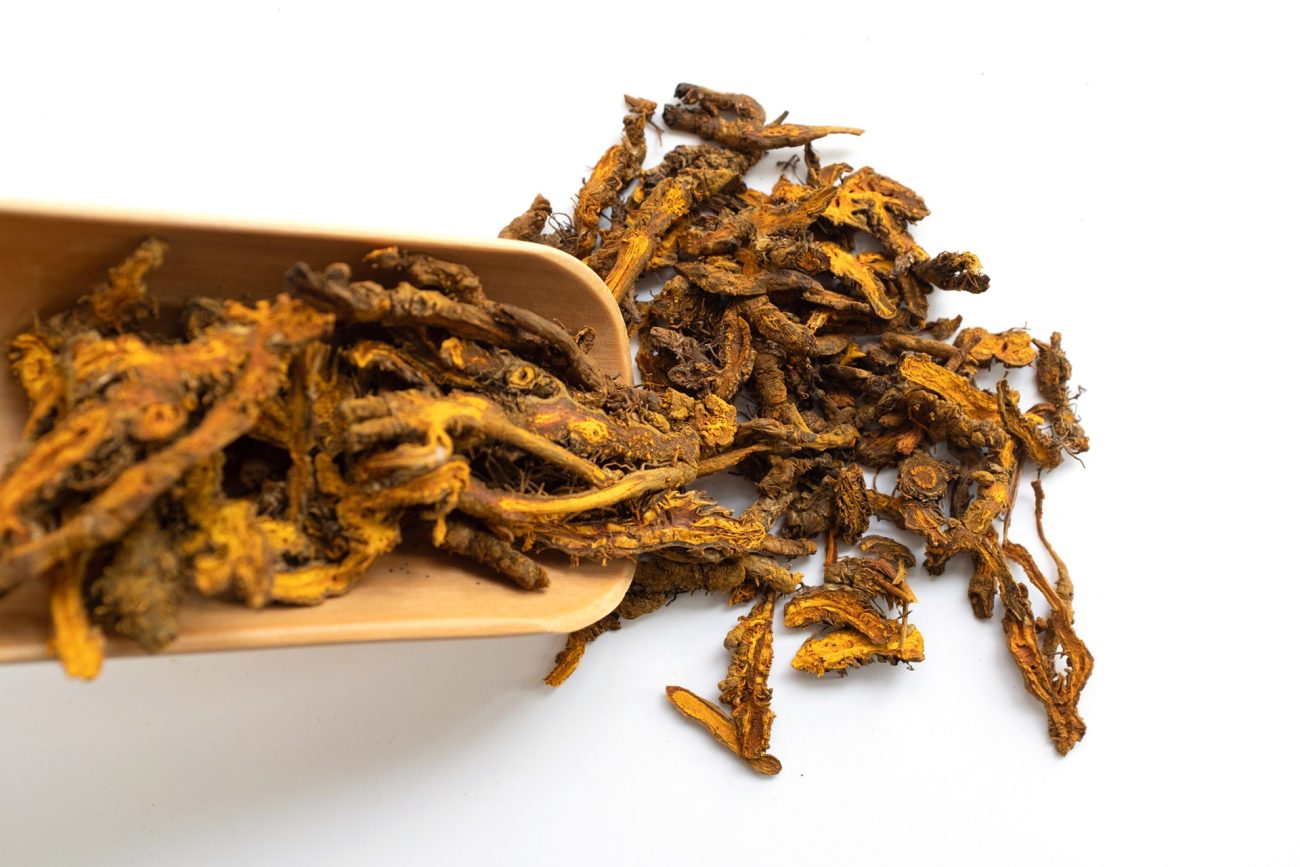
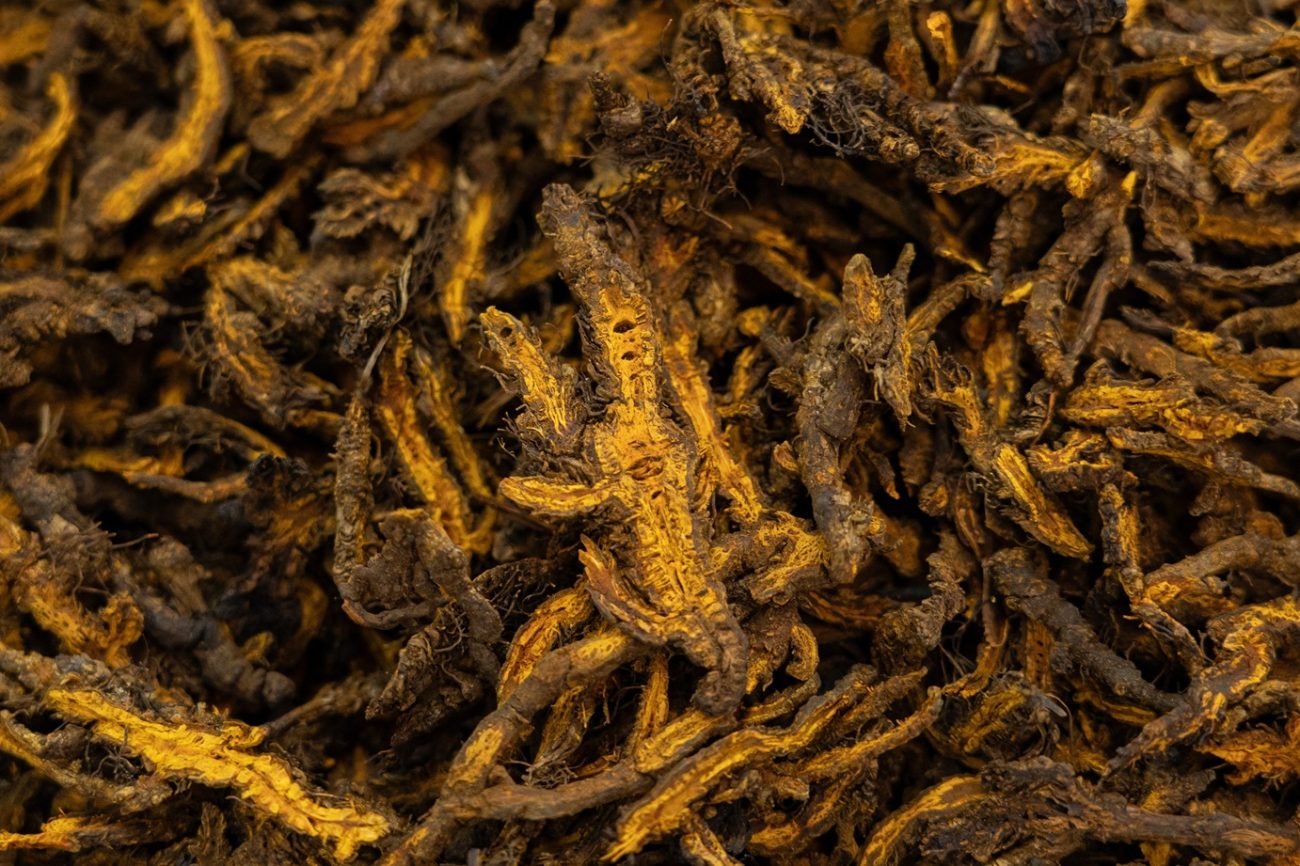
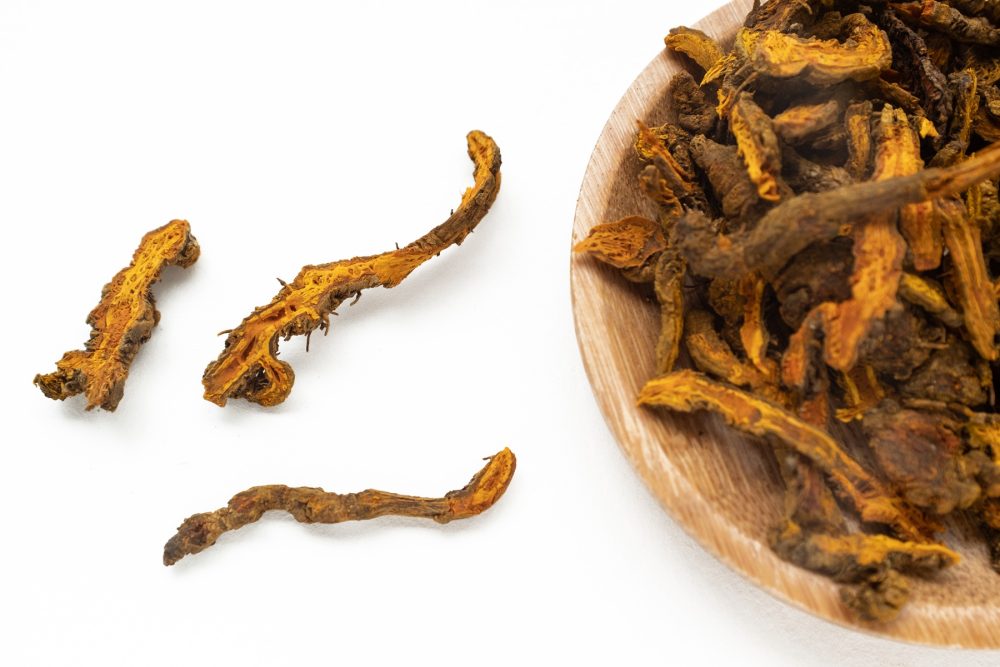
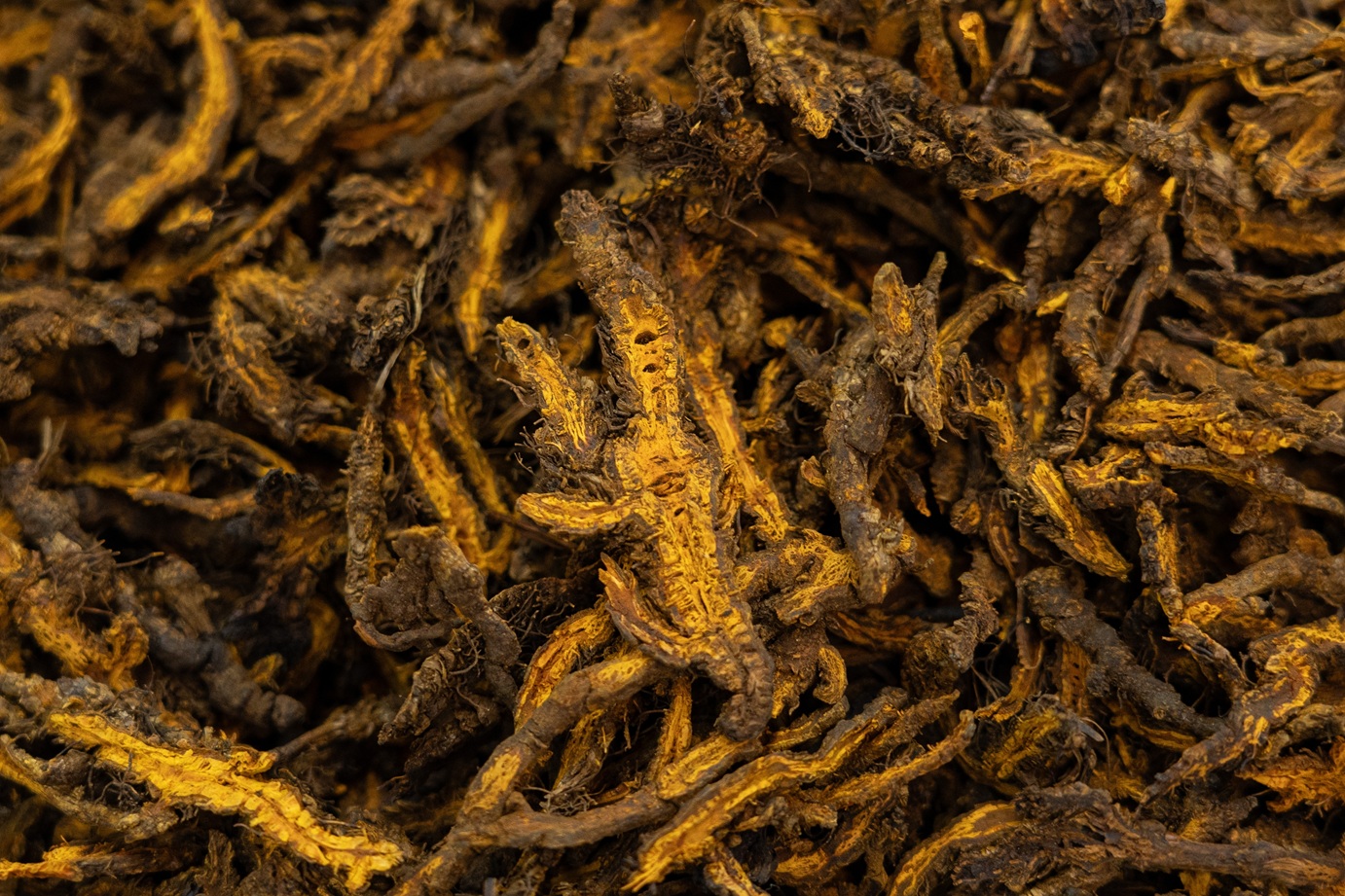
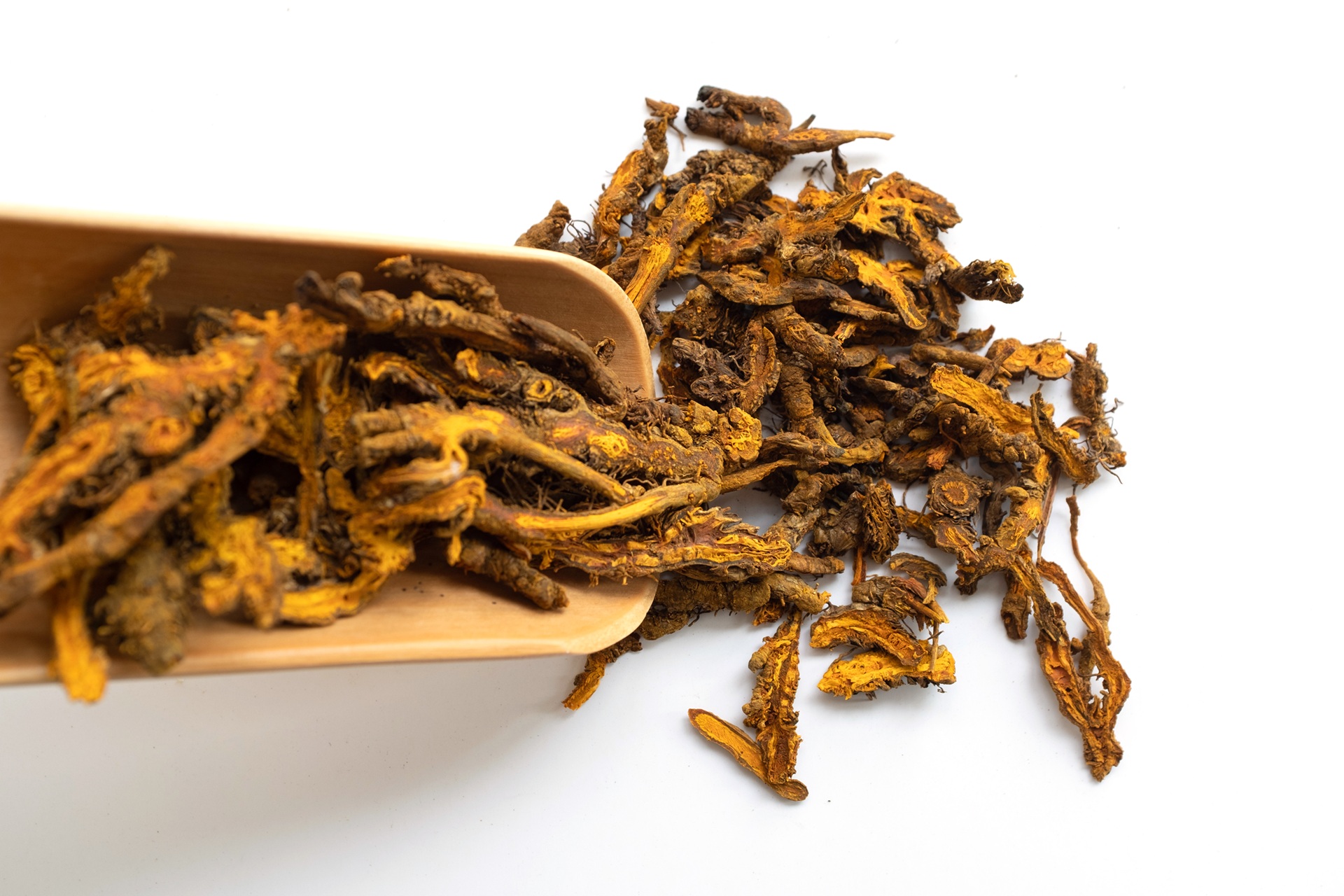
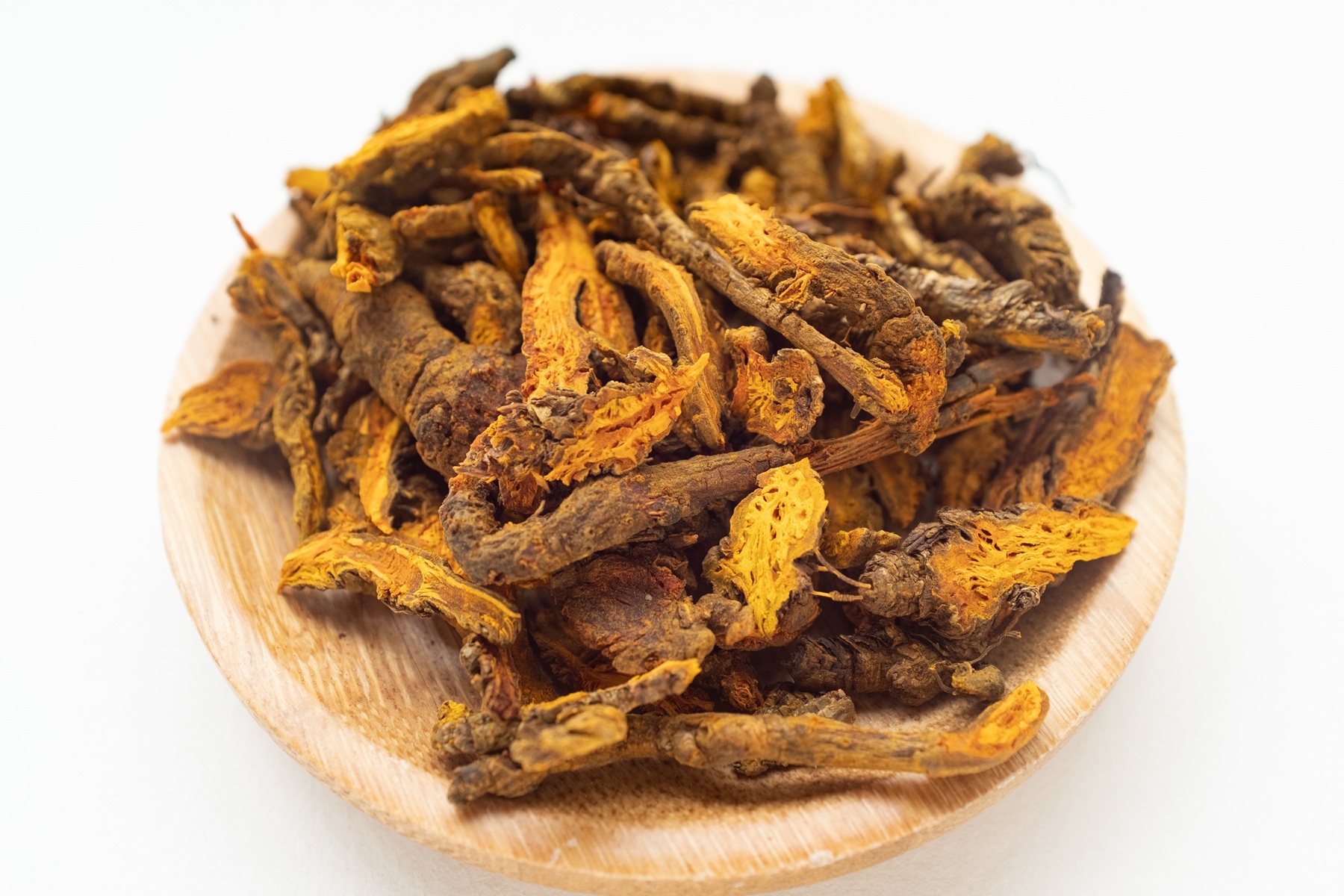
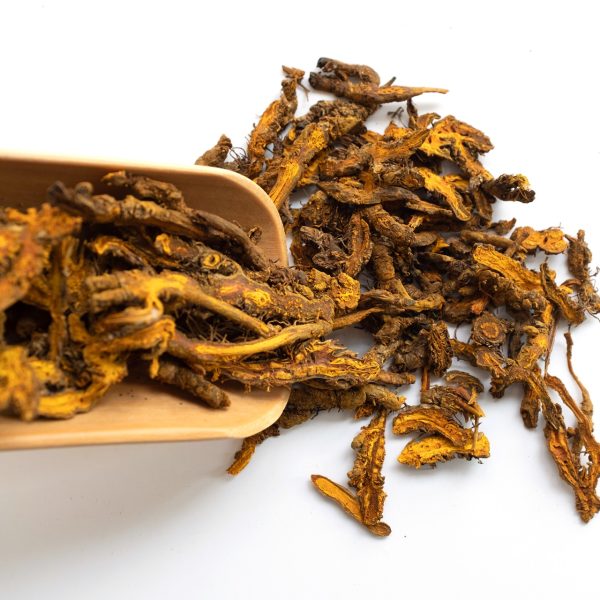
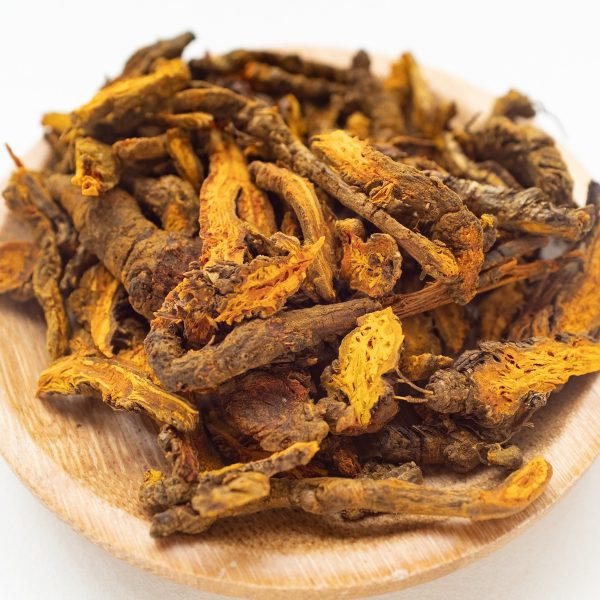
Good quality is supposed to be thick, strong and firm with a reddish-yellow fractured surface, no remnants of stems and hairy rootlets, and missing the long thin portion of the rhizome that is found between the nodes, referred to as “crossing the bridge” (37).
Three species are accepted and can be recognised by these distinguishing features (37): C. chinensis (wei lian) gathers in a cluster with a shape like a chicken claw, is 3–6 cm in length and 0.3–0.8 cm in diameter; C. deltoidea (ya lian) is generally single rhizomes, slightly crooked and larger, at 4–8 cm in length and 0.5–1 cm in diameter; while C. teeta (yun lian) is also generally single rhizomes that are curved with ridges and relatively thin and small. C. japonica has also been brought into use in Japan as an additional local source (31).
Good quality should be assayed to have no less than 4.2% berberine content on extraction (38).
-
References
- Chen JK, Chen T. Chinese Medical Herbology and Pharmacology. City of Industry, CA: Art of Medicine Press; 2008.
- Xie W, Su F, Wang G, et al. Glucose-lowering effect of berberine on type 2 diabetes: a systematic review and meta-analysis. Front Pharmacol. 2022;13:1015045. https://doi.org/10.3389/fphar.2022.1015045
- Pan L, Zhai X, Duan Z, Xu K, Liu G. Systematic review and meta-analysis of Coptis chinensis Franch.-containing traditional Chinese medicine as an adjunct therapy to metformin in the treatment of type 2 diabetes mellitus. Front Pharmacol. 2022;13:956313. https://doi.org/10.3389/fphar.2022.956313
- 啞巴吃黃連. Wiktionary. Published 2023. Accessed April 16, 2026. https://en.wiktionary.org/wiki/啞巴吃黃連
- 良藥苦口. Wiktionary. Published 2022. Accessed April 16, 2026. https://en.wiktionary.org/wiki/良藥苦口
- Unschuld PU, Tessenow H. Huang Di Nei Jing Su Wen: An Annotated Translation of Huang Di’s Inner Classic – Basic Questions. Berkeley, CA: University of California Press; 2011.
- Bensky D, Clavey S, Stoger E. Chinese Herbal Medicine: Materia Medica. 3rd ed. Seattle, WA: Eastland Press; 2004.
- Habtemariam S. The quest to enhance the efficacy of berberine for type-2 diabetes and associated diseases: physicochemical modification approaches. Biomedicines. 2020;8(4):90. https://doi.org/10.3390/biomedicines8040090
- Scheid V, Bensky D, Ellis A, Barolet R. Chinese Herbal Medicine: Formulas and Strategies. 2nd ed. Seattle, WA: Eastland Press; 2009.
- Wang SX. Warp and Weft of Warm Diseases 溫熱經緯. 1852. Accessed April 18, 2026. https://ctext.org/wiki.pl?if=gb&res=660431
- Afzaal M, Saeed F, Shah YA, et al. Human gut microbiota in health and disease: unveiling the relationship. Front Microbiol. 2022;13:999001. https://doi.org/10.3389/fmicb.2022.999001
- Li M, Tian F, Guo J, et al. Therapeutic potential of Coptis chinensis for arthritis with underlying mechanisms. Front Pharmacol. 2023;14:1243820. https://doi.org/10.3389/fphar.2023.1243820
- Shen XT. The milestones of diabetes in traditional Chinese medicine. Sun Ten J. 2007;8:51-54. Accessed April 18, 2026. https://www.suntenglobal.com/_en/News-Datain.php?id=475
- Wen S, Liu X, Liu L, Hu Y, Zhang Q. Landscape of berberine targets: a potential pharmacological insight for heart failure treatment. J Cardiovasc Pharmacol. 2025;86(5):420-434. https://doi.org/10.1097/FJC.0000000000001750
- Chen CY, Zhang Y. Berberine: an isoquinoline alkaloid targeting the oxidative stress and gut-brain axis in the models of depression. Eur J Med Chem. 2025;290:117475. https://doi.org/10.1016/j.ejmech.2025.117475
- Zhao Y, Yu C, Zhang J, Yao Q, Zhu X, Zhou X. The gut-skin axis: emerging insights in understanding and treating skin diseases through gut microbiome modulation (review). Int J Mol Med. 2025;56(6):210. https://doi.org/10.3892/ijmm.2025.5651
- Xu Y. Dermatology in Traditional Chinese Medicine. Yi S, trans. China: Donica Publishing Ltd; 2004.
- Wilms S, trans. The Divine Farmer’s Classic of Materia Medica. Corbett, OR: Happy Goat Productions.
- Kovacs J, Unschuld PU. Essential Subtleties on the Silver Sea. Berkeley, CA: University of California Press.
- Wang QM, Ma YP, Zhang P, Zhang X, Gong HX, Pang YJ. Clinical application of traditional Chinese medicine eye coating agents in the treatment of hordeola. Srp Arh Celok Lek. 2025;153(1-2):59-65. https://doi.org/10.2298/sarh240712009w
- Kang X, Jin D, Ji H, et al. The clinical efficacy of Gegen Qinlian decoction in treating type 2 diabetes is positively correlated with the dose of Coptidis rhizoma: three randomized, double-blind, dose-parallel controlled clinical trials. Drug Des Devel Ther. 2024;18:5573-5582. https://doi.org/10.2147/DDDT.S487315
- Han KI, Kim TH, Ra SW, et al. Efficacy and safety of mixture of ivy leaf extract and Coptidis rhizoma in the treatment of acute bronchitis: multicenter, randomized, double-blinded, active-controlled, parallel, therapeutic confirmatory clinical trial. Curr Med Res Opin. 2024;40(7):1235-1243. https://doi.org/10.1080/03007995.2024.2362273
- Agbabiaka TB, Guo R, Ernst E. Pelargonium sidoides for acute bronchitis: a systematic review and meta-analysis. Phytomedicine. 2008;15(5):378-385. https://doi.org/10.1016/j.phymed.2007.11.023
- Timmer A, Günther J, Motschall E, Rücker G, Antes G, Kern WV. Pelargonium sidoides extract for treating acute respiratory tract infections. Cochrane Database Syst Rev. 2013;2013(10):CD006323. https://doi.org/10.1002/14651858.CD006323.pub3
- Chen YX, Gao QY, Zou TH, et al. Berberine versus placebo for the prevention of recurrence of colorectal adenoma: a multicentre, double-blinded, randomised controlled study. Lancet Gastroenterol Hepatol. 2020;5(3):267-275. https://doi.org/10.1016/S2468-1253(19)30409-1
- Tan YJ, Zou TH, Yu K, et al. Berberine for preventing colorectal adenoma recurrence and neoplasm occurrence: 6-year follow-up of a randomized clinical trial. Cell Rep Med. 2025;6(9):102293. https://doi.org/10.1016/j.xcrm.2025.102293
- Fan Y, Zhao Y, Liu A, et al. Indigenous knowledge of dye-yielding plants among Bai communities in Dali, Northwest Yunnan, China. J Ethnobiol Ethnomed. 2018;14(1):74. https://doi.org/10.1186/s13002-018-0274-z
- Plants For A Future. Coptis chinensis – Huang Lian. PFAF Plant Database. Published 2025. Accessed April 19, 2026. https://pfaf.org/user/Plant.aspx?LatinName=Coptis+chinensis
- Bristol Botanicals. Huang Lian tincture – Coptis chinensis. Accessed April 16, 2026. https://www.bristolbotanicals.co.uk/pr-979
- Herbal Apothecary. Coptis chinensis / Huang Lian / 1:3 25%. Accessed April 16, 2026. https://herbalapothecaryuk.com/products/coptis-chinensis-huang-lian-13-25
- Leon C, Lin YL. Chinese Medicinal Plants, Herbal Drugs and Substitutes: An Identification Guide. Kew, UK: Kew Publishing; 2017.
- Chen JK, Chen T. Chinese Herbal Formulas and Applications: Pharmacological Effects and Clinical Research. City of Industry, CA: Art of Medicine Press; 2015.
- Memorial Sloan Kettering Cancer Center. Huanglian. Accessed April 16, 2026. https://www.mskcc.org/cancer-care/integrative-medicine/herbs/huanglian
- Mombeini MA, Kalantar H, Sadeghi E, Goudarzi M, Khalili H, Kalantar M. Protective effects of berberine as a natural antioxidant and anti-inflammatory agent against nephrotoxicity induced by cyclophosphamide in mice. Naunyn Schmiedebergs Arch Pharmacol. 2022;395(2):187-194. https://doi.org/10.1007/s00210-021-02182-3
- Li J, Fan G, He Y. Predicting the current and future distribution of three Coptis herbs in China under climate change conditions, using the MaxEnt model and chemical analysis. Sci Total Environ. 2020;698:134141. https://doi.org/10.1016/j.scitotenv.2019.134141
- Zhao Q, Zhang Y, Li WN, Hu BW, Zou JB, Wang SQ, Niu JF, Wang ZZ. Predicting the potential distribution of perennial plant Coptis chinensis Franch. in China under multiple climate change scenarios. Forests. 2021;12(11):1464. https://doi.org/10.3390/f12111464
- Zhao Z, Chen H. Chinese Medicinal Identification: An Illustrated Approach. Taos, NM: Paradigm Publications; 2014.
- Taiwan Herbal Pharmacopeia. 4th ed. English version. Taipei: Ministry of Health and Welfare; 2022.
Meet our herbal experts
Our monographs are written by our monograph authors and edited, reviewed and updated by Herbal Reality.
Meet our Herbal Reality team or explore our Herbal Reality authors.