





Last reviewed 03/05/2026
Sustainability status
At risk from overharvesting and habitat loss. Read more in our sustainability guide.

Avoid in pregnancy and lactation
Herbs are generally best-avoided in pregnancy, unless working with them under the guidance of a medical herbalist. However, some herbs pose a risk to pregnancy as they are potentially: toxic to the mother, toxic to the neonate, teratogenic (risk developmental malformation), may increase miscarriage risk, or could cause foetal distress leading to miscarriage or premature birth. Herbs with teratogenic, emmenagogue, or stimulant laxative actions are all contraindicated in pregnancy. Furthermore, herbs containing volatile oils, thujone, apiol, phyto-oestrogens also should be avoided.
During lactation, there is the possibility for transfer of plant compounds through the breast milk, which can have an effect (detrimental or beneficial) on the infant.
Please read the Safety section in this monograph.

-
Herb overview
Safety
Safe for adults and children
Very few documented adverse side effects
No contraindications
Minimal interactionsSustainability
Status: Lower risk
Key constituents
Flavonoids
Tannins
Minerals
CarbohydratesQuality
South Africa, Lesotho and Eswatini
Wild harvested
Adulteration risk with Pelargonium reniformeKey actions
Expectorant
Antiviral
Immunomodulator
AntimicrobialKey indications
Rhinitis
Influenza
Bronchitis
SinusitisKey energetics summary
Cool
Dry
BitterSee below for discipline-specific energeticsPreperation and dosage
Root
>90 mg dried extract per day
~4.5 ml tincture per day
-
How does it feel?
An infusion or decoction (strong herbal tea) made from the root is bitter, woody and earthy, and strongly aromatic. It has an intense, robust flavour, and feels drying on the tongue.

The taste of African geranium
The below qualities are derived from organoleptic assessment.
-
Into the heart of African geranium

African geranium (Pelargonium sidoides) With a clear affinity for the respiratory system due to its immunomodulator, antimicrobial, expectorant and antiviral actions, and one with few known safety cautions or contraindications, this herb has developed a reputation for being particularly important in the treatment of children with upper respiratory tract infections and catarrh (1,2,5).
Several trials have conducted research using African geranium for this purpose — and results have shown it is both a well tolerated and safe remedy for children over the age of one year old, who are experiencing coughs, colds, sinusitis and sore throats (2). It also shows activity against some strains of Herpes virus (2).
Cooling and drying in nature due to its bitterness and astringency, it can be considered a relaxant, qi regulating herb, although there is little documented information available on the traditional energetic qualities of this plant across traditional Chinese medicine (TCM), Ayurveda, Unani or Western herbal medicine, since it is a herb from the South African Muti system of medicine, which does not classify plants in the same way as other traditional medicine systems (6).
The South African Muti traditional medicine system is more experiential and deals with ‘functional energetics’ as opposed to fixed temperatures or categories that exist in other traditional medicine systems (i.e., hot/cold, damp/dry) (6–8).
-
What practitioners say
 Respiratory system
Complete patient recovery or major improvements in bronchitis have been widely documented by researchers and practitioners in the treatment of acute bronchitis in adults and children in several studies (9–11). Patients with rhinosinusitis, otitis media and tuberculosis have also shown improvements in various studies (12).
However, many of the clinical trials and studies focus on an isolated extract of the herb (EPs 7630) and not the whole-plant extract. Isolating single compounds or using standardised extracts can limit results or have different risks compared to whole-plant extracts, since whole-plant extracts often work synergistically and many of the “secondary” compounds may be very supportive to the action of the “primary” active compound, for example, enhancing immunomodulator activity (13,14).
Some promising research was conducted in 2021, with the herb demonstrating efficacy in prevention and treatment of COVID-19 (15).
As such, more high-quality clinical trials are needed to understand the full spectrum of actions of whole-plant extracts of Pelargonium sidoides in addition to studies of single isolates in order to understand this plant’s healing potential.
-
African geranium research

African geranium (Pelargonium sidoides) Treatment with EPs 7630, a Pelargonium sidoides root extract, is effective and safe in patients with the common cold: Results from a randomized, double blind, placebo-controlled clinical trial
This study randomly prescribed 105 adults with common cold symptoms administration of 40 mg oral EPs 7630 or a placebo, for 10 days. The aim was to measure differences in cold intensity score (CIS) between day one to five. Treatment with EPs 7630 demonstrated higher impact than a placebo in patients. It demonstrated a faster reduction of symptom intensity which supports existing data on efficacy and safety of EPs 7630 (11).
Pelargonium sidoides preparation (EPs 7630) in the treatment of acute bronchitis in adults and children
2099 patients (between ages 0 to 93 years) with a productive cough lasting fewer than six days were studied as part of this multi-centre, prospective, open observational study. Its main aim was to monitor the mean change in the Bronchitis Severity Score (BSS). The markers included — cough, sputum, rale, rhonchi, chest pain when coughing, and dyspnoea. Patients were given an age-dependent dose of EPs 7630 for 14 days.
In adults, the average bronchitis severity scores dropped from 7.1 to 1.0, showing major symptom improvement, from moderate illness to very mild symptoms by the final assessment. In children, scores decreased from 6.3 to 0.9, and children under three years old decreased from 5.2 to 1.2. These results indicate good symptom reduction across age groups (10).
The Pelargonium sidoides extract EPs 7630 drives the innate immune defense by activating selected MAP kinase pathways in human monocytes
In this in vitro study, researchers administered EPs 7630 to cultured human peripheral blood mononuclear cells (PBMCs) at intervals of concentrations: 0.1 μg/ml; 1 μg/ml; 3 μg/ml; 10 μg/ml and 30 μg/ml. The aim was to evaluate dose‑dependent response in cytokine production and signalling activation in the cells. EPs 7630 improved immune responses via influencing immune signals that modulate inflammatory responses. EP 7630 therefore demonstrates in vitro efficacy in infection prevention — suggesting that administering the extract in vivo before full symptom presentation could reduce respiratory infection symptoms at onset (16).
These findings indicate that further study of P. sidoides for effects on the immune system could lead to identification of chemical structures that novel therapeutic agents could be developed from, as well as lending further insight into molecular mechanisms of action (17).
-
Historical use of African geranium
Historically, in its native South Africa, Lesotho and Eswatini, it has been used — by the Xhosa people in particular — to treat digestive conditions such as dysentery (a severe form of gastroenteritis) diarrhoea and liver conditions (1–3).
It has also been used in the treatment of wounds, menstrual pain, fatigue, fevers and weakness (2,3). One source cites it as having been used to treat “stinging breast pain”(8). -
African geranium’s herbal actions
Herbal actions describe therapeutic changes that occur in the body in response to taking a herb. These actions are used to express how a herb physiologically influences cells, tissues, organs or systems. Clinical observations are traditionally what have defined these actions: an increase in urine output, diuretic; improved wound healing, vulnerary; or a reduction in fever, antipyretic. These descriptors too have become a means to group herbs by their effects on the body — herbs with a nervine action have become the nervines, herbs with a bitter action are the bitters. Recognising herbs as members of these groups provides a preliminary familiarity with their mechanisms from which to then develop an understanding of their affinities and nuance and discern their clinical significance.
Western actions
-
African geranium’s energetic qualities
Herbal energetics are the description that herbalists have given to plants, mushrooms, lichens, foods and some minerals based on the direct experience of how they taste, feel and affect the body. All traditional health systems use these principles to explain how the environment impacts health, according to each of their philosophies and frameworks. These assessments of individual herbs, though they often do align, can differ from one another due to cultural differences regarding perspectives on how herbs taste versus their physiological effects. Find out more about traditional energetics in our article An introduction to herbal energetics.
Ayurvedic energetics
Ayurvedic energetics are assigned according to Bhavaprakash by Acharya Bhavamishra and Ayurvedic Medicine: The Principles of Traditional Practice by Sebastian Pole.
Western energetics
Western energetics here are informed by The Energetics of Western Herbs by Peter Holmes, as well as traditional materia medica from Culpeper and Dioscorides.
Chinese energetics
Chinese energetics align with Bensky’s Chinese Herbal Medicine: Materia Medica.
-
What can I use African geranium for?

African geranium (Pelargonium sidoides) African geranium can be a useful remedy in the treatment of acute upper respiratory tract, ear and chest inflections such as colds, bronchitis, rhinosinusitis — predominantly in the treatment of coughs (1,2). It has also been used to treat fevers, colds and tuberculosis (2,3).
The Committee on Herbal Medicinal Products of the European Medicine Agency (EMA) supports this use, stating that “the effectiveness of these herbal medicines is plausible… and there is evidence that they have been used safely… for at least 30 years” (4).
Whilst there is clinical research to support its medicinal use, evidence is patchy — yet due to its proven long history of traditional use, it has been accepted by the EMA as a key, safe herbal remedy in the EU, and is listed in the European Pharmacopoeia, making it a strong ‘advocate herb’ and ally for herbalists and communities; its official acceptance by regulatory bodies helps bolster the case for herbal medicine use globally (1,4).
-
Did you know?
Umckaloabo means “severe cough” in Zulu, nodding to its primary medicinal use (3).



 Respiratory system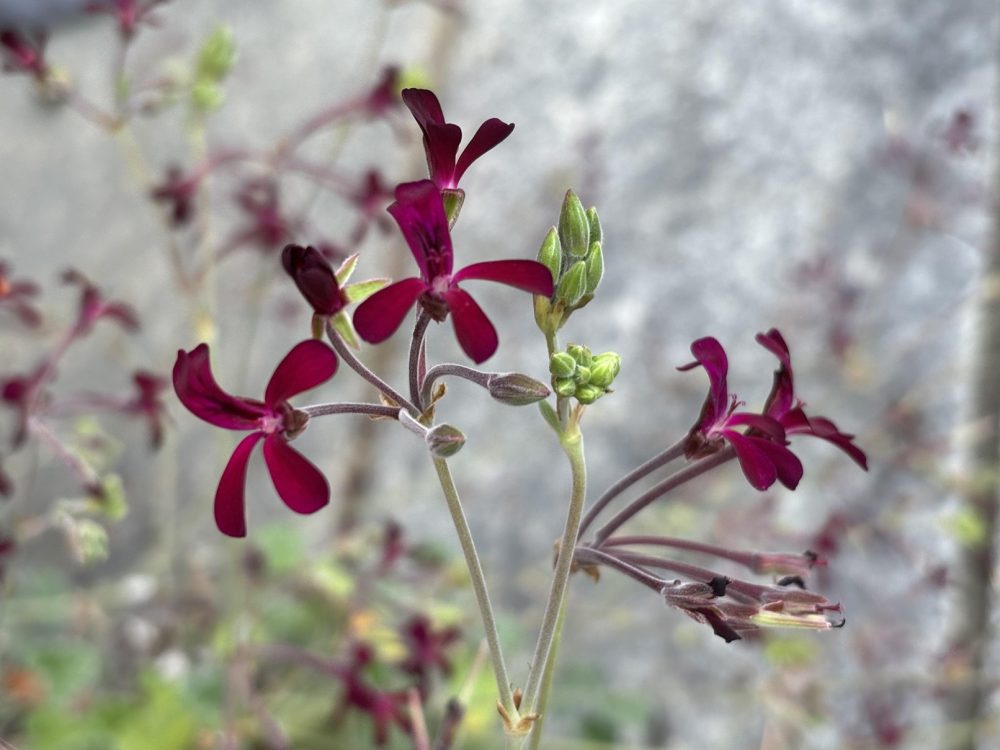
-
Botanical description
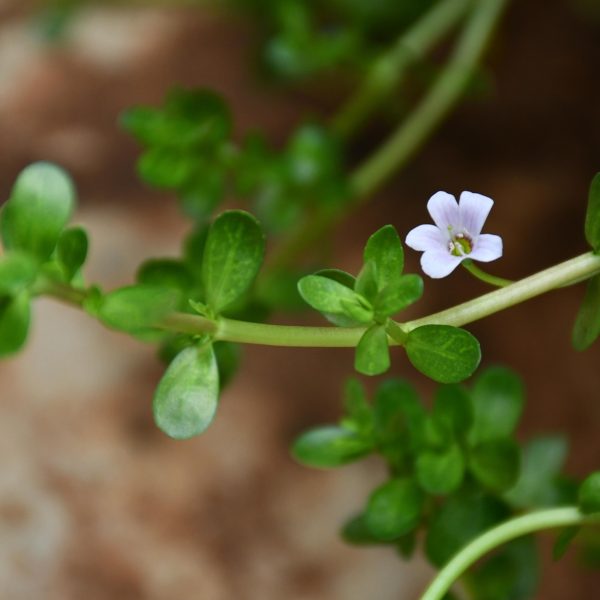
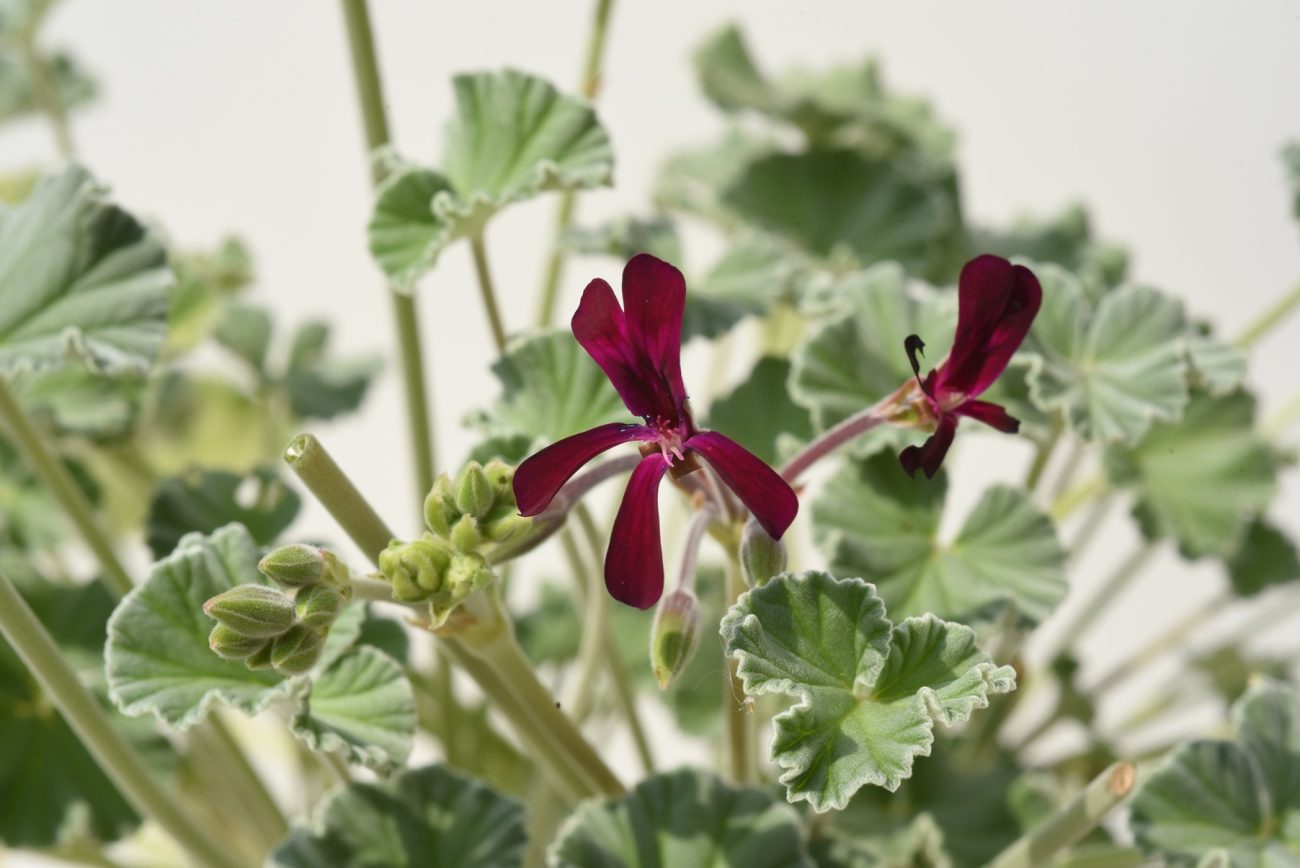
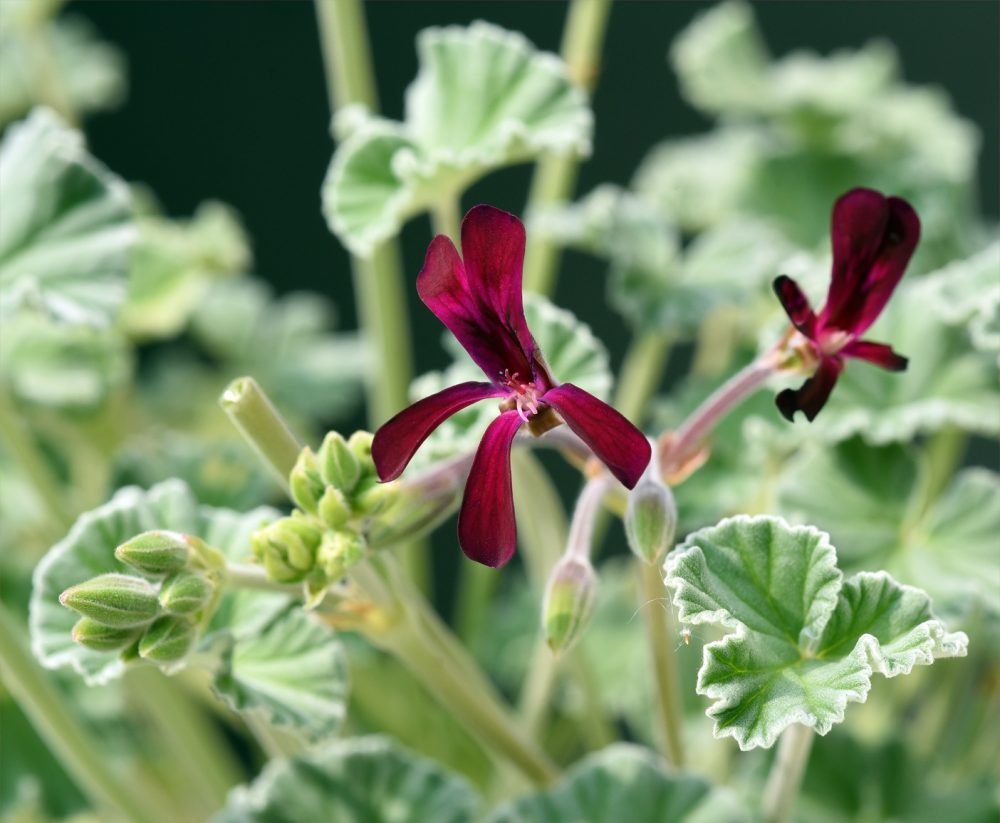
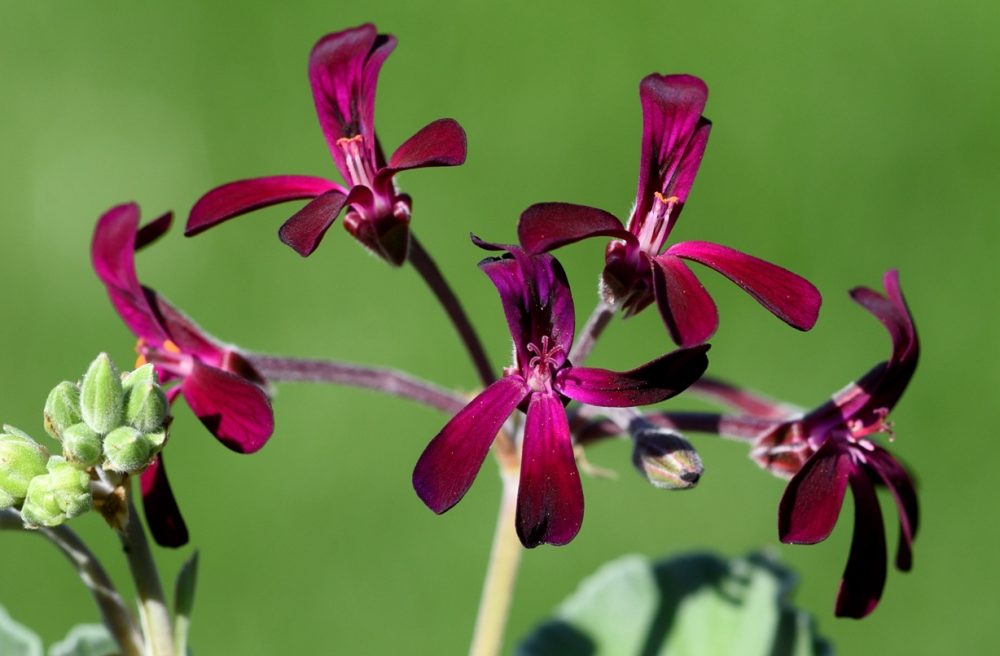
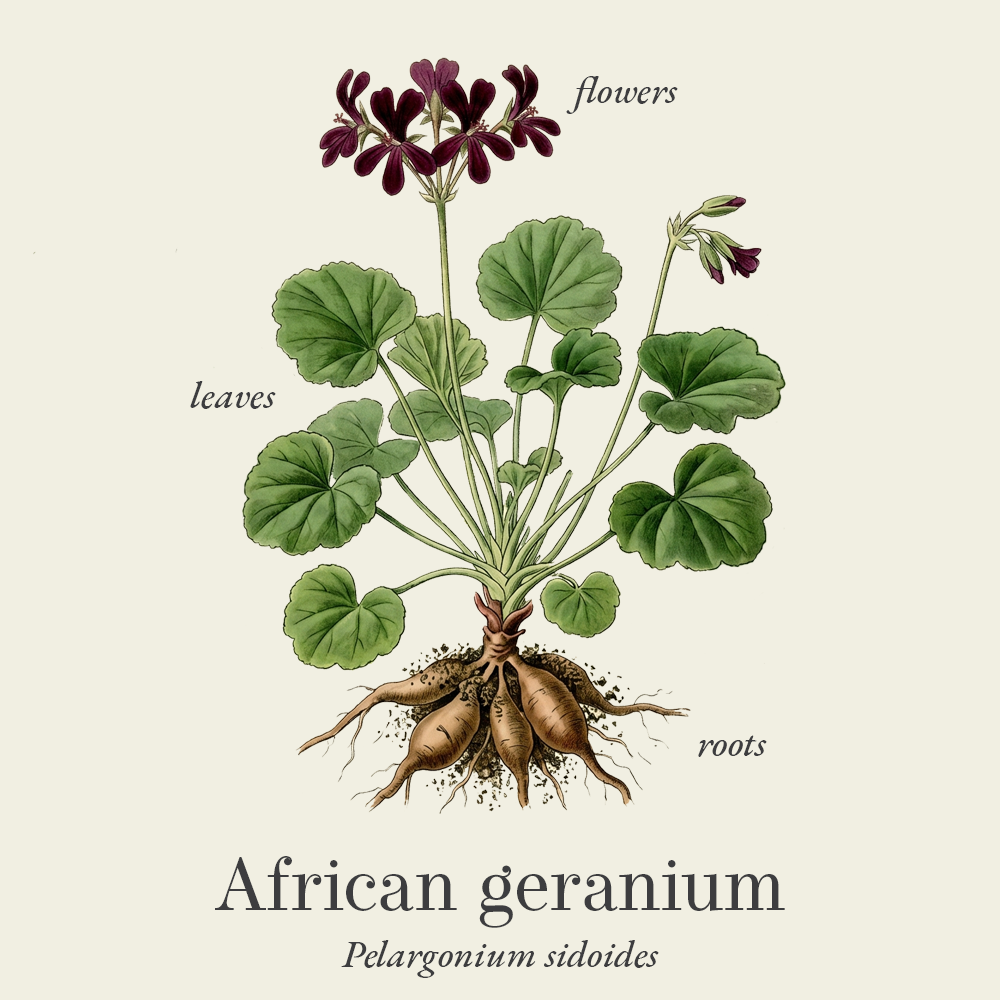
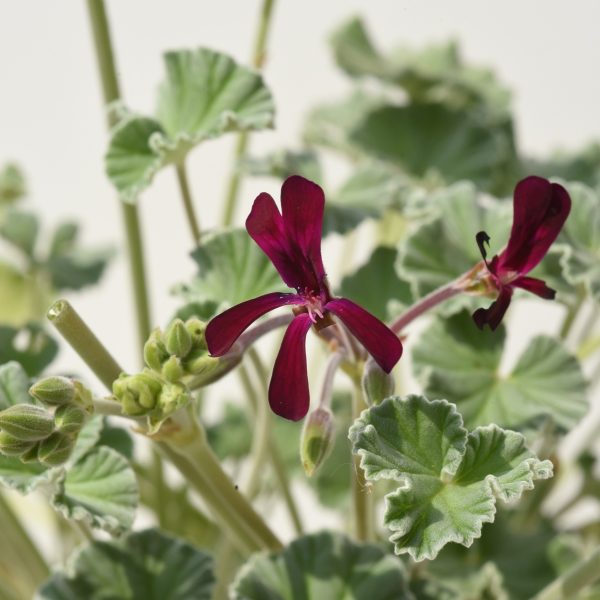
A hardy, aromatic evergreen plant with a compact, bushy rosette of soft, greyish green, aromatic leaves.
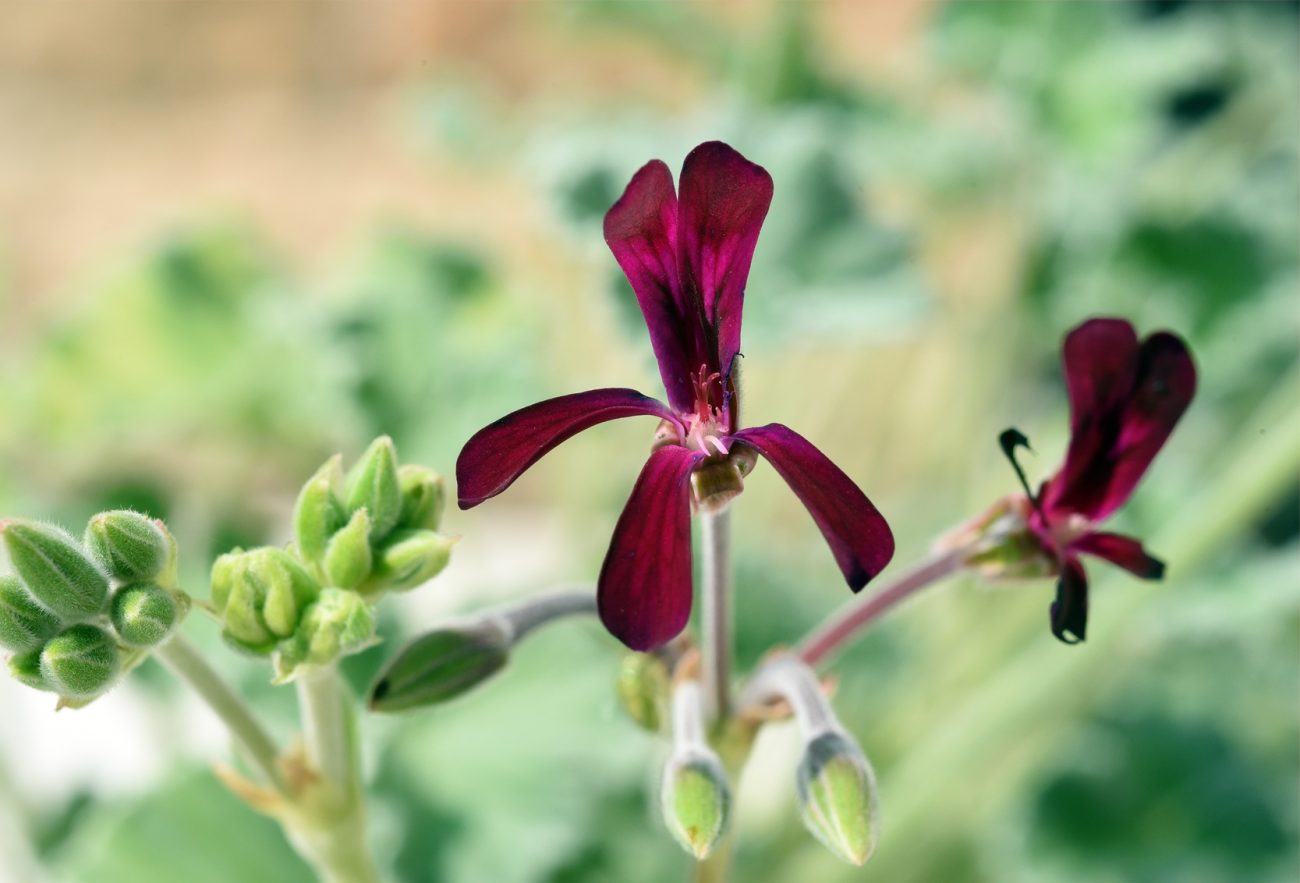
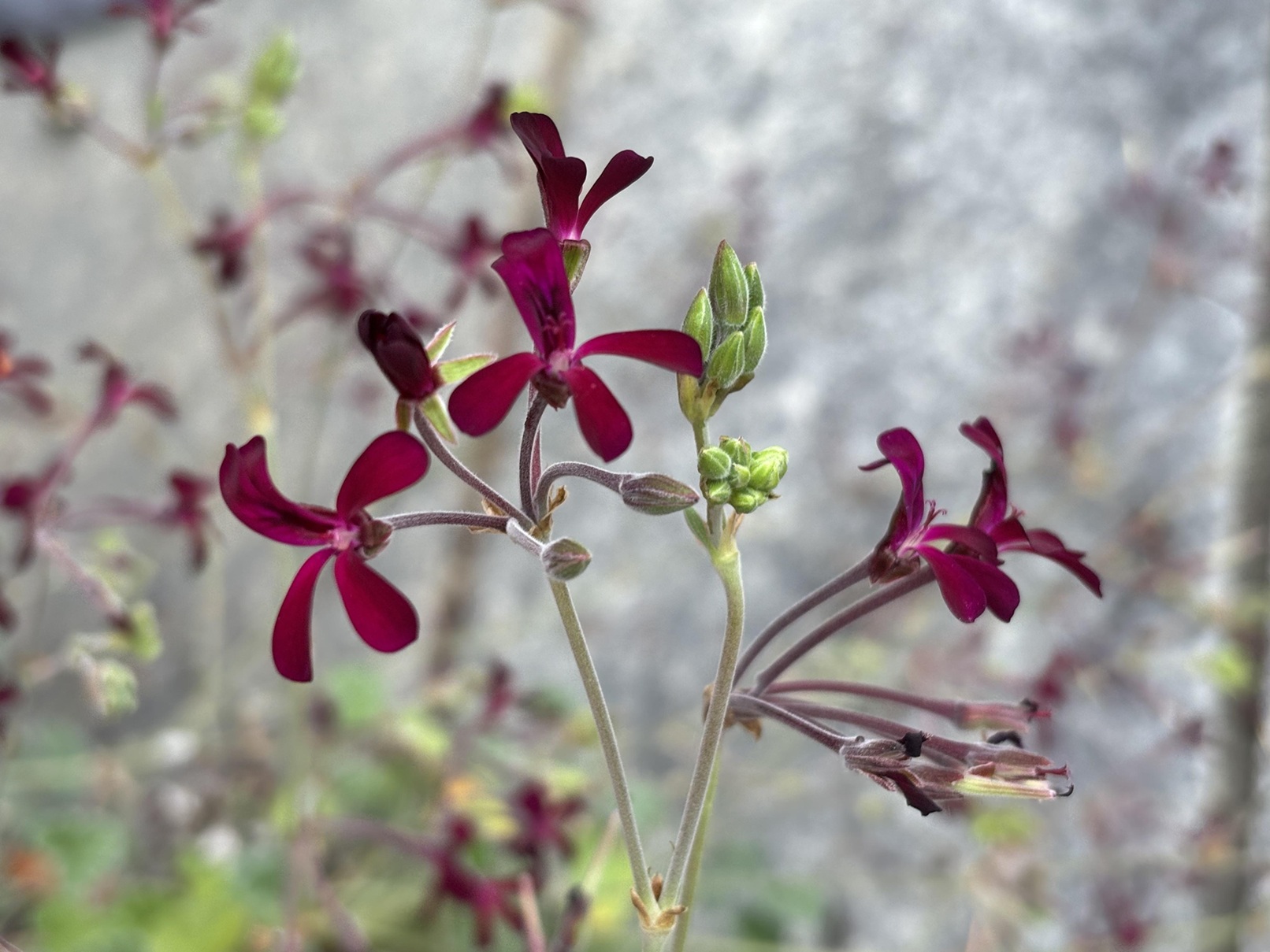
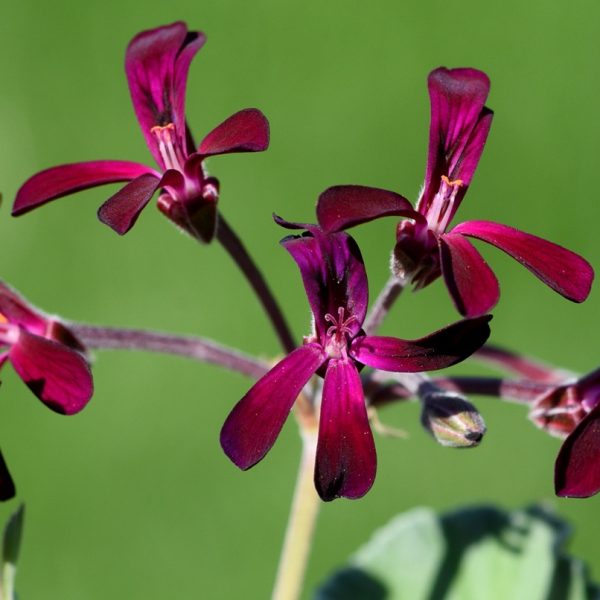
It has delicate dark purple flowers, and reaches a maximum height of 30 cm (18,19).
-
Common names
- African geranium
- South African geranium
- Amckaloabo (3,20)
-
Habitat
Prefers full sun, and well-drained loamy soil. Its native habitat in Southern Africa is dry and hot, and as such it will need to be brought inside for the winter in the northern hemisphere if cultivated (19).
-
How to grow African geranium
Grow in a sheltered, sunny location in frost-free environments; propagate from cuttings in spring or summer, and deadhead flowers or yellow leaves to ensure good growth and flowering (19).
-
Herbal preparation of African geranium
- Tincture (21)
- Tablets (dry extract) (21)
-
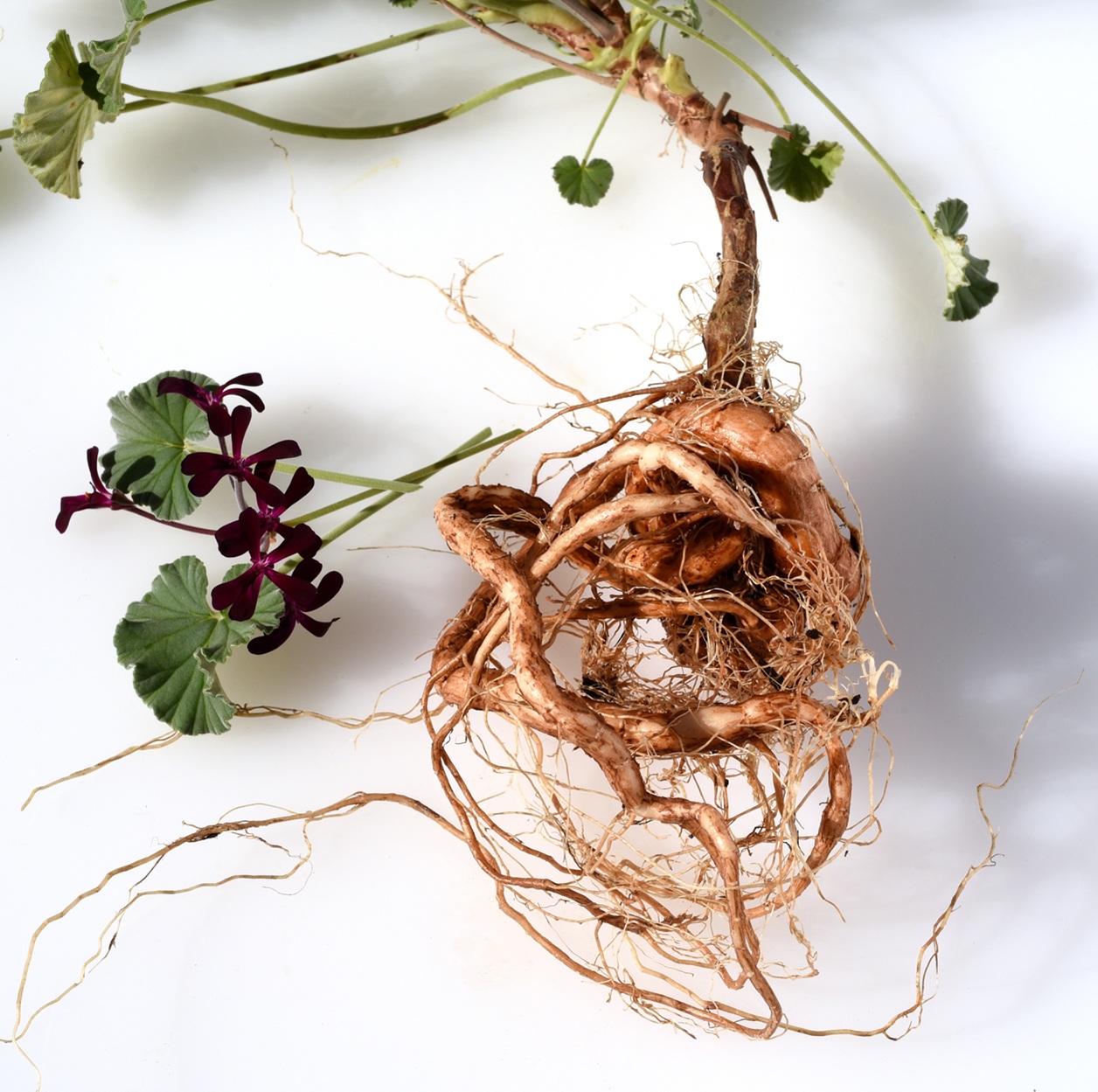
Plant parts used
Root (2)
-
Dosage
- Tincture (1:8–10, 11–15% ABV)
- Adults, the elderly, and children over 12: 30 drops three times per day
- Thomsen advises 20–40 ml per week (3)
- Chevallier advises 5 ml, two to three times per day, diluted in water (2)
- Use with children under six is not recommended (21)
- Fluid extract (indicated primarily for children with URT infections, 1:1 ABV% unknown) (2)
- Children 6 to 12: 20 drops three times per day
- Use with children under six is not recommended (21)
- Tablets (dry extract): 4–25:1 (21)
- Adults, elderly and adolescents above 12: One tablet three times per day
- Use with children under 12 is not recommended (21)
These dosages are based on UK whole-plant extracts and not EPs 7630 (21).
- Tincture (1:8–10, 11–15% ABV)
-
Constituents
The following constituents are root only:
- Oligoprodelphinadins (~40%)
- Flavonoids
- Proanthocyanidins
- Tannins
- Flavonoids
- Minerals (~12%)
- Carbohydrates (~12%)
- Amino acids and peptides (~10%)
- DNA/RNA
- GMP
- AMP
- Benzopyranones (~2%)
- Coumarins
- Coumarins
- Purines (2%) (22)
- Oligoprodelphinadins (~40%)
-
African geranium recipe
Umckaloabo tea
This delicious tea is an infusion of African geranium root to address coughs and colds.
Ingredients
- 1tsp dried root per cup of tea
- 300 ml boiled water per cup of tea
How to make African geranium tea
- Cover the root in a teapot with boiled water.
- Steep for 15–20 minutes.
- Strain.
- Drink 2/3 cups a day of the infusion (23).
-
Safety
Information on safety and efficacy in pregnancy and lactation is lacking; some sources recommend caution if used during pregnancy, and some side effects have been documented although these are reportedly rare.
Documented side effects include:
- Allergies
- Gastrointestinal upset
- Ear or inner ear disorders
- Fever
- Diarrhea
- Restlessness (24–26)
-
Interactions
Possible severe interaction with immunosuppressants, although this is based on pharmacology theory only (27).
Minor, unlikely interaction with anticoagulant medication based on coumarin content of P. sidoides although umckalin (7-hydroxy-5,6-dimethoxycoumarin), the coumarin present in P. sidoides, does not show anticoagulant effects and is unlikely to cause an interaction with warfarin or other anticoagulant pharmaceuticals (22,28).
-
Contraindications
None known (3,24–26).
-
Sustainability status of African geranium
Pelargonium sidoides was last assessed for The IUCN Red List of Threatened Species (IUCN) in 2022 and is listed as Least Concern (29).
Species+, Conservation Evidence do not have data for this species, however a biodiversity management plan released in 2024 by the South African government indicates that the plant is facing increased pressure from humans, who harvest wild plant populations for traditional and commercial phytomedicines (30).
Although the herb is still abundant, local overharvesting and environmental degradation have prompted government action to manage the species sustainably so it can continue to be a viable economic crop as well as a traditional medicine – as well as preserve it from an environmental standpoint (30).
Read our article on Herbal quality & safety: What to know before you buy and Sustainable sourcing of herbs to learn more about what to look for and questions to ask suppliers about sustainability.
-
Quality control
The plant is primarily wild harvested in its native range (30). The roots of P. sidoides are frequently adulterated with or substituted by Pelargonium reniforme which is problematic because P. reniforme have lower concentrations of the bioactive compounds that are effective in treating URTs in P. sidoides so may not be as effective (31).
-
References
- Mtimkulu Y, Lewu MN, Mulidzi AR, Lewu F. Cultivation and beneficial uses of Pelargonium sidoides DC. – A review. J Med Plants Econ Dev. 2024;8(1):8. https://doi.org/10.4102/jomped.v8i1.246
- Chevallier A. Encyclopedia of Herbal Medicine. 3rd ed. Dorling Kindersley; 2016.
- Thomsen M. The Phytotherapy Desk Reference. 6th ed. Aeon; 2022.
- European Medicines Agency (EMA). Pelargonii radix – herbal medicinal product. December 31, 2009. Accessed February 26, 2026. https://www.ema.europa.eu/en/medicines/herbal/pelargonii-radix
- The Pelargonium sidoides Extract EPs 7630 Drives the Innate Immune Defense by Activating Selected MAP Kinase Pathways in Human Monocytes | PLOS One. Accessed February 26, 2026. https://journals.plos.org/plosone/article?id=10.1371/journal.pone.0138075
- Olivier DK. The Ethnobotany and Chemistry of South African Traditional Tonic Plants. University of Johannesburg; 2012. Accessed February 26, 2026. https://ujcontent.uj.ac.za/esploro/outputs/doctoral/The-ethnobotany-and-chemistry-of-South/9912313407691
- Artemis Herbal Remedies Database. Pelargonium sidoides. Artemis Herbal Remedies Database. October 7, 2025. Accessed February 26, 2026. https://herbs.artemis-temple.com/monographs/pelargonium-sidoides/
- Mtimkulu Y, Lewu MN, Mulidzi AR, Lewu F. Cultivation and beneficial uses of Pelargonium sidoides DC. – A review. J Med Plants Econ Dev. 2024;8(1):8. https://doi.org/10.4102/jomped.v8i1.246
- Chuchalin AG, Berman B, Lehmacher W. Treatment of Acute Bronchitis in Adults With a Pelargonium Sidoides Preparation (EPs® 7630): A Randomized, Double-Blind, Placebo-Controlled Trial. EXPLORE. 2005;1(6):437-445. https://doi.org/10.1016/j.explore.2005.08.009
- Matthys H, Kamin W, Funk P, Heger M. Pelargonium sidoides preparation (EPs® 7630) in the treatment of acute bronchitis in adults and children. Phytomedicine. 2007;14:69-73. https://doi.org/10.1016/j.phymed.2006.11.015
- Riley DS, Lizogub VG, Heger M, Funk P, Mueller H, Lehmacher W. Treatment with EPs 7630, a Pelargonium Sidoides Root Extract, Is Effective and Safe in Patients with the Common Cold: Results From a Randomized, Double Blind, Placebo-Controlled Clinical Trial. Integr Med. 2019;18(1):42-51.
- Taylor & Francis. Pelargonium sidoides – Knowledge and References. Taylor & Francis. Accessed February 26, 2026. https://taylorandfrancis.com/knowledge/Medicine_and_healthcare/Pharmaceutical_medicine/Pelargonium_sidoides/
- Rasoanaivo P, Wright CW, Willcox ML, Gilbert B. Whole plant extracts versus single compounds for the treatment of malaria: synergy and positive interactions. Malar J. 2011;10 Suppl 1(Suppl 1):S4. https://doi.org/10.1186/1475-2875-10-S1-S4
- Williamson EM. Synergy and other interactions in phytomedicines. Phytomedicine Int J Phytother Phytopharm. 2001;8(5):401-409. doi:10.1078/0944-7113-00060
- Gajewski A, Kośmider A, Nowacka A, Puk O, Wiciński M. Potential of herbal products in prevention and treatment of COVID-19. Literature review. Biomed Pharmacother Biomedecine Pharmacother. 2021;143:112150. https://doi.org/10.1016/j.biopha.2021.112150
- Witte K, Koch E, Volk HD, Wolk K, Sabat R. The Pelargonium sidoides Extract EPs 7630 Drives the Innate Immune Defense by Activating Selected MAP Kinase Pathways in Human Monocytes. PLOS ONE. 2015;10(9):e0138075.https://doi.org/10.1371/journal.pone.0138075
- Kolodziej H. Antimicrobial, Antiviral and Immunomodulatory Activity Studies of Pelargonium sidoides (EPs® 7630) in the Context of Health Promotion. Pharmaceuticals. 2011;4(10):1295-1314. https://doi.org/10.3390/ph4101295
- Chelsea Physic Garden. Pelargonium sidoides – South African geranium. Chelsea Physic Garden Enterprises. Accessed February 26, 2026. https://shop.chelseaphysicgarden.co.uk/products/pod1051035
- Royal Horticultural Society (RHS). Pelargonium sidoides African geranium. Accessed February 26, 2026. https://www.rhs.org.uk/plants/27782/pelargonium-sidoides/details
- Pelargonium.org. Pelargonium sidoides & reniforme. Pelargonium Herbal Medicine Information Site. Accessed February 26, 2026. https://pelargonium.org/information-for-healthcare-practitioners/pelargonium-sidoides/
- Committee on Herbal Medicinal Products (HMPC). Assessment report on Pelargonium sidoides DC and/or Pelargonium reniforme Curt., radix. Assess Rep. Published online September 29, 2015.
- Pelargonium.org. Phytochemistry. Pelargonium Herbal Medicine Information Site. Accessed February 26, 2026. https://pelargonium.org/information-for-healthcare-practitioners/phytochemistry/
- Kalustyan’s. Umckaloabo Root (Pelargonium Sidoides). Kalustyan’s. Accessed February 26, 2026. https://foodsofnations.com/products/umckaloabo-root-pelargonium-sidoides
- Drugs.com. Pelargonium Uses, Benefits & Dosage. Drugs.com. Accessed February 26, 2026. https://www.drugs.com/npp/pelargonium.html
- Memorial Sloan Kettering Cancer Center. Pelargonium sidoides. Accessed February 26, 2026. https://www.mskcc.org/cancer-care/integrative-medicine/herbs/pelargonium-sidoides
- Moyo M, Van Staden J. Medicinal properties and conservation of Pelargonium sidoides DC. J Ethnopharmacol. 2014;152(2):243-255. https://doi.org/10.1016/j.jep.2014.01.009
- NatMed Pro. NatMed Pro – Interactions Checker Tool. Accessed February 26, 2026. https://naturalmedicines.therapeuticresearch.com/Tools/InteractionChecker
- Koch E, Biber A. Treatment of rats with the Pelargonium sidoides extract EPs 7630 has no effect on blood coagulation parameters or on the pharmacokinetics of warfarin. Phytomedicine Int J Phytother Phytopharm. 2007;14 Suppl 6:40-45. https://doi.org/10.1016/j.phymed.2006.11.026
- Castro AD, Raimondo (SANBI) D, Ecologist) SM (Independent. IUCN Red List of Threatened Species: Pelargonium sidoides. IUCN Red List Threat Species. Published online September 27, 2022. Accessed February 26, 2026. https://www.iucnredlist.org/en
- Draft biodiversity management plan for pelargonium sidoides in South Africa for public comment | Department of Forestry, Fisheries and the Environment. Accessed February 26, 2026. https://www.dffe.gov.za/mediareleases/george_bmp.pelargoniumsidoides
- Maree JE, Viljoen AM. Phytochemical distinction between Pelargonium sidoides and Pelargonium reniforme— A quality control perspective. South Afr J Bot. 2012;82:83-91. https://doi.org/10.1016/j.sajb.2012.07.007
Meet our herbal experts
Our monographs are written by our monograph authors and edited, reviewed and updated by Herbal Reality.
Meet our Herbal Reality team or explore our Herbal Reality authors.