














This article explores how the analgesic mechanisms of medicinal herbs differ from pharmaceuticals, and how both may be used in combination for improved efficacy in managing pain.
Pain is a difficult symptom to treat. It is subjective and challenging to measure unless you are the person experiencing it. While managing pain from occasional headaches and sore muscles with paracetamol or non-steroidal anti-inflammatory drugs (NSAIDs) like ibuprofen and aspirin is often effective, chronic pain is an ongoing challenge for modern medicine.
Common pain treatments such as NSAIDs and paracetamol are thought to act mainly via inhibition of cyclo-oxygenase (COX) enzymes, although the mechanism of action of paracetamol isn’t fully understood (1). The prostaglandins produced by COX enzymes are mediators of fever, pain and inflammation.
However, NSAIDs also have an effect on other signalling molecules involved in pain and inflammation, such as peroxisome proliferator-activated receptor (PPAR), heat shock proteins and nuclear factor κB (NFκB). Prostaglandins inhibit gastric acid secretion, stimulate mucous secretion and cause vasodilation of the blood vessels in the gastric mucosa. It is the prevention of these processes when prostaglandins are reduced that causes the common gastrointestinal side effects seen with NSAID treatment (2).
Pain is multifactorial; there is a physiological process in which pain receptors are triggered by tissue damage or inflammatory processes, but this is combined with psychological factors, such as the anticipation of further pain and anxiety about its impact on quality of life. In addition, alterations in central pain messaging systems can lead to pain in the absence of any tissue damage, for example neuropathic pain. This complexity has meant that many people have pain that is unmanaged and could benefit from alternative or additional support from herbs.
Willow versus aspirin and other NSAIDs

It was a herb that inspired the development of the first of the NSAIDs. White willow (Salix alba) is a herb traditionally used for pain relief and reducing fever (3). It contains flavonoids, tannins and salicylates; with the salicylate salicin considered to be the key active constituent (4). The discovery of salicylates from white willow and meadowsweet (Filipendula ulmaria) and their pain-relieving activity led to the development of acetylsalicylic acid (aspirin).
White willow extract has been found to inhibit COX enzymes, tumour necrosis factor-α (TNF-α) and NFκB (5), all of which are involved in inflammatory pathways. Much lower levels of salicylates are provided by effective therapeutic doses of white willow than are administered when taking aspirin, which means that fewer of the gastrointestinal side effects seen with aspirin are experienced (5).
It also suggests that constituents other than salicin are involved in the beneficial effect seen. Evidence suggests that white willow may be effective for treating lower back pain, and one study found that a standardised extract containing 120–210 mg of salicin was equivalent to the NSAID rofecoxib (6).
A study of 96 students with primary dysmenorrhoea (painful periods) found that 750 mg of mefenamic acid was less effective than 400mg of white willow (containing 240mg of salicin) at reducing pain, as measured using a visual analogue scale (7).
Turmeric versus NSAIDs
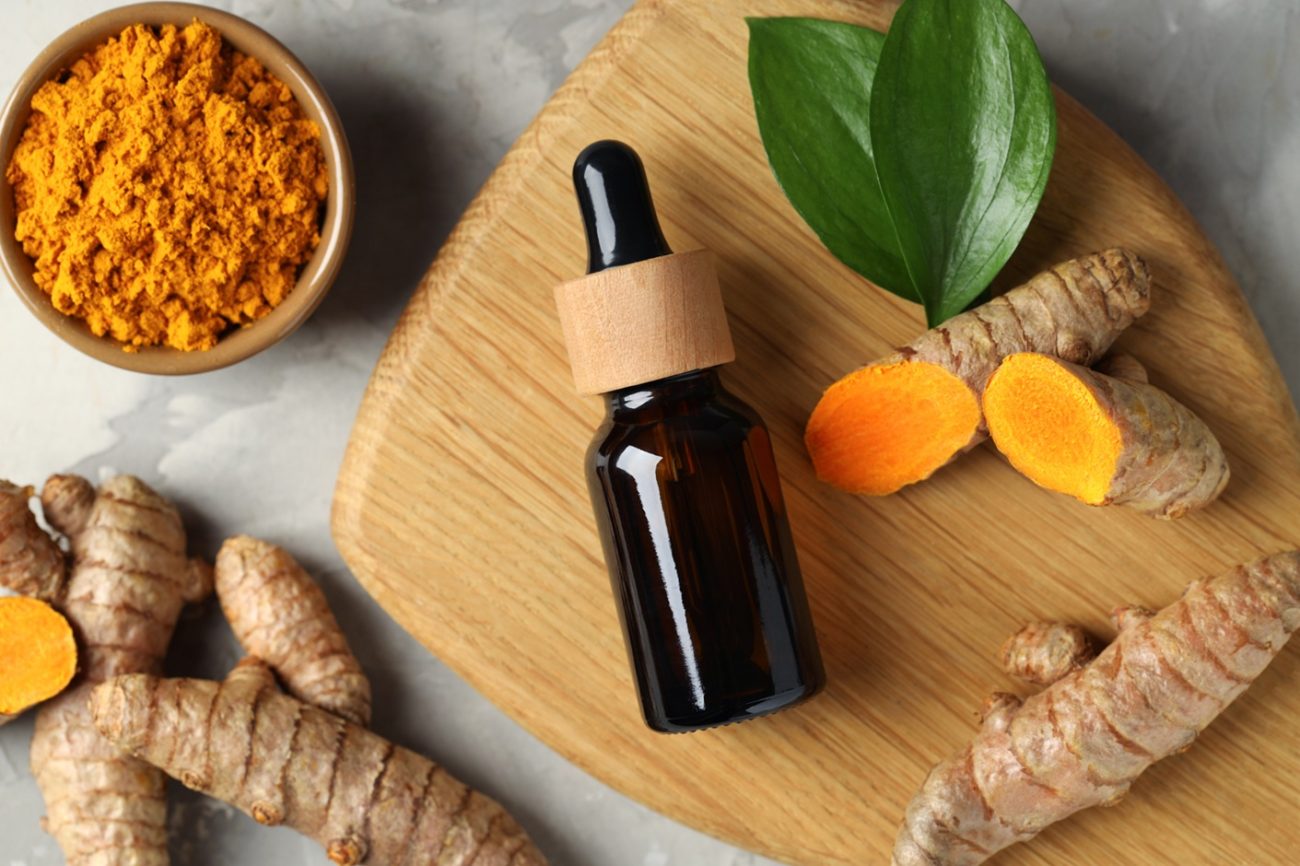
Turmeric (Curcuma longa) has been well researched for pain, particularly to treat knee osteoarthritis. It impacts on inflammatory markers interleukin-6 (IL-6) and TNF-α, and has been found to downregulate pain receptor expression (8); indicating a more complex mechanism of action than NSAIDs.

A meta-review of turmeric systematic review found there to be moderate GRADE evidence for the use of turmeric to relieve pain and improve symptoms of osteoarthritis (8). GRADE is a tool to systematically assess the quality or certainty of evidence in clinical research.
One study of 144 patients with knee osteoarthritis found that 1 g of a bioavailable turmeric extract was as effective as paracetamol at reducing pain over six weeks, while achieving greater decreases in inflammatory markers C-reactive protein (CRP) and TNF- α (9).
Another study of 367 patients showed that 1.5 g of turmeric extract was as effective as 1.2 g ibuprofen but with fewer gastrointestinal side effects when taken for four weeks by adults with knee osteoarthritis (10).
The measurement of inflammatory markers is one way to objectively determine whether an intervention is likely to be having an effect on the processes involved with pain and inflammation. So, the reduction of CRP and TNF-α by turmeric was a positive sign that it was having an impact on the cause of the pain, rather than providing a placebo effect or simply improving overall wellbeing.
Prostaglandins are short-acting signalling molecules that are involved in inflammatory responses. They are synthesised by COX enzymes and inhibiting their production by COX is a key mechanism of action of aspirin and NSAIDs. A study of 60 patients with knee osteoarthritis demonstrated that both NSAID naproxen and a supplement containing turmeric, ginger and black pepper inhibited prostaglandin E2 (PGE2) with no significant difference (11).
The impact of fennel on inflammatory processes
Fennel (Foeniculum vulgare) has also been proposed to alleviate pain by lowering prostaglandin levels. Two meta-analyses have both concluded that fennel oil or capsules is equivalent to conventional drug therapies such as the NSAID mefenamic acid at treating dysmenorrhoea (12,13).
What is best for fast-acting pain relief?
The holistic and “nudge”-like approach of herbal medicine that aims to address health challenges over the long-term may not seem at first to be the most suitable way to address pain. The urgent feeling and discomfort experienced when we are in pain stimulates the desire for fast-acting solutions.
A randomized-controlled trial in 88 healthy adults with acute musculoskeletal pain found that those who took 1g of a black seed oil (Nigella sativa), turmeric and frankincense (Boswellia serrata) extract had pain relief comparable to paracetamol within an average of one hour (14).
There is also evidence that topically applied pain-relieving herbs like chilli (Capsicum spp.), rosemary (Salvia rosmarinus) and lavender (Lavandula angustifolia) can act quickly (15).
Managing pain with combination therapy
Due to the difficulties in achieving results when treating pain, multiple drugs are often combined to provide a more effective outcome. The addition of herbal anti-inflammatories to standard therapy may also be a good approach.
A study of 140 patients with knee osteoarthritis found that 1 g of a curcuminoid complex combined with 100 mg of the NSAID diclofenac daily for 28 days was more effective than the diclofenac alone. Pain and quality of life were improved and the number of rescue analgesics needed for uncontrolled pain were lower in those taking the curcuminoid complex. There were also fewer adverse effects and less need for treatment of acid reflux with H2 blockers in the curcuminoid group (16).
In women with primary dysmenorrhoea, there is an increase in release of prostaglandins, particularly PGE2. A standard treatment is the NSAID mefenamic acid. One study of 150 female students found that combining 250 mg of mefenamic acid with 500 mg of turmeric powder daily for five days around the start of menstruation led to significant reduction in pain compared with either treatment alone (17).
Conclusion
Some herbs work via similar mechanisms to common pain-relieving medication such as NSAIDs. In many cases, they have been demonstrated to be as effective as standard painkillers, but with fewer side effects and, in some cases, they may mitigate the side effects produced by NSAIDs. This may be due to the complexity and synergy from multiple different phytochemicals in one herb.
Additionally, the holistic approach used in herbal medicine will aim to address the factors that have caused or are prolonging the increased inflammation in the first place and work towards fully resolving the underlying pathology.
References
- NICE. How do analgesics work? Clinical Knowledge Summaries. 2025. Accessed March 25, 2026. https://cks.nice.org.uk/topics/analgesia-mild-to-moderate-pain/background-information/mode-of-action/
- Gunaydin C, Bilge SS. Effects of nonsteroidal anti-inflammatory drugs at the molecular level. Eurasian J Med. 2018;50(2):116–121. https://doi.org/10.5152/eurasianjmed.2018.0010
- Committee on Herbal Medicinal Products (HMPC). Final European Union herbal monograph on Salix [various species including S. purpurea L., S. daphnoides Vill., S. fragilis L.], cortex. European Medicines Agency; 2017. EMA/HMPC/80630/2016-Corr. Accessed April 23, 2026. https://www.ema.europa.eu/en/documents/herbal-monograph/final-european-union-herbal-monograph-salix-various-species-including-s-purpurea-l-s-daphnoides-vill-s-fragilis-l-cortex_en.pdf
- Matyjaszczyk E, Schumann R. Risk assessment of white willow (Salix alba) in food. EFSA J. 2018;16(Suppl 1):e16081. https://doi.org/10.2903/j.efsa.2018.e16081
- Heinrich M, Barnes J, Prieto-Garcia JM, Gibbons S, Williamson EM. Fundamentals of Pharmacognosy and Phytotherapy. 4th ed. Elsevier; 2023.
- Oltean H, Robbins C, van Tulder MW, Berman BM, Bombardier C, Gagnier JJ. Herbal medicine for low-back pain. Cochrane Database Syst Rev. 2014;2014(12):CD004504. https://doi.org/10.1002/14651858.CD004504.pub4
- Raisi Dehkordi Z, Rafieian-Kopaei M, Hosseini-Baharanchi FS. A double-blind controlled crossover study to investigate the efficacy of salix extract on primary dysmenorrhea. Complement Ther Med. 2019;44:102–109. https://doi.org/10.1016/j.ctim.2019.04.002
- Rolfe V, Mackonochie M, Mills S, MacLennan E. Turmeric/curcumin and health outcomes: a meta-review of systematic reviews. Eur J Integr Med. 2020;40:101252. https://doi.org/10.1016/j.eujim.2020.101252
- Singhal S, Hasan N, Nirmal K, et al. Bioavailable turmeric extract for knee osteoarthritis: a randomized, non-inferiority trial versus paracetamol. Trials. 2021;22(1):105. https://doi.org/10.1186/s13063-021-05053-7
- Kuptniratsaikul V, Dajpratham P, Taechaarpornkul W, et al. Efficacy and safety of Curcuma domestica extracts compared with ibuprofen in patients with knee osteoarthritis: a multicenter study. Clin Interv Aging. 2014;9:451–458. https://doi.org/10.2147/CIA.S58535
- Heidari-Beni M, Moravejolahkami AR, Gorgian P, Askari G, Tarrahi MJ, Bahreini-Esfahani N. Herbal formulation “turmeric extract, black pepper, and ginger” versus naproxen for chronic knee osteoarthritis: a randomized, double-blind, controlled clinical trial. Phytother Res. 2020;34(8):2067–2073. https://doi.org/10.1002/ptr.6671
- Lee HW, Ang L, Lee MS, Alimoradi Z, Kim E. Fennel for reducing pain in primary dysmenorrhea: a systematic review and meta-analysis of randomized controlled trials. Nutrients. 2020;12(11):3438. https://doi.org/10.3390/nu12113438
- Shahrahmani H, Ghazanfarpour M, Shahrahmani N, Abdi F, Sewell RDE, Rafieian-Kopaei M. Effect of fennel on primary dysmenorrhea: a systematic review and meta-analysis. J Complement Integr Med. 2021;18(2):261–269. https://doi.org/10.1515/jcim-2019-0212
- Rudrappa GH, Chakravarthi PT, Benny IR. Efficacy of high-dissolution turmeric-sesame formulation for pain relief in adult subjects with acute musculoskeletal pain compared to acetaminophen: a randomized controlled study. Medicine (Baltimore). 2020;99(28):e20373. https://doi.org/10.1097/MD.0000000000020373
- Barnett H. Pain relief: 5 analgesic herbs for external application. Herbal Reality. 2023. Accessed April 23, 2026. https://www.herbalreality.com/health-lifestyle/mobility-fitness/5-herbs-instead-painkillers/
- Shep D, Khanwelkar C, Gade P, Karad S. Efficacy and safety of combination of curcuminoid complex and diclofenac versus diclofenac in knee osteoarthritis: a randomized trial. Medicine (Baltimore). 2020;99(16):e19723. https://doi.org/10.1097/MD.0000000000019723
- Hesami S, Kavianpour M, Rashidi Nooshabadi M, Yousefi M, Lalooha F, Khadem Haghighian H. Randomized, double-blind, placebo-controlled clinical trial studying the effects of turmeric in combination with mefenamic acid in patients with primary dysmenorrhoea. J Gynecol Obstet Hum Reprod. 2021;50(4):101840. https://doi.org/10.1016/j.jogoh.2020.101840