











Last reviewed 24/04/2026
Sustainability status
At risk from overharvesting and habitat loss. Read more in our sustainability guide.

Avoid in pregnancy and lactation
Herbs are generally best-avoided in pregnancy, unless working with them under the guidance of a medical herbalist. However, some herbs pose a risk to pregnancy as they are potentially: toxic to the mother, toxic to the neonate, teratogenic (risk developmental malformation), may increase miscarriage risk, or could cause foetal distress leading to miscarriage or premature birth. Herbs with teratogenic, emmenagogue, or stimulant laxative actions are all contraindicated in pregnancy. Furthermore, herbs containing volatile oils, thujone, apiol, phyto-oestrogens also should be avoided.
During lactation, there is the possibility for transfer of plant compounds through the breast milk, which can have an effect (detrimental or beneficial) on the infant.
Please read the Safety section in this monograph.

Drug interactions
Herbs may interact with pharmaceutical medications through both pharmacokinetic and pharmacodynamic mechanisms. Pharmacokinetic interactions involve alterations in the absorption, metabolism, distribution, or excretion of a drug. Many herb–drug interactions occur through liver enzyme modulation: by inducing CYP enzymes — increasing drug concentration and toxicity risk; or by inducing CYP enzymes — decreasing drug concentration and therapeutic efficacy.
Pharmacodynamic interactions occur when herbs and drugs influence the same physiological systems. These interactions can cause synergistic, additive or antagonistic effects at the receptor or tissue level, enhancing or opposing the intended pharmacological action. The clinical consequences of herb-drug interactions can be complex and nuanced. Consultation with a medical professional is, therefore, recommended to ensure safe use and appropriate dosing.
Please read the Interactions section in this monograph.

-
Herb overview
Safety
Considered safe.
Do not use in pregnancy.Sustainability
Status: Caution, at risk
Key constituents
Essential oils
Gums
Bitter
ResinsQuality
Native to north and eastern Africa and Arabian peninsula
Wild harvested
Adulteration riskKey actions
Antimicrobial
Anti-inflammatory
Analgesic
AntioxidantKey indications
Respiratory infections
Ulcers
Diabetes
ArthritisKey energetics summary
Warm
Dry
Bitter
AromaticPreperation and dosage
Resin
Tincture (1:1 | 90%)
-
How does it feel?
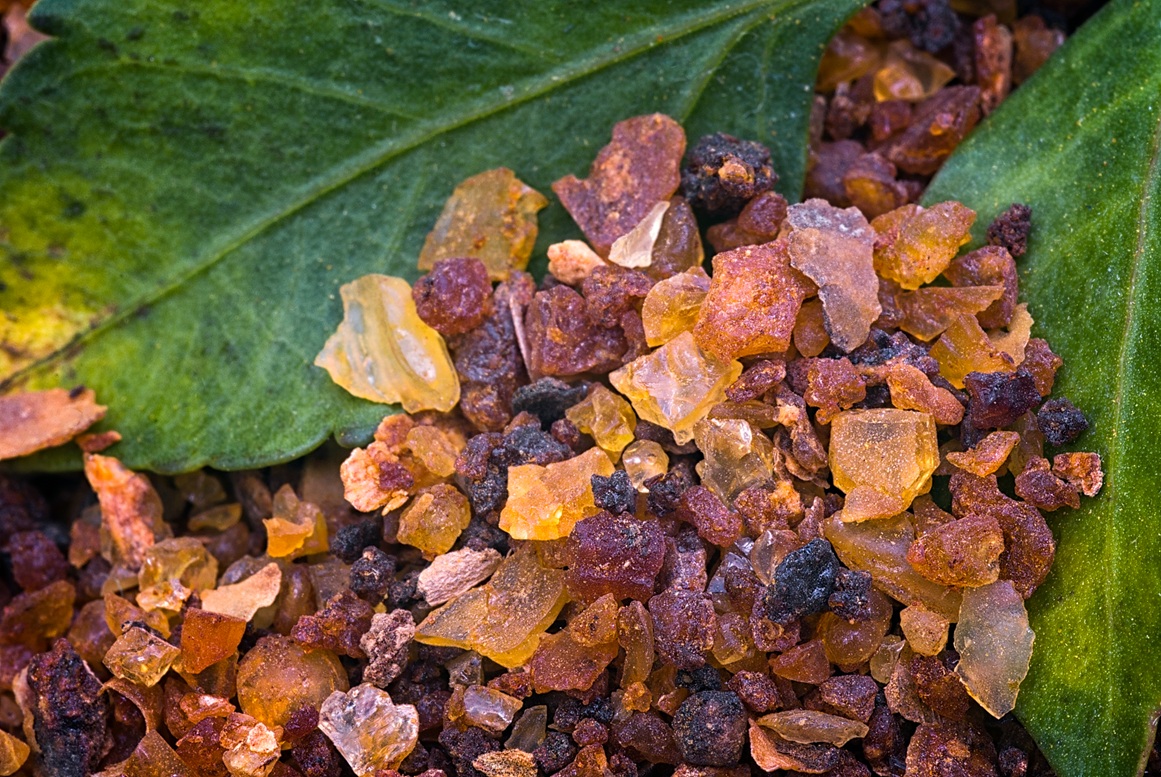
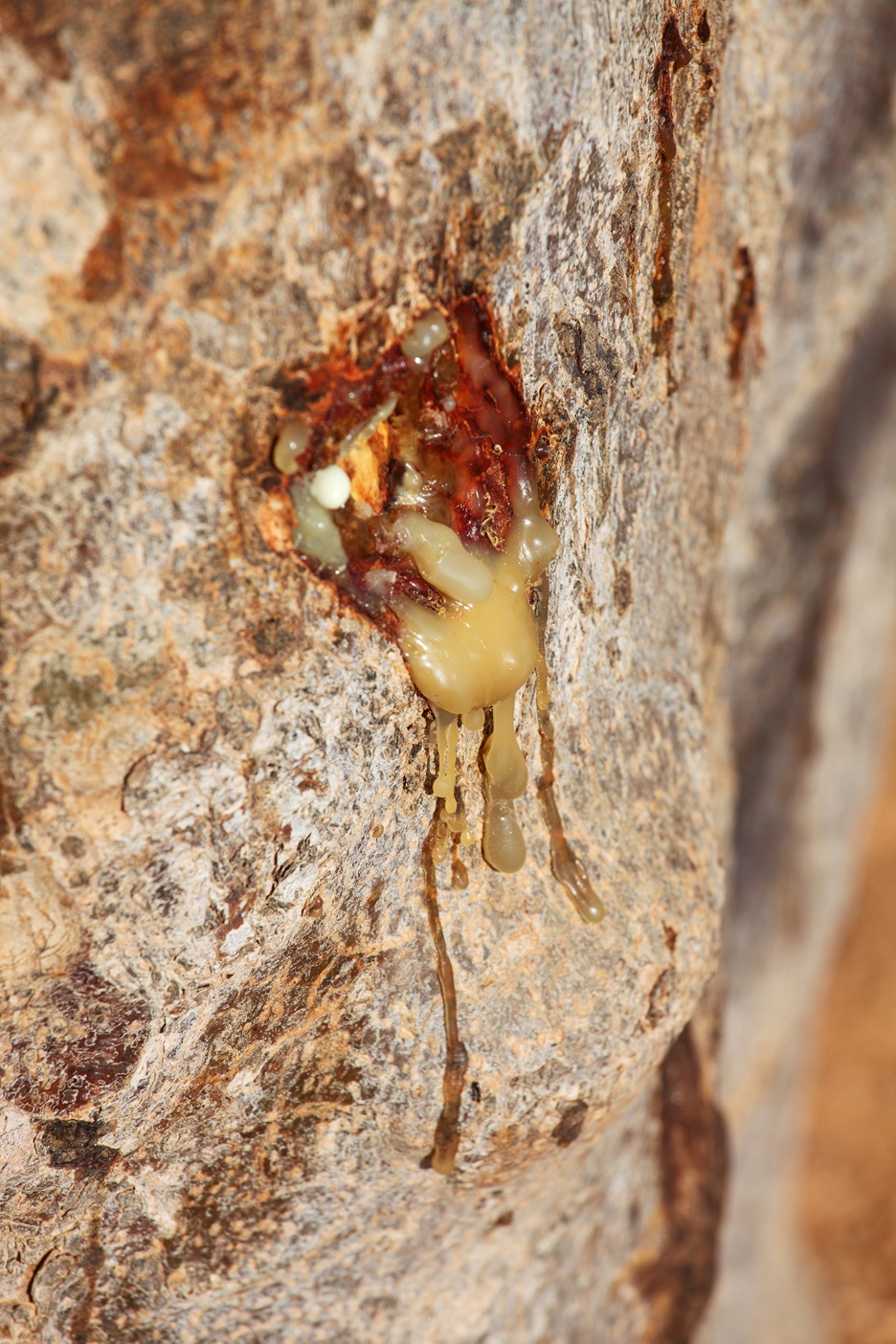
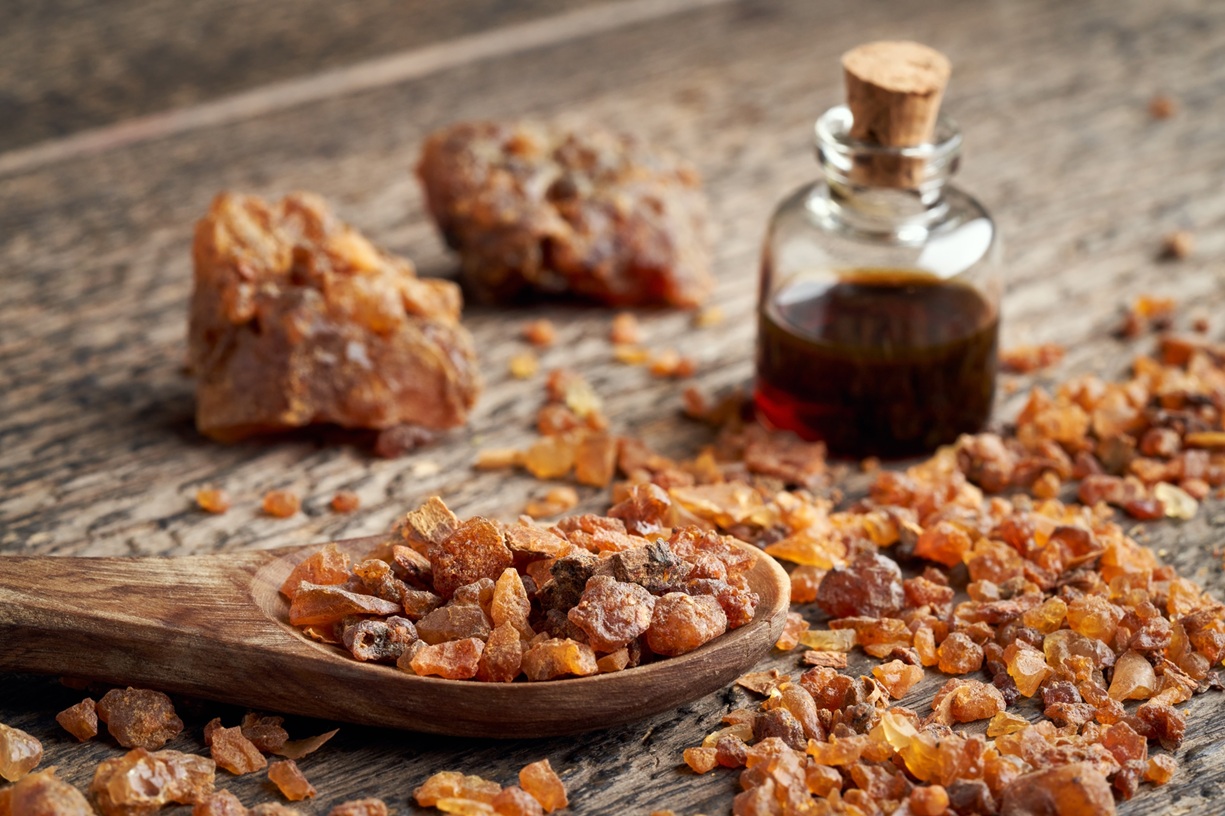
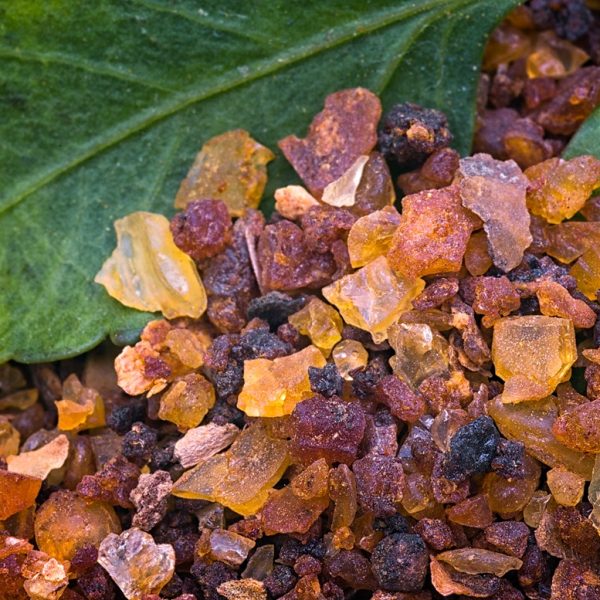
When the bark of this sturdy bush is wounded, ducts inside produce a granular secretion that flows as a yellow liquid and hardens to a reddish-brown mass. This is brittle, semi-transparent and oily, with a rough powdery surface (1). The resin smells aromatic; tastes acrid, aromatic and bitter (1); and sticks to your teeth (2).
Its warming and drying qualities are stimulating, making it good for circulation, dispelling stagnation and congestion in the body, especially in the mucosa and skin (3).

The taste of myrrh
The below qualities are derived from organoleptic assessment.
-
Into the heart of myrrh
 The analgesic and anti-inflammatory activities of myrrh, are thought to be due to the terpenoids, particularly sesquiterpenes (furanoeudesma-1,3-diene and curzerene), diterpenes and diterpenic acid fractions (8). In addition, in vivo evidence suggests this action can be blocked by the drug naloxone (an opioid antagonist), which suggests they are working via opioid mechanisms in the brain (8).
The antimicrobial effects of myrrh are thought to work in two ways — via a direct effect on the microbes and also by stimulating white blood cells to combat pathogens (9). The direct antimicrobial activities are due to the sesquiterpenoids and phenolic acids, these have been shown to disrupt the cell membrane of pathogens, inhibit enzyme activity, and interfere with the proliferation of the pathogen (10).
The antioxidant properties of myrrh are due to various compounds such as terpenoids, flavonoids and phenolic acids – these enhance the body’s natural enzyme activity, chelate metals and scavenge free radicals (10).
Myrrh’s internal and external vulnerary actions are due to its ability to promote the proliferation of fibroblasts, enhance the deposition of collagen, and aid the process of epithelial healing, however the phytochemicals responsible remain unknown (11).
-
What practitioners say
 Respiratory system
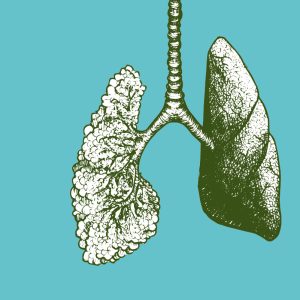
The warming, stimulating, antimicrobial and astringent properties of myrrh mean that it is used for a range of different respiratory conditions including: catarrh of the nasal passages, throat, pharynx and ears; sore throat, sinusitis, tonsillitis, cough, asthma, bronchitis, common cold (2,3,7,9). IL-6 — a proinflammatory cytokine that is a key agent in viral respiratory infections — is inhibited by myrrh, suggesting a mechanism for its immunomodulatory effects in respiratory infections (18).
Digestive system
Myrrh’s astringent action on mucus membranes, especially in the mouth, throat and lower in the gastrointestinal tract, has meant it has appeared in pharmacopoeias for the treatment of mouth ulcers, gingivitis, tonsilitis, laryngitis and stomach ulcers (2,7,9).
Myrrh is used in inflammatory bowel disease (Crohn’s disease and ulcerative colitis) and leaky gut, to improve the barrier function of the intestine. In vitro research suggests the mechanism for this is reducing the pro-inflammatory cytokine IL-13, which is upregulated in inflammatory bowel disease and may be responsible for the impaired intestinal barrier (19).
More widely, myrrh is used by practitioners for the treatment of bad breath, gum disease, canker sore, bleeding gums, wounds in the mouth, diarrhoea, mucus in the stool, worms, rectal fissure and haemorrhoids (3). The sesquiterpenes present in myrrh have been shown to be antimicrobial against Escherichia coli (6).
Reproductive system
Historically, myrrh has been used an emmenagogue (1). It’s astringent and anti-microbial actions are also used for vaginitis, leukorrhea, yeast infections, watery vaginal discharge and in parturition (3). A randomised controlled trial found that myrrh was more effective than frankincense (Boswellia spp.) at healing an episiotomy wound after birth (20).The sesquiterpenes present, have been shown in vitro to be anti-fungal against Candida albicans (6,21).
Tincture of myrrh has been seen in a clinical setting to reduce the size of an ovarian cyst by half (22).
Integumentary system
Again, the astringent, antimicrobial and vulnerary actions make myrrh a useful herb in cases of eczema, abrasions, boils, wounds, spots and herpes (3).
Its antifungal action also makes it effective for athlete’s foot when its essential oil is combined with lavender essential oil in alcohol and applied to the skin (9).
Endocrine system
In vivo research has shown that myrrh in combination with haritaki (Terminalia chebula) can be beneficial to people with diabetes (23), where it is used regularly as a treatment in Saudi Arabia (2). The antidiabetic effect is thought to occur by decreasing gluconeogenesis and increasing the peripheral use of glucose (9).
Musculoskeletal system
Historically, when used with chilli (Capsicum annuum), myrrh has been found useful for arthritis(13). An in vivo study has shown that myrrh, combine with shown bai shao (Paeonia lactiflora), has anti-inflammatory and pain-relieving effects against osteoarthritis and a randomised, double-blind, placebo-controlled study is now in progress to further test this (24).
-
Myrrh research
Myrrh has been well-studied and evidence exists across the spectrum of research, including from a handful of randomised controlled trials (20), many of which are cited above in What the practitioners say. With this in mind, this section focuses on the most recent research around myrrh, showing that similar actions (in particular, regulating cell proliferation and inducing apoptosis in damaged cells) can be wide-ranging across various body systems and are making it a target for drug development (5).Myrrh ameliorates endometriosis by enhancing ER stress-related apoptotic cell death
In vivo and in vitro results using an aqueous extract of myrrh have shown that it can suppress the growth of endometrial cells (25). The mechanism of action for this is thought to be via apoptosis from stressing the endoplasmic reticulum (25).
Anticancer effects of Commiphora myrrha
The cyto-toxic effect of myrrh against colorectal cancer has been investigated using in vitro and in vivo methods (26). Myrrh significantly reduced the size of the tumour and also increased the survival time of mice with tumours via inhibiting tumour cell proliferation and promoting apoptosis (26). It also sensitised tumour cells to radiotherapy and chemotherapy illustrating the role herbs can play alongside other therapies (26).
Other in vitro and in vivo studies have also shown that myrrh can arrest the cell cycle and induce apoptosis in breast cancer cells (27).
Commiphora myrrha resin extract inhibits the biofilms and quorum sensing
An in vitro study has found that an extract of myrrh reduced biofilm formation and the major phytochemical curzerene showed a promising interaction with proteins involved in quorum sensing (the chemical communication system used by bacteria to sense density and coordinate group behaviour) (28). Disrupting both quorum sensing and biofilm formation are important for new approaches in antimicrobial strategies, given the global rise of antimicrobial drug resistance (28).
Discovery of terpenoidal trimers gercadietanes A–G from Commiphora resins showing potential antidepressant properties in vivo
Myrrh has been suggested as a therapeutic agent for inflammation induced depression, based on an in vivo study on mice (29). The terpenes in the resin showed anti-inflammatory activity and also increased anti-inflammatory cytokines and decreased pro-inflammatory ones (29).
-
Historical use of myrrh

Myrrh (Commiphora myrrha) The history of the use of myrrh is long and starts in the Middle East and north-eastern Africa — areas where it is found growing naturally (5). The most famous example is from the Bible with the Magi visiting baby Jesus with gifts of gold, myrrh and frankincense — all of which were known at the time to be medicinal (5). However, evidence of its use extends back further than this with King of Gezer (Palestine) requesting myrrh from Egypt to be used in healing from the 14th century BCE (12).
The earliest known use of myrrh particularly as an antimicrobial dates to 12th century BCE, when the Sumerians, who lived in an area roughly equivalent to modern-day Iraq, used it for treating tooth infections and intestinal worms (5).
Historical records of the use of myrrh in China date back to the 7th century AD, it appears to have been used alongside frankincense for managing conditions where there is trauma, aches, swelling and joint problems (5).
Historically, it became common in Britain and the USA (13,14), even appearing in rural account books from northern England in the 18th century (15). Its use has continued and it has been included in various pharmacopeia, including the British Pharmacopoeia (16) and German Commission E monographs (17).
-
Myrrh’s herbal actions
Herbal actions describe therapeutic changes that occur in the body in response to taking a herb. These actions are used to express how a herb physiologically influences cells, tissues, organs or systems. Clinical observations are traditionally what have defined these actions: an increase in urine output, diuretic; improved wound healing, vulnerary; or a reduction in fever, antipyretic. These descriptors too have become a means to group herbs by their effects on the body — herbs with a nervine action have become the nervines, herbs with a bitter action are the bitters. Recognising herbs as members of these groups provides a preliminary familiarity with their mechanisms from which to then develop an understanding of their affinities and nuance and discern their clinical significance.
Western actions
-
Myrrh’s energetic qualities
Herbal energetics are the description that herbalists have given to plants, mushrooms, lichens, foods and some minerals based on the direct experience of how they taste, feel and affect the body. All traditional health systems use these principles to explain how the environment impacts health, according to each of their philosophies and frameworks. These assessments of individual herbs, though they often do align, can differ from one another due to cultural differences regarding perspectives on how herbs taste versus their physiological effects. Find out more about traditional energetics in our article An introduction to herbal energetics.
Western energetics
Western energetics here are informed by The Energetics of Western Herbs by Peter Holmes, as well as traditional materia medica from Culpeper and Dioscorides.
Chinese energetics
Chinese energetics align with Bensky’s Chinese Herbal Medicine: Materia Medica.
Ayurvedic energetics
Ayurvedic energetics are assigned according to Ayurvedic Medicine: The Principles of Traditional Practice by Sebastian Pole.
-
What can I use myrrh for?
 Myrrh is warm, stimulating and astringent, which means it is indicated in conditions where mucosa and skin are relaxed and/or hypersecretion and dampness occur (3), examples include:
- Gastrointestinal system: Pale, flabby and damp tongue; indigestion; heaviness; mucus in the stool
- Respiratory system: Phlegm
- Reproductive system: Clear vaginal discharge, congested feeling in the pelvis (3).
Myrrh is traditionally used for wound healing, digestive problems, arthritis/rheumatism (4).
Clinical and in vitro studies have shown it is antimicrobial, anti-inflammatory, analgesic, vulnerary (4).
Myrrh is antimicrobial and is used against bacterial infection (Streptococcus pyogenes, and Staphylococcus aureus), fungal infections (Candida albicans and Tinea pedis), viral infections (herpes simplex type 1, influenza type A) (5,6). It is also used for respiratory infections and nasal congestion (5). It is antiparasitic against Schistosoma, Heterophytes infection, snails: Bulinus truncates, Lymnaea cailliaudi, and Biomphalaria alexandrina — which are intermediary hosts for trematode activity (5).
Myrrh is used in many gastrointestinal conditions due to its anti-inflammatory, anti-microbial and astringent properties. Indications for myrrh include: inflammatory bowel disease, leaky gut, diarrhoea, IBS, worms, indigestion, gas, gingivitis, mouth ulcers, gastric ulcers (3,7).
Myrrh’s vulnerary and analgesic actions make it useful for skin conditions when applied topically. Its anti-inflammatory and analgesic actions mean it is also used for arthritis (3).
-
Did you know?
In AD 74–76 Pliny recommended (Book 14, chapter 27) that myrrh was used to perfume wine jars and cellars, he also suggested that it was used for male hair removal (30).




 The analgesic and anti-inflammatory activities of myrrh, are thought to be due to the terpenoids, particularly sesquiterpenes (furanoeudesma-1,3-diene and curzerene), diterpenes and diterpenic acid fractions (8). In addition,
  Respiratory system
 Myrrh has been well-studied and evidence exists across the spectrum of research, including from a handful of randomised controlled trials (20), many of which are cited above in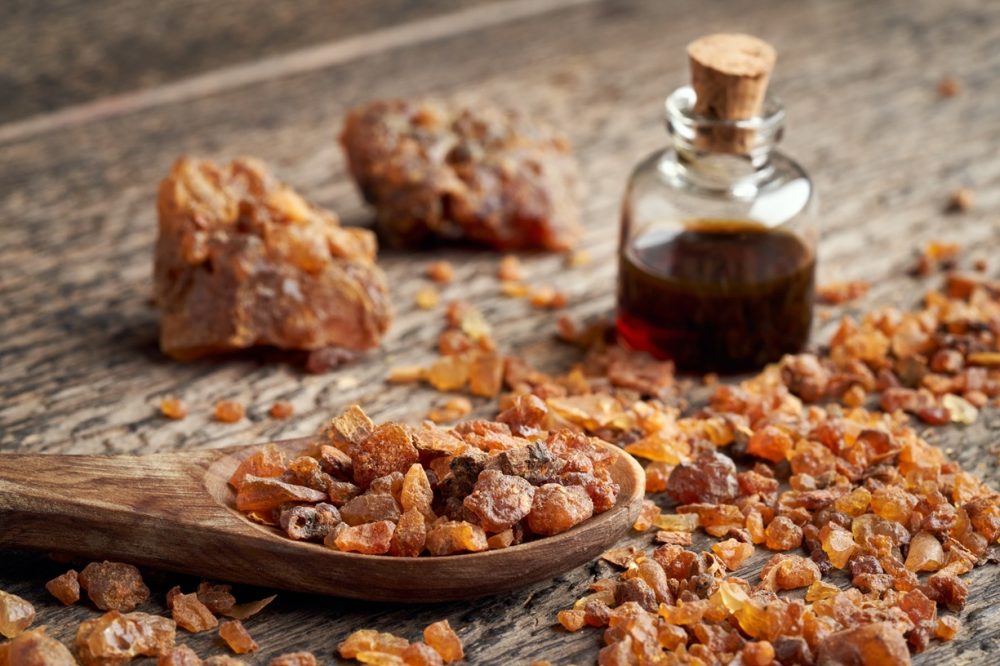
 Myrrh is warm, stimulating and
 -
Botanical description
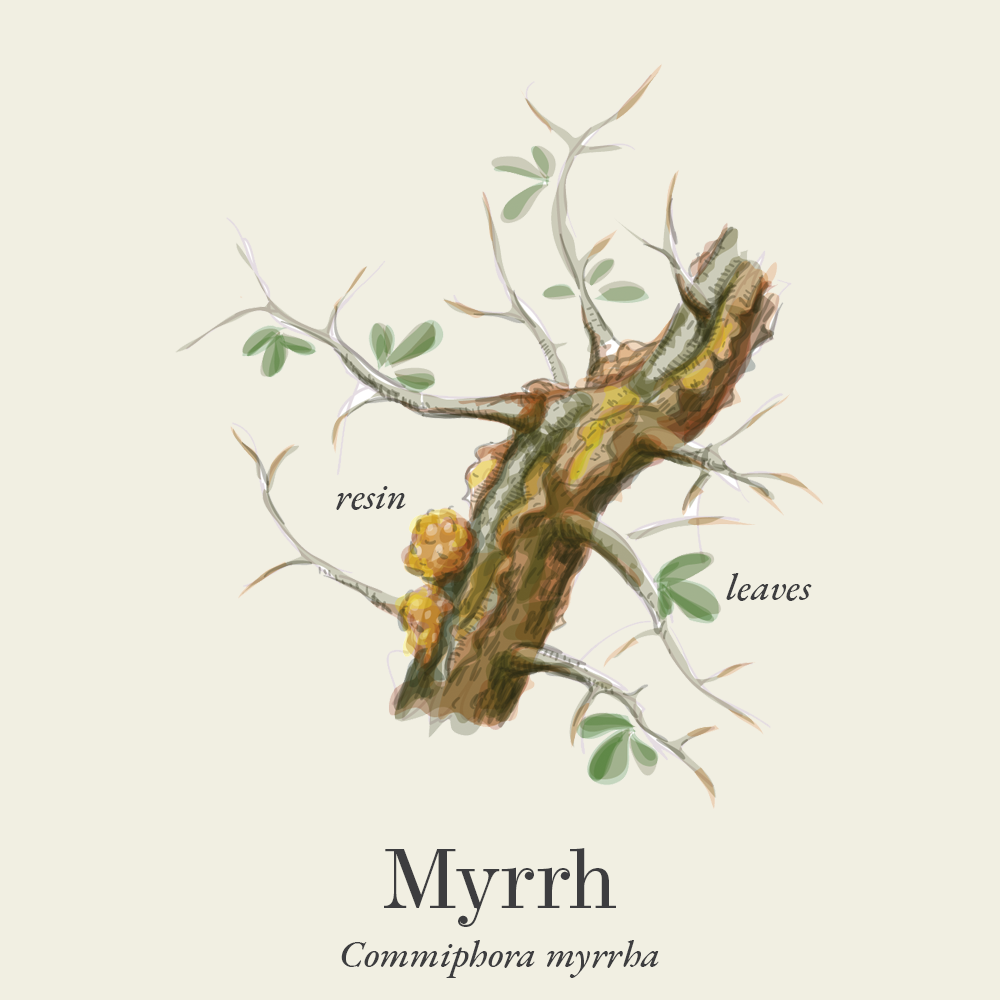
Myrrh is part of the Burseraceae family, which contains over 600 plants (2), including frankincense (Boswelia serrata) (5). The genus of Commiphora contains guggul (Commiphora mukul) (5).
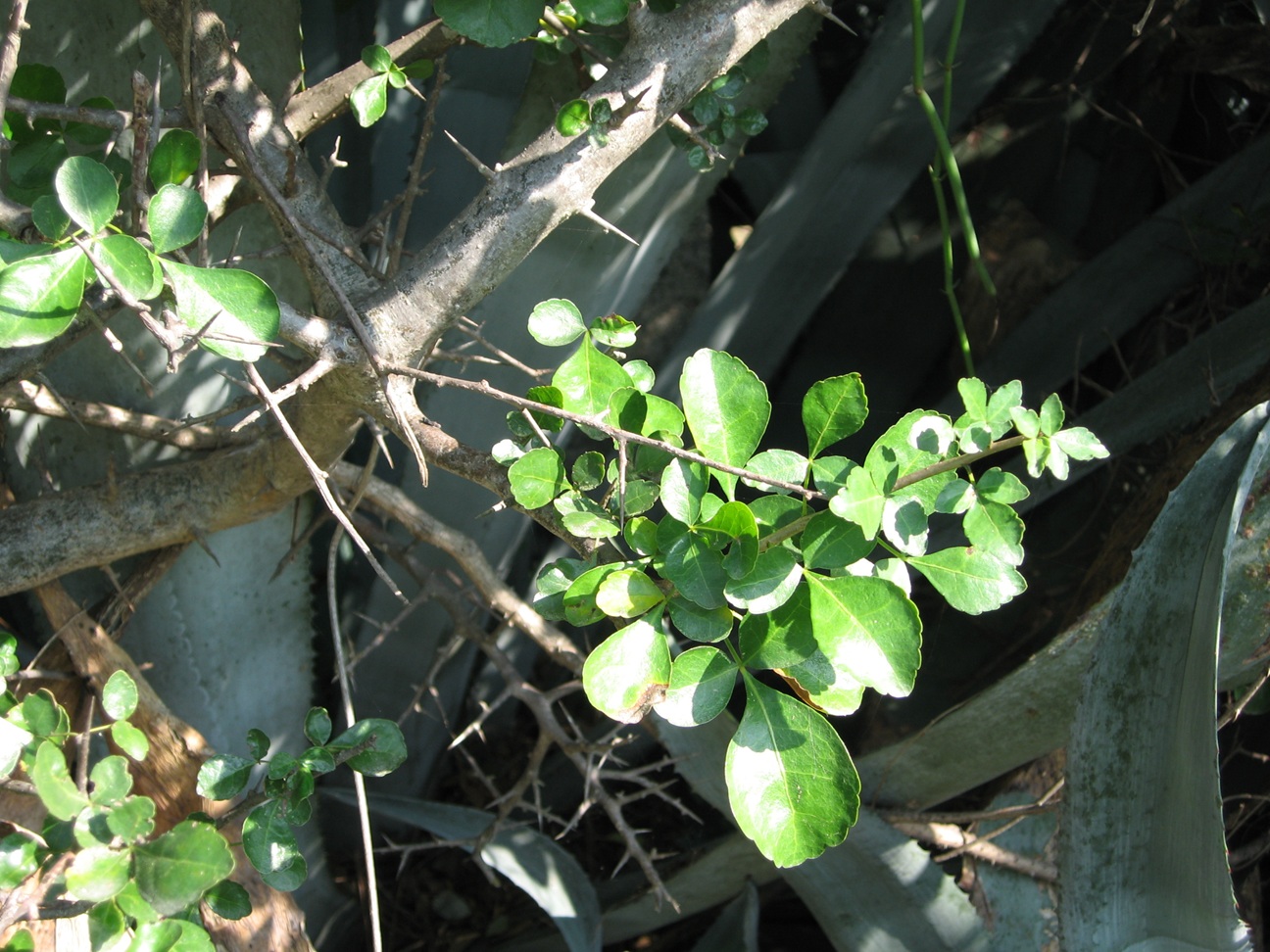
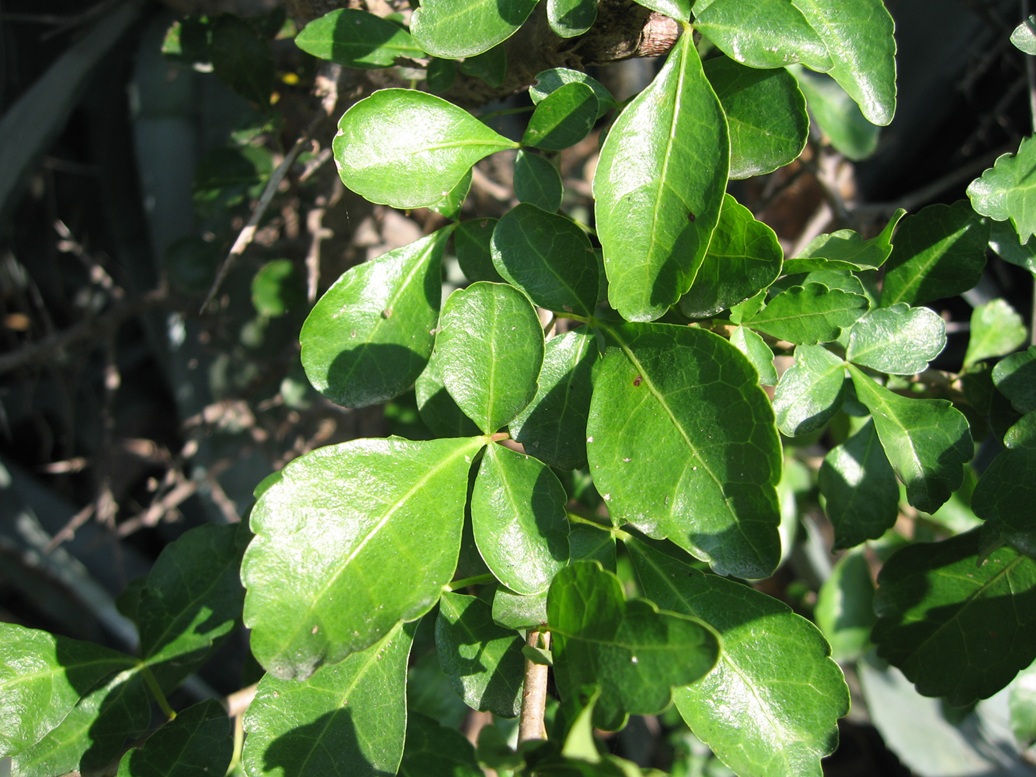
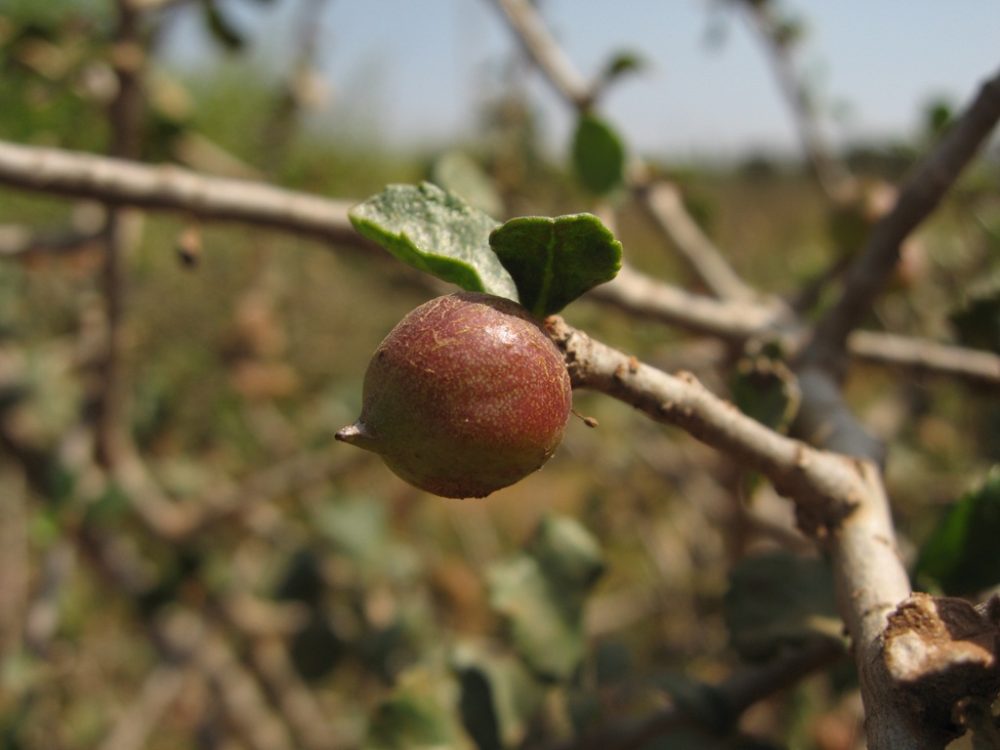
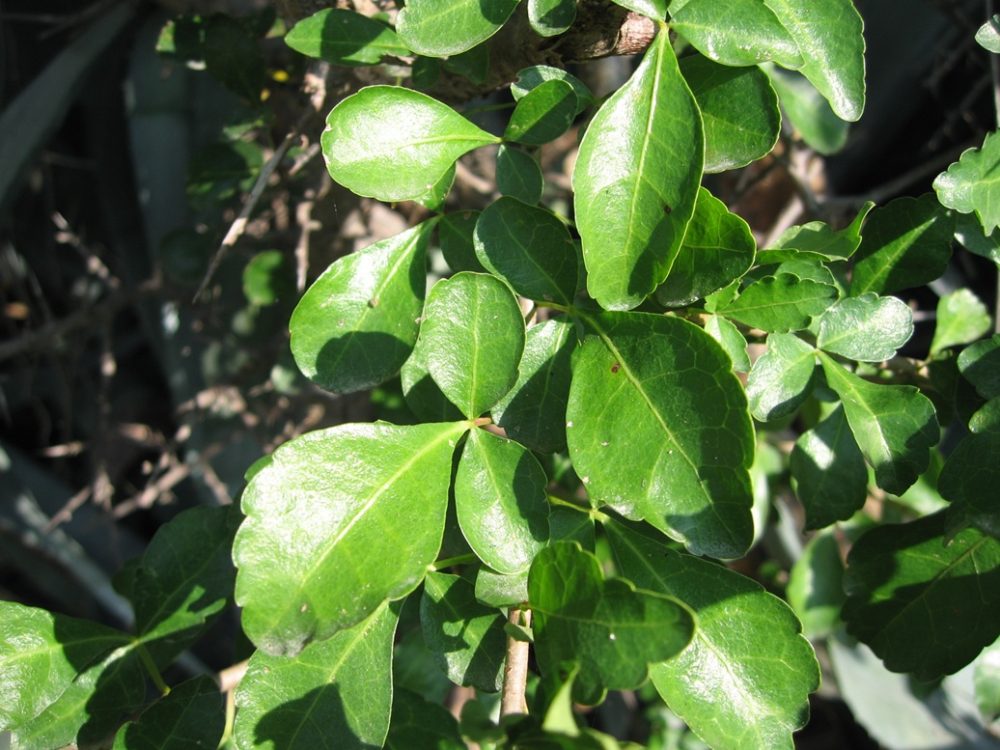
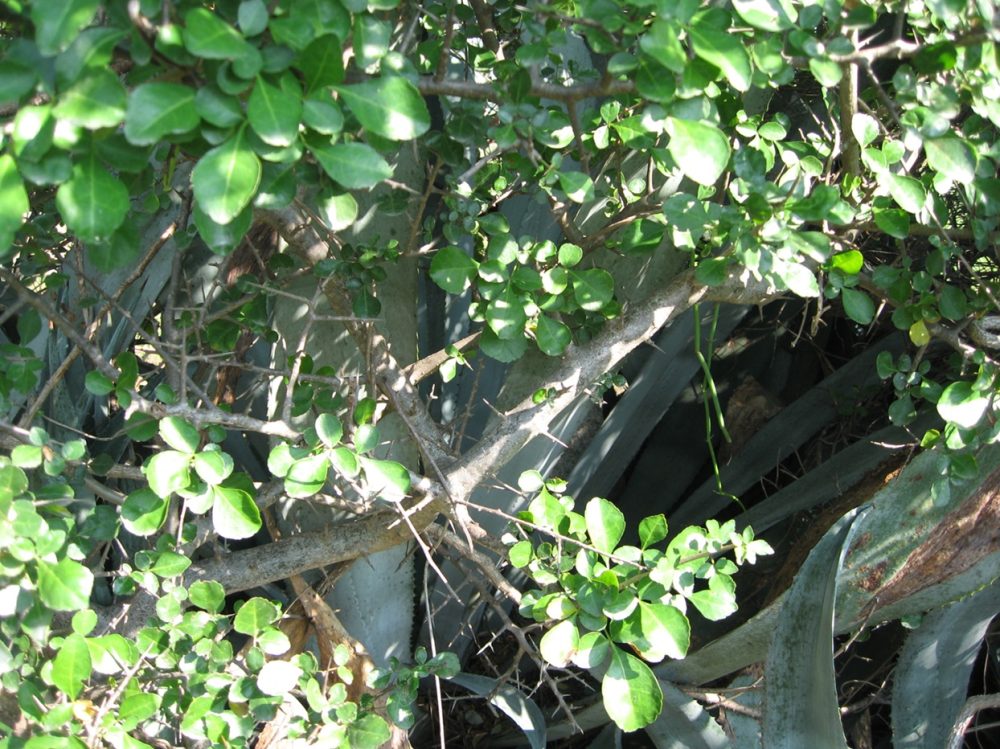
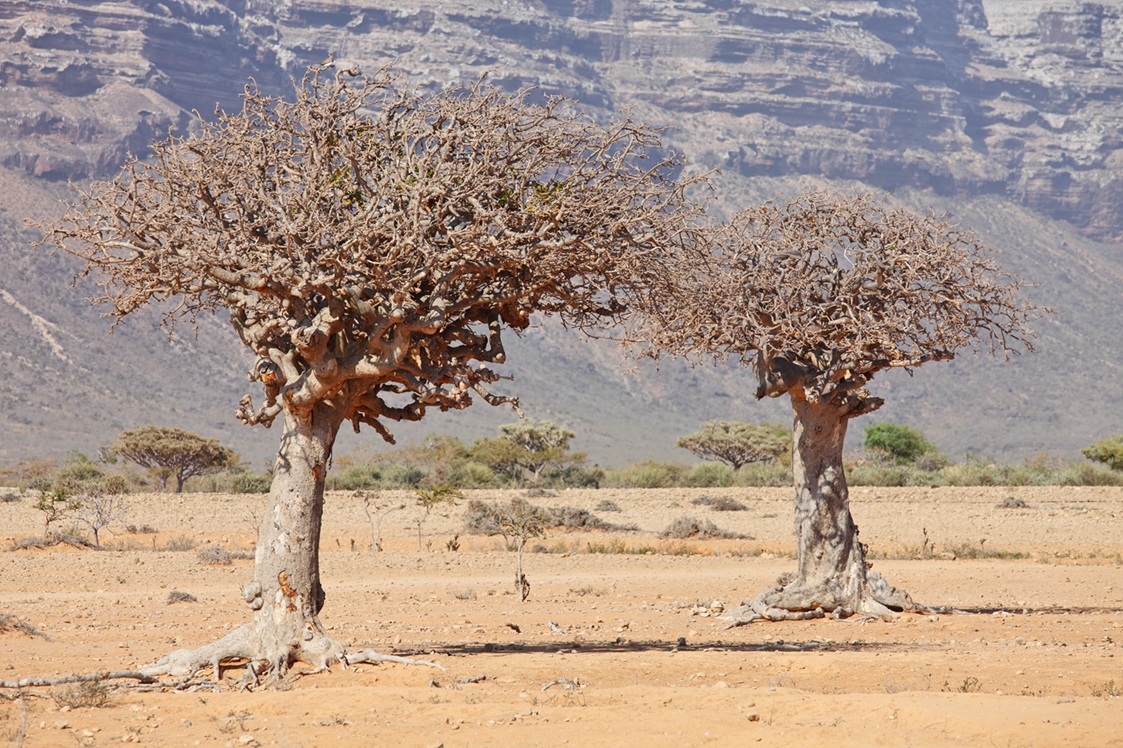
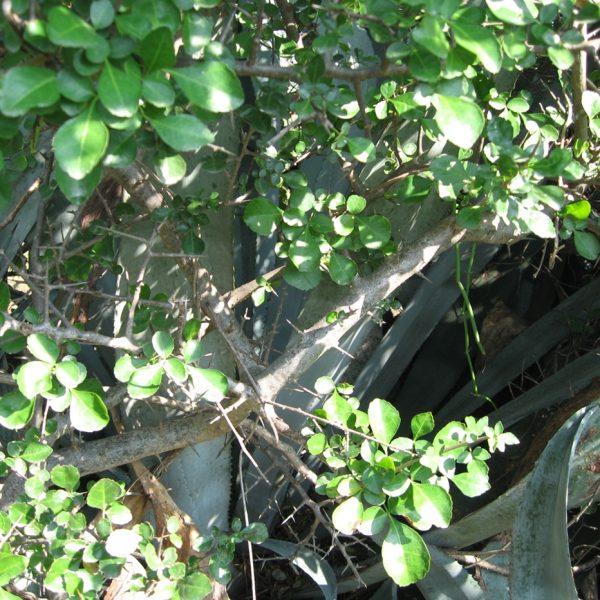
It is a small tree or shrub, with thick trunk and irregular, knotted, rough and thorny branches, that terminate in a sharp thorn (2,5).
The resin is used medicinally, and this is initially produced by the tree as a sap that hardens on contact with the air; the tree produces sap naturally and through intentional cutting of the bark (10,31).
-
Common names
- Myrrh
- Gum myrrh
- Mo Yyao
- Bdellium
- Bol
- Bola
- Commiphora
-
Habitat
Myrrh grows naturally over north-eastern Africa, southern Arabia and the Mediterranean basin (5,10). It grows on basaltic soil in very hot areas, and grows wild in the Arabian peninsula, Ethiopia, Kenya and Somalia (2). It is cultivated in east and north Africa (2).
-
How to grow myrrh
Myrrh can be grown from seed or hardwood cuttings at the end of the growing season (32). It requires a hot and dry climate, and needs a sunny location with well-draining soil (33). It is drought-tolerant and suitable for xeriscaping (landscaping method designed for water conservation) (32).
-
Herbal preparation of myrrh
- Powder
- Tincture
- Infusion
- Gargle/mouth wash
- Infused oil (external)
-
Plant parts used
Resin
-
Dosage
- Tincture (1:5): 0.5–2 ml three times a day (2); 10–30 ml per week (7)
- Fluid extract (1:1 | 90 %): 1–4 ml three times a day (9)
- Infusion/decoction: 1–2 teaspoons of powdered myrrh in 1 cup of boiling water, infuse for 10–15 mins, three times a day (9)
- Drop dosage: 1–10 drops of tincture (34)
- Externally: Neat tincture can be applied, e.g., over sinuses (2,9)
- Gargle/mouthwash: 5 ml in a glass of warm water, 5–10 drops tincture in a glass of water (2)
- Dental powders: Powders should contain 10% powdered resins (9)
-
Constituents
- Essential oils: Furanosesquiterpenes (curzereonon, furanodiene-6-one, furanoesudesma-1,3-diene), sesquiterpenes (curzene, germacrone), triterpenes, monoterpenes (2,7,9,35)
- Gums (2,9,35)
- Bitter (2,35)
- Resin: (Commiphoric acid, commiphorinic acid, commiferin) (2,9,35)
Please note: 90% extraction in alcohol largely removes the resins (7).
-
Myrrh recipe
First aid salve
A salve to be kept in a first aid kit, it is especially good for scrapes and grazes on knees and elbows. Make sure the wound is washed and cleaned, and then dress the wound with the salve applied to a gauze and keep in place with a bandage. Change the dressing daily.
Ingredients
- 80 ml myrrh infused oil
- 80 ml calendula flower infused oil
- 40 ml yarrow infused oil
- 40 ml gotu kola infused oil
- 15–30 g bees wax
How to make a myrrh salve
- Follow the steps in this article: How to make herbal oils to make each of the infused oils, with the base oil of your choice. The myrrh should be ground to a powder before infusing it.
- The salve can be made by using the quantities above and then following the instructions in How to make a salve.
-
Safety
- Has been long regarded as safe (2,3).
- Not to be confused with guggul, which is a Commiphora species related to myrrh (35).
- Avoid in pregnancy (7,9,35).
- Essential oil can cause skin irritation/allergic dermatitis (2,3,7).
-
Interactions
Theoretically, myrrh may have an additive effect with any diabetic medication (9,35).
Myrrh may act as an antagonist to the anticoagulant effects of warfarin (2,7,35).
-
Contraindications
None known (36).
-
Sustainability status of myrrh
Myrrh has not yet been assessed as part of the IUCN Red List of threatened plants (32). However, given the concern over the closely-related sustainability of frankincense, attention is now turning to myrrh. In 2025, The American Herbal Products Association funded a three-year project to better understand the current harvesting practices of myrrh in eastern Africa (37).
Harvesting of myrrh can occur in two ways, one where the tree exudes sap naturally and is considered ecologically friendly, and the other where the tree is slashed and people return periodically for harvesting the sap (37). The second method means that over-tapping and depleting the tree are highly likely to occur (37). Initial observation has shown that Ethiopian methods are mainly harvesting the naturally occurring sap, and Somaliland and Somalia extraction techniques are more akin to slash and returning periodically, however, a simple split along country lines is unlikely to give the full picture (37).
Wider issues around communities and villages relying on the myrrh for employment as well as the desertification that can occur if trees are over-harvested and die out, also need to be considered when sourcing myrrh (38).
Ensure you purchase myrrh from companies that are transparent about the supply chain and have certified produce that offer ecological and social assurances, such asFairWild (39).
Read our article on and Sustainable sourcing of herbs to learn more about what to look for and questions to ask suppliers about sustainability.
-
Quality control
Myrrh is mainly wild-harvested and is imported from in eastern Africa. Many other species of myrrh (e.g., C. boranensis, C. habessinica, and C. corrugata.) are harvested in Ethiopia and can be sold under the name “myrrh” or “opoponax” (40).
Demand for myrrh is higher than the raw material on the market (41), meaning the potential for adulteration and/or unsustainable wild harvesting practices is high.
-
References
- Grieve M. A Modern Herbal. 1931. Accessed December 30, 2021. https://botanical.com/
- Fisher C. Materia Medica of Western Herbs. Aeon Books; 2018.
- Wood M. The Earthwise Herbal: A Complete Guide to Old World Medicinal Plants. One. North Atlantic Books; 2008.
- Stengler E, Huber R, Kowarschik S, Lüth VM. Anti-inflammatory properties of Boswellia frereana Birdw., Boswellia neglecta S.Moore, Boswellia rivae Engl., Boswellia sacra Flück., Boswellia serrata Roxb., Commiphora confusa Vollesen, Commiphora kataf (Forssk.) Engl. and Commiphora myrrha (T.Nees) Engl. extracts in viral and chronic respiratory inflammation. Journal of Ethnopharmacology. 2026;354:120500. https://doi.org/10.1016/j.jep.2025.120500
- Batiha GES, Wasef L, Teibo JO, et al. Commiphora myrrh: a phytochemical and pharmacological update. Naunyn-Schmiedeberg’s Archives of Pharmacology. 2023;396(3):405-420. https://doi.org/10.1007/s00210-022-02325-0
- Dolara P, Corte B, Ghelardini C, et al. Local anaesthetic, antibacterial and antifungal properties of sesquiterpenes from myrrh. Planta Medica. 2000;66(4):356-358. https://doi.org/10.1055/s-2000-8532
- Thomsen M. The Phytotherapy Desk Reference. Aeon Books; 2022.
- Su S, Wang T, Duan JA, et al. Anti-inflammatory and analgesic activity of different extracts of Commiphora myrrha. Journal of Ethnopharmacology. 2011;134(2):251-258. https://doi.org/10.1016/j.jep.2010.12.003
- Hoffman D. Medical Herbalism: The Science and Practice of Herbal Medicine. Healthy Arts Press; 2003.
- Khalil RM, Ghanem NB, Khairy H. Elucidation and valorization of the potent activity of Commiphora myrrha gum resin extract: antimicrobial and fibroblast wound healing activities. Scientific Reports. 2025;15(1):31839. https://doi.org/10.1038/s41598-025-17079-x
- Gebrehiwot M, Asres K, Bisrat D, Mazumder A, Lindemann P, Bucar F. Effects of resin and essential oil from Commiphora myrrha Engl. on wound healing. Ethiopian Pharmaceutical Journal. 2016;32:85-100. https://doi.org/10.4314/epj.v32i2.1
- Dafni A, Böck B. Medicinal plants of the Bible—revisited. Journal of Ethnobiology and Ethnomedicine. 2019;15:57. https://doi.org/10.1186/s13002-019-0338-8
- Thomson S. New Guide to Health ; or Botanic Family Physician : Containing a Complete System of Practice, upon a Plan Entirely New; with a Description of the Vegetables Made Use of, and Directions for Preparing and Administering Them to Cure Disease : To Which Is Add. 1834. https://archive.org/details/39744321.5884.emory.edu/page/59/mode/2up
- Cook J. The Natural History of Lac, Amber, and Myrrh : With a Plain Account of the Many Excellent Virtues These Three Medicinal Substances Are Naturally Possessed of, and Well Adapted for the Cure of Various Diseases Incident to the Human Body: And a Restorative Balsamic Tincture. Mr Woodfall, etc; 1770.
- Ward J. John Spedding’s Accounts of Horses used in the Whitehaven Collieries etc., from 1715 onwards. Transactions of the Cumberland & Westmorland Antiquarian and Archaeological Society. 1989;89:181-186.
- Department of Health. British Pharmacopoeia. III. The Stationery Office – MHRA; 2008.
- Blumenthal M, Busse WR, Goldberg A, et al., eds. Goldenrod. In: The Complete German Commission E Monographs: Therapeutic Guide to Herbal Medicine. 1999. https://www.herbalgram.org/resources/commission-e-monographs/monograph-approved-herbs/goldenrod/
- Stengler E, Huber R, Kowarschik S, Lüth VM. Anti-inflammatory properties of Boswellia frereana Birdw., Boswellia neglecta S.Moore, Boswellia rivae Engl., Boswellia sacra Flück., Boswellia serrata Roxb., Commiphora confusa Vollesen, Commiphora kataf (Forssk.) Engl. and Commiphora myrrha (T.Nees) Engl. extracts in viral and chronic respiratory inflammation. Journal of Ethnopharmacology. 2026;354:120500. https://doi.org/10.1016/j.jep.2025.120500
- Hader H, Hering NA, Schulzke JD, Bücker R, Rosenthal R. Myrrh protects against IL-13-induced epithelial barrier breakdown in HT-29/B6 cells. Frontiers in Pharmacology. 2023;14:1301800. https://doi.org/10.3389/fphar.2023.1301800
- Faraji A, Aghdaki M, Hessami K, et al. Episiotomy wound healing by Commiphora myrrha (Nees) Engl. and Boswellia carteri Birdw. in primiparous women: A randomized controlled trial. Journal of Ethnopharmacology. 2021;264:113396. https://doi.org/10.1016/j.jep.2020.113396
- Alabdalall AH. Antifungal activity of Myrrh gum resin against pathogenic Candida spp. Ann Agric Environ Med. 2024;31(3):340-344. d https://doi.org/10.26444/aaem/192095
- Waddell G, ed. Plant Medicine: A Collection of the Teachings of Herbalists Christopher Hedley and Non Shaw. Aeon Books; 2023. Accessed November 26, 2023.
- Sotoudeh R, Hadjzadeh MAR, Gholamnezhad Z, Aghaei A. The anti-diabetic and antioxidant effects of a combination of Commiphora mukul, Commiphora myrrha and Terminalia chebula in diabetic rats. Avicenna Journal of Phytomedicine. 2019;9(5):454-464.
- Lee D, Kim SJ, Kim H. A 12 week, randomized, double-blind, placebo-controlled clinical trial for the evaluation of the efficacy and safety of HT083 on mild osteoarthritis. Medicine (Baltimore). 2020;99(28):e20907. https://doi.org/10.1097/MD.0000000000020907
- Kim BS, Cho M, Han JH, et al. Myrrh ameliorates endometriosis by enhancing ER stress-related apoptotic cell death. Experimental and Therapeutic Medicine. 2026;31(4):85. https://doi.org/10.3892/etm.2026.13080
- Chien JH, Chang KF, Chen YC, Hsieh MC, Tsai NM. Anticancer effects of Commiphora myrrha extract on colorectal cancer through regulation of metastasis, cell cycle progression, and apoptosis in vitro and in vivo. Medical Oncology. 2025;42(12):547. https://doi.org/10.1007/s12032-025-03050-3
- Huang H, Xie J, Wang F, et al. Commiphora myrrha n-hexane extract suppressed breast cancer progression through induction of G0/G1 phase arrest and apoptotic cell death by inhibiting the Cyclin D1/CDK4-Rb signaling pathway. Frontiers in Pharmacology. 2024;15:1425157. https://doi.org/10.3389/fphar.2024.1425157
- Al-Shabib NA, Husain FM, Abul Qais F, et al. Commiphora myrrha resin extract inhibits the biofilms and quorum sensing controlled virulence factors of Gram-negative foodborne bacterial pathogens. Frontiers in Microbiology. 16:1668863. https://doi.org/10.3389/fmicb.2025.1668863
- Li WF, Sura MB, Zhu SS, et al. Discovery of terpenoidal trimers gercadietanes A–G from Commiphora resins showing potential antidepressant properties in vivo. J Org Chem. 2026;91(10):3807-3816. https://doi.org/10.1021/acs.joc.5c03211
- Ben-Yehoshua S, Borowitz C, Hanuš LO. Frankincense, myrrh, and balm of gilead: ancient spices of southern Arabia and Judea. In: Janick J, ed. Horticultural Reviews. Vol 39. John Wiley & Sons, Ltd; 2012:1-76. https://doi.org/10.1002/9781118100592.ch1
- Bhattacharjee MK, Alenezi T. Antibiotic in myrrh from Commiphora molmol preferentially kills nongrowing bacteria. Future Science OA. 2020;6(4):FSO458. https://doi.org/10.2144/fsoa-2019-0121
- PFAF. Commiphora myrrha Myrrh, Myrrh Gum. Plants for a future – Plant Database. 2026. Accessed March 29, 2026. https://pfaf.org/user/Plant.aspx?LatinName=Commiphora+myrrha
- Botanika. 10 Tips for growing mukal myrrh seeds. Botanika. February 1, 2025. Accessed March 29, 2026. https://www.seedsforgarden.com/blogs/10-tips-for-growing-mukal-myrrh-seeds/10-tips-for-growing-mukal-myrrh-seeds
- Wood M. The Book of Herbal Wisdom: Using Plants as Medicines. North Atlantic Books; 1997.
- Natural Medicines. Myrrh. Natural Medicines Pro. 2025. Accessed March 29, 2026. https://naturalmedicines.therapeuticresearch.com/Data/ProMonographs/Myrrh
- American Botanical Council. Myrrh. Herbal medicine: expanded commission E monographs. 2026. https://www.herbalgram.org/resources/expanded-commission-e-monographs/myrrh/
- Krawiec S. Understanding the myrrh trade | Nutritional Outlook – Supplement, Food & Beverage Manufacturing Trends. Nutritional Outlook. 2025;28(2). Accessed March 29, 2026. https://www.nutritionaloutlook.com/view/understanding-the-myrrh-trade
- Wilson E. Myrrh: Sustainable and ethical? truthpaste. 2021. Accessed March 29, 2026. https://truthpaste.co.uk/blogs/behind-the-truth/myrrh-sustainable-and-ethical
- FairWild. Myrrh. FairWild Foundation. 2017. Accessed March 29, 2026. https://www.fairwild.org/ingredients/myrrh
- M. L, H. K, Eds. Opportunities and Challenges for Sustainable Production and Marketing of Gums and Resins in Ethiopia. Center for International Forestry Research (CIFOR); 2011. https://doi.org/10.17528/cifor/003478
- Engels G, Brinkmann J. Myrrh. HerbalGram. 2012;93:1-4.

Meet our herbal experts
Our monographs are written by our monograph authors and edited, reviewed and updated by Herbal Reality.
Meet our Herbal Reality team or explore our Herbal Reality authors.