

Astringent
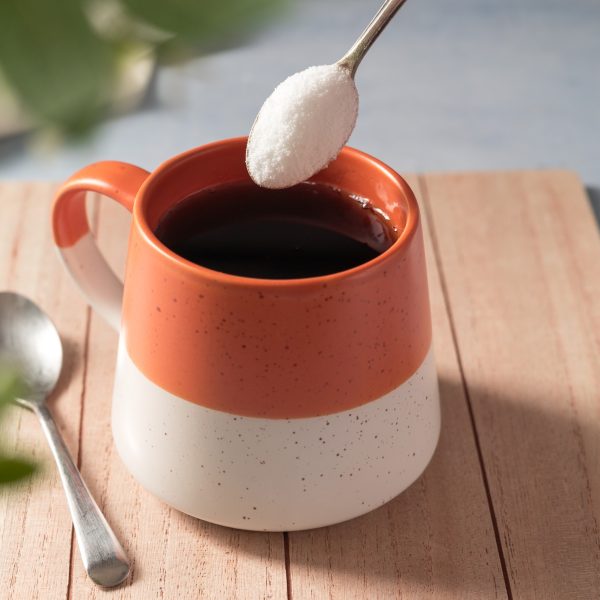
The astringent taste you get with many plants (the most familiar is black tea after being stewed too long, or some red wines) is produced by complex polyphenols such as tannins. Tannins are used in concentrated form (e.g. from oak bark) to make leather from animal skins. The process of ‘tanning’ involves the coagulation of relatively fluid proteins in living tissues into tight clotted fibres (similar to the process of boiling an egg). Tannins in effect turn exposed surfaces on the body into leather. In the case of the lining of mouth and upper digestive tract this is only temporary as new mucosa are replenished, but in the meantime can calm inflamed or irritated surfaces. In the case of open wounds tannins can be a life-saver – when strong (as in the bark of broadleaved trees) they can seal a damaged surface.
One group of tannins, the reddish-brown ‘condensed tannins’ are procyanidins, which can reduce inflammation and oxidative damage.
- 1
- 2