









Last reviewed 11/03/2026
Sustainability status
Not currently on risk lists but complete data may be missing on the status of the species. Read more in our sustainability guide.

Avoid in pregnancy and lactation
Herbs are generally best-avoided in pregnancy, unless working with them under the guidance of a medical herbalist. However, some herbs pose a risk to pregnancy as they are potentially: toxic to the mother, toxic to the neonate, teratogenic (risk developmental malformation), may increase miscarriage risk, or could cause foetal distress leading to miscarriage or premature birth. Herbs with teratogenic, emmenagogue, or stimulant laxative actions are all contraindicated in pregnancy. Furthermore, herbs containing volatile oils, thujone, apiol, phyto-oestrogens also should be avoided.
During lactation, there is the possibility for transfer of plant compounds through the breast milk, which can have an effect (detrimental or beneficial) on the infant.
Please read the Safety section in this monograph.

-
Herb overview
Safety
Dill is generally considered very safe when used at culinary and therapeutic doses. Avoid in pregnancy.
Sustainability
Status: Low risk
Key constituents
Volatile oils: carvone, limonene
Flavonoids
CoumarinsQuality
Native to Mediterranean Europe
Wild harvested and cultivatedKey actions
Digestive tonic
Carminative
Antispasmodic
GalactagogueKey indications
Bloating
Colic
IndigestionKey energetics summary
Cooling
Tonifying
AromaticSee below for discipline-specific energeticsPreperation and dosage
Seed and leaf
Tincture (1:2): 20–40 ml per week
-
How does it feel?
Dill feels warm and gentle, with a fresh, aromatic scent that helps the body to relax and support digestion. It can soothe stomach cramps and ease tension, while also calming nerves. Emotionally, dill is comforting and reassuring, helping people feel settled. Its gentle action makes it especially good for children, sensitive people or anyone recovering from illness (1).

-
Into the heart of dill
Energetically, dill is cooling and dispersing. It moves stuck energy, particularly in the digestive system, where stagnation creates discomfort and pressure. Its aromatic nature allows it to bring circulation and warmth to cold or tense tissues (1). Dill eases tension and helps things move along. This soft, calming quality is why it can be so useful for babies, older people and anyone with sensitive constitution.
-
What practitioners say
 Digestive system
Dill is widely recognised as a digestive herb. Practitioners note that it stimulates the appetite, supports digestion, and improves nutrient absorption (2). Its volatile oils relax smooth muscle, helping to release tension and spasms, making it useful for colic, wind, indigestion, nausea, constipation and diarrhoea.
In paediatrics, dill water has been traditionally used to soothe infant colic, and in India, the seeds are often employed as a vermifuge to expel intestinal worms (2, 3). Herbalists often combine dill with fennel or chamomile to improve digestive comfort, particularly when digestive discomfort is related to nervous tension (3). Clinical trials on post-cesarean flatulence support dill’s effectiveness in relieving intestinal gas and discomfort (8).
Nervous system
Dill is considered a mild nervine, helping to alleviate tiredness and irritability resulting from poor sleep. It can act as a gentle relaxant for insomnia and stress-related digestive disorders, including colic, wind, and constipation. Its action is subtle, helping to soothe without sedating, making it suitable for children or sensitive individuals (2).
Musculoskeletal system
The volatile oils in dill leaves and seeds relax smooth muscle and relieve muscular tension. This makes dill useful in easing spasms, abdominal cramps, and general muscle tightness. Externally, dill essential oil can be infused in oils or liniments to relieve pain from sprains, bruises, or arthritis (2).
Respiratory system
Dill has antispasmodic and expectorant properties, which can help in managing harsh, dry coughs and mild asthma. Its smooth muscle–relaxing properties contribute to alleviating bronchial spasm (1, 2).
Reproductive system
Dill is traditionally used as an antispasmodic for painful menstruation and as an emmenagogue to help regulate the menstrual cycle (2). Some practitioners also use it to support lactation, as dill is believed to increase milk production in breasteeding parents. In formulas, it is often paired with fennel (Foeniculum vulgare), aniseed (Pimpinella anisum), or fenugreek (Trigonella foecum-graecum) to enhance galactagogue effects, though human clinical evidence is limited (2,3).
Urinary system
Dill has mild diuretic properties, which can be supportive in urinary tract infections and for gently flushing the urinary system (2). Ayurvedic practitioners use dill as a mild diuretic (7).
Immune system
Studies have shown that dill has antibacterial and antifungal activity, particularly against Candida species, and may help regulate gut flora, supporting overall digestive and immune health (9). In vitro studies also suggest that dill extracts may inhibit cancer cell formation, highlighting potential immunomodulatory effects (2,10).
-
Dill research

Dill (Anethum graveolens) The effects of Anethum graveolens (dill) supplementation on lipid profile and glycemic control: a systematic review and meta-analysis of randomized controlled trials (11)
A systematic review and meta-analysis of randomised controlled trials evaluated the effects of dill supplementation on lipid profile and glycaemic control in adults. The analysis included seven RCTs with a total of approximately 330 participants, comprising both men and women with conditions such as hyperlipidaemia, metabolic syndrome, or related metabolic disturbances. Participants received oral dill preparations, most commonly in the form of extract or powder, at varying doses (often up to around 1500 mg per day) over intervention periods ranging from several weeks to approximately 8–12 weeks.
The primary outcomes assessed were changes in lipid parameters (LDL, total cholesterol, triglycerides and HDL) and markers of glycaemic control, including fasting blood glucose, serum insulin, and HOMA-IR. The pooled results demonstrated a statistically significant reduction in LDL cholesterol, serum insulin levels, and HOMA-IR, suggesting an improvement in insulin resistance. However, changes in total cholesterol, triglycerides, HDL cholesterol, and fasting blood glucose were not consistently significant across studies. Subgroup analyses indicated that higher doses and longer treatment durations may be associated with greater metabolic benefit.
Effect of dill (Anethum Graveolens Linn) seed on the duration of labour: A systematic review (12)
A systematic review was conducted to evaluate the effect of dill seed on the duration of labour, with the aim of determining whether its traditional use for facilitating childbirth is supported by clinical evidence. The review included four studies (two randomised controlled trials and two retrospective cohort studies) involving low-risk pregnant women, all of whom were adult females in active labour. Dill seed was administered orally, most commonly as boiled or infused whole seeds, though exact dosages varied between studies.
Administration typically occurred during the active phase of labour. The primary outcome measure was the duration of labour stages, including the first, second, and third stages. Secondary outcomes included patterns of uterine contractions and labour progression. Meta-analysis of the RCTs demonstrated a statistically significant reduction in the duration of all three stages of labour, with mean reductions of approximately 44 minutes in the first stage, 16 minutes in the second stage, and nearly two minutes in the third stage. The cohort studies similarly reported shortened first and second stages of labour.
Overall, the findings suggest that dill seed may be effective in reducing labour duration in low-risk pregnancies.
Randomized placebo controlled clinical study of dill (Anethum graveolens L.) in thyroiditis and nodular goiter patients (13)
This randomised, placebo-controlled clinical study investigated the effects of dill seed supplementation on thyroid function and nodule size in adult patients with benign thyroiditis and nodular goiter. A total of 68 participants were enrolled and randomised into two groups: 35 in the placebo group and 33 in the dill group, which included both males and females of middle-aged and older adult demographics diagnosed with benign thyroid nodules. Participants in the dill group received three hydroxypropyl methylcellulose capsules daily containing dried and ground dill seed for 90 days, while the placebo group received identical capsules of inert material.
The primary outcome measures were changes in thyroid-related laboratory values (including TSH, free T3, free T4, anti-thyroid peroxidase (anti-TPO), anti-thyroglobulin (anti-Tg), and CRP), and changes in thyroid nodule dimensions assessed by ultrasound. Secondary outcomes focused on inflammation and autoimmune markers. After 90 days, the dill-treated group exhibited significant reductions in TSH, FT4, anti-TPO, and CRP levels, as well as a decrease in thyroid nodule size, with changes reaching normal reference values and statistically significant differences both within the dill group and when compared to placebo, suggesting anti-inflammatory effects and potential use in managing benign goiter and thyroiditis.
Effect of dill (Anethum graveolens) oil on pruritus and quality of life of hemodialysis patients: A randomized double-blind three-arm controlled trial (14)
This randomised, double-blind, three-arm controlled trial evaluated the topical use of dill oil on pruritus and quality of life in 106 adult haemodialysis patients (both male and female) experiencing chronic uremic pruritus. Participants were randomly assigned to receive topical dill oil, sesame oil placebo, or no treatment applied twice daily to pruritic skin areas over one month. The primary outcome measures were pruritus severity (assessed by Duo’s Uremic Pruritus Severity Scale) and quality of life related to itching (measured by the ItchyQoL questionnaire), while secondary outcomes included skin dryness severity and sleep quality (Pittsburgh Sleep Quality Index).
After one month, the dill oil group showed a significantly greater reduction in pruritus severity compared with both placebo and control groups, along with significant improvements in quality of life and sleep quality scores. Both the dill and placebo groups experienced more improvement in skin dryness than the control group, but dill oil’s effects were consistently larger and statistically significant (p<0.001 for pruritus and quality of life, p=0.032 for sleep quality), suggesting that topical dill oil may offer a beneficial and well-tolerated treatment for pruritus in haemodialysis patients.
Effects of Anethum graveolens L. (Dill) essential oil on the intensity of retained intestinal gas, flatulence and pain after cesarean section: A randomized, double-blind placebo-controlled trial (8).
This randomised trial aimed to determine whether oral dill essential oil could reduce postoperative bloating, flatulence, and associated abdominal pain in women after cesarean delivery. A total of 118 women aged 18–40 years who had undergone C-section were randomised to receive either dill essential oil (n=60) or placebo oil (n=58). All participants were comparable at baseline in age and clinical characteristics. After cessation of IV fluids, subjects received three oral doses of 40 drops of dill essential oil (equivalent to approximately 10.8–14.8 mg of carvone) or placebo, administered once every 20 minutes over one hour.
The primary outcomes were the intensity of flatulence and severity of intestinal pain, measured using a visual analogue scale (VAS) at baseline and at intervals after each dose, while secondary outcomes included changes in bloating and any reported side effects. Results showed that the dill oil group experienced a 33 % reduction in flatulence intensity versus 12 % in the placebo group (p=0.001), and the decrease in severe intestinal pain was approximately three times greater in the dill group than in placebo (p<0.001). No side effects were reported during or after the study, indicating that dill essential oil effectively reduced post-cesarean flatulence and abdominal pain with good tolerability.
-
Historical use of dill

Dill (Anethum graveolens) Historically, dill has been used across European, Middle Eastern, and Ayurvedic traditions as a digestive and calming herb. Dill has been used as a medicinal and household herb for thousands of years, primarily for digestive complaints and general soothing of the body. Evidence of its use dates to ancient Egypt, where aromatic plants were commonly used to relieve abdominal pain and digestive discomfort. Dill seeds have been recovered from Egyptian tombs, suggesting both medicinal and cultural importance (5).
In the classical Greek and Roman period, dill was written about by physicians including Dioscorides, who described its warming nature and its usefulness for easing indigestion, hiccups and intestinal pain (3). Dill was understood to act by dispersing stagnation and relieving tension within the digestive tract. Roman herbal practice extended its use beyond internal medicine, with dill sometimes applied externally in oils or poultices to ease swelling and discomfort
During the medieval period in Europe, dill became a common home remedy. It was frequently used to treat flatulence, colic and cramping, particularly in children (1). Preparations such as dill water were given to infants to soothe digestive distress (6). In addition to its medicinal role, dill also carried symbolic significance and was believed to offer protection against negative influences, leading to its use in charms and household traditions.
In traditional Ayurvedic medicine, dill is known as Shatapushpa and is described as a warming, digestive and diuretic herb with an affinity for the gastrointestinal and reproductive systems (2). It has been used to support digestion, relieve abdominal pain, and calm nervous disturbance, particularly in conditions associated with Vata imbalance. Dill also has a long-standing reputation in Ayurvedic practice as a galactagogue and was used to support lactation and postpartum recovery (7).
-
Dill’s herbal actions
Herbal actions describe therapeutic changes that occur in the body in response to taking a herb. These actions are used to express how a herb physiologically influences cells, tissues, organs or systems. Clinical observations are traditionally what have defined these actions: an increase in urine output, diuretic; improved wound healing, vulnerary; or a reduction in fever, antipyretic. These descriptors too have become a means to group herbs by their effects on the body — herbs with a nervine action have become the nervines, herbs with a bitter action are the bitters. Recognising herbs as members of these groups provides a preliminary familiarity with their mechanisms from which to then develop an understanding of their affinities and nuance and discern their clinical significance.
-
Dill’s energetic qualities
Herbal energetics are the description that herbalists have given to plants, mushrooms, lichens, foods and some minerals based on the direct experience of how they taste, feel and affect the body. All traditional health systems use these principles to explain how the environment impacts health, according to each of their philosophies and frameworks. These assessments of individual herbs, though they often do align, can differ from one another due to cultural differences regarding perspectives on how herbs taste versus their physiological effects. Find out more about traditional energetics in our article An introduction to herbal energetics.
-
What can I use dill for?

Dill (Anethum graveolens) Dill is a carminative digestive herb that can help in easing wind, bloating, cramping and mild colic (1). Its volatile oils relax smooth muscle in the gastrointestinal tract, reducing spasms while supporting digestive secretions (2). Dill seed is particularly effective for post-meal discomfort and is often included in formulas for sluggish digestion or nervous stomach conditions (3). The antimicrobial activity of its volatile oils can be useful to support gut health by discouraging unwanted microbial fermentation and supporting a healthy microbiome (4).
Dill also has antispasmodic and nervine properties, making it helpful when digestive issues are linked to stress or anxiety (3). As an antispasmodic, it can be used to relieve harsh dry coughs and also painful menstruation. Traditionally, herbalists have used dill to calm hiccups, intestinal cramping and tension headaches (2,3).
Dill has also been traditionally used as a galactagogue and to support lactation, historically used to ease infant colic via breast milk when taken by people chest feeding (2,3).
-
Did you know?
Every part of the plant is edible — leaves (dill weed), seeds, stems and flowers!



 Digestive system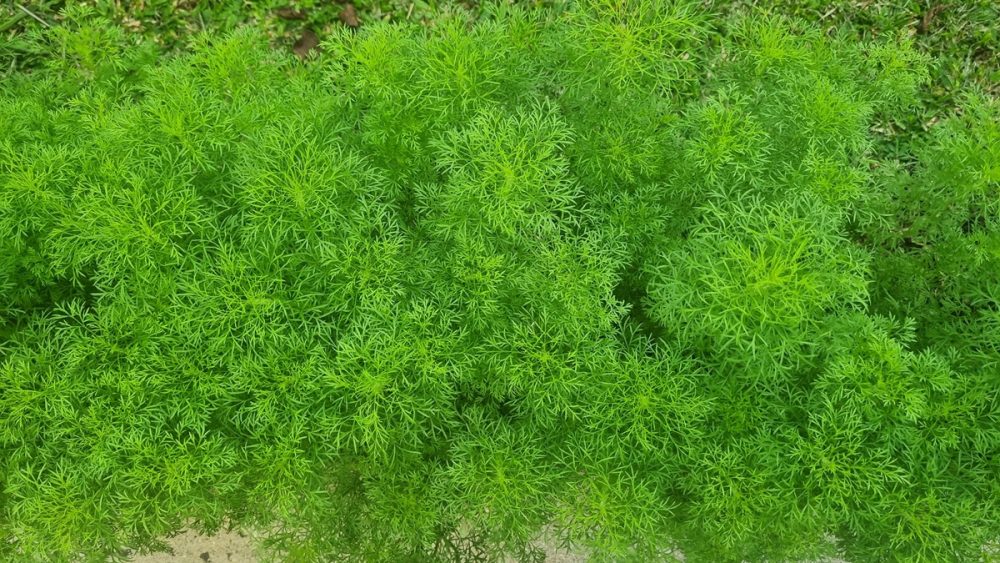
-
Botanical description
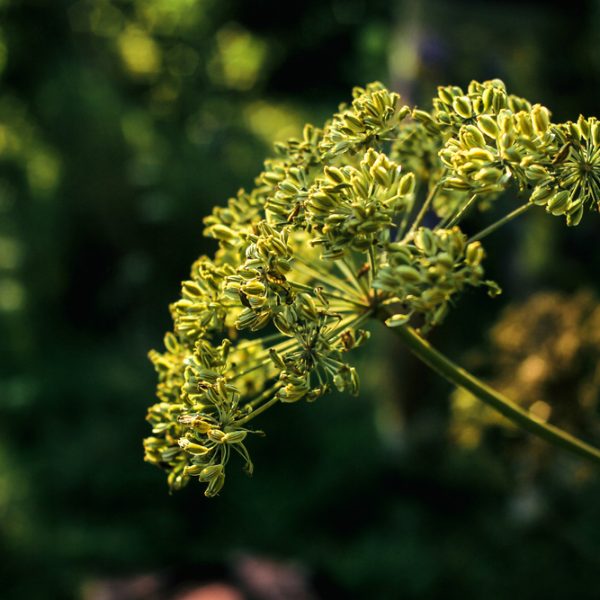
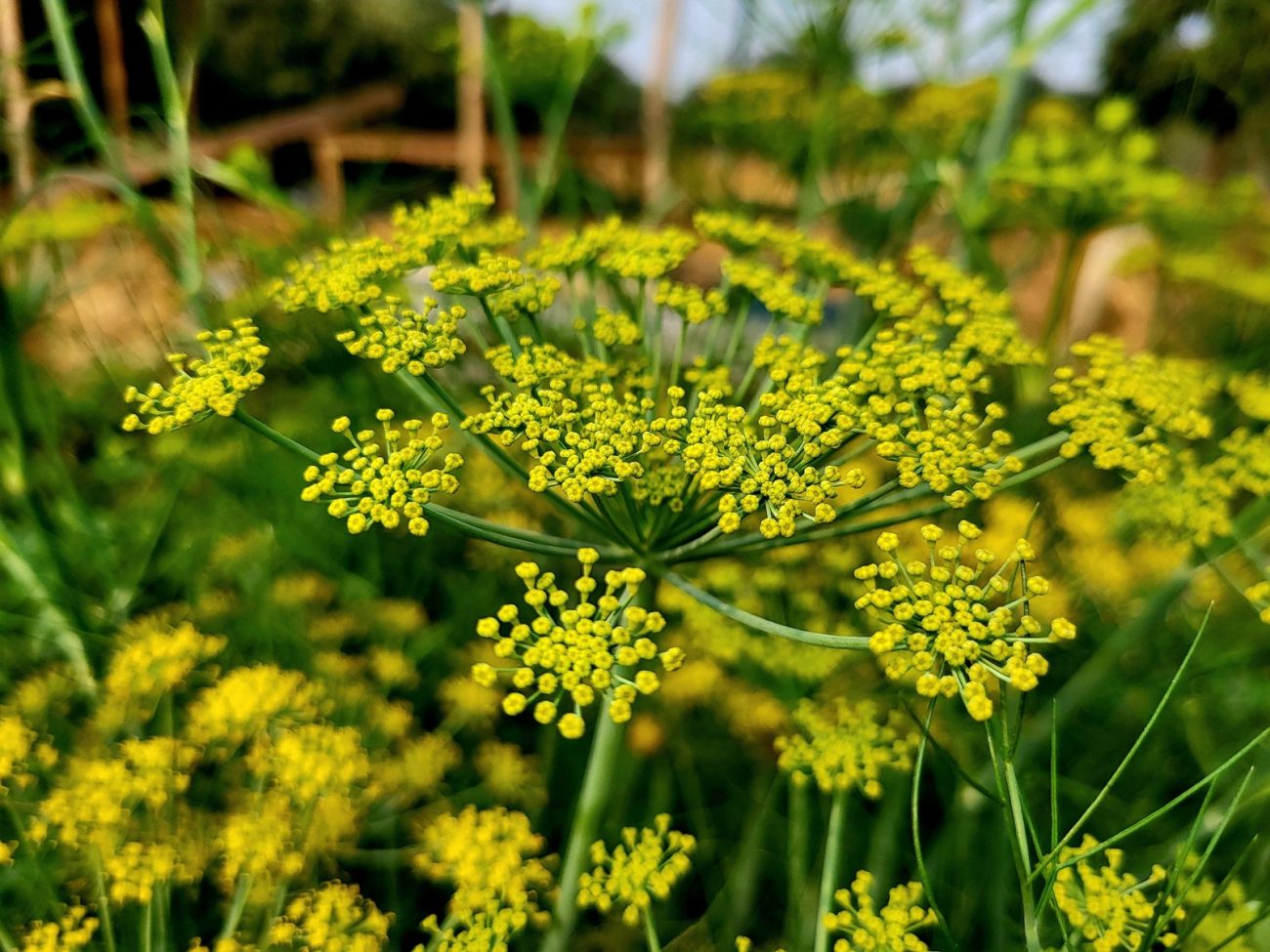
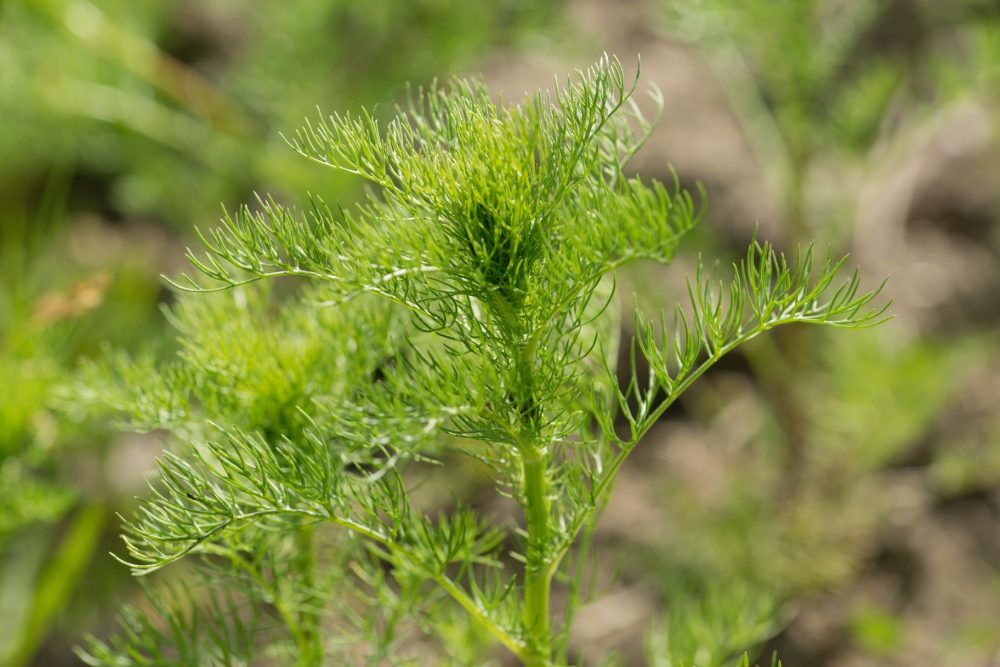
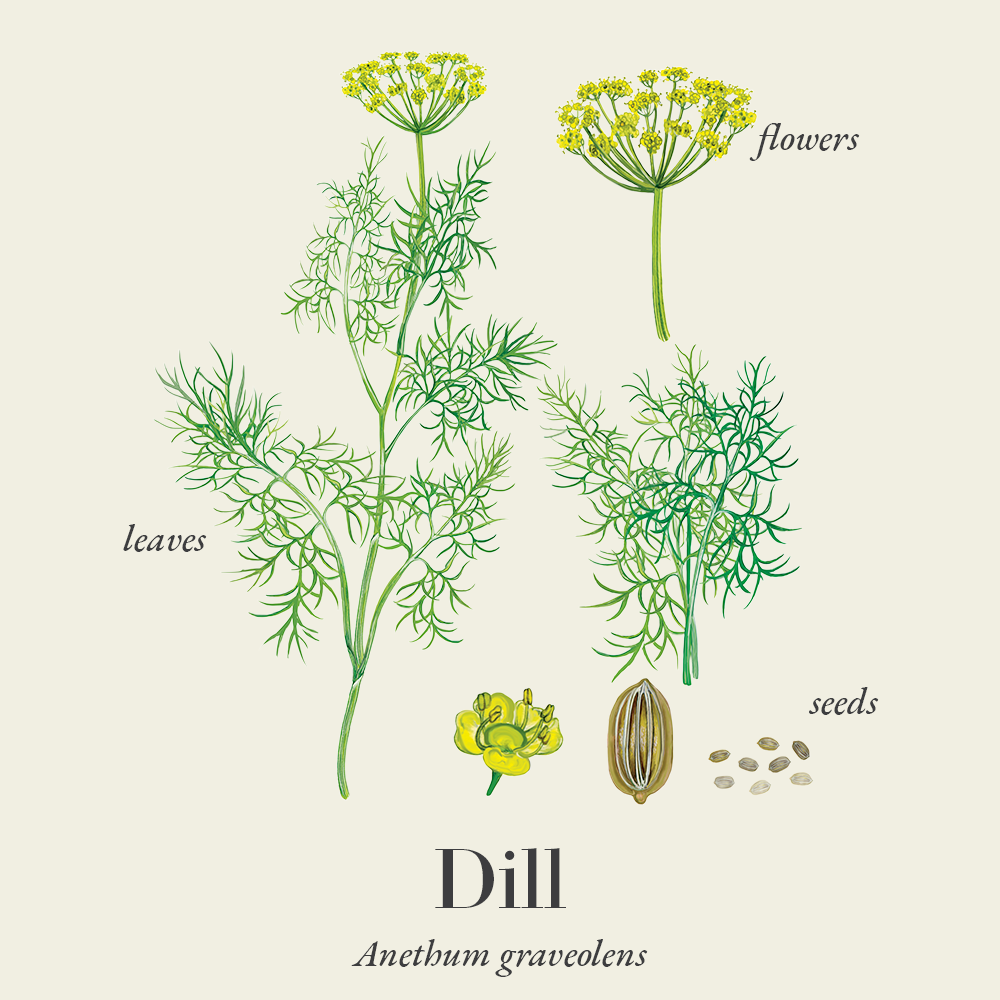
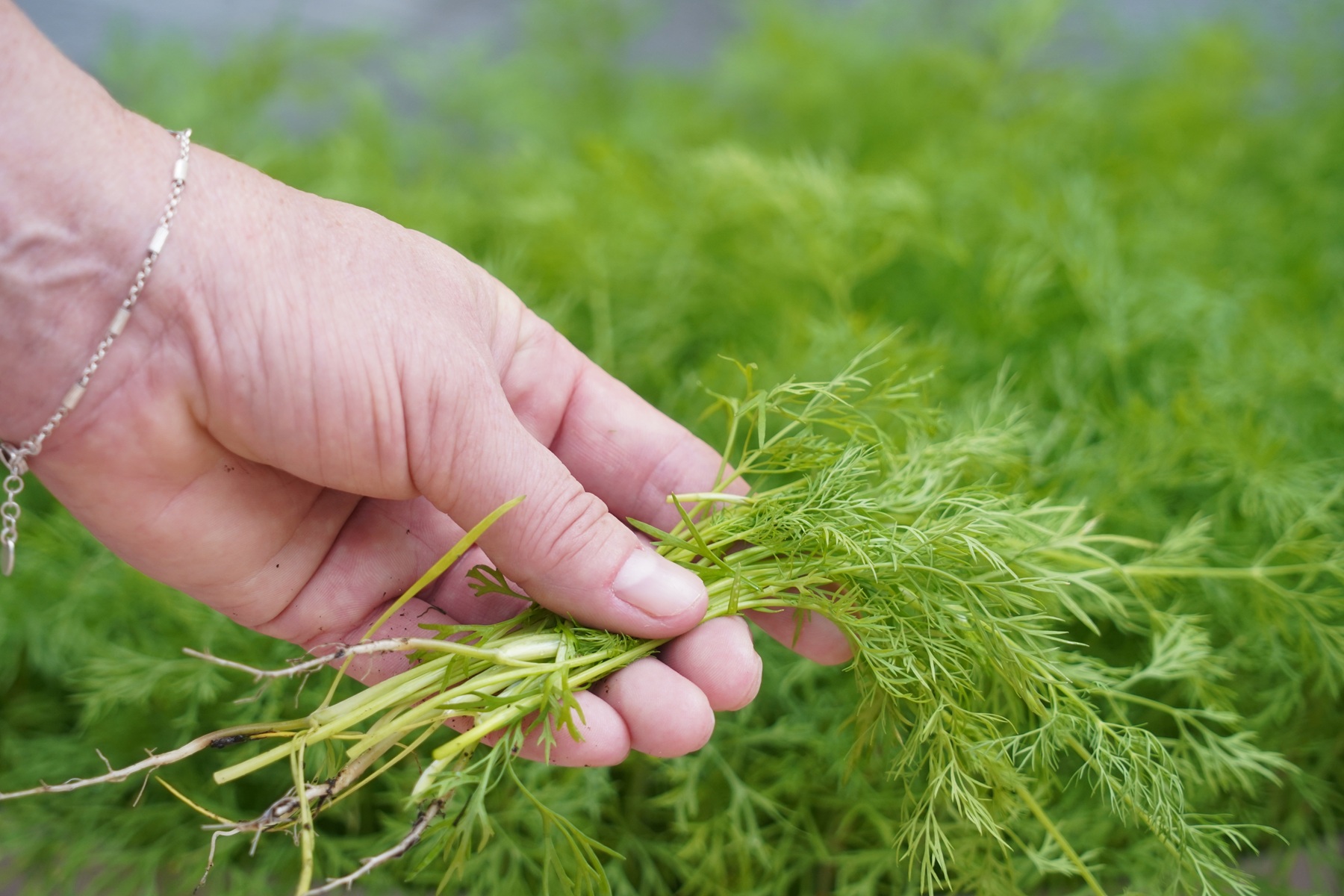
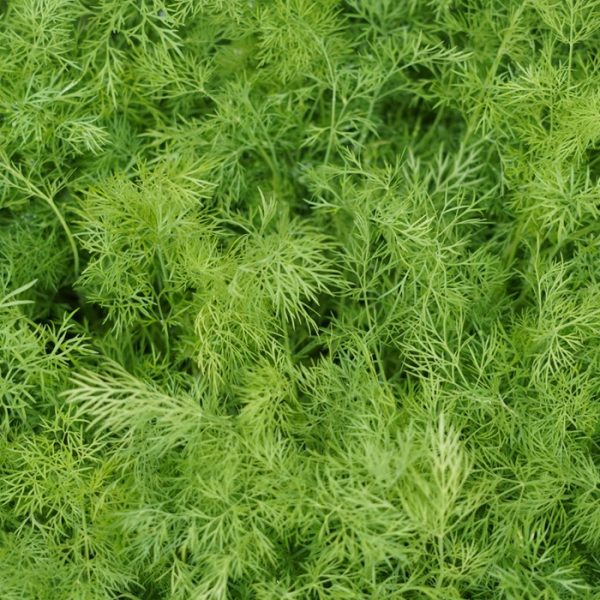
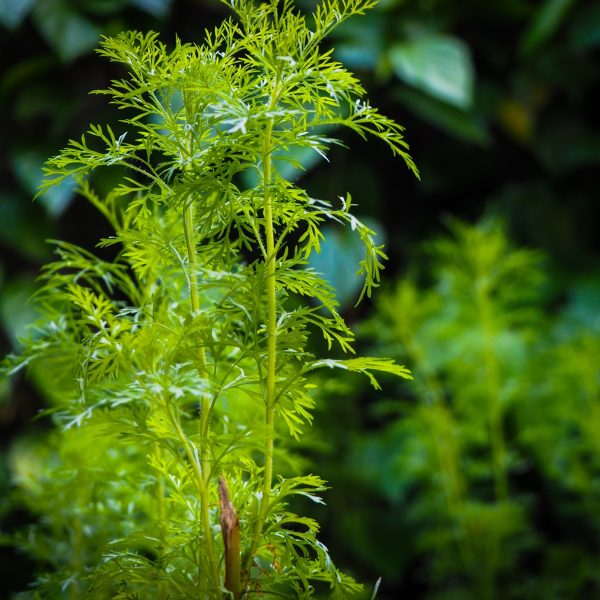
Dill is an aromatic annual or sometimes biennial herb with bright green, finely divided leaves that form soft, feathery fronds, similar in appearance to fennel.
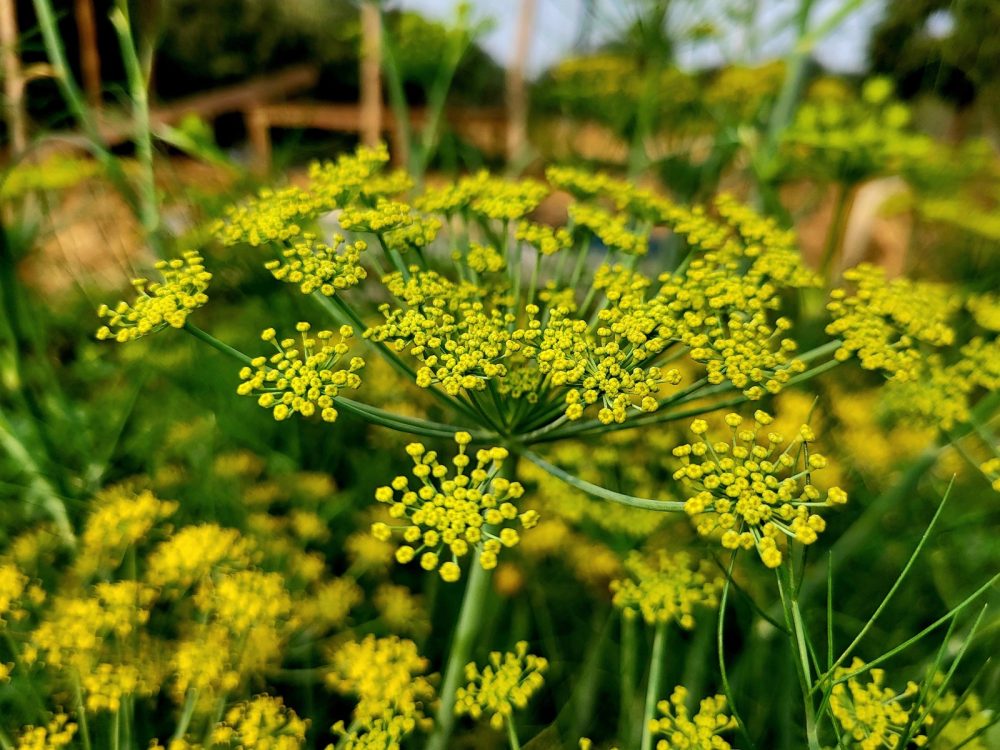
The plant has hollow stems topped with flat-topped clusters of small yellow flowers.
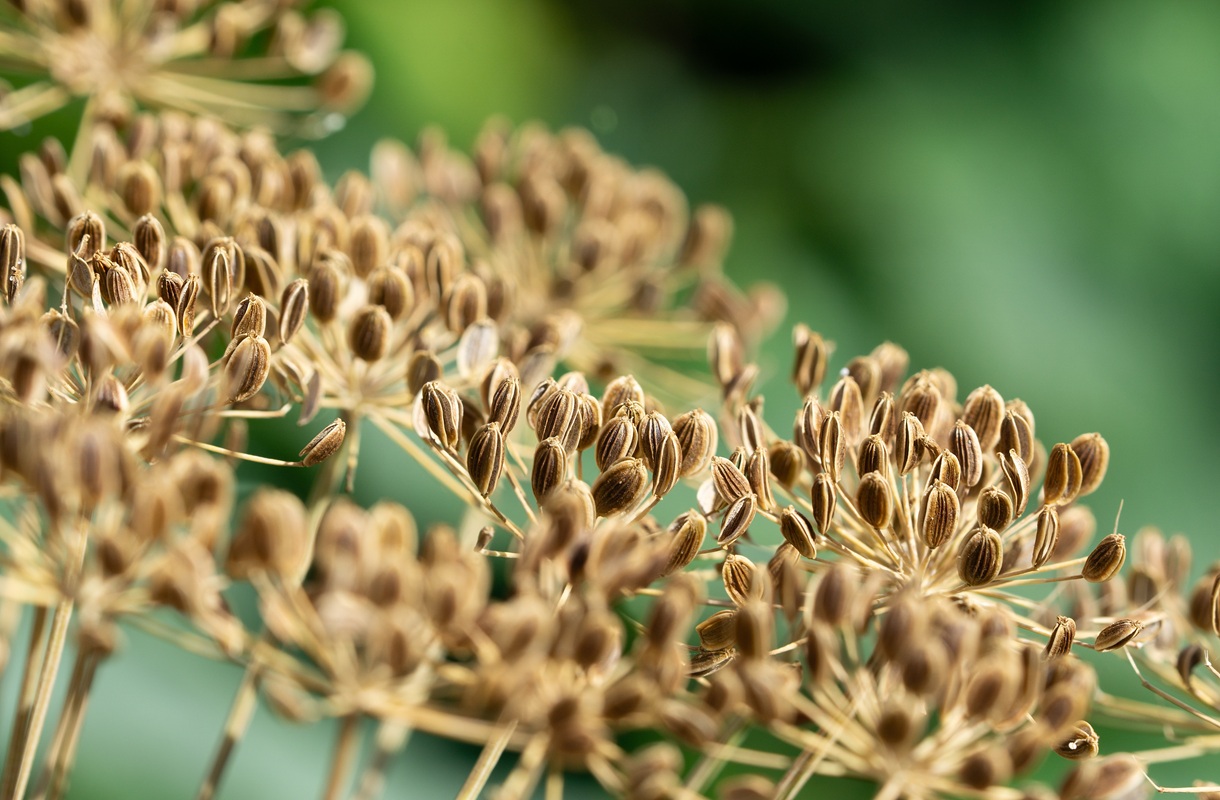
Its fruits are small, dry, and flattened, pale brown in colour, and edged with narrow wings (15).
-
Common names
- Dill
- Dillweed
- Garden dill
- Shatapushpa
-
Habitat
Native to the Mediterranean and western Asia, dill is now widely cultivated throughout Europe, North America, India, and parts of Africa. It thrives in temperate climates (15).
-
How to grow dill
Dill prefers full sun, well-drained soil, and moderate watering. It grows best when direct-seeded, as it does not transplant well. Harvest leaves before flowering for culinary use, harvest seeds when flower heads turn brown (16).
-
Herbal preparation of dill
- Infusion (2,6)
- Decoction (6)
- Tincture (1,2,6,16)
- Essential oil (seed)
- Powder (6)
-
Plant parts used
- Seeds (primary medicinal part) (2,16)
- Leaves (secondary) (2,16)
-
Dosage
- Tincture (1:2): 20–40 ml per week (16).
- Infusion/decoction: Half a teaspoon of seeds in a cup of boiling water, infuse for 10 minutes (6).
-
Constituents
- Volatile oils: Carvone, limonene (6,16,17)
- Flavonoids: Quercitrin, kaempfenol and vincenin (6,16)
- Coumarins: Umbelliferone (6,16)
- Triterpenes (2)
- Magnesium (2)
- Iron (2)
- Calcium (2)
- Potassium (2)
- Vitamin C (2)
-
Dill recipe
Dill baby water
Dill water for newborns is a remedy that has been given for babies’ tummy colic for centuries.
Ingredients
- Dill seeds (1 tablespoon)
- Water 250 ml water (1 cup)
How to make dill water for babies
- Use 1 tablespoon of dill seeds per cup of water.
- Boil water.
- Measure the dill seeds.
- Bruise the dill seeds with the back of a spoon.
- Add the water.
- Cover and allow to cool.
- Strain out the dill seeds (they can be used again, so reserve in the fridge in a sealed container for a day or two).
- This very soothing tea, or dill-infused water, and can be taken by babies and parents as well

-
Safety
Dill is generally considered very safe when used at culinary and therapeutic doses. Rare allergic reactions can occur, particularly in individuals sensitive to plants in the Apiaceae family.
Traditionally, dill has been used as a contraceptive and to induce labour (16). Extracts of the seeds may have teratogenic effects. It is therefore not recommended during pregnancy.
Dill has traditionally been used to support lactation and ease infant colic, so it is generally considered safe in lactation (6).
-
Interactions
The TRC Database specifically lists moderate interactions with lithium and antidiabetic drugs based on theoretical pharmacologic effects (18). Dill may act like a mild diuretic, which could alter how the body excretes lithium. This can potentially increase lithium levels in the body. Because dill extract may lower blood glucose levels, there is a potential for an additive effect with antidiabetic drugs (e.g. insulin, metformin, sulfonylureas). This is just a theoretical risk and there are no studies or cases that confirm this interaction (18).
In cell studies, dill extract up-regulated certain drug-metabolising enzymes (like CYP1A2, CYP2C19, SULT1A1, NAT2) and a transporter protein (ABCB1), suggesting that long-term or high-dose dill use might influence the metabolism of some drugs, although human clinical evidence is lacking and this remains theoretical (19).
-
Contraindications
None noted.
-
Sustainability status of dill
There is no current IUCN Red List conservation assessment for Anethum graveolens, and resources such as Species+ do not list it as a species of conservation concern. The NatureServe Explorer has given Anethum graveolens a Global Status of GNR (Global Rank Not Reviewed/Not Ranked). This means there is no formal conservation status assigned (20). The American Botanical Council’s monographs describe dill as a widely used culinary and medicinal herb, but ABC does not list any conservation concerns or sustainability threats in its herb monographs on dill (5).
Read our article on Herbal quality & safety: What to know before you buy and Sustainable sourcing of herbs to learn more about what to look for and questions to ask suppliers about sustainability.
-
Quality control
Dill is wild-harvested and also widely cultivated worldwide for culinary and medicinal use. Where it grows outside cultivation it may be considered naturalised rather than native, particularly in Europe and parts of North America (20). Dill itself is not widely reported as adulterated, but it can be subject to confusion with other Apiaceae species in foraging contexts.
-
References
- Hoffmann D. Medical Herbalism: The Science and Practice of Herbal Medicine. Rochester, VT: Healing Arts Press; 2003.
- McIntyre A. The Complete Herbal Tutor: The Definitive Guide to the Principles and Practice of Western Herbal Medicine. London, UK: Butterworth-Heinemann; 2004.
- Grieve M. A Modern Herbal. Botanical.com. Accessed February 1, 2026. https://www.botanical.com
- The Herb Society of America. The Herb Society of America’s Essential Guide to Dill.
- Bone K, Mills S. Principles and Practice of Phytotherapy: Modern Herbal Medicine. 2nd ed. Churchill Livingstone/Elsevier; 2013
- Bartram T. Bartram’s Encyclopedia of Herbal Medicine. London, UK: Robinson; 2013.
- Jana S, Shekhawat GS. Anethum graveolens: an Indian traditional medicinal herb and spice. Pharmacogn Rev. 2010;4(8):179. https://doi.org/10.4103/0973-7847.70915
- Fazel N, Pejhan A, Taghizadeh M, Tabarraei Y, Sharifi N. Effects of Anethum graveolens L. (dill) essential oil on retained intestinal gas, flatulence, and pain after cesarean section: a randomized, double-blind placebo-controlled trial. J Herb Med. 2017;8:8-13. https://doi.org/10.1016/j.hermed.2017.01.002
- Chen Y, Zeng H, Tian J, Ban X, Ma B, Wang Y. Dill (Anethum graveolens L.) seed essential oil induces Candida albicans apoptosis in a metacaspase-dependent manner. Fungal Biol. 2014;118(4):394-401.
- Al-Oqail MM, Al-Sheddi ES, Farshori NN, et al. In vitro anticancer potential of dill seed extract against human hepatocellular carcinoma (Huh-7) cells. J King Saud Univ Sci. 2024;36(9):103390.
- Mousavi SM, Pizarro AB, Akhgarjand C, et al. Effects of Anethum graveolens (dill) supplementation on lipid profile and glycemic control: a systematic review and meta-analysis of randomized controlled trials. Crit Rev Food Sci Nutr. 2022;62(21):5705-5716. https://doi.org/10.1080/10408398.2021.1889459
- Talebi F, Malchi F, Abedi P, Jahanfar S. Effect of dill (Anethum graveolens Linn) seed on duration of labor: a systematic review. Complement Ther Clin Pract. 2020;41:101251. https://doi.org/10.1016/j.ctcp.2020.101251
- Destek S, Demirbolat İ, Yabacı A, et al. Randomized placebo-controlled clinical study of dill (Anethum graveolens L.) in thyroiditis and nodular goiter patients. J Med Food. Published online 2025. https://doi.org/10.1089/jmf.2024.0263
- Shaki Z, Ghaffari F, Alijaniha F, et al. Effect of dill (Anethum graveolens) oil on pruritus and quality of life of hemodialysis patients: a randomized double-blind three-arm controlled trial. Evid Based Complement Alternat Med. 2024;2024:3077603. https://doi.org/10.1155/2024/3077603
- Thomsen M, Gennat H, eds. Phytotherapy Desk Reference. Montvale, NJ: Medical Economics; 2000.
- Royal Horticultural Society. Dill. https://www.rhs.org.uk/herbs/dill/grow-your-own
- Milenković L, Ilić ZS, Stanojević L, et al. Chemical composition and bioactivity of dill seed (Anethum graveolens L.) essential oil from plants grown under shading. Plants. 2024;13(6):886. https://doi.org/10.3390/plants13060886
- Vital.ly. Dill monograph. https://www.vital.ly/trc/Dill/monograph=463
- Udomsak W, Chatuphonprasert W, Jarukamjorn K. Dill shows potential for herb-drug interactions via up-regulation of CYP1A2, CYP2C19, SULT1A1, NAT2, and ABCB1 in Caco-2 cells. Pak J Biol Sci. 2022;25(1):56-66. https://doi.org/10.3923/pjbs.2022.56.66
- NatureServe Explorer. Anethum graveolens. https://explorer.natureserve.org/Taxon/ELEMENT_GLOBAL.2.136411/Anethum_graveolens
Meet our herbal experts
Our monographs are written by our monograph authors and edited, reviewed and updated by Herbal Reality.
Meet our Herbal Reality team or explore our Herbal Reality authors.