



Brain fog arises from interconnected mechanisms spanning neuroinflammation, oxidative stress and neurotransmitter disruption. Herbs including gingko, ginseng and gotu kola offer multi-targeted support.
The term brain fog can be used to describe a range of difficulties with cognition that range in seriousness from mild inconvenience to having a major impact on the ability to function. What is going on in the brain when it is experienced and how might herbs be able to help?
Brain fog has been used to describe a wide range and quite vague collection of symptoms, with the key ones being memory issues, difficulty concentrating or focusing, trouble finding the right word and having a blank or “fuzzy” mind (1). It has been reported in conditions like long-Covid, myalgic encephalitis (ME)/chronic fatigue syndrome (CFS) and during perimenopause or chemotherapy treatment. Ultimately, it involves impaired cognitive function and some of the proposed mechanisms behind brain fog are similar to those seen in more serious neurodegenerative disorders (1).
What mechanisms have been found to be involved in brain fog?

Some studies have found differences in the type of cognitive impairment found in different conditions, for example, in ME/CFS processing speed and reaction time are impaired; while in long Covid, processing speed and executive function have been found to be affected (2). However, the mechanisms are largely the same and many of the mechanisms are also involved in more serious neurodegenerative diseases, such as Parkinson’s disease and Alzheimer’s disease. The main mechanisms — neuroinflammation, oxidative stress and mitochondrial dysfunction, neurotransmitter changes, gut dysbiosis and dysfunction of the blood-brain barrier (BBB) — are addressed below.
Neuroinflammation
Neuroinflammation — the inflammatory response of the central nervous system (brain and spinal cord — is a key feature of brain fog and has been found to be present in ME/CFS, long-Covid and neurodegenerative diseases. In people with both ME/CFS and long-Covid there is increased cytokine production initially, which eventually decreases with exhaustion. The hypothalamic pituitary adrenal (HPA) axis is down-regulated, which leads to reduced levels of cortisol and, subsequently, increased inflammation (2).
Neuroinflammation occurs alongside metabolic dysfunction of glial cells — the non-neuronal cells in the brain that help to maintain an optimal environment. Activation of the immune cells in the brain, the microglia and astrocytes, as well as autoantibodies to neural central and autonomic targets all contribute to raised inflammation. These factors, combined with dysbiosis and endothelial dysfunction lead to a situation which may impair brain function (2).
In long-Covid, inflammatory processes can be linked to direct invasion of the brain tissue with virus, as virus has been seen in the brain of those who had Covid-19, particularly in astrocytes and in brain capillary endothelial cells (3). Neurological symptoms could be caused by direct damage from viral invasion, but may also be linked to immune signalling (interferon dysregulation, production of autoantibodies or cytokine storms) and hypercoagulation (blood clotting) in the brain (3). Altered metabolic signals and brain imaging in those with long-Covid indicate that symptoms are also caused by altered neurologic processing (4).
Oxidative stress and mitochondrial dysfunction
Oxidative stress and subsequent toxicity has been linked to mild cognitive impairment (5). Cells under sustained inflammatory stress often show impaired energy production and mitochondrial dysfunction has been linked to cognitive impairment and long-Covid. The brain has a great need for energy and any reduction is likely to have an impact here first. Muscle biopsies from long-Covid patients reveal reduced mitochondrial RNA expression and lower mitochondrial respiration (4).
Neurotransmitter changes
Neurotransmitter systems that impact cognition include acetylcholine and serotonergic signaling. Long-Covid symptoms are linked with reduction in 5-HT (serotonin) and some studies have found that using antidepressant selective serotonin-reuptake inhibitors (SSRIs) to increase 5-HT at synapses reduces the risk of deterioration and fatigue after Covid-19 infection. The SARS-COV-2 virus affects dopamine production in laboratory models, and reduced dopamine levels can cause fatigue and anhedonia (the reduced ability to experience pleasure). The ability of the SARS-COV-2 virus to bind with nicotinic acetylcholine receptors indicates that Covid-19 could impact cholinergic nerve transmission, which would be likely to alter cognition (4).
Low mood is often experienced alongside brain fog in women with perimenopause. In addition to the subjective experiences reported, reduced activity in the area of the brain associated with working memory, the right superior frontal gyrus, and objective cognitive scores have been measured (6). Anxiety and depression are also associated with perimenopause, and cognitive changes have been attributed to these, as well as the vasomotor symptoms (hot flushes) experienced by some women (6).
Women of perimenopausal age are disproportionately affected by long-Covid (7) and, as with ME/CFS, there are overlaps in the symptoms experienced during perimenopause and long-Covid. The symptoms that are commonly experienced by both long-Covid sufferers and individuals in perimenopause include: depression, hot flushes, exhaustion, sleep disturbances, fatigue, weakness and memory issues (7).
Gut-brain axis and dysbiosis
The gut microbiota can alter production and metabolism of neurotransmitters such as serotonin (5-HT), dopamine and γ-amino butyric acid (GABA), which has an impact on brain function. Dysbiosis can also cause systemic inflammation and increase intestinal permeability, leading to leaky gut and to let inflammatory mediators through the gut wall and into the circulation. Microbial metabolites like the short chain fatty acid (SCFA) butyrate can help to regulate neuroinflammation and oxidative stress, as well as maintaining gut barrier integrity and influencing microglial activation in the brain (8,9). SCFAs have been found to influence the release of serotonin in the GI tract, which impact gut health directly, as well as indirectly influencing serotonergic signaling centrally (9).
Blood-brain barrier dysfunction
The blood-brain barrier (BBB) is a semi-permeable membrane separating the blood from the brain tissue and extracellular fluid in the central nervous system. It both prevents large and water-soluble phytochemicals from being active in the brain and is involved in the pathogenesis of some neurodegenerative disease. BBB dysfunction features in multiple sclerosis, epilepsy, Parkinson’s disease and Alzheimer’s disease (9), and it is possible that it is a feature of brain fog. Reduction of neuroinflammation, inhibition of matrix metalloproteinases, activation of antioxidant pathways, upregulation of tight junction proteins and supporting mitochondrial health are all mechanisms by which phytochemicals can prevent BBB dysfunction (9).
Herbs that target brain fog mechanisms
Increased consumption of herbs and spices and other polyphenol-containing fruits and vegetables can help to reduce levels of inflammation and support a healthy microbiome, which is a good start for helping to repair the damage (10,11). There is an established link between phytochemicals, and cognition and mental health, with an inverse association between dietary flavonoid intake and anxiety (9).

Herbs are able to target multiple different processes in the body at once, due to their complexity and lack of specificity (12). Targeted use of herbs with relevant phytochemicals and specifically those that can cross the blood-brain barrier (BBB) has shown promise for preventing cognitive decline and supporting with the cognitive symptoms of diseases such as long covid and ME/CFS.
Many of the herbs that are traditionally used to support the immune system, mental health and those with adaptogenic properties show promise for being able to target the mechanisms involved in brain fog.
Ginkgo (Ginkgo biloba)
Ginkgo biloba is a natural choice for enhancing cognition. It has antioxidative and anti-inflammatory properties, and improves mitochondrial function, as well as supporting microcirculation (12). It has also shown benefit in individuals with age-related cognitive deficits, as well as improving fatigue in adults with multiple sclerosis (MS). A case series of five patients with long-Covid found improvements in both fatigue and cognitive impairment (12).
Rhodiola (Rhodiola rosea)
Rhodiola rosea (rose root or golden root) is a mood-enhancing adaptogen that has also been found to improve cognitive impairment and fatigue in clinical studies, alongside having anti-ischaemic, anti-inflammatory and antioxidant effects (12). Key bioactives such as salidroside affect neurotransmitter pathways and inhibit monoamine oxidase, which would increase concentrations of neurotransmitters like dopamine, 5-HT and noradrenaline (13). A study on healthy athletes found improved levels of cognition, alongside increased strength and endurance (13).
Preclinical studies have found that Rhodiola increases levels of antioxidant enzymes such as superoxide dismutase and decreases in inflammatory markers like IL-6 and TNFα (14).
It is essential to note that wild populations of rhodiola are seriously under threat and with challenges in cultivation, sustainable sources are difficult to come by. Therefore, it is always best to use other herbs with similar properties; and, if used, it is of utmost importance to ensure sustainable, responsibly-sourced supply.
Ginseng (Panax ginseng)

Ginseng (Panax ginseng) is an energising adaptogen that has been researched for its beneficial effects on stamina and strength, as well as fertility and cognition. The ginsenosides in Panax ginseng reduce oxidative stress via activating the Nrf2/Heme oxygenase-1 pathway, which enhances activity of free radical scavenging superoxide dismutase and glutathione peroxidase (15). It has also been found to inhibit NF-κB; a transcription factor that upregulates inflammatory responses (15).
Baikal skullcap (Scutellaria baicalensis)
Baikal skullcap is an immune modulating herb that has antioxidant activity via activation of Nrf2, as well as anti-inflammatory activity via inhibition of NF-κB (15).
Gotu kola (Centella asiatica)
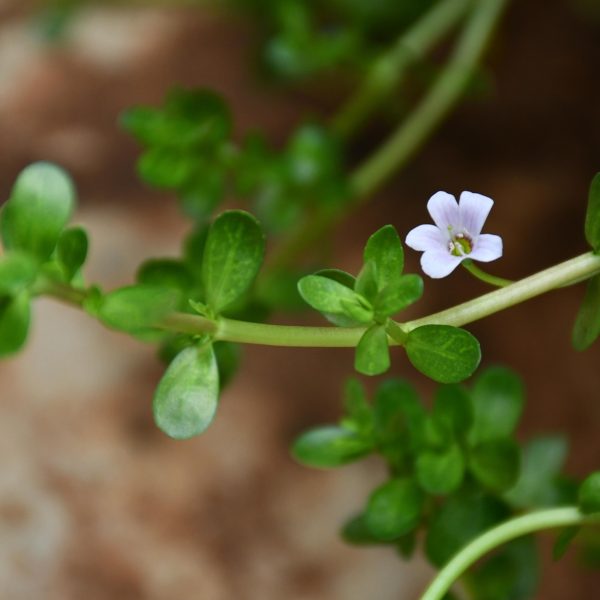
This tissue-restorative herb from India reduces neuroinflammation via inhibition of NF-κB, reduces oxidative stress via Nrf2 activation, and improves mitochondrial dysfunction (15,16). The benefits of gotu kola are thought to mainly come from the triterpenoid saponins, including asiatic acid, which are able to cross the BBB (16). Preclinical research has found benefits in animal models of Alzheimer’s and Parkinson’s disease, as well as from the cognitive defects caused by chemical-induced cytotoxicity (16).
Turmeric (Curcuma longa)
Despite its traditional use to support digestion and liver health, turmeric and its more commonly used active component, curcumin, is best known for its anti-inflammatory activity. Turmeric inhibits inflammatory NF-κB and C-reactive protein (15,17), improved synaptic plasticity in preclinical research (17), and is likely to positively impact on the gut microbiome via direct effects in the gut. Curcumin has shown some cognitive and mood benefits via impacting serotonin signalling (8). Clinical research into its impact on cognition has been mixed so far, with observational studies showing more promise than clinical trials, however, it has been found to improve brain processing speed (17).
Conclusion
Regardless of the trigger, brain fog occurs due to several overlapping processes at once; neuroinflammation, oxidative stress, disrupted neurotransmitters, gut dysbiosis and impaired BBB. Herbal medicine is particularly effective at supporting the body via multiple actions at once, so multifactorial symptoms like brain fog can be targeted simultaneously.
While herbs like Ginkgo biloba, Panax ginseng and Rhodiola rosea have clinical evidence for their cognition and mood benefits, others are included based on in vitro and mechanistic studies, so further research is needed. However, by focusing on the mechanisms that are likely to be involved in brain fog, herbs that may not automatically be linked with supporting brain function could contribute positively.
References
- Altınsoy C, Kahramanoğlu Aksoy E, Özgül S, Dikmen D. Nutritional approaches to managing brain fog: insights into neuroinflammation, the gut-brain axis, and sleep. Curr Nutr Rep. 2026 Apr 10;15(1):33. https://doi.org/10.1007/s13668-026-00747-3
- Komaroff AL, Lipkin WI. ME/CFS and long COVID share similar symptoms and biological abnormalities: road map to the literature. Front Med (Lausanne). 2023;10:1187163. https://doi.org/10.3389/fmed.2023.1187163
- Xu Z, Wang H, Jiang S, et al. Brain pathology in COVID-19: clinical manifestations and potential mechanisms. Neurosci Bull. 2024 Mar;40(3):383-400. https://doi.org/10.1007/s12264-023-01110-0
- Mueller MR, Ganesh R, Beckman TJ, Hurt RT. Long COVID: emerging pathophysiological mechanisms. Minerva Med. 2025 Apr;116(2):156-165. https://doi.org/10.23736/S0026-4806.25.09539-4
- Nantachai G, Vasupanrajit A, Tunvirachaisakul C, Solmi M, Maes M. Oxidative stress and antioxidant defenses in mild cognitive impairment: a systematic review and meta-analysis. Ageing Res Rev. 2022 Aug;79:101639. https://doi.org/10.1016/j.arr.2022.101639
- Bangle A, Williams D, Walters J, Nguyen L. Cognitive functioning in perimenopause: an updated systematic review and meta-analysis. Psychol Aging. 2026 May;41(3):303-318. https://doi.org/10.1037/pag0000946
- Humphreys G, Berry E, Hayes LD, Jensen S, Moodley R, Sanal-Hayes NEM. A scoping review of long COVID and menopause. COVID. 2026;6(1):7. https://doi.org/10.3390/covid6010007
- Rahman M, Akter K, Rani A, Park MN, Kim B. Herbal neurotherapeutics for cognitive disorders: integrative mechanisms linking neurotransmitter systems, neurodegeneration, and the gut-brain axis. Nutrients. 2026 Jun 2;18(11):1796. https://doi.org/10.3390/nu18111796
- Tkaczenko H, Buyun L, Kołodziejska R, Kamiński P, Kurhaluk N. Neuroactive phytochemicals as multi-target modulators of mental health and cognitive function: an integrative review. Int J Mol Sci. 2025 Sep 12;26(18):8907. https://doi.org/10.3390/ijms26188907
- Perrone P, D’Angelo S. Gut microbiota modulation through Mediterranean diet foods: implications for human health. Nutrients. 2025 Mar 8;17(6):948. https://doi.org/10.3390/nu17060948
- Mackonochie M, Rodriguez-Mateos A, Mills S, Rolfe V. A scoping review of the clinical evidence for the health benefits of culinary doses of herbs and spices for the prevention and treatment of metabolic syndrome. Nutrients. 2023 Nov 22;15(23):4867. https://doi.org/10.3390/nu15234867
- Mueller JK, Müller WE. Multi-target drugs for the treatment of cognitive impairment and fatigue in post-COVID syndrome: focus on Ginkgo biloba and Rhodiola rosea. J Neural Transm (Vienna). 2024 Mar;131(3):203-212. https://doi.org/10.1007/s00702-024-02749-3
- Koozehchian MS, Newton AT, Mabrey G, Bonness FM, Rafajlovska R, Naderi A. Dose-response effects of short-term Rhodiola rosea (golden root extract) supplementation on anaerobic exercise performance and cognitive function in resistance-trained athletes: a randomized, crossover, double-blind, and placebo-controlled study. Nutrients. 2025 Nov 28;17(23):3736. https://doi.org/10.3390/nu17233736
- Zhang N, Nao J, Dong X. Neuroprotective mechanisms of salidroside in Alzheimer’s disease: a systematic review and meta-analysis of preclinical studies. J Agric Food Chem. 2023 Nov 22;71(46):17597-17614. https://doi.org/10.1021/acs.jafc.3c06672
- Zheng SY, Zhou XQ. A perspective on the mechanisms of herbal medicine for cognitive impairment. Front Neurol. 2025 Jul 4;16:1610542. https://doi.org/10.3389/fneur.2025.1610542
- Jiang J, Han R, Ren H, Yao Y, Jiang W. A review of neuroprotective properties of Centella asiatica (L.) Urb. and its therapeutic effects. Ann Med. 2025 Dec;57(1):2559122. https://doi.org/10.1080/07853890.2025.2559122
- Yu L, Li N, Li B, et al. Targeting cognitive aging with curcumin supplementation: a systematic review and meta-analysis. J Prev Alzheimers Dis. 2025 Sep;12(8):100248. https://doi.org/10.1016/j.tjpad.2025.100248