









In Uganda’s East African Rift Valley, propolis, a resinous hive substance, has long been valued by traditional beekeepers and is the subject of recent research for its antimicrobial activity.
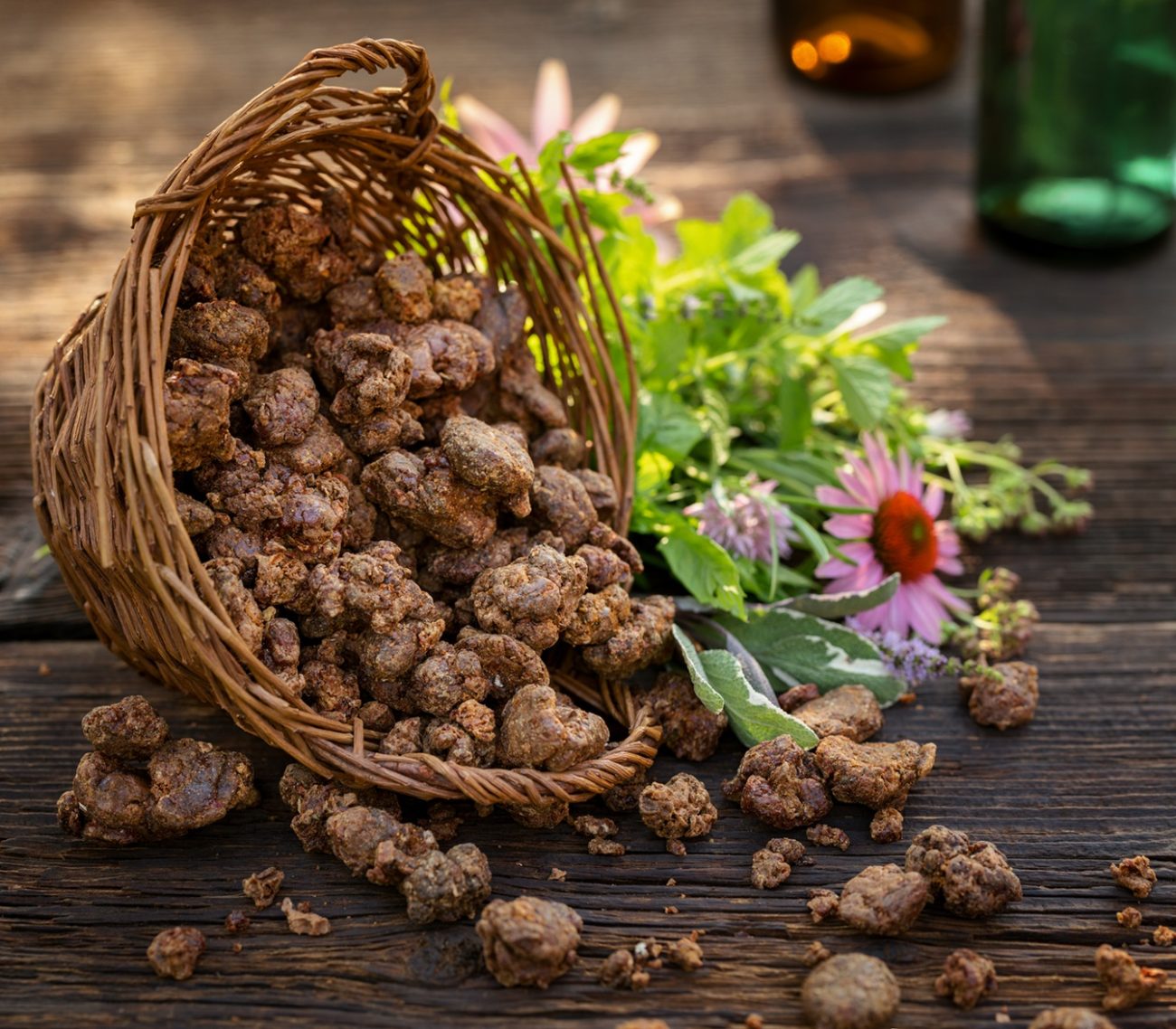
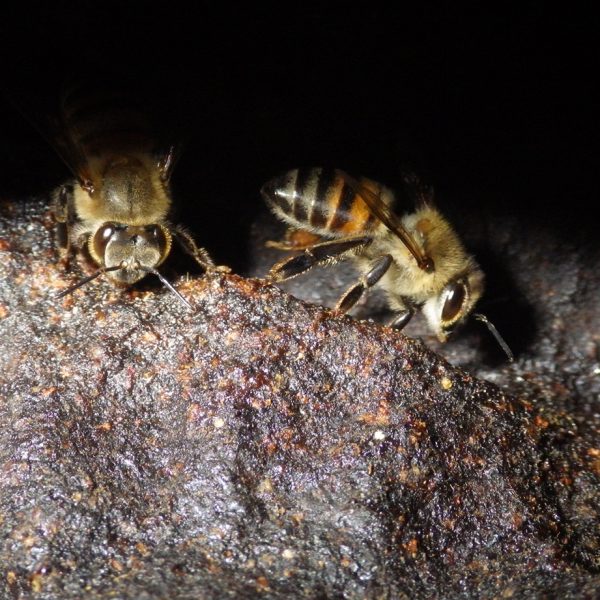
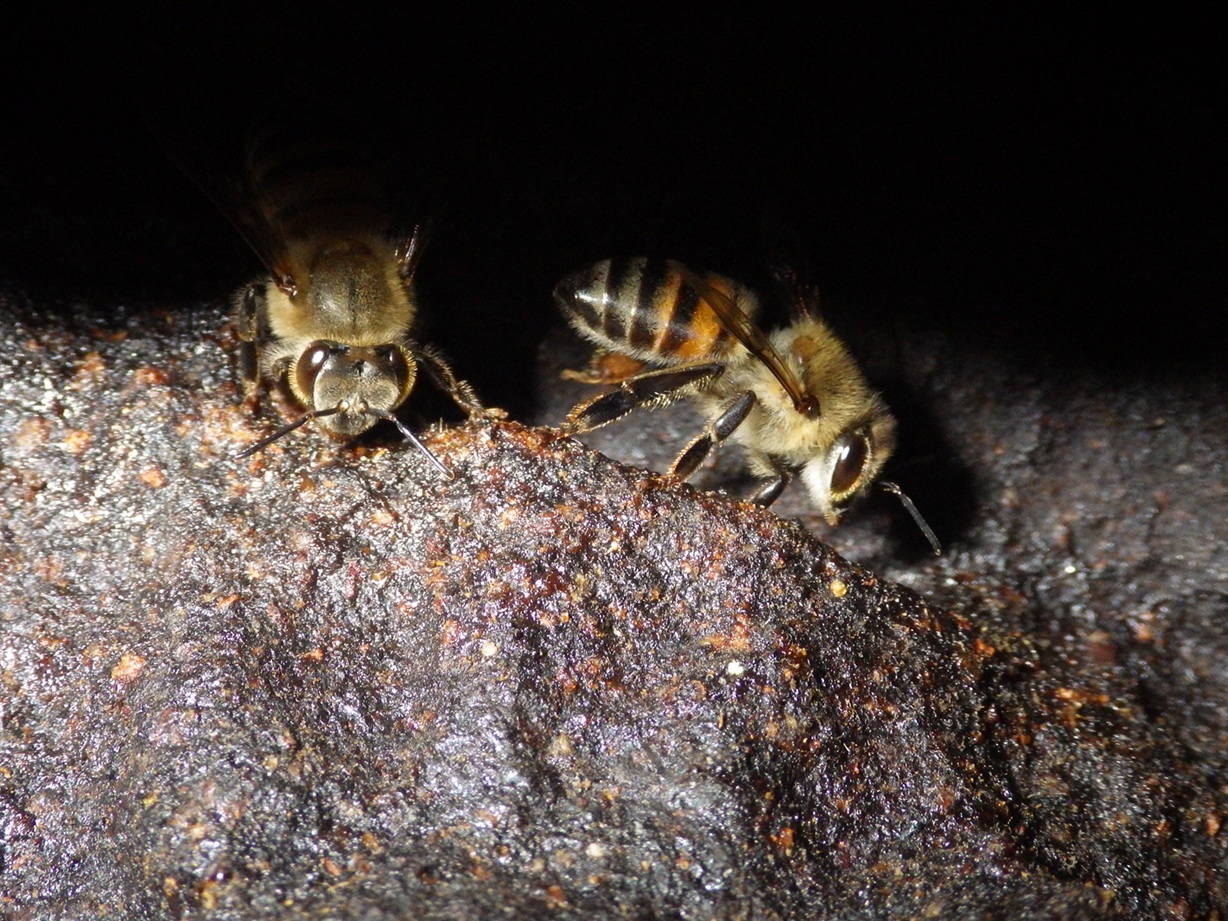
Propolis is one of the most remarkable substances produced by honeybees. It is a resinous material made from plant extracts, beeswax and mixed with the bees own enzymes; they make it to seal cracks, strengthen the hive structure, regulate airflow and help protect the colony from pathogens (1). Within the hive, propolis acts as a natural barrier between the bees and the outside world, supporting colony hygiene in the warm, crowded, and microbially active environment of a beehive (2).
Although propolis is often overlooked by the public in favour of honey, it has a long and fascinating history of human use. Across many cultures it has been valued as a cleansing, protective, and healing substance. Modern research has also begun to confirm some of the biological activity that traditional users long observed, including antimicrobial, antifungal, antioxidant, and anti-inflammatory effects (3).
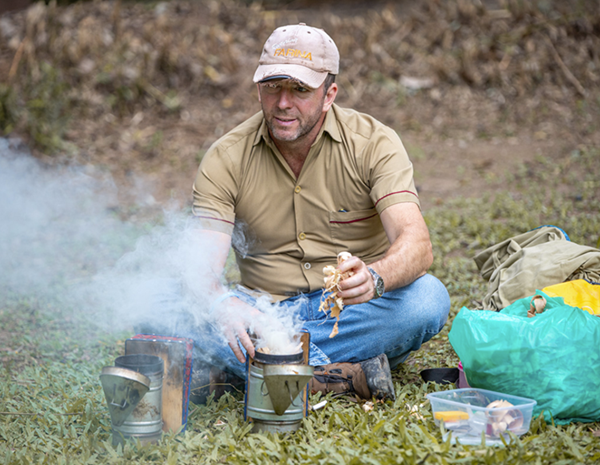
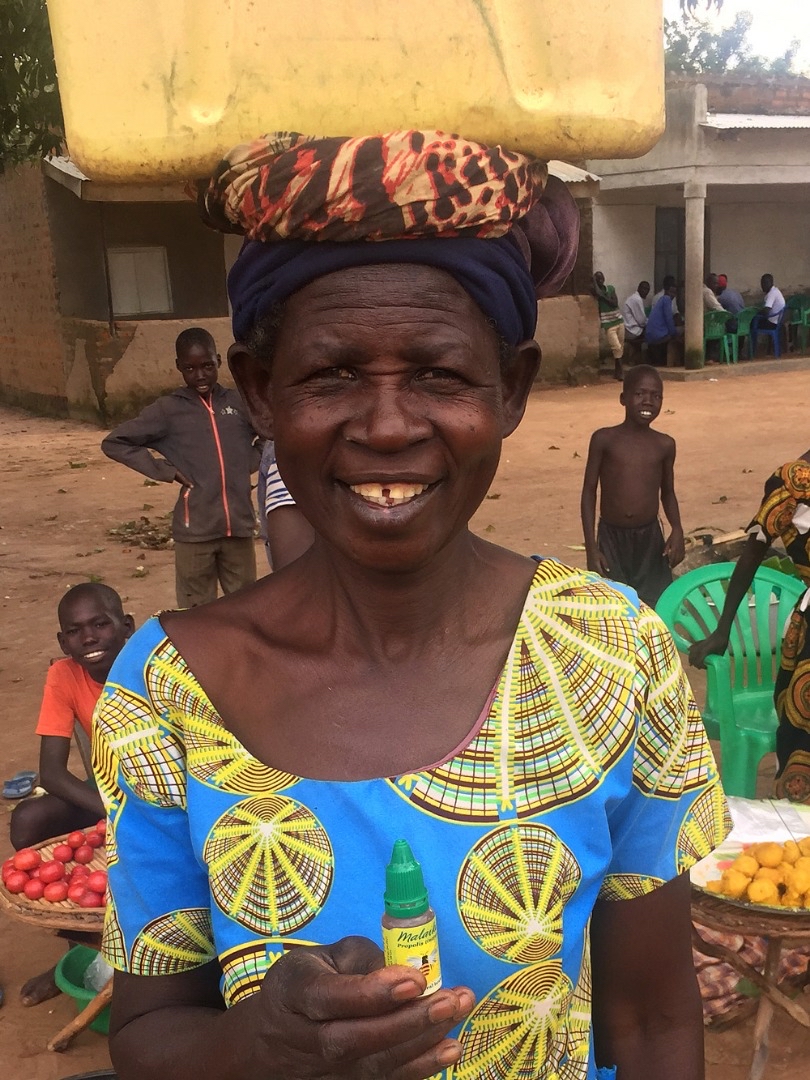
I first encountered propolis in 2006 while working with beekeepers in Uganda and the wider East African Rift Valley region. What began as a commercial visit to supply honey to the United States soon developed into a much deeper engagement with African beekeeping, traditional knowledge, and rural livelihoods. Over the following years, I travelled widely through Uganda, spending time in remote villages and learning directly from traditional beekeepers. In that setting, propolis was repeatedly recommended for minor cuts, sore throats, and other everyday complaints.
Traditional use and cultural history
The name propolis has ancient roots. It comes from the Greek words pro, meaning before or in defence of, and polis, meaning city. The term reflects the ancient idea of the hive as a protected city, with propolis serving as a defensive substance at its borders (4).
Aristotle is among the earliest known writers to describe bee behaviour and hive products in detail, and the classical Greek understanding of the hive as an organised living community helped shape later interpretations of propolis (5).
Propolis has been used for thousands of years. Ancient Egyptians used bee products in embalming and preservation practices, while Greek and Roman physicians described resinous substances in the treatment of wounds, infections and inflammation (6).
In later European herbal traditions, propolis continued to be valued as a protective material with cleansing properties (7).
There are also twentieth century historical accounts of propolis being used in Soviet first aid, particularly for wound care and infection management during wartime conditions when conventional medicines were limited.
This is one of the reasons it became known in some contexts as “Russian penicillin” (8). Reports also exist of opera singers using propolis preparations for throat comfort and vocal health.
What propolis is made from
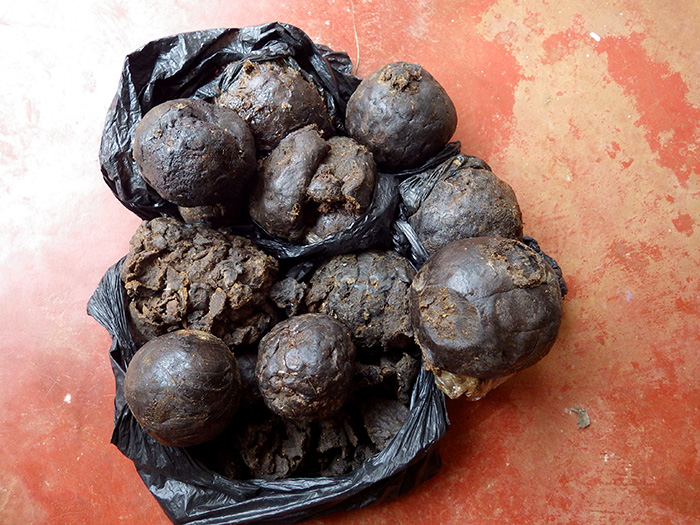
Propolis is not a single fixed substance. Its chemical composition changes according to the local plants available to the bees, the climate, and the ecological environment in which the colony lives (9). This means that propolis from different regions can vary significantly in colour, aroma, texture, and medicinal profile. European propolis, Brazilian green propolis, and African propolis may all contain very different combinations of compounds.
Researchers have identified hundreds of naturally occurring compounds in propolis, including flavonoids, phenolic acids, terpenes, sterols, and aromatic compounds (10). These phytochemical constituents are thought to contribute to its therapeutic properties. Laboratory studies have shown that propolis exhibits antibacterial, antifungal, antiviral, antioxidant, and anti inflammatory activity (11). Some studies have also explored its possible role in oral health, wound care, skin conditions, and mucosal healing (12).
Modern scientific research has helped explain why propolis earned such a strong reputation in traditional medicine across many cultures. A major 2019 review examining hundreds of bacterial studies found that propolis demonstrated significant antibacterial activity, particularly against Gram-positive bacteria including some antibiotic-resistant strains (13).
Researchers believe this activity is linked to the complex mixture of flavonoids, phenolic acids, terpenes, and other naturally occurring compounds found within propolis. The review also noted that propolis from different regions can vary greatly in strength and chemical composition depending on the plants available to the bees. This is especially relevant in biodiverse tropical regions such as East Africa, where bees forage across a vast range of medicinal plants and forest species.
The researchers further suggested that the chemical complexity of propolis may make it more difficult for bacteria to develop resistance, contributing to growing scientific interest in propolis as a natural antimicrobial substance.
Propolis in the hive
The role of propolis in the beehive is both practical and elegant. Bees use it to close cracks and gaps, smooth surfaces, and reduce unwanted exposure to wind, moisture, and microbial contamination. In effect, it helps create a cleaner and more stable living space for the colony (14).
This is particularly remarkable because honeybee colonies live in crowded conditions that would normally favour the spread of bacteria and disease. Yet, bees are able to maintain a surprisingly hygienic environment through a combination of behaviour, temperature control, ventilation, and the strategic use of propolis. Researchers often describe propolis as part of the hive’s innate defence system.
Propolis in Africa and Uganda
Africa’s landscapes offer a rich and diverse source of plant resins for bees. In Uganda and across the East African region, bees forage among forests, savannahs, wetlands, farm boundaries, coffee plots, mango trees, shea trees, medicinal shrubs, and many other flowering species.
This biodiversity may help explain why African propolis often has a distinctive character and why it has attracted increasing interest from researchers and commercial users.
During fieldwork in Uganda, propolis was repeatedly mentioned by beekeepers and rural households as a practical substance for minor wounds, throat irritation, and skin complaints. These observations were not laboratory findings, but they formed part of a wider pattern of local use and trust. In many rural communities, natural medicine remains closely linked to experience, observation and intergenerational knowledge.
Scientific interest today
Modern science has begun to explain some of the reasons propolis has attracted such enduring attention. Studies have explored its potential role in oral health, wound healing, skin care, and immune support (15). Some clinical trials have reported promising findings in areas such as mouth ulcers, gum inflammation, cold sores, and wound dressings.
The complexity of propolis is both a strength and a challenge. Unlike a pharmaceutical product built around one isolated active ingredient, propolis contains a large mixture of compounds that may act together in different ways. This makes it difficult to standardise and study using conventional drug models, but it may also help explain why it appears to have such broad biological activity.
Conclusion
Propolis sits at the meeting point between ancient knowledge and modern science. It has been used for centuries, described by early writers, valued in traditional medicine, and now studied in laboratories and clinics around the world. Its history suggests that people recognised its protective qualities long before its chemistry was understood.
For the author, working over two decades in apiculture and in the broader field of honey and secondary hive products, propolis remains one of nature’s most extraordinary gifts.
Over nearly two decades, propolis preparations produced through Malaika Honey have achieved wide pharmaceutical distribution throughout Uganda, where they have become a highly recognised and popular natural health product.
It is a substance shaped by ecology, bee behaviour traditional knowledge, and human experience, continuing to bridge the world of rural practice with the growing interest of modern scientific research.
References
- Bankova V, Popova M, Trusheva B. Propolis volatile compounds: chemical diversity and biological activity. Chem Cent J. 2014;8:28. https://doi.org/10.1186/1752-153X-8-28
- Simone-Finstrom M, Spivak M. Propolis and bee health: the natural history and significance of resin use by honey bees. Apidologie. 2010;41(3):295-311. https://doi.org/10.1051/apido/2010016
- Sforcin JM, Bankova V. Propolis: is there a potential for the development of new drugs? J Ethnopharmacol. 2011;133(2):253-260. https://doi.org/10.1016/j.jep.2010.10.032
- Kuropatnicki AK, Szliszka E, Krol W. Historical aspects of propolis research in modern times. Evid Based Complement Alternat Med. 2013;2013:964149. https://doi.org/10.1155/2013/964149
- Crane E. The World History of Beekeeping and Honey Hunting. Routledge; 1999.
- Ghisalberti EL. Propolis: a review. Bee World. 1979;60(2):59-84. https://doi.org/10.1080/0005772X.1979.11097738
- Marcucci MC. Propolis: chemical composition, biological properties and therapeutic activity. Apidologie. 1995;26(2):83-99. https://doi.org/10.1051/apido:19950202
- Lotfy M. Biological activity of bee propolis in health and disease. Asian Pac J Cancer Prev. 2006;7(1):22-31.
- Salatino A, Teixeira EW, Negri G, Message D. Origin and chemical variation of Brazilian propolis. Evid Based Complement Alternat Med. 2005;2(1):33-38. https://doi.org/10.1093/ecam/neh061
- Wagh VD. Propolis: a wonder bees product and its pharmacological potentials. Adv Pharmacol Sci. 2013;2013:308249. https://doi.org/10.1155/2013/308249
- Silici S, Kutluca S. Chemical composition and antibacterial activity of propolis collected by three different races of honeybees in the same region. J Ethnopharmacol. 2005;99(1):69-73. https://doi.org/10.1016/j.jep.2005.01.046
- Parolia A, Thomas MS, Kundabala M, Mohan M. Propolis and its potential uses in oral health. Int J Med Med Sci. 2010;2(7):210-215.
- Przybyłek I, Karpiński TM. Antibacterial properties of propolis. Molecules. 2019;24(11):2047. https://doi.org/10.3390/molecules24112047
- Burdock GA. Review of the biological properties and toxicity of bee propolis. Food Chem Toxicol. 1998;36(4):347-363. https://doi.org/10.1016/S0278-6915(97)00145-2
- Pasupuleti VR, Sammugam L, Ramesh N, Gan SH. Honey, propolis, and royal jelly: a comprehensive review of their biological actions and health benefits. Oxid Med Cell Longev. 2017;2017:1259510. https://doi.org/10.1155/2017/1259510