












Last reviewed 20/03/2026
Sustainability status
Not currently on risk lists but complete data may be missing on the status of the species. Read more in our sustainability guide.

-
Herb overview
Safety
Safety concerns include risk with nut and pollen allergies
Sustainability
Status: Low risk
Key constituents
Oleic and linolenic fatty acids
Minerals and vitamins
TanninsQuality
Native to Europe
Cultivated in Turkey, Italy, China, USA
Adulteration unlikely contamination risks with leafKey actions
Antioxidant
Antibacterial
Nutritious
Anti-inflammatoryKey indications
High cholesterol
Acne
Chronic fatigue
EczemaKey energetics summary
Fresh: Warm and moist
Dried: Hot and dryPreperation and dosage
Hazelnut as food
Infusion 6–10 g/per day of hazel leaf
Hazelnut oil
-
How does it feel?
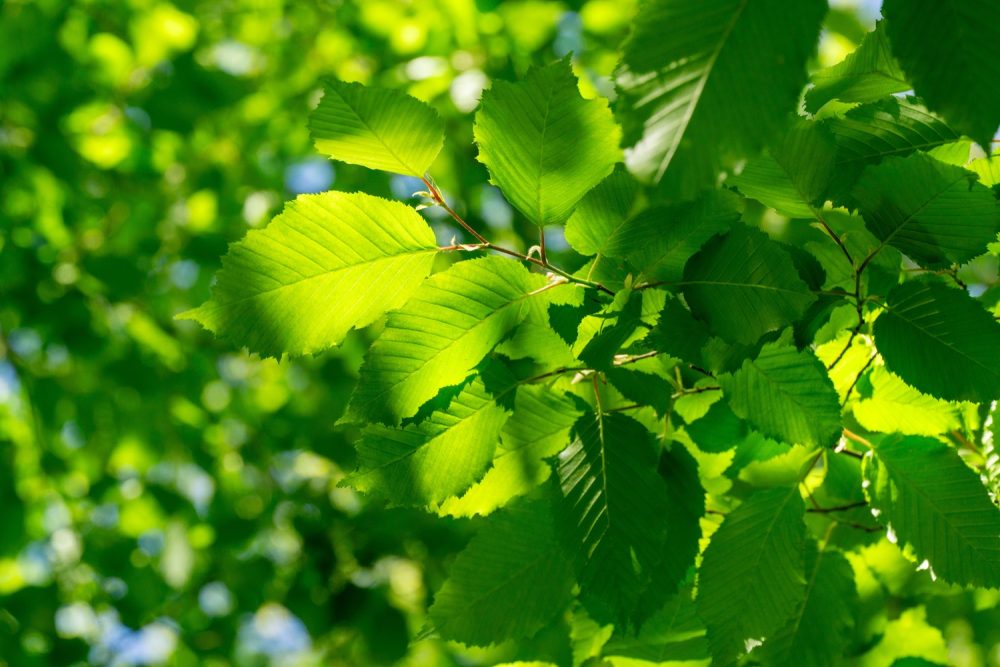
Hazel saplings are supple with a gloss to the smooth, brown bark. This is echoed in the new growth of these deciduous trees that have been coppiced or pruned. They lend themselves readily to use for weaving fences and being moulded into borders in basketry. Their soft nature is expressed also in the oval, hairy, tooth-edged leaves.
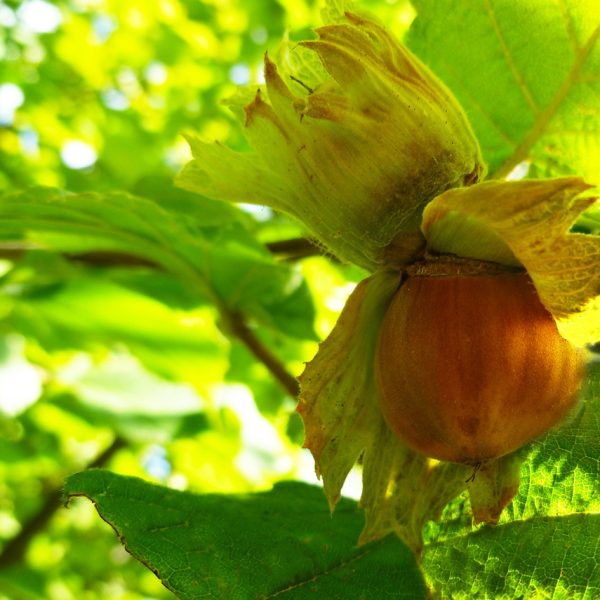
The tiny female flowers with tufts of red styles are a joy to see in January, while the showy yellowing catkins hanging below produce bountiful amounts of pollen to release on the wind. In late summer into early autumn the brown nuts ripen in clusters within cases resembling old fashioned bonnets, again soft and hairy to touch (1).

The taste of hazel
The below qualities are derived from organoleptic assessment.
-
Into the heart of hazel
The nuts are heating and moistening when first harvested, turning to hot and dry with time (4). These changing properties are evident if the freshly harvested nuts are tasted and used in recipes and then older nuts from the previous harvest are compared. Initial moisture leads them to become mouldy if put straight into a closed jar and so careful storage of home gathered nuts is necessary.
The suppleness of the tree in all parts tells of moisturising, anti-inflammatory and balancing effects in the body. Hazel offers strength through remineralisation aiding body systems and at the same time is protective against the effects of age and environmental stresses, being rich in antioxidants (2). It offers a soft, modest beauty lifting the spirit in dark days with the sight of precious female flowers. There is also resilience, exemplified by the hardy male catkins hang from the bare branches over the winter and the ready re-growth of coppiced trees.
-
What practitioners say
 Cardiovascular system
Hazel leaf is a venous restorative and can be used to treat varicose veins. It is less astringent than witch hazel but offers sufficient vasoconstriction and haemostatic properties to be useful in this role with peripheral circulatory conditions (10).
Digestive system
Well known as a nutritious food, although sometimes criticised as causing indigestion, hazel provides support for convalescent patients. Oil from the nuts is a gentle and effective treatment for children with threadworm and pinworm (1).
Respiratory system
Hazel twig bark is antipyretic and the leaf, though regarded as less effective than witch hazel, may help to stop sinus discharges and reduce inflammation. Use for catarrhal problems and coughs is supported by traditional use (10).
Musculoskeletal system
Hazel leaf may be used internally and externally for treating aching muscles (10). The oil has been used for joint pain and gout (1).
Skin health
The oil is light and helpful to all skin types, including congested, dehydrated skin. While being slightly astringent, hazelnut oil has excellent penetration of the skin barrier and is softening and moistening. It can be recommended as a natural sun filter (11).
-
Hazel research

Hazelnuts (Corylus avellana) Hazelnut and its by-products: A comprehensive review of nutrition, phytochemical profile, extraction, bioactivities and applications
This review of studies looked at those illustrating the nutrient rich composition of hazelnuts with protein, a high proportion of monounsaturated fatty acids, second only to walnuts. It highlighted studies on the benefits of consuming the nuts for cardiometabolic risks, reducing HDL cholesterol and benefits for type 2 diabetes.
Many studies have recorded the importance of phenolic compounds in hazel but have concentrated on the effects of different methods of preparation and processing. The review also looked at other use of by-products, extraction methods and the variation in levels of constituents from studies on hazelnuts grown in different countries.
It noted continuous planting and sustainability of nut production. Due to the conclusion that a comprehensive review of hazelnut and its by-products was lacking, this review summarizes the varieties, nutrition, phytochemical profile, extraction methods, bioactivities and applications (12).
Study of the apoptotic impacts of hazelnut oil on the colorectal cancer cell line
The process of apoptosis, or programmed death of cells is increasingly understood and used as the basis of new anticancer therapies. Studies have already confirmed inhibitory effects of hazelnut oil on the spread of some liver and colon cancer cells in the laboratory.
In this study the aim is to show the molecular mechanism behind this result. Oil was extracted from the dried and ground hazelnuts. The composition of the fatty acids and methyl ester derivatives was evaluated and the medium for cell culture prepared. With the cell proliferation level evaluated, cells were mixed with hazelnut oil prepared in lecithin as a buffer. Phosphate buffered saline was used as the negative control.
Evaluation of genes involved in mitochondrial apoptosis showed a statistically significant reduction of mRNA gene expression of bcl-2 gene compared to the B-actin gene and increase in apoptotic index for bax and bcl-2 genes in hazelnut oil-treated cells compared to the untreated group. These results supported the clearly observed potential of hazelnut oil in inducing cytotoxicity (13).
Hazel (Corylus avellana L.) leaves as source of antimicrobial and antioxidative compounds
In this study a number of varieties of Corylus were investigated for the antimicrobial capacity of their leaves. Aqueous extracts were prepared and these were analysed by using reversed-phase HPLC/DAD to define their phenolic composition. Eight phenolic compounds were identified. The aqueous extracts were tested against Gram-positive and Gram-negative bacteria and fungi.
All of the cultivars showed similar high antioxidant activity relative to the concentration of the extract. Sensitivity of Gram-positive bacteria proved to be high, with lower sensitivity in Gram negative bacteria and fungi. P. aeruginosa and Candida albicans were resistant at 100 mg/ml. The cultivar M. Bilwiller showed the most potent antimicrobial properties (14).
The potential of hazelnut (Corylus avellana) nutritive composition and its bioactive properties in cosmetics
This article gives an overview of current research and use of hazelnut in the cosmetic industry. It concludes that although hazelnut oil and hazel extracts are relatively new to the cosmetic industry hazel, it is becoming increasingly used as the benefits of the rich vitamin E content boosting collagen and ability of the fatty acids and niacin to prevent excessive loss of moisture, hydrating the skin, are recognised.
It explains the added benefits of the non-greasy oil is similar in composition to sweet almond and olive oils with a high content of oleic acid. With a long process of cold-pressing, the oil is beneficial to all skin types and is helpful to aged skin, repairing photo-aging. Astringency from tannins in the oil further assists in treating acne, cleansing and closing pores. The property of helping to thicken hair and treating hair loss have recommended it for inclusion in hair masks (15).
-
Historical use of hazel

Hazel (Corylus avellana) In ancient Greece hazelnuts and honey were made into a drink for soothing coughs (5). This use is repeated by Coles in the 17th century when he gives the parched kernels in an electuary for an old cough (4). An electuary is made from the powdered herb added to honey or syrup to make a paste. From early times the whole nuts were also burned and the ashes pounded with bears grease to be applied to the scalp to encourage hair growth. This use was repeated in varying recipes on through the centuries (1).
A similar recipe, burning the nuts first, then mixes the powder with hog’s lard in a burn salve. This was made in Ireland in the 18th century. In the same Irish herbal, it is recommended to eat the nuts roasted with pepper for catarrh, suggesting use of tannins (6). Gerard discusses the properties of hazelnut milk, made in the same way as almond milk, for reducing fevers and stopping diarrhoea (7). Culpeper denies that any part of the hazelnut except the shell or skin is stopping or binding for diarrhoea or bleeding. He recommends hazelnut oil for cold afflictions of the nerves and pain in the joints, including gout (8).
William Coles at the same period in history used many parts of the hazel. These included the husks, shells and skins of the nuts, each taken in red wine for their astringent properties. Hazel catkins and the inner rind of small branches were administered to treat strangury, a term which refers to the inability to produce urine (4). In traditional Swedish medicine the leaf and bark were used to treat pain (9).
Judging by the absence of hazel from most herbals after the mid-18th century, hazel seems to have lost popularity in medicine with attention turning more to the American witch hazel (1). Interest is returning with current scientific research into the medicinal properties, due partly to the search to identify antioxidants and possible preservative antimicrobial properties in foods.
-
Hazel’s herbal actions
Herbal actions describe therapeutic changes that occur in the body in response to taking a herb. These actions are used to express how a herb physiologically influences cells, tissues, organs or systems. Clinical observations are traditionally what have defined these actions: an increase in urine output, diuretic; improved wound healing, vulnerary; or a reduction in fever, antipyretic. These descriptors too have become a means to group herbs by their effects on the body — herbs with a nervine action have become the nervines, herbs with a bitter action are the bitters. Recognising herbs as members of these groups provides a preliminary familiarity with their mechanisms from which to then develop an understanding of their affinities and nuance and discern their clinical significance.
-
Hazel’s energetic qualities
Herbal energetics are the description that herbalists have given to plants, mushrooms, lichens, foods and some minerals based on the direct experience of how they taste, feel and affect the body. All traditional health systems use these principles to explain how the environment impacts health, according to each of their philosophies and frameworks. These assessments of individual herbs, though they often do align, can differ from one another due to cultural differences regarding perspectives on how herbs taste versus their physiological effects. Find out more about traditional energetics in our article An introduction to herbal energetics.
-
What can I use hazel for?
The nuts can be eaten as a nutritious snack, roasted or fresh, or they can be roasted and with skins removed, either ground into flour, made into a tasty nut butter, or a spread with added honey and dried fruits. With honey and organic dark chocolate, the ground nuts offer the base for a healthy, nutritious drink. Oil can be pressed from the nuts and used in cooking. The ingested cold-pressed oil is helpful for circulatory health.
The oil may alternatively be used in cosmetic recipes, treating acne and skin conditions. Recipes have long included hazel nuts for stimulating hair growth in alopecia (2,3).
-
Did you know?
In Celtic folklore the hazel is the tree of knowledge, holding all wisdom literally in a nutshell. When we use the term “in a nutshell” to express the concentration of knowledge, it is the shell of the hazel we are referring to. In Greek mythology Mercury was the messenger of the gods. He carried a hazel staff with two ribbons twisted around it like snakes. This is the origin of the caduceus, symbol of healing arts (16).



 Cardiovascular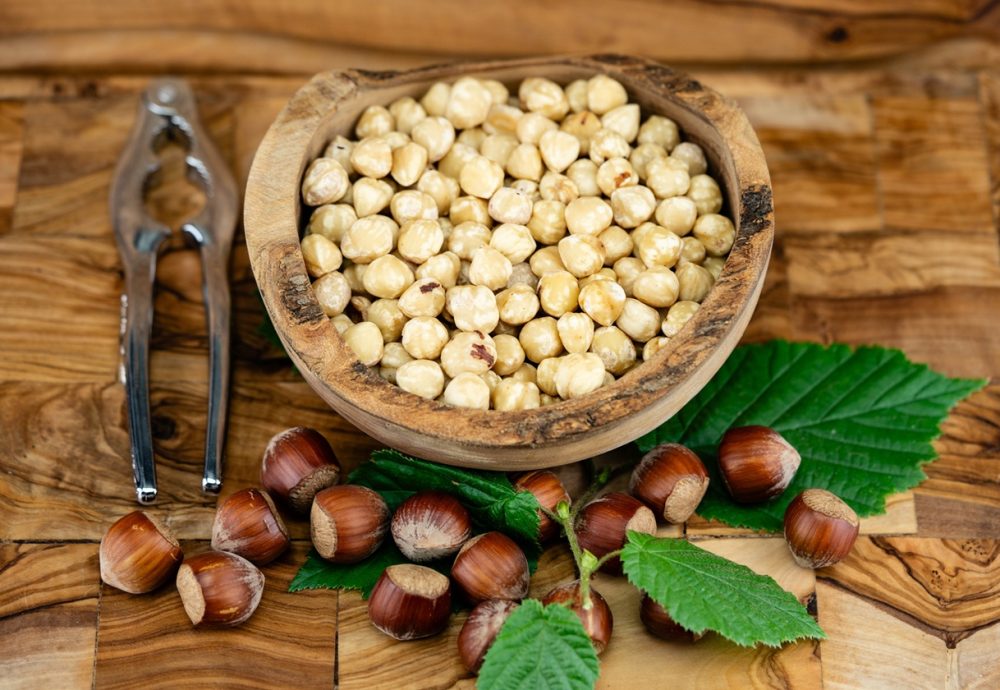
-
Botanical description
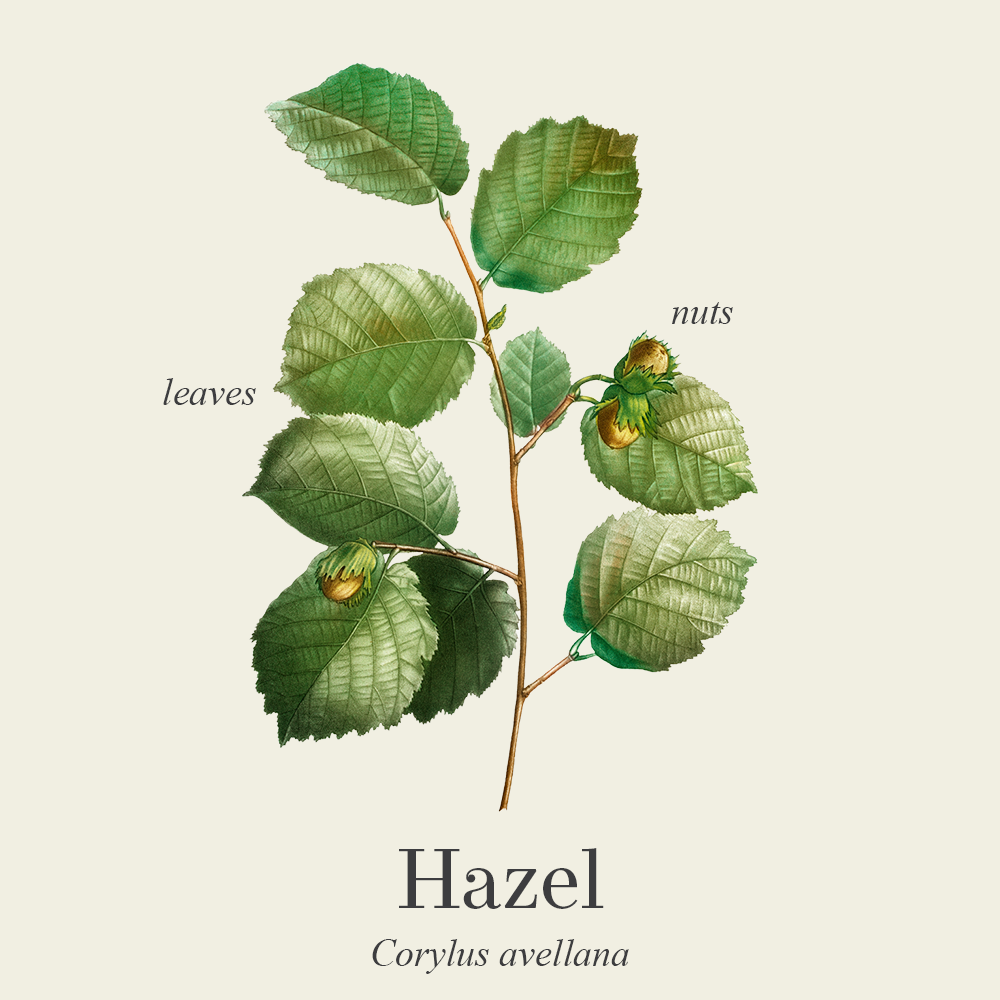
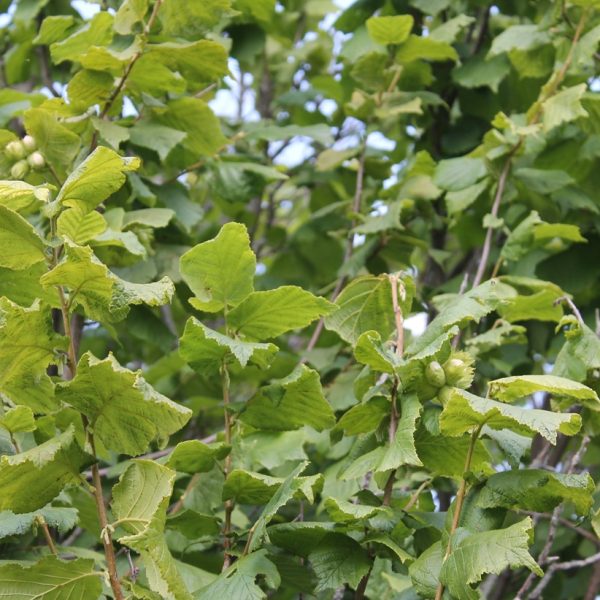
Often regarded as more of a shrub than a tree, hazel can have suckers growing from the lower trunk. It can, however, grow up to 6–12 m tall with many branches, giving it a spread of 5 m.
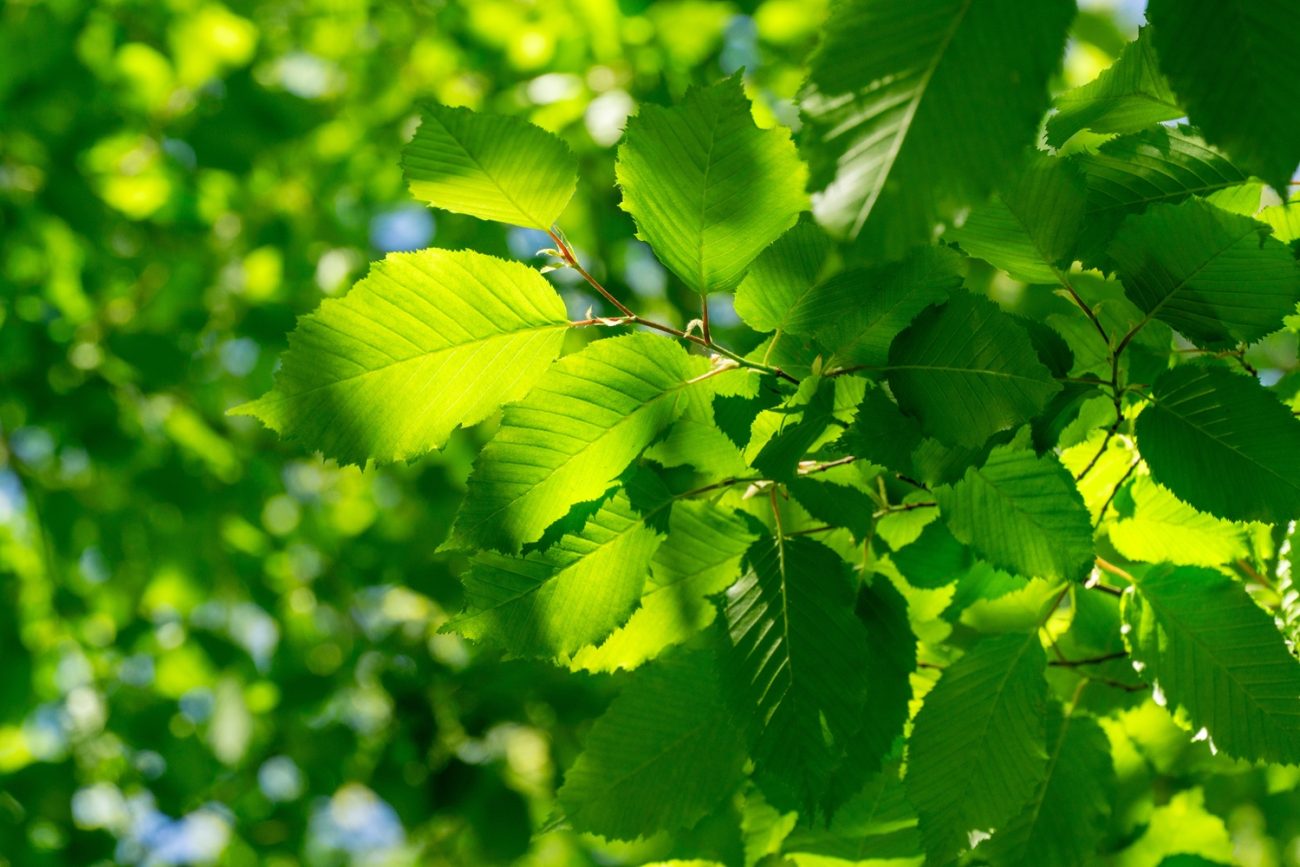
Hazel trees have often been coppiced in the past as the supple branches were commonly used to weave the wattle framework in house walls and make woven hurdles and fences. The bark is smooth and glossy brown in young growth, later turning to greyish brown with some peeling. The leaves are oval, toothed on the edges, and soft, with greyish hairs on the underside.
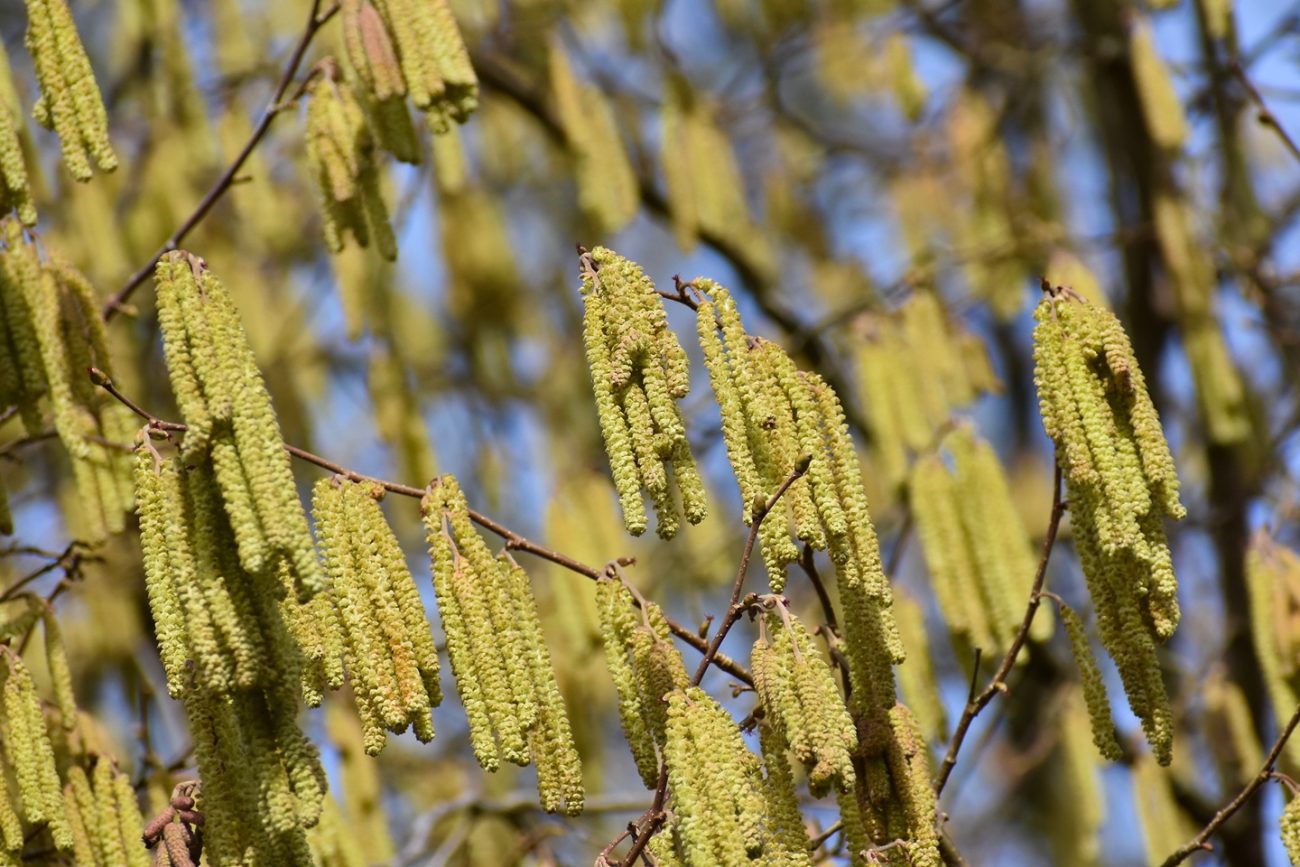
The long male catkins hang on the branches from November through the winter and are joined by the tiny female flowers usually borne higher on weak branches of the previous years’ growth in January. These have tufts of red stigmas making them very attractive. The germen in the centre becomes the nut after wind pollination, usually from another tree nearby (1).
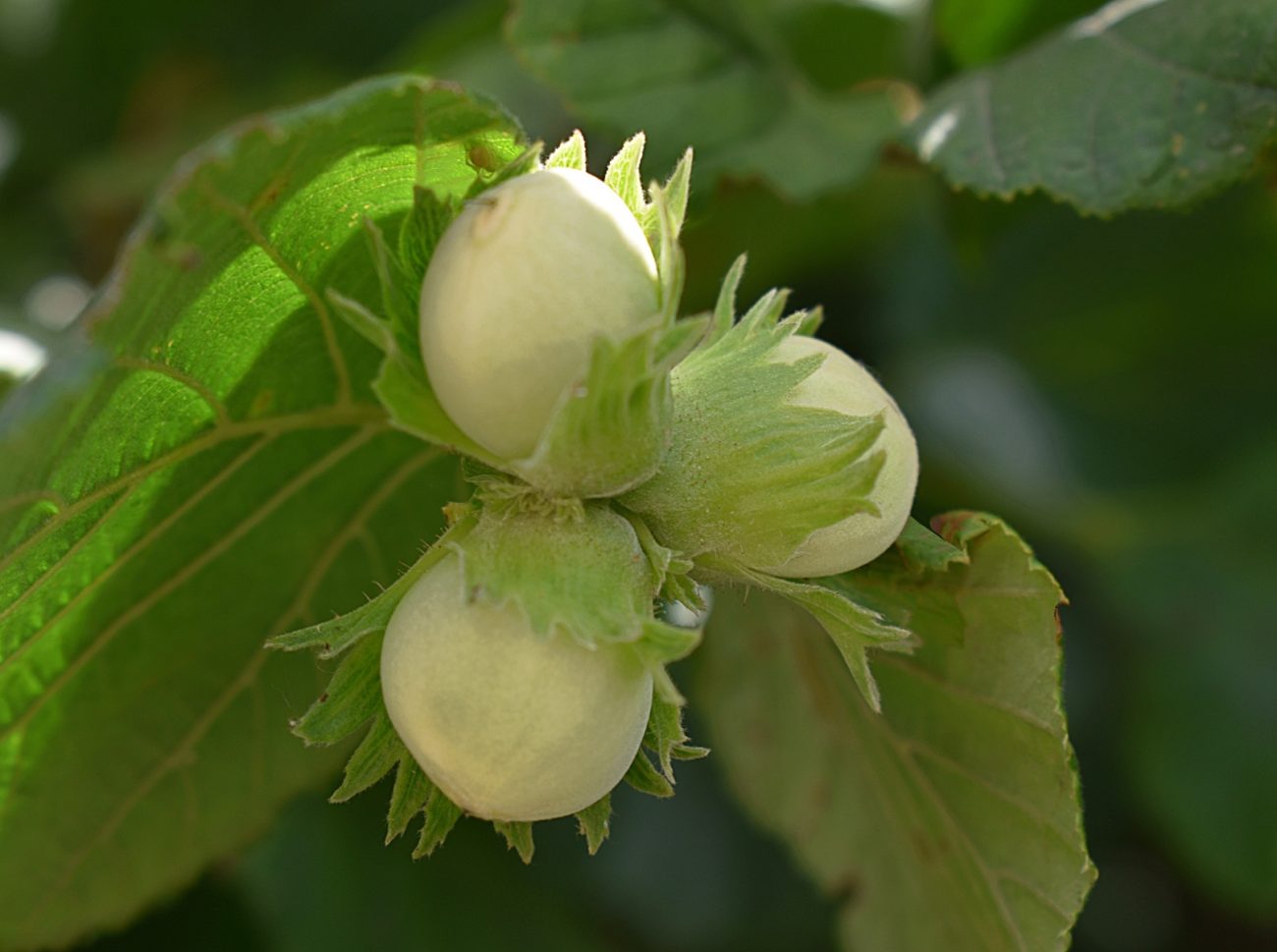
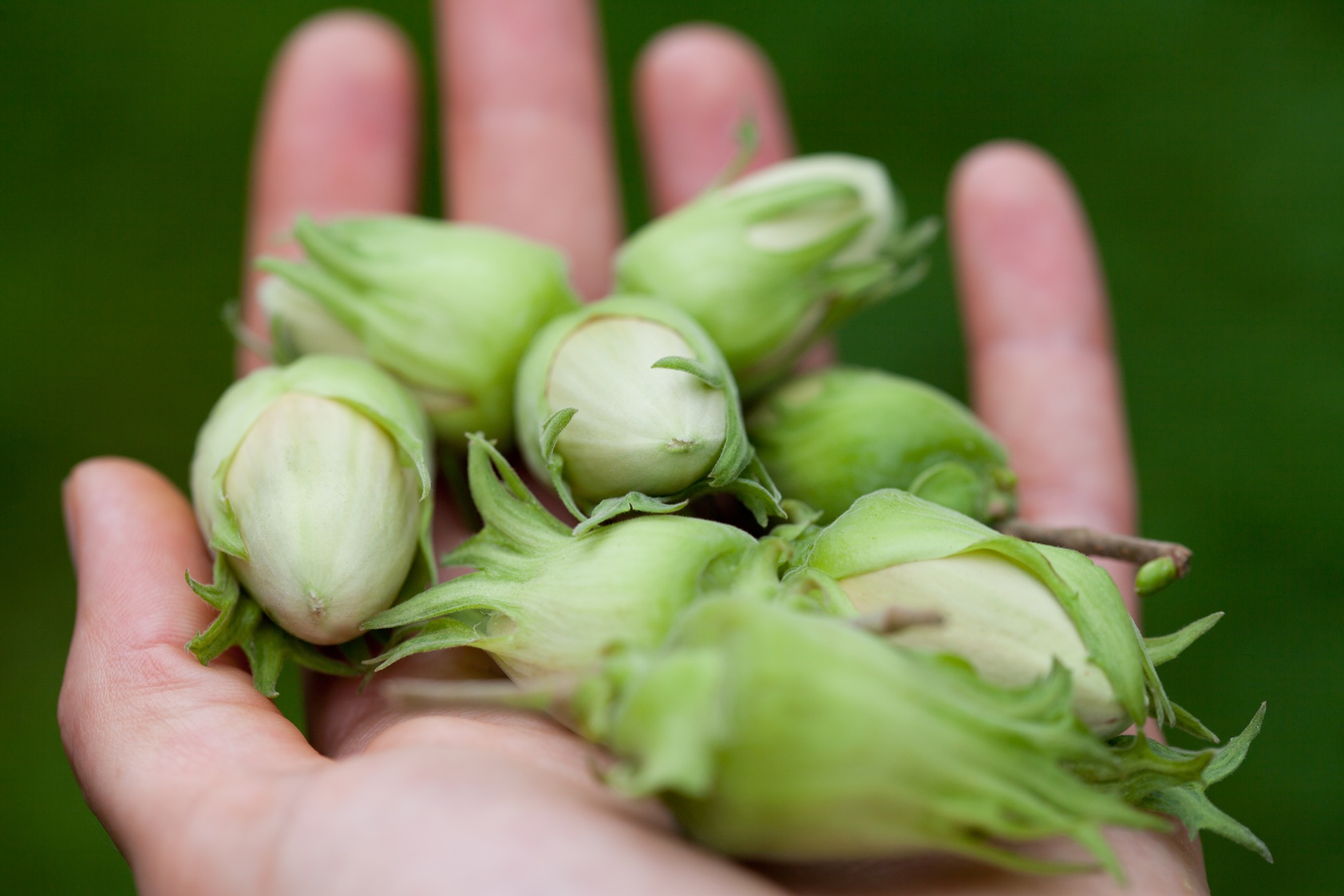
The nuts of the C. avellana or cobnut are brown when ripe, rounded and small. In a mast year (every seventh year) there is an increased harvest. The nut from C. maxima or filbert is longer and larger. Hazelnuts are mostly grouped together from pairs to five in their hooded papery husks with frilled edges. The cream nuts or seed kernels inside the outer hard shells are covered by a thin skin (1).
-
Common names
- Hazel
- Cobnut
- Filbert
- Wild hazel
-
Habitat
Hazel trees are grown commercially for nut production across Europe with Turkey being the highest supplier, followed by Italy. Both the USA and Azerbaijan are major producers, and hazelnuts are also grown in China and Iran. Hazel trees enjoy a sunny position and well-drained soil; however, they will also grow in a variety of soil conditions. If these are adverse it may affect crops (17).
They are often coppiced regularly. Treated in this way hazel can live to be several hundred years old, rather than the more usual 80 years. In Britain they are often included in hedgerows or found in the understorey of woodland in the wild. They are a favourite food of squirrels, dormice and birds (18).
-
How to grow hazel
Hazel trees can be grown from seed and squirrels frequently oblige by burying the nuts in garden beds and lawns close to mature trees. Buried in autumn in pots kept safe from mice, the seed will be prepared by frost outside, or if saved for spring will require scarification. The hazel grows quickly, becoming sufficiently mature to produce a harvest of nuts in about five years. Young saplings are readily transplanted from late autumn to early spring. They prefer a sunny site, growing equally well in clay as in the suggested lighter soils. A position with some shelter from frost may ensure a higher yield.
Since the showy male catkins may not be ready with pollen at the same time as the tiny red female flowers, it is good to have several trees about 5 metres apart. Some modern cultivars are not self-pollinating and so a filbert, (Corylus maxima) among cobnuts (Corylus avellana) can be an advantage. With winter pruning, leave young branches of the previous year’s growth as these mainly carry the female flowers. Mature trees left unpruned can grow to be 6–12 m tall with a spread of 5 m. If planted closer together as a hedge, this will restrict spread but also restrict light to the inner branches (18).
-
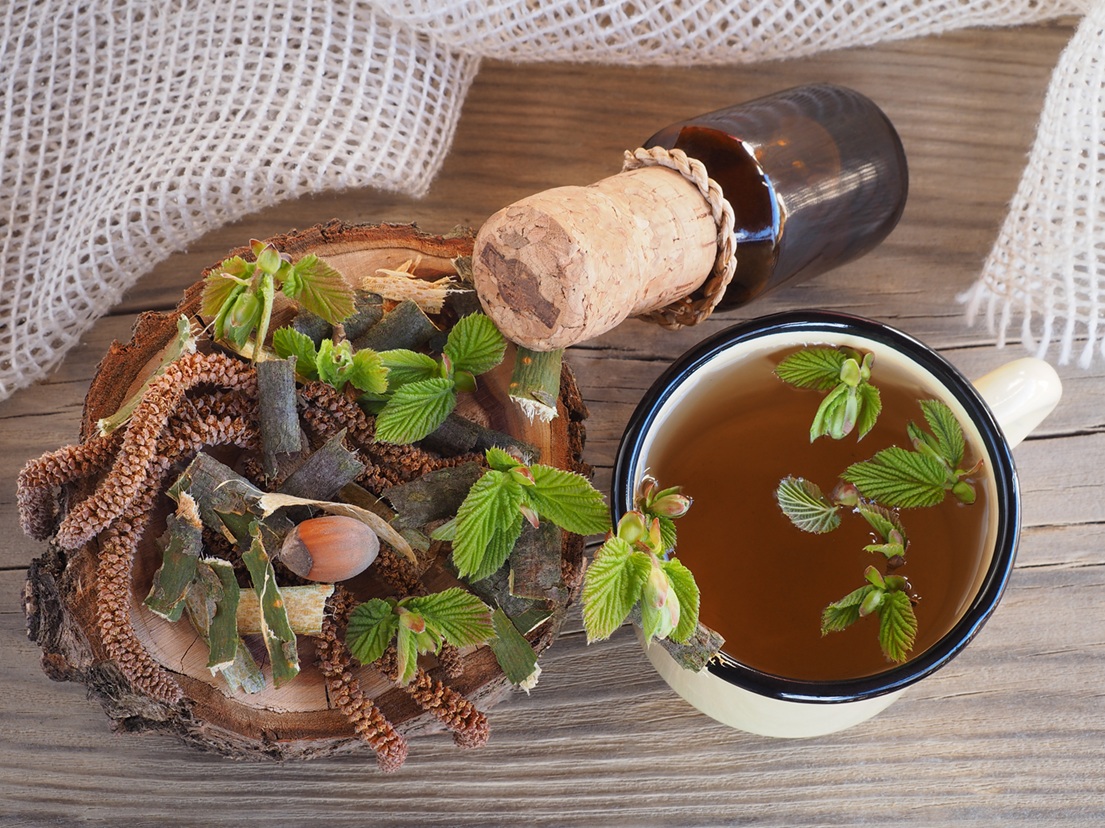
Herbal preparation of hazel
- Tincture
- Decoction
- Infusion
- Pressed oil
- Milk
-
Plant parts used
- Kernels
- Leaves
- Inner bark
-
Dosage
Infusion/decoction: Leaf or bark 6–10 g (10)
-
Constituents
- Minerals: Calcium, magnesium, selenium, zinc and copper
- Fats: Kernels consist of 60% oil with a large amount of monounsaturated fatty acid and some polyunsaturated fatty acid.
- Essential fatty acids: Oleic, linolenic, linoleic and palmitic.
- Vitamins: A,B1,B6, niacin and α-tocopherol, (active form of vitamin E), K
- Phytosterols
- Phenolic compounds: Myricetin-rhamnoside, quercetin 3-rhamnoside and kaempferol 3-rhamnoside
- Leaves contain flavonoids
- Catechin tannins (11,13,14,19,20)
-
Hazel recipe
A simple cream base with hazel
The wax melted into the oil and the aromatic water are brought to temperature simultaneously and blended a little at a time. Whisking brings them to a firm, set cream. The essential oils are added, one drop at a time to the whole mix, or different oils can be added to individual jars at a later date.
Ingredients
- 40g/ml organic cold pressed hazelnut oil
- 10 g beeswax, grated or shredded
- 40 g/ml rose aromatic water
- 10 drops essential oil of choice
How to make a hazel cream base
- Pour the hazelnut oil into a bowl. Add the beeswax. Pour the aromatic water into a second bowl. Place both bowls into a shallow pan of warm water over a gentle heat.
- Stir the oil until the wax has melted and blended in.
- Remove from the heat and begin adding the water to the oil blend a teaspoonful at a time while whisking carefully with a rotary whisk.
- As soon as the water has been incorporated stop whisking. The blend will come to a firm, set cream.
- The essential oils can be added before storage in a cool place or fridge, or to individual jars as needed.
- Do not forget to label the jars.
*Adapted from Aromatherapy: A Practical Approach (11)

-
Safety
Mild with minimal toxicity (10).
The Cosmetic Ingredient Review Expert panel examined the safety of hazelnut oil and found it safe for use in cosmetics based on a long history of harmless use in foods. A patch test is still recommended before use to test for previously unknown allergenicity (15). Information on safety and efficacy in pregnancy and lactation is lacking. No teratogenicity studies specific to hazelnut have been found (20).
Care with possible nut allergies (11).
-
Interactions
No interactions known (1,19,20).
-
Contraindications
Allergy to tree nuts or their products (20).
-
Sustainability status of hazel
Hazel, Corylus avellana has most recently been assessed for The IUCN Red List of Threatened Species in 2015. Corylus avellana is listed as Least Concern (22).
It is not listed on TRAFFIC (23). Hazel crops have been classified as sustainable but vulnerable to climate change.
Read our article on Herbal quality & safety: What to know before you buy and Sustainable sourcing of herbs to learn more about what to look for and questions to ask suppliers about sustainability.
-
Quality control
Hazelnuts are cultivated across Europe, North America and Asia. Turkey is the main supplier, growing 65% of the world’s total production. High quality varieties are grown in the East Black Sea region (19). Hazelnut paste may be adulterated with vegetable oils (24). Carcinogenic aflatoxins are possible contaminants of hazelnuts (20).
-
References
- Stapley C. The Tree Dispensary: The Uses, History and Herbalism of Exotic Trees. Aeon Books; 2021.
- Zhao J, Wang X, Wang Y, et al. Hazelnut and its by-products: a comprehensive review of nutrition, phytochemical profile, extraction, bioactivities and applications. Food Chemistry. 2023. https://doi.org/10.1016/j.foodchem.2023.135576
- Anon. A Collection of Receipts. 1746.
- Coles W. A Paradise of Plants. London; 1657.
- Gunther RT, ed. The Greek Herbal of Dioscorides. Hafner Publishing; 1968.
- Scott M, ed. An Irish Herbal by K’Eogh (1735). Aquarian Press; 1986.
- Johnson T, ed. Gerard’s Herbal. Dover Publications; 1975.
- Culpeper N. Culpeper’s Complete Herbal and English Physician Enlarged. London; 1815.
- Zhao J, Wang X, Wang Y, et al. UPLC-MS/MS profiling, antioxidant and anti-inflammatory activities, and potential health benefits prediction of phenolic compounds in hazel leaf. Frontiers in Nutrition. 2023. https://doi.org/10.3389/fnut.2023.1092071
- Holmes P. The Energetics of Western Herbs. Snow Lotus Press; 1998.
- Pitman V. Aromatherapy: A Practical Approach. Lotus Publishing; 2019.
- Zhao J, Wang X, Lin H, Lin Z. Hazelnut and its by-products: a comprehensive review of nutrition, phytochemical profile, extraction, bioactivities and applications. Food Chemistry. 2023. https://doi.org/10.1016/j.foodchem.2023.135576
- Ramezan M, Mahmoodzadeh Hosseini H, Salimi A, et al. Study of the apoptotic impacts of hazelnut oil on the colorectal cancer cell line. Published 2023. PMID: 37200761.
- Oliveira I, Sousa A, Valentão P, et al. Hazel (Corylus avellana L.) leaves as a source of antimicrobial and antioxidative compounds. Food Chemistry. 2007. https://doi.org/10.1016/j.foodchem.2007.04.059
- Rehman FU, Ahmad A. The potential of hazelnut (Corylus avellana) nutritive composition and its bioactive properties in cosmetics. Journal of Contemporary Pharmacy. 2025;9(1). https://doi.org/10.56770/jcp2025917
- Gifford J. The Celtic Wisdom of Trees. Godsfield Press; 2000.
- World Population Review. Hazelnut production by country. Accessed March 19, 2026. https://worldpopulationreview.com/country-rankings/hazelnut-production-by-country
- Permaculture Magazine. The essential guide to hazel. Accessed March 19, 2026. https://www.permaculture.co.uk/articles/the-essential-guide-to-hazel/
- Köksal Aİ, Artik N, Şimşek A, Güneş N. Nutrient composition of hazelnut (Corylus avellana L.) varieties cultivated in Turkey. Food Chemistry. 2006;99(3):509-515. https://doi.org/10.1016/j.foodchem.2005.08.013
- Drugs.com. Hazel. Accessed March 19, 2026. https://www.drugs.com/npp/hazel.html
- WebMD. Hazelnut overview. Accessed March 19, 2026. https://www.webmd.com/vitamins/ai/ingredientmono-865/hazelnut
- International Union for Conservation of Nature. Corylus avellana. Accessed March 19, 2026. https://www.iucnredlist.org/species/63521/80567135
- World Wildlife Fund. Hazelnuts: great for the environment, but vulnerable to climate change. World Wildlife Magazine. Spring 2021. Accessed March 19, 2026. https://www.worldwildlife.org/news/magazine/spring-2021/hazelnuts
- Analysis of pesticide residues in hazelnuts using the QuEChERS method by liquid chromatography-tandem mass spectrometry. ResearchGate. Accessed March 19, 2026. https://www.researchgate.net/publication/350471333
- Serra Bonvehí J, Ventura Coll F. Detecting vegetable oil adulteration in hazelnut paste (Corylus avellana L.). International Journal of Food Science & Technology. 2009;44(3):456-466. https://doi.org/10.1111/j.1365-2621.2008.01742.x
Meet our herbal experts
Our monographs are written by our monograph authors and edited, reviewed and updated by Herbal Reality.
Meet our Herbal Reality team or explore our Herbal Reality authors.