







In this article, we summarise the study, Kava in the treatment of generalised anxiety disorder: a double-blind, randomised, placebo-controlled study (1).
Plant name and species
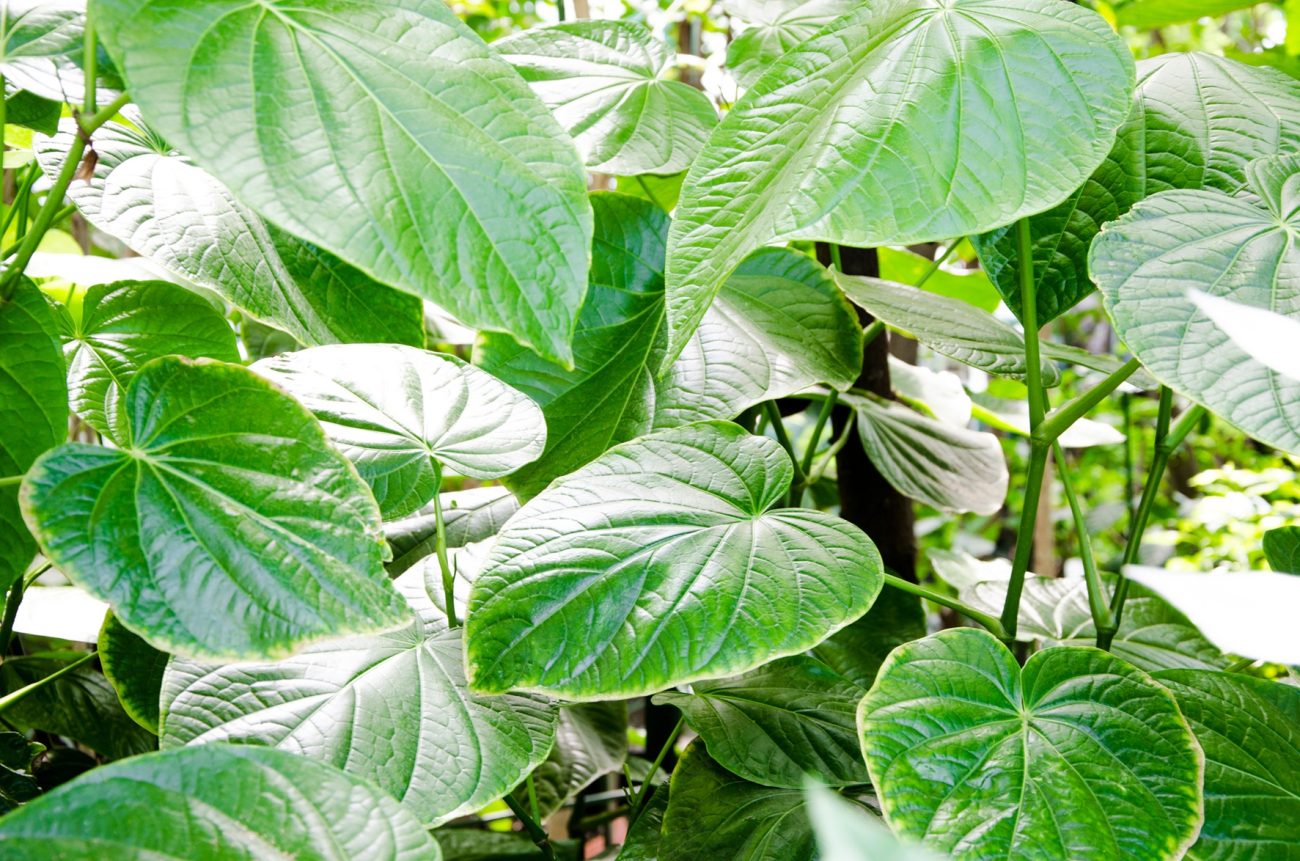
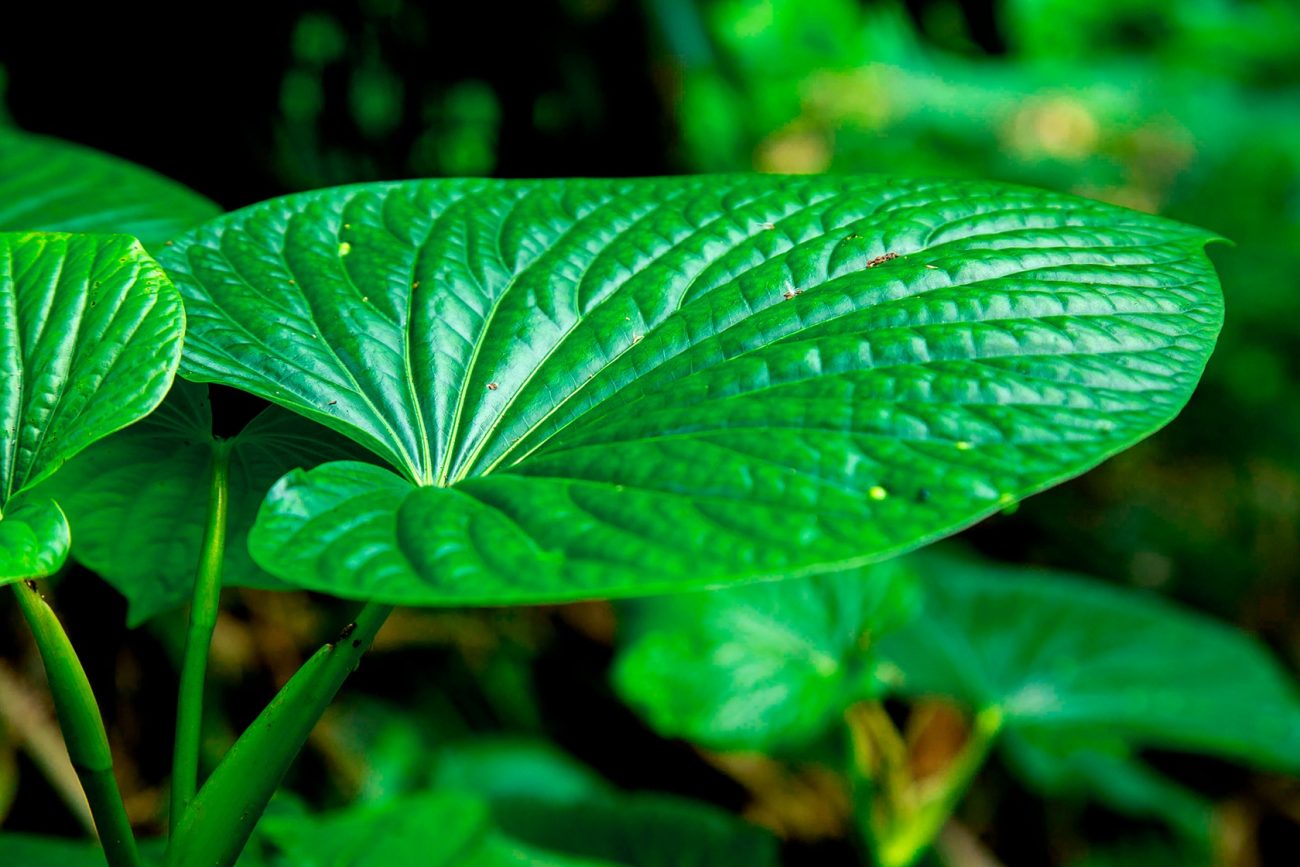
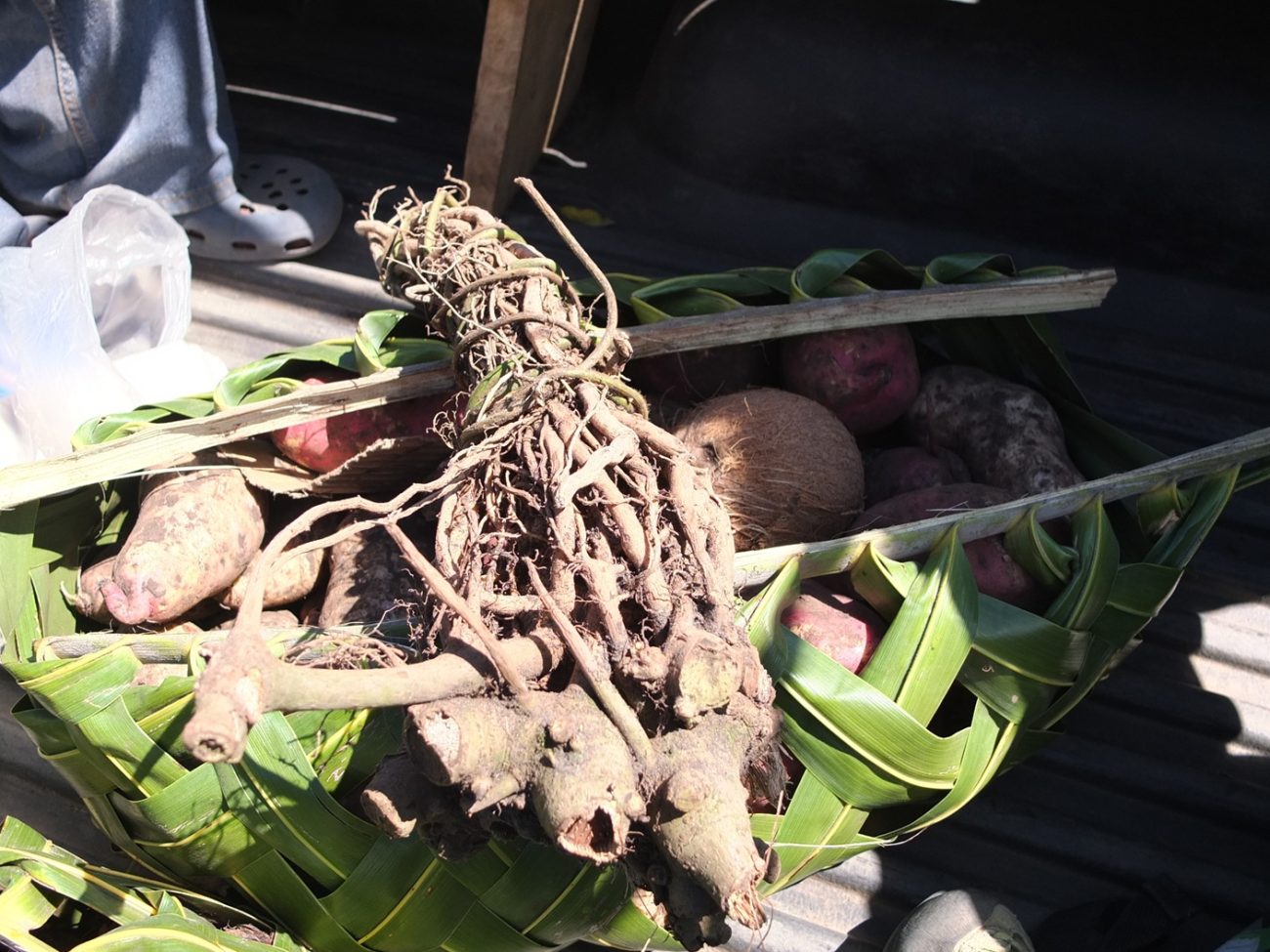
The dried roots of kava (Piper methysticum) were used to prepare an extract.
Aim of this kava study
The aim was to explore the efficacy and safety of kava in generalised anxiety disorder (GAD) and to look for genetic markers associated with the kava response.
Study method
It was a controlled, double-blind trial involving the chronic administration of kava or placebo over six weeks. There were one-week run-in phases, and a one-week observation following on from the study. Subjects were pre-screened for psychiatric disorders. The following tests were also made:
- Hamilton anxiety rating scale (HAMA)
- Beck anxiety inventory (BAI)
- Baseline depression screening
- Drug, alcohol, medication check
- General health questionnaire
- Safety checklist
- Liver function tests
- Single nucleotide polymorphisms (SNPs) tests for GABA and noradrenalin transporters.
The study was carried out in Australia.
Herbal preparation
Kava (Piper methysticum) was prepared as a tablet. Kava root was dried and an extract prepared and standardised to 60 mg of kavalactones per tablet. The daily dose was 120 mg of kavalactones (one 3 g tablet twice per day) in the first three-week controlled phase. This was increased to 240 mg in nonresponsive individuals.
The placebo tablets were identical. The kava tablets were analysed by an independent laboratory and contained: dihydrokavain (15.5 mg, 26%), kavain (12.5 mg, 21%), dihydromethysticin (11 mg, 18%), methysticin (8.5 mg, 14%), yangonin (8 mg, 13%), and desmethoxyyangonin (5 mg, 8%).
Sample size
Adults (male and female) between 18 and 65 years old were recruited with diagnosed general anxiety disorder (GAD). Those with depression were excluded, and there were other exclusion criteria.
Forty-eight participants completed the study, with 79% female participants, and an average age of around 30 years. Other baseline characteristics were not significantly different between kava and placebo groups.
Results of study
Kava significantly reduced anxiety scores compared to placebo (p=0.046), reducing the scores by -7.6 points compared to -4.2 for the placebo. Around a quarter (26%) of the kava group were classified as having remitted (according to HAMA) compared to 6% of those in the placebo group (p=0.04). These were deemed large effects.In the genetic tests, the study noted for the kava group there were GABA transporter polymorphisms rs2601126 (p=0.021) and rs2697153 (p=0.046) that were associated with the anxiety reduction.
For safety, kava was well tolerated although more headaches were reported in this group. There were no changes to liver enzymes over the course of the study, a known toxicity risk for kava.
Discussion

The study explored the use of a kava extract for the treatment of GAD. There was a significant reduction in anxiety scores over the six-week study period, and the authors observed this to be a large effect size.
In their methodology to review patient responses after three weeks, and titrate up to a higher dose, they observed that 37% of the kava group responded well but the majority of participants entered the higher dose regimen. This was a useful step and highlights the complexity of treating anxiety and the need for closer participant monitoring in the research that is carried out.
The analysis of genes suggested an association with the GABA transporter gene, and the effects of the active compound kavalactone on GABA is known (see author’s citation). Their results also suggest that other neurological pathways may be involved in the response to kava.
In a more recent study by the same authors, they repeated the work over a longer treatment period of 16 weeks, there were no effects of 120 mg kavalactones twice/day in GAD patients, and no change in the GABA gene (2). It is unclear why there was a dramatic lack of effect, aside from the longer time frame, but in a similar mid-way review, fewer patients in the CBD group were responding at all.
A previous systematic review that pooled the results of seven studies concluded that the anxiolytic effects of kava were significant compared to placebo, although this review was published in 2002 (3). Therefore, in the light of newer randomised controlled trials, a systematic review could be updated and be of benefit in this field of research.
Conclusion
Kava (Piper methysticum) extract (with 120–240 mg of kavalactones) is an effective treatment for GAD when given for six weeks. The involvement of GABA gene interaction may provide part of kava’s mechanism of action. Although kava is withdrawn from medical use in many international markets due to its risk of liver toxicity, the authors note that extracts are still available in the US, Australia and South Pacific Islands.
References
- Sarris J, Stough C, Bousman CA, Wahid ZT, Murray G, Teschke R, Savage KM, Dowell A, Ng C, Schweitzer I. Kava in the treatment of generalized anxiety disorder: a double-blind, randomized, placebo-controlled study. J Clin Psychopharmacol. 2013 Oct;33(5):643-8. doi: 10.1097/JCP.0b013e318291be67.
- Sarris J, Byrne GJ, Bousman CA, Cribb L, Savage KM, Holmes O, Murphy J, Macdonald P, Short A, Nazareth S, Jennings E, Thomas SR, Ogden E, Chamoli S, Scholey A, Stough C. Kava for generalised anxiety disorder: A 16-week double-blind, randomised, placebo-controlled study. Aust N Z J Psychiatry. 2020 Mar;54(3):288-297. doi: 10.1177/0004867419891246.
- Pittler MH, Edzard E. Kava extract for treating anxiety. Cochrane Database Syst Rev. 2001;(4):CD003383. doi: 10.1002/14651858.CD003383. Update in: Cochrane Database Syst Rev. 2002;(2):CD003383. doi: 10.1002/14651858.CD003383.