







Specifications, supplier checks, sampling and wild-harvest due diligence: Marin Anastasov offers a practical guide to sourcing herbs from China, moving from transaction to stewardship.
China holds a leading position in the global medicinal and aromatic plant (MAP) trade. Using the internationally comparable HS 1211 category, China accounted for 23.5% of global MAP exports by value in 2023, with exports worth $982.5 million—more than twice India’s (1). It is also home to one of the world’s oldest continuously practised herbal traditions, traditional Chinese medicine (TCM), which informs herbal medicines, food supplements, teas, cosmetics and natural products.
A sound sourcing decision, from China or elsewhere, should answer four questions:
- Is it the right plant?
- Is it of the right quality?
- Can we demonstrate where it came from and how it was produced?
- Can the supply chain continue without damaging plant populations, the environment or the people who depend on them?
The more precisely these questions are answered, the more meaningful “traceability” becomes.
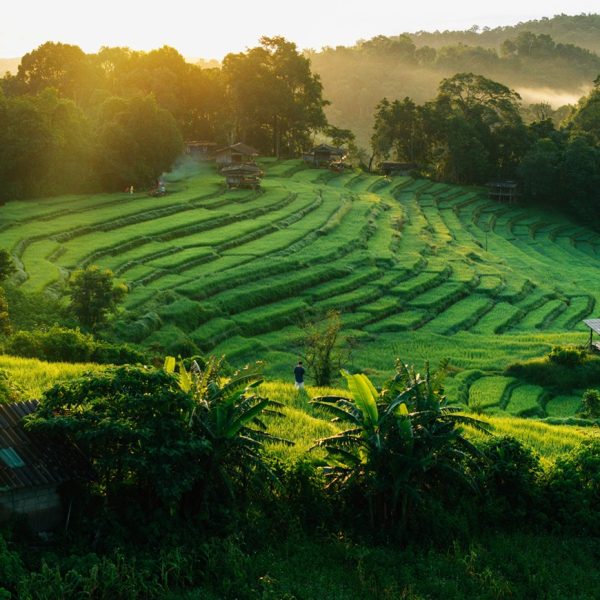
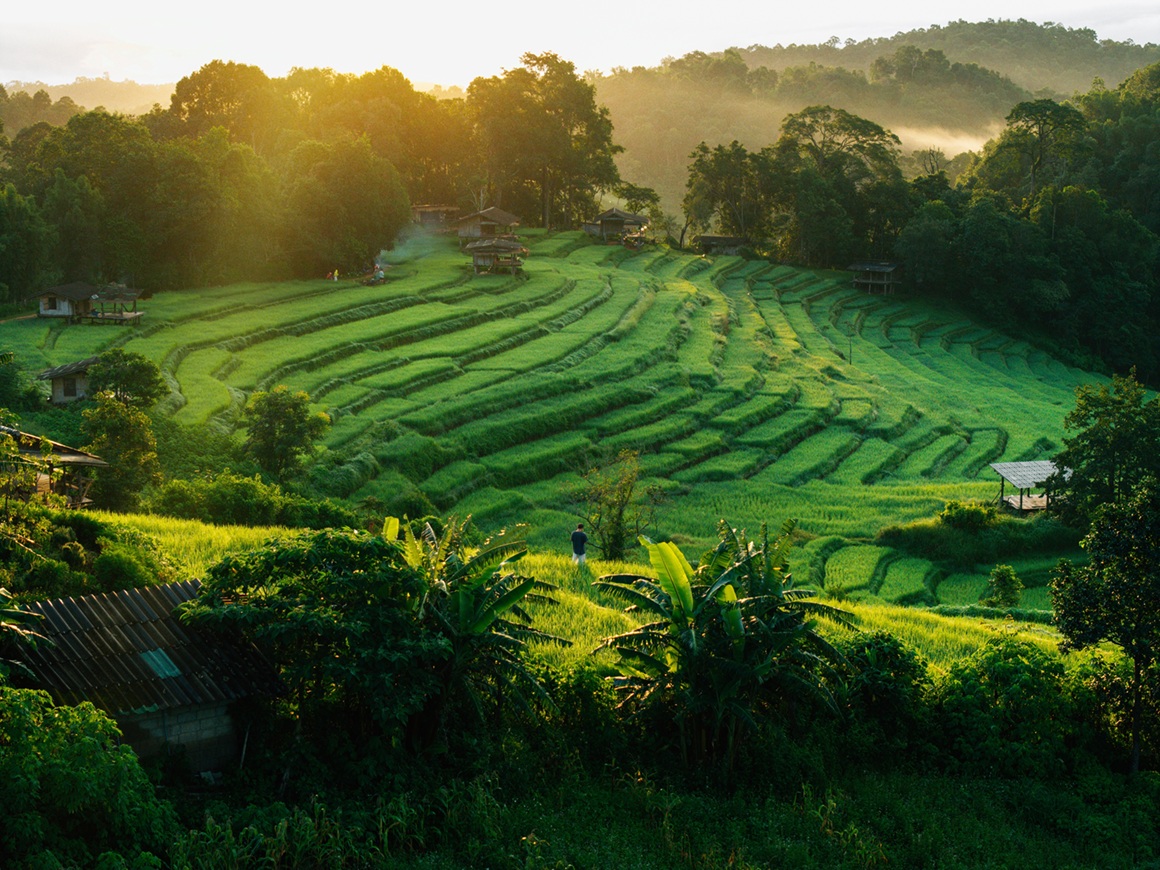
Origin matters: China is not one growing region
“Origin: China” says little about a medicinal plant’s actual provenance. China encompasses enormous variation in climate, altitude, rainfall, soils and agricultural systems, all of which can influence morphology, phytochemistry, harvest periods and contaminant risks. Cui et al. (202), for example, reported significant regional variation in glycyrrhizic acid content in liquorice root (Glycyrrhiza uralensis) (2).
Chinese herbal medicine has long recognised geographical quality through the concept of dao di yao cai — medicinal materials associated with particular production areas and traditionally regarded as having characteristic quality. A useful sourcing specification should therefore record not simply the country, but where possible the province, county or production area, cultivation or collection site, harvest year, and even farm or producer group.
Start with an accurate botanical specification
A medicinal-plant specification should define the accepted Latin binomial, botanical authority where appropriate, family, plant part, origin, cultivated or wild status, physical form and required processing. Depending on the herb and market, it may also specify identity tests, foreign matter, moisture or loss on drying, ash, extractives, marker compounds, essential-oil content, particle size and organoleptic characteristics.
Pharmacopoeial monographs provide valuable quality frameworks, but they do not replace buyer-specific requirements. Specifications should state test methods and acceptance limits rather than simply request a Certificate of Analysis. “Pesticides: pass”, for example, is of limited value unless both parties know the pesticide panel, analytical method and applicable limits.
Processing terminology also matters. “Dried root” may conceal washing, peeling, slicing, sulphur treatment, steaming or other processing. Chinese pao zhi methods using heat, water, wine, vinegar, honey or other substances can intentionally alter herbal materials.
Qualify the supplier and the supply chain
Supplier qualification begins by establishing the company’s role: grower, cooperative, processor, extraction facility, exporter, trader or buyer from regional wholesale markets. But most importantly, what value do they add in the supply chain, and do they increase transparency or obscure it? Traders can add valuable consolidation, logistics and quality-control expertise; the risk is an illusion of traceability that stops at the trader’s warehouse.
Supplier declarations can document production sites, upstream suppliers, quality systems, certifications, drying and storage, pest control, traceability and subcontracting. Ideally these claims are verified by visits extending upstream to farms or wild-collection sites. Practical questions include what grew in the field previously, irrigation water, crop-protection products, harvest timing, drying speed and surfaces, storage, and risks of species mixing.
Price also deserves scrutiny. Low cost may reflect efficiency and scale, but it can also transfer pressure to farmers, collectors, labour, environmental management or quality controls. Conversely, paying a premium does not automatically create sustainability. Longer-term relationships are valuable when they give producers confidence to invest in soil fertility, propagation material, drying infrastructure and training.
Sampling and testing
Sampling is an underestimated procurement risk. Pre-shipment approval should be separated from final lot release: photographs, representative samples, supplier CoAs and laboratory results may be reviewed before shipment, but the landed material should still match the approved sample and specification. Contracts should define what happens if it does not.
Botanical materials are heterogeneous, so laboratory data are meaningful only when the tested sample represents the lot. The “square root plus one” approach is often used: for a 25-bag lot, for example, at least six bags would contribute to a consolidated sample. Higher-risk or higher-value ingredients may justify independent sampling or testing.
Good Agricultural and Collection Practices (GACP) embody the principle that quality must be built into herbal starting materials from cultivation or collection onwards. Testing should verify a controlled supply chain, not substitute for one.
Sustainability and wild collection
Organic certification can provide a useful framework by restricting many synthetic inputs and requiring documented production and external oversight. Yet an organic herb can still be misidentified, poorly dried or stored, or socially opaque. Responsible sourcing therefore layers botanical identity, traceability, agricultural practice, residue and microbiological monitoring, contaminant control, appropriate processing and storage, and social and environmental due diligence.
Wild collection adds further complexity, particularly when many collectors supply village aggregators. Buyers should understand who determines harvest levels, how collectors are trained and compensated, and whether harvesting supports long-term population viability. In China, responsibility for protected wild plants is distributed among authorities according to species, protection status and location.
The National Forestry and Grassland Administration and agricultural/rural-affairs authorities have principal roles, with provincial and county authorities implementing controls. Nationally protected species are subject to permit systems. Where FairWild is used, requirements extend to population maintenance, legal compliance, collector and worker rights, fair arrangements and community benefits.
Contaminants
Contaminants also require upstream investigation. Pesticide residues may arise from misuse, spray drift, historic land use, storage treatments or supply-chain mixing. Heavy-metal uptake varies by species, soil, environment and plant part, so testing for lead, cadmium, mercury and arsenic should be complemented by attention to soil and water. Sulphur dioxide fumigation has historically been used for some Chinese MAPs, especially moist, starchy roots and rhizomes vulnerable to slow drying or mould. The 2020 Chinese Pharmacopoeia includes a general SO₂ residue limit of 150 mg/kg, with 400 mg/kg permitted for certain materials (3).
Non-native medicinal and aromatic crops in China
China has also developed and trialled non-native medicinal and aromatic crops. English lavender (Lavandula angustifolia), native to the Mediterranean region, was introduced from France into China in the mid-twentieth century, and the Yili River Valley became the country’s principal lavender-producing region. Chinese research institutions, including the Institute of Botany of the Chinese Academy of Sciences, have undertaken introduction, selection and breeding, including work on essential-oil characteristics. Cultivars include ‘Jingxun 1’, ‘Jingxun 2’ and ‘Jingxun 3’; more recent research has continued to examine lavender breeding and terpenoid production (4).
Chinese researchers have also trialled Mediterranean aromatic plants in Heshuo, Xinjiang, and Shanghai. Lei (2004) compared the climates of source regions and Chinese growing areas and evaluated transplantation and cultivation performance (4). Species included Mediterranean thyme (Thymus vulgaris), hyssop (Hyssopus officinalis), Roman chamomile (Chamaemelum nobile) and German chamomile (Matricaria chamomilla), alongside lavender and other European aromatic plants. These examples illustrate that China’s MAP sector is not limited to traditional Chinese species but also includes deliberate adaptation of introduced crops.
Challenges and opportunities in sourcing MAPs from China
| Challenges | Why it matters when sourcing from China | Practical sourcing implication |
|---|---|---|
| 1. Pesticide, heavy-metal and contaminant residues | Pesticides, heavy metals, mycotoxins and SO₂ remain recognised quality-control issues in Chinese medicinal materials. Recent research continues to find considerable variation among materials. | Require lot-specific testing against the destination market’s limits—not merely a supplier COA. |
| 2. Adulteration, substitution and inconsistent identity | China’s government explicitly identifies adulteration/substitution as an issue requiring stronger market surveillance. | Require botanical authentication, preferably combining macroscopy/microscopy + chromatographic fingerprinting and DNA methods where appropriate. |
| 3. Phytochemical variability by geography and harvest | The same species can have substantially different active/marker profiles depending on growing region, soil, climate, harvest time and processing. | Avoid only “Species X, China.” Define origin + plant part + harvest + marker/fingerprint specification. |
| 4. Traceability through fragmented supply chains | Traditional supply chains can involve growers, collectors, local traders, processing facilities and wholesale markets. China is actively developing end-to-end traceability; its national platform already tracks 113 commonly used herbs across 100+ key enterprises, indicating both the problem and the direction of improvement. | Prefer farm/base-direct sourcing, GACP operations, documented chain of custody and batch traceability rather than anonymous wholesale-market material. |
| 5. Sustainability / wild-harvesting / regulatory exposure | Some MAP species are wild collected or conservation-sensitive. CITES estimates roughly 1,280 MAP species globally are CITES-listed, while overharvesting and illegal/unregulated trade remain concerns (5). China also restricts wild harvest of particular medicinal species — for example, wild whole-plant harvesting of rhodiola (Rhodiola rosea) is prohibited. | Determine wild vs cultivated status, CITES/protected status, permits and chain of custody before contracting. |
| Opportunity | Why China is attractive | What a buyer can do with it |
|---|---|---|
| 1. Exceptional scale and breadth of botanical supply | China’s medicinal-material planting area has reached approximately 3.33 million hectares (50 million mu) — roughly double the level a decade earlier (6). | Consolidate a broad botanical portfolio within one sourcing country and potentially improve purchasing leverage. |
| 2. Established specialised growing regions | China has developed seven major regions specialising in authentic medicinal materials. | Source by specific terroir/Daodi region, rather than buying generic “China origin,” to target more consistent phytochemical profiles. |
| 3. Large, sophisticated extraction industry | China’s plant-extract exports reached US$1.54 billion in H1 2025, up 3.8% YoY. The US alone imported about US$320m, much of it for dietary supplements. | Source not just crude herbs but standardised extracts, essential oils, oleoresins and higher-value botanical ingredients. |
| 4. Improving GACP, testing and traceability infrastructure | China is promoting GACP cultivation, international quality-system certification, third-party testing and full-chain traceability. | Develop farm-to-factory strategic partnerships with qualified producers instead of relying on commodity traders. |
| 5. Ability to source differentiated phytochemical profiles | China’s enormous geographic and climatic diversity means the same species can be sourced from different production regions with different phytochemical characteristics. | Turn variability from a problem into an advantage: select regions/cultivars specifically for target marker compounds, essential-oil profiles or extraction yield. |
Traceability is ultimately about relationships
Documentation — specifications, certificates, transaction records and laboratory reports — is essential, but strong supply chains also depend on long-term human relationships. Visiting production areas can reveal what paperwork cannot: neighbouring spray-drift risks, drying beside roads or other contamination sources, inadequate segregation, or discrepancies between written procedures and everyday practice.
Many Chinese suppliers operate in a highly transactional way, and perhaps the greatest opportunity when sourcing medicinal plants from China is to move beyond a transactional model or move from transaction to stewardship. Partnerships among growers, collectors, processors, scientists, practitioners and buyers can support cultivation of species under pressure, better drying facilities, reduced plastic use, soil-building rotations, biodiversity monitoring, improved propagation and multi-year purchasing arrangements that offer growers greater security.
A dried root, seed, flower or berry is the endpoint of an ecological and human story. Propagation material was selected; a crop was tended or a wild plant collected; soil, rain and climate shaped its chemistry; and many hands harvested, cleaned, dried, sorted, packed, tested and transported it. Responsible sourcing means making that story visible. China offers extraordinary botanical knowledge, agricultural expertise and medicinal-plant diversity. The challenge for the international herbal community is to engage with that resource respectfully, asking better questions, demanding meaningful traceability, rewarding CACP, and recognising that quality, ecology and livelihoods cannot ultimately be separated.
References
- Zamani S, Fathi M, Ebadi MT, Máthé Á. Global trade of medicinal and aromatic plants: a review. J Agric Food Res. 2025;21:101910. https://doi.org/10.1016/j.jafr.2025.101910
- Cui X, Lou L, Zhang Y, Yan B. Study of the distribution of Glycyrrhiza uralensis production areas as well as the factors affecting yield and quality. Sci Rep. 2023;13:5160. https://doi.org/10.1038/s41598-023-31946-5
- Xu W, Jin H, Wang Y, Wei F, Liu J. Sulfur fumigation of botanical drugs: impact on chemical composition and pharmacological properties, and advances in detection technologies. Front Pharmacol. 2025;16:1635850. Published 2025 Jul 18. https://doi.org/10.3389/fphar.2025.1635850
- Zhang Y, Wang D, Li H, Bai H, Sun M, Shi L. Formation mechanism of glandular trichomes involved in the synthesis and storage of terpenoids in lavender. BMC Plant Biol. 2023;23(1):307. https://doi.org/10.1186/s12870-023-04275-y
- Convention on International Trade in Endangered Species of Wild Fauna and Flora (CITES). Medicinal plants. CITES. Accessed November 5, 2026. https://cites.org/eng/prog/medplants
- Production of traditional Chinese medicinal materials increases steadily. The State Council of the People’s Republic of China. March 21, 2025. Accessed November 5, 2026. https://english.www.gov.cn/news/202503/21/content_WS67dd080fc6d0868f4e8f108a.html
- Lei Y. Research on the introduction and transplanting of aromatic plants from the Mediterranean region to Heshuo Xinjiang and Shanghai China. Acta Hortic. 2004;629:261-271. https://doi.org/10.17660/ActaHortic.2004.629.33