





An evidence-based overview of gallstones, covering epidemiology, pathophysiology, risk factors, clinical features, and integrative herbal and lifestyle approaches to management.
Understanding gallstones
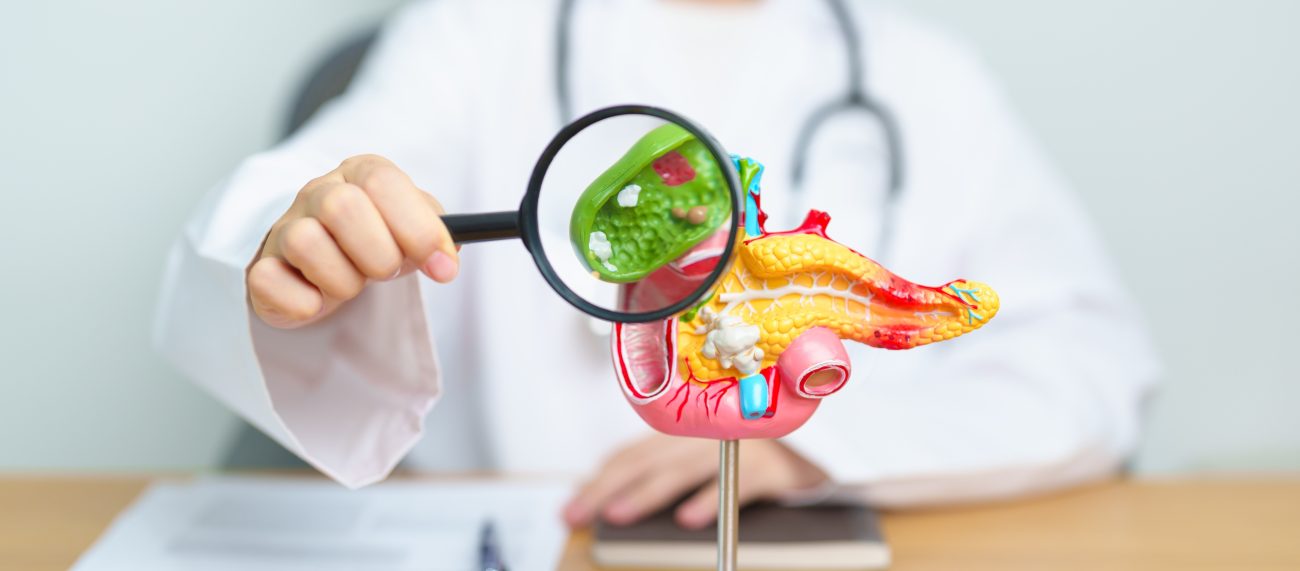
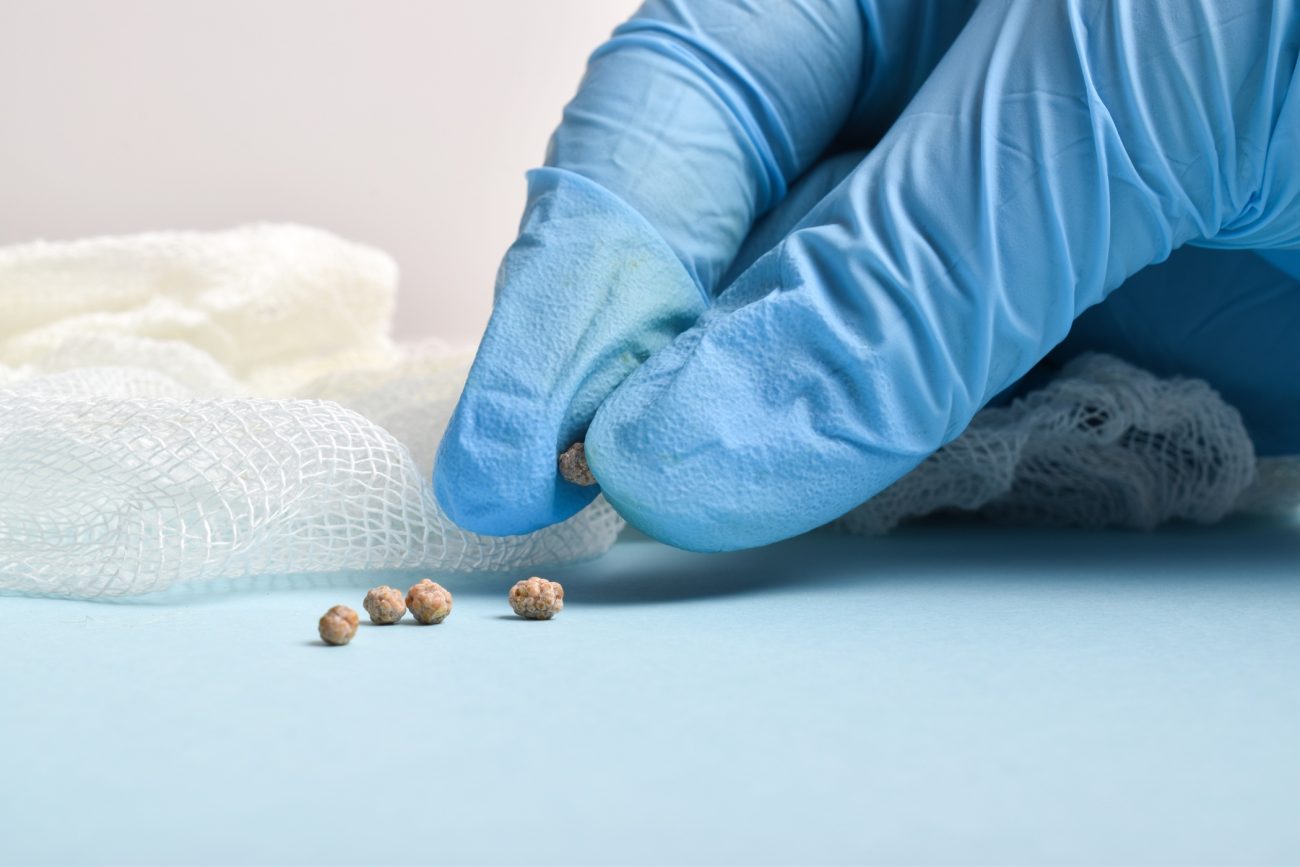
Gallstones, or cholelithiasis, are small, hard deposits that build-up over time and can be found in the gallbladder and may migrate to the bile ducts (1). Many people will be unaware they have them, but abdominal pain will be felt if a bile duct is blocked by a gallstone (1).
Gallstones are usually composed of cholesterol that has precipitated out of the bile, but a second type called pigment stones can also form, these are primarily composed of calcium bilirubinate derived from bilirubin metabolism (2). This article will focus on cholesterol stones.
Around 10–15% of adults in Europe and the US, and 6% of the population globally, have gallstones (3,4). Gallstones are three times more common in women compared to men, and especially in women who have a high body weight and have had children (5). Due to a shift in dietary choices including an increase in refined carbohydrates and sugar often found in processed food and reduction in fibre, the frequency of gallstones in younger women and teenagers is increasing (5).
How do gallstones work?
The liver produces a yellow-greenish substance called bile, that consists of 95% water, as well as bile salts, cholesterol, bilirubin, enzymes, vitamins, amino acids, steroids and heavy metals (6,7). Bile produced by the liver is either stored or concentrated in the gallbladder or released directly into the small intestine, where it :
- facilitates the digestion and absorption of fat
- promotes the excretion of bilirubin and cholesterol
- or, remains in the gallbladder, where it is concentrated and stored (6,7).
Cholesterol gallstones are the most common type and are found in the gallbladder; they account for over 90% of cases in Global North countries (8). They occur for three reasons:
- The bile is too thick: The initial stage is referred to as “biliary sludge”, where a viscous mixture of calcium deposits, glycoproteins, and cholesterol crystals occur (9). This can (but not always) lead to gallstone formation (10). When bile becomes ‘supersaturated’ with excess cholesterol, cholesterol crystals can form and contribute to stone formation in the gall bladder (9).
- Gallbladder stasis: If the gallbladder does not contract, then the bile sits around for longer, allowing the cholesterol to form clumps (11).
- Excess mucus in the gallbladder: If there’s too much mucus, this can trap cholesterol crystals also allowing clumps to form (11).
The rarer, pigment gallstones (brown and black), can occur anywhere along the biliary tract (2). These may form due to elevated bilirubin levels in bile. Black stones are associated with haemolytic disorders and cirrhosis, whilst brown pigment stones are associated with infection and stasis (11).
The root causes of gallstones
Risk factors for gallstones are multifactorial, with an interplay between genetic, environmental and lifestyle elements (12).
Genetic
Women have a two to three times higher incidence of gallstones compared to men (13). In the USA, Native American and Hispanic populations have the highest prevalence of gallstones, owing to genetic predisposition in combination with socioeconomic triggers disproportionately affecting these communities (13).
Increasing age is a major risk factor, with those over 40 being at greater risk of developing gallstones. This is due to age related changes in bile composition and gallbladder motility which can lead to increasing levels of biliary cholesterol (12).
Lifestyle
Diets high in refined sugars and carbohydrates and low in fibre are associated with an increased risk of gallstones (13). Reduced physical activity increases the risk of gallstone formation (12,14). The relationships between alcohol and smoking, and gallstone formation remains inconclusive (12).
Other conditions
Having other conditions also predisposes people to gallstones, these include: diabetes, blood disorders (sickle cell anaemia or leukaemia), liver disease, chronic hepatitis C, liver cirrhosis, Crohn’s disease (12). Obesity is a major risk factor for gallstones in both genders — those with a BMI over 30 are at a greater risk (12,13).
Medications taken for other conditions/effects can increase the risk of gallstones, these include: Somatostatin analogue (octreotide), glucagon-like peptide-1 analogues (GLP-1), ceftriaxone, HRT and oral contraceptives (12,13).
Brown pigment stones can form due to bile stasis coupled with an infection within the biliary tract; infections include Streptococcus faecalis, Clostridium spp., Bacteroides spp. (15).
Signs and symptoms
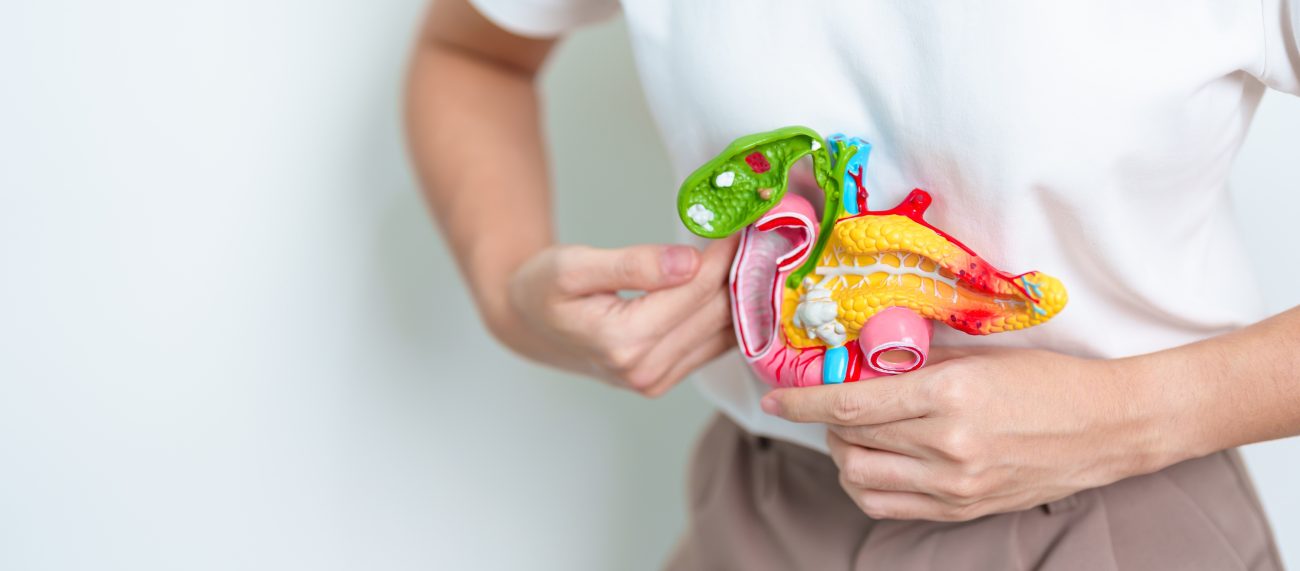
Gallstones often remain asymptomatic in around 80% of cases and are only detected during other procedures or even in autopsy (8,9). When the disease becomes symptomatic this is usually due to the gallbladder becoming inflamed or a stone temporarily obstructing the cystic duct (9).
Pain is the main symptom of gallstones. When it occurs, it is often:
- Severe
- Constant
- Lasts from 30 minutes up to several hours
- Located in the upper abdomen, beneath the epigastrium or ribcage
- Accompanied by nausea or vomiting (1,16).
If the pain spreads to just under the ribs on the right hand side, in the right shoulder, or between the shoulder blades, or is accompanied by a temperature, fever, or yellowing eyes or skin, emergency help is needed (1).
In severe cases, patients may go on to develop gallstone pancreatitis, gallbladder perforation or other gallbladder diseases, but these are less common (9).
Herbal treatment for gallstones
Herbal approaches to gallstones are only attempted if the gallstones (i) are not calcified, (ii) the tube connecting the gallbladder to the common bile duct (cystic duct) is unobstructed, and (iii) the patient does not require urgent surgery (10).
Bitter herbs
Bitters provide general digestive support and restoration (10,17). Specifically, they stimulate the production of gastrin as soon as they are consumed, which then stimulates other gastric juices and increases bile flow. Bitters can also dilute and improve the quality of bile (18). This has the effect of reducing the viscosity of the bile and therefore making stone formation less likely (18).
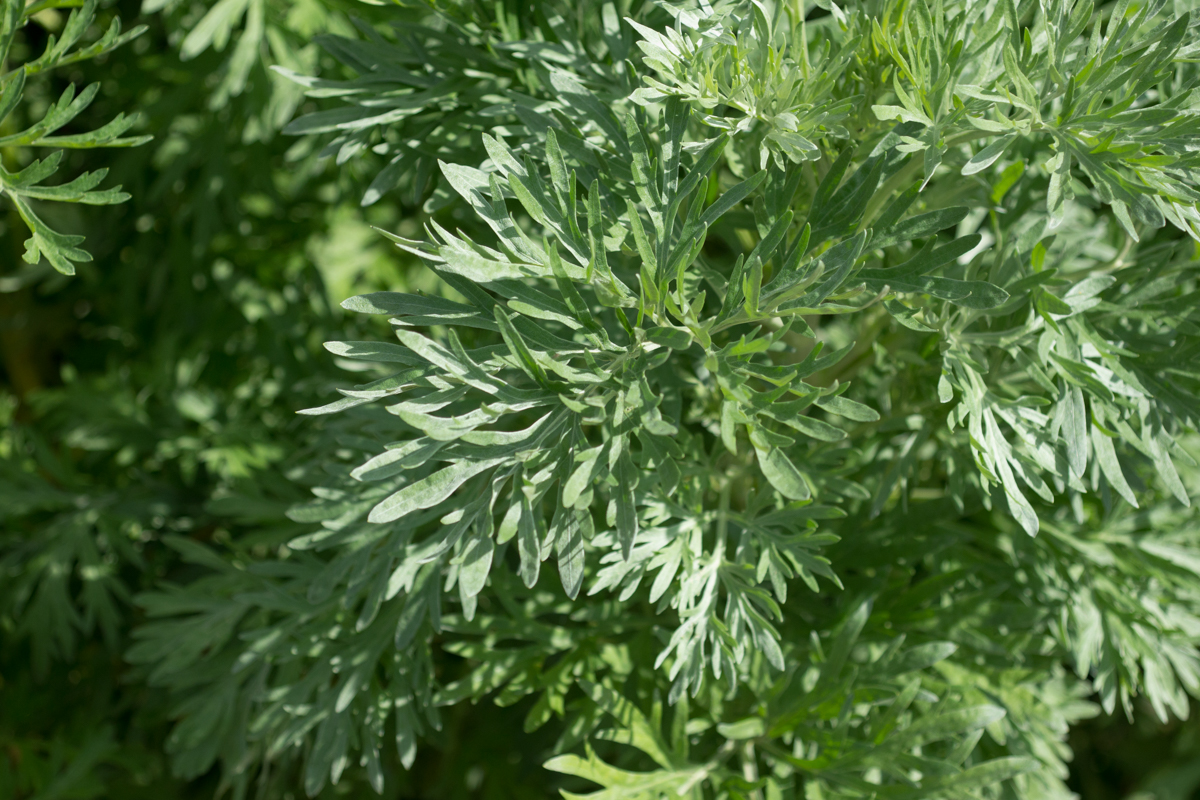
Wormwood’s (Artemisia absinthium) bitter taste is due to sesquiterpene lactones. It has been shown to stimulate bile production in humans (18) as well stimulate the secretion of bile acids (19).
Gentian (Gentiana lutea) is one of the strongest bitters. It contains three major iridoid bitter compounds: Amarogentin, gentiamarin and gentiopicrin (18), and increases bile secretion (20).
Centaury (Centaurium erythraea) is another strong bitter that has traditionally been used in the UK and Europe for supporting the gallbladder, in particular bile production, via its bitterness. Secoiridoid glucosides are the main constituent responsible for the bitterness (21).
Choloretic and cholagogue herbs
Choloretic herbs increase bile production and cholagogues improve the motility of bile in the gallbladder. Cholagogues should not be used when painful gallstones are present.
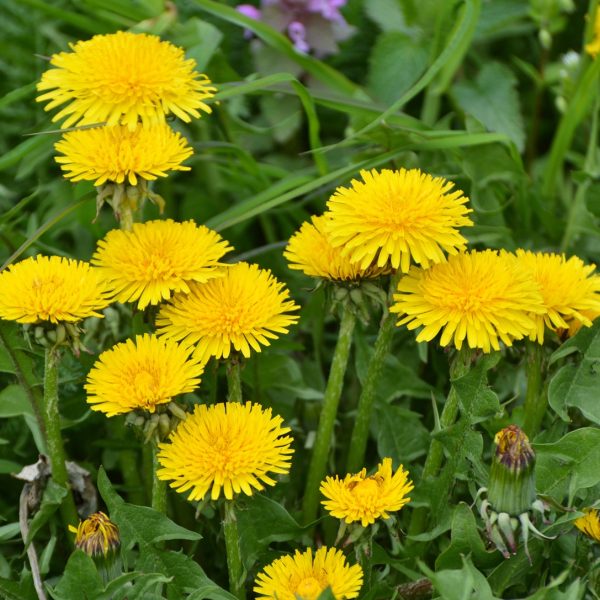
Dandelion (Taraxacum officinale) whilst being bitter, is also choleretic. The constituents responsible for its choleretic actions are the sesquiterpene lactones, especially taraxinic acid, taraxasterol and taraxacin (22). The sesquiterpene lactones have been shown to stimulate and increase bile flow as well as improve the movement of the solvent (bile) around the stone to help dissolve it (23).
The constituent silymarin found in milk thistle (Silybum marianum) is one of the most widely studied herbal cholagogues (24) with silibinin making up 70% of silymarin. Milk thistle has been found to work hepatically in a number of ways, but in terms of gallstones, the silibinin content increases bile salts (detergents that emulsify fats) and decrease concentrations of cholesterol — making bile less dense and reducing the risk of stone formation (25).
Greater celandine (Chelidonium majus) has been used widely in folk medicine for treating liver conditions, including gallstones (26). An estimated 1500 people have been involved in clinical trials testing the effect of greater celandine in gastrointestinal/liver complaints, with positive effects (26). The alkaloid chelidonine is largely considered responsible for the plant’s cholagogue and choleric actions (26). Greater celandine is a restricted herb in the UK and should only be used by qualified herbal practitioners due to concerns around hepatotoxicity.
Peppermint (Mentha x piperita) also possesses cholagogue and choleretic properties (24,27). The constituents menthol, menthone and isomenthone are antispasmodic in the gastrointestinal tract (24) potentially relaxing the gallbladder and therefore allowing it to support biliary function and reduce spasm. Mint can also upregulate genes and receptors involved with the synthesis and production of bile acid, potentially explaining its choleretic properties (24).
Holistic solutions
Dietary
To lower the risk of gallstones, a diet high in fibre, fish oil, fruit and vegetables is recommended (28). A prospective study has shown that following a Mediterranean diet can reduce the risk of developing symptomatic gallstones (29).
To keep the gallbladder functioning well and to avoid the formation of stones, bitter tasting foods are encouraged, such as dandelion leaves, fresh mint leaves, radishes, lemons, limes, rocket, watercress, basil, cabbage and turmeric (30).
Traditional advice for managing symptoms associated with the gallbladder is to avoid fatty food; however, whilst this might be found anecdotally to improve symptoms there is limited or weak evidence to support this recommendation (28).
Cholesterol levels in bile are influenced by the time of day, with the highest concentrations occurring at night, therefore if the gallbladder is emptied in the morning and throughout the day, it reduces the chances of gallstone formation (28). One study has found that having regular meals (but not grazing) and having breakfast before 9am (avoiding intermittent fasting) reduced the likelihood of gallstone formation (31).
Green tea has been shown in a population-based study to reduce the risk of gallstones by 27%, particularly for women (32).
Physical activity
Lower levels of physical activity and extended periods of sitting are associated with a higher risk of gallstone formation (28), therefore increased exercise and desk-breaks are recommended.
References
- Gallstones. NHS. Published October 24, 2017. Accessed April 21, 2026. Available at: https://www.nhs.uk/conditions/gallstones/
- Trotman BW. Pigment gallstone disease. Gastroenterol Clin North Am. 1991;20(1):111-126.
- NICE. Prevalence | Background information | Gallstones. NICE Clinical Knowledge Summaries. Published 2026. Accessed April 21, 2026. Available at: https://cks.nice.org.uk/topics/gallstones/background-information/prevalence/
- Wang X, Yu W, Jiang G, et al. Global epidemiology of gallstones in the 21st century: a systematic review and meta-analysis. Clin Gastroenterol Hepatol. 2024;22(8):1586-1595. https://doi.org/10.1016/j.cgh.2024.01.051
- Guts UK. Gallstones: symptoms, causes and treatment. Accessed April 21, 2026. Available at: https://gutscharity.org.uk/advice-and-information/conditions/gallstones/
- Newman T. What is bile, and what does it do? ZOE. Published 2024. Accessed April 23, 2026. Available at: https://zoe.com/learn/bile-what-it-is-and-what-it-does?srsltid=AfmBOooM_SEESV5FR3AVlNZWKImCfhH2_Ep9K-9t2pKZEsBjphR–L5b
- Almajid AN, Sugumar K. Physiology, bile. In: StatPearls. Treasure Island, FL: StatPearls Publishing; 2026. Accessed April 23, 2026. Available at: http://www.ncbi.nlm.nih.gov/books/NBK542254/
- NICE. Definition | Background information | Gallstones. NICE Clinical Knowledge Summaries. Published 2026. Accessed April 23, 2026. Available at: https://cks.nice.org.uk/topics/gallstones/background-information/definition/
- Afamefuna S, Allen S. Gallbladder disease: pathophysiology, diagnosis, and treatment. Gastroenterology. 2013;38(3):33-41.
- Bone K, Mills S. Principles and Practice of Phytotherapy: Modern Herbal Medicine. 2nd ed. Elsevier; 2018.
- Osmosis. Gallstones: video, causes, & meaning. Published 2026. Accessed April 23, 2026. Available at: https://www.osmosis.org/learn/Gallstones
- Pak M, Lindseth G. Risk factors for cholelithiasis. Gastroenterol Nurs. 2016;39(4):297-309. https://doi.org/10.1097/SGA.0000000000000235
- NICE. Risk factors | Background information | Gallstones. NICE Clinical Knowledge Summaries. Published 2026. Accessed April 23, 2026. Available at: https://cks.nice.org.uk/topics/gallstones/background-information/risk-factors/
- The relation of physical activity to risk for symptomatic gallstone disease in men. Ann Intern Med. 1998;128(6). Available at: https://www.acpjournals.org/doi/10.7326/0003-4819-128-6-199803150-00001
- Vítek L, Carey MC. New pathophysiological concepts underlying pathogenesis of pigment gallstones. Clin Res Hepatol Gastroenterol. 2012;36(2):122-129. https://doi.org/10.1016/j.clinre.2011.08.010
- Johns Hopkins Medicine. Gallstones. Published 2025. Accessed April 23, 2026. Available at: https://www.hopkinsmedicine.org/health/conditions-and-diseases/gallstones
- Waddell G, ed. Plant Medicine: A Collection of the Teachings of Herbalists Christopher Hedley and Non Shaw. Aeon Books; 2023.
- Yarnell E, Heron S. Retrospective analysis of the safety of bitter herbs with an emphasis on Absinthium L. (wormwood). J Naturopathic Med. 2000;9(1):32-39.
- Amat N, Upur H, Blazeković B. In vivo hepatoprotective activity of the aqueous extract of Artemisia absinthium L. against chemically and immunologically induced liver injuries in mice. J Ethnopharmacol. 2010;131(2):478-484. https://doi.org/10.1016/j.jep.2010.07.023
- Andryszkiewicz W, Chmielewska M, Ciecierska J, et al. Gentianaceae family-derived bioactive compounds-therapeutic values and supporting role in inflammation and detoxification. Nutrients. 2025;17(16):2619. https://doi.org/10.3390/nu17162619
- European Medicines Agency. Assessment report on Centaurium erythraea Rafn. s.l., herba. Published online 2015. Available at: https://www.ema.europa.eu/en/documents/herbal-report/assessment-report-centaurium-erythraea-rafn-sl-herba_en.pdf
- Schütz K, Carle R, Schieber A. Taraxacum: a review on its phytochemical and pharmacological profile. J Ethnopharmacol. 2006;107(3):313-323. https://doi.org/10.1016/j.jep.2006.07.021
- Serri R, Dehneh N, Ghannam M, Sirri MR. Synergistic effects of sesame oil, extra virgin olive oil, psyllium extract, and dandelion extract on cholesterol gallstone dissolution: an in vitro comparative study against Rowachol®. PLoS One. 2025;20(10):e0334496. https://doi.org/10.1371/journal.pone.0334496
- Spiridonov N. Mechanisms of action of herbal cholagogues. Med Aromat Plants. 2012;1. https://doi.org/10.4172/2167-0412.1000107
- Saviano A, Sicilia I, Migneco A, et al. The efficacy of a combination of milk thistle, artichoke, and green tea in the treatment of biliary sludge: an interventional prospective open study. Gastrointest Disord. 2024;6(4):871-884. https://doi.org/10.3390/gidisord6040061
- Zielińska S, Jezierska-Domaradzka A, Wójciak-Kosior M, Sowa I, Junka A, Matkowski AM. Greater celandine’s ups and downs-21 centuries of medicinal uses of Chelidonium majus from the viewpoint of today’s pharmacology. Front Pharmacol. 2018;9:299. https://doi.org/10.3389/fphar.2018.00299
- Arzani V, Soleimani M, Fritsch T, Jacob UM, Calabrese V, Arzani A. Plant polyphenols, terpenes, and terpenoids in oral health. Open Med (Wars). 2025;20(1):20251183. https://doi.org/10.1515/med-2025-1183
- Madden A, Flum D. Dietary management of gallstones: future possibilities. BDA. Published 2021. Accessed April 24, 2026. Available at: https://www.bda.uk.com/resource/dietary-management-of-gallstones-future-possibilities.html
- Wirth J, Song M, Fung TT, et al. Diet-quality scores and the risk of symptomatic gallstone disease: a prospective cohort study of male US health professionals. Int J Epidemiol. 2018;47(6):1938-1946. https://doi.org/10.1093/ije/dyy210
- AcuHealth. The wood element the gallbladder in TCM. Published 2025. Accessed April 24, 2026. Available at: https://www.acuhealthacupuncture.com.au/the-wood-element-the-gallbladder-in-tcm/
- Zhang H, Xu C, Zhu X, et al. Associations between temporal eating patterns and energy distribution patterns with gallstones: a cross-sectional study based on NHANES 2017–2018. BMC Public Health. 2024;24:2994. https://doi.org/10.1186/s12889-024-20512-x
- Zhang XH, Andreotti G, Gao YT, et al. Tea drinking and the risk of biliary tract cancers and biliary stones: a population-based case-control study in Shanghai, China. Int J Cancer. 2006;118(12):3089-3094. https://doi.org/10.1002/ijc.21748