









Last reviewed 02/03/2026
Sustainability status
Not currently on risk lists but complete data may be missing on the status of the species. Read more in our sustainability guide.

Avoid in pregnancy and lactation
Herbs are generally best-avoided in pregnancy, unless working with them under the guidance of a medical herbalist. However, some herbs pose a risk to pregnancy as they are potentially: toxic to the mother, toxic to the neonate, teratogenic (risk developmental malformation), may increase miscarriage risk, or could cause foetal distress leading to miscarriage or premature birth. Herbs with teratogenic, emmenagogue, or stimulant laxative actions are all contraindicated in pregnancy. Furthermore, herbs containing volatile oils, thujone, apiol, phyto-oestrogens also should be avoided.
During lactation, there is the possibility for transfer of plant compounds through the breast milk, which can have an effect (detrimental or beneficial) on the infant.
Please read the Safety section in this monograph.

Drug interactions
Herbs may interact with pharmaceutical medications through both pharmacokinetic and pharmacodynamic mechanisms. Pharmacokinetic interactions involve alterations in the absorption, metabolism, distribution, or excretion of a drug. Many herb–drug interactions occur through liver enzyme modulation: by inducing CYP enzymes — increasing drug concentration and toxicity risk; or by inducing CYP enzymes — decreasing drug concentration and therapeutic efficacy.
Pharmacodynamic interactions occur when herbs and drugs influence the same physiological systems. These interactions can cause synergistic, additive or antagonistic effects at the receptor or tissue level, enhancing or opposing the intended pharmacological action. The clinical consequences of herb-drug interactions can be complex and nuanced. Consultation with a medical professional is, therefore, recommended to ensure safe use and appropriate dosing.
Please read the Interactions section in this monograph.

Contraindications
A contraindication refers to a situation in which a herb should be avoided as it may exacerbate a medical condition or pose undue risk. Contraindications may arise through pharmacodynamic mechanisms (e.g., liquorice in uncontrolled hypertension or uterine stimulants during pregnancy) or pharmacokinetic effects that alter metabolism, absorption or elimination (e.g., tannin-rich herbs in iron-deficient anaemia).
In some cases, herbal actions may aggravate underlying pathologies (e.g., the use of bitter herbs in GERD). Recognition of contraindications requires thorough assessment of patient history, co-morbidities and medications. Consultation with a qualified medical herbalist will provide guidance to ensure safe and appropriate prescribing.
Please read the Contraindications section in this monograph.
-
Herb overview
Safety
Generally safe, in adults and children.
Potential interaction with CNS depressant drugs.Sustainability
Status: Low risk
Key constituents
Volatile oils
Rosmarinic acidQuality
Originally native to the Mediterranean and Central Asia, now growing worldwide
Wild harvested/ cultivated
Adulteration/ contamination risksKey actions
Nervine
Anxiolytic
Antispasmodic
AntiviralKey indications
Anxiety
Digestive complaints
Stress-related digestive upsets
Low moodKey energetics summary
Cooling
AromaticSee below for discipline-specific energeticsPreperation and dosage
Leaf
3–6 g/per day
1:5, 6–18 ml per day
-
How does it feel?
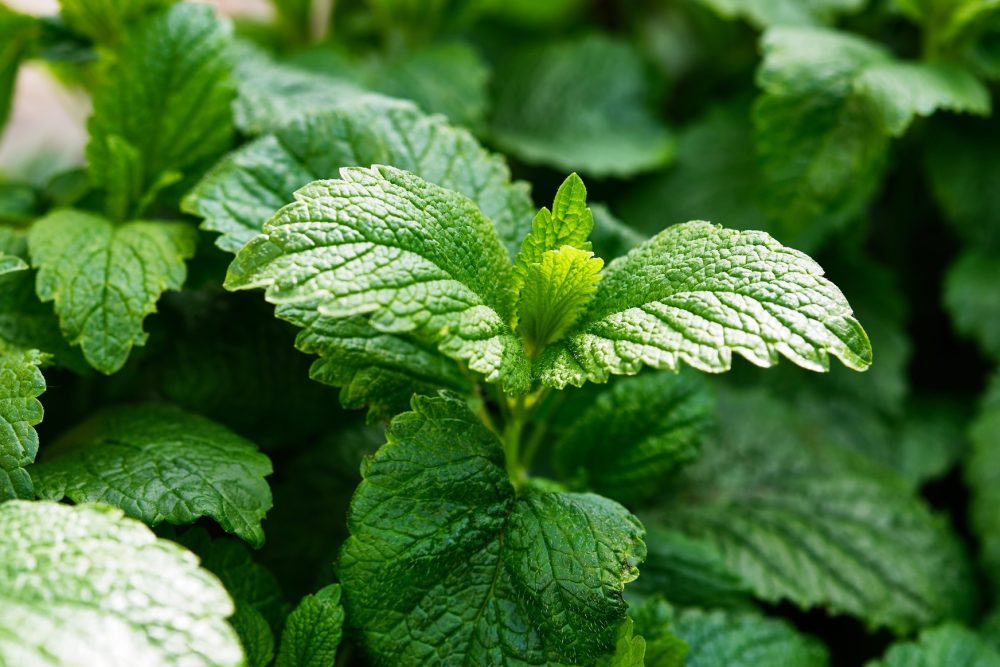
Lemon balm can be recognised immediately from rubbing and smelling its characteristic light green leaves, from its aromatic, lemony aroma. On chewing, the bright, citrusy taste comes through straight away, with subtle hints of mint; the slight lemon acidity and tannic astringency combine with a sweetness.

The taste of lemon balm
The below qualities are derived from organoleptic assessment.
-
Into the heart of lemon balm

Lemon balm (Melissa officinalis) Energetically, lemon balm is cooling, a classic action of a herb with sour, sweet and bitter taste qualities. It is a herb that has a dynamic sensory profile with an affinity for nervous irritation with heat and tension (6).
Lemon balm works well in tense, ‘excited’ tissue states, in individuals with a sharp, tense, possibly irregular pulse, palpitations, raised blood pressure and a bright red or pink tongue. This symptom picture often indicates sympathetic nervous system (SNS) excess in a patient, often caused by prolonged exposure to stress (4,6).This presentation is often seen as excess heat rising, and applying a cooling remedy like lemon balm helps to soothe symptoms (6).
Lemon balm, according to the Galenic classification, addresses choleric excess or excess heat of the heart, for example in cases where emotional heat causes the spirit to be agitated (7). It was also seen to be useful in treating melancholy as it helps to “move stagnant vapours of the heart” and lifts heaviness associated with depression (6,7).
The presence of volatile oils in lemon balm promotes positive modulation of GABA-A receptors which contributes to its calming action on excess excitability (4).
In Ayurveda, lemon balm is understood to be a cooling remedy that alleviates excess pitta. As a medhya (nootropic) herb, it enhances memory and circulation, excellent for disturbance of sadhaka pitta, which can cause anxiety, fear of failure, low self-esteem and insomnia. Lemon balm clears excess pitta from rasa and rakta dhatus, calming the heart and cooling heat in the eyes and mutravaha srotas (channels responsible for the formation, transport, and elimination of urine) (8).
-
What practitioners say
 Digestive system
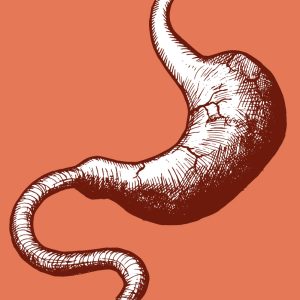
Owing to lemon balm’s carminative and antispasmodic properties, it is indicated in flatulence, dyspepsia, intestinal spasms and generalised indigestion; particularly where this is exacerbated by anxiety and stress. It can be helpful for heartburn and indigestion, assisting in the absorption of nutrients, particularly fatty foods (as with many herbs from the mint family) (2).
Cardiovascular system
It is a gentle circulatory tonic that dilates the peripheral blood vessels, lowers high blood pressure and relieves stress-related symptoms, such as palpitations or angina.
It is the effects of lemon balm on the sympathetic nervous system (SNS) that produce its therapeutic effects on the heart, particularly where an increased heart rate and blood pressure are a result of sympathetic overactivity (9).
Nervous system
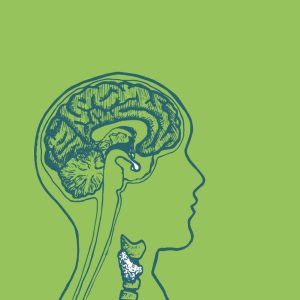
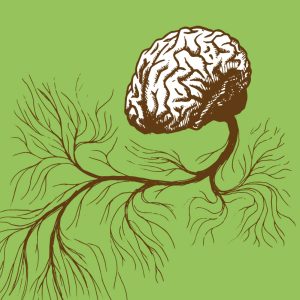
Lemon balm has an affinity for the nervous system, particularly where there is sympathetic excess. The SNS is a branch of the autonomic nervous system (ANS) that governs stress hormones such as adrenaline and cortisol, which, through periods of prolonged exposure to stress, lead to excessive sympathetic function. Lemon balm helps to modulate prolonged sympathetic stimulation (3,4)
The SNS controls blood pressure, pulse rate, gut motility and any actions related to the fight or flight response (4,9).
Respiratory system
Used as a relaxant remedy for asthma and spasmodic coughs. It is a herb that is often used during viral respiratory infections to manage fever symptoms, by increasing sweat production and reducing a viral fever (3).
Immune system
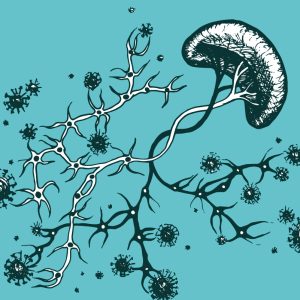
As an antiviral, lemon balm is an effective treatment for herpes simplex virus (HSV-1 and HSV-2) for both oral and genital herpes . The essential oil (diluted) or cream of lemon balm can be applied to the affected area (10,11). When taken orally as a tea or tincture, lemon balm may also help with the virus systemically, but for topical treatment of cold sores, an essential oil-based preparation is effective.
Endocrine system
Lemon balm has been shown to be effective in supporting diabetic patients by improving lipid ratios and helping to reduce risk of cardiovascular disease (12).
-
Lemon balm research

Lemon balm (Melissa officinalis) Effects of Melissa officinalis (lemon balm) consumption on serum lipid profile: a meta-analysis of randomised controlled trials
This meta-analysis examined the effects of Melissa officinalis (lemon balm) on serum lipid profiles, specifically HDL, LDL, triglycerides (TG), and total cholesterol (TC). The analysis included five randomised controlled trials totalling 302 participants with various metabolic conditions and diseases associated with dyslipidemia (exact age ranges and sex distribution varied across studies, generally involving adult men and women with metabolic syndrome, type 2 diabetes, or cardiovascular risk factors). Interventions involved an oral lemon balm supplement (with varied dosages and durations), compared with placebo.
The primary outcome measures were changes in serum TG, TC, LDL, and HDL levels. The results demonstrated a significant reduction in TG (SMD −0.396, p=0.001), TC (SMD −0.416, p<0.001), and LDL (SMD −0.23, p<0.05) compared with placebo, while HDL levels were not significantly affected. This meta analysis suggests that lemon balm may be a safe and beneficial adjunct for improving lipid profiles (13).
Effects of Melissa officinalis phytosome on sleep quality: Results of a prospective, double-blind, placebo-controlled, and cross-over study
This prospective, double-blind, placebo-controlled, cross-over clinical trial assessed whether a standardised Melissa officinalis Phytosome™ extract (MOP), formulated to enhance polyphenol bioavailability, improved sleep quality in adults with mild insomnia. Adult men and women with sleep disturbances received MOP (dosage not specified) or placebo.
The primary outcome measure was the Insomnia Severity Index (ISI), with secondary outcomes including sleep architecture (slow-wave sleep [SWS] and REM duration), self-reported sleep quality, anxiety levels, and physical activity.
Treatment significantly reduced ISI scores (6.8– 4.1 vs 9.7 – 3.7 in placebo; p = 0.003), increased SWS by approximately 15%, decreased REM by 10%, and resulted in 87% of participants reporting improved sleep quality compared to 30% with placebo (p = 0.0003), suggesting that this lemon balm extract (MOP) may be a safe and effective natural option for mild insomnia (14).
The possible “calming effect” of subchronic supplementation of a standardised phospholipid carrier-based Melissa officinalis L. extract in healthy adults with emotional distress and poor sleep conditions: Results from a prospective, randomised, double-blinded, placebo-controlled clinical trial
This randomised, double-blind, placebo-controlled clinical trial aimed to evaluate the effects of a standardised Melissa officinalis aqueous extract (Relissa™) on emotional distress and poor sleep in adults. The study included 100 healthy men and women experiencing moderate depression, anxiety, or stress (DASS-42 scores ≥14, ≥10, ≥19 respectively) or poor sleep (PSQI >5). Participants received 200 mg of the extract twice daily (400 mg/day total) or placebo over three weeks.
The primary outcomes were changes in depression, anxiety, stress (DASS-42), and sleep quality (PSQI), while secondary outcomes included mental wellbeing (WEMWBS), emotional affect (PANAS), and quality of life (WHO-QoL-BREF).
Supplementation with the lemon balm extract produced significant improvements across depressive mood, anxiety, stress, emotional affect, overall mental wellbeing, and quality-of-life measures (all p < 0.001), with good tolerability and no serious adverse events reported. The findings suggest that phospholipid-enhanced Melissa officinalis extract may be a safe and effective option for managing moderate emotional distress and sleep disturbances (15).
Effects of Melissa officinalis extract containing rosmarinic acid on cognition in older adults without dementia: A randomised controlled trial
This randomised, double-blind, placebo-controlled clinical trial examined the effects of a Melissa officinalis extract containing 500 mg of rosmarinic acid (RA) per day on cognitive function in older adults without dementia. A total of 323 participants diagnosed with subjective cognitive impairment or mild cognitive impairment were included to receive either the extract or placebo for 96 weeks, followed by a 24-week washout period.
The primary outcome measure was the Alzheimer’s Disease Assessment Scale–cognitive subscale (ADAS-cog), with secondary outcomes including other cognitive assessments, Clinical Dementia Rating Sum of Boxes (CDR-SB), safety, tolerability, vital signs, neurological measures, and hippocampal volume. Overall, no significant differences in cognitive measures were observed between groups over 96 weeks; however, in a subgroup analysis of participants without hypertension, CDR-SB scores showed a statistically significant difference (p = 0.036), suggesting a potential protective effect against cognitive decline in this subgroup. This suggests lemon balm can be effective in protecting against cognitive decline (16).
Effect of Melissa officinalis on systolic and diastolic blood pressures in essential hypertension: A double-blind crossover clinical trial
This double-blind, randomised, clinical trial evaluated the effects of Melissa officinalis on systolic and diastolic blood pressure in patients with essential hypertension. A total of 49 adults with hypertension participated, with 23 initially receiving M. officinalis capsules (400 mg, three times daily) and 26 receiving placebo for four weeks, followed by a 2-week washout and crossover for an additional four weeks. Blood pressure was measured at baseline and every two weeks over a 10-week period. The primary outcome measures were changes in systolic and diastolic blood pressure.
Results showed significant reductions in both systolic and diastolic pressures in the M. officinalis treatment group compared with placebo (p = 0.005). In group A, systolic/diastolic pressures decreased from around 152.30 mmHg to 129.88 mmHg; in group B, pressures decreased from around 152.26 ± mmHg to 131.77 mmHg during active treatment. These results indicate that Melissa officinalis supplementation may safely and significantly reduce blood pressure in patients with essential hypertension (17).
-
Historical use of lemon balm
The traditional applications of lemon balm mirror many of its modern uses. It has historically been used as a remedy for the home-management of fever due to its diaphoretic properties (2,7). Lemon balm was described by Culpepper as a herb that ‘causes the mind and heart to become merry and reviveth the heart’. This can be applied to both the physical and emotional heart. Lemon balm is well-known for its uplifting effect, making it a valuable herb for use in depressive emotional states, to lift states of gloom and despair (2,6).
Lemon balm was also traditionally used to support fertility and has long been an ingredient in love potions for fertility and as an aphrodisiac. Lemon balm was seen to support libido in cases where it had been suppressed due to stress, anxiety and especially for women who have experienced sexual trauma, believed to help reconnect with a sense of femininity, rebuilding a sense of integrity and wholeness (3).
-
Lemon balm’s herbal actions
Herbal actions describe therapeutic changes that occur in the body in response to taking a herb. These actions are used to express how a herb physiologically influences cells, tissues, organs or systems. Clinical observations are traditionally what have defined these actions: an increase in urine output, diuretic; improved wound healing, vulnerary; or a reduction in fever, antipyretic. These descriptors too have become a means to group herbs by their effects on the body — herbs with a nervine action have become the nervines, herbs with a bitter action are the bitters. Recognising herbs as members of these groups provides a preliminary familiarity with their mechanisms from which to then develop an understanding of their affinities and nuance and discern their clinical significance.
-
Lemon balm’s energetic qualities
Herbal energetics are the description that herbalists have given to plants, mushrooms, lichens, foods and some minerals based on the direct experience of how they taste, feel and affect the body. All traditional health systems use these principles to explain how the environment impacts health, according to each of their philosophies and frameworks. These assessments of individual herbs, though they often do align, can differ from one another due to cultural differences regarding perspectives on how herbs taste versus their physiological effects. Find out more about traditional energetics in our article An introduction to herbal energetics.
Western energetics
Western energetics here are informed by The Energetics of Western Herbs by Peter Holmes, as well as traditional materia medica from Culpeper and Dioscorides.
-
What can I use lemon balm for?

Lemon balm (Melissa officinalis) Lemon balm is of particular use where a digestive upset is exacerbated by stress and anxiety as it is a nervine and relaxant (1,2) It is a suitable remedy for children, who may prefer the taste to chamomile (Matricaria chamomilla) (1).This relaxant effect may also be useful where stress affects the cardiovascular system, with symptoms including palpitations and hyperventilation as it is a calming and gently sedative remedy.
Coupled with its antispasmodic effects, it can be applied to support symptoms of stress that are expressed via tightness, cramping or tension within the cardiovascular, nervous and digestive systems (1,2). It is an effective vasodilator and diaphoretic, which can be used to gently support peripheral circulation. These actions are also well applied in the management of a fever (4).This antispasmodic action also extends to its application to effectively reduce symptoms of indigestion, intestinal cramping and irritable bowel syndrome (IBS) (2,3).(1,2).
Lemon balm is an anxiolytic and helps to support low mood, especially in cases of nervous agitation, irritability or restlessness. As such, it can be applied in cases of insomnia and is also indicated in anxiety, tension and mild-depression. It is also used for conditions characterised by nervous pain, such as fibromyalgia, neuralgia and numbness (1,2,3). Lemon balm supports cognitive function, helping to increase memory retention and provide clarity of thought whilst also offering a calming effect and so is an effective herb to use for exam preparation (1,2,3).
Lemon balm exhibits antiviral activity, specifically as a concentrated extract or essential oil against Herpes virus (5).
-
Did you know?
The Latin name Melissa derives from the Greek word for bee, indicating how the flower and its nectar were much loved by bees. Historically, beekeepers have been known to rub lemon balm on hives in order to attract bees and calm them down (7).






 Digestive system
-
Botanical description
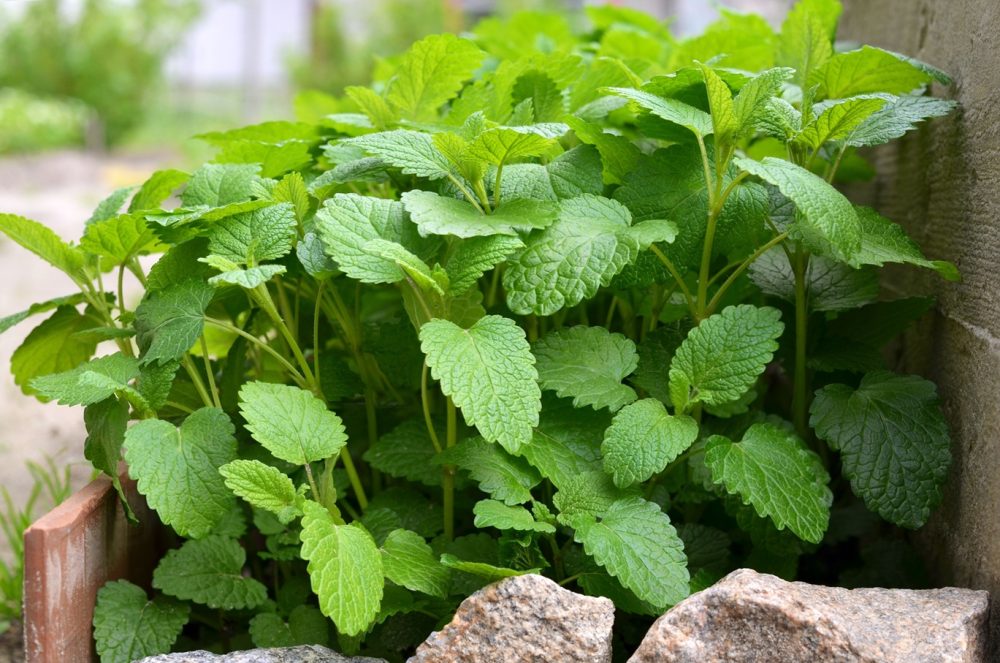
Lemon balm is a member of the mint family native to Southern Europe, though now growing around the world. It will grow in natural wasteland at a range of different elevations and environmental conditions.
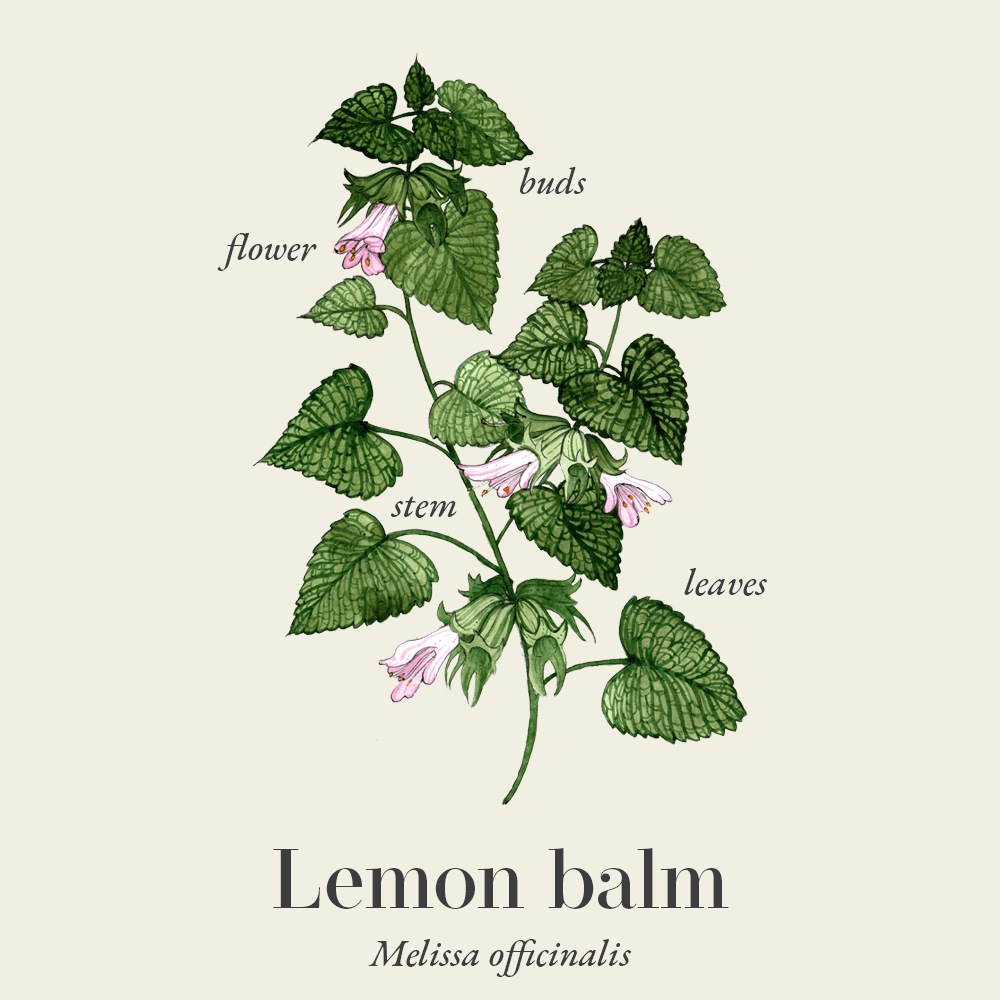
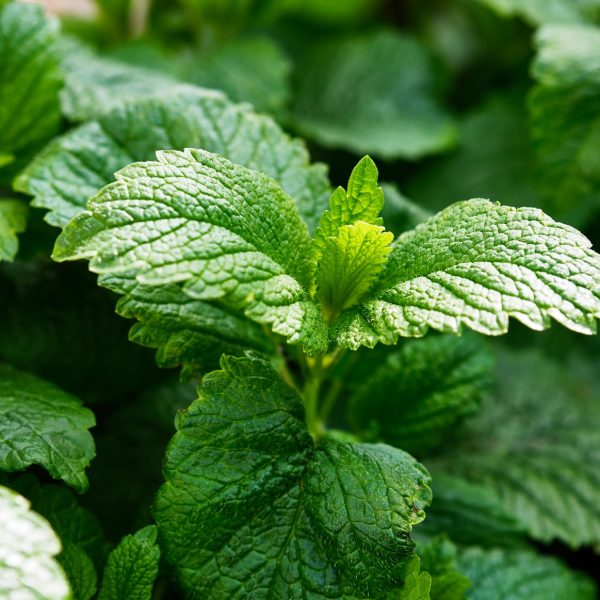
The leaves produce a characteristically ‘lemony’ scent when rubbed. The plant can grow to a variety of heights, from just a few inches to a few meters, depending upon the space it has to spread. The leaves are petiolate, decussate, ovate, dentate, and arise from erect square stems, branching little at first, but much more at flowering.
The small white flowers grow in cymes of 3–5 in the upper leaf axils — they are typically labiate i.e., two-lipped, with four curved stamens and a five-toothed calyx.
The roots do not creep in stolons like other mints (17).
-
Common names
- Melissa
- Bee balm
- Honeyplant
- Mélisse (Fr)
- Toronjil (Sp)
- Zitronenmelisse (Ger)
-
Habitat
Lemon balm is originally native to the Mediterranean and Central Asia, however can now be found growing widely around the world. It is a perennial plant which thrives in temperate climates (21).
-
How to grow lemon balm
Lemon balm is best sown indoors in the spring, from March. The seeds can be scattered on the surface of the soil, or placed into plug trays. Cover with a thin layer of compost and gently water. Lemon balm has a germination period of a few weeks so keep the soil most and be patient for results.
Young plants can be susceptible to frost damage,, so avoid planting out until you are confident the last frost has been and gone. Alternatively, if they are planted out, cover the plants with fleece if there is a risk of frost (30).
Once established, lemon balm may become prolific, so it is best kept in containers or small beds unless this is the desired outcome!

-
Herbal preparation of lemon balm
- Fresh herb tea
- Dried herb tea
- Tincture
- Essential oil
- Cream
- Hydrolat
- Spagyric tincture
-
Plant parts used
- Leaf
- Flower
-
Dosage
- Tincture (1:5 | 40%): Take 2–6 ml three times daily
- Fluid extract (1:1 | 45%): Take 2–4ml three times daily
- Infusion/decoction: 3–6 g (¼ to 1 tsp) dried lemon balm herb in hot water. Steep and drink up to four times daily. For the fresh herb, use one handful infused in hot water and cover to retain the volatile oils.
- Capsules: Take 300–500 mg dried lemon balm, three times daily.
- Topical: Apply topical cream to the affected area, three times daily or as directed (17,19).
-
Constituents
- Phenolics: Rosmarinic acid (up to 6%) and other hydroxycinnamic acid derivatives (e.g., caffeic and chlorogenic acids)
- Volatile oils: Monoterpenes, citral, geraniol and neral, b-caryophyllene, linalool, geraniol, nerol, and citronellal
- Tannins
- Flavonoids principally luteolin derivatives and apigenin
- Triterpenes (ursolic and oleanolic acid)
- Bitters (17)
-
Lemon balm recipe
‘Let there be joy’ tea
Not all of life’s experiences are easy, but this tea will help you digest them with this blend of ‘instant-happiness-herbs’.
Ingredients
- 3 g lemon balm
- 3 g limeflower
- 2 g lavender flower
- 1 g rosemary leaf
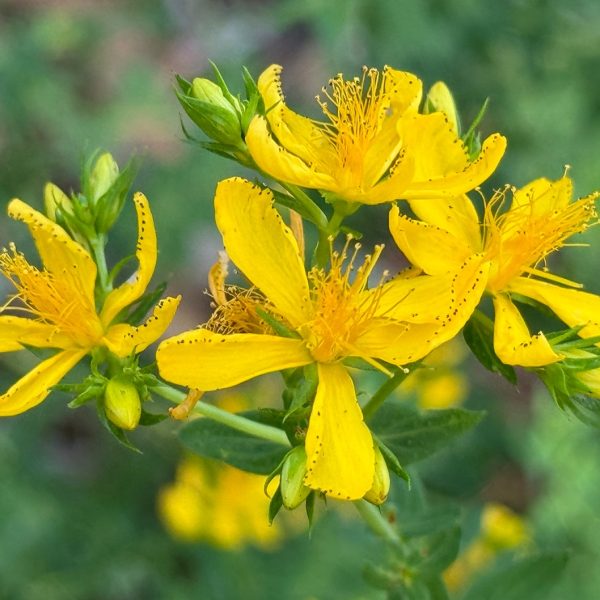
- 1 g St John’s wort flowering top
- 1 tsp rose water per cup
- A dash of honey – per cup
This will serve two cups.
How to make lemon balm tea
- Put all of the ingredients in a pot (except for the rose water and honey).
- Add 500ml (18fl oz) freshly boiled filtered water. Leave to steep for 10–15 minutes, then strain.
- Add the rose water and honey to taste, then sip for joy.
*This recipe are from Cleanse, Nurture, Restore by Sebastian Pole


-
Safety
There is unreliable information to support taking lemon balm in pregnancy and breastfeeding, therefore precaution is advised. It is considered safe for children to take at a dose of 3–6 mg/kg for up to six months (1,2,18,19). Overall, lemon balm is considered a safe herb to take in therapeutic doses and has low toxicity (1,2,18).
-
Interactions
Lemon balm may decrease thyroid stimulating hormone (TSH) receptor binding in the body. Use cautiously or under professional guidance if taking thyroid hormone (18,19,20).
For individuals taking CNS depressants, seeking the guidance of a medical herbalist before taking lemon balm is recommended, owing to potential interactions (18,19,20). Theoretically, lemon balm may cause hypotension when used in conjunction with antihypertensives although this has not been confirmed in clinical trials (18,20).
-
Contraindications
Caution is advised in patients with hypothyroidism (1,2,18,19).
-
Sustainability status of lemon balm
Although classified as a protected species in Croatia, the International Union for Conservation of Nature (IUCN) European Red List of Medicinal Plants assigns M. officinalis to the conservation category of least concern, meaning that the species is not threatened in Europe. However, the situation is different in parts of Asia. In Iran, wild M. officinalis is reportedly threatened due to habitat destruction, land use changes, and overharvesting (22,23).
Read our article on Herbal quality & safety: What to know before you buy and Sustainable sourcing of herbs to learn more about what to look for and questions to ask suppliers about sustainability.
-
Quality control

Lemon balm (Melissa officinalis) Lemon balm is known for its essential oils although it yields only a small amount of oil (0.06–0.4%), which nonetheless still gives the plant its strong lemon-like odour (23). Due to the low yield of oil from the plant, lemon balm oil is often subject to adulteration as many of the compounds can be found in other oils like citral from lemongrass, litsea, lemon myrtle or various other citrus products (24,25).
Next, after essential oils, rosmarinic acid is the main substance of interest, because of its proven physiological effects. Lemon balm produces a high amount of rosmarinic acid in comparison with other species of the Lamiaceae family (26). The British Pharmacopoeia specifies a minimum content of 1% rosmarinic acid in the dried herb and 2% in the dried extract (27). Lemon balm is often used as a tincture in Western medicine, research shows that using the dried herb yields a significantly higher level of rosmarinic acid than the fresh form (28).
There is a rising demand for lemon balm with high levels of rosmarinic acid, and research has focused on stress conditions, the different genotypes available and how they affect the content of rosmarinic acid (26,29). More research is needed into these and other factors to understand how the content of rosmarinic acid may be increased.
Herbal medicines are often very safe to take; however, their safety and efficacy can be jeopardised by quality issues. So, it is important to buy herbal medicines from a reputable supplier, from sources known to test their herbs to ensure there is no contamination, adulteration or substitution with incorrect plant matter, as well as ensuring that recognised marker compounds are at appropriate levels in the herbs.
Some important quality assurances to look for are certified organic labelling, the correct scientific/botanical name, and the availability of information from the supplier about ingredient origins. A supplier should be able to tell you where the herbs have come from, what contaminants are not in the herb, and what the primary compounds are.


-
References
- Thomsen M. Phytotherapy Desk Reference. 6th ed. Aeon Books; 2022.
- Mcintyre A. Complete Herbal Tutor : The Definitive Guide to the Principles and Practices of Herbal Medicine (Second Edition). Aeon Books Limited; 2019.
- Brooke E. Woman’s Book of Herbs. The woman’s press Ltd; 2018.
- Mills SY. The Essential Book of Herbal Medicine. Editorial: Penguin; 1993.
- Schnitzler P, Schuhmacher A, Astani A, Reichling J. Melissa officinalis oil affects infectivity of enveloped herpesviruses. Phytomedicine. 2008;15(9):734-740. https://doi.org/10.1016/j.phymed.2008.04.018
- Wood M. The Practice of Traditional Western Herbalism : Basic Doctrine, Energetics, and Classification. North Atlantic Books, Cop; 2004.
- Hedley C, Shaw N. Plant Medicine. (Waddell G, ed.). Aeon Books; 2023.
- Pole S. Ayurvedic Medicine : The Principles of Traditional Practice. Singing Dragon; 2013.
- Mathews IM, Eastwood J, Lamport DJ, Romain Le Cozannet, Pascale Fanca-Berthon, Williams CM. Clinical Efficacy and Tolerability of Lemon Balm (Melissa officinalis L.) in Psychological Well-Being: A Review. Nutrients. 2024;16(20):3545-3545. https://doi.org/10.3390/nu16203545
- Engels G, Brinckman J. Lemon Balm – American Botanical Council. www.herbalgram.org. Accessed January 28, 2022. https://www.herbalgram.org/resources/herbalgram/issues/115/table-of-contents/hg115-herbprofile/
- Koytchev R, Alken RG, Dundarov S. Balm mint extract (Lo-701) for topical treatment of recurring herpes labialis. Phytomedicine. 1999;6(4):225-230. https://doi.org/10.1016/S0944-7113(99)80013-0
- Asadi A, shidfar F, Safari M, et al. Safety and efficacy of Melissa officinalis (lemon balm) on ApoA-I, Apo B, lipid ratio and ICAM-1 in type 2 diabetes patients: A randomized, double-blinded clinical trial. Complementary Therapies in Medicine. 2018;40:83-88. https://doi.org/10.1016/j.ctim.2018.07.015
- Shahsavari K, Reza M, Khanavi M, Jamialahmadi T, Iranshahi M, Hasanpour M. Effects of Melissa officinalis (lemon balm) consumption on serum lipid profile: a meta-analysis of randomized controlled trials. BMC Complementary Medicine and Therapies. 2024;24(1). https://doi.org/10.1186/s12906-024-04442-0
- Di Pierro F, Sisti D, Rocchi M, et al. Effects of Melissa officinalis Phytosome on Sleep Quality: Results of a Prospective, Double-Blind, Placebo-Controlled, and Cross-Over Study. Nutrients. 2024;16(23):4199. https://doi.org/10.3390/nu16234199
- A Baño, Hepsomali P, Rabbani F, et al. The possible “calming effect” of subchronic supplementation of a standardised phospholipid carrier-based Melissa officinalis L. extract in healthy adults with emotional distress and poor sleep conditions: results from a prospective, randomised, double-blinded, placebo-controlled clinical trial. Frontiers in Pharmacology. 2023;14. https://doi.org/10.3389/fphar.2023.1250560
- Noguchi-Shinohara M, Hamaguchi T, Sakai K, et al. Effects of Melissa officinalis Extract Containing Rosmarinic Acid on Cognition in Older Adults Without Dementia: A Randomized Controlled Trial. Journal of Alzheimer’s disease : JAD. 2023;91(2):805-814. https://doi.org/10.3233/JAD-220953
- Fisher C. Materia Medica of Western Herbs. Aeon Books; 2018.
- Natural Medicines. Lemon Balm. naturalmedicines.therapeuticresearch.com. Published 2024. https://naturalmedicines.therapeuticresearch.com/databases/food
- Mills S, Bone K. The Essential Guide to Herbal Safety. Elsevier Churchill Livingstone; 2005.
- Williamson EM, Driver S, Baxter K. Stockley’s Herbal Medicines Interactions : A Guide to the Interactions of Herbal Medicines. Pharmaceutical Press; 2013.
- Royal Botanical Gardens Kew. Melissa officinalis L. | Plants of the World Online | Kew Science. Plants of the World Online. Published 2024. Accessed September 16, 2023. https://powo.science.kew.org/taxon/urn:lsid:ipni.org:names:450084-1
- Khela S. IUCN Red List of Threatened Species: Melissa officinalis. IUCN Red List of Threatened Species. Published April 26, 2013. https://www.iucnredlist.org/species/203248/2762574
- Zohreh Bolhassani, Feizian M, Kasmaei LS, Etesami H. Mitigating water deficit stress in lemon balm (Melissa officinalis L.) through integrated soil amendments: A pathway to sustainable agriculture. BMC Plant Biology. 2024;24(1). https://doi.org/10.1186/s12870-024-05624-1
- Evans WC. Trease and Evans’ Pharmacognosy. Elsevier Health Sciences UK; 2009.
- Do TKT, Hadji-Minaglou F, Antoniotti S, Fernandez X. Authenticity of essential oils. TrAC Trends in Analytical Chemistry. 2015;66:146-157. https://doi.org/10.1016/j.trac.2014.10.007
- Kittler J, Krüger H, Ulrich D, et al. Content and composition of essential oil and content of rosmarinic acid in lemon balm and balm genotypes (Melissa officinalis). Genetic Resources and Crop Evolution. 2018;65(5):1517-1527. https://doi.org/10.1007/s10722-018-0635-4
- British Pharmacopoeia Comission. British Pharmacopoeia . London TSO; 2024.
- Sanchez-Medina A, Etheridge CJ, Hawkes GE, et al. Comparison of rosmarinic acid content in commercial tinctures produced from fresh and dried lemon balm (Melissa officinalis). Journal of Pharmacy & Pharmaceutical Sciences. 2007;10(4):455. https://doi.org/10.18433/j3h59r
- Szabó K, Radácsi P, Rajhárt P, Ladányi M, Németh É. Stress-induced changes of growth, yield and bioactive compounds in lemon balm cultivars. Plant Physiology and Biochemistry. 2017;119:170-177. https://doi.org/10.1016/j.plaphy.2017.07.019
- Earthsong seeds. Lemon Balm. Earthsong Seeds. Published 2024. https://earthsongseeds.co.uk/shop/seeds/lemon-balm/
Meet our herbal experts
Our monographs are written by our monograph authors and edited, reviewed and updated by Herbal Reality.
Meet our Herbal Reality team or explore our Herbal Reality authors.