









In this article, we summarise the study, The effects of a cannabis brand-specific, hemp-derived cannabidiol product on physiological, biochemical, and psychometric outcomes in healthy adults: A double-blind, randomized clinical trial.
Plant name and species
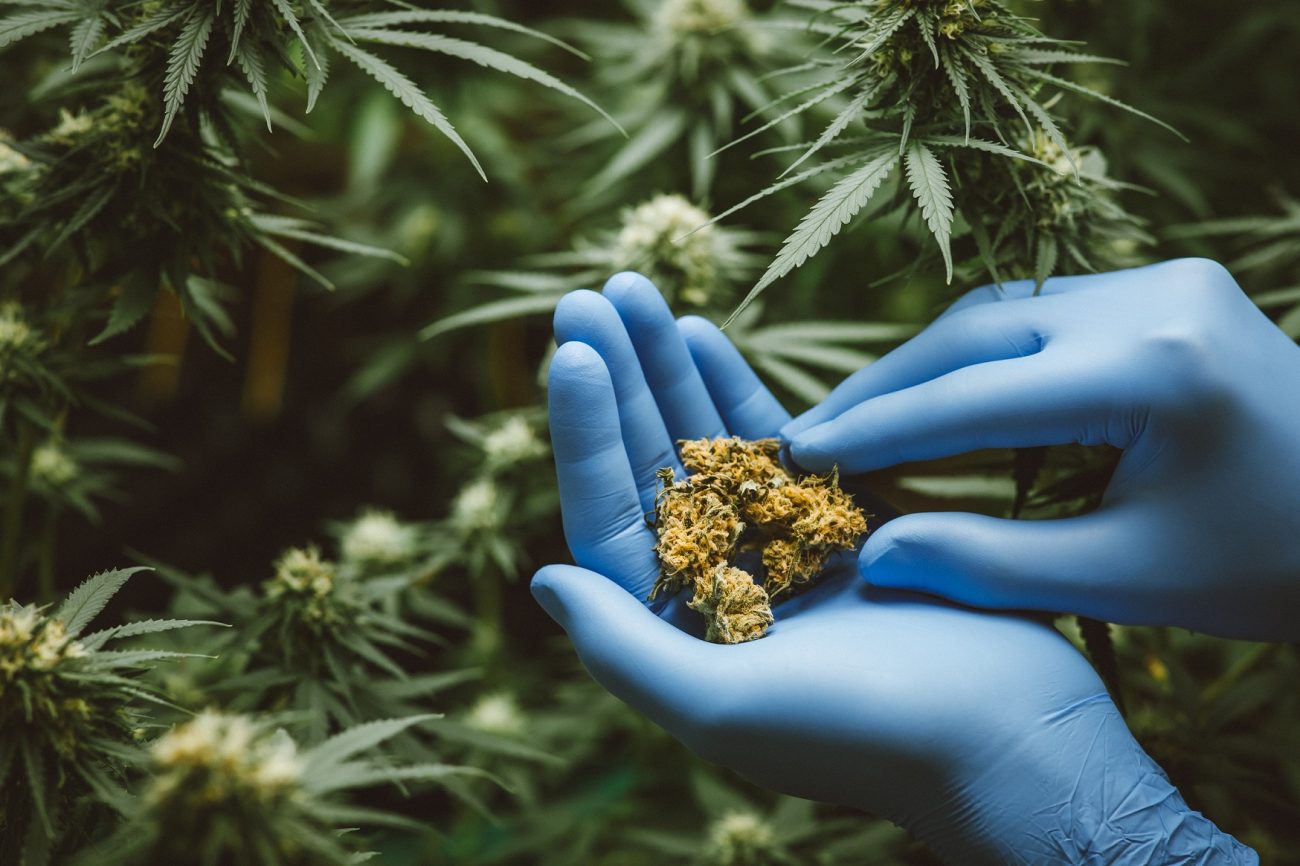
The study explored the effects of cannabidiol (CBD) the non-psychoactive component of the plant Cannabis sativa.


Aim of study
The aim was to explore psychometric, physiological and biochemical effects of the cannabis-derived CBD in healthy adults over a 12-week period.
Study method
This was a double-blind, randomised, placebo-controlled study on healthy volunteers. Volunteers attended five laboratory visits (following an overnight fast and alcohol abstention) for initial screening, baseline measures, and measures at 30-day intervals. Alongside the battery of physiological and biochemical tests, participants completed:
- Cohen’s perceived stress scale (CPSS) a 10-item questionnaire to determine perceived stress
- Pittsburg sleep quality index (PSQI)
- Profile of mood states (POMS)
- Subjective pain through a 10-point Likert scale (from 0=no pain to 10=worst pain)
- Participant daily diaries
The study was carried out in the US.
Herbal preparation
Cannabidiol (CBD) is a non-psychoactive phyto-cannabinoid derived from the Cannabis sativa plant. The CBD and placebo were administered orally in a liquid form and were identical in appearance and taste. The CBD product contained 50 mg/mL of CBD with THC levels of < 0.3% (verified at an independent lab). Volunteers consumed 1 mL of the product (100 mg CBD per day) sublingually twice per day 12 hours apart.
Sample size
Fifty-four healthy males and females completed the study (n=27 in each group), and males and females equally split. The average age was 25 ± 7 years; BMI = 24.82 ± 3.25 kg/m2 and most were non-Hispanic white. There were extensive exclusion criteria.
Results of study
Physiology and biochemistry. There were no changes to vital signs including heart rate or blood pressure between groups or time points. There were no significant differences between CBD and placebo group in all of the enzyme, immunological markers and blood cell counts, although there were time differences in one or two of the tests over the course of the study. (Platelet count was higher in the CBD group in visit 5).
Psychological tests and questionnaires. There was a significant difference in perceived pain (Foundational Pain Index FPI) with the CBD group experiencing decreased pain and the placebo group greater pain over the study (p=0.028).
There were no significant group differences or differences over time for any of the questionnaires, with the exception of “vigor-activity” which decreased from visit 3 to 4 and 3 to 5.
In the CBD group, there was a trend for reporting “lower discomfort” across visits 3 and 5. There were no changes to wellbeing scores between CBD or placebo groups. Overall the CBD given was safe and well tolerated.
Discussion

This study explored the effects of a 200 mg daily dose of CBD in healthy adults. It aimed to verify previous suggestions that CBD supports immune function and can relieve pain and anxiety, and address concerns that it could decrease the expression of some enzymes including angiotensin converting enzyme (ACE)-2. Alongside a battery of physiological and biochemical tests, a comprehensive examination of psychological and wellbeing measures was carried out.
The study found that over 12 weeks CBD was safe and well tolerated.
The pain index and level of body discomfort reported by the volunteers both were significantly lower in the CBD group by the end of the study. Although these were healthy volunteers and their levels of pain likely to be very low, the results support systematic review findings that CBD can help alleviate pain. More research is required to look at higher doses of CBD with relevant clinical populations.
In the study the authors separated out female and male data and found that there was a decrease in perceived stress levels in the female CBD group. This supports other studies that have shown CBD may alleviate perceived stress and anxiety. Again, further research in relevant clinical populations and using higher doses of CBD would provide more valuable understanding.
It is interesting to note that research into cannabis often focuses on cannabis use disorder (CUD) and that there are differences in withdrawal symptoms between men and women, with women experiencing more severe effects. Research has shown differences with women experiencing more severe effects of cannabis’s other major active component Tetrahydrocannabinol (THC)(2). The study in healthy volunteers infers there may be differences in the psychological and physiological responses to CBD also by sex.
Conclusion
The comprehensive nature of this study demonstrated that CBD at a low dose was safe and well tolerated in healthy adults, providing a useful baseline for further clinical studies. The study confirms other research that CBD can lower perceived pain and stress. More research is needed in healthy and clinical populations to explore its potential therapeutic applicationsand differences relating to sex.
References
- Mastrofini GF, McFadden BA, Chandler AJ, Lints BS, Cintineo HP, Rhoades ND, Vincenty CS, Stray-Gundersen SO, Lane AD, Arent SM. The effects of a brand-specific, hemp-derived cannabidiol product on physiological, biochemical, and psychometric outcomes in healthy adults: a double-blind, randomized clinical trial. J Int Soc Sports Nutr. 2024 Dec;21(1):2370430. doi: 10.1080/15502783.2024.2370430.
- Aghaei AM, Spillane LU, Pittman B, Flynn LT, De Aquino JP, Nia AB, Ranganathan M. Sex Differences in the Acute Effects of Oral THC: A Randomized, Placebo-Controlled, Crossover Human Laboratory Study. medRxiv [Preprint]. 2024 Mar 12:2023.11.29.23299193. doi: 10.1101/2023.11.29.23299193.