


Herbal strategies for post-viral fatigue address immune regulation, inflammation, adrenal support, mitochondrial function, microcirculation and nervous system resilience.
Understanding post-viral fatigue
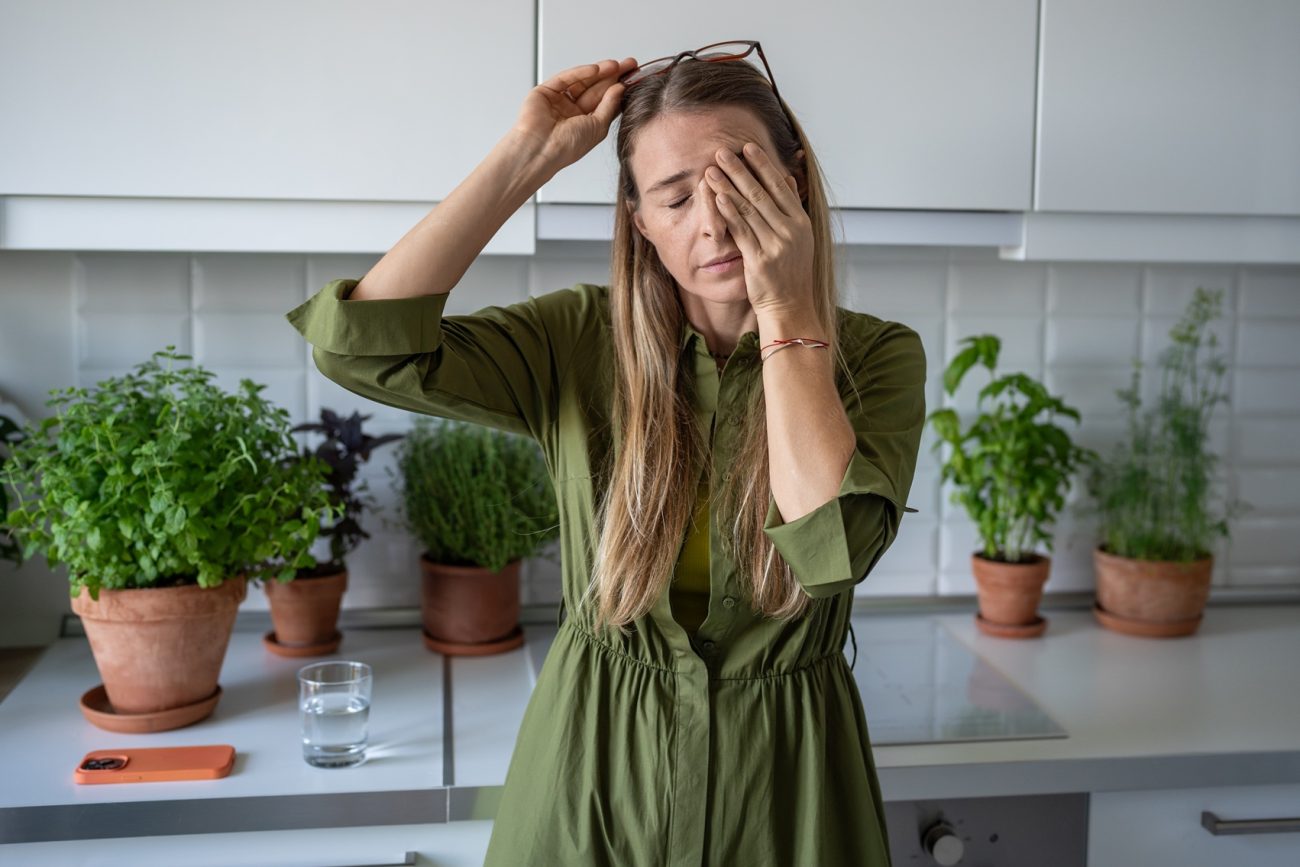
Post-viral fatigue describes persistent fatigue that continues beyond the expected recovery period following a viral infection. While it is common to recover within days or weeks, some people experience prolonged symptoms including debilitating fatigue, brain fog, sleep disturbances, musculoskeletal pain and reduced exercise tolerance (1). Symptoms persisting beyond four to six weeks are generally considered prolonged, and those lasting several months can meet diagnostic criteria for conditions such as myalgic encephalomyelitis/chronic fatigue syndrome (ME/CFS) or long Covid, depending on the clinical context (1).
Unlike ordinary tiredness, post-viral fatigue is characterised by profound exhaustion that is disproportionate to activity and often not relieved by rest. It has been described following many different viral infections, including Epstein–Barr virus (EBV), influenza, cytomegalovirus (CMV), SARS-CoV-2 (Covid-19) and more, suggesting a shared biological response in susceptible individuals rather than a virus-specific syndrome (2,3,4).
Estimating the prevalence of post-viral fatigue is challenging because definitions vary and many cases remain undiagnosed. The estimated prevalence of long Covid in England is approximately 4.8%, with adults aged 35–54 years being the most affected (5). Following infectious mononucleosis (EBV infection), around 9–12% of adults report disabling fatigue six months after infection and around 20% of adults report post-infectious fatigue six months after dengue infection (6,7).
How does post-viral fatigue work?
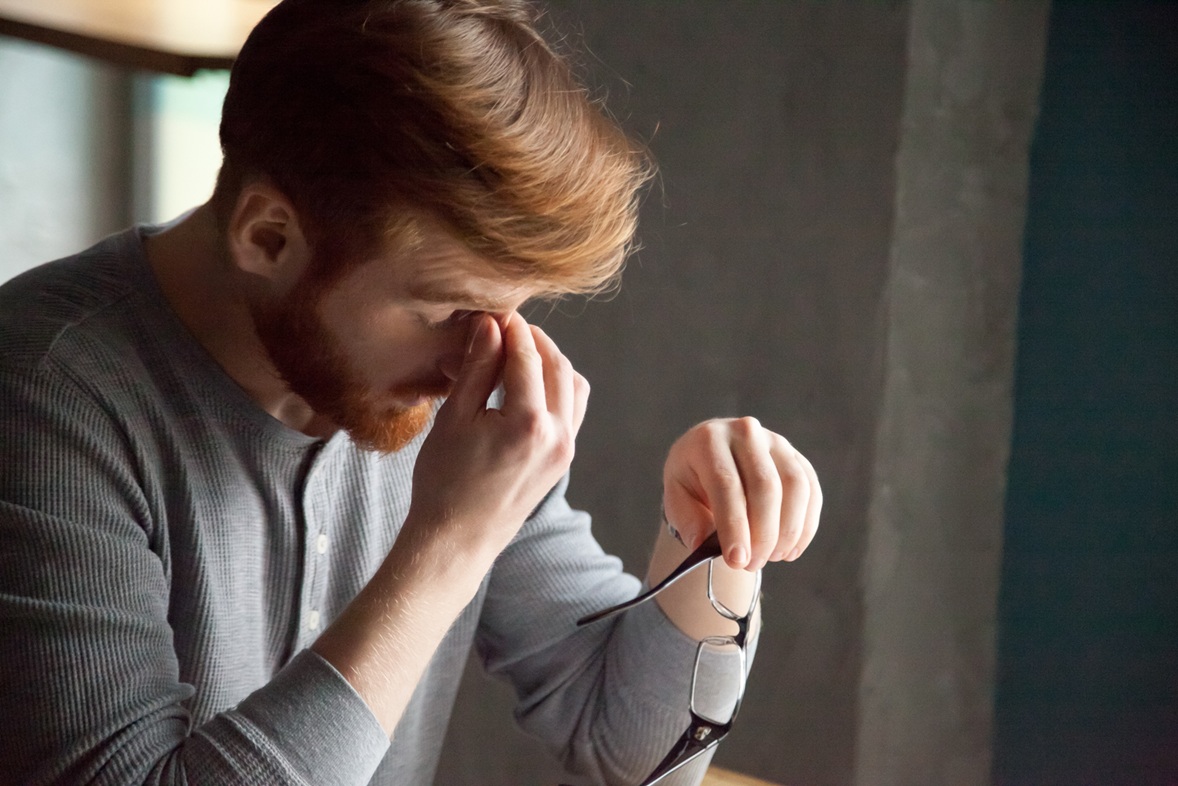
The biological mechanisms underlying post-viral fatigue are not completely understood. Post-viral fatigue appears to emerge from a complex interaction between immune dysregulation, persistent inflammation, altered energy metabolism, autonomic nervous system dysfunction and changes affecting the central nervous system (8,9).
Immune dysregulation and persistent inflammation
One of the leading hypotheses is that the immune system fails to return fully to homeostasis after the acute infection has resolved. During a viral infection, inflammatory cytokines such as interleukin-6 (IL-6), tumour necrosis factor-α (TNF-α) and interferons coordinate the antiviral response. Sometimes, persistent immune activation appears to continue after viral clearance, contributing to fatigue, malaise and cognitive dysfunction (10).
Studies, particularly in long Covid, have demonstrated persistent immune cell and inflammatory signalling months after infection, even when inflammatory markers tested in blood tests are normal, suggesting more subtle immune dysregulation (10).
Viral persistence
Persistent viral reservoirs have also been proposed as a potential driver of post-viral fatigue and long Covid (11). Evidence shows viral proteins and/or RNA fragments persisting months after infection in tissues such as the gut, brain and the lymphatic system leading to chronic immune activation (12). These viral proteins drive ongoing inflammation, interferon dysregulation and immune cell exhaustion. The gut being a viral reservoir could explain the link between presentations like long Covid and dysbiosis (13).
Mitochondrial dysfunction and oxidative stress
There is increasing evidence pointing at mitochondrial dysfunction as a potential underlying mechanism contributing to long Covid pathophysiology, as well as post-viral fatigue syndrome (8,14,15). Persistent oxidative stress impairs mitochondrial function and reduces ATP (energy) production, limiting the body’s capacity to generate energy efficiently. Increased production of reactive oxygen species (ROS) has also been demonstrated in several post-viral syndromes (14).
Neuroinflammation
Communication between the immune system and the central nervous system is increasingly recognised as an important contributor to post-viral fatigue. Persistent inflammatory signalling may activate microglia, the brain’s resident immune cells, leading to neuroinflammation. This can affect cognition, pain processing and sleep regulation (16). This mechanism could explain symptoms such as brain fog, headaches and impaired concentration.
Endothelial and microvascular dysfunction
In research looking at long Covid, endothelial dysfunction and microvascular injury have been shown to potentially contribute to persistent symptoms (17). Damage to the vascular endothelium can impair blood flow, oxygen delivery and tissue perfusion, potentially contributing to exercise intolerance, fatigue and cognitive dysfunction (18). Microclots rich in amyloid fibrin have been identified in long Covid, contributing to poor oxygen utilisation, muscle pain, brain fog and post-exertional malaise (19). Endothelial dysfunction reduces nitric oxide, further affecting autonomic stability.
Disturbances of the hypothalamic–pituitary–adrenal (HPA) axis
Chronic immune activation can influence the neuroendocrine system, particularly the HPA axis, which regulates stress responses and cortisol production (20).
Some studies have identified altered cortisol rhythms in patients with post-viral fatigue and long Covid. Dysregulation of stress hormone signalling could contribute to fatigue, poor sleep, impaired concentration and reduced resilience to physical or emotional stress. Poor sleep quality further amplifies inflammation, impairs tissue repair and reduces resilience to both physical and emotional stress, creating a self-perpetuating cycle of fatigue (21,22).
Altered gut microbiota
The gastrointestinal microbiome is increasingly recognised as an important regulator of immune function. Several studies have reported reduced microbial diversity and alterations in beneficial bacterial species following viral infections, particularly SARS-CoV-2. These changes can contribute to chronic inflammation, impaired gut barrier integrity and altered production of metabolites involved in immune regulation (23,24).
Understanding the root causes
Viral infections
Almost any viral infection has the potential to trigger prolonged fatigue, although some viruses appear to be more commonly associated with persistent symptoms.
The strongest evidence exists for (2,7,25,26,27):
- EBV and CMV
- SARS-CoV-2 (COVID-19)
- Influenza viruses
- Human herpesvirus 6 (HHV-6)
- Ross River virus
- Dengue virus
- Enteroviruses
- SARS and MERS coronaviruses
Immune dysregulation
One proposed root cause is the inability of the immune system to fully return to homeostasis after infection. Rather than switching off once the virus has been cleared, part of the immune response remains activated, resulting in persistent low-grade inflammation (14,18).
Individual susceptibility
Not everyone responds to viral infections in the same way, and several risk factors have been associated with an increased likelihood of developing post-viral fatigue and long Covid, including:
- Female sex assigned at birth (28,29)
- Increasing age (28)
- Pre-existing asthma (28)
- Excess adipose tissue (28)
- Diabetes (for long Covid, but not for ME/CFS) (30)
- Connective tissue disorders (31,32)
- Poor sleep (33,34)
- Low vitamin D (35)
- Socioeconomic deprivation (36,37)
- Chronic stress and burnout (38)
- Psychological trauma. Evidence shows childhood trauma exposure increases long Covid risk (39).
Signs and symptoms
The presentation of post-viral fatigue varies considerably between individuals, but key symptoms that present consistently across different viral illnesses include fatigue, post-exertional symptom exacerbation, brain fog, palpitations, post-orthostatic tachycardia, sleep disturbances and generalised pain (1,40).

Fatigue
Persistent fatigue is the defining symptom. People often describe an overwhelming exhaustion that is disproportionate to recent activity and is not relieved by rest or sleep. Physical stamina is reduced and activities that were previously routine become exhausting (40).
Post-exertional symptom exacerbation
Symptoms worsen following physical, cognitive or emotional activity. The deterioration is often delayed by several hours or even one to two days and can persist for days or weeks (40).
Cognitive dysfunction
This is commonly called brain fog. Symptoms include reduced attention span, difficulty concentrating, slower information processing, word-finding difficulty, poor short-term memory, reduced mental stamina and/or difficulty multitasking (40).
Sleep disturbances
Difficulty falling asleep or maintaining sleep (40).
Pain
Often diffuse musculoskeletal pain with symptoms such as muscle pain, joint pain, headaches and increased pain sensitivity (41, 42).
Autonomic symptoms
Dizziness, palpitations, exercise intolerance, orthostatic intolerance, temperature dysregulation, excessive sweating, gastrointestinal discomfort, sensory disturbances (43).
Psychological symptoms
People often also present with anxiety, depression or mood disturbances (42).
Herbs for post-viral fatigue
The herbal approach to support people with post-viral fatigue is complex and multifactorial. Root causes and core pathophysiology need to be addressed and balanced, but management should be individualised according to specific symptoms, constitutional factors and the stage of recovery.
The main strategies are the following (44,45):
- Supporting immune regulation and viral clearance
- Addressing chronic inflammation
- Supporting the adrenal glands
- Improving mitochondrial function and cellular energy production
- Improving microcirculation
- Supporting nervous system resilience
- Improving sleep quality
Key herbs that can be helpful include:
- Immunomodulators: Andrographis, astragalus, echinacea, reishi (46)
- Antivirals: Andrographis, echinacea, elderberry, liquorice (46)
- Adaptogens: Ashwagandha, rehmania, rhodiola, schisandra, Siberian ginseng (47)
- Circulatory stimulants: Dan shen, ginger, rosemary, yarrow (45,48)
- Nervines: Passionflower and melissa to reduce sympathetic overactivation, hawthorn for cardiac support and heart rate variability (48)
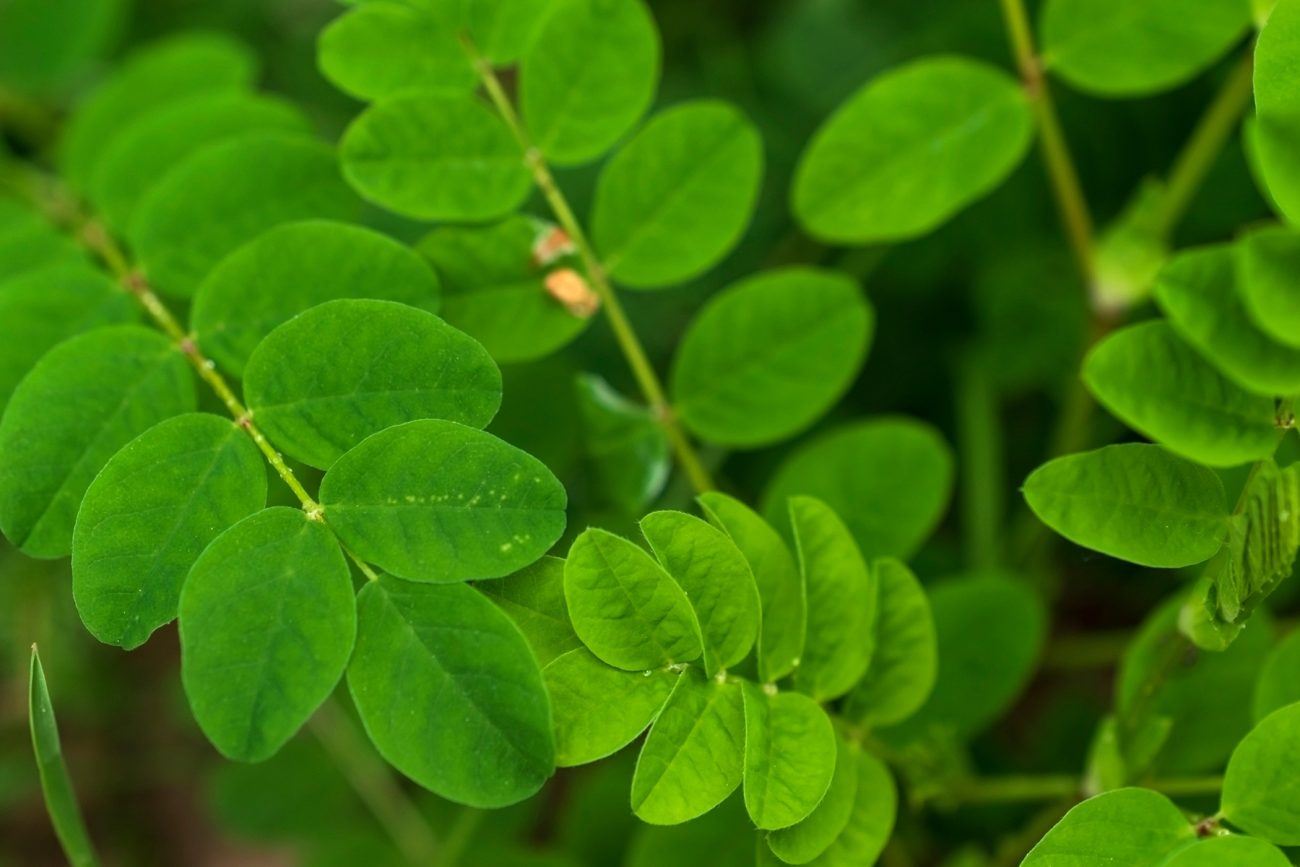
Astragalus (Astragalus membranaceus)
Astragalus is a tonic and adaptogen widely used in traditional Chinese medicine, with a long traditional use to increase vitality, improve endurance and strengthen immunity (49). It is used to prevent recurrent infections and to support people recovering after long illnesses. It is rich in polysaccharides, saponins and flavonoids, which have immunomodulatory, antioxidant and anti-inflammatory effects, helping to balance immune activity rather than only stimulating it (50).
Studies have demonstrated effects on macrophage activation, T-cell function, NK cells activation, cytokine regulation and oxidative stress, all of which are relevant to the pathophysiology of post-viral fatigue (51).
In clinical practice, astragalus is particularly valuable during the convalescent phase, to support immune recovery, improve vitality and improve resilience after the infection. It is well suited to patients experiencing persistent fatigue and recurrent respiratory infections, as it increases the white blood cells that carry out the initial surveillance when we are first exposed to a virus (49). Many herbalists avoid using astragalus during acute infections, so it is most appropriate after the acute phase has resolved, to promote restoration of immune function and prevent future infections.
Ashwagandha (Withania somnifera)
Ashwagandha is a restorative adaptogen traditionally used in the Ayurvedic tradition to support recovery from chronic stress, to support nervous system dysregulation and improve fatigue (49). It is now widely used in Western herbal traditions, while its clinically researched extract, K-66, is also increasingly accepted within conventional medicine as a safe option to improve sleep and stress levels (52). Ashwagandha contains withanolides, which are phytochemicals with immune-regulating, HPA axis regulating and anti-inflammatory actions (52,53).
Clinical studies have demonstrated reductions in perceived stress, fatigue and inflammatory markers such as C-reactive protein (CRP), alongside improvements in sleep quality and overall wellbeing (53, 54).
Ashwagandha can be helpful to people whose fatigue comes with anxiety, poor stress tolerance or insomnia. It can help improve sleep quality and it supports nervous system regulation, improving daytime energy and resilience (53,54). As an adrenal restorative, it can help in cases where sustained stress has contributed to immune dysfunction as well as persistent fatigue.
Ashwagandha is often taken in tincture, capsule or powder form. Traditionally, ashwagandha root is prepared as a milk decoction, in which the powdered root is simmered with milk. Other traditional preparations use water or ghee (55). Ashwagandha should be used with caution in people with hyperthyroidism, as it can increase thyroid hormone activity (57,58).
Ginseng (Panax ginseng)
Panax ginseng is considered an adrenal tonic and has been traditionally used and well-researched for fatigue. Its ginsenosides can modulate inflammatory cytokines, have antioxidant activity, improve mitochondrial function and are able to regulate the HPA axis (59).
Clinical trials suggest ginseng can improve physical performance, mental fatigue and quality of life in several chronic conditions (59). A systematic review found Panax ginseng promising specifically for persistent fatigue in CFS (60). Its broad effects on energy metabolism and immune regulation make it a good medicinal plant for people experiencing prolonged fatigue during post-viral recovery.
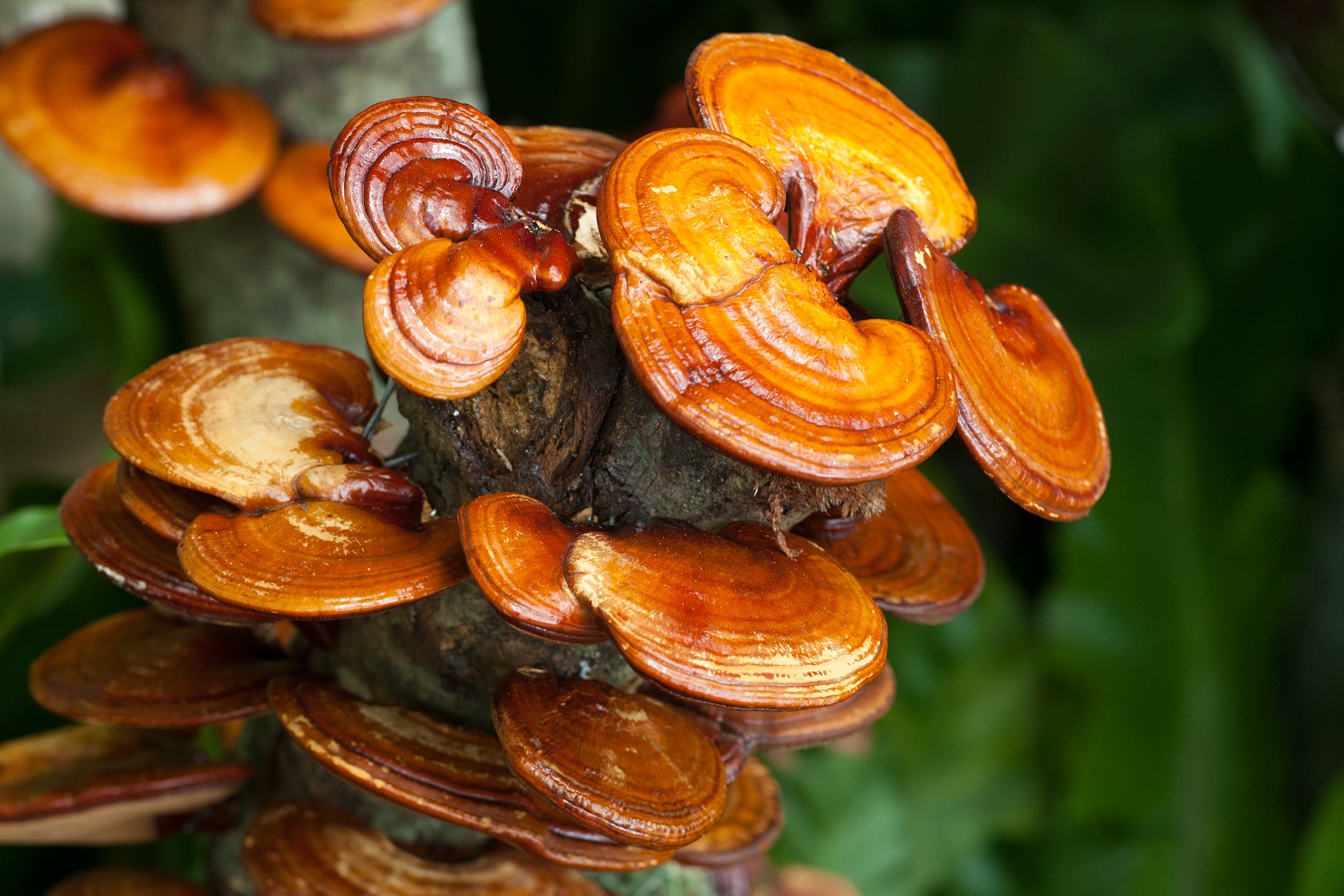
Reishi (Ganoderma lucidum)
Reishi is a medicinal mushroom used to improve resilience, restore vitality and support recovery after chronic illness (61). Its pharmacological activity is largely attributed to its polysaccharides, particularly β-glucans, and triterpenoids, which have immunomodulatory, anti-inflammatory and antioxidant effects. Reishi helps regulate immune function by influencing macrophages, dendritic cells, natural killer cells and T-lymphocytes, while modulating cytokine production to support immune homeostasis (61).
In post-viral fatigue syndrome and long Covid, reishi is valued for its ability to address several of the underlying mechanisms implicated in persistent symptoms. By reducing oxidative stress and chronic low-grade inflammation, it supports recovery from immune dysregulation, while its adaptogenic properties help normalise HPA axis function and improve tolerance to physical and psychological stress (62).
Siberian ginseng (Eleutherococcus senticosus)
Siberian ginseng is an adaptogen traditionally used to restore energy, improve stamina and increase resilience. It supports HPA axis function, improving tolerance to physical and mental stress, and it can be used to reduce fatigue associated with chronic stress (63). Experimental studies show it has immunomodulatory, antioxidant and anti-inflammatory properties (64).
In post-viral fatigue syndrome and long Covid, it can be particularly useful when there is decreased stamina, disturbed sleep and impaired concentration. Siberian ginseng pairs well with ashwagandha if there is significant anxiety and disturbed sleep.
Baikal skullcap (Scutellaria baicalensis)
Baikal skullcap contains flavonoids such as baicalin and baicalein, which have demonstrated anti-inflammatory, antioxidant and neuroprotective effects in both in vitro and in vivo studies (65). Its flavonoids also exhibit antiviral and immunomodulatory activity, including effects on inflammatory cytokines and mast cells (66). These properties make Baikal skullcap particularly relevant where persistent immune activation and inflammation are contributing to post-viral fatigue symptoms (63).
Holistic approaches

Lifestyle advice is key to supporting recovery from post-viral fatigue.
Pacing is very important. According to NICE guidelines, encouragement to work within individual energy limits is recommended rather than pushing through fatigue. This can be achieved by balancing activity with rest and gradually increasing activity after a period of stability (67).
A nutrient-dense, balanced diet rich in vegetables, fruits, wholegrains, legumes, nuts, seeds and adequate protein can help support immune function and recovery. Foods that are rich in antioxidants and improve microcirculation include green leaves and beetroot, berries, fresh crushed garlic and green tea (45). Deficiencies in iron, vitamin B₁₂ and vitamin D can contribute to fatigue, so these should be addressed if levels are low (68). The role of vitamin D3 in addressing fatigue specifically associated with CFS is less clear (69).
Co-enzyme Q10 (CoQ10) is an essential component of the mitochondrial electron transport chain, and it has a key role in cellular energy production. CoQ10 reduces oxidative stress in mitochondria, improving their function and therefore increasing energy production. Systematic reviews have demonstrated its ability to decrease fatigue (70). CoQ10 is a potent antioxidant that protects cellular membranes from oxidative stress and helps regenerate vitamin E (71).
Optimising sleep is equally important, as poor sleep can perpetuate fatigue, cognitive dysfunction and immune dysregulation. Encouraging good sleep hygiene, addressing factors such as pain and anxiety, and considering appropriate nervine herbs can support restorative sleep (45,67).
References
- Graves BS, Patel M, Newgent H, et al. Chronic fatigue syndrome: diagnosis, treatment, and future direction. Cureus. 2024;16(10):e70616. https://doi.org/10.7759/cureus.70616
- Hickie I, Davenport T, Wakefield D, et al. Post-infective and chronic fatigue syndromes precipitated by viral and non-viral pathogens: prospective cohort study. BMJ. 2006;333:575. https://doi.org/10.1136/bmj.38933.585764.AE
- White PD, Thomas JM, Amess J, et al. Incidence, risk and prognosis of acute and chronic fatigue syndromes and psychiatric disorders after glandular fever. Br J Psychiatry. 1998;173(6):475-481. https://doi.org/10.1192/bjp.173.6.475
- Choutka J, Jansari V, Hornig M, Iwasaki A. Unexplained post-acute infection syndromes. Nat Med. 2022;28(5):911-923. https://doi.org/10.1038/s41591-022-01810-6
- Woodrow M, Ziauddeen N, Smith D, Alwan NA. Exploring Long COVID prevalence and patient uncertainty by sociodemographic characteristics using GP patient survey data. Health Expect. 2025;28(2):e70202. https://doi.org/10.1111/hex.70202
- Katz BZ, Shiraishi Y, Mears CJ, Binns HJ, Taylor R. Chronic fatigue syndrome after infectious mononucleosis in adolescents. Pediatrics. 2009;124(1):189-193. https://doi.org/10.1542/peds.2008-1879
- Hertanti NS, Nguyen TV, Chuang YH. Global prevalence and risk factors of fatigue and post-infectious fatigue among patients with dengue: a systematic review and meta-analysis. EClinicalMedicine. 2025;80:103041. https://doi.org/10.1016/j.eclinm.2024.103041
- Syed AM, Karius AK, Ma J, Wang PY, Hwang PM. Mitochondrial dysfunction in myalgic encephalomyelitis/chronic fatigue syndrome. Physiol. 2025;40(4):319-328. https://doi.org/10.1152/physiol.00056.2024
- Proal AD, VanElzakker MB. Long COVID or post-acute sequelae of COVID-19 (PASC): an overview of biological factors that may contribute to persistent symptoms. Front Microbiol. 2021;12:698169. https://doi.org/10.3389/fmicb.2021.698169
- Schultheiß C, Willscher E, Paschold L, et al. The IL-1β, IL-6, and TNF cytokine triad is associated with post-acute sequelae of COVID-19. Cell Rep Med. 2022;3(6):100663. https://doi.org/10.1016/j.xcrm.2022.100663
- Proal AD, Aleman S, Bomsel M, et al. Targeting the SARS-CoV-2 reservoir in long COVID. Lancet Infect Dis. 2025;25(5):e294-e306. https://doi.org/10.1016/S1473-3099(24)00769-2
- Prakash S, Karan S, Lekbach Y, et al. Insights into persistent SARS-CoV-2 reservoirs in chronic Long COVID. Viruses. 2025;17(10):1310. https://doi.org/10.3390/v17101310
- McMillan P, Turner AJ, Uhal BD. Mechanisms of gut-related viral persistence in Long COVID. Viruses. 2024;16(8):1266. https://doi.org/10.3390/v16081266
- Che X, Ranjan A, Guo C, et al. Heightened innate immunity may trigger chronic inflammation, fatigue and post-exertional malaise in ME/CFS. NPJ Metab Health Dis. 2025;3(1):34. https://doi.org/10.1038/s44324-025-00079-w
- Molnar T, Lehoczki A, Fekete M, et al. Mitochondrial dysfunction in Long COVID: mechanisms, consequences, and potential therapeutic approaches. Geroscience. 2024;46(5):5267-5286. https://doi.org/10.1007/s11357-024-01165-5
- Popa AE, Popa E, Dramba T, et al. Dysregulated resolution of inflammation after respiratory viral infections: molecular pathways linking neuroinflammation to post-viral neuropathic pain—a narrative review. Int J Mol Sci. 2025;26(23):11383. https://doi.org/10.3390/ijms262311383
- Starchenko G, Hrytsyk A, Raal A, Koshovyi O. Phytochemical profile and pharmacological activities of water and hydroethanolic dry extracts of Calluna vulgaris (L.) Hull. herb. Plants (Basel). 2020;9(6):751. https://doi.org/10.3390/plants9060751
- Vučić DM, Petković MR, Rodić-Grabovac BB, Stefanović OD, Vasić SM, Čomić LR. In vitro activity of heather [Calluna vulgaris (L.) Hull] extracts on selected urinary tract pathogens. Bosn J Basic Med Sci. 2014 Nov;14(4):234. https://doi.org/10.17305/bjbms.2014.40
- Mandim F, Barros L, Calhelha RC, et al. Calluna vulgaris (L.) Hull: chemical characterization, evaluation of its bioactive properties and effect on the vaginal microbiota. Food Funct. 2019;10(1):78-89. https://doi.org/10.1039/C8FO01910J
- Varga E, Becsek E, Bartha SG, Stranczinger S, Mihalovits F, Papp N. Determination of polyphenols and in vitro antimicrobial and antioxidant activity of Calluna vulgaris (L.) Hull. Biologia Futura. 2021;72(2):251-6. https://doi.org/10.1007/s42977-020-00059-9
- Ma C, He N, Zhao Y, Xia D, Wei J, Kang W. Antimicrobial mechanism of hydroquinone. Appl Biochem Biotechnol. 2019 Dec;189(4):1291-303. https://doi.org/10.1007/s12010-019-03067-1
- Zhou H, Zhao J, Li A, Reetz MT. Chemical and biocatalytic routes to arbutin. Molecules. 2019;24(18):3303. https://doi.org/10.3390/molecules24183303
- Mateescu DM, Ilie AC, Cotet I, et al. Gut microbiome dysbiosis in COVID-19: a systematic review and meta-analysis of diversity indices, taxa alterations, and mortality risk. Microorganisms. 2025;13(11):2570. https://doi.org/10.3390/microorganisms13112570
- Zhang F, Lau RI, Liu Q, Su Q, Chan FK, Ng SC. Gut microbiota in COVID-19: key microbial changes, potential mechanisms and clinical applications. Nat Rev Gastroenterol Hepatol. 2023;20(5):323-337. https://doi.org/10.1038/s41575-022-00698-4
- Shikova E, Reshkova V, Kumanova A, et al. Cytomegalovirus, Epstein-Barr virus, and human herpesvirus-6 infections in patients with myalgic encephalomyelitis/chronic fatigue syndrome. J Med Virol. 2020;92(12):3682-3688. https://doi.org/10.1002/jmv.25744
- Chia JKS. The role of enterovirus in chronic fatigue syndrome. J Clin Pathol. 2005;58(11):1126-1132. https://doi.org/10.1136/jcp.2004.020255
- O’Sullivan O. Long-term sequelae following previous coronavirus epidemics. Clin Med (Lond). 2021;21(1):e68-e70. https://doi.org/10.7861/clinmed.2020-0204
- Tsampasian V, Elghazaly H, Chattopadhyay R, et al. Risk factors associated with post-COVID-19 condition: a systematic review and meta-analysis. JAMA Intern Med. 2023;183(6):566-580. https://doi.org/10.1001/jamainternmed.2023.0750
- Thomas N, Gurvich C, Huang K, Gooley PR, Armstrong CW. The underlying sex differences in neuroendocrine adaptations relevant to myalgic encephalomyelitis/chronic fatigue syndrome. Front Neuroendocrinol. 2022;66:100995. https://doi.org/10.1016/j.yfrne.2022.100995
- Steenblock C, Hassanein M, Khan EG, et al. Diabetes and COVID-19: short- and long-term consequences. Horm Metab Res. 2022;54(8):503-509. https://doi.org/10.1055/a-1878-9566
- Torok RA, Lubell J, Rudy RM, Eccles J, Quadt L. Variant connective tissue as a risk factor for Long COVID: a case-control study of data from a retrospective online survey of adults in the USA and UK. BMJ Public Health. 2025;3(2). https://doi.org/10.1136/bmjph-2025-002949
- Poomkudy JT, Torres C, Jason LA, Fishbein J, Katz BZ. Joint flexibility and myalgic encephalomyelitis/chronic fatigue syndrome after mononucleosis. Clin Ther. 2024;46(3):285-288. https://doi.org/10.1016/j.clinthera.2023.12.011
- Schilling C, Nieters A, Schredl M, et al. Pre-existing sleep problems as a predictor of post-acute sequelae of COVID-19. J Sleep Res. 2024;33(2):e13949. https://doi.org/10.1111/jsr.13949
- Collin SM, Norris T, Gringras P, et al. Childhood sleep and adolescent chronic fatigue syndrome (CFS/ME): evidence of associations in a UK birth cohort. Sleep Med. 2018;46:26-36. https://doi.org/10.1016/j.sleep.2018.01.005
- Di Filippo L, Frara S, Nannipieri F, et al. Low vitamin D levels are associated with Long COVID syndrome in COVID-19 survivors. J Clin Endocrinol Metab. 2023;108(10):e1106-e1116. https://doi.org/10.1210/clinem/dgad207
- Shabnam S, Razieh C, Dambha-Miller H, et al. Socioeconomic inequalities of Long COVID: a retrospective population-based cohort study in the United Kingdom. J R Soc Med. 2023;116(8):263-273. https://doi.org/10.1177/01410768231168377
- Hilland GH, Anthun KS. Socioeconomic determinants of myalgic encephalomyelitis/chronic fatigue syndrome in Norway: a registry study. BMC Public Health. 2024;24(1):1296. https://doi.org/10.1186/s12889-024-18757-7
- Vu THT, Hua MJ, Dubois C, et al. Long COVID and its associations with burnout, anxiety, and depression among US healthcare workers in the United States. Front Public Health. 2025;13:1582872. https://doi.org/10.3389/fpubh.2025.1582872
- Vyas CM, Wang S, Menor AM, et al. Association between childhood abuse and risk of post-COVID-19 conditions: results from three large prospective cohort studies. Brain Behav Immun. 2025;123:143-150. https://doi.org/10.1016/j.bbi.2024.08.046
- Centers for Disease Control and Prevention. ME/CFS: signs and symptoms. Accessed August 9, 2026. https://www.cdc.gov/me-cfs/signs-symptoms/index.html
- Tackey C, Slepian PM, Clarke H, Mittal N. Post-viral pain, fatigue, and sleep disturbance syndromes: current knowledge and future directions. Can J Pain. 2023;7(2):2272999. https://doi.org/10.1080/24740527.2023.2272999
- Chaudhuri A, McNally K, Goldsmith-Lister A. Long COVID-19 and post-viral chronic fatigue syndrome (CFS/ME): similarities and differences. J Neurol Sci. 2023;455:121133. https://doi.org/10.1016/j.jns.2023.121133
- Dotan A, David P, Arnheim D, Shoenfeld Y. The autonomic aspects of the post-COVID-19 syndrome. Autoimmun Rev. 2022;21(5):103071. https://doi.org/10.1016/j.autrev.2022.103071
- Bone K, Mills S. Functional herbal therapy in the time of COVID-19. Presentation. (see flag below — needs event name/date/location to complete)
- Bone K. Functional Herbal Therapy: A Modern Paradigm for Clinicians. Aeon Books; 2021.
- Alanazi HH, Elasbali AM, Alanazi MK, El Azab EF. Medicinal herbs: promising immunomodulators for the treatment of infectious diseases. Molecules. 2023;28(24):8045. https://doi.org/10.3390/molecules28248045
- Panossian A, Brendler T. The role of adaptogens in prophylaxis and treatment of viral respiratory infections. Pharmaceuticals (Basel). 2020;13(9):236. https://doi.org/10.3390/ph13090236
- Nawrot J, Gornowicz-Porowska J, Budzianowski J, et al. Medicinal herbs in the relief of neurological, cardiovascular, and respiratory symptoms after COVID-19 infection: a literature review. Cells. 2022;11(12):1897. https://doi.org/10.3390/cells11121897
- McIntyre A. The Complete Herbal Tutor: The Definitive Guide to the Principles and Practices of Herbal Medicine. Aeon Books; 2019.
- Fisher C. Materia Medica of Western Herbs. Aeon Books; 2018.
- Xu Q, Cheng W, Wei J, et al. Synergist for antitumor therapy: Astragalus polysaccharides acting on immune microenvironment. Discov Oncol. 2023;14(1):179. https://doi.org/10.1007/s12672-023-00798-w
- Winther K. The clinical implications of Ashwagandha (Withania somnifera L.) with a special reference to side effects—a review. Nutrients. 2026;18(5):871. https://doi.org/10.3390/nu18050871
- Łuszczak J, Kocki J. Clinical evidence for the adaptogenic effects of Withania somnifera and Rhodiola rosea—a systematic review with molecular interpretation of psychometric outcomes. Ann Agric Environ Med. 2026;33(1):3. (DOI not confirmable — see flag below)
- Vittal M, Vinciguerra M. Enhancing healthspan with Ashwagandha (Withania somnifera): a comprehensive review of its multifaceted geroprotective benefits. Biogerontology. 2025;26(5):179. https://doi.org/10.1007/s10522-025-10320-0
- Chestnut School of Herbal Medicine. The medicinal benefits of ashwagandha. Accessed August 9, 2026. https://chestnutherbs.com/the-medicinal-benefits-of-ashwagandha/
- Singh N, Bhalla M, de Jager P, Gilca M. An overview on ashwagandha: a Rasayana (rejuvenator) of Ayurveda. Afr J Tradit Complement Altern Med. 2011;8(5 Suppl):208. https://doi.org/10.4314/ajtcam.v8i5S.9
- Sharma AK, Basu I, Singh S. Efficacy and safety of ashwagandha root extract in subclinical hypothyroid patients: a double-blind, randomized placebo-controlled trial. J Altern Complement Med. 2018;24(3):243-248. https://doi.org/10.1089/acm.2017.0183
- Javidi N, Khorasani ZM, Salari R, Niroumand S, Yousefi M. Achievements in hypothyroidism treatment with herbal medicine: a systematic review of randomized controlled trials. Curr Drug Discov Technol. 2023;20(5):1-9. https://doi.org/10.2174/1570163820666230403091841
- Jin TY, Rong PQ, Liang HY, Zhang PP, Zheng GQ, Lin Y. Clinical and preclinical systematic review of Panax ginseng C.A. Mey and its compounds for fatigue. Front Pharmacol. 2020;11:1031. https://doi.org/10.3389/fphar.2020.01031
- Yang J, Shin KM, Abu Dabrh AM, et al. Ginseng for the treatment of chronic fatigue syndrome: a systematic review of clinical studies. Glob Adv Health Med. 2022;11:2164957X221079790. https://doi.org/10.1177/2164957X221079790
- Powell M. Medicinal Mushrooms: A Clinical Guide. Mycology Press; 2015.
- Xun Y, Fong TL, Chen G, et al. Effectiveness and safety of a supplement containing a pharmacologically active basidiomycete mushroom for chronic fatigue and post-COVID-19 fatigue syndrome: protocol for a randomized controlled trial. JMIR Res Protoc. 2026;15(1):e82633. https://doi.org/10.2196/82633
- Mills S, Bone K. Principles and Practice of Phytotherapy: Modern Herbal Medicine. 2nd ed. Churchill Livingstone Elsevier; 2013.
- Wang H, Actor JK, Indrigo J, Olsen M, Dasgupta A. Asian and Siberian ginseng as a potential modulator of immune function: an in vitro cytokine study using mouse macrophages. Clin Chim Acta. 2003;327(1-2):123-128. https://doi.org/10.1016/S0009-8981(02)00343-1
- Wang ZL, Wang S, Kuang Y, et al. A comprehensive review on phytochemistry, pharmacology, and flavonoid biosynthesis of Scutellaria baicalensis. Pharm Biol. 2018;56(1):465-484. https://doi.org/10.1080/13880209.2018.1492620
- Liao H, Ye J, Gao L, Liu Y. The main bioactive compounds of Scutellaria baicalensis Georgi for alleviation of inflammatory cytokines: a comprehensive review. Biomed Pharmacother. 2021;133:110917. https://doi.org/10.1016/j.biopha.2020.110917
- National Institute for Health and Care Excellence. Myalgic encephalomyelitis (or encephalopathy)/chronic fatigue syndrome: diagnosis and management (NG206). NICE; 2021.
- Tardy AL, Pouteau E, Marquez D, Yilmaz C, Scholey A. Vitamins and minerals for energy, fatigue and cognition: a narrative review of the biochemical and clinical evidence. Nutrients. 2020;12(1):228. https://doi.org/10.3390/nu12010228
- Witham MD, Adams F, McSwiggan S, et al. Effect of intermittent vitamin D3 on vascular function and symptoms in chronic fatigue syndrome—a randomised controlled trial. Nutr Metab Cardiovasc Dis. 2015;25(3):287-294. https://doi.org/10.1016/j.numecd.2014.10.007
- Tsai IC, Hsu CW, Chang CH, Tseng PT, Chang KV. Effectiveness of coenzyme Q10 supplementation for reducing fatigue: a systematic review and meta-analysis of randomized controlled trials. Front Pharmacol. 2022;13:883251. https://doi.org/10.3389/fphar.2022.883251
- Wang Y, Lilienfeldt N, Hekimi S. Understanding coenzyme Q. Physiol Rev. 2024;104(4):1533-1610. https://doi.org/10.1152/physrev.00040.2023