














A guide to the essential, beneficial and best-avoided fats, tracing dietary fats’s shifting reputation and showing how the right lipids unlock herbal constituents and fat-soluble vitamins.
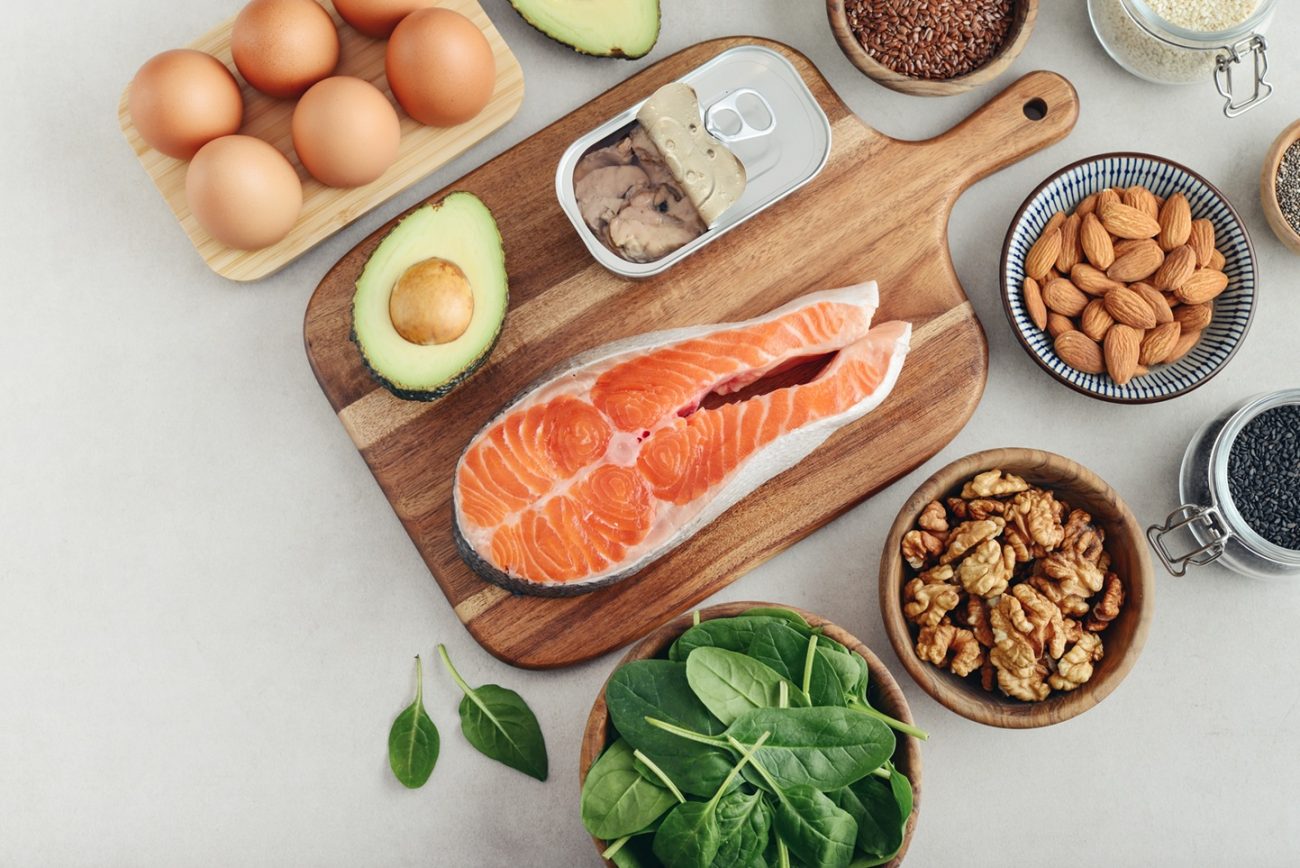
Few topics in nutrition have been as contested as dietary fat. Over the past half century mainstream advice has swung from one extreme to another, and much of the nuance has been lost.
The low-fat era of the 1970s and 80s; born of the saturated fat hypothesis and amplified by statin pharmacology, recommended replacing animal fats with refined seed oils and grains. By the 1990s the pendulum had begun to swing back: Atkins, then Paleo, then ketogenic diets reframed fat as friend rather than foe.
More recent evidence supports a more balanced approach, rather than demonising whole food groups, the detail matters. But many of us, understandably, remain confused, and type of fat, quantity and health impact are all still contested (1,2).
So, not all fats are created equal. Some are essential, some are excellent everyday foods, and a few are best avoided.
Why fats matter
Fat is the most energy-dense macronutrient: nine calories per gram against four for protein and carbohydrate, leading to the over-simplistic notion that eating fat makes you fat. But calories describe energy potential alone, and nothing related to nutrient quality or influence on health.
Understanding the terminology:
- Saturated fats are typically solid at room temperature (butter, ghee, coconut), and stable when heated.
- Monounsaturated fats are liquid at room temperature (olive oil, avocado) and broadly cardio-protective. Polyunsaturated stay liquid even when cold, and include the omega-3 and omega-6 families.
- Trans fats are an industrial exception: produced when liquid oils are forced solid by hydrogenation, they share saturated fats’ straight shape but behave very differently in the body.
- Two polyunsaturates are essential, alpha-linolenic acid (ALA, omega-3) and linoleic acid (LA, omega-6), meaning the body cannot make them, so they must come from food.
Beyond fuel, fats are structural, building the membranes that determine what enters a cell, how cells communicate, and how receptors respond to hormones, neurotransmitters and inflammatory signals. Fats also build steroid hormones and carry the fat-soluble vitamins A, D, E and K into the bloodstream.
From the essential fatty acids the body makes EPA and DHA, the long-chain omega-3s vital for cardiovascular and brain function. Conversion can be challenging, so pre-formed EPA and DHA from oily fish or algal oil also matter clinically (3). The brain is roughly 60% fat, with DHA concentrated at the synapse, one reason omega-3 intake is linked to mood, cognition and foetal brain development.
Humans evolved on omega-6 and omega-3 in approximate balance; modern Western diets sit closer to 15:1 in favour of omega-6, largely through refined seed oils and grain-fed livestock (4). While omega-6 is essential too much can favours pro-inflammatory pathways.
When fibre is fermented by gut bacteria, the result is a family of short-chain fatty acids including butyrate which is the primary fuel of the colon’s lining and a contributor to a healthy gut barrier and gut-brain signalling (5).
The fats worth eating
Olive oil, a central component of the much-researched Mediterranean diet, carries consistent evidence for cardiovascular and metabolic benefit (6). The most therapeutically useful form is extra-virgin olive oil: ideally cold-pressed and unfiltered, rich in polyphenols that act as antioxidants in the body and as natural protectors of the oil itself. Drizzle raw to preserve the polyphenols; gentle sautéing and slow roasting are fine; very high-temperature frying damages the oil.
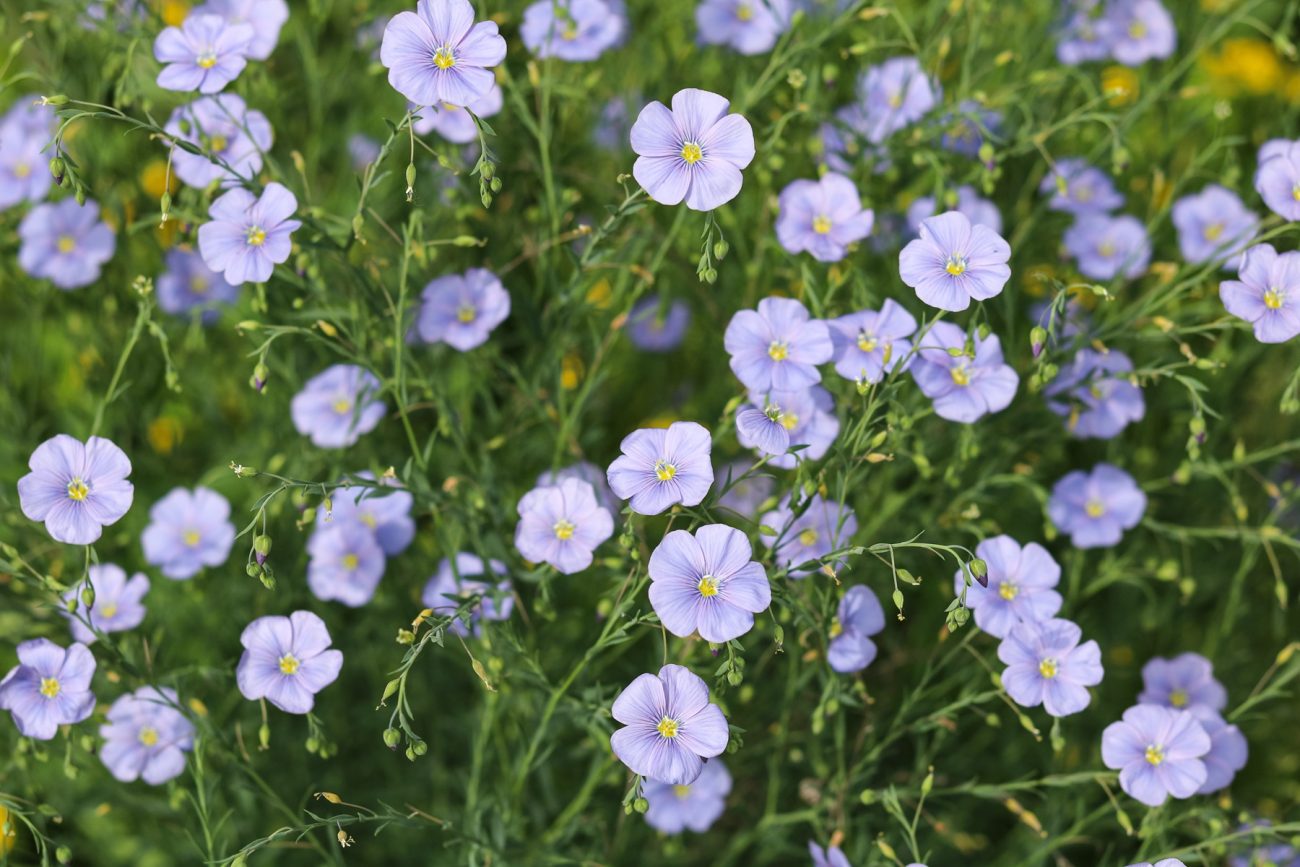
Flaxseed (Linum usitatissimum) is the herbalist’s plant omega-3 staple. Around half its fatty acids are ALA, one of the highest concentrations in any common food, and clinical trials show it can lower blood pressure (7). It also supplies lignans with mild phyto-oestrogenic activity and mucilaginous fibre that supports bowel transit and assists cholesterol clearance. ALA oxidises rapidly with heat, light or air, so buy whole seeds, store them in the fridge and grind small amounts on demand in a clean coffee grinder. Pre-ground flax that has spent weeks on a warm shelf is rarely as fresh as the label suggests.
Other plant fats worth a regular place include walnuts (notable for ALA), almonds, hazelnuts and pecans; avocado and olives; and seeds such as hemp (Cannabis sativa), chia (Salvia hispanica) and pumpkin (Cucurbita pepo). For specific clinical use evening primrose (Oenothera biennis), borage (Borago officinalis) and blackcurrant (Ribes nigrum) seed oils supply gamma-linolenic acid (GLA), useful in PMS and inflammatory skin conditions (8).
For those whose diet and ethics allow, oily fish, the SMASH group of salmon, mackerel, anchovies, sardines and herring, supply pre-formed EPA and DHA, alongside free-range eggs and grass-fed butter, ghee and meat. Sourcing matters: grass-fed beef and lamb carry a healthier omega ratio than grain-fed, and wild oily fish carry more EPA and DHA than most farmed equivalents.
Coconut oil also has a place in the kitchen. It is roughly 90% saturated, but the dominant fatty acid is lauric acid, a medium-length saturate the body partly converts to monolaurin, a compound with antibacterial, antiviral and antifungal activity (9). Lauric acid raises HDL alongside LDL and is thought to behave more favourably than longer-chain saturates linked to cardiovascular risk, though long-term net effects remain debated. Stable with heat, coconut oil pairs well with fat-soluble herbs; in moderation it is fine for those who enjoy the flavour.
The fats to leave behind
Two categories warrant cautious distance. Industrial trans fats, produced when liquid oils are forced solid by hydrogenation, sit awkwardly in cell membranes, stiffening them and impairing the signalling they support. They distort cholesterol profiles and are linked to cardiovascular disease, insulin resistance and certain cancers (10). Found in margarine, deep-fried takeaways and mass-produced biscuits, doughnuts and pastries — another nail in the coffin for ultra-processed convenience foods.
Refined vegetable oils, soybean, sunflower, corn, cottonseed and conventional rapeseed, are extracted using heat and chemical solvents such as hexane, then bleached and deodorised. Even before they reach the kitchen they carry oxidation products; reheating generates further aldehydes and malondialdehyde, both implicated in oxidative stress and DNA damage. In the UK most own-brand “vegetable oil” is refined rapeseed; in the US, soybean.
A telling and often overlooked data point: since the 1960s the food whose consumption has grown most in Western diets is not a commonly perceived sugar but actually refined vegetable oil, US soybean oil intake alone has risen more than a thousand-fold since 1909, much of it hidden inside ultra-processed foods (11). For most of human history dietary oils were expensive and used sparingly; today they are among the cheapest commodities in the food system.
Cold-pressed flaxseed, hemp and walnut oils are also beneficial but easily disrupted by heat, light and oxygen, so excellent for dressings, not for cooking. The kitchen rule of thumb: cook with ghee, butter, coconut oil or, at moderate heat, extra-virgin olive oil.
The herbalist’s case for fat
For herbalists, dietary fat is more than a macronutrient; it is essential to ensure valuable phytochemicals reach the bloodstream. A surprising proportion of plant constituents are lipophilic, requiring dietary fat and intact bile flow to be absorbed via the intestinal lymphatic system. A meal eaten with no fat at all can leave even a well-prescribed herb largely on the plate.

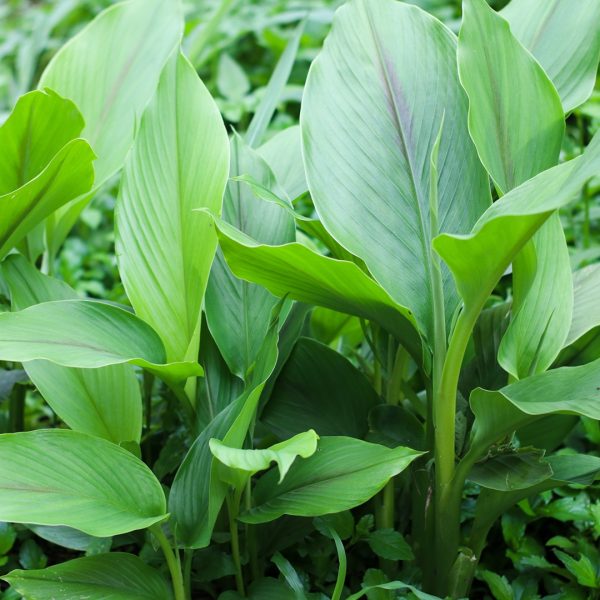
The curcuminoids in turmeric (Curcuma longa) are the classic example. Notoriously poorly absorbed alone, curcumin bioavailability rises sharply with fat, and rises further still in the presence of the black pepper alkaloid piperine (12). The Ayurvedic tradition of golden milk, turmeric simmered with ghee or coconut milk, is a prime example of traditional preparations getting the chemistry right.
The principle extends widely. The carotenoids in calendula (Calendula officinalis), rosehips (Rosa canina) and sea buckthorn (Hippophae rhamnoides) are absorbed much more efficiently with a fat-containing meal (13). The withanolides in ashwagandha (Withania somnifera) are traditionally delivered in a milk decoction, which supplies both fat and protein.
Silymarin from milk thistle (Silybum marianum) and the boswellic acids of frankincense (Boswellia serrata) are similarly lipophilic, similarly better absorbed with fat. Even the fat-soluble vitamins A, D, E and K, abundant in herbs such as nettle (Urtica dioica), dandelion leaf (Taraxacum officinale) and parsley (Petroselinum crispum) also depend on fat and bile to be absorbed.
A working rule for herbs and nutrition: aim for a thumb-sized serving of healthy fat with every meal; half an avocado, a handful of nuts or seeds, a drizzle of cold-pressed olive or flax oil, an egg yolk or a piece of oily fish. Where fat reaches the gut but is poorly absorbed, cholagogue herbs such as dandelion root, artichoke leaf (Cynara scolymus) and turmeric (Curcuma longa), alongside bitter foods and good hydration, support the bile flow on which all of the above depends.
Bringing dietary fats together
There is no single dietary fat to fear, and none to worship. The honest answer is the same as for every other macronutrient: eat real food, mostly whole, mostly recognisable, in the proportions humans have eaten throughout history, carbohydrates, proteins and fats together; fats chosen mostly from plants (olive oil, flaxseed, nuts, seeds, avocado), supplemented where ethics and ideology allow with oily fish, free-range eggs and grass-fed dairy or meat. There is room for personal context too: far-northern populations have thrived on diets very high in animal and marine fats; Mediterranean populations on diets up to 40% fat. Ancestry, climate and local food tradition all add further context to the fat discussion.
Above all, pair healthy fats with the herbs and whole foods on the plate, so that lipophilic phytochemicals and fat-soluble vitamins can do their work. Fat is not the enemy of health; the wrong fats, eaten in the wrong context, are.
References
- Dehghan M, Mente A, Zhang X, et al. Associations of fats and carbohydrate intake with cardiovascular disease and mortality in 18 countries from five continents (PURE): a prospective cohort study. Lancet. 2017;390(10107):2050-2062. https://doi.org/10.1016/S0140-6736(17)32252-3
- de Souza RJ, Mente A, Maroleanu A, et al. Intake of saturated and trans unsaturated fatty acids and risk of all cause mortality, cardiovascular disease, and type 2 diabetes: systematic review and meta-analysis of observational studies. BMJ. 2015;351:h3978. https://doi.org/10.1136/bmj.h3978
- Burdge GC, Calder PC. Conversion of α-linolenic acid to longer-chain polyunsaturated fatty acids in human adults. Reprod Nutr Dev. 2005;45(5):581-597. https://doi.org/10.1051/rnd:2005047
- Simopoulos AP. The importance of the ratio of omega-6/omega-3 essential fatty acids. Biomed Pharmacother. 2002;56(8):365-379. https://doi.org/10.1016/s0753-3322(02)00253-6
- Dalile B, Van Oudenhove L, Vervliet B, Verbeke K. The role of short-chain fatty acids in microbiota-gut-brain communication. Nat Rev Gastroenterol Hepatol. 2019;16(8):461-478. https://doi.org/10.1038/s41575-019-0157-3
- Estruch R, Ros E, Salas-Salvadó J, et al. Primary prevention of cardiovascular disease with a Mediterranean diet supplemented with extra-virgin olive oil or nuts. N Engl J Med. 2018;378(25):e34. https://doi.org/10.1056/NEJMoa1800389
- Khalesi S, Irwin C, Schubert M. Flaxseed consumption may reduce blood pressure: a systematic review and meta-analysis of controlled trials. J Nutr. 2015;145(4):758-765. https://doi.org/10.3945/jn.114.205302
- Mahboubi M. Evening primrose (Oenothera biennis) oil in management of female ailments. J Menopausal Med. 2019;25(2):74-82. https://doi.org/10.6118/jmm.18190
- Dayrit FM. The properties of lauric acid and their significance in coconut oil. J Am Oil Chem Soc. 2015;92(1):1-15. https://doi.org/10.1007/s11746-014-2562-7
- Mozaffarian D, Katan MB, Ascherio A, Stampfer MJ, Willett WC. Trans fatty acids and cardiovascular disease. N Engl J Med. 2006;354(15):1601-1613. https://doi.org/10.1056/NEJMra054035
- Blasbalg TL, Hibbeln JR, Ramsden CE, Majchrzak SF, Rawlings RR. Changes in consumption of omega-3 and omega-6 fatty acids in the United States during the 20th century. Am J Clin Nutr. 2011;93(5):950-962. https://doi.org/10.3945/ajcn.110.006643
- Shoba G, Joy D, Joseph T, Majeed M, Rajendran R, Srinivas PSSR. Influence of piperine on the pharmacokinetics of curcumin in animals and human volunteers. Planta Med. 1998;64(4):353-356. https://doi.org/10.1055/s-2006-957450
- Brown MJ, Ferruzzi MG, Nguyen ML, et al. Carotenoid bioavailability is higher from salads ingested with full-fat than with fat-reduced salad dressings as measured with electrochemical detection. Am J Clin Nutr. 2004;80(2):396-403. https://doi.org/10.1093/ajcn/80.2.396