


In border zones where healthcare access is structurally denied, Mobile Herbal Clinic Calais offers migrant communities solidarity-based herbal care that is adaptive, culturally informed, and clinically grounded.
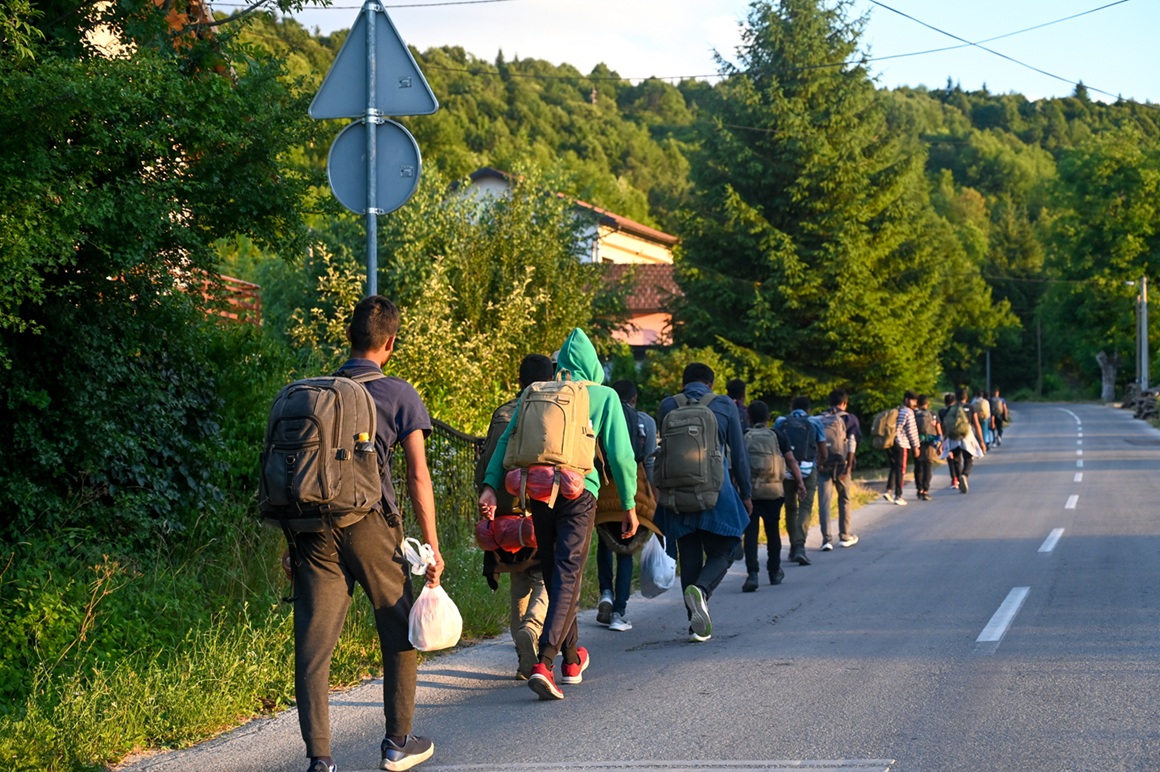
Across Europe, people on the move face significant and often life-threatening barriers to accessing healthcare. In informal settlements such as those in Calais and Dunkirk in Northern France, people are living outdoors exposed to prolonged cold and damp, while experiencing constant instability, and repeated displacement. These conditions are not incidental. They are produced by border regimes that restrict movement while failing to provide care, and that routinely criminalise and police people seeking safety.
People move for many reasons whether that’s fleeing war, persecution, and political violence, navigating economic displacement, or living through the ongoing impacts of colonialism and climate collapse. Yet those seeking safety in Europe are frequently met with deterrence, exclusion, and violence.
Within this context, minor health issues rarely stay minor. A cold becomes a chest infection. A small wound becomes infected. Sleep deprivation, stress, and exposure compound everything. In response to these conditions, grassroots healthcare initiatives have emerged. One such example is the Mobile Herbal Clinic Calais, a monthly clinic operating since 2019, providing first aid, preventative care, and herbal medicine to people living in the region. Since 2019, more than fifteen thousand people have been supported through the project.
This article explores how herbal medicine is being used in these contexts and what it means to practise herbalism in conditions shaped by displacement and state violence.
Health in contexts of displacement
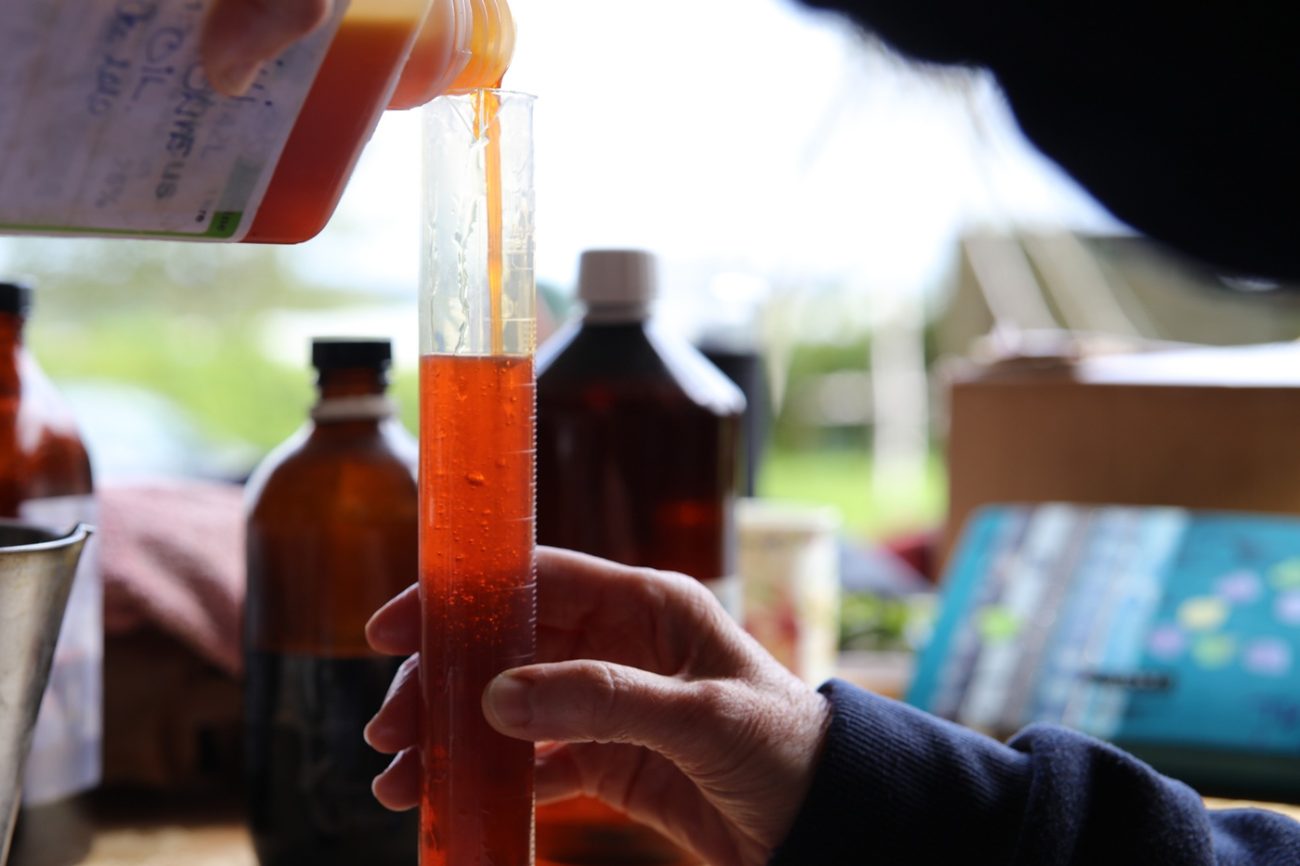
People living in informal camps or unstable conditions are navigating an accumulation of pressures that directly shape health outcomes. This includes intense environmental exposure (cold, wind, rain, damp), as well as limited access to food, clean water, and sanitation. People experience chronic stress from repeated displacement, evictions and regular police violence. Meanwhile, sleep is severely impacted.
Upper respiratory infections are one of the most common presentations we see with the clinic, particularly in winter. Skin conditions, fungal infections, and scabies are widespread. Wounds often present late and are frequently infected. Musculoskeletal injuries are common, being linked to long journeys, unsafe environments, and, in many cases, direct police violence.
In Calais and similar border zones, violence is not an occasional event but part of the landscape. People report routine use of tear gas and pepper spray, confiscation and destruction of belongings, and physical assault during evictions and attempts to cross. These practices disproportionately target racialised migrant communities, particularly Black people, who experience heightened levels of surveillance and brutality.
These are not only political realities, they are clinical determinants of health.
Barriers to healthcare access
Accessing healthcare in these contexts is rarely straightforward. Even where services exist, people may avoid them due to fear of detention, deportation, or data sharing with immigration authorities. Language barriers, lack of information, and constant movement further limit access.
For some, seeking care carries risk. This means people often delay accessing support until conditions have significantly worsened. What might have been easily treatable becomes more complex, more painful, and more difficult to manage. In this gap, low-threshold, community-based healthcare becomes essential. With grassroots groups organising care that people can actually access, trust, and use.
Herbal medicine within an ecology of care
In Calais, herbal medicine is not used in isolation or as an alternative to conventional care. It is part of a wider ecology of care that includes first aiders, volunteer medics, and, where possible, access to formal healthcare services. Its role is specific and grounded with a focus on early intervention, symptom stabilisation, preventative care and reducing escalation.
Herbal medicine is used conservatively and within scope. Presentations are assessed for severity, duration, and red flags. Where escalation is needed people are referred on and supported to access further care. For example, in cases of suspected tuberculosis, systemic infection, fractures, etc.
The aim is not to replace allopathic treatment, but to work alongside it. To reduce pressure on limited systems, and to support recovery in the many situations where escalation is not immediately required.
Respiratory infections: Intervening early
Respiratory infections are the most frequent presentation in the clinic. In the conditions people are living in these infections can quickly worsen. Early intervention becomes critical.
Cold and flu packs are therefore a core part of the clinic’s work. These typically include cough syrups, chest rubs, immune support, and saline preparations. They are simple, practical interventions designed to reduce symptom burden and support recovery.
Formulations are multi-action. A cough syrup might include elderberry (Sambucus nigra), thyme (Thymus vulgaris), and marshmallow root (Althaea officinalis), combining antimicrobial, expectorant, and demulcent actions.
Preparations are adapted to cultural and religious needs, for example, using glycerites or vinegars instead of alcohol-based tinctures.
This is not about ideal formulations. It is about what is effective, accessible, and usable in the conditions people are living in.
Wound care: Infection control and autonomy

Wound care is another major focus. Cuts, burns, infected bites, and chronic wounds are common, often shaped by environmental exposure and delayed treatment. Many wounds have been present for weeks or longer by the time they are seen.
The clinical aim is straightforward — reduce microbial load, calm inflammation, support tissue repair and prevent progression.
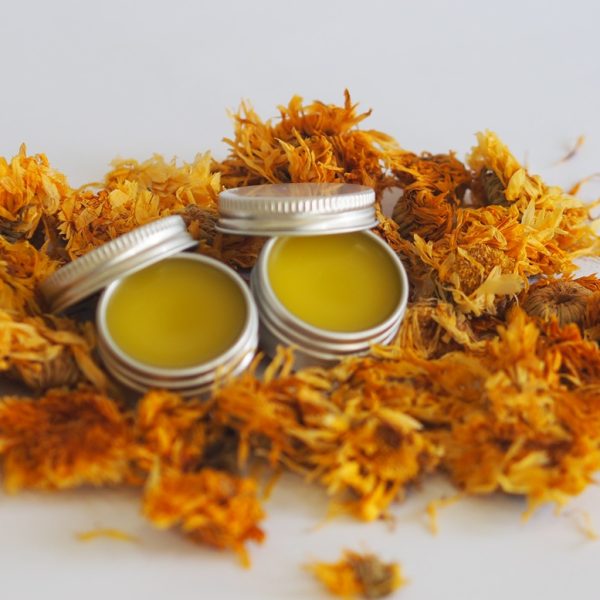
Interventions begin with cleaning and irrigation, followed by the use of topical herbal preparations such as calendula (Calendula officinalis), myrrh (Commiphora molmol), and witch hazel (Hamamelis virginiana). The clinic prepares several different wound sprays in advance that we use depending on the presentation. Another common preparation is aloe vera (Aloe vera) with Baikal skullcap (Scutellaria baicalensis) powder, covered with appropriate dressings.
A key part of this work is enabling people to continue care for themselves. Wound care packs are provided with dressings and basic supplies so treatment can continue between visits.
In a context where follow-up cannot be guaranteed, autonomy is not an add-on, it is part of effective care.
Foot care, skin conditions, and staying mobile
Foot care is often a priority. People may be walking long distances, wearing damp or unsuitable footwear, with little opportunity to dry their feet. Fungal infections, skin breakdown, and pain are extremely common.
Interventions include foot baths, antifungal creams, and powders, alongside practical support such as clean socks where possible. Maintaining foot health is directly linked to mobility, and mobility is often linked to safety.
Skin conditions such as scabies and inflammatory reactions are also widespread. While herbal medicine does not treat scabies itself, it can reduce itching and inflammation, helping prevent skin breakdown and supporting sleep. Again, these are small interventions with significant impact. The clinic prepares several different creams, such as chamomile (Matricaria chamomilla), chickweed (Stellaria media) and a strong antifungal cream prepared with different tinctures and essential oils.
Preventative care as survival
In these settings, preventative care is not a luxury. It is a way of interrupting predictable deterioration. People are living with chronic stress, sleep disruption, and ongoing exposure. Minor illnesses do not resolve easily. Without intervention, things escalate.
Sleep in particular becomes a clinical priority. People are often sleeping outdoors, being woken by police, or unable to rest due to fear and discomfort. Even small improvements in sleep can significantly affect recovery, pain levels, and immune function.
The clinic also focuses on general immune support, providing an immune tonic with several herbs such as echinacea (Echinacea purpurea/angustifolia), ginger (Zingiber officinale), turmeric (Curcuma longa), elderberry (Sambucus nigra) and thyme (Thymus vulgaris).
Cultural familiarity and decentralised care
Herbal medicine also carries a familiarity that matters. Many people accessing the clinic already have relationships with plant medicine. Herbal preparations are often recognised, trusted, and easier to engage with than unfamiliar medical systems. Whether that’s the comfort of warm lemon and ginger tea, or the scent of a chest rub.
Herbal medicine can also be produced and distributed in decentralised ways. During the early stages of the COVID-19 pandemic, when supply chains were disrupted and many healthcare organisations withdrew, the clinic scaled up production and distributed thousands of cold and flu packs. This kind of adaptability is critical in rapidly changing and resource-limited environments.
The role of herbalists: Practice, solidarity, and possibility
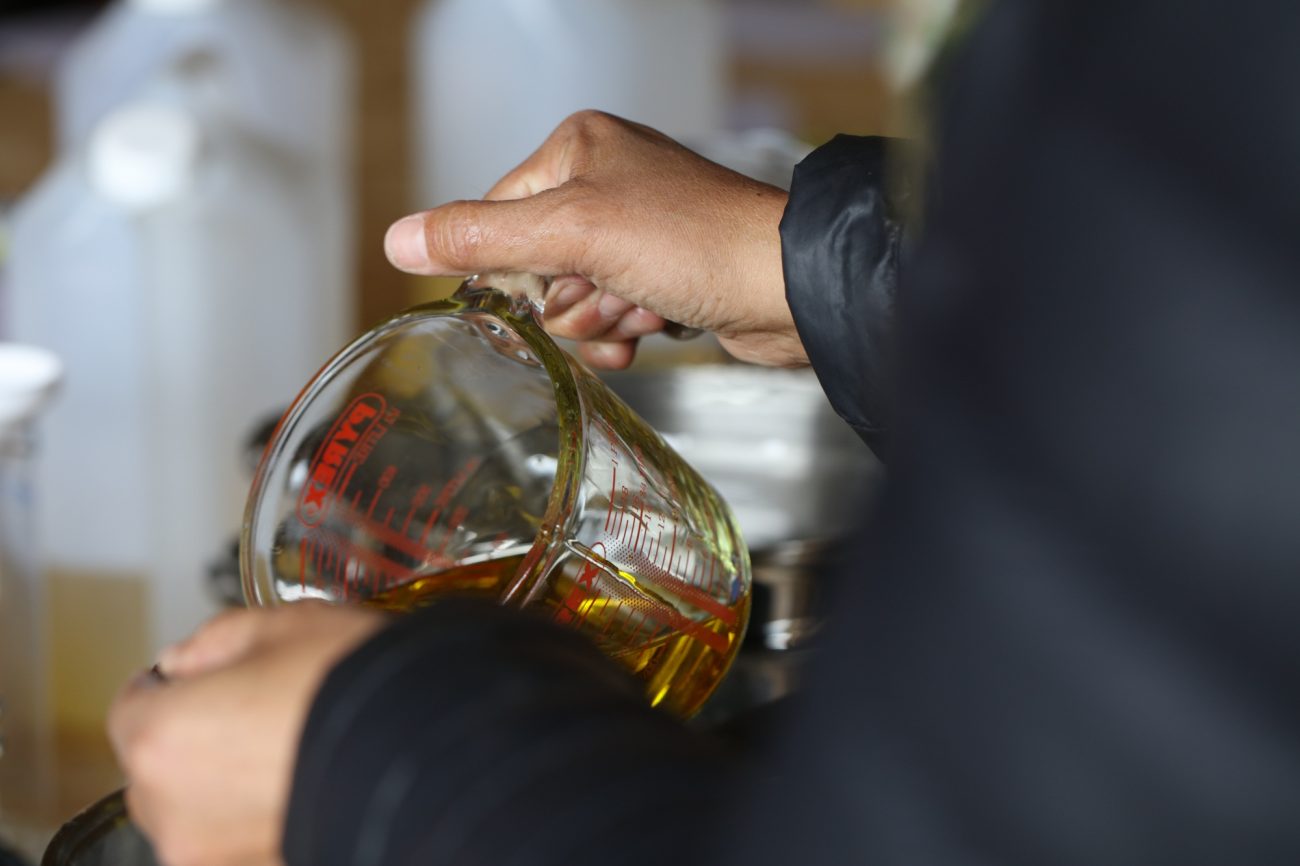
Herbalists can play a meaningful role in supporting migrant communities, particularly where access to healthcare is limited, unsafe, or exclusionary.
When working in the field, clear scope is essential. Herbal medicine is used only where it is appropriate. Knowing when not to treat is as important as knowing when to intervene. This work requires clinical judgement, strong triage skills, and a willingness to refer on when needed. It also requires humility, recognising the limits of what herbal medicine can do in the context where follow ups are not always straightforward or possible.
The Mobile Herbal Clinic Calais offers one example of how herbalists can practise in solidarity with people on the move. The project welcomes volunteers who can work with the clinic in France. However, we are just as in need of UK-based volunteers who can support with medicine making, fundraising and coordination.
Our medicines are made by local grassroots groups and herbalists across the UK. There are many opportunities to get involved in medicine making.
The clinic is also entirely funded by donations, grants and grassroots support, and welcomes volunteers that can support with fundraising to keep the clinic going.
More information about the Mobile Herbal Clinic Calais, including how to get involved, can be found at: https://mobileherbalclinic.org/