






Last reviewed 20/03/2026
Sustainability status
Not currently on risk lists but complete data may be missing on the status of the species. Read more in our sustainability guide.

Avoid in pregnancy and lactation
Herbs are generally best-avoided in pregnancy, unless working with them under the guidance of a medical herbalist. However, some herbs pose a risk to pregnancy as they are potentially: toxic to the mother, toxic to the neonate, teratogenic (risk developmental malformation), may increase miscarriage risk, or could cause foetal distress leading to miscarriage or premature birth. Herbs with teratogenic, emmenagogue, or stimulant laxative actions are all contraindicated in pregnancy. Furthermore, herbs containing volatile oils, thujone, apiol, phyto-oestrogens also should be avoided.
During lactation, there is the possibility for transfer of plant compounds through the breast milk, which can have an effect (detrimental or beneficial) on the infant.
Please read the Safety section in this monograph.

Drug interactions
Herbs may interact with pharmaceutical medications through both pharmacokinetic and pharmacodynamic mechanisms. Pharmacokinetic interactions involve alterations in the absorption, metabolism, distribution, or excretion of a drug. Many herb–drug interactions occur through liver enzyme modulation: by inducing CYP enzymes — increasing drug concentration and toxicity risk; or by inducing CYP enzymes — decreasing drug concentration and therapeutic efficacy.
Pharmacodynamic interactions occur when herbs and drugs influence the same physiological systems. These interactions can cause synergistic, additive or antagonistic effects at the receptor or tissue level, enhancing or opposing the intended pharmacological action. The clinical consequences of herb-drug interactions can be complex and nuanced. Consultation with a medical professional is, therefore, recommended to ensure safe use and appropriate dosing.
Please read the Interactions section in this monograph.
Contraindications
A contraindication refers to a situation in which a herb should be avoided as it may exacerbate a medical condition or pose undue risk. Contraindications may arise through pharmacodynamic mechanisms (e.g., liquorice in uncontrolled hypertension or uterine stimulants during pregnancy) or pharmacokinetic effects that alter metabolism, absorption or elimination (e.g., tannin-rich herbs in iron-deficient anaemia).
In some cases, herbal actions may aggravate underlying pathologies (e.g., the use of bitter herbs in GERD). Recognition of contraindications requires thorough assessment of patient history, co-morbidities and medications. Consultation with a qualified medical herbalist will provide guidance to ensure safe and appropriate prescribing.
Please read the Contraindications section in this monograph.
Not suitable for children
Some herbs are not suitable for paediatric populations due to developmental differences in pharmacokinetics and pharmacodynamics. Gastric pH, intestinal permeability, hepatic enzyme activity and renal clearance mature progressively throughout childhood, influencing absorption, metabolism and elimination of herbal medicines. These factors may alter bioavailability and half-life, increasing the risk of accumulation or adverse effects if adult dosing is applied.
Young’s formula and Clark’s rule are used by medical herbalists to adjust herbal prescriptions for children, according to age and weight, to ensure safe dosing. However, despite dosage adjustments, some herbs (those included in this category) should not be used until adulthood.
Please read the Safety section in this monograph.

-
Herb overview
Safety
Not suitable in pregnancy, breastfeeding or young children.
Can potentiate CNS depressant medication.Sustainability
Status: Lower risk
Key constituents
Valerenic acid
Sesquiterpenes
IridoidsQuality
Europe
cultivated
Adulteration with other Valeriana species.
Key marker compounds include valerenic acidsKey actions
Antispasmodic
Sedative
Nervine
AnxiolyticKey indications
Insomnia
Nervous agitation
Spasmodic pain
AnxietyKey energetics summary
Warm
Dry
Relaxing
PungentSee below for discipline-specific energeticsPreperation and dosage
Root
6–9 g/per day
Tincture (1:5 | 60%): 6–15 ml daily
-
How does it feel?
Valerian root samples have different organoleptic qualities depending on whether it is fresh or dried. Upon smelling a tea or extract made with Valeriana officinalis the first aroma is a strong, earthy almost animal-like odour (sometimes likened to old shoes!). This carries over to the first taste, soon supplanted by a distinctive low bitterness, an astringent woody quality, a little spicy heat and finally a slightly camphor-like aftertaste.
The complexity of these tastes reflect the action and reputation of the whole remedy.

The taste of valerian
The below qualities are derived from organoleptic assessment.
-
Into the heart of valerian

Valerian (Valeriana officinalis) In traditional Western energetics, valerian is considered warming, slightly drying and relaxing (4). The taste profile is considered to be acrid and pungent, typically associated with relieving constriction, spasm and nervous tension. It can be seen to relieve constrictive tissue states, helping to move stagnant nervous energy, sedate nervous excitation and balance nervous instability (4).
Wood considers valerian a paradoxical sedative, as it is seen to both stimulate circulation and nerves whilst also relaxing tension and relieving constriction through release rather than suppression (4,5,6). It is recommended in cases of nervous excess and overstimulation (6). This paradoxical application explains why some individuals feel it to be stimulating rather than sedating, as it is seen to move and disperse stagnant nervous energy rather than dampening the nervous response.
The sensory qualities offer an insight into its effect on the body, with the strong penetrating odour indicating its powerful action on neurological pathways, whilst being a root it is seen to ground and stabilise nervous overexcitability (2).
Valerian’s active compounds act synergistically on the central nervous system (CNS) to elicit sedative, anxiolytic and antispasmodic effects. The primary mechanism is through enhancing the GABAergic response due to valerenic acid (6).
-
What practitioners say
 Nervous system
Valerian is indicated for patients who are experiencing nervous agitation, anxiety and insomnia. It can be particularly helpful for those with insomnia resulting from overstimulation coupled with exhaustion (1). It can help reduce spasmodic symptoms of stress including headaches, neuralgia and muscle tension and can also be applied in cases of epilepsy and other convulsive conditions (1,2).
For those who find the properties too stimulating, it can be replaced with skullcap (Scutellaria lateriflora), hops (Humulus lupulus) and passionflower (Passiflora incarnata) (3). E Traditionally, valerian has been considered as a restorative healing remedy, particularly suited to debility and fatigue, perhaps as an important part of a convalescent protocol (7).
Musculoskeletal system
As an antispasmodic, valerian can be applied to relax neuromuscular excitability and aid in relaxation of tension held in the muscles. It can help to reduce muscle spasms and involuntary muscle contraction, and so can be used to treat spasmodic disorders affecting the musculoskeletal system. It has a particular application where muscle cramps and tension result from tension and are aggravated by stress (3).
Digestive system
Valerian is indicated in digestive issues characterised by nervous tension including nervous indigestion, IBS, colic and other gastrointestinal symptoms exacerbated by nervous dysregulation (2,3). This extends to its use in a prescription for alleviating symptoms of reflux alongside meadowsweet (Filipendula ulmaria) or marshmallow leaf (Althaea officinalis) (3,9).
Cardiovascular system
Its relaxing qualities may help to calm symptoms associated with nervous overstimulation including palpitations, tightness in the chest and high blood pressure. It can be combined with cardiotonic herbs, such as hawthorn (Crataegus monogyna) in these instances (1,3).
Reproductive system
Traditionally, valerian can be used to offer relief from menstrual cramps due to its antispasmodic action. Its relaxing effect on smooth muscle and the nervous system helps to ease menstrual tension which is exacerbated by stress or anxiety (2,3).
-
Valerian research

Valerian root (Valeriana officinalis) Standardized extract of Valeriana officinalis improves overall sleep quality in human subjects with sleep complaints: A randomised, double-blind, placebo-controlled, clinical study
This randomised, double-blind, placebo-controlled clinical trial evaluated the effectiveness of a standardised valerian extract in improving sleep quality in adults with insomnia. The study included 80 adult participants with mild insomnia, who were randomly assigned to receive either valerian extract or placebo. Participants in the treatment group received 200 mg of standardised valerian extract (containing 2 % valerenic acid) daily for eight weeks.
The primary outcome measure was improvement in overall sleep quality and sleep latency, assessed through validated sleep questionnaires and objective sleep monitoring. Secondary outcomes included sleep efficiency, total sleep time, daytime sleepiness, anxiety levels, and subjective feelings of waking refreshed. The results demonstrated significant improvements in overall sleep quality, sleep latency, sleep efficiency, and total sleep time, along with reduced anxiety and daytime sleepiness in the valerian group compared with placebo. This suggests that valerian may be a safe and effective option for mild insomnia (10).
Effects of Passiflora incarnata and Valeriana officinalis in the control of anxiety due to tooth extraction: A randomised controlled clinical trial
This randomised, triple-blinded clinical trial was carried out to examine whether Valeriana officinalis and Passiflora incarnata could reduce anxiety, surgical discomfort, and physiological stress responses in patients undergoing extraction of third molars. The study included 54 adult participants scheduled for tooth extraction. The treatments consisted of oral preparations of either Valeriana officinalis or Passiflora incarnata administered prior to surgery, and outcomes were measured at three time points: before surgery (T0), during surgery (T1), and after surgery (T2).
The primary outcome measure was anxiety level assessed using the State-Trait Anxiety Inventory (STAI-S). Secondary outcomes included surgical discomfort (measured using the QCirDental questionnaire) and changes in vital signs during the procedure. The results showed that both valerian and passionflower groups experienced a significant reduction in anxiety scores between T0 and T2 (p < 0.05), whereas the placebo group did not show significant changes. The study concluded that phytotherapeutic preparations of valerian and passionflower can reduce anxiety associated with dental extraction (11).
Effectiveness of valerian on insomnia: A meta-analysis of randomised placebo-controlled trials
This meta-analysis of randomised controlled trials evaluated whether valerian was effective in the treatment of insomnia. The study evaluated 18 clinical trials including approximately 1,300 participants, consisting of adult men and women with insomnia or sleep complaints. Participants were treated with standardised valerian root preparations, usually in doses ranging from 300–900 mg per day, over treatment periods lasting from several days to four weeks.
The primary outcome measure was improvement in sleep quality, assessed using either validated scales or patient self-reports. Secondary outcomes included sleep latency and duration. The analysis found a significant improvement in subjective sleep quality compared with placebo, although objective sleep measures such as sleep latency did not show consistent improvement. The authors concluded that valerian may provide modest benefit for subjective insomnia symptoms, though this was dependent on study design (12).
-
Historical use of valerian
Valerian root has been used as a sedative in Europe since the 16th Century and was a prescription medicine as such in the 19th and early 20th centuries across much of the world. In the Middle Ages it was valued in the treatment of epilepsy, which may be considered the origin of its further use as an antispasmodic.
In the 20th century, valerian became known as a nervine, implying that it could calm, while also acting as a tonic to nourish and improve the function of the nervous system. Recommended uses included sleeplessness, nervous unrest, stress, and occasionally neuralgia and epilepsy (7).
Paradoxically, in early Graeco-Roman times the view was that valerian had warming or metabolic stimulating features, used as a diuretic, digestive remedy, menstrual stimulant and expectorant, and it was also used directly to cleanse and heal wounds and infections. Other species of valerian have been used similarly in native North American medicine and in Asia (7,8). Culpeper assigned valerian with Mercury, which he associated with the nervous system, movement and circulation (8).
-
Valerian’s herbal actions
Herbal actions describe therapeutic changes that occur in the body in response to taking a herb. These actions are used to express how a herb physiologically influences cells, tissues, organs or systems. Clinical observations are traditionally what have defined these actions: an increase in urine output, diuretic; improved wound healing, vulnerary; or a reduction in fever, antipyretic. These descriptors too have become a means to group herbs by their effects on the body — herbs with a nervine action have become the nervines, herbs with a bitter action are the bitters. Recognising herbs as members of these groups provides a preliminary familiarity with their mechanisms from which to then develop an understanding of their affinities and nuance and discern their clinical significance.
-
Valerian’s energetic qualities
Herbal energetics are the description that herbalists have given to plants, mushrooms, lichens, foods and some minerals based on the direct experience of how they taste, feel and affect the body. All traditional health systems use these principles to explain how the environment impacts health, according to each of their philosophies and frameworks. These assessments of individual herbs, though they often do align, can differ from one another due to cultural differences regarding perspectives on how herbs taste versus their physiological effects. Find out more about traditional energetics in our article An introduction to herbal energetics.
-
What can I use valerian for?

Valerian (Valeriana officinalis) Valerian is primarily used to encourage a healthy sleeping pattern due to its hypnotic and sedative actions. It can help to improve sleep quality, lengthen time asleep and reduce wakefulness (1). This is particularly relevant in cases where tension or anxiety are a primary cause of sleep disturbance. As a sedative and relaxant, it helps to calm tension in the nervous system, such as anxiety, stress or agitation. It has a particular affinity for relaxing muscle tension associated with anxiety or insomnia (1,2). It is a herb that helps to calm nervous overexcitability and promote calm and restfulness.
Further to this, its muscle relaxant properties indicate it in neurological and muscular tension and spasm, including tension headaches, nervous spasms and or muscle tension resulting from stress (1,2).
These antispasmodic properties extend its use to relieving digestive symptoms characterised by spasms or tension including irritable bowel syndrome (IBS), cramping or indigestion (3). Valerian can also be applied to help alleviate dysmenorrhoea and uterine spasm, especially if accompanied with or exacerbated by anxiety or stress (2,3).
-
Did you know?
Valerian contains actinidine and valerenic acid also found in catnip, hence why some cats also love the smell of valerian and exhibit a similar response to catnip (13).Historically, valerian has been noted to attract rats due to its strong odour, and some tales of the Pied Piper are noted to list valerian as the bait that was used to lure the rats away from the town (7).





 Nervous system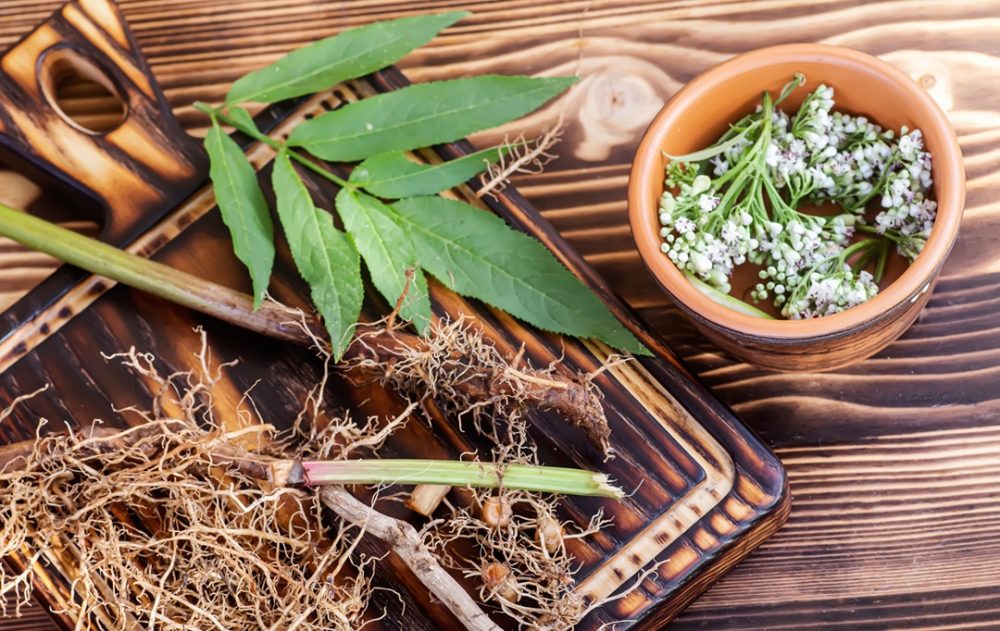
-
Botanical description
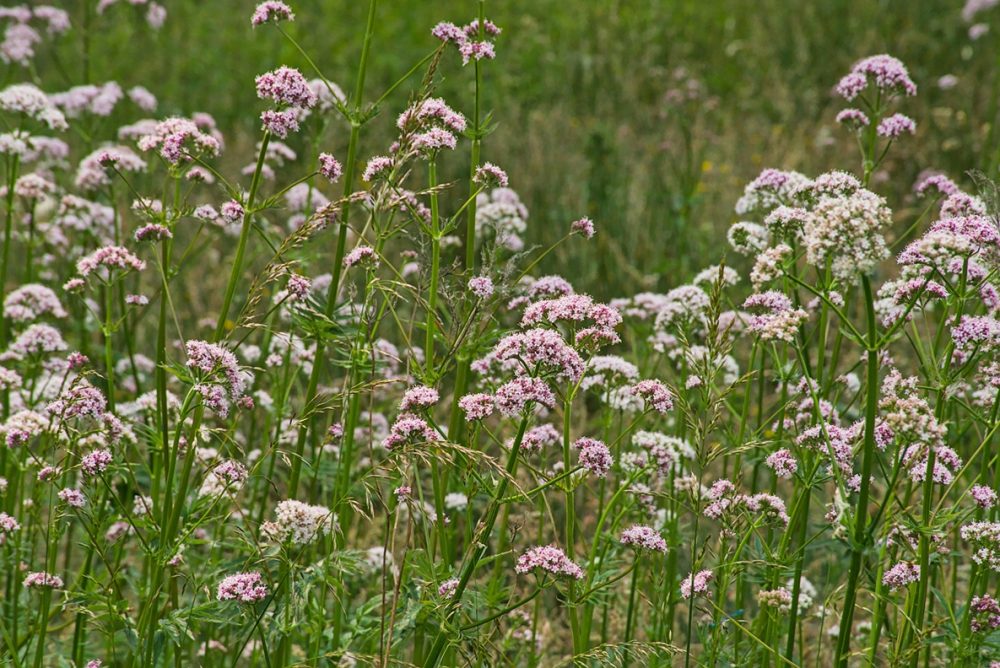
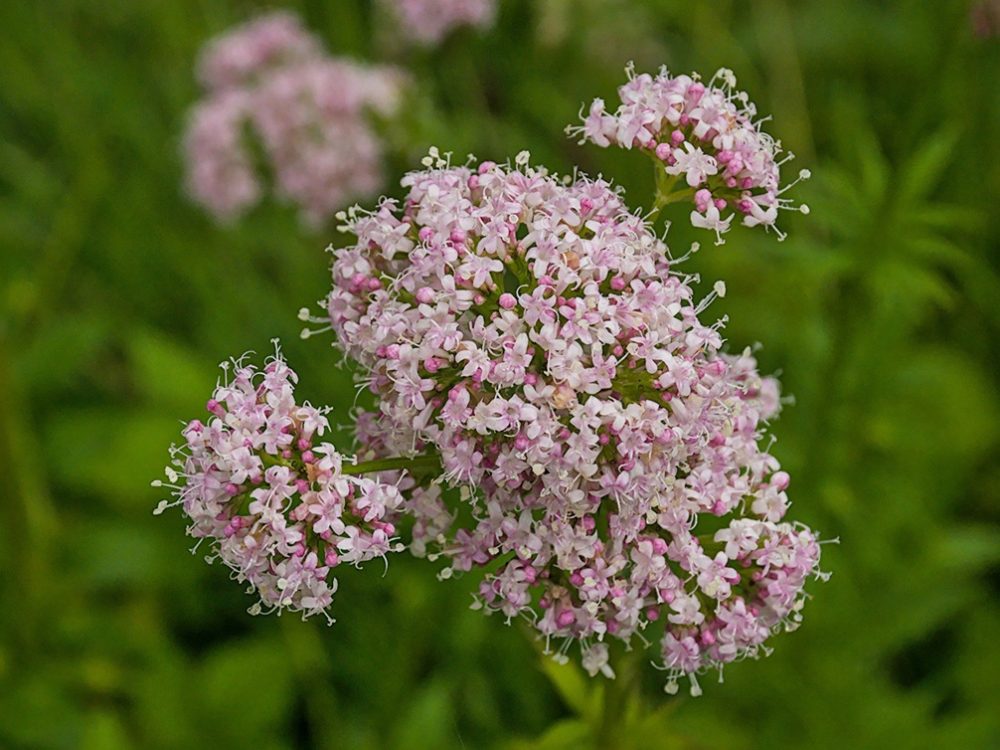
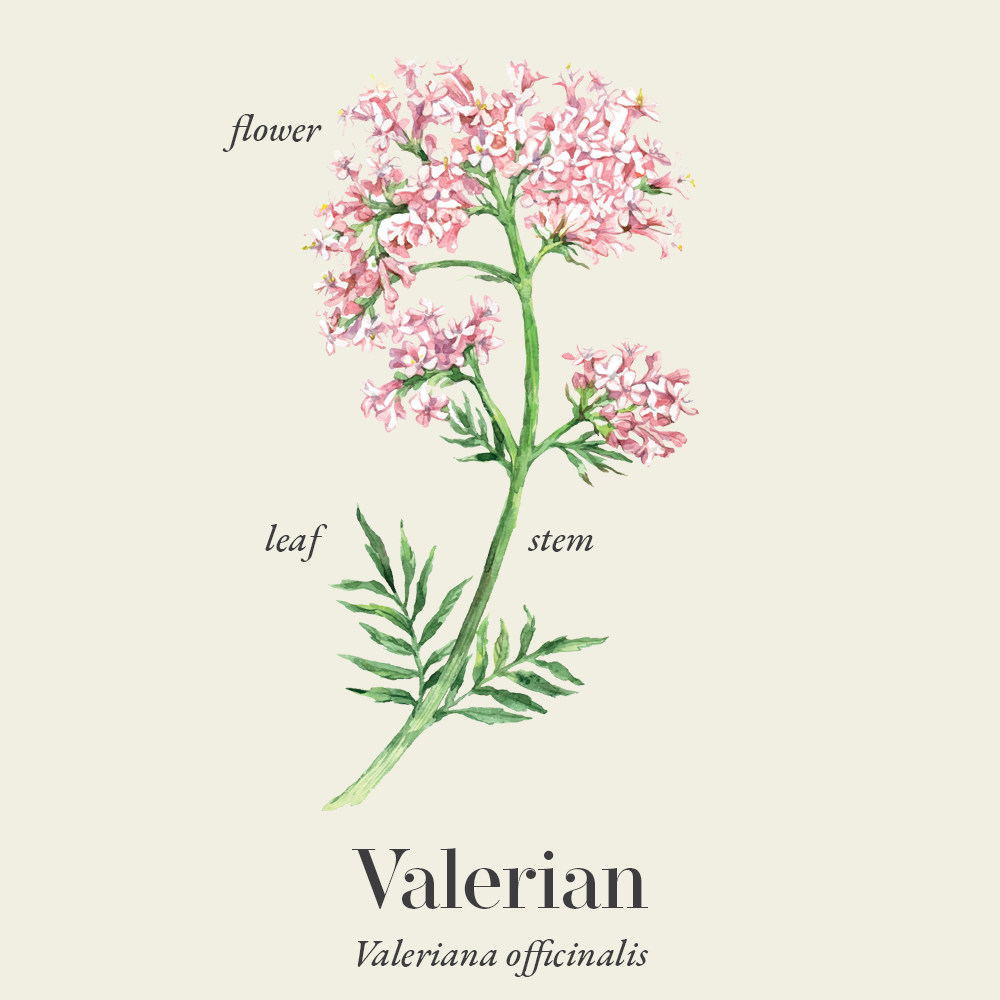
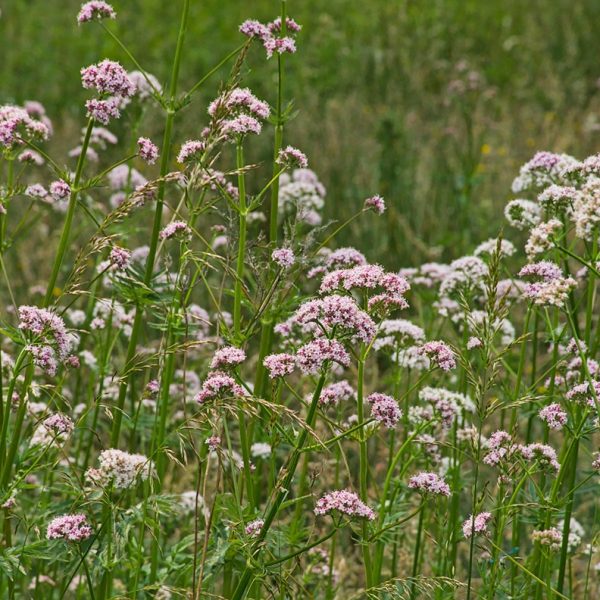
Valeriana officinalis is a herbaceous perennial, native to Europe and Asia and naturalised in the northeastern United States. It should not be confused with the common ‘red valerian’ Centranthus ruber often found in walls and coastal gardens.
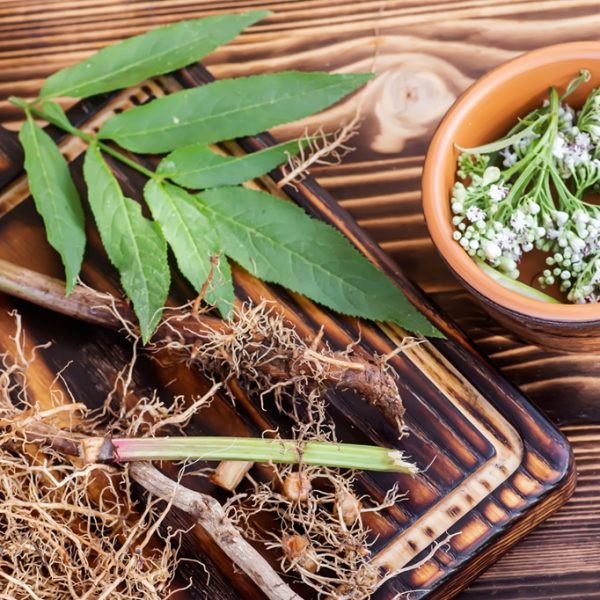
True valerian is a tall upright plant with hollow grooved stems, and finely cut or toothlike leaves. It has fragrant white to pink clusters of flowers from mid-late summer (14). .
Alternate botanical names:
Other species of Valeriana have similar properties including Mexican valerian (Valeriana edulis, or V. mexicana) and Indian valerian (Valeriana jatamansi) (15).
-
Common names
- All heal
- Garden heliotrope
- Baldrianwurzel (Ger)
- Katzenwurzel (Ger)
- Balderbrackenwurzel (Ger)
- Racine de valériane (Fr)
- Herbe aux chats (Fr)
- Valeriana, amantilla (Ital)
- Valeriana (Sp)
- Tagar (Sanskrit)
-
Habitat
Valerian is native to Europe as well as parts of western and northern Asia, with a preference for temperate climates. It is now also naturalised in parts of North America. Valerian prefers moist habitats such as damp meadows, riverbanks, marshy grasslands and woodlands. It prefers nutrient rich, damp but not waterlogged soils (16).
-
How to grow valerian
Valeriana officinalis thrives in cool temperate climates and is relatively easy to cultivate provided the soil is adequately moist and fertile. To harvest the medicinal root, plants must mature for between 2–3 years. The plant will produce stronger root growth in moderate sunlight but will also thrive in full sun or partial shade.
To grow from seed, propagate in the spring or autumn and cover seeds with a light layer of compost as they need light to germinate. Germination will typically take between 2–3 weeks. Plant seedlings out 30–45 cm apart to allow for adequate development of root growth. Keep the moist moist but not waterlogged. The plants can be harvested in the autumn of the second or third year (2,16).
-
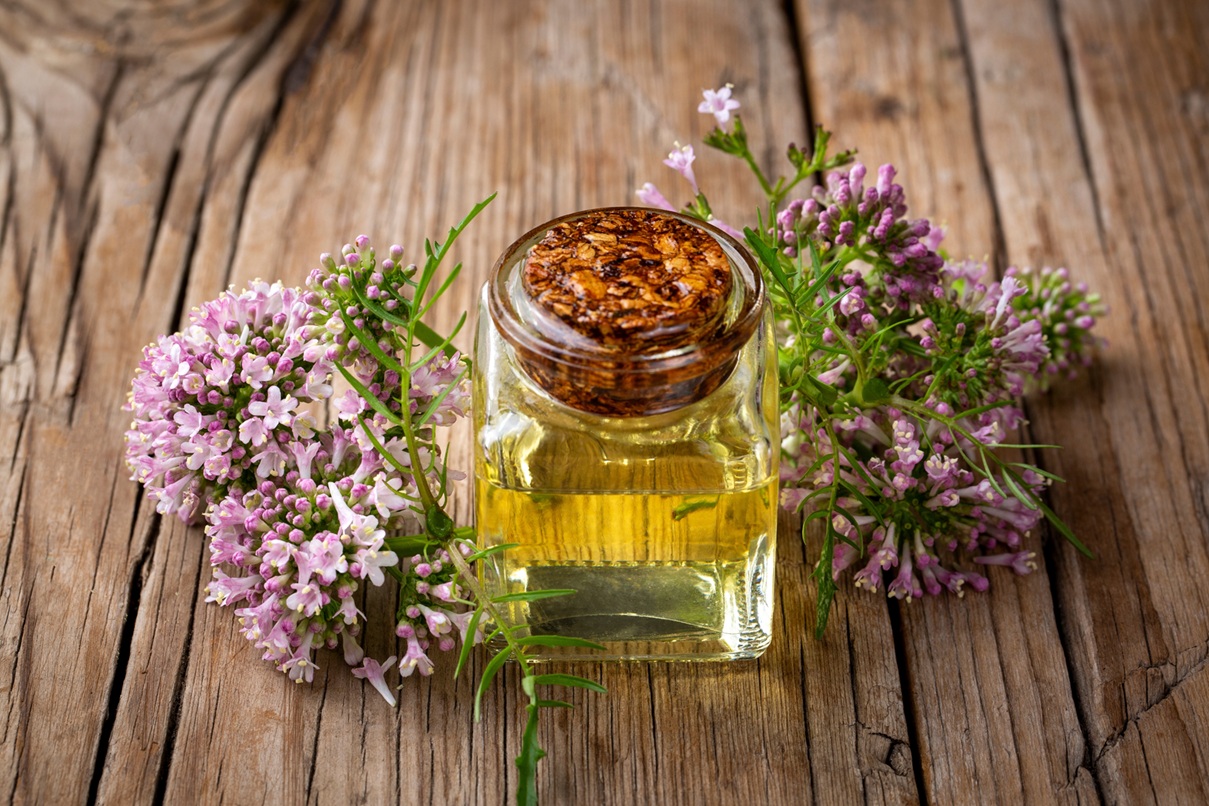
Herbal preparation of valerian
- Infusion
- Tincture
- Powder
-
Plant parts used
Root
-
Dosage
- Tincture (1:5| 60%): 2–5 ml up to three times daily, or 5 ml taken 30–60 minutes before bedtime for insomnia (2)
- Fluid extract (1:1 | 60%): 0.5–1 ml up to three times daily (2)
- Infusion/decoction: 2–3 g of dried root as an infusion up to three times a day (2,6)
- Capsules containing 400–900 mg of the dried root can be taken once in the evening to support insomnia (16)
-
Constituents
- Iridoids valepotriates: Valtrate, isovaltrate, didrovaltrate, and acevaltrate
- Essential oil: Valerenic acid, borneol, bornyl acetate, acetoxyvalerenic acid, camphene, pinene
- Sesquiterpenes: Beta-bisabolene, valerenal, valeranone
- Alkaloids: Actinidine, chatinine, valerianine
- Flavonoids: Linarin, hesperidin
- Organic acids: Isolvaeric acid, valeric acid
- Amino acids: Gamma-aminobutyric acid (GABA), glutamine, arginine (17)
-
Valerian recipe
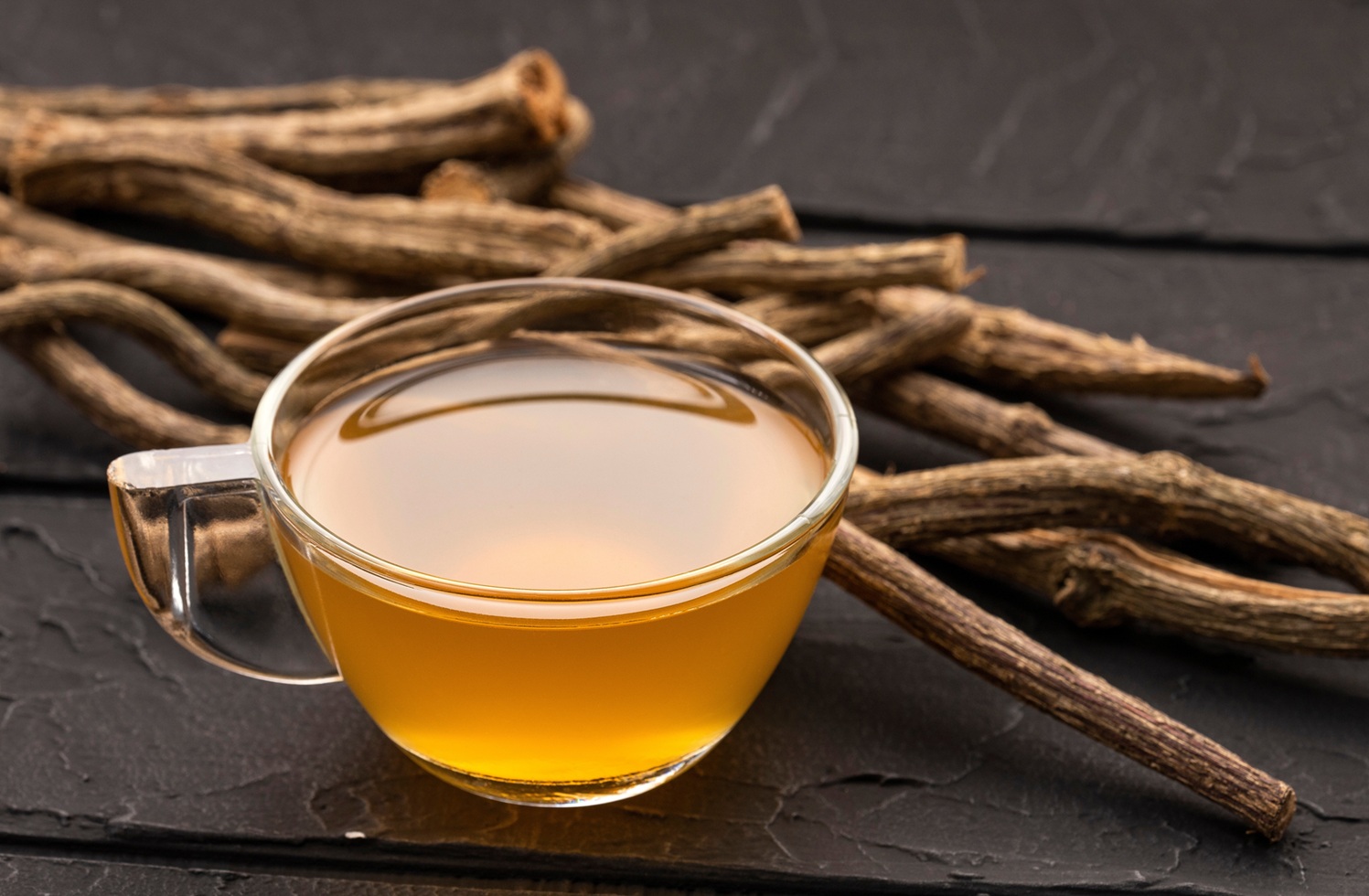
Valerian sleep tea
This tea can be made to support a restful night’s sleep.
Ingredients
- 2 g dried valerian root
- 200 ml freshly boiled water
How to make valerian sleep tea
- Place the valerian root into a teacup.
- Pour the freshly boiled water over the herb.
- Cover and infuse for 10–15 minutes.
- Strain and drink 30–60 minutes before bed.

-
Safety
Valerian is considered to have a low toxicity profile and safe to be consumed within the recommended dosage guidelines (2). Adverse effects are uncommon but may include gastric upset, headache or drowsiness which become more likely in larger doses.
Some individuals may experience paradoxical stimulation, whereby they experience increased stimulation or agitation rather than the desired relaxing outcome, it is recommended to try valerian in small doses to judge the reaction before proceeding to larger or more regular dosing. It may also impact concentration and reduce alertness so it is recommended to take away from activities requiring concentration (2,6,18).
There is insufficient safety data for its use during pregnancy and breastfeeding, some studies suggest the compounds may be teratogenic so it is advisable to avoid valerian during pregnancy and breastfeeding (2,6,18).
-
Interactions
Valerian may enhance central nervous depressants including benzodiazepines, barbiturates, hypnotics as well as antidepressants or antipsychotics. It may also enhance the sedative effects of alcohol (18,19,20).
-
Contraindications
Valerian should not be used in children under three years of age (2,18). It is recommended to stop taking valerian at least two weeks prior to surgery due to its potential to exacerbate sedative effects (2,18).
-
Sustainability status of valerian
Valeriana officinalis is not considered to be at risk and is listed as ‘Least Concern’ on the IUCN redlist (21).
It has not been globally evaluated, but is considered not to be at threat due to its widespread distribution and large populations (22).
Read our article on Herbal quality & safety: What to know before you buy and Sustainable sourcing of herbs to learn more about what to look for and questions to ask suppliers about sustainability.
-
Quality control
Valerian is widely cultivated rather than wild harvested with well established cultivation occurring across Europe. The roots produce good yields and are easy to harvest (16). Key marker compounds include valerenic acids to confirm the authenticity of the plant, as some adulateration can occur with other Valeriana species (23).
-
References
- Hoffmann D. Medical Herbalism: The Science and Practice of Herbal Medicine. Healing Arts Press; 2003.
- Bone K, Mills S. Principles and Practice of Phytotherapy: Modern Herbal Medicine. 2nd ed. Edinburgh Churchill Livingstone, Elsevier; 2013.
- Wood M. The Earthwise Herbal : A Complete Guide to New World Medicinal Plants. Berkeley, Calif. North Atlantic Books; 2009.
- Culpeper N. Culpeper’s Complete Herbal & English Physician. Applewood Books; 2011.
- Hedley C, Shaw N. Plant Medicine. (Waddell G, ed.). Aeon Books; 2023.
- Stableford A. The Handbook of Constitutional and Energetic Herbal Medicine the Lotus Within. Aeon Books; 2021.
- Ellingwood F, Lloyd JU. American Materia Medica, Therapeutics and Pharmacognosy : Developing the Latest Acquired Knowledge of Drugs, and Especially of the Direct Action of Single Drugs upon Exact Conditions of Disease, with Especial Reference of the Therapeutics of the Plant Drugs of the Americas. Eclectic Medical Publications; 1983.
- Felter HW. The Eclectic Materia Medica, Pharmacology and Therapeutics.; 1922.
- King J, Felter HW, Lloyd JU. King’s American Dispensatory. Ohio Valley Co; 1905.
- Fisher C. Materia Medica of Western Herbs. Aeon Books; 2018.
- Priest AW, Priest LR. Herbal Medication: A Clinical and Dispensary Handbook.; 1983.
- British Herbal Medicine Association. British Herbal Pharmacopeia 1996. British Herbal Medicine Association; 1996.
- Cabrera C. Holistic Cancer Care. Storey Publishing, LLC; 2023.
- Kamalakar PL BV. Reduction of diet-induced obesity in rats with a herbal formulation. Ancient science of life. 2020;13(1-2). Accessed August 7, 2024. https://pubmed.ncbi.nlm.nih.gov/22556633/
- Khatib S, Faraloni C, Bouissane L. Exploring the Use of Iris Species: Antioxidant Properties, Phytochemistry, Medicinal and Industrial Applications. Antioxidants. 2022;11(3):526. https://doi.org/10.3390/antiox11030526
- Nature Serve Explorer. Iris versicolor. Natureserve.org. Published 2026. Accessed March 5, 2026. https://explorer.natureserve.org/Taxon/ELEMENT_GLOBAL.2.132305/Iris_versicolor
- BBC Gardener’s World. Iris versicolor. BBC Gardeners World Magazine. Published October 4, 2017. Accessed March 5, 2026. https://www.gardenersworld.com/plants/iris-versicolor/?srsltid=AfmBOoo2l-Rz8dTaFJW9rViip2GBitwm86a_sYL9EKy1MmldVigYD8Ui
- Thomsen M. Phytotherapy Desk Reference. 6th ed. Aeon Books; 2022.
- TRC Healthcare. NatMed Pro – Blue Flag. Therapeuticresearch.com. Published 2026. Accessed March 5, 2026. https://naturalmedicines.therapeuticresearch.com/Data/ProMonographs/Blue-Flag#safety
- Maiz-Tome L. IUCN Red List of Threatened Species: Iris versicolor. IUCN Red List of Threatened Species. Published June 30, 2015. https://www.iucnredlist.org/species/64315086/67729756
- Graff A, Upton R. American Herbal Pharmacopoeia : Botanical Pharmacognosy–Microscopic Characterization of Botanical Medicines. American Herbal Pharmacopoeia/Crc Press; 2010.
- Evans WC. Trease and Evans’ Pharmacognosy. Elsevier Health Sciences UK; 2009.
Meet our herbal experts
Our monographs are written by our monograph authors and edited, reviewed and updated by Herbal Reality.
Meet our Herbal Reality team or explore our Herbal Reality authors.