









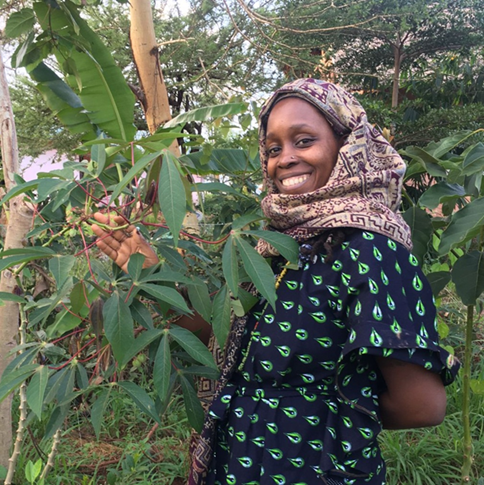
An exploration of traditional African medicine — from Sudanese neem to Nigerian moringa — examining plant preparations, ethnobotanical significance and sustainability pressures.
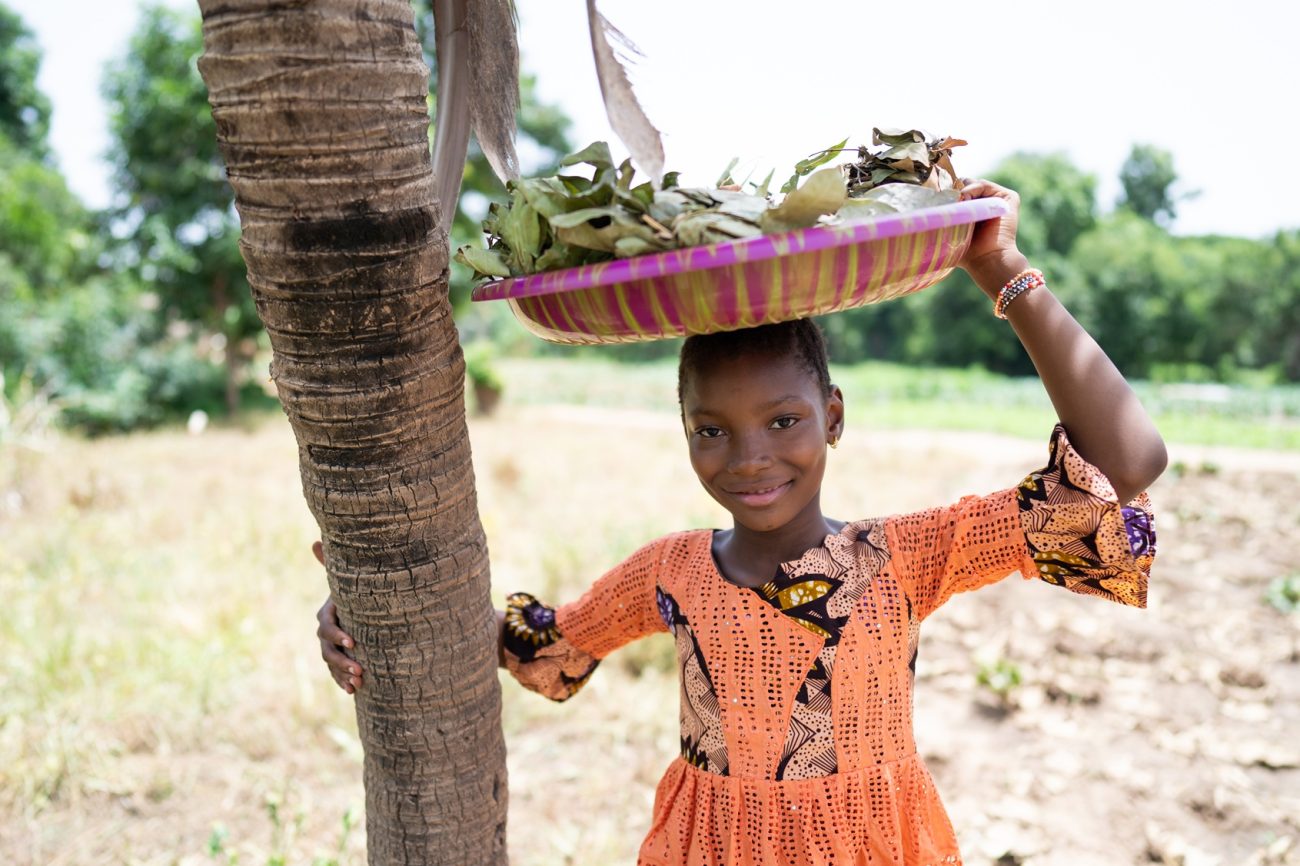
The World Health Organization still asserts that about 1/3 of the global population uses traditional herbal medicine as a means of health care; in Africa, that would be much of the population at 80% (1).
Sometimes called African traditional medicines (ATM), traditional African medicine (TAM) is a method of healing and healthcare used across African nations for thousands of years. In TAM, the role of the herbalist is to be a knowledge keeper; to remember the plants of the land, the culture that inherited it, support community, embrace emerging clinical evidence, preserve indigenous wisdom, and much of the time position oneself as an activist on behalf of the land and the people.
In Africa, TAM has shifted across the timeline of healthcare, from pre- to post-colonialism through to the current era of urbanisation. Today, traditional African medicine can be defined as the sacred practice of African traditions of medicine that have existed for thousands of years, based on a holistic system founded on African culture and spiritual beliefs.
Africa is an enormous continent which has been divided into fifty-five countries since the 1800s. Prior to this division, Africa was open land occupied by diverse nations of people and cultures that we still find today. It would be too much to cover TAM across the entire continent here, so, this article focuses on examples within five directions; north, south, east, west, and central Africa. traditional African medicine is discussed within the context of medicinal plant preparations and practices in these regions.
Plant medicines and preparations in Northern Africa
North and South Sudan combined cover a vast area on the continent of Africa. Together, both countries sit on diverse land covered with over 3137 flowering plants recorded (2). Influenced by Islamic and Arabic cultures, especially in North Sudan, 90% of both North and South Sudan rely heavily on herbal medicines as their primary healthcare.
The majority of North and South Sudanese populations are reported to use medicinal plants most commonly for cough and colds, joint pains and gastrointestinal discomforts (3). About 48 medicinal plant species used in this region are in the Fabaceae family most are applied for their antibacterial, antifungal, antimalaria, antimutagenic, antioxidant, immunomodulant, and anti-inflammatory properties (2).
Neem (Azadirachta indica)
Commonly known as shajarat al-neem in the North Sudanese vernacular, or margosa tree, belongs to the Melilaceae family and is well-known for its bioactive antiparasitic, antibacterial, antimalarial, anti-inflammatory, neuroprotective, antinociceptive and acaricidal properties.
Plant preparation of neem: Commonly seeds, roots, and leaves of A. indica are prepared in remedies. Roots and leaves are decocted as an anti-venom for snake bites and scorpion bites as well as for gastrointestinal spasms. The leaves are infused to address malaria, fever, jaundice, and helminthiasis. Powdered leaves are often used topically for skin blemishes and orally to increase appetite (2).
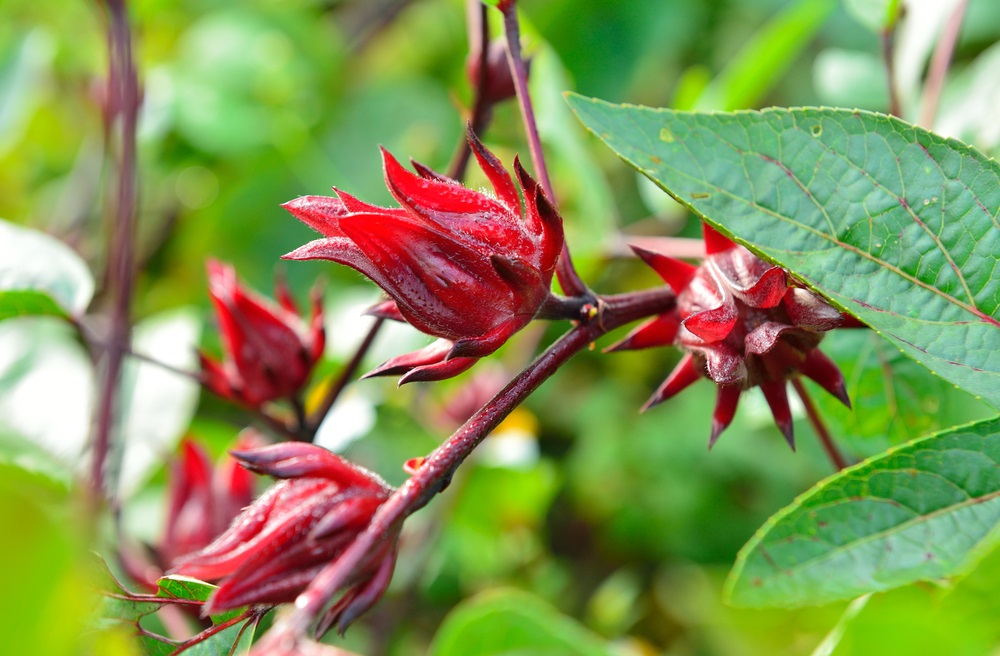
Hibiscus (Hibiscus sabdariffa)
Also known as karkadeh or angara, in the vernacular hibiscus is classified in the Malvaceae family mostly found in South Sudan, also known as roselle in English. The plant possesses antioxidants, antispasmodic, and antimicrobial properties.
Plant preparation of hibiscus: H. sabdariffa sepals are predominantly steeped in long hot and cold infusions for uterine relaxation, hypertension, fevers, colds and flu, as well as a synergist herb in antimalaria formulations (1,2). Seeds are commonly found in about 60% of oils used for skin and hair products.
Plant medicines and preparations in Southern Africa
In Botswana, South Africa, Namibia and Zimbabwe the use of plant medicine is very popular in urban areas. About 72% of black South Africans use medicinal plants as their healthcare modality (4). Most South Africans seek to use traditional African medicine for physical and spiritual health reasons. There is strong belief in the healing methods of traditional African medicine within this region; not only does it provide primary healthcare but spiritual protection for the community at large.
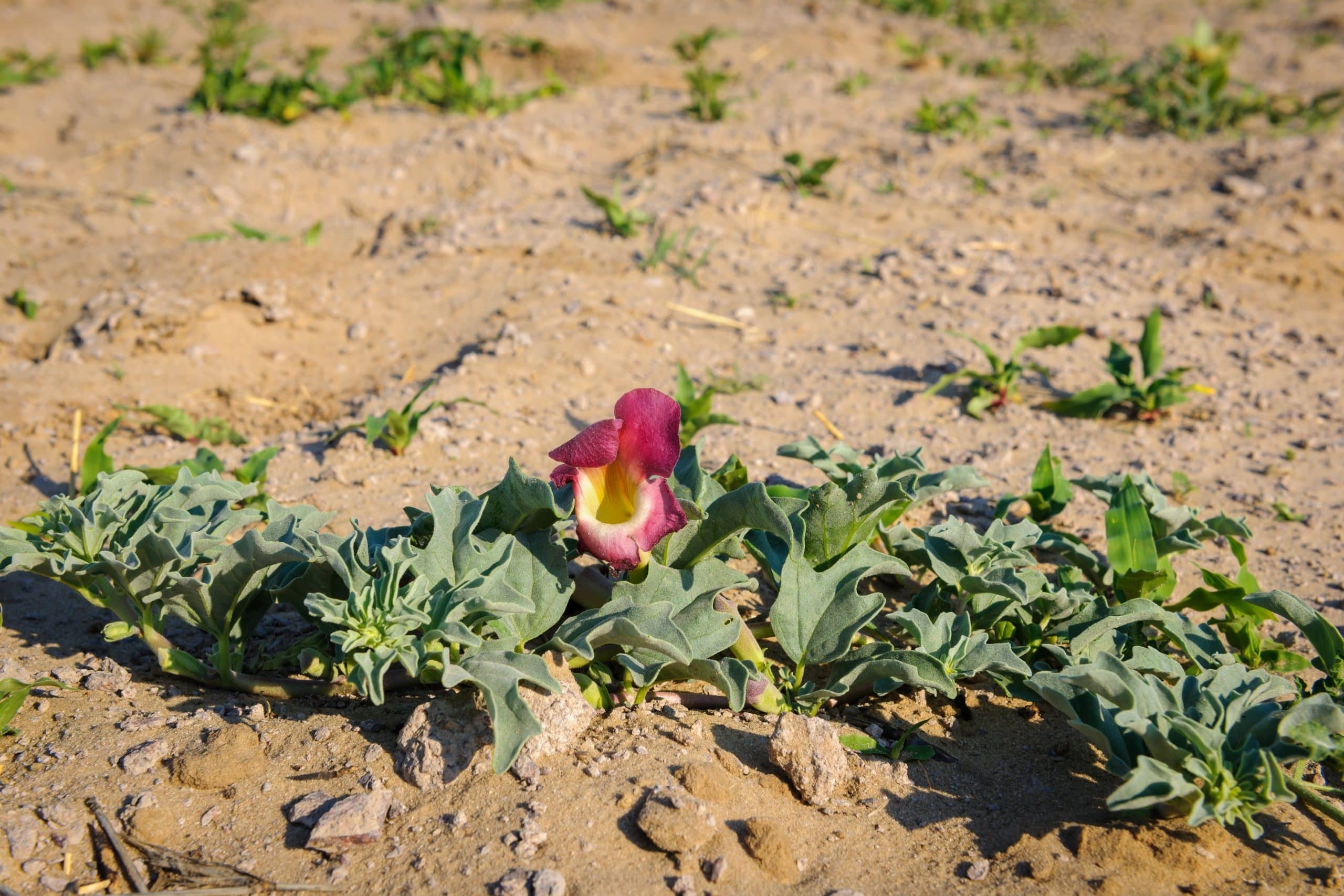
Devil’s claw (Harpagophytum procumbens)
Common plant used across Southern Africa. Popularly known in Materia Medica as devil’s claw, in Setswana, knowledge keepers call it sengaparile. H. procumbens belongs to the Pedaliaceae family.
Plant preparation of devil’s claw: Leaves, tubers, and fruit parts of H. procumbens are used; the tuber is the most popular form of preparation, however caution as the need for harvesting protection and plant medicinal quality is essential to note. It takes about four years for the tuber to mature and grow into the potent medicine sought (5).
Often, tubers are harvested before full maturity. H. procumbens is listed under CITES Appendix II, meaning the international trade of the plant is monitored and regulated owing to threats that it faces from overharvesting and loss of habitat (6). National legislation is also in place, requiring permits for harvest and export (7).
The fruit is hung outside the door of houses and used for spiritual protection. While the intact tuber is a well-known analgesic for back pain, headaches, and joint aches, the crushed powder is prepared for the treatment of skin cancer, or as a vulnerary, for toothaches and even prepared as a tincture to be used as a tonic. The leaves are often powdered for stomach ailments (5).
Cancer bush (Sutherlandia frutescens)
Known as unwele in isiZulu and isiXhosa, the common name, cancer bush, hints at its reputation in the treatment of cancer within indigenous communities (8). Known for its immunomodulatory, antioxidant, anti-inflammatory, antidiabetic, neuroprotective, and antimicrobial activities, it is predominantly used in indigenous communities as an antidepressant. Zulu warriors drank it after wars, and grieving widows still drink it today during mourning (8).
Plant preparation of cancer bush: Aerial parts of S. frutescens are frequently used, including stems, leaves, flowers, and pods. However, roots and leaves are more commonly combined to make infusions and decoctions. Decoctions of leaves are mostly applied as a skin remedy or eye wash. Clinical research shows that leave infusions have been shown to inhibit HIV-1 reverse transcriptase enzyme (8,9).
S. frutescens is an anti-inflammatory, immunomodulant and appetite stimulant, actively recommended to support diseases such as HIV and cancer as well as opportunistic infections. Used in medicinal teas for fevers, stems and leaves infusions are prepared for cancer, HIV, diabetes, kidney and liver diseases, rheumatism and stomach conditions. It is also applied as a tonic to release stress, as a depurative to detox blood and heal wounds. Topically, the herb is applied for the treatment of haemorrhoids, urinary tract infections, and gonorrhea (9).
Plant medicines and preparations in Eastern Africa
Kenya, Ethiopia and Tanzania have preserved popular practices in traditional African medicine where ancestral ways of prayer, divination and strong relationship with land translate into the practice of traditional African medicine therapy. Kenya alone has over 7000 identified species of medicinal plants to boast (10).
In Western Kenya, a community within the Cherangani Hills, of the Pokot nation, apply the use of medicinal plants mostly from the Asteraceae family. Root parts and decoction methods are the most dominant forms of preparation (10).
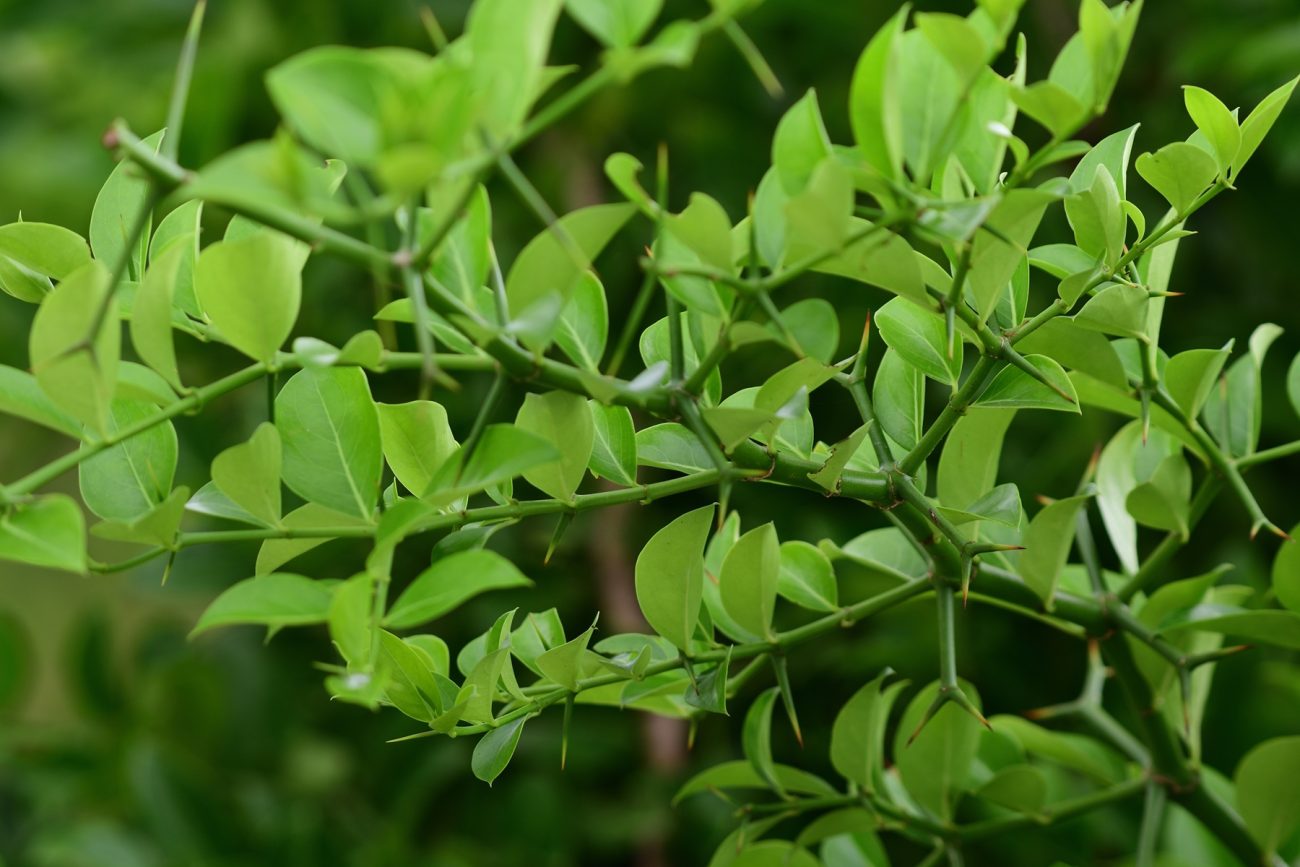
Bush plum (Carissa spinarum)
Colloquially known as Lokotetwo by the Pokot of Kenya and Mugariga in Swahili of Northern Tanzania. Part of the Apocynaceae family, the plant is used in both regions for several ailments. It is known to have anthelmintic, anti-inflammatory, anti-arthritic, anticonvulsant, hepatoprotective, antidiabetic, antimicrobial, antioxidant, antimutagenic, and antiquorum activities (11).
Plant preparation of bush plum: In Ethiopia C. spinarum is used as a repellent of the evil eye known as buda an Amharic word. The root is fumigated and at times mixed with water, inhaled or drank to rid of the spiritual entities. It is also worn as a talisman around the neck for further protection (11).
Amongst the Pokot, the root is an important remedy used to heal several ailments. It is decocted for malaria, chest pains, epilepsy, diarrhoea, breast cancer, arthritis, gonorrhea, coughs and infertility in men. The leaves are burned as a mosquito repellent, infused and drank as an antivenom for snake bites, eye cataracts, gastric cancers, sickle cell anemia, diabetes as well as asthma (11,12).
East African greenheart (Warburgia spp.) is a popular East African plant. In some Kenyan and even Tanzanian vernacular it is called msokonoi derived from the Maa language Osokonoi. Belonging to the Canallaceae family and commonly known as East African greenheart or pepper bark tree, the medicine of this plant is an important anti-inflammatory, antimalarial, antimicrobial, antioxidant, diuretic, and cytotoxic.
Plant preparation: The bark of Warburgia is the most used part for oral or topical preparations. Often combined with other herbs, it is powdered as a snuff for headache relief, smoked to relieve coughs, prepared to make an anti-inflammatory ointment for sexually transmitted infections and urinogenital inflammation (13).
The bark can also be chewed to make ointments or pastes and used as an anal suppository or swallowed as juice. Used for gastrointestinal issues and post-partum discharge, it is an excellent vulnerary component when the bark is prepared as a decoction (14,15). Other parts used include roots, leaves, and stalks, which are decocted or infused.
Warburgia ugandensis faces serious sustainability pressures across East Africa, driven primarily by the over-harvesting of its stem bark, compounded by timber extraction. The species is listed as Vulnerable on the IUCN Red List of Threatened Species (16). Listed under a CITES Appendix, an export permit is required for any international trade in parts of the tree (17). Cultivation and sustainable harvesting practices of this plant are needed to secure its future.
Plant medicines and preparations in Western Africa
In Kebbi, Kwara and Sokoto states of Nigeria 131 plants were researched for viral diseases (18). The majority of West Africans including Nigerians, Ghanaians and Senegalese seek herbal remedies for spiritual and physical health. For healthcare, traditional African medicine is predominantly sought for viral infections, malaria, fevers, hypertension, cancer, blood sugar regulation and sickle cell anemia (19).
Roots, bark, leaf, seeds, and fruit are commonly prepared for viral diseases in this region, in the form of decoctions, concoctions, infusions, and ointments for topical use.
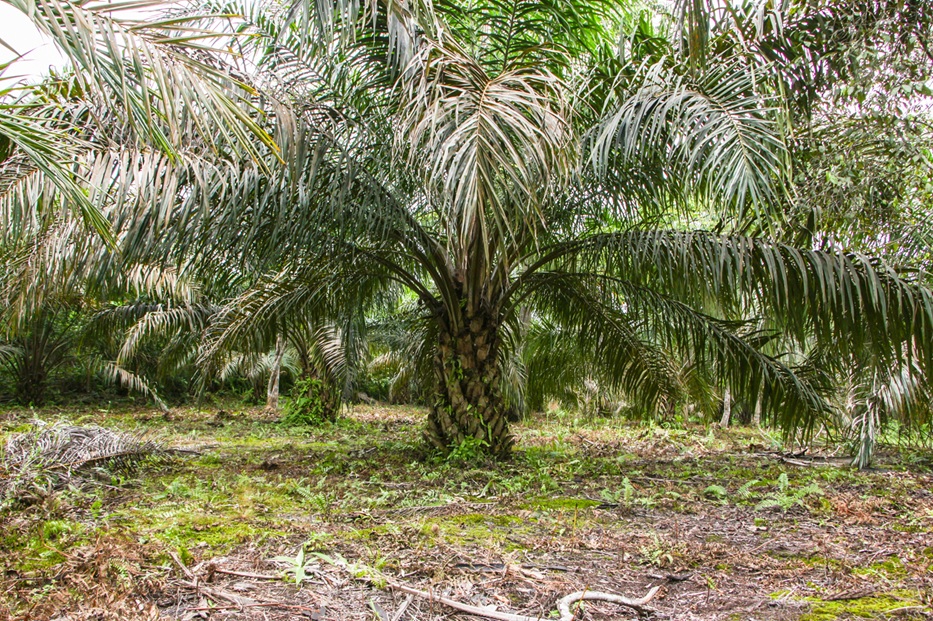
African oil palm (Elaeis guineensis)
Known as igi ope in Yoruba, this plant belongs to the Arecaceae family and is an extremely important plant within the cultural context of the Yoruba people and their cosmologies. It is viewed as a spiritual ally and was once the currency of Yoruba trading nations. A symbol of life and prosperity, the seeds, leaves, oils and roots of igi ope will be found symbiotic in Yoruba festivals and ceremonies today.
Plant preparation of African oil palm: Roots consist of analgesic properties. Decocted roots of E. guineensis are commonly used for hepatitis, meningitis, Lassa fever, yellow fever, and poliomyelitis (19). Palm hearts are used in the treatment of gonorrhea, menorrhagia, perinatal abdominal pain, as a laxative, diuretic, and antiemetic. The oil is often added to black soap blends, for skin and spiritual health, such as Dudu Osun soap. Its oil is a main ingredient in herbal ointments to apply in the treatment of leg swellings such as the parasitic infestation of Filaria (18,19).
Moringa (Moringa oleifera)
Moringa has become a very popular plant worldwide, marketed as a global super food. In many Nigerian states M. oleifera is one of the most ubiquitous herbs used in traditional African medicine. Known as ewe igbale in Yoruba, it is drumstick tree or tree of life in the Materia Medica. A panacea plant, M. oleifera can be used as a general support for almost any illness. It possesses antioxidant, anticarcinogenic, anti-inflammatory, antispasmodic, diuretic, antiulcer, antibacterial, antifungal, vulnerary, and antinociceptive active properties.
Plant preparation of moringa: Applied for its use for yellow fever; leaves are decocted to prepare a strong tea. Additionally, as an important nutraceutical and medicinal plant, even for children, it is added to food and decocted in teas for fever, ear infections, diabetes mellitus, managing sickle cell anemia, and hypertension (20,21). While the leaf is commonly used, seeds, roots, and flowers are also prepared. The root bark demonstrates analgesic, alexiteric, anthelminthic, properties often recommended for heart complaints, eye diseases, inflammation, and dyspepsia. With increasing prevalence of diabetes mellitus this plant is well sought out in Nigeria (21).
Plant medicines and preparations in Central Africa
Mental illness in Goma city, Congo is prolific amid displacement and war today. In a recent study approximately 63% of the population reported to be affected by anxiety, 37% psychosis, and 30% depression (12). Many people rely on and trust deeply in knowledge keepers of traditional African medicine, especially at a time like this. Thirty plant species have been identified to support people with mental health which is statistically rising due to political conflict (12).
Most plants used in Goma for mental health belong to the Asteraceae, Lamiaceae, and Solanaceae families. Research points out that Asteraceae plants contain a plethora of psychopharmacological constituents and, Lamiaceae and Solanaceae tend to have neurotrophic, anxiolytic and antidepressant properties (12).
Tassel flower (Emilia coccinea)
Often used in formulations for depression, tassel flower belongs to the Asteraceae family and is locally known in Lingala as bitekuteo flower. Studies show its beneficial properties as anti-inflammatory, antioxidant, and antimicrobial.
Plant preparation of tassel flower: E. coccinea aerial infusions are used for fever and convulsions, and demonstrate insulin sensitive properties in clinical studies (22). Additionally, it is used as a neuroprotective for cognitive and mental health disorders (12). Cognitive health due to its anti-cholinergic activities, would be the reasons for its success in traditional African medicine use for mental health in Goma, Congo (23). It contains pyrrolidine alkaloids and as a result should be used with care.
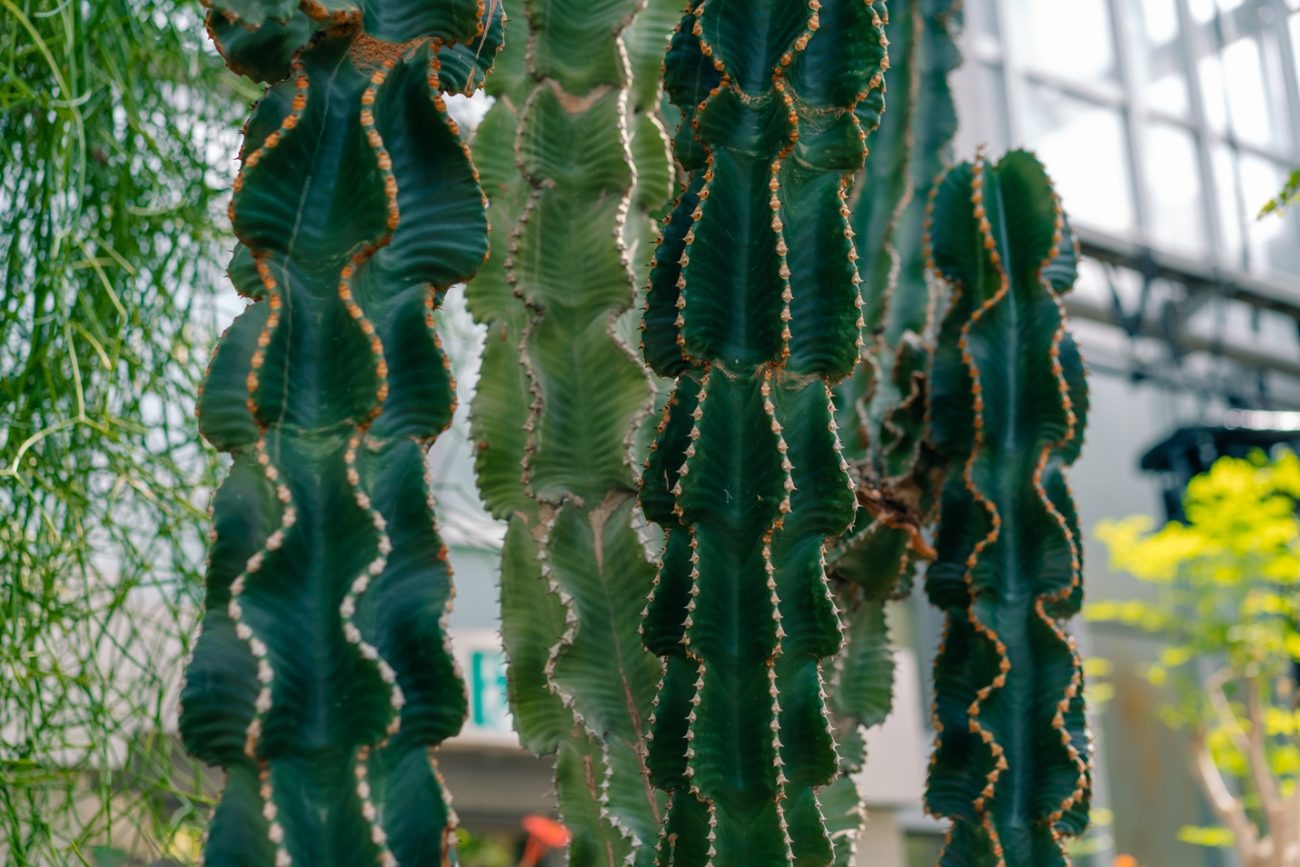
Desert candle (Euphorbia abyssinica)
Plants from other plant families are well used for mental illnesses in Goma, such as Euphorbia abyssinica which is an example from the Euphorbiaceae family. Often used for anxiety; its Swahili name is mtungutungii and its common name candelabra or desert candle.
Plant preparation of desert candle: Latex found in the roots of E. abyssinica is used as an antimicrobial as well as anti-malarial. A traditional recipe including a butter base oil is blended with the latex of the roots and applied against Plasmodium berghei, and various other skin infections (24). Decocted stems and roots are also used to treat anxiety, colic in children, and treat venereal diseases as well as gastrointestinal disturbances (12).
Conclusion
Traditional African medicine encompasses so many plants, cultures, preparations, and practices to discuss. What remains true across the continent of Africa is that accessibility, cultural relevance, trust, and ancestral relationship to traditional African medicineare the backbone of its success.
The assessment process of illness of the physical and spiritual are not so different — the intersection between these realms is where the practitioner meets the patient to employ herbal remedies, divine, and heal (25). Traditional African medicine could benefit from modern research to support education initiatives and policies that promote ethical harvesting practices and mitigate sustainability and adulteration risks, which are increasingly common in urbanised Africa.
This article offers a sample exploration of traditional African medicine as a prominent practice across the continent of Africa, and explores how diverse traditional African medicine preparation methods of plant medicines meet the healthcare needs of communities. Across Africa, plant medicine as an integrative and integral means of healthcare requires protection and preservation of land, wild herb populations and indigenous knowledge for a sustainable future for herbalism that can support the health of generations to come.
References
- Karar MGE, Kuhnert N. Herbal Drugs from Sudan: Traditional Uses and Phytoconstituents. Pharmacogn Rev. 2017;11(22):83-103. doi:10.4103/phrev.phrev_15_15
- Khalid H, Abdalla WE, Abdelgadir H, Opatz T, Efferth T. Gems from traditional north-African medicine: medicinal and aromatic plants from Sudan. Nat Prod Bioprospect. 2012;2(3):92-103. Published 2012 Apr 17. https://doi.org/10.1007/s13659-012-0015-2
- Mohamed R, Mohamed R, Dafalla R, Ahmed A, Abdeldaim A. The prevalence of herbal medicine among Sudanese adults: a cross-sectional study 2021. BMC Complement Med Ther. 2024;24(1):308. Published 2024 Aug 14. https://doi.org/10.1186/s12906-024-04584-1
- Dlamini NS, Darong GG, Nkwanyana NM. South African women’s use of African traditional medicine during pregnancy: A scoping review. Afr J Reprod Health. 2023;27(11):91-98. https://doi.org/10.29063/ajrh2023/v27i11.10
- Ncube SF, Ndagurwa HGT, Mundy PJ, Sibanda S, Dlodlo M. Ethnobotanical knowledge and use-value of Harpagophytum (Devil’s claw) in Matabeleland, Zimbabwe. South African Journal of Botany. 2022;144:134-144. https://doi.org/10.1016/j.sajb.2021.08.015
- Convention on International Trade in Endangered Species of Wild Fauna and Flora (CITES). Proposal for Amendment of Appendices I and II: Inclusion of Harpagophytum procumbens in Appendix II (Prop. 11.60). Geneva: CITES Secretariat; 2000. Available at: https://cites.org/sites/default/files/eng/cop/11/prop/60.pdf
- Strohbach M, Cole D. Population Dynamics and Sustainable Harvesting of the Medicinal Plant Harpagophytum procumbens in Namibia. Results of the R+D Project 800 86 005. BfN-Skripten 203. Bonn: Bundesamt für Naturschutz (BfN); 2007.
- Aboyade OM, Styger G, Gibson D, Hughes G. Sutherlandia frutescens: The Meeting of Science and Traditional Knowledge. Journal of Alternative and Complementary Medicine. 2014;20(2):71-76. https://doi.org/10.1089/acm.2012.0343
- Ndjoubi KO, Sharma R, Hussein AA. Phytochemistry, Ethnopharmacology, and Pharmacology of . PubMed. 2025;14(14). https://doi.org/10.3390/plants14142086
- Mbuni YM, Wang S, Mwangi BN, Mbari NJ, Musili PM, Walter NO, Hu G, Zhou Y, Wang Q. Medicinal Plants and Their Traditional Uses in Local Communities around Cherangani Hills, Western Kenya. Plants. 2020; 9(3):331. https://doi.org/10.3390/plants9030331
- Smyth C, Sheridan H. Carissa spinarumL.: A Case Study in Ethnobotany and Bioprospecting Research. IntechOpen eBooks. Published online July 12, 2022. https://doi.org/10.5772/intechopen.104665
- Sharma N, Kumar V, Gupta N, Shekhar P, Kaur PS. Traditional Importance, Phytochemistry, Pharmacology, and Toxicological Attributes of the Promising Medicinal Herb Carissa spinarum L. Separations. 2023;10(3):158. https://doi.org/10.3390/separations10030158
- Maroyi A. The genus Warburgia: A review of its traditional uses and pharmacology. Pharmaceutical Biology. 2013;52(3):378-391. https://doi.org/10.3109/13880209.2013.837935
- Abdelfattah MAO, Dmirieh M, Ben Bakrim W, et al. Antioxidant and anti-aging effects of Warburgia salutaris bark aqueous extract: Evidences from in silico, in vitro and in vivo studies. Journal of Ethnopharmacology. 2022;292:115187. https://doi.org/10.1016/j.jep.2022.115187
- Mollel LK, Munishi LK, Giliba RA. Assessing the Ethnobotanical Uses, Harvesting Practices, and Conservation Awareness of Warburgia ugandensis in Northern Tanzania. Open Journal of Ecology. 2024;14(12):924-937. https://doi.org/10.4236/oje.2024.1412054
- International Union for Conservation of Nature. Warburgia ugandensis subsp. longifolia. The IUCN Red List of Threatened Species. Published 2024. Accessed April 10, 2026. https://www.iucnredlist.org
- Convention on International Trade in Endangered Species of Wild Fauna and Flora. Appendices I, II and III. Published 2024. Accessed April 10, 2026. https://cites.org/eng/app/appendices.php
- Abubakar IB, Kankara SS, Malami I, et al. Traditional medicinal plants used for treating emerging and re-emerging viral diseases in northern Nigeria. European Journal of Integrative Medicine. 2022;49:102094. https://doi.org/10.1016/j.eujim.2021.102094
- Oreagba IA, Oshikoya KA, Amachree M. Herbal medicine use among urban residents in Lagos, Nigeria. BMC Complementary and Alternative Medicine. 2011;11(1). https://doi.org/10.1186/1472-6882-11-117
- Adejumo OE, Kolapo AL, Folarin AO. Moringa oleifera Lam. (Moringaceae) grown in Nigeria: In vitro antisickling activity on deoxygenated erythrocyte cells. Journal of Pharmacy & Bioallied Sciences. 2012;4(2):118-122. https://doi.org/10.4103/0975-7406.94812
- Pareek A, Pant M, Gupta MM, et al. Moringa oleifera: An Updated Comprehensive Review of Its Pharmacological Activities, Ethnomedicinal, Phytopharmaceutical Formulation, Clinical, Phytochemical, and Toxicological Aspects. International Journal of Molecular Sciences. 2023;24(3):2098. https://doi.org/10.3390/ijms24032098
- Poualeu Kamani S, Kamgaing Waguia J, Miaffo D, et al. Efficacy of Emilia coccinea aqueous extract on inhibition of α-amylase enzyme activity and insulin resistance in dexamethasone treated-rats. Metabolism Open. 2022;15:100193. https://doi.org/10.1016/j.metop.2022.100193
- Foyet HS, Abaïssou HH, Wado E, Acha EA, Alin C. Emilia coccinae (SIMS) G Extract improves memory impairment, cholinergic dysfunction, and oxidative stress damage in scopolamine-treated rats. BMC Complement Altern Med. 2015;15:333. Published 2015 Sep 23. https://doi.org/10.1186/s12906-015-0864-4
- Muluye AB, Desta AG, Abate SK, Dano GT. Anti-malarial activity of the root extract of Euphorbia abyssinica (Euphorbiaceae) against Plasmodium berghei infection in mice. Malar J. 2019;18(1):261. Published 2019 Jul 30. https://doi.org/10.1186/s12936-019-2887-7
- Ozioma EOJ, Nwamaka Chinwe OA. Herbal Medicines in African Traditional Medicine. IntechOpen; 2019. https://www.intechopen.com/chapters/64851