


Evidence supports phyto-oestrogens for bone density, menopausal symptoms and cardiovascular markers, though effects vary with dose, receptor subtype and gut microbiome composition.
What are phyto-oestrogens?

Phyto-oestrogens are the name given to several classes of phenolic compounds found in plants that interact with oestrogen receptors in the body, exhibiting an oestrogen-like effect (1,2). The origin of the name comes from phyto (meaning plant) and oestrus (meaning frenzied desire in Greek) (2,3).
They have gained notoriety in recent years for their proposed impact on peri- and postmenopausal symptoms, mediating some of the effects of falling oestrogen levels, protecting bone density, preventing cardiovascular disease and mitigating cognitive decline (1,4).
Phyto-oestrogens are found in plant-based foods, including wholegrains, seeds and legumes, soy (Glycine max) being a prominent source of isoflavones (1,4,5).
Despite their long history of dietary use, concerns persist about safety in oestrogen-sensitive conditions such as breast cancer, though research below suggests a more protective effect (1,5,6).
Chemical classes and their plant sources
Phyto-oestrogens are not a single chemical class but several phenolic compounds that exhibit effects on oestrogen receptors similarly to endogenous oestrogens (made by the body) (7–9). The best-known class are the soy isoflavones genistein and daidzein, and whilst most are phenolic flavonoids, lignans and stilbenes are also phyto-oestrogenic (2,4,5,7).
Phenolic flavonoid compounds
(Flavonoid base structure — this varies between compound subclasses)
| Subclass | Constituent (oestrogen-receptor interaction) | Examples of sources |
|---|---|---|
| Isoflavones | Genistein (ERβ) Daidzein (ERβ) — converts to S-equol (ERβ, GPER) Formononetin (ERα, ERβ) Biochanin A | Soy (Glycine max) Red clover (Trifolium pratense) (2,5) |
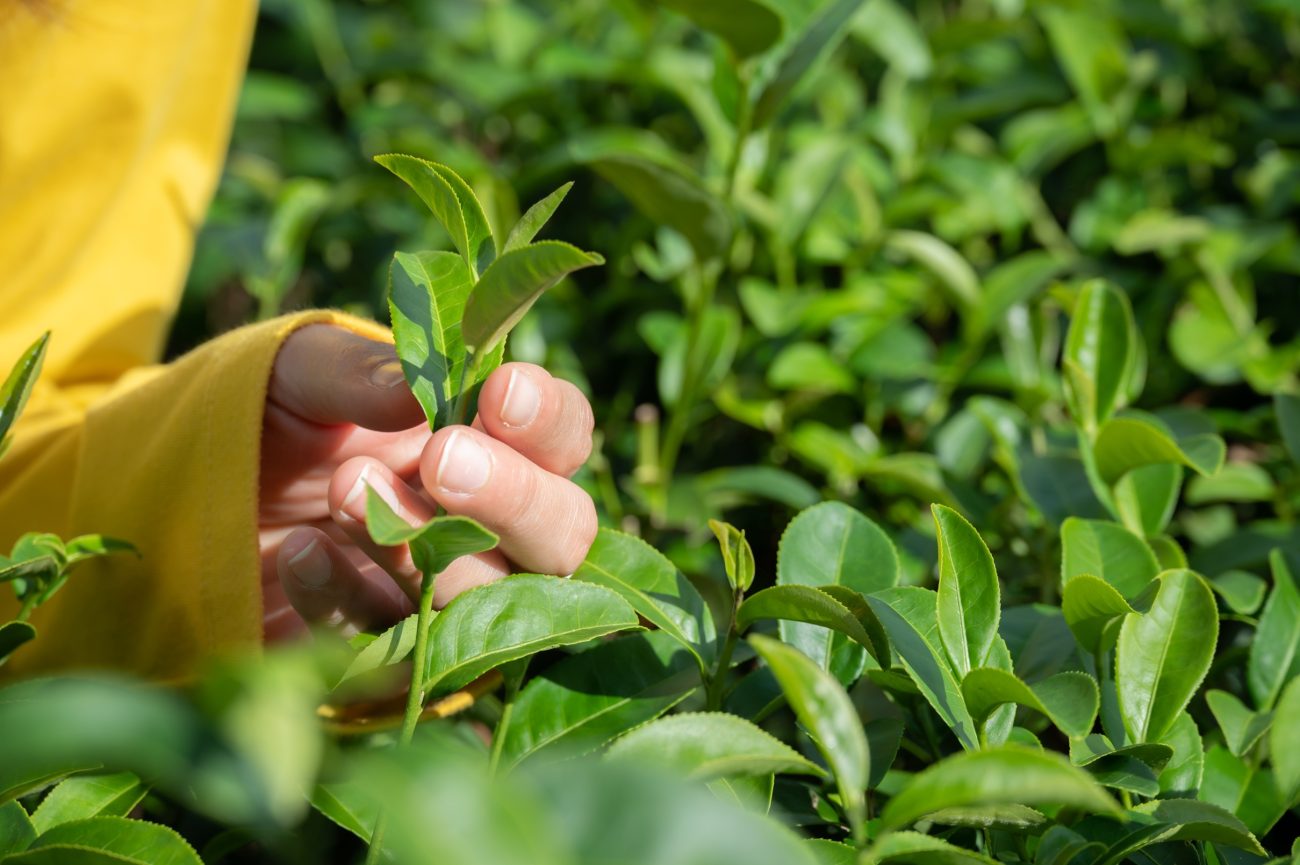
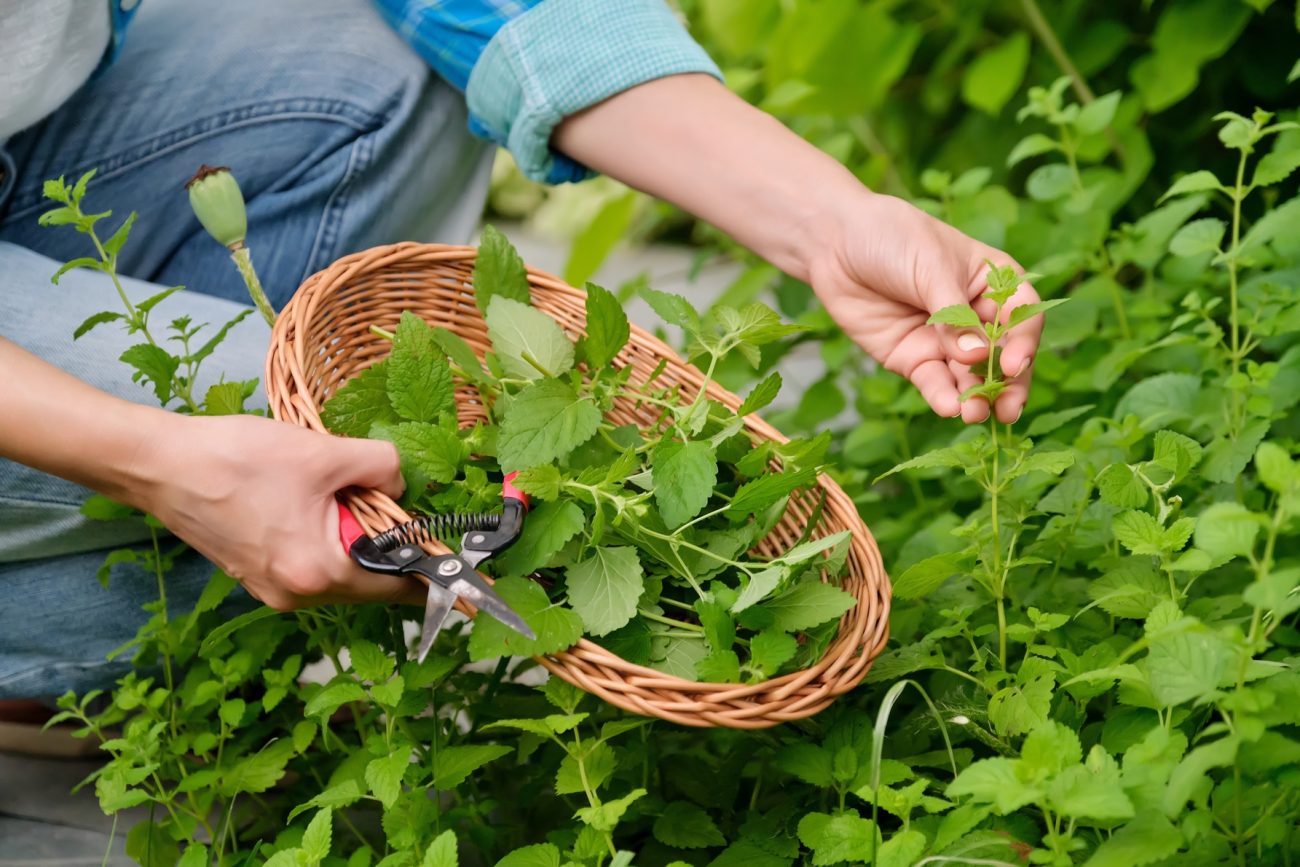
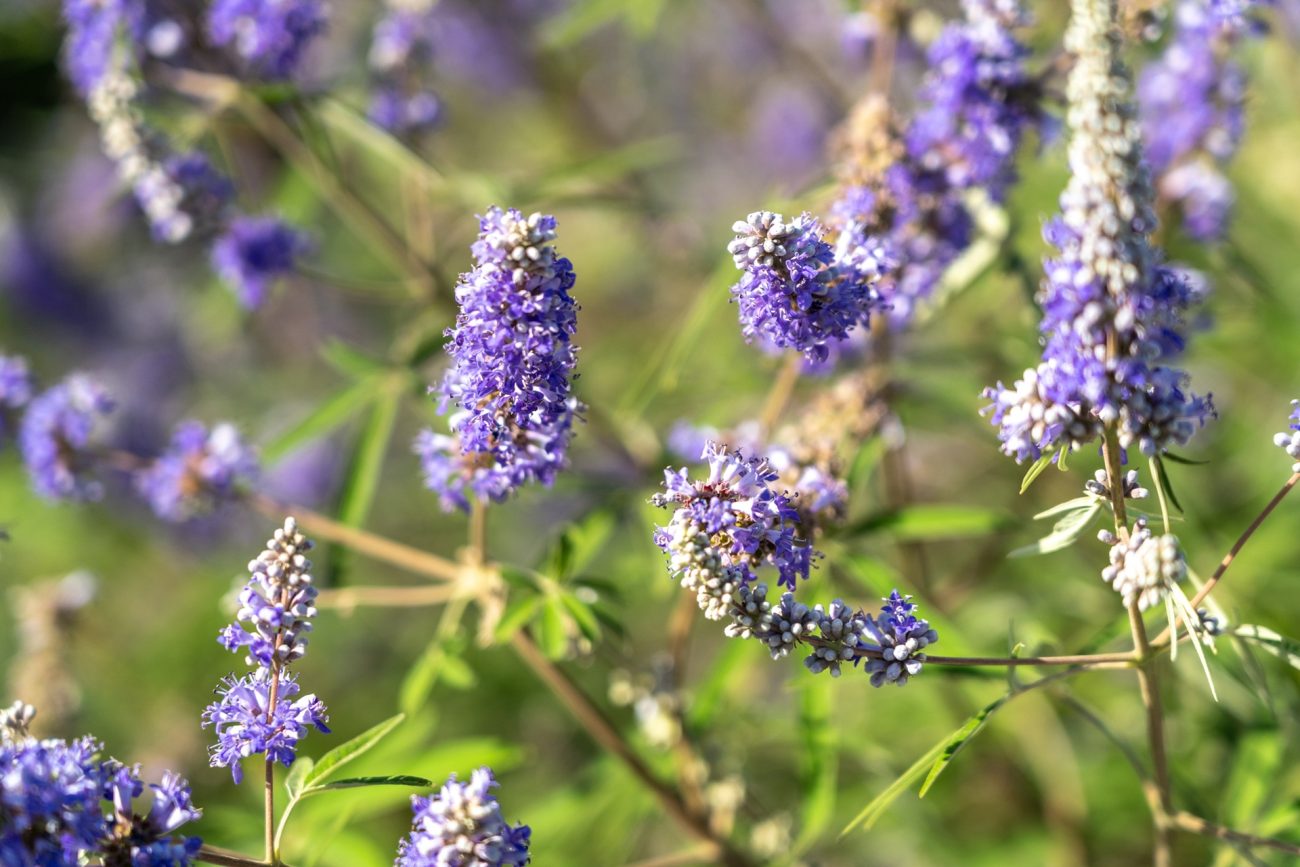
| Flavones | Apigenin Luteolin | Parsley (Petroselinum crispum), vitex (Vitex agnus-castus) Lemon balm (Melissa officinalis), rosemary (Salvia rosmarinus), thyme (Thymus vulgaris) (2,5) |
| Flavanones | Naringenin (ERα), 8-prenylnaringenin | Hops (Humulus lupulus), citrus (2,5,10) |
| Flavonols | Kaempferol (GPER) Quercetin (ERα) | Citrus, caper (Capparis spinosa), cruciferous vegetables, ginkgo (Ginkgo biloba) Onion (Allium cepa), green tea (Camellia sinensis), fennel (Foeniculum vulgare) (2,4,5) |
| Coumestans | Coumestrol (ERα, ERβ) | Beans including soy, kudzu (Pueraria montana), red clover (2,5) |
Lignans are polyphenolic compounds found in seeds, particularly flax (Linum usitatissimum), but also sunflower, pumpkin and sesame; they exhibit interactions with ERβ and, to some extent, ERα (5,11).
Stilbenes are phenolic compounds, such as resveratrol found in Japanese knotweed (Reynoutria japonica), which have been shown to have oestrogen-modulating effects on nuclear oestrogen receptors (2,12).
False phyto-oestrogens
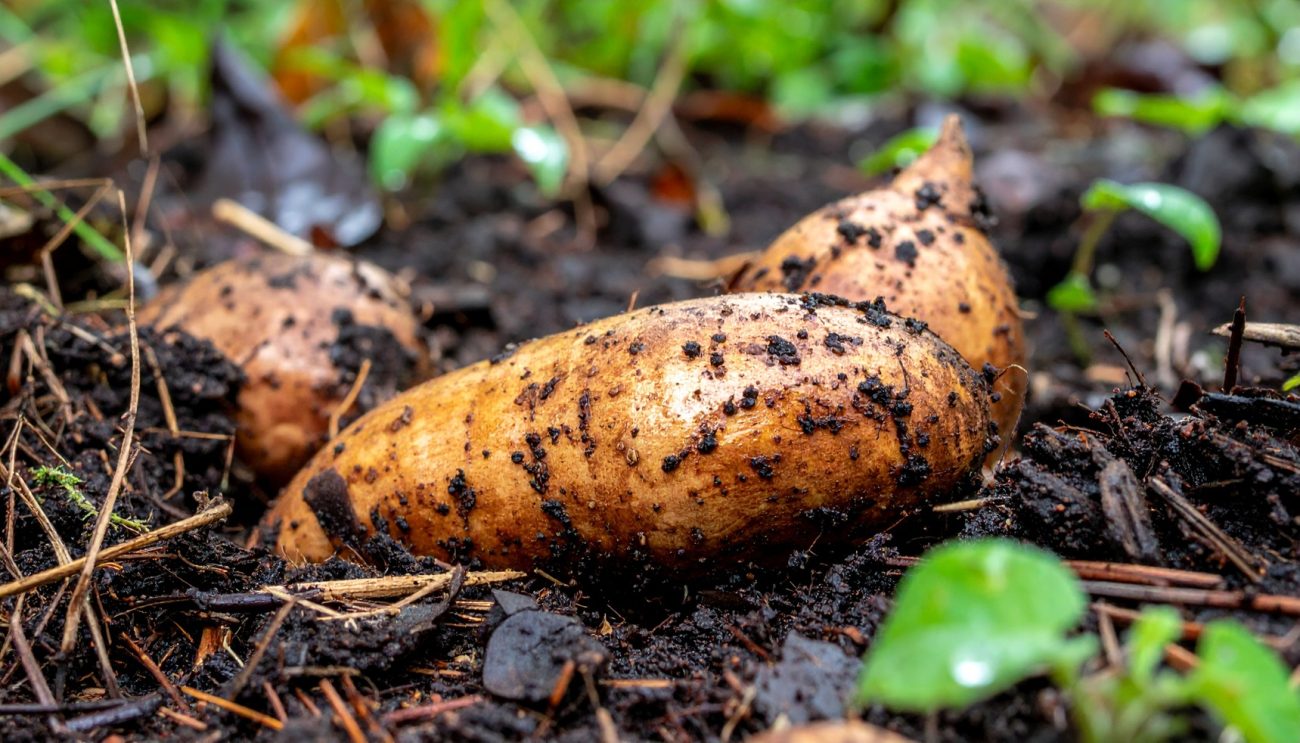
Steroidal saponins in shatavari (Asparagus racemosus), puncturevine (Tribulus terrestris) and wild yam (Dioscorea villosa) share a base structure with steroid hormones and are widely described as hormone-modulating (5,13). Dioscorea was the industrial source of diosgenin for the first contraceptive progestin, but there is no evidence that the human body performs that conversion, nor that they bind oestrogen receptors (14,15). Any hormone-adjacent benefit more likely reflects HPA axis and other nuclear receptor effects, though the data is largely preclinical (16,17).
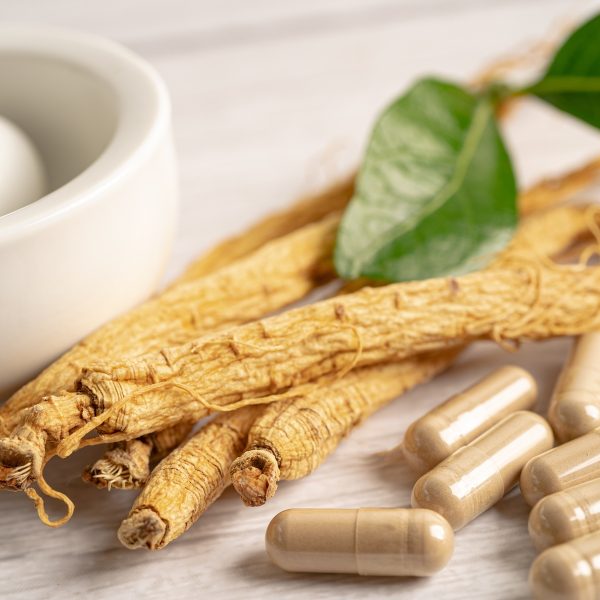
Triterpenoid saponins occur in black cohosh (Actaea racemosa) and ginseng (Panax ginseng) (5). Black cohosh’s triterpene glycosides show no meaningful oestrogen-receptor binding; the original claims rested on formononetin, not reliably detected in authenticated samples (18,19). Its effect on vasomotor symptoms is better explained serotonergically, via N-methylserotonin at 5-HT7 (19,20). Ginsenosides produce receptor-dependent effects without displacing oestradiol; Rg1 recruits ERα to the membrane (21,22). Oestrogenic in effect, but without ligand binding.
Mechanism of action
17β-oestradiol, the most potent endogenous oestrogen, acts through two nuclear receptors. ERα predominates in the uterus and breast epithelium, where it drives proliferation; ERβ is more abundant in bone, blood vessels and parts of the brain, and dampens ERα-driven growth signalling (4,7). Most phyto-oestrogens bind preferentially to ERβ, though at higher concentrations they can activate ERα too — evidence largely in vitro (23). The exception is 8-prenylnaringenin from hops, a potent ERα agonist (10).
Their effects appear to depend on endogenous oestrogen levels. Where oestrogen is low, they act oestrogenically; where it is high they compete for binding sites, producing a net anti-oestrogenic effect (1,2,9). Herbalists call this amphoteric action (24); pharmacologically it is closer to selective oestrogen receptor modulator (SERM) activity than to oestrogenicity (2,5). The effect is dose-dependent too: in vitro, genistein was proliferative at low concentrations and anti-proliferative at higher ones (25).
Because binding capacity differs between compounds, they modulate oestrogen differently. Although isoflavone research focuses on ERα and ERβ, flavonoids more broadly engage other nuclear receptors, counteracting oestrogen-driven proliferation and discouraging abnormal cell growth (2,4,5,12).
Lignans are converted to enterolignans, which carry the phenolic structure needed to bind both subtypes (11). Their action is likewise environment-dependent: enterolactone inhibits oestradiol-driven proliferation in vitro, behaving oestrogenically when oestrogen is low and anti-oestrogenically when it is high (11,26).
Both also affect how much oestradiol is available in the first place, inhibiting aromatase and inducing sex hormone-binding globulin (SHBG) — reducing oestrogen availability while simultaneously occupying receptors (7,11).
Gut microbiome and potency
Red clover isoflavones formononetin and biochanin A convert respectively into daidzein and genistein (soy isoflavones) in the gut; daidzein is hydrolysed further into S-equol in about one third of the population, which has a much stronger affinity for hormone receptors (2,27). The gut microbiome mediates this conversion of daidzein to S-equol, which occurs via enzymes created by species including Adlercreutzia equolifaciens, Eggerthella spp., Lactococcus garvieae and several Slackia spp. (27,28).
Equol producers have a lower associated risk of breast cancer and lower concentrations of free circulating steroid hormones, which raises the question of whether phyto-oestrogens benefit everyone (2,27). Consuming large quantities of soy after a lifetime of minimal intake may be futile without the bacteria to metabolise it: producer prevalence is roughly 20–35% in Western populations against 50–80% in East Asia, though whether this reflects habitual soy exposure or other lifestyle differences is unresolved (12,29,30).
Lignans are similarly poorly absorbed until converted in the colon to the enterolignans enterolactone and enterodiol, by species including Clostridium saccharogumia, Eggerthella lenta and Blautia producta (11,27).
Gut bacteria known collectively as the estrobolome also produce β-glucuronidases that deconjugate liver-packaged oestrogens, returning them to circulation; so, a diverse gut population matters for endogenous oestrogen as well as dietary phyto-oestrogens (9,27,31). Explore our article on balancing oestrogen for more practical suggestions.
Research supported uses
Oestrogen does more than drive ovulation. After menopause, the ovaries stop producing oestradiol, and peripheral tissues make small quantities of the less potent oestrone instead — leading to increased incidence of cardiovascular disease, metabolic syndrome, cognitive impairment, sarcopenia (muscle mass loss) and osteopenia (bone density loss) (4,27).
Bone density is where the evidence is strongest: a meta-analysis of RCTs found soy isoflavones preserved bone mineral density at the lumbar spine, femoral neck and hip in postmenopausal women (32). S-equol, a high-affinity ERβ agonist, reduced markers of bone resorption by around 20% at 10 mg daily in human trials, compared to inconsistent results for isoflavones alone, pointing to marked impact of S-equol production capacity (4,33).
In a meta-analysis of 16 RCTs where participants took 60–160 mg daily, isoflavones improved overall cognitive function and memory, again showing better outcomes with S-equol compared to isoflavonoids alone (34). Effects were small and trial quality variable (34). Another meta-analysis found use before age 60 correlated with better cognitive outcomes (35).
Isoflavones and lignans also show anti-inflammatory and antioxidant activity (36,37). In 117 postmenopausal women, 50 mg daily for eight weeks improved C-reactive protein but no other cardiovascular biomarker (38). Mechanistically, lignans modulate NF-κB signalling and inhibit lipid peroxidation, and genistein stabilises Nrf2 — though this work is largely preclinical (11,39).
A 2025 meta-analysis in perimenopausal women found effects on palpitations, headache, depression and psychosocial symptoms, though findings for vasomotor symptoms, sweating and insomnia remain inconsistent (4,37). Across 33 RCTs, phyto-oestrogens also showed protective effects on urogenital tissue, improving vaginal atrophy and urinary incontinence (4,40).
The benefit of isoflavones may be specific to gut microbiome capacity to convert to S-equol; non-producer status has been independently associated with cardioembolic stroke and poorer functional outcome (33,41).
Cautions and mechanistic evaluation for concerns

Some literature has classified phyto-oestrogens as xeno-oestrogens (endocrine disrupting chemicals), alongside phthalates and bisphenols (2). Whilst technically this is correct, as they are oestrogenic compounds not made in the body, there is a long historical food use of phyto-oestrogens associated with a lower incidence of oestrogen-sensitive cancers, supported by research, compared to cancer-causing xeno-oestrogens (2,6,7).
Observational data on lignans are also reassuring: high enterolignan levels are associated with lower breast cancer risk, and high lignan intake correlates inversely with ER-positive disease (11,42). Lignan intake is likewise associated with better prognosis, possibly via NF-κB reduction, apoptosis induction and antioxidant capacity (11,43,44).
Adolescent soy intake is associated with reduced later breast cancer risk, and a 2022 meta-analysis found isoflavone intake correlated with lower risk and better prognosis of breast cancer (1,45). No specific dosage regimes exist, however, and the dose-dependent activity merits caution (1,24).
In pregnancy, dietary phyto-oestrogen consumption has no established links to poor health outcomes in offspring (1,24,46). However, the effects of concentrated supplement phyto-oestrogens are largely unknown, and given the absence of safety data at supplemental doses, avoidance in pregnancy is recommended (1,47). Isoflavones from maternal dietary intake have been found in the amniotic fluid, in higher quantities for female foetuses compared with males, though the significance of this remains unclear (48).
Summary
Phyto-oestrogen is a functional category rather than a chemical one, applied to phenolic compounds that interact with oestrogen receptors. Their action depends on receptor subtype, the endogenous oestrogen environment, dose, and whether the gut microbiome can perform the conversion step.
Benefit is most plausible in ERβ-rich tissue during low-oestrogen states, and best researched for bone. In oestrogen-sensitive conditions, the evidence for dietary intake is reassuring and suggests a protective effect. Most notably, the efficacy of soy phyto-oestrogens depends heavily on the capacity of the gut microbes to convertdaidzein to S-equol — so, the benefit of consuming phyto-oestrogen rich foods will vary amongst individuals according to the composition of their microbiome.
AI statement
AI was used to source references, to produce the bibliography and to check grammar and punctuation.
References
- Romm A. Botanical Medicine for Women’s Health. Elsevier Health Sciences; 2017.
- Ganora L. Herbal Constituents: Foundations of Phytochemistry: A Holistic Approach for Students and Practitioners of Botanical Medicine. Herbalchem Press; 2021.
- Holt EH, Lupsa B, Lee GS, Bassyouni H, Peery H. Goodman’s Basic Medical Endocrinology. Elsevier; 2021.
- Li Y, Huang F, Qian X, et al. Exploring the anti-aging potential of phytoestrogens: focus on molecular mechanisms and menopausal symptom modulation. Front Nutr. 2025;12:1651367. https://doi.org/10.3389/fnut.2025.1651367
- Bryce-Ytsma H, McDermott A. Herbal Medicine in Treating Gynaecological Conditions. Vol 1. Aeon Books; 2020.
- Messina M, Nechuta S. A review of the clinical and epidemiologic evidence relevant to the impact of postdiagnosis isoflavone intake on breast cancer outcomes. Curr Nutr Rep. 2025;14(1). https://doi.org/10.1007/s13668-025-00640-5
- van Duursen MBM. Modulation of estrogen synthesis and metabolism by phytoestrogens in vitro and the implications for women’s health. Toxicol Res. 2017;6(6):772-794. https://doi.org/10.1039/c7tx00184c
- Hu Y, Hu Y, Li T, Shi R. Beyond hormone replacement: multifaceted effects of phytoestrogens for optimizing kinesiological and physiological adaptations in postmenopausal women. Clin Interv Aging. 2025;20:1695-1711. https://doi.org/10.2147/CIA.S539923
- Reilly M. Herbal Medicine and Reproductive Health. Aeon Books; 2021.
- Pohjanvirta R, Nasri A. The potent phytoestrogen 8-prenylnaringenin: a friend or a foe? Int J Mol Sci. 2022;23(6):3168. https://doi.org/10.3390/ijms23063168
- Baldi S, Tristán Asensi M, Pallecchi M, Sofi F, Bartolucci G, Amedei A. Interplay between lignans and gut microbiota: nutritional, functional and methodological aspects. Molecules. 2023;28(1):343. https://doi.org/10.3390/molecules28010343
- Blázovics A, Csorba B, Ferencz A. The beneficial and adverse effects of phytoestrogens. OBM Integr Complement Med. 2022;7(3):1-35. https://doi.org/10.21926/obm.icm.2203034
- Manobharathi V, Mirunalini S. Pharmacological characteristics of a phyto steroidal food saponin: diosgenin. Afr J Biol Sci. 2020;2(2):77-87. https://doi.org/10.33472/afjbs.2.2.2020.77-87
- Schwarz PF, Perhal AF, Schöberl LN, Kraus MM, Kirchmair J, Dirsch VM. Identification of the natural steroid sapogenin diosgenin as a direct dual-specific RORα/γ inverse agonist. Biomedicines. 2022;10(9):2076. https://doi.org/10.3390/biomedicines10092076
- Medigović I, Ristić N, Živanović J, et al. Diosgenin does not express estrogenic activity: a uterotrophic assay. Can J Physiol Pharmacol. 2014;92(4):292-298. https://doi.org/10.1139/cjpp-2013-0419
- Singh N, Garg M, Prajapati P, et al. Adaptogenic property of Asparagus racemosus: future trends and prospects. Heliyon. 2023;9(4):e14932. https://doi.org/10.1016/j.heliyon.2023.e14932
- Ademola J, Ajgaonkar A, Debnath T, Debnath K, Langade J. Efficacy and safety of Shatavari root extract (Asparagus racemosus) for menopausal symptoms: a randomized, double-blind, three-arm, placebo-controlled study. Front Reprod Health. 2025;7:1654503. https://doi.org/10.3389/frph.2025.1654503
- Ruhlen RL, Sun GY, Sauter ER. Black cohosh: insights into its mechanism(s) of action. Integr Med Insights. 2008;3:21-32. https://doi.org/10.4137/117863370800300002
- Wuttke W, Jarry H, Haunschild J, Stecher G, Schuh M, Seidlova-Wuttke D. The non-estrogenic alternative for the treatment of climacteric complaints: black cohosh (Cimicifuga or Actaea racemosa). J Steroid Biochem Mol Biol. 2014;139:302-310. https://doi.org/10.1016/j.jsbmb.2013.02.007
- Spiering MJ, Parsons JF, Eisenstein E. On the biosynthesis of bioactive tryptamines in black cohosh (Actaea racemosa L.). Plants. 2025;14(2):292. https://doi.org/10.3390/plants14020292
- Lee YJ, Jin YR, Lim WC, et al. Ginsenoside-Rb1 acts as a weak phytoestrogen in MCF-7 human breast cancer cells. Arch Pharm Res. 2003;26(1):58-63. https://doi.org/10.1007/BF03179933
- Gao QG, Zhou LP, Lee VHY, Chan HY, Man CWY, Wong MS. Ginsenoside Rg1 activates ligand-independent estrogenic effects via rapid estrogen receptor signaling pathway. J Ginseng Res. 2019;43(4):527-538. https://doi.org/10.1016/j.jgr.2018.03.004
- Jiang Y, Gong P, Madak-Erdogan Z, et al. Mechanisms enforcing the estrogen receptor β selectivity of botanical estrogens. FASEB J. 2013;27(11):4406-4418. https://doi.org/10.1096/fj.13-234617
- Stansbury J. Herbal Formularies for Health Professionals, Volume 3. Rizzoli International Publications; 2019.
- Shim HY, Park JH, Paik HD, Nah SY, Kim DSHL, Han YS. Genistein-induced apoptosis of human breast cancer MCF-7 cells involves calpain-caspase and apoptosis signaling kinase 1-p38 mitogen-activated protein kinase activation cascades. Anticancer Drugs. 2007;18(6):649-657. https://doi.org/10.1097/CAD.0b013e3280825573
- Wang LQ. Mammalian phytoestrogens: enterodiol and enterolactone. J Chromatogr B Analyt Technol Biomed Life Sci. 2002;777(1-2):289-309. https://doi.org/10.1016/s1570-0232(02)00281-7
- Wang H, Shi F, Zheng L, et al. Gut microbiota has the potential to improve health of menopausal women by regulating estrogen. Front Endocrinol. 2025;16:1562332. https://doi.org/10.3389/fendo.2025.1562332
- Alqudah S, Claesen J. Mechanisms of gut bacterial metabolism of dietary polyphenols into bioactive compounds. Gut Microbes. 2024;16(1):2426614. https://doi.org/10.1080/19490976.2024.2426614
- Lampe JW. Is equol the key to the efficacy of soy foods? Am J Clin Nutr. 2009;89(5):1664S-1667S. https://doi.org/10.3945/ajcn.2009.26736T
- Brown NM, Galandi SL, Summer SS, et al. S-(−)equol production is developmentally regulated and related to early diet composition. Nutr Res. 2014;34(5):401-409. https://doi.org/10.1016/j.nutres.2014.03.005
- Ervin SM, Li H, Lim L, et al. Gut microbial β-glucuronidases reactivate estrogens as components of the estrobolome. J Biol Chem. 2019;294(49):18586-18599. https://doi.org/10.1074/jbc.RA119.010950
- Barańska A, Kanadys W, Bogdan M, et al. The role of soy isoflavones in the prevention of bone loss in postmenopausal women: a systematic review with meta-analysis of randomized controlled trials. J Clin Med. 2022;11(16):4676. https://doi.org/10.3390/jcm11164676
- Sekikawa A, Weaver A, Mroz K, et al. S-equol as a gut-derived phytoestrogen targeting estrogen receptor β: a promising bioactive nutrient for bone health in aging women and men: a narrative review. Nutrients. 2025;17(24):3962. https://doi.org/10.3390/nu17243962
- Cui C, Birru RL, Snitz BE, et al. Effects of soy isoflavones on cognitive function: a systematic review and meta-analysis of randomized controlled trials. Nutr Rev. 2020;78(2):134-144. https://doi.org/10.1093/nutrit/nuz050
- Cheng PF, Chen JJ, Zhou XY, et al. Do soy isoflavones improve cognitive function in postmenopausal women? A meta-analysis. Menopause. 2015;22(2):198-206. https://doi.org/10.1097/GME.0000000000000290
- Li D, Luo F, Guo T, Han S, Wang H, Lin Q. Targeting NF-κB pathway by dietary lignans in inflammation: expanding roles of gut microbiota and metabolites. Crit Rev Food Sci Nutr. 2023;63(22):5967-5983. https://doi.org/10.1080/10408398.2022.2026871
- Luan H, Liu Q, Guo Y, Fan H, A S, Lin J. Effects of soy isoflavones on menopausal symptoms in perimenopausal women: a systematic review and meta-analysis. PeerJ. 2025;13:e19715. https://doi.org/10.7717/peerj.19715
- Hall WL, Vafeiadou K, Hallund J, et al. Soy-isoflavone-enriched foods and inflammatory biomarkers of cardiovascular disease risk in postmenopausal women: interactions with genotype and equol production. Am J Clin Nutr. 2005;82(6):1260-1268. https://doi.org/10.1093/ajcn/82.6.1260
- Kim IS. Current perspectives on the beneficial effects of soybean isoflavones and their metabolites for humans. Antioxidants (Basel). 2021;10(7):1064. https://doi.org/10.3390/antiox10071064
- Abdi F, Rahnemaei FA, Roozbeh N, Pakzad R. Impact of phytoestrogens on treatment of urogenital menopause symptoms: a systematic review of randomized clinical trials. Eur J Obstet Gynecol Reprod Biol. 2021;261:222-235. https://doi.org/10.1016/j.ejogrb.2021.03.039
- Noda K, Hattori Y, Murata H, Kokubo Y, Higashiyama A, Ihara M. Equol nonproducing status as an independent risk factor for acute cardioembolic stroke and poor functional outcome. Nutrients. 2024;16(19):3377. https://doi.org/10.3390/nu16193377
- Zaineddin AK, Buck K, Vrieling A, et al. The association between dietary lignans, phytoestrogen-rich foods, and fiber intake and postmenopausal breast cancer risk: a German case-control study. Nutr Cancer. 2012;64(5):652-665. https://doi.org/10.1080/01635581.2012.683227
- Mali AV, Padhye SB, Anant S, Hegde MV, Kadam SS. Anticancer and antimetastatic potential of enterolactone: clinical, preclinical and mechanistic perspectives. Eur J Pharmacol. 2019;852:107-124. https://doi.org/10.1016/j.ejphar.2019.02.022
- Liu Z, Fei YJ, Cao XH, et al. Lignans intake and enterolactone concentration and prognosis of breast cancer: a systematic review and meta-analysis. J Cancer. 2021;12(9):2787-2796. https://doi.org/10.7150/jca.55477
- Boutas I, Kontogeorgi A, Dimitrakakis C, Kalantaridou SN. Soy isoflavones and breast cancer risk: a meta-analysis. In Vivo. 2022;36(2):556-562. https://doi.org/10.21873/invivo.12737
- Michikawa T, Yamazaki S, Ono M, et al. Isoflavone intake in early pregnancy and hypospadias in the Japan Environment and Children’s Study. Urology. 2019;124:229-236. https://doi.org/10.1016/j.urology.2018.11.008
- Cederroth CR, Auger J, Zimmermann C, Eustache F, Nef S. Soy, phyto-oestrogens and male reproductive function: a review. Int J Androl. 2010;33(2):304-316. https://doi.org/10.1111/j.1365-2605.2009.01011.x
- Jarrell J, Foster WG, Kinniburgh DW. Phytoestrogens in human pregnancy. Obstet Gynecol Int. 2012;2012:850313. https://doi.org/10.1155/2012/850313