












1 hour preparation | 12 weeks | 1 litre | Intermediate
This homemade fluid extract recipe describes the 12-week process of how to make a highly concentrated 1:1 tincture. This extraction method can be done at home with most herbs.
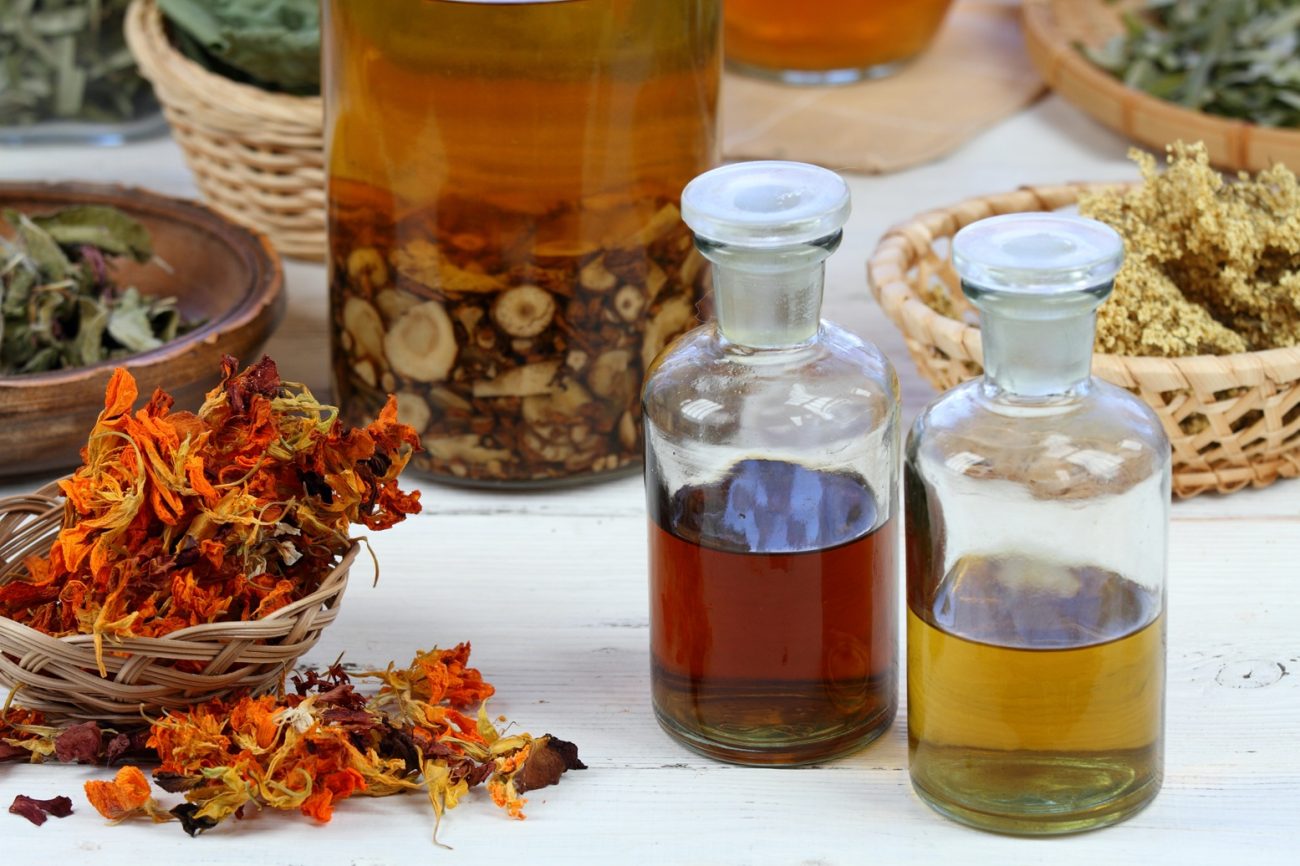
A fluid extract is a liquid herbal preparation standardised to 1:1 ratio (herb weight to liquid volume), where 1 ml corresponds to 1g of plant material, and is one of the most concentrated forms of tincture-based extracts.
In commercial and professional settings, the process of creating a fluid extract will usually require more advanced extraction methods, including the process of percolation; however, this method can also be done from home and just requires a greater time commitment (1).
This recipe consists of a triple maceration over the course of 12 weeks. Using fluid extracts in clinical practice allows for the therapeutic dose to be consumed in small volumes and, thus, increases the space potential for multi-herb formulations (polypharmacy). Western herbal practitioners typically use hydroethanolic solvents (ethanol and water) as the preferred method of extraction as it captures the greatest breadth of the plant’s medicinal constituents (2).
Plant constituents have different solubilities, and those with a higher polarity require water for extraction, such as polysaccharides, whilst those with a lower polarity require ethanol for extraction such as resins or alkaloids (2). This homemade method requires a time commitment but will yield the same results. This recipe is to make roughly one litre but can be adjusted for the quantity desired.
Ingredients
- 1200 ml 45% strength alcohol (vodka is most commonly used)
- 1 kg dried herb (divided into three equal batches of 333 g each)
Equipment
- 2–3 litre glass kilner jar
- Muslin cloth
- Funnel
- Amber glass storage bottles
How to make a fluid extract
- Place the 333 g of dried herb material in the jar
- Pour 1200 ml over the herb
- Ensure the herb is fully submerged
- Seal and label the jar
- Leave to macerate for between 3–4 weeks
- Stir or shake the jar regularly
- After four weeks, strain the maceration through muslin into a bowl
- Squeeze the muslin to extract as much liquid as possible
- Measure out the second batch of 333 g herb material
- Pour the retained alcohol extraction from the first tincture over the dried herb
- Macerate for another 3–4 weeks
- Repeat the previous steps once more for the third batch.
How to store a fluid extract
Once the tincture has been pressed, bottle into glass (preferably amber) jars and keep out of direct sunlight in a cool place. As the alcohol is at 45%, this will act as a preservative, however it is always recommended to check the tincture for signs of mould before consuming.
What compounds are extracted in a 45% alcohol solution?
This percentage alcohol will extract both water soluble and alcohol soluble compounds, offering a broad-spectrum tincture. Some of the compounds extracted include:
- Tannins
- Polysaccharides
- Mucilage
- Minerals
- Phenolic acids
- Flavonoids
- Glycosdies
- Alkaloids
- Bitters
- Coumarins
- Saponins
What is the best alcohol to use for tincture making?
If, as a home herbalist, you only have access to commercial alcohol, the easiest option is to use 40% vodka or brandy. Vodka is a popular choice as it has a neutral flavour and is widely available.
Can I use fresh plant material for my tincture?
Fresh plant material contains a higher water content than dried material, and so will reduce the overall percentage of the final extraction. In order to extract the same compounds from the plant, an alcohol percentage of 60–80% is recommended. If this is not accessible, drying the plant before tincturing will yield the same results.
Fresh plants not only contain more water, but natural sugars and microorganisms on the plant’s surface. This can create a more favourable environment for bacterial growth unless the alcohol percentage is adjusted. If using standard 40% vodka, the final tincture may drop to below 30% if using plant material. An extraction lower than 30% risks bacterial growth, whilst anything 40% and above is suitable for long term storage (1,2).
References
- Easley T, Horne SH. The Modern Herbal Dispensatory: A Medicine-Making Guide. North Atlantic Books; 2016.
- Ganora L. Herbal Constituents : Foundations of Phytochemistry : A Holistic Approach for Students and Practitioners of Botanical Medicine. Herbalchem Press; 2021.