















Last reviewed 24/01/1970
Sustainability status
Not currently on risk lists but complete data may be missing on the status of the species. Read more in our sustainability guide.

-
Herb overview
Safety
In Ayurveda, lemon is avoided where pitta dosha is aggravated. Avoid in pregnancy in medicinal doses owing to lack of safety data.
Sustainability
Low risk/Green
Key constituents
Vitamins
Volatile oils
MineralsQuality
Originally from Asia, now widely grown worldwide
Cultivated
FairWildKey actions
Nutritive
Immunostimulant
AntioxidantKey indications
Cold and flu
Depleted immunity
Weak digestion
ArthritisKey energetics summary
Drying
Cooling
SourPreperation and dosage
Fruit
Tincture (1:3| 45%): 6–12 ml daily.
0.25–5 g of the peel/day taken in capsule form or drunk as a tea.
-
How does it feel?
Lemon fruit and rind have slightly different taste profiles. The fruit tastes extremely sour. Its sharpness puckers the mouth and promotes salivation. Lemon rind has a much stronger, bitter taste. Both the fruit and rind are aromatic as well as slightly sweet.

-
Into the heart of lemon

Lemon tree (Citrus limonum) Lemon is energetically cooling and dry (8). Its cooling action occurs through its ability to improve removal of toxic heat in the body and through liver detoxification (8). Lemon helps to optimise systemic bodily function through its nutritive and antioxidant properties, which support cellular regeneration (9).
Its actions are well suited to treat cases of damp, toxicity, excess heat and inflamed tissue states (8). This tissue state is characterised by excitation of the mucous membranes (10). Lemon promotes detoxification and resolves dampness and accumulation. The sour, alterative, detoxicant and refrigerative actions of lemon lend themselves well to address this type of tissue imbalance (8). The efficacy of lemon in these instances is also dependent on the causative factors being addressed — i.e., environmental or dietary triggers that may be involved in the presence of toxicity and heat in the body.
In Ayurvedic medicine, lemon is considered to be a cooling medicine. Its qualities are light, dry and penetrating. It is used as a heart and blood tonic as well as to address imbalances in the digestive and respiratory channels. Lemon ignites digestive fire supporting agni and increasing digestive secretions. Its doshic effect is V-K-P+, which means that it pacifies vata and kapha, yet can increase/aggravate pitta. In Ayurveda, lemon is also considered to act as a vehicle (anupana) of delivery for other medicines to the liver (9).
-
What practitioners say

Lemon (Citrus limonum) Immune system
Lemon is rich in vitamin C as well as a number of important minerals including potassium and calcium (12). Vitamin C improves immune function by various different mechanisms including by improving cellular functions of both the innate and adaptive immune system (2).
Further mechanisms of vitamin C includ,: supporting epithelial barrier function against pathogens; promoting the free radical scavenging activity and thereby potentially protecting the cells against oxidative stress. Vitamin C also enhances the activities of a number of white blood cells that enable the body to more effectively react to both microbial and viral infections. Vitamin C enhances differentiation and proliferation of B- and T-cells — B-cells produce antibodies, T cells destroy innate cells affected by viruses (2).
Citrus flavonoids have also been shown to inhibit bacterial mutagenesis. These unique lemon flavonoid compounds have antioxidant and anti-mutagenic properties, which may be able to deter cell growth in cancers (13). Lemon may be used as part of an integrated approach that aims to optimise overall health and wellbeing in patients with cancer. Anyone seeking to incorporate herbal medicine into a treatment approach for cancer should do so under the guidance of an integrated oncology specialist.
Lemon rind is identified as a detoxicant medicine, which is sometimes used to address both metabolic and microbial toxicosis. It is specific for the type of systemic toxicity that presents with heat and inflammation throughout the body. It acts as an antimicrobial, reducing infection whilst also supporting liver function and reducing blood toxicity. These combined actions produce a systemic cooling action in the body. Lemon is an ideal medicine where there are infective and congestive patterns throughout the body (8).
Digestive system
Lemon is useful in case of hepatic insufficiency as it stimulates and supports liver function thereby also supporting gallbladder function. Lemon rind has a significant effect on the liver due to its bitter constituents and can be used both in treatment and prophylaxis of gallstones (9).
Lemon is an appetite stimulant and may be incorporated into a treatment approach to support an individual with anorexia or loss of appetite (9). Lemon contains beta-bisabolene, which has shown to demonstrate gastric protective and ulcer healing properties (14,15).
Cardiovascular system
Citroflavanoids in lemon improve the permeability of the microcapillaries, exhibiting potent anti-inflammatory effects (16). Lemon can support a reduction in hypertension through its diuretic action, as well as preventing the buildup of cholesterol and combatting arteriosclerosis. Lemon has a diuretic action which can support hypertension. It also stimulates the formation of red blood cells (5,16).
Ascorbic-acid and limonene contribute to its depurative properties, making lemon an excellent remedy against rheumatism, arthritis, gout, high cholesterol, arteriosclerosis and conditions associated with high uric acid (17).
Respiratory system
The essential oil constituents in lemon have antibacterial and expectorant properties making it a helpful remedy in treating respiratory infections (18). Alpha-pinene, a terpene found in citrus fruit, has been found to exhibit antiviral, antimicrobial, antifungal and anti-inflammatory properties in vivo (19).
Skin health
Alpha-terpineol and ascorbic acid contribute to lemon’s vulnerary properties, and thus, are very useful in healing wounds or scar and, even insect stings. Lemon taken internally as a medicine or used as a topical agent has great value in supporting skin health. It may be valuable in addressing a wide range of skin conditions as well as improving the complexion in ageing skin and treating acne scars (8).
-
Lemon research

Lemon (Citrus limonum) There are currently few clinical trials on lemon rind and its extracts. Lemon as a fruit is more well documented in research for its nutritional activities. There are a number of studies that focus on some of lemon’s active compounds, namely its flavonoids, which demonstrate a variety of its effects. Some of these studies have been included below to demonstrate the mechanism of action for some of the medicinal actions discussed in this monograph.
Lemon flavonoids have been researched extensively for their bioactivities some of which include anticancer, antibacterial, antiviral, analgesic, antioxidant, antidiabetic, anti-inflammatory properties. Therapeutic effects for the treatment of bronchitis and ulcers have also been demonstrated (14).
A systematic review with meta-analysis on citrus extract as a perspective for the control of dyslipidemia
A systematic review and meta-analysis was carried out with the aim of identifying evidence for use of citrus extract for dyslipidemia. The analysis took data from both in vivo models and human studies A total of 958 articles were reviewed and 26 studies demonstrating the efficacy of the citrus genus in dyslipidemia. The findings are discussed and consistent findings for dyslipidemic appear consistently robust.
The study concludes that citrus extracts demonstrate cholesterol lowering l activities, reducing LDL (Low density lipoproteins) and triglycerides, in addition to increasing HDL (high density lipoproteins)(20).
A clinical, multi-centered, assessor-blinded trial on lemon essential oil inhalation on blood pressure, electrocardiogram changes, and anxiety in acute myocardial infarction patients
Another study was carried out to evaluate the effects of lemon essential oil on blood pressure, heart rate and anxiety in patients with myocardial infarction. One hundred patients were randomly assigned to the intervention group to receive lemon essential oil as an inhalation and control (received paraffin) group. The treatment took place over three days. The study results demonstrated a significant reduction in systolic rate and anxiety. The intervention group also displayed significant heart rate regulation in comparison to the control (21).
-
Historical use of lemon
It was Royal Navy Scottish surgeon, James Lind who first proved that scurvy can be successfully treated with citrus fruit in 1753. Thereafter, it became mandatory for the Navy to supply its sailors with enough rations of lemons to ward off scurvy (7).
In Romanian traditional medicine, lemon was given with sugar to treat coughs. Lemon juice was used in the treatment of sore throats, fevers, rheumatism and high blood pressure (1).
Lemon juice was also traditionally used as a diaphoretic to relieve fevers. It is also referenced for use in acute rheumatism and as an antidote to opium poisoning (11).
-
Lemon’s herbal actions
Herbal actions describe therapeutic changes that occur in the body in response to taking a herb. These actions are used to express how a herb physiologically influences cells, tissues, organs or systems. Clinical observations are traditionally what have defined these actions: an increase in urine output, diuretic; improved wound healing, vulnerary; or a reduction in fever, antipyretic. These descriptors too have become a means to group herbs by their effects on the body — herbs with a nervine action have become the nervines, herbs with a bitter action are the bitters. Recognising herbs as members of these groups provides a preliminary familiarity with their mechanisms from which to then develop an understanding of their affinities and nuance and discern their clinical significance.
-
Lemon’s energetic qualities
Herbal energetics are the description that herbalists have given to plants, mushrooms, lichens, foods and some minerals based on the direct experience of how they taste, feel and affect the body. All traditional health systems use these principles to explain how the environment impacts health, according to each of their philosophies and frameworks. These assessments of individual herbs, though they often do align, can differ from one another due to cultural differences regarding perspectives on how herbs taste versus their physiological effects. Find out more about traditional energetics in our article An introduction to herbal energetics.
Western energetics
Western energetics here are informed by The Energetics of Western Herbs by Peter Holmes, as well as traditional materia medica from Culpeper and Dioscorides.
Ayurvedic energetics
Ayurvedic energetics are assigned according to Bhavaprakash by Acharya Bhavamishra and Ayurvedic Medicine: The Principles of Traditional Practice by Sebastian Pole.
-
What can I use lemon for?

Lemon (Citrus limonum) Lemon is a highly valuable medicinal and nutritive home remedy. Many of its benefits stem from its high vitamin and mineral content. Lemon is particularly rich in vitamin C which is a potent antioxidant and immune stimulating agent (1). Vitamin C is an invaluable nutrient for supporting overall health (1,2).
It also facilitates the metabolism of vital minerals, such as zinc and iron, making it an important addition in cases of mineral deficiency (3,4). Lemon revitalises the blood, by helping to lower blood pressure and reducing inflammation in the arteries (5).
Lemon is famous as a cure for scurvy — a condition that arrives from a vitamin C deficiency — due to its high vitamin C content. Scurvy is characterised by frequent infections, fatigue, bleeding gums, poor wound healing, joint and bone pain among other symptoms (6,7).
Lemon fruit juice and rind all offer significant benefits to overall health and can be used prophylactically as their nutritive and restorative effects accumulate with regular intake (8).
Lemon has a stimulating effect on liver function, increasing metabolism and helping to purify the blood (8). It also improves digestive function by increasing digestive secretions including saliva and bile. It is through this stimulating effect on the liver that lemon increases the flow of bile, aiding in the emulsion of fats. This effect results in a multitude of benefits in the lower digestive system including reducing congestion and stagnation in the bowel, which may help to relieve constipation (9).
Lemon is known to support immune function. It may be used to help improve the body’s ability to overcome colds and flus. It may reduce a fever and help to relieve throat infections, bronchitis and asthma. It can also help to clear mucus in the respiratory system and soothe a sore throat (9).
As a result of its rich flavonoid and antioxidant content, lemon can be highly beneficial to the cardiovascular system as it improves the integrity of the vasculature and increases blood flow to the tissues (8).
As a topical agent, lemon rind tea can be used as a bactericidal mouthwash. It is very useful in tackling bad breath and protecting the mouth against infections produced by inflammation of gums. Lemon juice is indicated in skin disorders as well, due to its potent astringent action. It can be used for a wide range of skin or local tissue conditions such as nose bleeds. The essential oil of lemon may be used in the form of an oil infusion (diluted in carrier oil), wash, compress or lotion for the topical treatment of pustules, slow healing wounds, mouth ulcers, boils, and chilblains. It may also be useful in this form to apply to areas affected by gout or arthritis (8).
-
Did you know?
Although lemon can aggravate pitta that is already out of balance, it is a renowned cooling remedy (9).
Archeobotanical research has documented citrus remains in Egyptian archaeological sites, with evidence of their use to embalm their dead and accompany tombs along with dates and figs (22).
The first substantial cultivation of lemons in Europe began in Genoa in the mid-15th century (23).







-
Botanical description
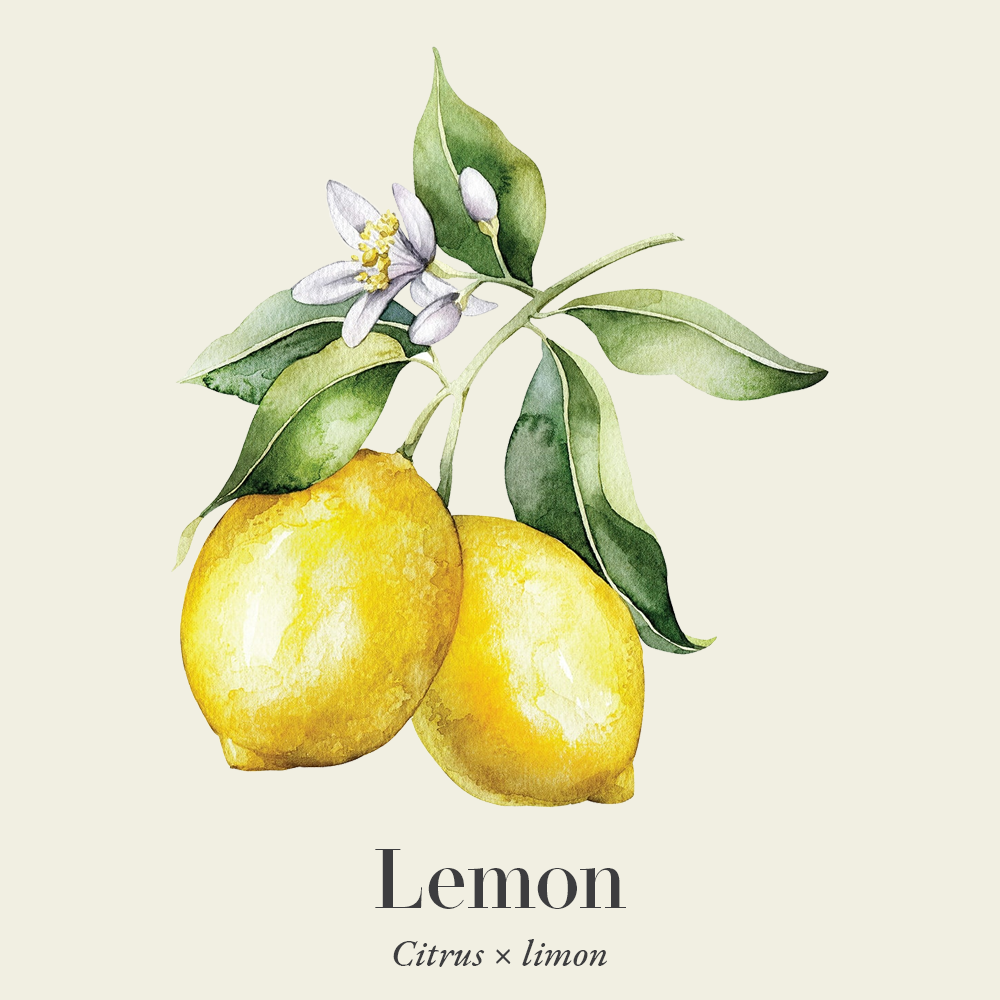
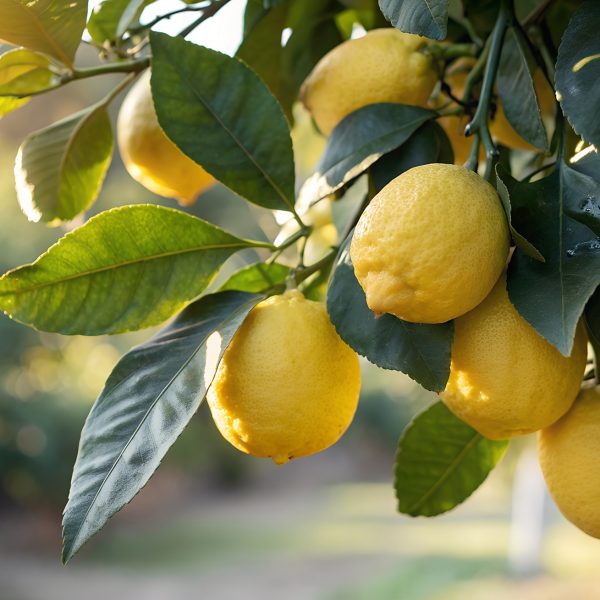
Lemon is a small evergreen tree native to Asia. There are around forty-seven varieties that are said to have been developed during the centuries of cultivation.
Lemon is a small tree, reaching up to 11 feet high, irregularly branched, the bark varying in colour from clear grey on the trunk, green on the younger branches to a purplish colour on the twigs.
The leaves are evergreen, ovate-oval, about two inches long, the margin serrate with sharp spines in the axils of the stalks, and they are arranged alternately on the stem.
The flowers are white inside and tinged with deep pink outside; they have five petals and grow on stems in the axils.
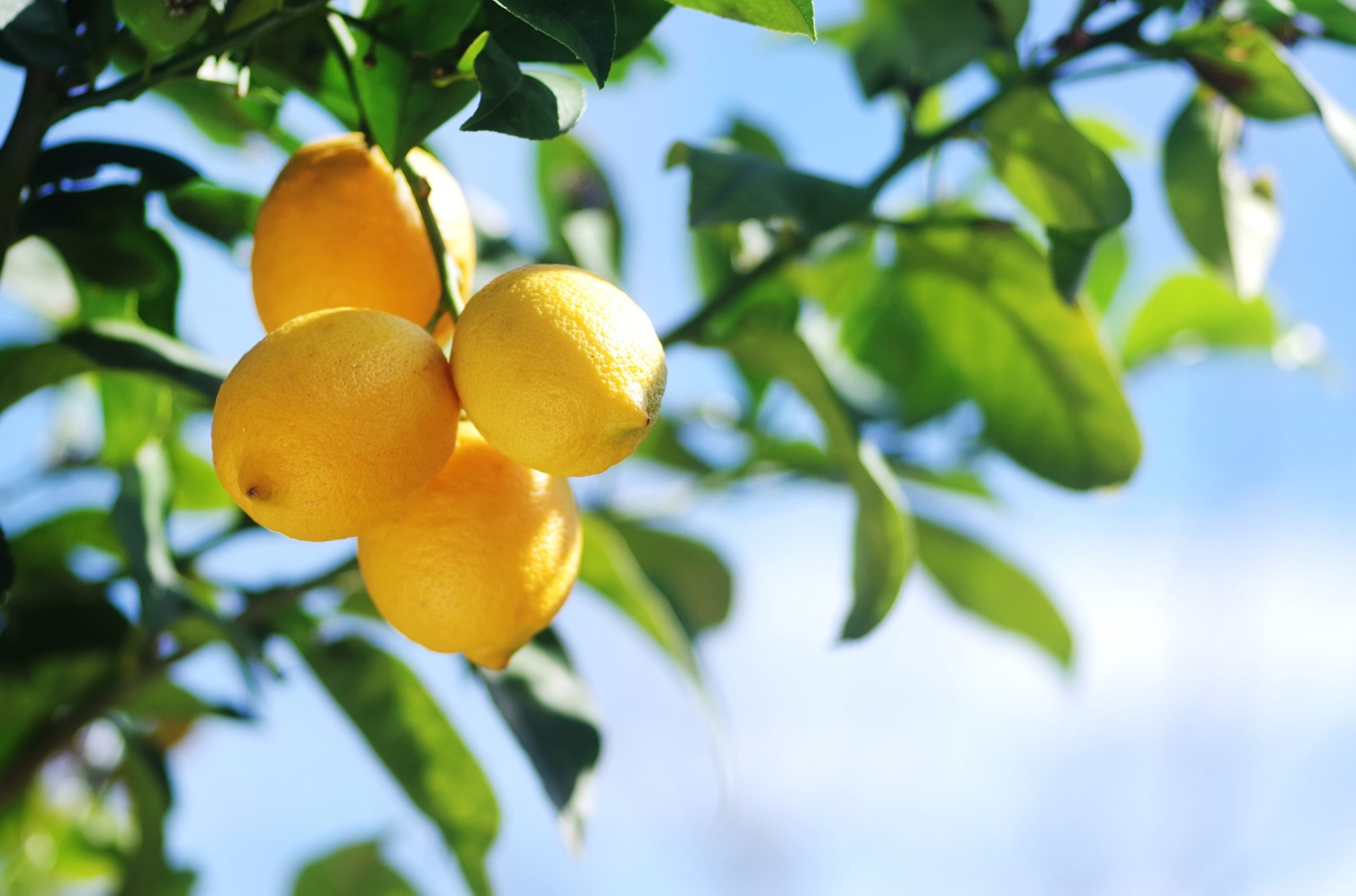
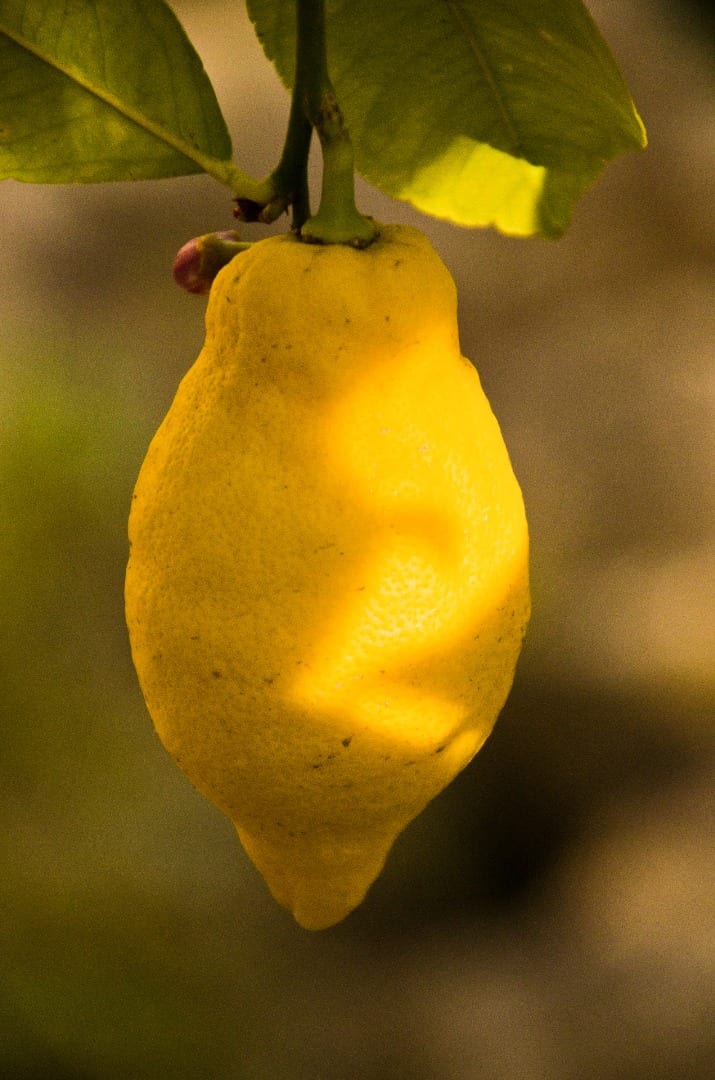
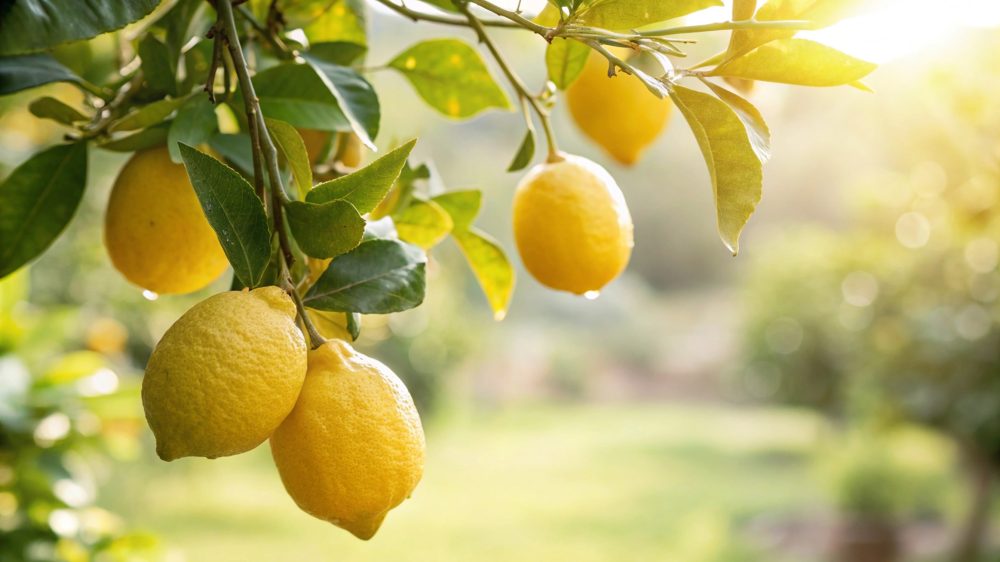
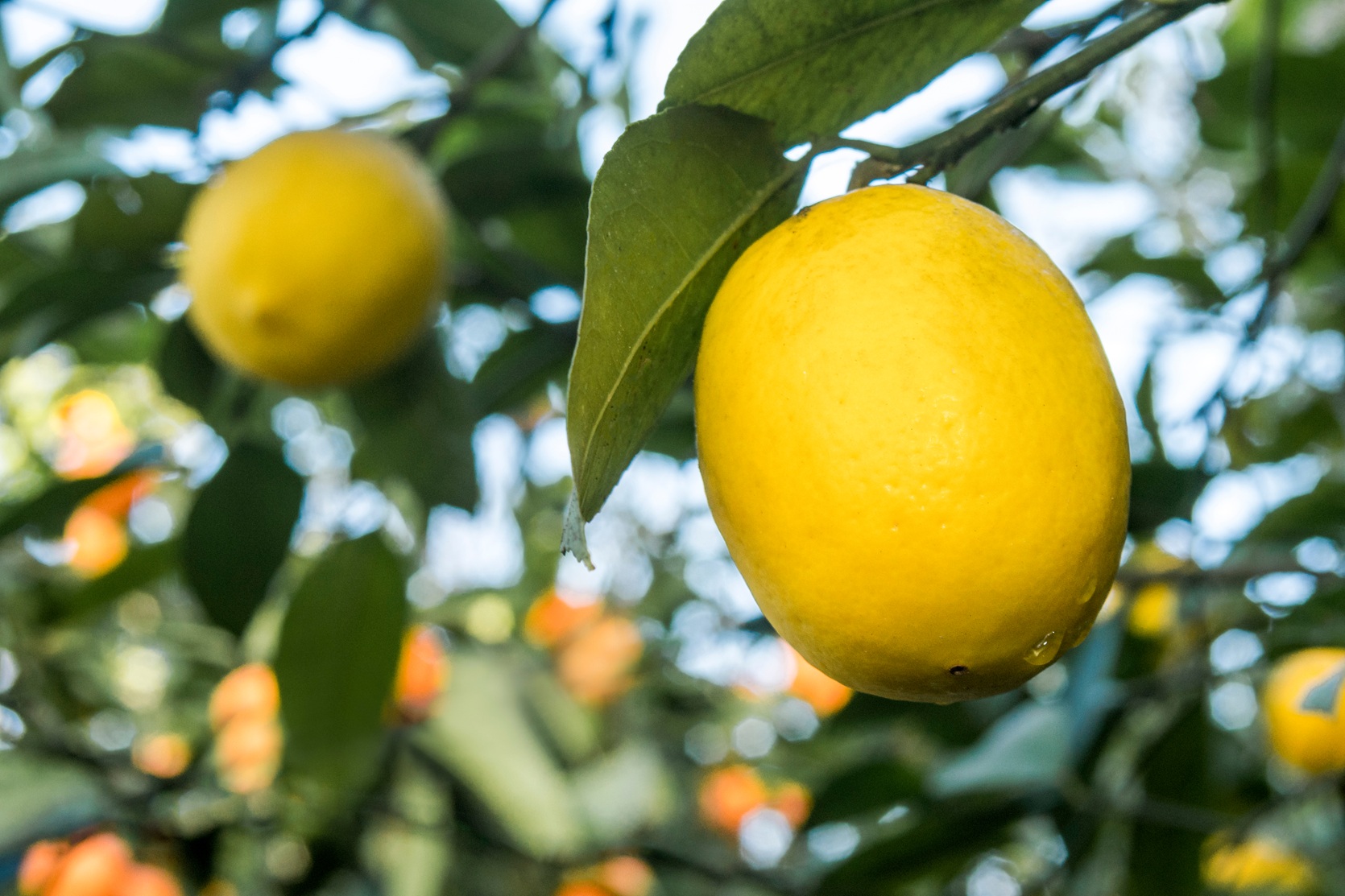
The fruit is an ovoid berry, about three inches long, nipple-shaped at the end, smooth, porous, bright yellow, indented over the oil-glands. They have an acidic, pale-yellow pulp (25).
-
Common names
- Citron (Fr)
- Citrus lemon
- Laymūn (Arabic)
- Limun (Persian)
-
Habitat
Lemon is thought to be native to the Punjab region of Pakistan and India, or the eastern Himalayan region of southern China and upper Myanmar. However, scientists are inconclusive about exactly where lemon originated (25). Lemon typically grows in subtropical and tropical climates (26).
-
How to grow lemon

Lemon (Citrus limonum) Lemon trees are moderately easy to grow. They can adopt a wide range of soil conditions and require little care providing the location requirements are met. It grows best inside a large pot.
Lemon prefers a bright, sunny location in direct sunlight. During the summer months, potted shrubs can be placed out in the garden, moving indoors during winter. Lemon trees require regular watering during the growing season.
Potted lemons can grow up to two metres, which makes it fairly easy to move between summer and winter. Take note that citrus plants dislike being repotted so ensure that the correct soil substrate is used in its final growing environment.
Lemon trees grow best in fertile, well-draining soil. There are specific composts made for citrus, at a pH of 5.5 to 6.5 (slightly acidic) to allow for healthy growth.
Lemon requires a lot of water and the root ball should not dry out. Waterlogging should also be avoided. It is best to water lemon trees early in the morning or late in the evening as during the hot midday sun the water may evaporate and lead to inefficient moisture in the root ball.
When the leaves start to turn a light green colour, it is time for fertilisation. Fertilise once every two weeks with a nitrogen rich fertiliser specifically adapted to the needs of citrus plants.
To shape the plant and promote new growth prune once a year in the spring before the start of vegetation, as this is when pruning cuts heal the best (29).
-
Herbal preparation of lemon
- Fresh
- Dried
- Tincture
- Juice
-
Plant parts used
- Lemon rind
- Fruit
-
Dosage
- Tincture (1:3| 45%): Take between 2–4 ml in a little water up to three times a day (7).
- Other preparations: 0.25–5 g of the peel/day taken in capsule form or drunk as a tea (10).
-
Constituents
- Volatile oils: Terpenes and related compounds — limonene (up to 80% terpene fraction), linalol, citral, terpineol, pinene, camphene, cadinene; aldehydes — phellandrene, citral, geranyl and neryl acetate, citronellal, methylheptone,
- Organic acids: Acetic, capric, lauric, citric and malic acids
- Citric and manic acid, citrates; glucoses
- Salts of organic acids: Citrates
- Flavanoids
- Carotenoids
- Phytosterols
- Resins
- Minerals: Folate; calcium; potassium; zinc, phosphorus, magnesium, iron
- Vitamins: A, B, C and K B1, B2, B3, B5 and B6 (8,11)
-
Lemon recipe
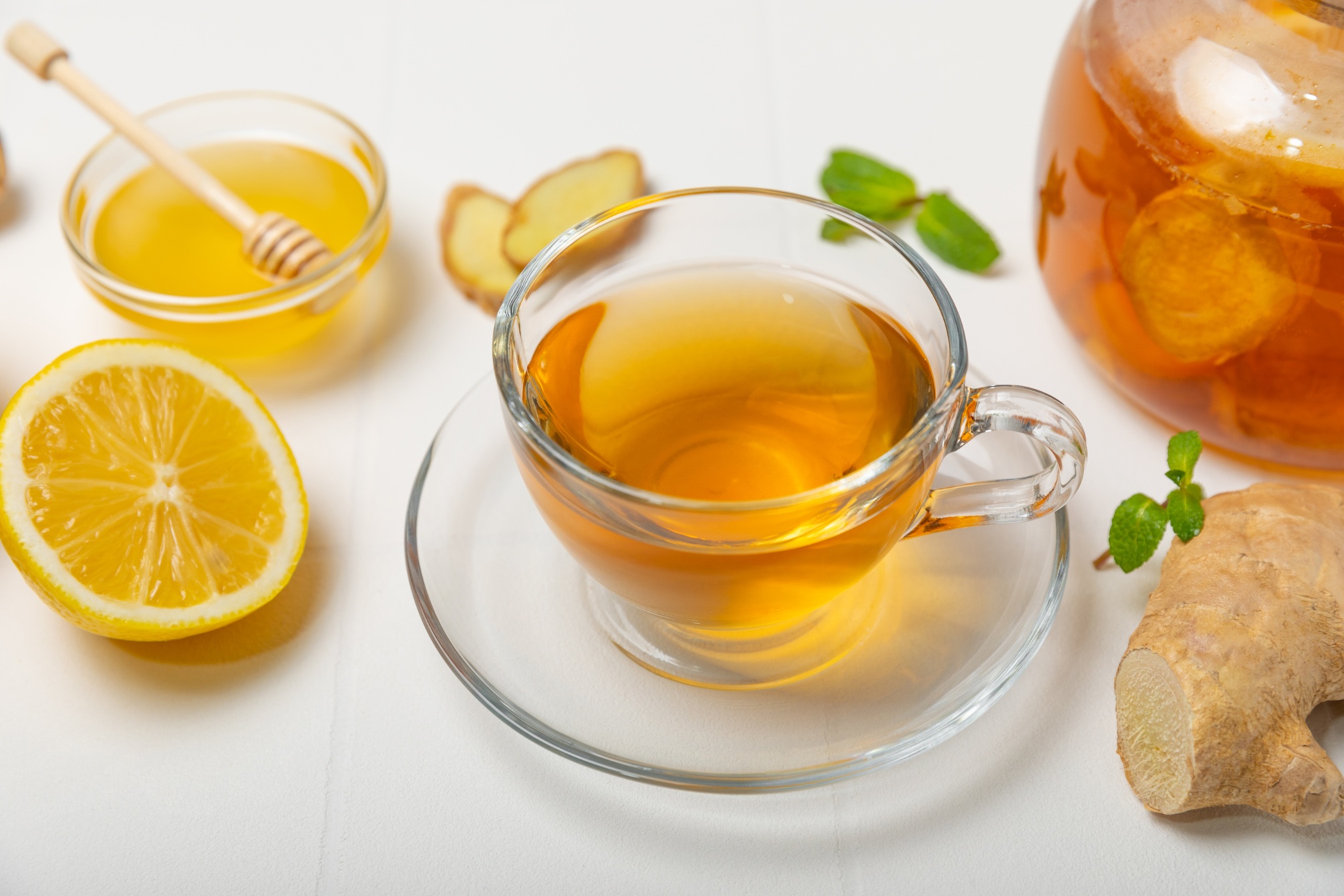
Let me glow tea
This delicious recipe is a healing blend of chlorophyll-rich herbs that purify the blood, soothe the liver and cleanse the skin, helping you glow from the inside out. Good for anyone with pimples, acne or other skin blemishes.
Ingredients
- 3 g nettle leaf
- 2 g fennel seed
- 2 g peppermint leaf
- 2 g dandelion root
- 2 g burdock root
- 2 g red clover
- 1 g turmeric root powder
- 1 g liquorice root
- A twist of lemon juice per cup
This will serve two cups of beautifying tea.
How to make a tasty lemon tea
- Put all of the ingredients in a pot (except the lemon). Add 500 ml (18fl oz) freshly boiled filtered water.
- Leave to steep for 10–15 minutes, then strain and add the lemon.

-
Safety
Lemon rind and fruit are safe to use during pregnancy and breastfeeding taken in normal amounts as used in culinary recipes. The safety of medicinal doses of lemon in pregnancy and lactation are inconclusive (24).
Lemon essential oil may be unsafe to use in pregnancy and lactation. Refer to a qualified practitioner before using lemon essential oil if you are pregnant or breastfeeding (8).
-
Interactions
No drug herb interactions are known (10,24).
-
Contraindications
In Ayurveda, lemon is contraindicated in the case of aggravated pitta (10).
-
Sustainability status of lemon
Citron (Citrus medica), is a wild citrus species that is believed to have contributed to the origin of lemon, bergamot and key lime which are all hybridised species. This wild species of lemon is classified as ‘decreasing’ by the IUCN Red list of threatened species (27,28).
However, commercially available lemons are sourced from cultivated supplies.
Habitat loss and over-harvesting from the wild are two of the biggest threats faced by medicinal plant species. There are an increasing number of well-known herbal medicines at risk of extinction. We must, therefore, ensure that we source our medicines with sustainability in mind.
The herb supplement industry is growing at a rapid rate and until recent years a vast majority of medicinal plant produce in global trade was of unknown origin. There are some very real and urgent issues surrounding sustainability in the herb industry. These include environmental factors that affect the medicinal viability of herbs, the safety of the habitats that they are taken from, as well as the welfare of workers in the trade.
The botanical supply chain efforts for improved visibility (transparency and traceability) into verifiably sustainable production sites around the world is now certificated through the emergence of credible international voluntary sustainability standards (VSS).
Read our article on Herbal quality & safety: What to know before you buy and Sustainable sourcing of herbs to learn more about what to look for and questions to ask suppliers about sustainability.
-
Quality control
Herbal medicines are often very safe to take; however, their safety and efficacy can be jeopardised by quality issues. So, it is important to buy herbal medicines from a reputable supplier, from sources known to test their herbs to ensure there is no contamination, adulteration or substitution with incorrect plant matter, as well as ensuring that recognised marker compounds are at appropriate levels in the herbs.
Some important quality assurances to look for are certified organic labelling, the correct scientific/botanical name, and the availability of information from the supplier about ingredient origins. A supplier should be able to tell you where the herbs have come from, what contaminants are not in the herb, and what the primary compounds are.

-
References
- Klimek-Szczykutowicz M, Szopa A, Ekiert H. Citrus limon (Lemon) Phenomenon—A Review of the Chemistry, Pharmacological Properties, Applications in the Modern Pharmaceutical, Food, and Cosmetics Industries, and Biotechnological Studies. Plants. 2020;9(1):119. https://doi.org/10.3390/plants9010119
- Carr AC, Maggini S. Vitamin C and immune function. Nutrients. 2017;9(11):1211. https://doi.org/10.3390/nu9111211
- Maggini S, Beveridge S, Suter M. A Combination of High-Dose Vitamin C plus Zinc for the Common Cold. Journal of International Medical Research. 2012;40(1):28-42. https://doi.org/10.1177/147323001204000104
- Lynch SR, Cook JD. Interaction of vitamin C and iron. Annals of the New York Academy of Sciences. 1980;355(1):32-44. https://doi.org/10.1111/j.1749-6632.1980.tb21325.x
- Kato Y, Domoto T, Hiramitsu M, et al. Effect on Blood Pressure of Daily Lemon Ingestion and Walking. Journal of Nutrition and Metabolism. 2014;2014:1-6. https://doi.org/10.1155/2014/912684
- Maxfield L, Crane JS, Daley SF. Vitamin C Deficiency (Scurvy). National Library of Medicine. Published 2019. https://www.ncbi.nlm.nih.gov/books/NBK493187/
- Gandhi M, Elfeky O, Ertugrul H, Chela HK, Daglilar ES. Scurvy: Rediscovering a Forgotten Disease. Scurvy: Rediscovering a Forgotten Disease. 2023;11(2):78-78. https://doi.org/10.3390/diseases11020078
- Holmes P. The Energetics of Western Herbs : A Materia Medica Integrating Western and Chinese Herbal Therapeutics. 4th ed. Snow Lotus Press; 2007.
- Pole S. Ayurvedic Medicine : The Principles of Traditional Practice. Singing Dragon, Cop; 2013.
- Wood M. The Earthwise Herbal : A Complete Guide to New World Medicinal Plants. Berkeley, Calif. North Atlantic Books; 2009.
- Grieve M. A Modern Herbal. Tiger Books International; 1994.
- Paramita J, Pradhan A, Sahu R. Medicinal and Health Benefits of Lemon. Issue 4. 2020;6(Volume 5):16-20. https://doi.org/10.46243/jst.2020.v6.i1.pp16-20
- Calomme M, Pieters L, Vlietinck A, Berghe D. Inhibition of Bacterial Mutagenesis by Citrus Flavonoids. Planta Medica. 1996;62(03):222-226. https://doi.org/10.1055/s-2006-957864
- Alam F, Mohammadin K, Shafique Z, Amjad ST, Asad MHH bin. Citrus flavonoids as potential therapeutic agents: A review. Phytotherapy Research. Published online October 9, 2021. https://doi.org/10.1002/ptr.7261
- Rozza AL, Moraes T de M, Kushima H, et al. Gastroprotective mechanisms of Citrus lemon (Rutaceae) essential oil and its majority compounds limonene and β-pinene: involvement of heat-shock protein-70, vasoactive intestinal peptide, glutathione, sulfhydryl compounds, nitric oxide and prostaglandin E2. Chemico-Biological Interactions. 2011;189(1-2):82-89. https://doi.org/10.1016/j.cbi.2010.09.031
- Rozza AL, Pellizzon CH. Essential oils from medicinal and aromatic plants: a review of the gastroprotective and ulcer-healing activities. Fundamental & Clinical Pharmacology. 2012;27(1):51-63. https://doi.org/10.1111/j.1472-8206.2012.01067.x
- Choi HK, Gao X, Curhan G. Vitamin C Intake and the Risk of Gout in Men. Archives of Internal Medicine. 2009;169(5):502. https://doi.org/10.1001/archinternmed.2008.606
- Kačániová M, Čmiková N, Vukovic NL, et al. Citrus limon Essential Oil: Chemical Composition and Selected Biological Properties Focusing on the Antimicrobial (In Vitro, In Situ), Antibiofilm, Insecticidal Activity and Preservative Effect against Salmonella enterica Inoculated in Carrot. Plants. 2024;13(4):524-524. https://doi.org/10.3390/plants13040524
- Salehi B, Upadhyay S, Erdogan Orhan I, et al. Therapeutic Potential of α- and β-Pinene: A Miracle Gift of Nature. Biomolecules. 2019;9(11):738. https://doi.org/10.3390/biom9110738
- Carvalho R, Nascimento LC, Jéssica Carvalho Nascimento, et al. Citrus Extract as a Perspective for the Control of Dyslipidemia: A Systematic Review With Meta-Analysis From Animal Models to Human Studies. Frontiers in Pharmacology. 2022;13. https://doi.org/10.3389/fphar.2022.822678
- Rambod M, Rakhshan M, Tohidinik S, Nikoo MH. The effect of lemon inhalation aromatherapy on blood pressure, electrocardiogram changes, and anxiety in acute myocardial infarction patients: A clinical, multi-centered, assessor-blinded trial design. Complementary Therapies in Clinical Practice. 2020;39:101155. https://doi.org/10.1016/j.ctcp.2020.101155
- Langgut D. The citrus route revealed: From Southeast Asia into the Mediterranean. HortScience. 2017;52(6):814-822. https://doi.org/10.21273/HORTSCI11023-16
- Bouchaud C, Morales J, Schram V, van der Veen M. The earliest evidence for citrus in Egypt. In: Zech-Matterne V, Fiorentino G, eds. AGRUMED: Archaeology and History of Citrus Fruit in the Mediterranean: Acclimatization, Diversification, Uses. Publications du Centre Jean Bérard; 2017.
- Natural Medicines. Lemon. naturalmedicines.therapeuticresearch.com. Published 2024. https://naturalmedicines.therapeuticresearch.com/databases/food
- The Editors of Encyclopedia Britannica. Lemon | fruit. In: Encyclopædia Britannica. ; 2019. https://www.britannica.com/plant/lemon
- Royal Botanical Gardens Kew. Citrus × limon (L.) Osbeck | Plants of the World Online | Kew Science. Plants of the World Online. Published 2025. https://powo.science.kew.org/taxon/urn:lsid:ipni.org:names:60454758-2
- Plummer J. IUCN Red List of Threatened Species: Citrus medica. IUCN Red List of Threatened Species. Published April 23, 2020. https://www.iucnredlist.org/species/62041221/62041228
- Maurya A, Mishra BP, Mohan R, Rana TS, Nair NK. Analysis of genetic diversity and environmental associations of wild citron (Citrus medica L.) in northeast India. Scientia Horticulturae. 2024;338:113690. https://doi.org/10.1016/j.scienta.2024.113690
- Tilley N. Lemon Tree Care: How to Grow a Lemon Tree. www.gardeningknowhow.com. Published 2024. https://www.gardeningknowhow.com/edible/fruits/lemons/how-to-grow-a-lemon-tree.htm
Meet our herbal experts
Our monographs are written by our monograph authors and edited, reviewed and updated by Herbal Reality.
Meet our Herbal Reality team or explore our Herbal Reality authors.