










Premature babies given massages with coconut or sunflower oils were both found to have improved skin integrity and greater weight gain, suggesting therapeutic benefit in neonates.
Plant name and species
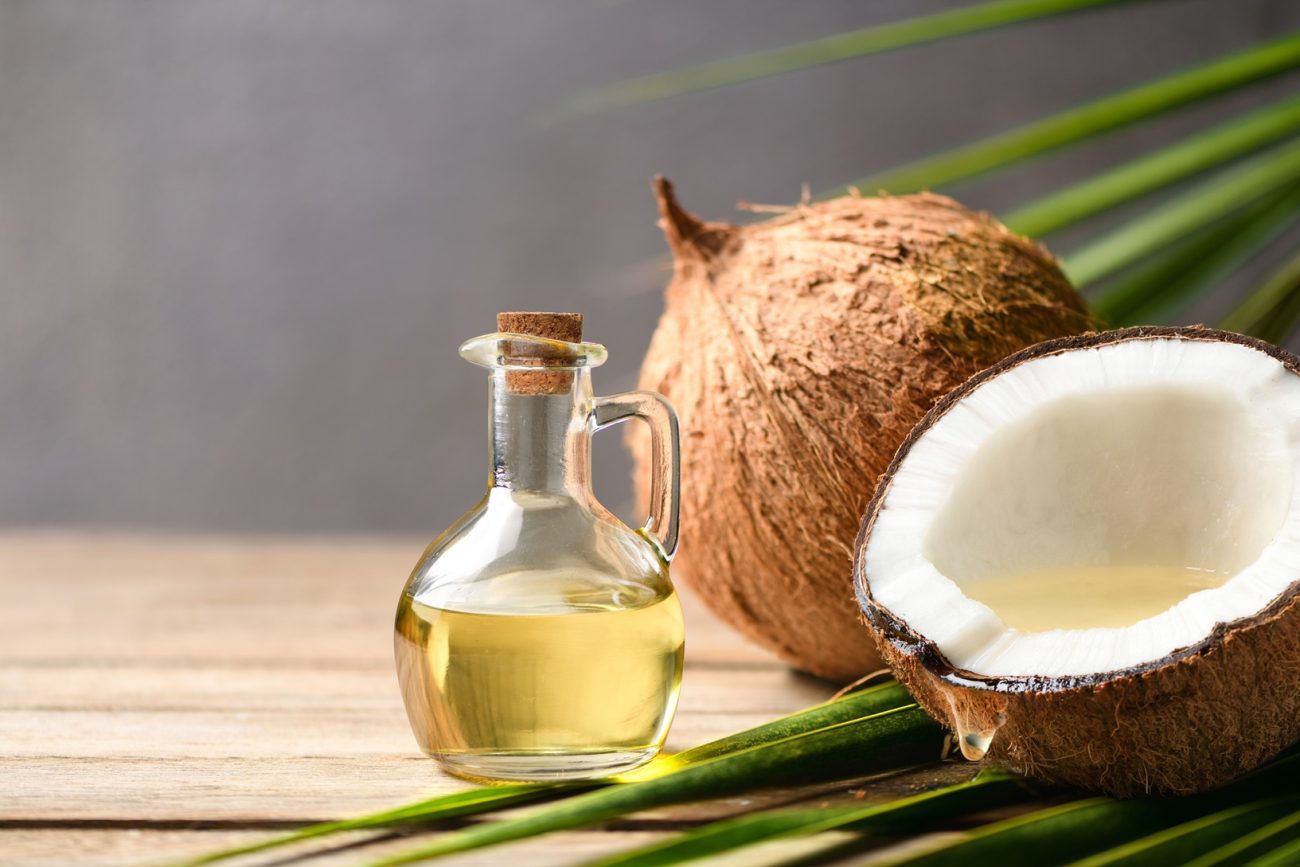
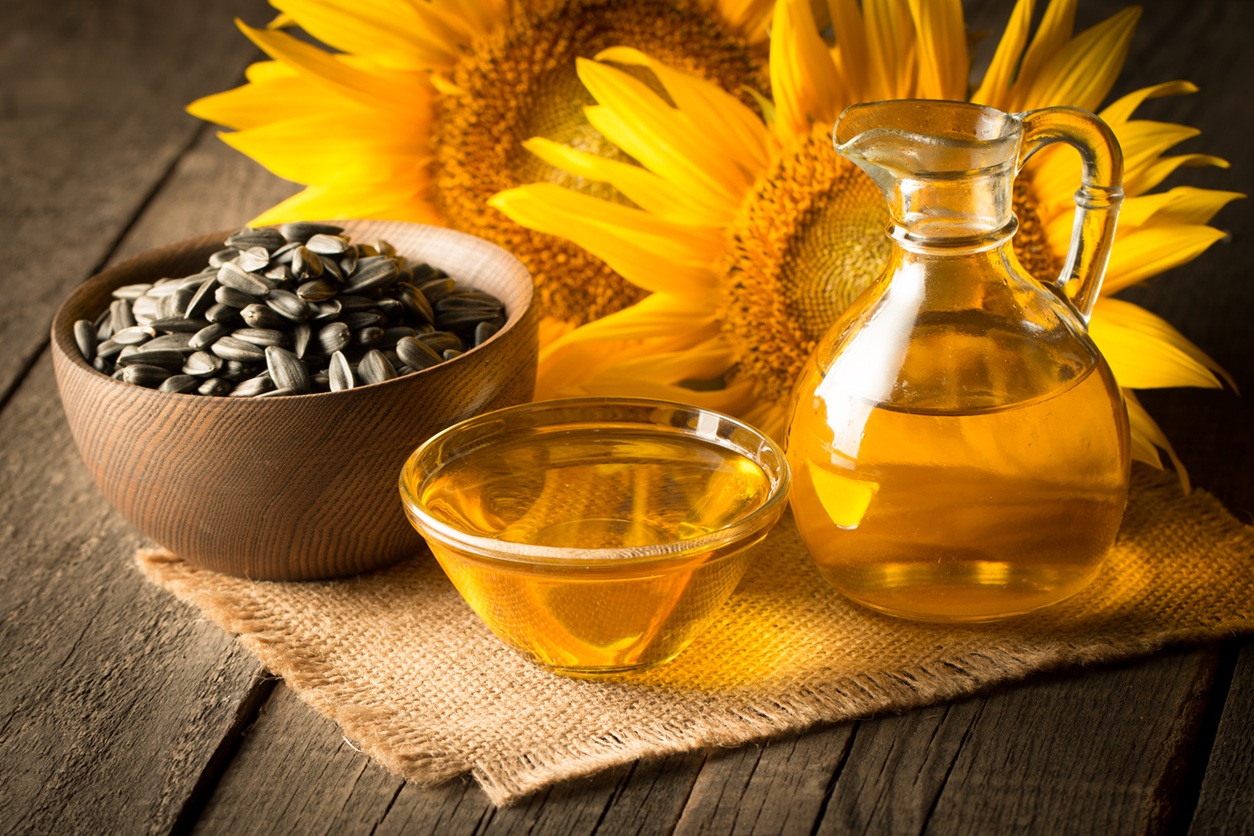
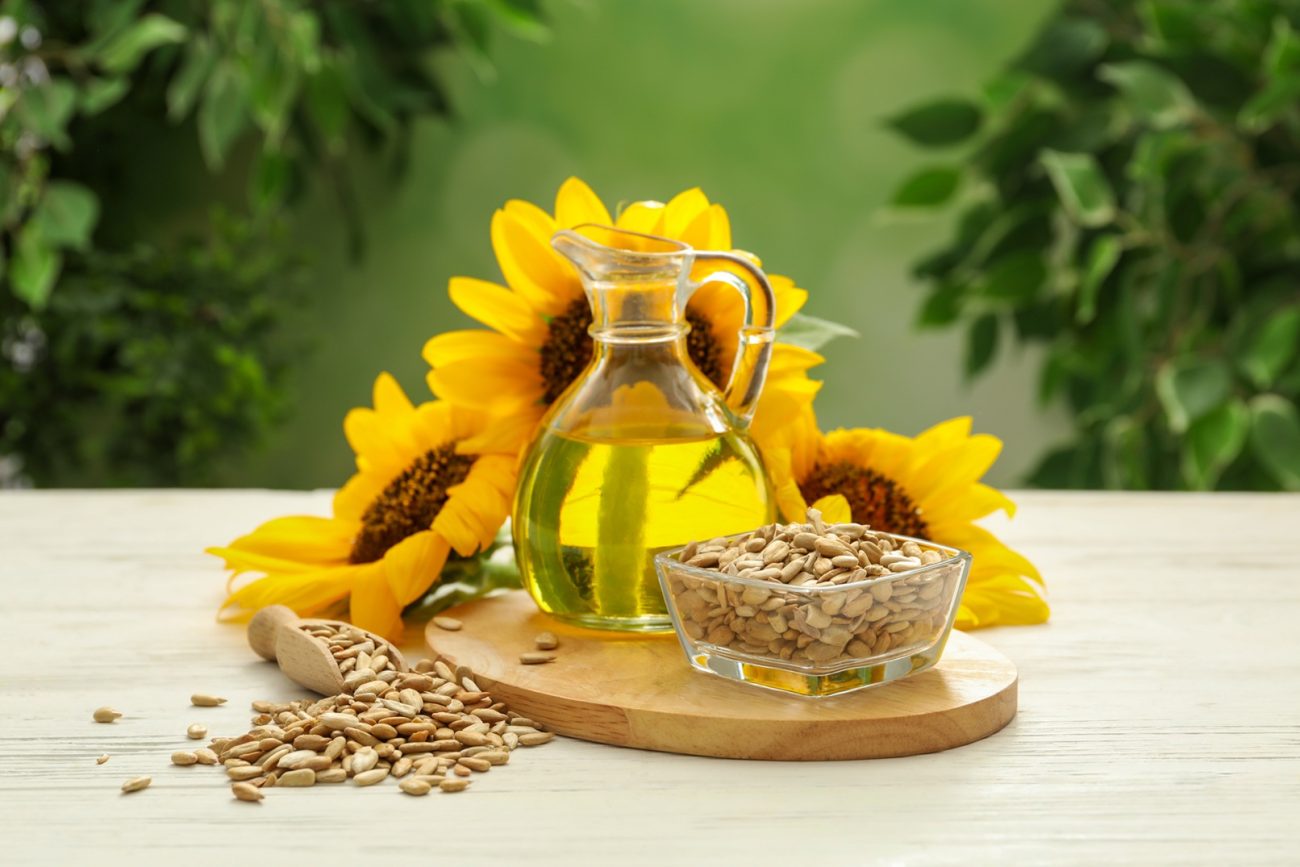
Coconut (Cocos nucifera) oil and sunflower (Helianthus annuus) seeds
Aim of study
The study explored whether coconut oil or sunflower seed oil massage could improve skin integrity in preterm infants. In these babies, the skin is thinner than those born at full gestation, and they have less brown adipose tissue and glycogen stored in subcutaneous fat layers.
Study method

This was a randomised controlled trial in a neonatal intensive care unit in Turkey. In the study, 66 preterm babies (34–37 weeks gestation) were randomised to three groups. All infants received routine intensive care unit care in an incubator maintained at 32–34 °C. The three groups were:
- Sunflower seed oil massage
- Coconut oil massage
- Control or no topical application
Measures were taken at three time points, at admission to the unit, at discharge from the unit and at one-month post-discharge as follows:
- Body weight
- Neonatal Skin Condition Score (records dryness, erythema, skin peeling), scores 3–9 with high scores reflecting poorer skin condition
- Revised Northampton Neonatal Skin Assessment Tool (nine parameters: gestational age, body weight, postnatal age, skin integrity, temperature control, mobility, nutrition status, skin appearance, and care level), scores give a low to high risk of skin complications
Herbal preparation
The coconut and sunflower oils were purchased from a company approved by the Ministry of Health. Batches of product (500 mL sunflower and 270 mL coconut oil) were placed in identical containers. The amount used was calculated based on the baby’s body weight. There were two topical applications per day as follows:
- The nurse/mother performed hand hygiene and ensured hands were not wet or cold.
- The oil was pre-tested on the baby’s wrist for allergic reactions.
- After a waiting time of two hours the oils were massaged into the back, chest, abdomen, arms, legs and hands and fingers for around three minutes.
- In the unit, oils were applied by the researcher. After discharge, the mother applied the oils for one month.
Sample size
A power calculation estimated that a total of 84 infants would be required for the study. Consequently, 28 babies were randomised to each of the three groups with six lost to follow up in each group, resulting in n=22 infants per group.
Inclusion criteria were preterm infants born at 34–37 weeks; birth weight of 2 kg or more, length of stay in the unit seven days or more, skin damage on 5% or less of the body. Babies were excluded if they had a major abnormality or health condition, or if they already had received medication applied to the skin.
Results of study
Overall, most infants were born by caesarean section and there were marginally more males than females. There were no differences between the sunflower, coconut or control groups with regards initial birth weight (around 2.4 kg), the time in the unit (around 9 days), numbers of babies with nappy rash, the gender split, or characteristics of the mother, such as age or numbers of previous births.
There was no change in birthweight between the groups at the time of discharge from the unit with each group on average gaining 2–3 g in weight from birth. At one-month post-discharge, the babies receiving sunflower seed and coconut massages gained significantly more weight compared to the control group, gaining around 4 g more. Across all groups, babies had put on around 1 kg from their birth weight at this time.
For the Neonatal Skin Condition Score (records dryness, erythema, skin peeling) the scores for the infant groups decreased over time with skin health improving. At one month post-discharge, the skin scores of babies receiving sunflower oil or coconut oil massage was significantly improved over the babies in the control group.
For the Northampton Neonatal Skin Assessment Tool, again, there were improvements in scores over time for all three groups. At time-point two when the infants were discharged from the unit, scores were significantly improved for the sunflower oil and coconut oil groups compared to the control group.
Discussion
The study showed that using sunflower oil and coconut oil to massage preterm baby skin reduced the risk of skin complications at the time of discharge from an intensive care unit, and significantly improved skin health at one month after discharge from the unit. The oils significantly improved weight gain at one month after discharge, with infants gaining around 4 g more than the control group.
Coconut oil comprises mainly saturated fats with lauric acid (40–50%) and lower levels of myristic, palmitic, caprylic acid, linoleic acid and stearic acid. Sunflower oil is richer in linoleic acid, an omega-6 oil that is associated with protecting the skin barrier function. These oils can penetrate the skin barrier and improve barrier function, reduce inflammation, have antimicrobial effects, and they also contain polyphenols with antioxidant actions (2).
For pre-term infants, the skin is thinner and subcutaneous layers are not as well established compared to infants born at full gestation. They can experience infection, skin damage, and experience reduced touching and bonding opportunities with their parents. The oils offer the potential to improve skin health, and, as the present study shows, this is associated with weight gain which is an important sign of growth and development.
A limitation of the study is that the control group did not receive a massage oil, so it is not clear whether the benefits seen were due to the composition of the oils or the massaging and bonding effects. Also, once the babies were home, it was not possible to control for differing home environments, feeding and bathing routines. While the study by Tiryaki et al. provides clinically relevant insights into the use of topical oils in neonatal care, its limited sample size, potential lack of blinding, and short follow-up period constrain the strength and generalisability of its conclusions.
Conclusion
Caring for the skin of preterm infants born at 34–37 weeks gestation using sunflower seed oil or coconut oil benefited the health of their skin, and positively improved weight gain at one month after being discharged from an intensive care unit. Both oils were equally effective, although no chemical analysis was carried out on the products to determine the oil compositions.
Further research could explore the effects of the oils on premature babies born earlier (less than 34 weeks gestation), and also look at the weight gained and other outcomes like sleep for longer follow-up times.
Using coconut or sunflower seed oils to massage premature babies is a simple activity that can improve skin health and weight gain.
References
- Tiryaki Ö, Zengin H, Çınar N, Karabay M, Caner İ, Güçlü E. Comparison of Coconut and Sunflower Seed Oils in Improving the Skin Integrity and Weight Gain of Infants in the Neonatal ICU. Adv Skin Wound Care. 2024 Nov-Dec 01;37(11&12):1-8. https://doi.org/10.1097/ASW.0000000000000241
- Lin TK, Zhong L, Santiago JL. Anti-Inflammatory and Skin Barrier Repair Effects of Topical Application of Some Plant Oils. Int J Mol Sci. 2017 Dec 27;19(1):70. https://doi.org/10.3390/ijms19010070