







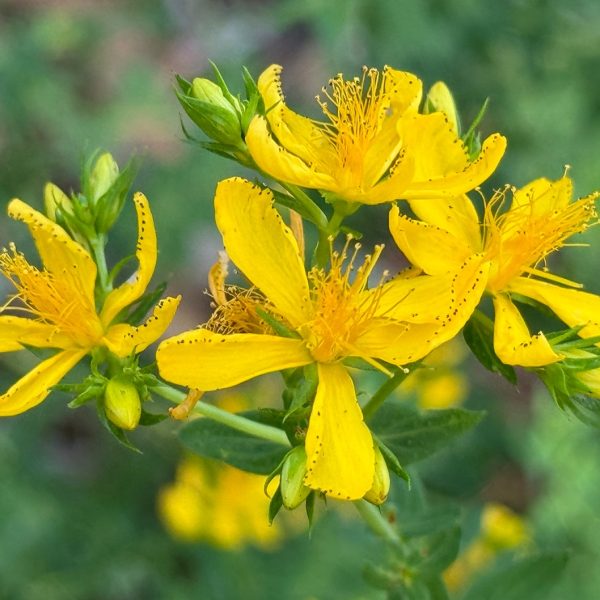

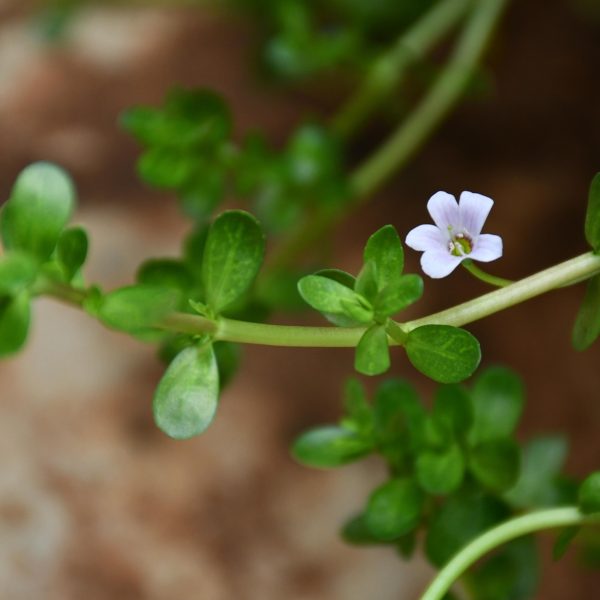
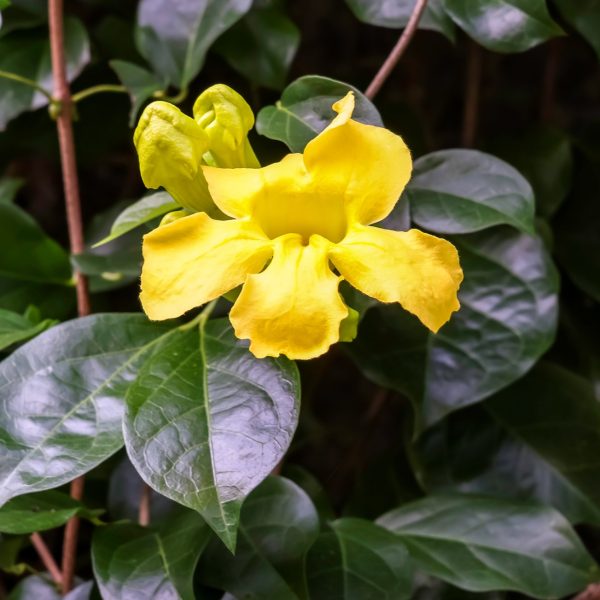







Our ability to treat bacterial infection using pharmaceuticals is jeopardised by antibiotic resistance. How are plants able to combat bacteria and how can we use them in practice? We explore the pharmacology of herbal antibiotics.
There is a strong history of using herbs to treat or prevent common infections. Many herbs that we use have been found to have antibacterial properties. Exploring how these work will help us to decide when and how they will add positively to healthcare.
Why is understanding herbal antibiotics important?

In the days before antibiotics, more than half of deaths were due to infectious diseases (1). The use of antibiotics has extended lifespan, both due to increased survival and the advances in medicine, such as surgery, that have only been possible due to our ability to combat infections (1).
However, due to a combination of a lack of investment into antibiotic drug discovery, overuse of these wonder drugs, and the innate ability of bacteria to evolve to resist and survive against them, we are currently in an antibiotic resistance crisis.
Whether it will just take more responsible use of antibiotics and more funding for the development of new ones, or a dramatically different take on the problem remains to be seen. Herbal antibiotics, as sustainable and accessible forms of healthcare are likely to be a part of the solution.
How do current antibiotics work?

Most antibiotics used today have been isolated from bacteria found in the soil. These subterranean organisms produce molecules that are active against other bacteria; effectively targeting similar survival processes. There are a limited number of available targets in a bacterium to prevent it thriving (bacteriostatic or anti-virulence activity) or surviving (bactericidal activity).
These include inhibiting cell wall synthesis and repair, impacting on cell membrane permeability, affecting the replication or transcription of DNA/RNA, inhibiting protein synthesis and inhibiting folic acid synthesis. However, the strategy of simply using stronger and stronger antibiotics to kill off all the bacteria present has contributed to the problem we are in now.
First, we need to look at how bacteria behave…
Bacteria are single-celled organisms that replicate simply by dividing in two. They can enhance their survival by communicating with each other (quorum sensing) and working as a population together to form biofilms (2).
Biofilms are clusters of bacteria covered in a slimy coating that can evade immune responses, stick to host cells and resist antibiotics. If these virulence survival strategies are prevented, without killing the bacteria, it may reduce the risk of resistance developing, as well as protecting commensal bacteria (the ones that live in harmony within us and contribute beneficially) in the body (2,3). In many cases, whether an antibacterial compound is bactericidal or bacteriostatic is dependent on dose, with lower doses preventing quorum sensing and biofilm formation, and higher doses killing off the bacteria.
Co-evolution of plants with bacteria: Why are they uniquely placed to develop good strategies?
As plants co-evolved with bacteria, whether fighting each other for survival or living in harmony, they have developed effective ways of producing chemicals that can interact with bacteria (4). These phytochemicals are complex and diverse, which means that they have the potential to provide a range of different mechanisms of action. These two factors contribute to the promising effects that have been found.
Different effects of herbal antibiotics
The pharmacology of herbal antibiotics does not generally differ from antibiotics derived from other sources (there are only so many ways to interfere with bacterial survival), but activity tends to be weaker and non-specific (5). Some mechanisms of action of phytochemicals can be seen in Figure 1.

Taken from: Khameneh B, Eskin NAM, Iranshahy M, Fazly Bazzaz BS. Phytochemicals: A Promising Weapon in the Arsenal against Antibiotic-Resistant Bacteria. Antibiotics (Basel). 2021 Aug 26;10(9):1044.
Polyphenols such as flavanols, flavonols and phenolic acids have been found to:
- inhibit some of the enzymes and toxins that enable bacterial virulence
- suppress biofilms
- inhibit efflux pumps (pumps in bacterial cell walls that actively remove antibiotics from the cell)
- inhibit extracellular polysaccharide activity
- as well as working synergistically with some antibiotics such as amoxicillin and ampicillin (5)
However, the most common mechanism is via interacting with the cytoplasmic membrane of bacteria (6). This can cause changes in polarity, the introduction of pores in the membrane, changes in permeability and impacting on where membrane proteins are located. Some of the most potent polyphenol compounds in in vitro studies are flavonoids (6).
Alkaloids, such as berberine, piperine and reserpine shown in Figure 1, interact with enzymes to inhibit DNA synthesis and repair, inhibit efflux pumps, inhibit quorum sensing and biofilm formation, and prevent bacterial replication (3,5).
Terpenes are some of the most researched phytochemicals and their most common mechanism of action is cell membrane rupture or disruption (6). The lipophilic (fat loving) properties of terpenoids enable them to impact bacterial membranes and disrupt their integrity, while saponins from soybeans have been found to inhibit Staphylococcus aureus β-lactamase enzymes (5).
Using this knowledge in practice

Much of the research in this area so far is based on in vitro (or laboratory-based) studies. This can help to highlight how a herbal antibiotic might work and to prove that it could work, but can’t tell us whether consuming that herb will have a meaningful effect in an individual with an infection. To have an effect on an infection, the plant chemicals need to get to where the disease-causing bacteria are without damaging helpful bacteria or the individual ingesting them.
There are some clinical studies on infections such as gum disease, ear infections, acne, and Helicobacter pylori overgrowth associated with gastritis and gastric ulcer (3). These all represent areas that don’t require active plant chemicals being absorbed into the blood to get to where the infection is, but show that there are many ways that herbs can contribute to the fight against bacterial infections.
While these conditions are rarely life threatening, reducing the use of conventional antibiotics to treat them will help prevent the development of further antibiotic resistance, so that other life-threatening conditions can continue to be effectively treated.
Phytochemicals that interfere with biofilm formation, efflux pumps and the activity of bacterial enzymes that break down antibiotics, such as beta-lactamase, work well in synergy with antibiotics. This can ensure that an antibiotic that has weaker activity, or that a bacterium is resistant to, are more likely to be effective. Essential oils from oregano (Origanum vulgare (Lamiaceae)) and Iranian thyme (Thymus daenensis (Lamiaceae)) both inhibit efflux pumps, while flavonoids kaempferol and quercetin both inhibit beta-lactamase activity (6).
Compounds from many edible plants have been found to inhibit quorum sensing, for example garlic, hibiscus and oilseeds; while capsaicin from chilli can alter formation of biofilms (2). Green tea flavanols and cranberry proanthocyanidins have both been found to prevent bacteria from being able to bind to cells in the body and take up residence there (7).
If bacteria can’t bind to cells, they can’t colonise the area, which will prevent a pathogenic infection. This is why there is some evidence to suggest that green tea can help to prevent dental caries and regularly consuming cranberry can help to prevent urinary tract infections. It is likely that some of the general health benefits of a plant-rich diet come from the ability of plant chemicals to keep pathogenic bacteria in check.
Conclusion
The generally non-specific and gentle action of herbal antibiotics indicates a good role for herbs in prevention of disease-causing bacterial infections, as adjuvants to essential antibiotics and for topical infections. There is also an important role for herbs in supporting the immune system, so that the body can effectively fight off infections and pathogenic bacteria don’t take hold in the first place. More research is needed to fully explore the potential for herbs to treat common bacterial infections.
References
- Cook MA, Wright GD. The past, present, and future of antibiotics. Sci Transl Med. 2022 Aug 10;14(657):eabo7793. doi: 10.1126/scitranslmed.abo7793.
- Díaz-Nuñez JL, García-Contreras R, Castillo-Juárez I. The New Antibacterial Properties of the Plants: Quo vadis Studies of Anti-virulence Phytochemicals? Front Microbiol. 2021 May 7;12:667126. doi: 10.3389/fmicb.2021.667126.
- Porras G, Chassagne F, Lyles JT, Marquez L, Dettweiler M, Salam AM, Samarakoon T, Shabih S, Farrokhi DR, Quave CL. Ethnobotany and the Role of Plant Natural Products in Antibiotic Drug Discovery. Chem Rev. 2021 Mar 24;121(6):3495-3560. doi: 10.1021/acs.chemrev.0c00922. Mundy L, Pendry B, Rahman M. Antimicrobial resistance and synergy in herbal medicine J Her Med 6 (2016) 53–58
- Khameneh B, Eskin NAM, Iranshahy M, Fazly Bazzaz BS. Phytochemicals: A Promising Weapon in the Arsenal against Antibiotic-Resistant Bacteria. Antibiotics (Basel). 2021 Aug 26;10(9):1044.
- Álvarez-Martínez FJ, Barrajón-Catalán E, Herranz-López M, Micol V. Antibacterial plant compounds, extracts and essential oils: An updated review on their effects and putative mechanisms of action. Phytomedicine. 2021 90:153626.
- Ofek I, Hasty DL, Sharon N. Anti-adhesion therapy of bacterial diseases: prospects and problems. FEMS Immunol Med Microbiol. 2003 Oct 15;38(3):181-91. doi: 10.1016/S0928-8244(03)00228-1.