

-
How does it feel?
-
What can I use it for?
Forsythia is one of the most important herbs in Chinese medicine for clearing heat, along with honeysuckle (Lonicera japonica), with which it is frequently combined. This gives it many uses for inflammatory-type disorders that express themselves with redness, swelling and heat.
One of its primary uses is in the treatment of contagious febrile disorders with fever and sore throat, cough, red eyes, mouth ulcers, irritability and in severe cases, delirium, rashes and subcutaneous bleeding (1).
It can also be used for interior inflammatory conditions such as intestinal and lung abscesses, lumps and nodules as a result of lymphatic obstruction (1).
-
Into the heart of Forsythia

Forsythia (Forsythia suspensa) Forsythia was said by the 12th century physician Zhang Yuansu to have three main uses: To drain heat in the Heart channel, to dispel various types of heat from the upper burner, and as the sage-like herb for sores (2). The reasoning for this is based on its physical properties.
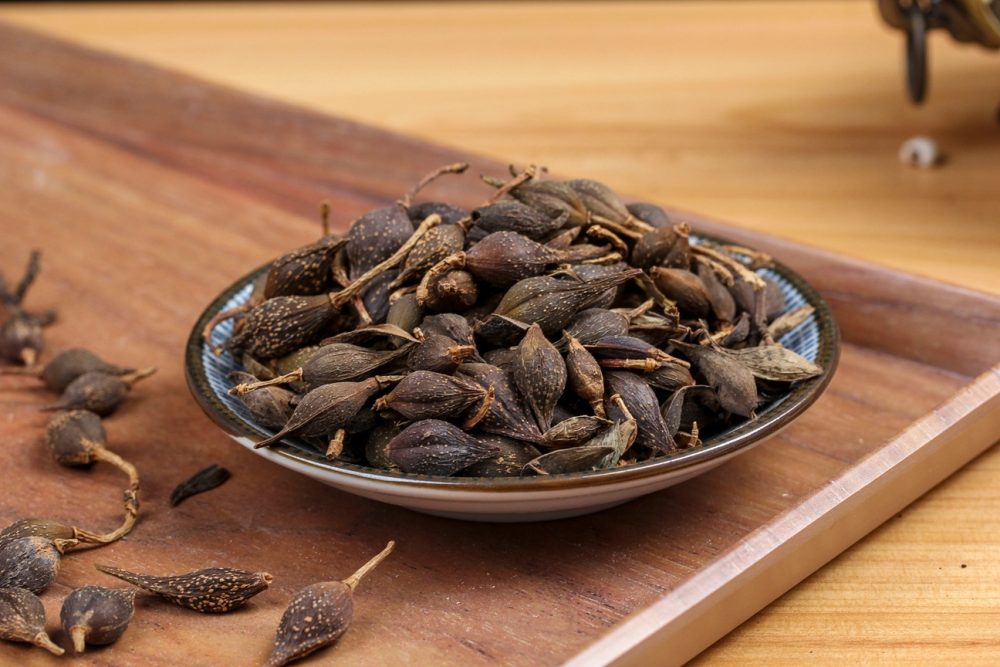
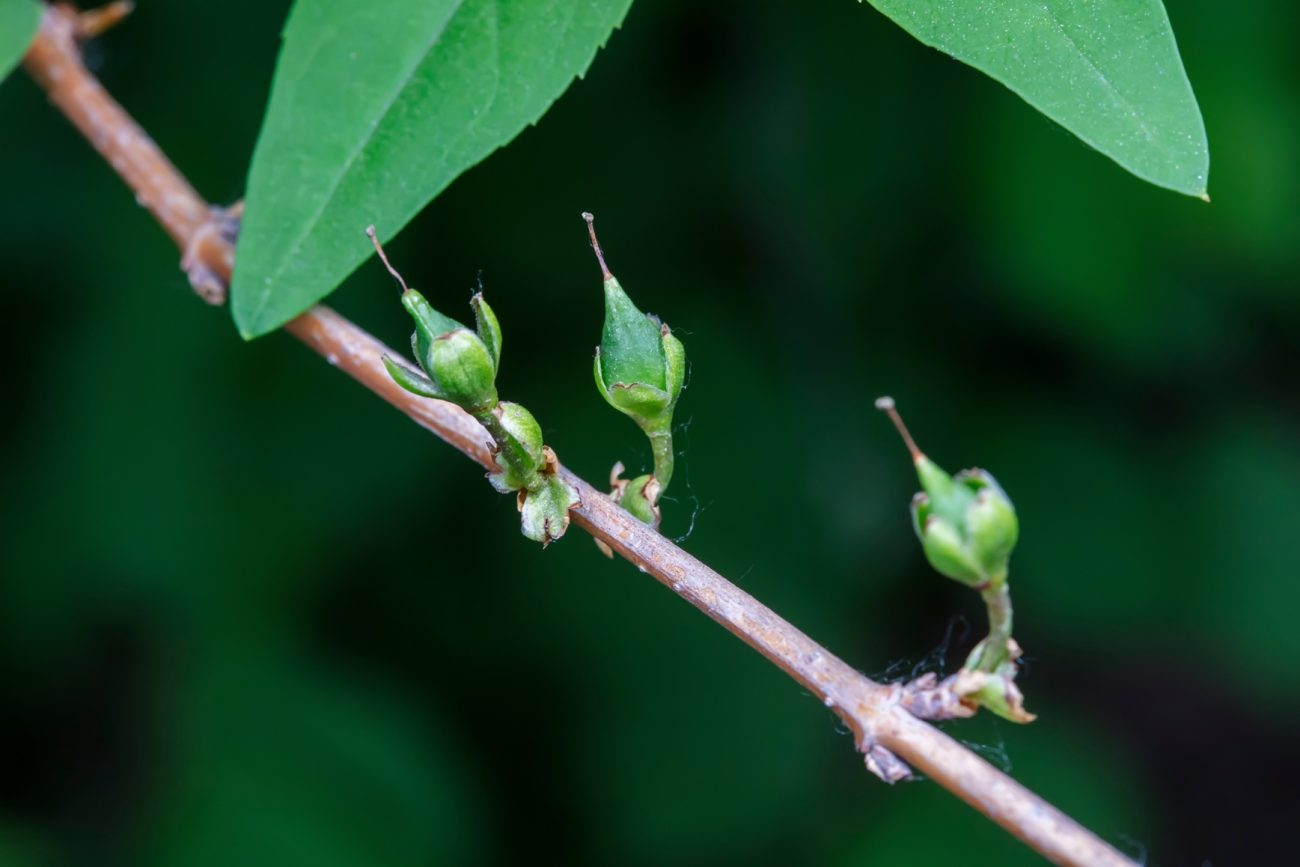
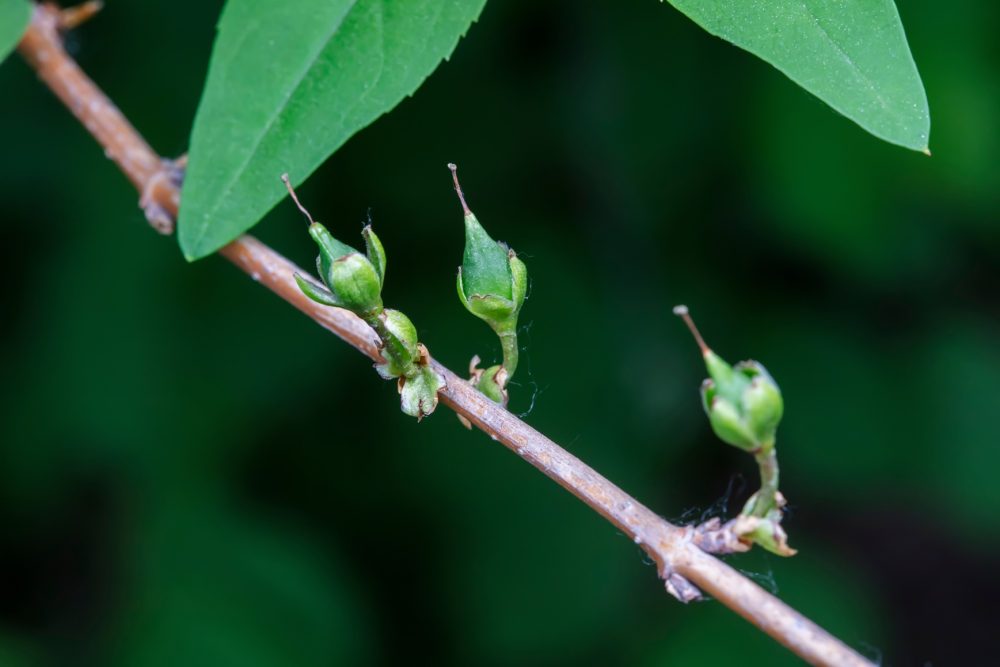
Its rounded and pointed shape with a hollow chamber inside resembles a heart, giving it a particular affinity for this organ (2). This manifests in its use for treating high fevers, irritability and delirium and for dispersing clumping that manifests as hot, swollen lumps under the skin (1). It clears this heat by facilitating its passage through the urine, indicating it for painful urinary disorders too.
Its light weight lifts it to the upper and exterior parts of the body, making it a chief herb for venting the heat of fevers and sore throats from early stage, externally contracted febrile disorders (1).
Its function in resolving hot skin conditions also derives from its aforementioned affinity for the Heart, for which the Basic Questions says that “all painful, itchy sores derive from the Heart.” Additionally, light herbs with empty insides are associated with draining, disseminating and unblocking functions that gives forsythia an ability to disperse clumped heat in the collateral channels (2). These are the visible surface blood vessels which manifest as changes in complexion, including rashes, macula and purpurea as well as subcutaneous bleeding.
-
Traditional uses

Forsythia (Forsythia suspensa) In traditional Chinese medicine, it is traditionally the fruit which is used in capsule form for the clearance of heat and resolution of toxicity, particularly in the upper body. Its main function is the clearance of wind-heat, referring to externally contracted diseases, such as colds and flu, of a ‘warm’ or ‘hot’ nature. This means diseases that present with a pronounced fever with only slight chills, a sore throat and headache (2).
Its second, related function, is to clear heat from the Heart, the organ that stores the spirit and commands the Blood. Therefore, it can be used in cases where a pathogen has progressed further into the body, causing changes in consciousness, or when the Blood itself is heated and pushed out of the vessels causing subcutaneous bleeding, macula and purpurea to appear (1). In Chinese medicine, this is referred to as the nutritive level (ying).
Forsythia is also described as the sage-like herb for sores, for its capacity to treat a number of skin conditions that result from heat. This includes a number of rashes, sores, lesions, swellings, abscesses, ulcerations (1). This action can also operate internally for the treatment of lung and intestinal abscesses and ulcerations.
Related to its ability to treat sores is the ability of forsythia to disperse accumulations such as lumps, nodules and furuncles. This can also work internally, dispersing heat accumulation that can lead to the formation of urinary stones, burning or bloody urination. In this case, the heat is boiling away fluids leading to the formation of toxic phlegm that can develop into nodules, lumps and stones, and the dispersing, cooling nature of forsythia enables the obstructed fluids to flow again, reducing or preventing their formation (2).
-
Traditional actions
Herbal actions describe therapeutic changes that occur in the body in response to taking a herb. These actions are used to express how a herb physiologically influences cells, tissues, organs or systems. Clinical observations are traditionally what have defined these actions: an increase in urine output, diuretic; improved wound healing, vulnerary; or a reduction in fever, antipyretic. These descriptors too have become a means to group herbs by their effects on the body — herbs with a nervine action have become the nervines, herbs with a bitter action are the bitters. Recognising herbs as members of these groups provides a preliminary familiarity with their mechanisms from which to then develop an understanding of their affinities and nuance and discern their clinical significance.
-
Traditional energetic actions
Herbal energetics are the descriptions Herbalists have given to plants, mushrooms, lichens, foods, and some minerals based on the direct experience of how they taste, feel, and work in the body. All traditional health systems use these principles to explain how the environment we live in and absorb, impacts our health. Find out more about traditional energetic actions in our article “An introduction to herbal energetics“.
Chinese energetics
-
What practitioners say
 Immune system
Forsythia is one of the primary herbs for treating fever and inflammation anywhere in the body. It can be used for externally contracted diseases with fever and sore throat, or for internal inflammation such as abscesses. This can be directed with the appropriate combination of other herbs, for which its partnering with honeysuckle is the most common and famous. This treats the early stage colds and flu with pronounced fever, slight chills, sore throat and headache. Its effects on the throat can be further enhanced by combining with woad (Isatis tinctoria) root or leaf, or with burdock (Arctium lappa) seeds for tonsillitis (2).
For internal inflammation resulting in intestinal or lung abscesses, it is often combined with honeysuckle, wild chrysanthemum (Chrysanthemum x morifolium) and dandelion (Taraxacum officinale) (1). It can even be used for severe inflammatory symptoms with high fever and delirium by combining with other cooling herbs such as rehmannia (Rehmannia glutinosa), figwort (Scrophularia nodosa), bamboo (Bambusa) leaves, Chinese goldthread (Coptis chinensis) and red sage (Salvia miltirorrhiza), seen in the formula — Clear the Nutritive Level Decoction (Qing Ying Tang) designed for epidemic diseases (3).
However, it is important that this herb is not used indiscriminately for colds and flu. Chinese medicine divides contagious diseases into warm and cold types with the most important differentiating factor being whether chills or fever predominates. The cooling nature of forsythia is only indicated in a warm presentation where fever is more pronounced and accompanied by signs such as aversion to heat, sore throat, red eyes, red tongue with a yellow coat and a rapid pulse. Where chills and aversion to cold predominate, accompanied by tightness of the neck and shoulders, and generalised body aches, forsythia should be avoided and warming herbs such as ephedra (Ephedra sinica) and cinnamon (Cinnamomum verum) used instead.
Skin
Forsythia is a key herb for sores and used in a number of skin disorders, especially where there are rashes, swellings, lesions, ulcerations and nodules (2). However, it should also be remembered that this is a cooling and dispersing herb without any tonifying properties and so should be avoided when the skin is not hot and red, especially if it is worse for cold. If there is an underlying deficiency, this should also be combined with other herbs to address the deficiency (1,2).
Urinary
In Chinese medicine, heat trapped in the body must be released somehow, either through sweating, urination or the stool. Forsythia primarily releases heat through the urine, which means that, as a secondary function, it can be used to promote urination through a diuretic action, especially where the obstruction is due to heat accumulation. This makes it a supportive herb in cases of burning, painful urination, possibly with the presence of blood due to stones, where its anti-inflammatory actions can help to ease their passage (1).
-
Research
Forsythia (Forsythia suspensa) The phytochemistry, pharmacology, pharmacokinetics, quality control, and toxicity of Forsythiae Fructus: An updated systematic review
This systematic review was conducted to update a previous review on forsythia fruits in 2017. Two hundred and fourty-eight compounds were identified, including 42 phenylethanoid glycosides, 48 lignans, 22 terpenoids, 14 flavonoids, three steroids, 24 cyclohexyl ethanol derivatives, 14 alkaloids, 26 organic acids, 21 volatile oils, and and 24 other compounds.
Pharmacologically, they found evidence of anti-inflammatory, antioxidant, antibacterial, antiviral, anti-tumor, neuroprotective, and hepatoprotective properties, with the capacity to regulate cytochrome P450, alleviate asthma, relieve atopic dermatitis, prevent androgenic alopecia, and assist thermoregulation, provide nephroprotective effects, and reduce ischemic damage. Most of these activities were due to the anti-inflammatory and anti-influenza properties of phenylethanoid glycosides, especially forsythoside A and lignans such as phillyrin (4,5).
Amplifying protection against acute lung injury: Targeting both inflammasome and cGAS-STING pathways by Lonicerae Japonicae Flos-Forsythiae Fructus drug pair
This in vivo and in vitro study looked at the common herb pairing of forsythia fruits and honeysuckle flower in the treatment of acute lung injury through a lipopolysaccharide induced mouse model and cultured macrophages.
They observed an enhanced protective effect from the use of both medicinals compared to each one used alone, attenuating the damage to alveolar structures, pulmonary hemorrhage, and the infiltration of inflammatory cells, approaching the effectiveness of dexamethasone. In cellular models, herbs operated through the same (cGAS-STING and NLRP3) inflammasome pathways but their combined use enhanced the overall effectiveness (6).
Better detoxifying effect of ripe Forsythiae fructus over green Forsythiae fructus and the potential mechanisms involving bile acids metabolism and gut microbiota
This study compared effects of the ripe and unripe forms of forsythia fruits in a rat model of a bile duct ligation-induced cholestasis in order to determine the best fruits to use in these models. Forsythia has been used in formulas to treat jaundice since the Han dynasty (~ 210 CE) and while the green fruits are often preferred in formulas to reduce fever, the best type to use in liver conditions remains uncertain.
Their study showed that the ripe fruits had a better effect at resolving the toxic bile acid accumulation through an indirect mechanism of modulating the gut microbiota, which makes the ripe form a superior choice when treating liver related conditions with bile acid accumulation (7).
Efficacy of Forsythia suspensa (Thunb.) Vahl on mouse and rat models of inflammation-related diseases: a meta-analysis
This meta analysis was conducted on animal studies s and investigated the effect of forsythia fruits on inflammation to date. In a total of 11 papers that met the criteria, they found that forsythia fruit effectively reversed the changes in acute or chronic inflammation indicators in animal models, through the regulation of multiple inflammatory signaling pathways. The disorders investigated included inflammatory injury in the liver, lungs, and colon; oxidative stress; chronic pelvic inflammatory disease; atopic dermatitis; and B16 melanoma growth (8).
Review of the therapeutic potential of Forsythiae fructus on the central nervous system: Active ingredients and mechanisms of action
Based on the use of forsythia fructus in states of high fever with delirium, this paper reviewed several studies that looked at its potential neuroprotective properties in the context of Alzheimer’s disease, Parkinson’s disease, ischemic stroke, intracerebral hemorrhage, traumatic brain injury, aging, and herpes simplex virus encephalitis. They discovered it had effects on several pathways including oxidative stress, inflammation, signal transduction, ferroptosis, the gut-brain axis, endoplasmic reticulum stress and acetylcholinesterase activity (9).
-
Did you know?
Forsythia was used as a subplot in the film Contagion as an alternative antiviral remedy for the pandemic, showing the writers did their homework on this herb’s use as a potential source of antiviral drugs for the treatment of swine flu (10,11). Life then imitated art when forsythia and honeysuckle capsules were proposed as a herbal treatment remedy for the Covid-19 pandemic (12).


Additional information
-
Botanical description
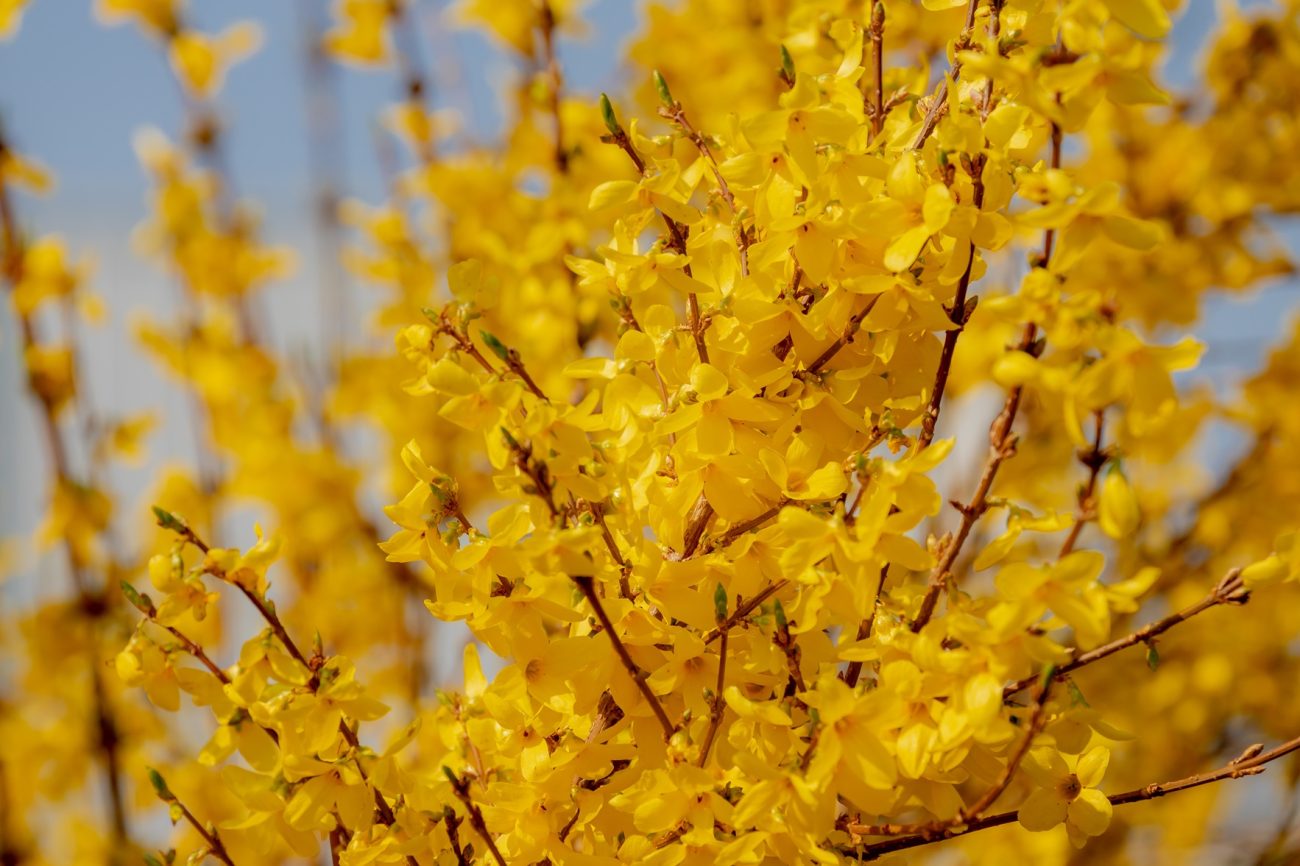
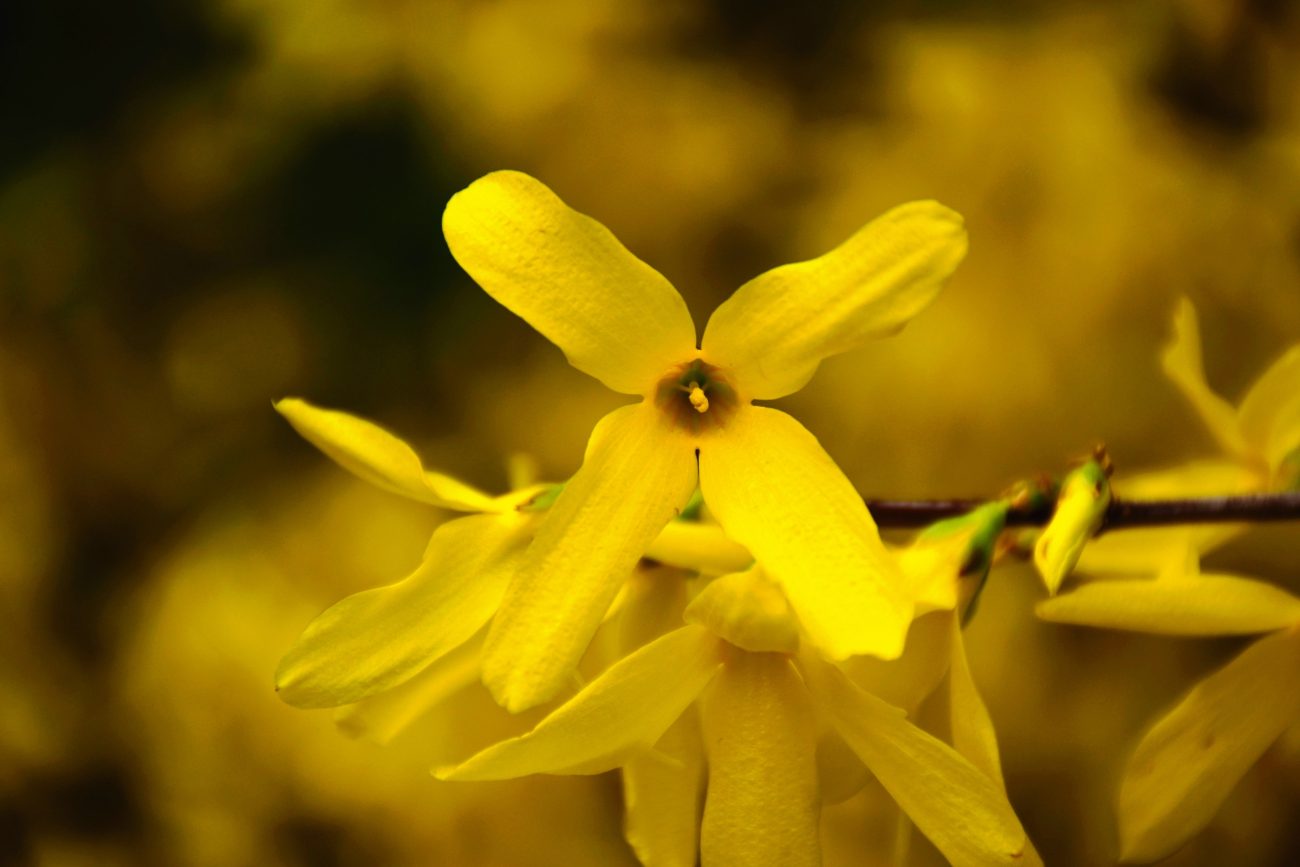
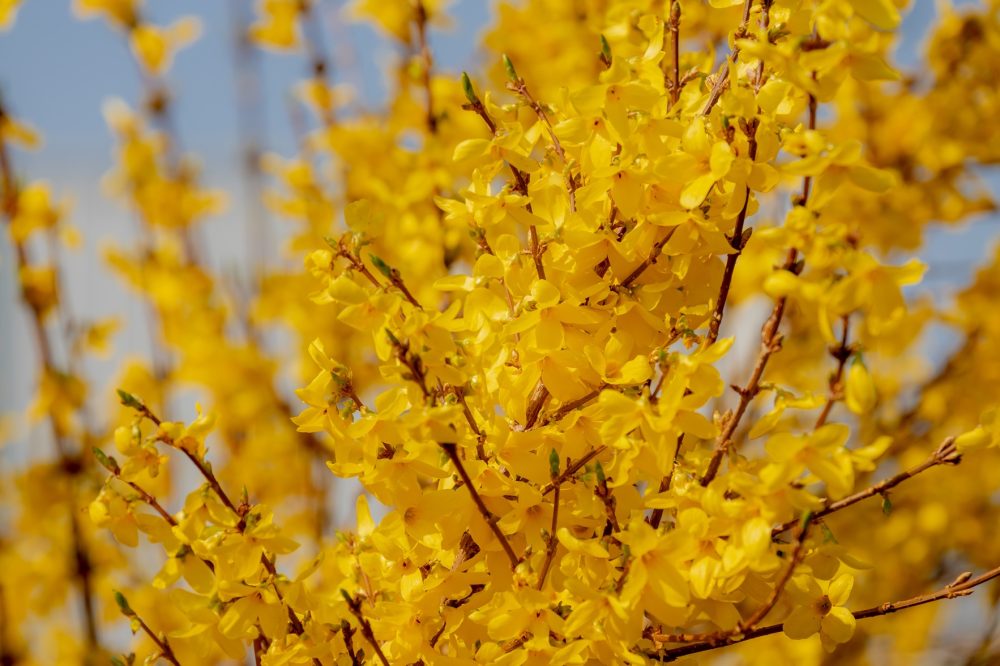
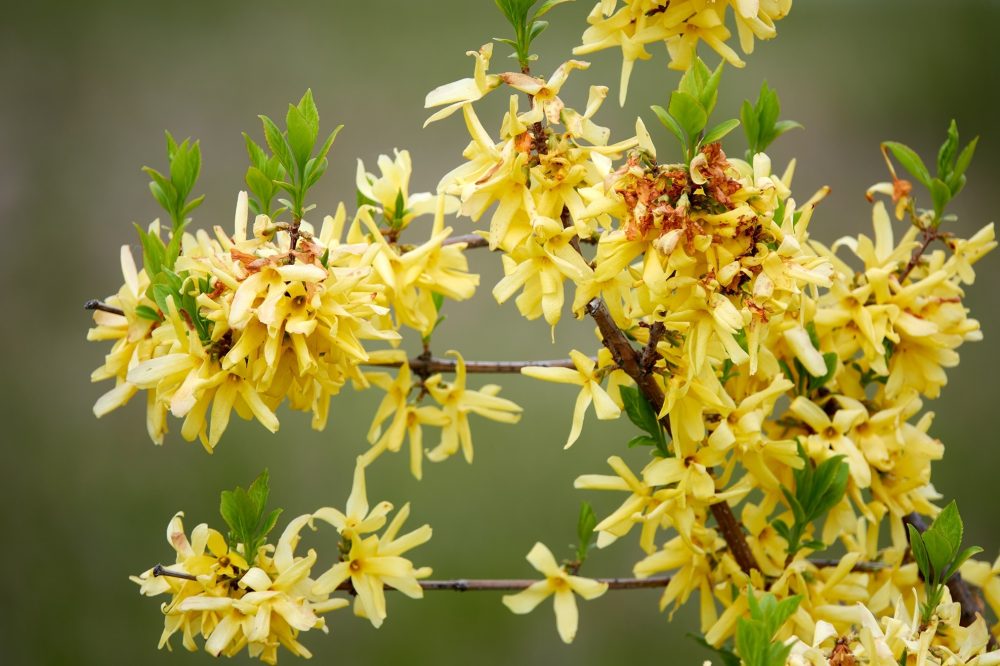
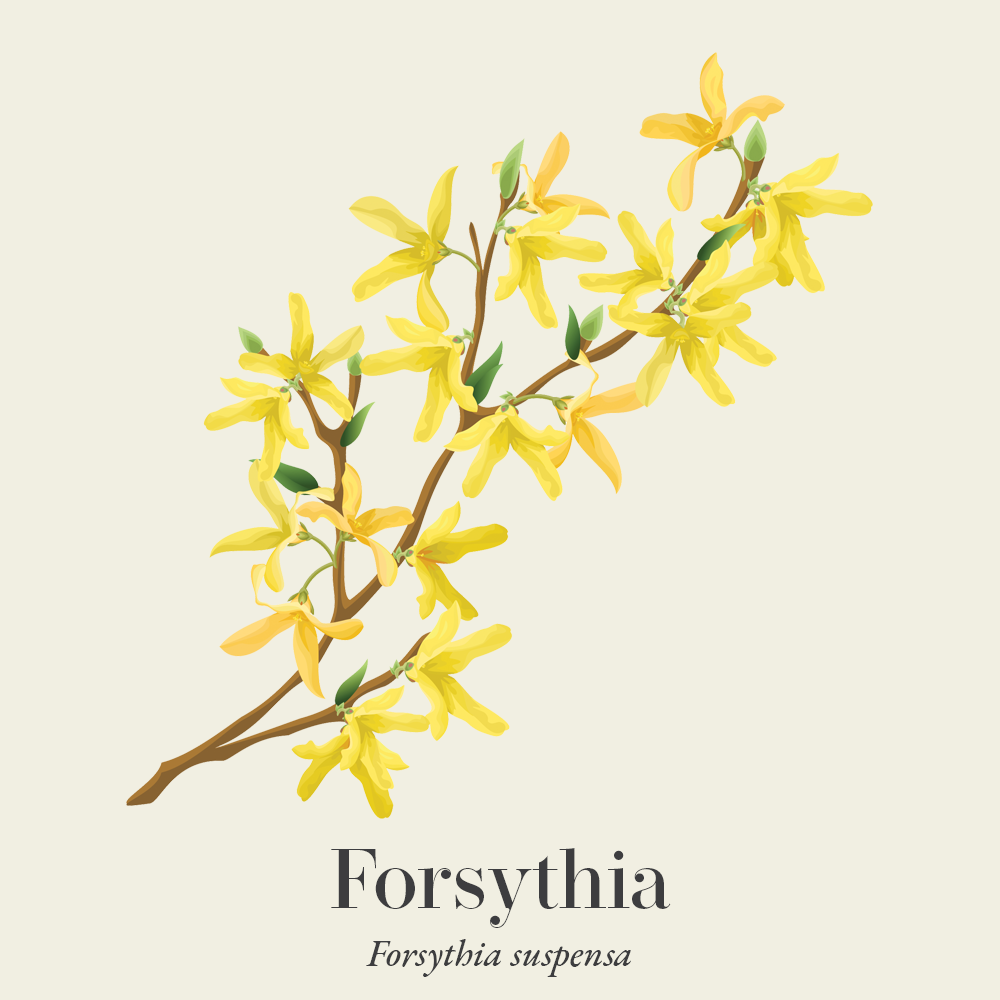
A deciduous, arching shrub to 3 m tall and wide with slender shoots that bear nodding, narrowly-trumpet-shaped, yellow flowers, up to 3 cm across, that bloom in spring before undivided or three-lobed leaves appear (21).
-
Common names
- Weeping forsythia
- Golden bell
-
Safety
Generally considered safe (14). Advised to avoid during pregnancy as it has uterine stimulant and emmenagogue properties (15).
One case of photodermatitis was traced to the topical application of forsythia fruit (2). The LD50 in mice is given as 172.21 g/kg orally and 20.96 g/kg via intraperitoneal injection (1). -
Interactions
Most sources agree there are no known interactions (1,2,15). One source suggests there could be moderate interactions with anticoagulants and minor interactions with azithromycin but provides no references (16).
-
Contraindications
It is traditionally advised to use caution in patients with diarrhoea due to its cold, bitter nature, or in cases of sores which are neither red nor painful (1). It is also advised to avoid after perforation of sores and abscesses, or in heat from deficiency, or in deficiency of the stomach and spleen, due to its action of clearing without any tonifying qualities (2).
-
Preparations
- Qing qiao: The young, unopened, green fruit capsules are cleaned of impurities, steamed and sun-dried (14).
- Lao qiao: The mature, opened, yellow capsules are cleaned of impurities and sun-dried 14.
-
Dosage
Infusion / decoction: Between 6–15 g per day (1,2,17)
-
Plant parts used
Fruit
-
Constituents
Two hundred and fourty-eight different constituents have been isolated from forsythia fruit in total (4). The most significant ones include:
- Phenylethanoid glycosides
- Forsythoside A: The main active index component of forsythia, thought to be responsible for its anti-inflammatory, antiviral, neuroprotective, antioxidant, hepatoprotective, and antibacterial activities through the regulation of multiple signaling transduction pathways (18). The immature fruit should not contain less than 2.0% and the mature fruit not less than 0.25% forsythoside A (17).
- Forsythiaside A, B, C and J; isoforsythoside A.
- Lignans
- Phillyrin: A second index marker of forsythia, with anti-inflammatory, anti-aging, antiviral, antibacterial, hepatoprotective and anti-cancer effects (19). It may also have an anti-obesity effect through cyclic AMP phosphodiesterase 4 inhibitory activity (20). The immature fruit should not contain less than 0.3% and the mature fruit not less than 0.09% phillyrin (17).
- Phillygenin, forsythialan A and B, and rengyoside
- Flavonoids: Rutin, quercetin, hispidulin
- Triterpenoids (17)
- Phenylethanoid glycosides
-
Habitat
Native to central and east-central China (21). It is primarily cultivated in the Shanxi, Shaanxi and Henan provinces (14).
-
Sustainability
Forsythia suspensa is not currently listed on the IUCN redlist, as it is considered stable with no major threats to its population (22). The plant is able to thrive in multiple different conditions including drought, and temperature fluctuations and therefore grows abundantly in its native habitat (23).
Habitat loss and over-harvesting from the wild are two of the biggest threats faced by medicinal plant species. There are an increasing number of well-known herbal medicines at risk of extinction. We must, therefore, ensure that we source our medicines with sustainability in mind.
The herb supplement industry is growing at a rapid rate and until recent years a vast majority of medicinal plant produce in global trade was of unknown origin. There are some very real and urgent issues surrounding sustainability in the herb industry. These include environmental factors that affect the medicinal viability of herbs, the safety of the habitats that they are taken from, as well as the welfare of workers in the trade.
The botanical supply chain efforts for improved visibility (transparency and traceability) into verifiably sustainable production sites around the world is now certificated through the emergence of credible international voluntary sustainability standards (VSS).
Read our article on Herbal quality & safety: What to know before you buy and Sustainable sourcing of herbs to learn more about what to look for and questions to ask suppliers about sustainability.
-
Quality control
Herbal medicines are often very safe to take; however, their safety and efficacy can be jeopardised by quality issues. So, it is important to buy herbal medicines from a reputable supplier, from sources known to test their herbs to ensure there is no contamination, adulteration or substitution with incorrect plant matter, as well as ensuring that recognised marker compounds are at appropriate levels in the herbs.
Some important quality assurances to look for are certified organic labelling, the correct scientific/botanical name, and the availability of information from the supplier about ingredient origins. A supplier should be able to tell you where the herbs have come from, what contaminants are not in the herb, and what the primary compounds are.
-
How to grow
Grows best in moist but well-drained soil in full sun, preferring to be south, west or east facing. It can tolerate most soil types, but thrives in moist, well drained, soil rich in organic matter. The rootball is best planted out between autumn and spring, while dormant. It can also be propagated with semi-hardwood cuttings. Once established, it needs minimal feeding or watering unless in severe drought conditions (21).
-
Recipe

Forsythia fruit (Forsythia suspensa) Yin Qiao San (Honeysuckle and Forsythia Powder)
This is the main representative formula in TCM that uses forsythia fruit, along with its common pairing, honeysuckle flowers, to treat the early stages of febrile disorders of a wind-heat type with fever, slight chills, aversion to heat, headache, thirst and cough with possible eruptions of rashes and sores. The tongue is usually red, especially at the tip and the pulse is likely to be fast.
It has been used in the treatment of acute bronchitis, pneumonia, influenza, whooping cough, mumps, measles, chickenpox, acute laryngitis and is the foundation of Honeysuckle Flower Recipe to Clear Heat (Jinhua Qinggan Fang) which was devised to treat swine flu (H1N1) and later repurposed for the treatment of Covid-19 (13). Another similar formula is Mulberry and Chrysanthemum drink (Sang Ju Yin) which also uses forsythia capsules but as a secondary herb for clearing fever, but when cough is the main symptom.
Ingredients
- 30 g honeysuckle flowers (Lonicera japonica, jin yin hua)
- 30 g forsythia fruit (Forsythia suspensa, lian qiao)
- 18 g balloon flower root (Platycodon grandiflorus, jie geng)
- 18 g burdock seed (Arctium lappa, niu bang zi)
- 18 g field mint (Mentha arvensis, bo he)
- 15 g fermented soybean (Glycine max, dan dou chi)
- 12 g japanese catnip (Schizonepeta tenuifolia, jing jie)
- 12 g bamboo leaves and stems (Bambusa, dan zhu ye)
- 15 g liquorice root (Glycyrrhiza glabra, gan cao)
How to make Honeysuckle and Forsythia Powder
- Grind all the ingredients into a powder.
- Decoct 60 g of fresh (or 15–30 g of dried) reed rhizome (Phragmites communis, lu gen) in water.
- Add 18 g of the powder and cook until the aroma is strong.
- Be careful not to overcook. The medicine should be light and clear.
- It may be prepared as a decoction by reducing the dosages to between ⅓ and ½ of those presented here and not cooked for longer than 20 minutes, with mint added just five minutes before the end (3).
-
References
- Chen JK & Chen TT. Chinese Medical Herbology and Pharmacology. Art of Medicine Press. 2012.
- Bensky D, Clavey S & Stoger E. Chinese Herbal Medicine: Materia Medica, 3rd Edition. Seattle: Eastland Press. 2004.
- Scheid V, Bensky D, Ellis A, Barolet R. Chinese Herbal Medicine: Formulas & Strategies, 2nd edition. Seattle: Eastland Press. 2009.
- Li JJ, Chen ZH, Liu CJ, et al. The phytochemistry, pharmacology, pharmacokinetics, quality control, and toxicity of Forsythiae Fructus: An updated systematic review. Phytochemistry. 2024;222:114096. https://doi.org/10.1016/j.phytochem.2024.114096
- Wang Z, Xia Q, Liu X, et al. Phytochemistry, pharmacology, quality control and future research of Forsythia suspensa (Thunb.) Vahl: A review. J Ethnopharmacol. 2018;210:318-339. https://doi.org/10.1016/j.jep.2017.08.040
- Li J, Dong M, Yao Q, et al. Amplifying protection against acute lung injury: Targeting both inflammasome and cGAS-STING pathway by Lonicerae Japonicae Flos-Forsythiae Fructus drug pair. Chin Herb Med. 2024;16(3):422-434. Published 2024 Apr 30. https://doi.org/10.1016/j.chmed.2024.04.001
- Wang T, Li XJ, Qin LH, et al. Better detoxifying effect of ripe Forsythiae fructus over green forsythiae fructus and the potential mechanisms involving bile acids metabolism and gut microbiota. Front Pharmacol. 2022;13:987695. Published 2022 Aug 12. https://doi.org/10.3389/fphar.2022.987695
- Zhou C, Xia Q, Hamezah HS, Fan Z, Tong X, Han R. Efficacy of Forsythia suspensa (Thunb.) Vahl on mouse and rat models of inflammation-related diseases: a meta-analysis. Front Pharmacol. 2024;15:1288584. Published 2024 Mar 4. https:/doi.org/10.3389/fphar.2024.1288584
- Zhang L, Lang F, Feng J, Wang J. Review of the therapeutic potential of Forsythiae Fructus on the central nervous system: Active ingredients and mechanisms of action. J Ethnopharmacol. 2024;319(Pt 2):117275. https://doi.org/10.1016/j.jep.2023.117275
- Soderbergh, S. Contagion. USA: Warner Bros. Pictures. 2011.
- Ko HC, Wei BL, Chiou WF. Dual regulatory effect of plant extracts of Forsythia suspense on RANTES and MCP-1 secretion in influenza A virus-infected human bronchial epithelial cells. J Ethnopharmacol. 2005;102(3):418-423. https://doi.org/10.1016/j.jep.2005.06.029
- Liang C, Hui N, Liu Y, et al. Insights into forsythia honeysuckle (Lianhuaqingwen) capsules: A Chinese herbal medicine repurposed for COVID-19 pandemic. Phytomed Plus. 2021;1(2):100027. https://doi.org/10.1016/j.phyplu.2021.100027
- Yin Qiao San. A+ Medical Encyclopedia. Accessed Oct 28, 2025. http://cht.a-hospital.com/w/银翘散
- Leon C & Lin YL. Chinese Medicinal Plants, Herbal Drugs and Substitutes: an identification guide. Kew: Kew Gardens Publishing. 2017.
- Drugs.com. Forsythia. Sep 15, 2025. Accessed Oct 31, 2025. https://www.drugs.com/npp/forsythia.html
- WebMD. Forsythia. Accessed Oct 31, 2025. https://www.webmd.com/vitamins/ai/ingredientmono-1103/forsythia
- Taiwan Herbal Pharmacopeia 4th Edition, English Version. Taiwan: Ministry of Health of Welfare. 2022.
- Gong L, Wang C, Zhou H, et al. A review of pharmacological and pharmacokinetic properties of Forsythiaside A. Pharmacol Res. 2021;169:105690. https://10.1016/j.phrs.2021.105690
- Zhou C, Lu M, Cheng J, et al. Review on the Pharmacological Properties of Phillyrin. Molecules. 2022;27(12):3670. Published 2022 Jun 7. https://doi.org/10.3390/molecules27123670
- Nishibe S, Mitsui-Saitoh K, Sakai J, Fujikawa T. The Biological Effects of Forsythia Leaves Containing the Cyclic AMP Phosphodiesterase 4 Inhibitor Phillyrin. Molecules. 2021;26(8):2362. Published 2021 Apr 19. https://doi.org/10.3390/molecules26082362
- RHS. Forsythia suspensa. Accessed Oct 30, 2025. https://www.rhs.org.uk/plants/7260/forsythia-suspensa/details.
- IUCN Redlist. The IUCN Red List of Threatened Species | Forsythia. IUCN Red List of Threatened Species. Published 2025. Accessed November 12, 2025. https://www.iucnredlist.org/search?taxonomies=123252&searchType=species
- Wang E, Lu Z, Rohani ER, Ou J, Tong X, Han R. Current and future distribution of Forsythia suspensa in China under climate change adopting the MaxEnt model. Frontiers in Plant Science. 2024;15. https://doi.org/10.3389/fpls.2024.1394799