





An exploration of how diet and phytotherapy can together enrich the gut microbiome with fibre, fermented foods, fats and plant polyphenols alongside herbs for health and resilience.
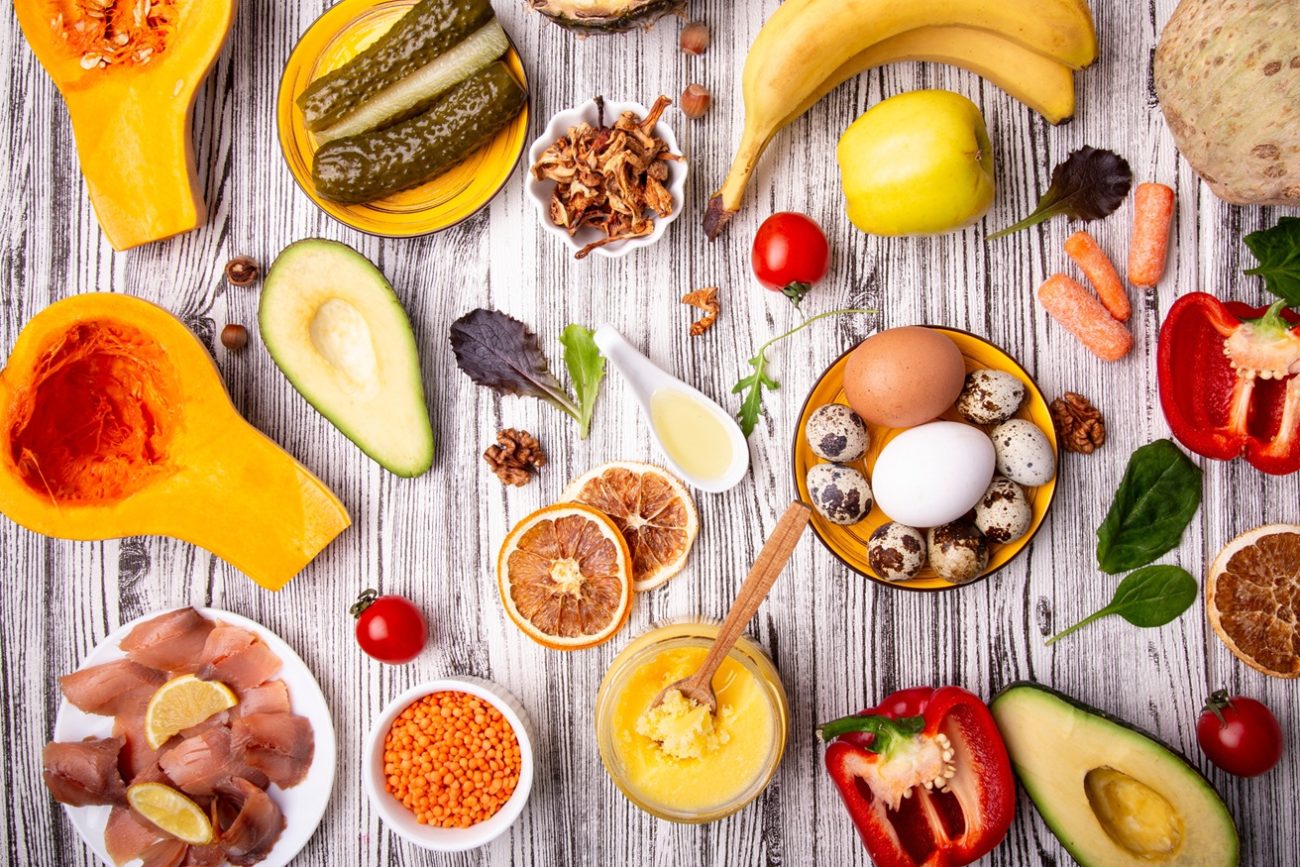
The gut microbiome is a hot topic in current nutrition and wellness discussions, featuring widely in podcasts, books and documentaries, alongside an ever-expanding market of probiotic supplements and functional foods such as kombuchas and prebiotic blends. Yet rather than a fleeting wellbeing trend, digestive health has always been central to naturopathic and herbal traditions.
Long before the language of microbiomes and probiotics, traditional systems of medicine recognised digestion as the foundation of health. Hippocrates’ observation that “all disease begins in the gut” remains frequently quoted, and with good reason. Contemporary research now provides mechanistic insight and validation, but the core principle remains remarkably consistent: if in doubt, start with the gut.
Central to digestive and systemic health is the gut microbiome, a collective of microorganisms that line the gastrointestinal tract and do far more than simply break down food and absorb nutrients. These microbes play a vital role in immune regulation, hormone metabolism, nervous system signalling and long-term disease risk. As a result of its extensive metabolic activity and regulatory influence, it has even been described by some researchers as an organ in its own right (1).
Modern lifestyles characterised by low-nutrient convenience foods, chronic stress, environmental pollutants, poor sleep, disconnection from nature and frequent medication use have disrupted gut health for many people.
Herbal medicine offers a rich tradition of plants to soothe, regulate and restore digestive function, with the use of bitters, demulcents, carminatives and prebiotic-rich herbs forming a cornerstone of practice. Nutrition, however, remains one of the most powerful and accessible tools for maintaining a diverse and resilient gut ecosystem. This reflects a shift away from the familiar adage “you are what you eat”, towards the recognition that, in many respects, we are what we feed our microbes.
The gut as a living interface with the world
The gut or digestive tract, although enclosed within the body, is, in effect, an ‘outside’ surface that carefully regulates what is allowed to pass through and what is kept out. This selective barrier function is fundamental to digestion, immune defence and nervous system regulation, and is profoundly influenced by the microorganisms that do, or do not, inhabit it.
Much like global ecosystems that suffer when biodiversity is lost and monocultures dominate, human gut ecology is becoming increasingly depleted. Reduced microbial diversity and the loss of key species have been linked to a range of inflammatory, metabolic and immune-mediated conditions (2).
Few systems in the body are as directly affected by daily inputs as the gastrointestinal tract. The foods we eat, the herbs and spices we use, the rhythm and timing of meals, and the state of the nervous system when we eat all shape this internal ecosystem.
Understanding the gut microbiome
The gut microbiome consists of bacteria, fungi, archaea and viruses that perform essential physiological functions, including fermentation of dietary fibre, synthesis of certain vitamins, modulation of immune responses and protection against pathogenic organisms (3). A diverse and balanced microbiome is associated with reduced inflammation, improved metabolic health and greater resilience to physical and psychological stress (4).
Diet is the primary modulator of microbiome composition. Diets rich in whole plant foods support microbial diversity, while Western-style dietary patterns high in refined carbohydrates and ultra-processed foods are consistently associated with reduced microbial richness and increased inflammatory species (5).
Signs of poor gut health
Common digestive symptoms such as bloating, constipation, diarrhoea, reflux and abdominal discomfort are clear signs of compromised gut function. However, gut imbalance frequently presents systemically, manifesting as fatigue, skin conditions, recurrent infections, mood disturbances and food sensitivities. The gut is lined with extensive immune tissue that interacts directly with the microbiome, highlighting its central role in immune regulation (6).
Bile, digestion and the gut ecosystem
A truly ecological view of gut health also requires attention to bile, a digestive fluid often overlooked outside of gallbladder disease. Bile is essential for the digestion and absorption of dietary fats and fat-soluble vitamins, but it also plays a critical role in shaping the gut ecosystem. Through antimicrobial properties and signalling activity, bile influences the microbiome, the gut barrier, motility and immune regulation (7).
Chronic stress, very low-fat diets, disrupted circadian rhythms, medication use and impaired liver function can all compromise bile production or release. Research increasingly demonstrates that bile acids act as metabolic and immune signalling molecules, influencing inflammation, intestinal permeability and microbial diversity (8).
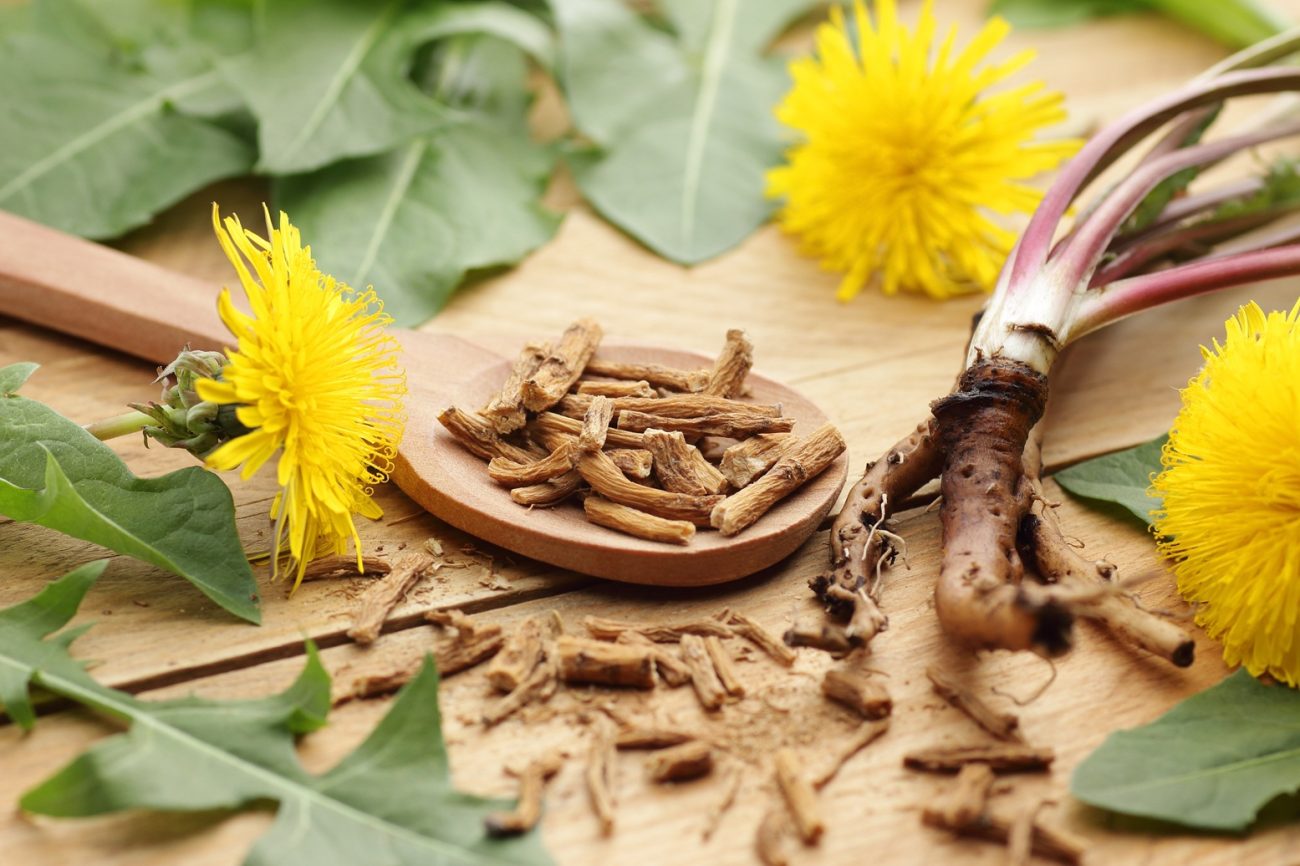
Both food and herbs play a central role in supporting healthy bile flow. Whole-food dietary fats such as olive oil, oily fish, nuts and seeds stimulate bile release. While bitter foods and herbs, including leafy greens, chicory, dandelion root (Taraxacum officinale) and artichoke leaf (Cynara scolymus), enhance bile secretion and digestive function- traditionally used to support ‘digestive fire’, they support both digestion and microbial balance (9).
Foods that support gut health: Feeding the microbes
Fibre-rich plant foods
Despite growing awareness of gut health, many people in Western societies remain chronically fibre deficient. Modern dietary patterns shaped by ultra-processed foods, convenience eating and more recent trends towards low-carbohydrate or very high-protein diets often displace the whole plant foods that traditionally formed the foundation of human nutrition. This reduction in dietary diversity has important implications for gut ecology, as fibre is the primary fuel for many beneficial gut microbes.
Dietary fibre is fundamental to gut health. Although predominantly indigestible by humans, fibre is fermented by gut microbes into short-chain fatty acids, including butyrate, acetate and propionate. These metabolites support intestinal barrier integrity, immune regulation and inflammatory balance (10).
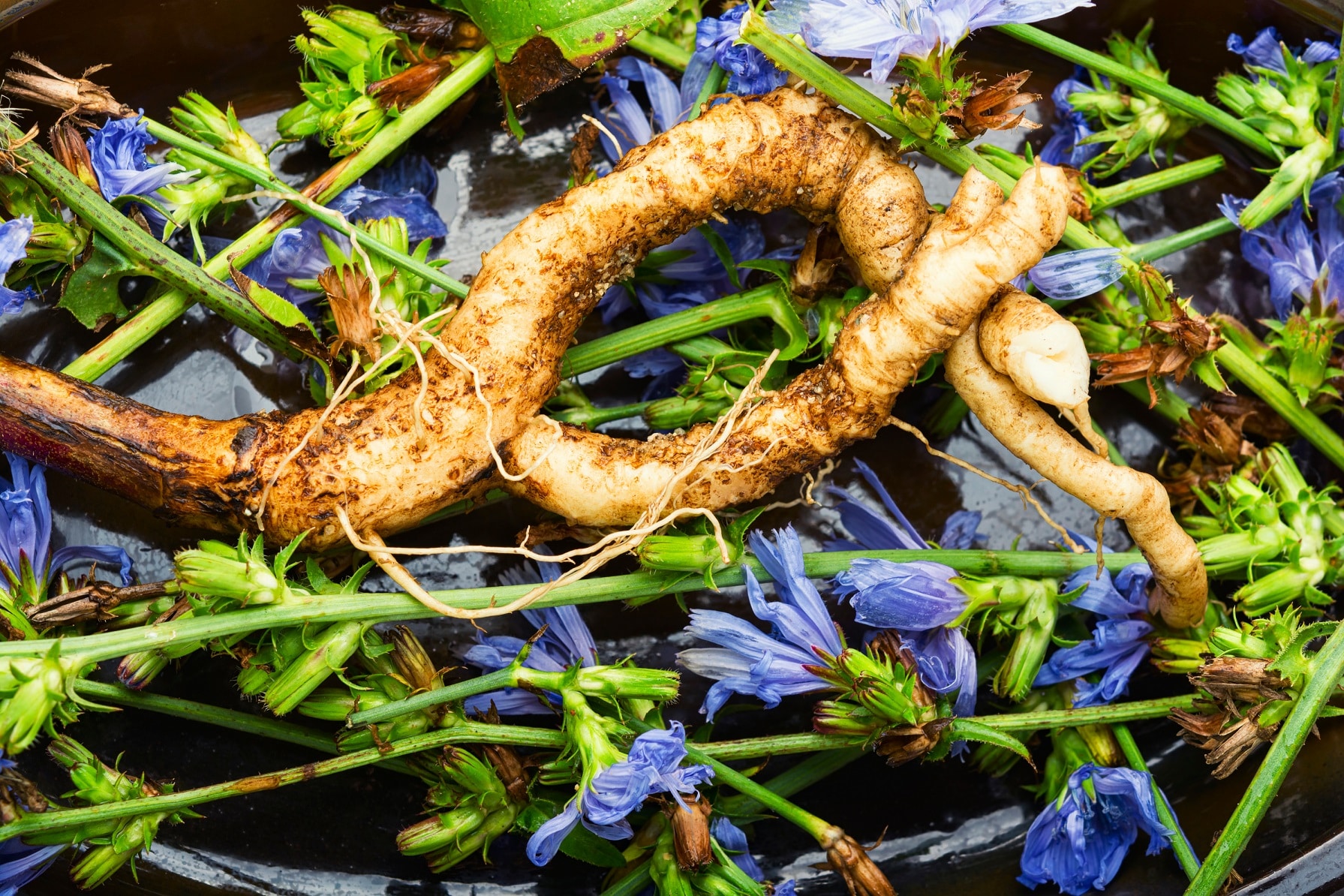
Fruits, vegetables, whole grains, legumes, nuts and seeds all contribute distinct fibres and phytochemicals that encourage microbial diversity. From a herbal perspective, medicinal plants such as chicory root (Cichorium intybus) and dandelion root (Taraxacum officinale) contain inulin, a prebiotic fibre shown to selectively support beneficial bacterial species (11).
A clinical approach that encourages diverse and regular plant intake rather than rigid targets, counting not only fruits and vegetables, but also nuts, seeds, beans, pulses, herbs and spices favours a principle of crowding out, shifting attention towards nourishing foods rather than restriction.
Fermented foods
Central to almost every traditional dietary model, primarily as a method of preservation, fermented foods provide live microorganisms and microbial metabolites that support gut barrier function and immune signalling. Yogurt with live cultures, kefir, sauerkraut, kimchi, miso and tempeh are all valuable additions when tolerated. Regular intake has been associated with improved microbial diversity and reduced inflammation (12). For many individuals, regular consumption of fermented foods may be more supportive than probiotic supplementation, which can sometimes disrupt rather than restore microbial balance.
Polyphenol-rich foods and herbs
Polyphenols are bioactive plant compounds with antioxidant, anti-inflammatory and microbiota-modulating effects. Gut microbes metabolise polyphenols into compounds that support intestinal health and immune balance (13). Deeply pigmented fruits and vegetables, such as blueberries, pomegranates, red onions and cabbage, sweet potatoes and dark leafy greens, alongside olive oil, tea, coffee and cacao, are valuable dietary sources.
Herbs and spices including common culinary herbs; oregano (Origanum vulgare), rosemary (Salvia rosmarinus) and thyme (Thymus vulgaris) are all polyphenol rich, while turmeric (Curcuma longa), ginger (Zingiber officinale) and green tea (Camellia sinensis) provide good amounts with additional digestive benefits.
Healthy fats
Dietary fats influence bile flow, microbial composition and gut permeability. Omega-3 fatty acids from oily fish, flaxseed, walnuts and chia seeds are associated with reduced intestinal inflammation and increased abundance of beneficial bacteria (14). Traditional dietary patterns rich in whole-food fats support digestion, nutrient absorption and immune resilience.
Foods that harm gut health
Ultra-processed foods are associated with reduced microbial diversity, increased gut permeability and chronic inflammation. Additives such as emulsifiers and artificial sweeteners have been shown to disrupt microbial balance and metabolic signalling (15). Excess added sugars promote dysbiosis, while chronic alcohol intake damages gut barrier integrity and alters microbial composition (16).
Lifestyle factors influencing gut health
The gut is deeply interconnected with the nervous and immune systems via the gut–brain axis. Chronic stress alters gut motility, permeability and microbial balance, while poor sleep disrupts circadian rhythms that regulate digestion and microbial activity (17).
Regular moderate exercise improves gut motility, microbial diversity and immune regulation (18).Living in alignment with natural rhythms, including regular meal times, consistent sleep–wake cycles, time in nature and stress-modulating practices, further supports gut health.
Herbal nervines such as lemon balm (Melissa officinalis), passionflower (Passiflora incarnata) and chamomile (Matricaria chamomilla) have traditionally been used to support nervous system regulation soothing nerves, while also gently aiding digestion, reflecting the bi-directional nature of the gut and brain.
Conclusion

Gut health sits at the crossroads of digestion, immunity and nervous system regulation, with the gut microbiome acting as a central mediator between diet, lifestyle and long-term health. Although gut health is currently receiving heightened attention, this reflects a rediscovery rather than a new idea. Both traditional herbal medicine and contemporary research point to digestion as the foundation of vitality.
Short-term gut healing protocols can be valuable and are often used to reduce symptoms and restore balance. However, their lasting effectiveness depends on what follows. Just as a garden is not simply weeded and seeded and then left alone, the gut requires ongoing care and a supportive environment in which to flourish. Daily nourishment, microbial diversity, adequate bile flow and nervous system regulation are what ultimately sustain a resilient ecosystem.
Everyday digestive symptoms are often dismissed as benign consequences of modern life. Yet bloating, discomfort, reflux, altered bowel habits and food sensitivities frequently reflect or lead to deeper imbalances and may signal a need for additional support. Paying attention to these early signs creates an opportunity not only for digestive relief, but for broader improvements in energy, immunity and emotional wellbeing.
By integrating whole-food, plant-focused nutrition with traditional herbal wisdom, gut health becomes achievable through everyday choices. Consistent care, rather than restriction or short-term intervention alone, allows the gut ecosystem to thrive, supporting long-term health, resilience and balance.
References
- Clarke G, Stilling RM, Kennedy PJ, Stanton C, Cryan JF, Dinan TG. Gut microbiota: the neglected endocrine organ. Mol Endocrinol. 2014;28(8):1221–1238.
- Lynch SV, Pedersen O. The human intestinal microbiome in health and disease. N Engl J Med. 2016;375(24):2369–2379.
- Sender R, Fuchs S, Milo R. Revised estimates for the number of human and bacteria cells in the body. PLoS Biol. 2016;14(8):e1002533.
- Valdes AM, Walter J, Segal E, Spector TD. Role of the gut microbiota in nutrition and health. BMJ. 2018;361:k2179.
- Sonnenburg JL, Bäckhed F. Diet–microbiota interactions as moderators of human metabolism. Nature. 2016;535(7610):56–64.
- Belkaid Y, Hand TW. Role of the microbiota in immunity and inflammation. Cell. 2014;157(1):121–141.
- Mills S, Bone K. Principles and Practice of Phytotherapy. 2nd ed. Edinburgh: Churchill Livingstone; 2013.
- Ridlon JM, Kang DJ, Hylemon PB. Bile salt biotransformations by human intestinal bacteria. J Lipid Res. 2006;47(2):241–259.
- Fiorucci S, Distrutti E. Bile acid–activated receptors, intestinal microbiota, and metabolic regulation. Trends Mol Med. 2015;21(11):702–714.
- Koh A, De Vadder F, Kovatcheva-Datchary P, Bäckhed F. From dietary fibre to host physiology. Cell. 2016;165(6):1332–1345.
- Roberfroid M, Gibson GR, Hoyles L, et al. Prebiotic effects: metabolic and health benefits. Br J Nutr. 2010;104(S2):S1–S63.
- Marco ML, Heeney D, Binda S, et al. Health benefits of fermented foods. Curr Opin Biotechnol. 2017;44:94–102.
- Ozdal T, Sela DA, Xiao J, et al. Polyphenols and gut microbiota interactions. Nutrients. 2016;8(2):78.
- Watson H, Mitra S, Croden FC, et al. Omega-3 fatty acids and the human intestinal microbiota. Gut. 2018;67(11):1974–1983.
- Chassaing B, Koren O, Goodrich JK, et al. Dietary emulsifiers and gut microbiota disruption. Nature. 2015;519(7541):92–96.
- Leclercq S, Matamoros S, Cani PD, et al. Alcohol, gut permeability and inflammation. Brain Behav Immun. 2014;40:16–26.
- Mayer EA, Tillisch K, Gupta A. Gut–brain axis and the microbiota. J Clin Invest. 2015;125(3):926–938.
- Monda V, Villano I, Messina A, et al. Exercise and gut microbiota. Oxid Med Cell Longev. 2017;2017:3831972.