












A rhubarb–green tea herbal blend potentially offers a means to reduce cholesterol levels without disturbing gut microbial balance in healthy obese individuals.
In this article, we summarise Green tea with rhubarb root reduces plasma lipids while preserving gut microbial stability in a healthy human cohort (1).
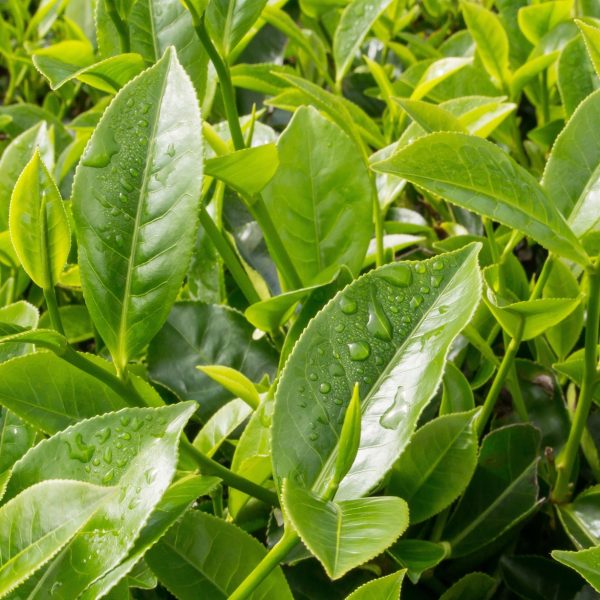
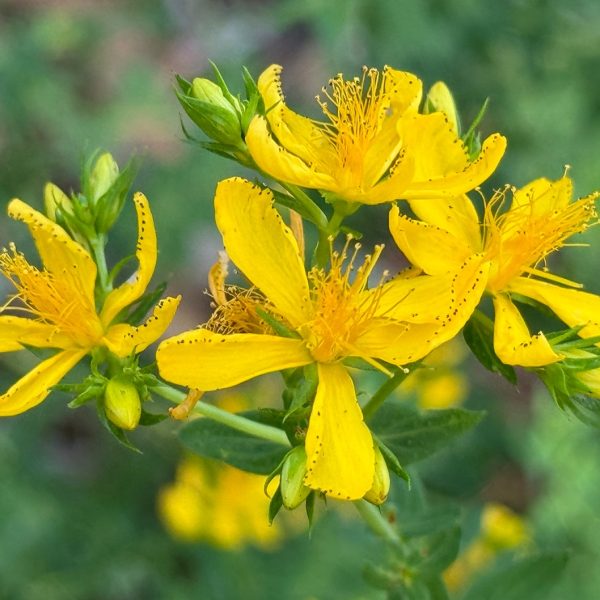
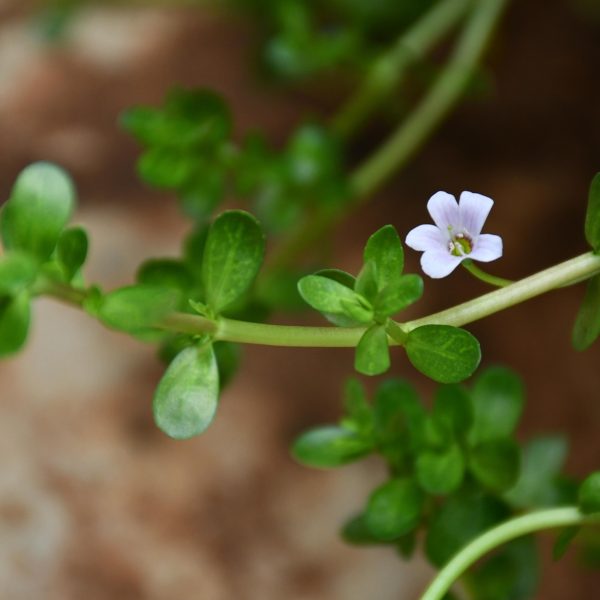
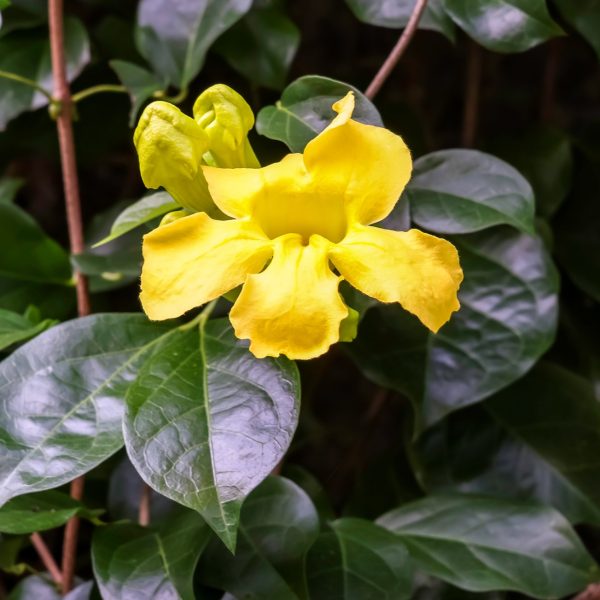
Plant names and species


Aim of study
To explore the effects of combining green tea with either senna leaves or rhubarb root on lipid metabolism and gut microbiota in healthy human participants.
Study method

A double-blind, randomised, controlled parallel human clinical trial (registered in the ISRCTN registry no. ISRCTN 32761538).
Participants were included if they were adult, able to provide biological samples, and not taking herbal supplements or medications during the study. They were excluded if they had a health condition requiring daily medications, and other exclusion criteria were mentioned.
Participants were allocated to one of three groups:
- Senna herbal tea
- Rhubarb root herbal tea
- Green tea
The following measures were made:
- Anthropometric measures: Weight, body mass index, waist circumference, waist-to-hip ratio
- Food recall diary
- Stool consistency diary
- Fasting blood biochemical markers: Total cholesterol, LDL cholesterol, HDL cholesterol, triglycerides, and non-HDL cholesterol
- Stool microbiota: 16S rRNA
Herbal preparation
Senna herbal tea bags (total weight 2.5 g) contained green tea 0.75 g, senna leaves (Cassia angustifolia) 1.2 g, alongside cassia seeds, lotus leaf, five leaf gynostemma, honeysuckle flower and hawthorn fruit, all at <0.33 g each.
Rhubarb root herbal tea bags contained the same as the senna tea bags with 1.2 g dried rhubarb root (Rheum rhabarbarum) rather than senna.
Active control green tea bags contained 0.75 g of green tea only.Participants were provided with tea bags to use at home. Tea was consumed after the last meal of the day for 21 days. The bags were infused in 190 mL of hot water and stirred and brew for 5 min, before removal of the teabag and consumption of the infusion. The teas were all standardised to 16.8 ± 2.5 ug/mL of green tea catechins.
Sample size
A power calculation was carried out to determine the population size. Some participants were lost to follow up, and the final numbers for each group were:
- Green tea n=14
- Rhubarb root n=17
- Senna tea n=16
Participants were mainly female of age range 21 to 71 years. They on average had a body mass index of 29, which indicates overweight.
Results of study
Compliance was over 98% with participants consuming nearly all their teas, and no serious adverse events were observed.

Diet and anthropometric measures
Comparisons at the start of the study and after 21 days of drinking tea showed no changes to diet score or any of the anthropometric measures (body mass index or waist to hip ratio).
Blood biochemical markers
For cholesterol, rhubarb tea significantly reduced serum concentrations (p=0.01), while green tea tended towards significance (p=0.0587) and senna was not significantly different (p=0.2).
For LDL-cholesterol, rhubarb tea and green tea significantly reduced concentrations (p=0.0006 and 0.0011 respectively), whilst senna was ineffective. For non-HDL cholesterol, the results were similar with green tea and rhubarb root significantly reducing levels, with senna having no effect.
None of the teas significantly changed triglycerides or HDL-cholesterol.
Faecal microbiota
In paired samples from 48 participants, age was found to be significantly associated with higher microbial evenness, richness, and diversity. The authors conclude that the microbial communities became more stable and diverse with age. There were no significant changes observed for the different teas.
In further tests correlating genera with components of the lipid profiles, there were significant correlations between LDL-cholesterol concentrations and several bacterial genera. Higher Dorea spp. abundance was associated with low LDL-cholesterol concentrations, and Mollicutes RF39ge and Ruminococcaceae UCG-002 were associated with higher concentrations.
Discussion
A rhubarb root and green tea herbal blend (50% rhubarb by weight) significantly lowered serum cholesterol, LDL-cholesterol and non-HDL cholesterol, but did not alter triglyceride or HDL-cholesterol levels. Green tea alone tended toward similar results, whereas a senna green tea blend had no effect. There were no anthropometric changes over the course of the 21-day trial in which participants drank the tea at night.
These were healthy volunteers with a wide age range, mostly female and with BMI scores of 29. The lack of effect on triglycerides of HDL-cholesterol may be that the herbal infusion did not deliver a high enough dose, or that the participants were not displaying dysregulated lipid metabolism associated with metabolic disorders.
The question is whether there are effects due to the rhubarb root alone, as the green tea active control gave quite similar results. Looking at Table 3, the estimated mean differences, which measures the average differences between the start and end of the study, were consistently greater for rhubarb tea and the degree of statistical significance were also greater than the green tea data.
It is intriguing that the senna tea which also contained green tea produced no effect, suggesting perhaps the senna was offsetting the benefits of the green tea either chemically or biologically. A future study should include rhubarb without the green tea as a control.
We do know from other research that anthraquinones within rhubarb do exert lipid-lowering effects. One study tested five rhubarb hydroxyanthraquinones and all altered adipogenesis and lipid metabolic pathways. These included controlling adipogenic transcriptional factors and lipolytic lipases. The net result was reducing obesity and decreasing plasma cholesterol, alongside reducing cytokine upregulation showing the potential to also modify inflammation, although these were non-human studies (2).
In the present tea study, the analysis of the faecal microbiota showed that neither the diversity or specific species changed over the course of the study, suggesting a healthy balance was maintained. One might have expected a change, as one study demonstrated that 400 ml of green tea a day for two weeks did alter microbial diversity and different species in healthy volunteers, producing an increase in FIR:BAC (Firmicutes to Bacteroidetes ratio) and SCFA-producing genera. This study did not standardise the tea to levels of catechins (3). The present study only administered 190 ml of tea per day, so possibly the dose was insufficient to see a change.
Conclusions
A rhubarb–green tea herbal blend potentially provides a simple intervention to reduce cholesterol levels without disturbing gut microbial balance in healthy obese individuals. Further research is required to verify the involvement of rhubarb specifically, and to involve appropriate clinical populations to understand the potential of rhubarb herbal teas as an adjunctive treatment for cardiometabolic disease. This study cannot rule out the synergistic effects of the other botanicals within the teas.
References
- Lloyd AJ, Martinez-Martin MJP, Warren-Walker A, Hitchings MD, Moron-Garcia OM, Watson A, Villarreal-Ramos B, Lyons L, Wilson T, Allison G, Beckmann M. Green Tea with Rhubarb Root Reduces Plasma Lipids While Preserving Gut Microbial Stability in a Healthy Human Cohort. Metabolites. 2025 Feb 19;15(2):139. https://doi.org/10.3390/metabo15020139
- Fang JY, Huang TH, Chen WJ, Aljuffali IA, Hsu CY. Rhubarb hydroxyanthraquinones act as antiobesity agents to inhibit adipogenesis and enhance lipolysis. Biomed Pharmacother. 2022 Feb;146:112497. https://dio.org/10.1016/j.biopha.2021.112497
- Yuan X, Long Y, Ji Z, Gao J, Fu T, Yan M, Zhang L, Su H, Zhang W, Wen X, Pu Z, Chen H, Wang Y, Gu X, Yan B, Kaliannan K, Shao Z. Green Tea Liquid Consumption Alters the Human Intestinal and Oral Microbiome. Mol Nutr Food Res. 2018 Jun;62(12):e1800178. https://doi.org/10.1002/mnfr.201800178