

An exploration of why herbal education for children matters now more than ever, tracing the story of the Junior Herbalist Club and its decade of reconnecting young people with healing plants.
Herbal medicine has always been interwoven with human history. For thousands of years, the knowledge of healing plants was passed from one generation to the next — not in lecture halls or textbooks, but in gardens, hedgerows and kitchens. Today, however, this ancestral connection is fading. Many children grow up surrounded by screens, disconnected from the natural world, and unaware of the remarkable healing plants growing right under their feet.
Yet, when children are given the opportunity to engage with herbs, when they are encouraged to touch, taste, smell, grow and create something extraordinary happens. Curiosity blooms. Confidence grows. A sense of relationship with nature awakens. In an age marked by environmental uncertainty, this reconnection is not simply enriching; it is essential.
It was from this belief, and from my early experiences — a childhood fascination with plants that shaped my path into herbal medicine — that the Junior Herbalist Club (JHC) was born. Over the past decade, the club has grown from a small local project into an international educational programme taught by qualified herbalists, nurturing a new generation of nature-literate, environmentally attuned young people. This article explores why herbal education for children matters now more than ever and offers insights into the development and evolution of JHC.
Why herbal education matters for children
Reclaiming lost knowledge
In many Western countries, herbal medicine has been marginalised for generations. The collective relationship with plants has shifted from intimate familiarity to distant abstraction. Many adults today can no longer identify the medicinal herbs their great-grandparents used daily, nor do they know how to turn a common garden plant into something that supports wellbeing.
Children, however, still possess a natural openness to learning about the world through their senses. They eagerly crush leaves to smell them, ask questions and use their imagination. When guided safely, this innate curiosity provides fertile soil for reconnecting with herbal wisdom.
Teaching children about herbs is not about encouraging premature “mini-medical” decision-making. Instead, it is about rekindling a respectful, joyful relationship with nature — one that can support their wellbeing throughout life.
Learning through hands-on experience
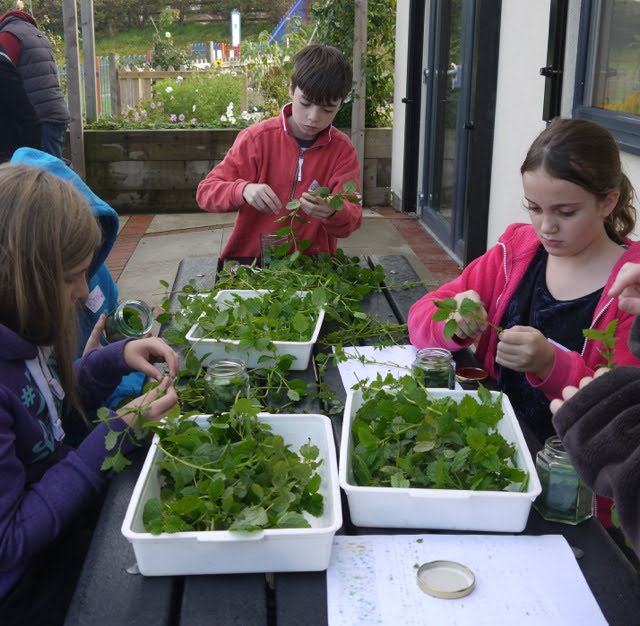
Children learn best by doing, not by sitting still. Herbal education for children lends itself beautifully to experiential learning:
- Touching textures of leaves and roots
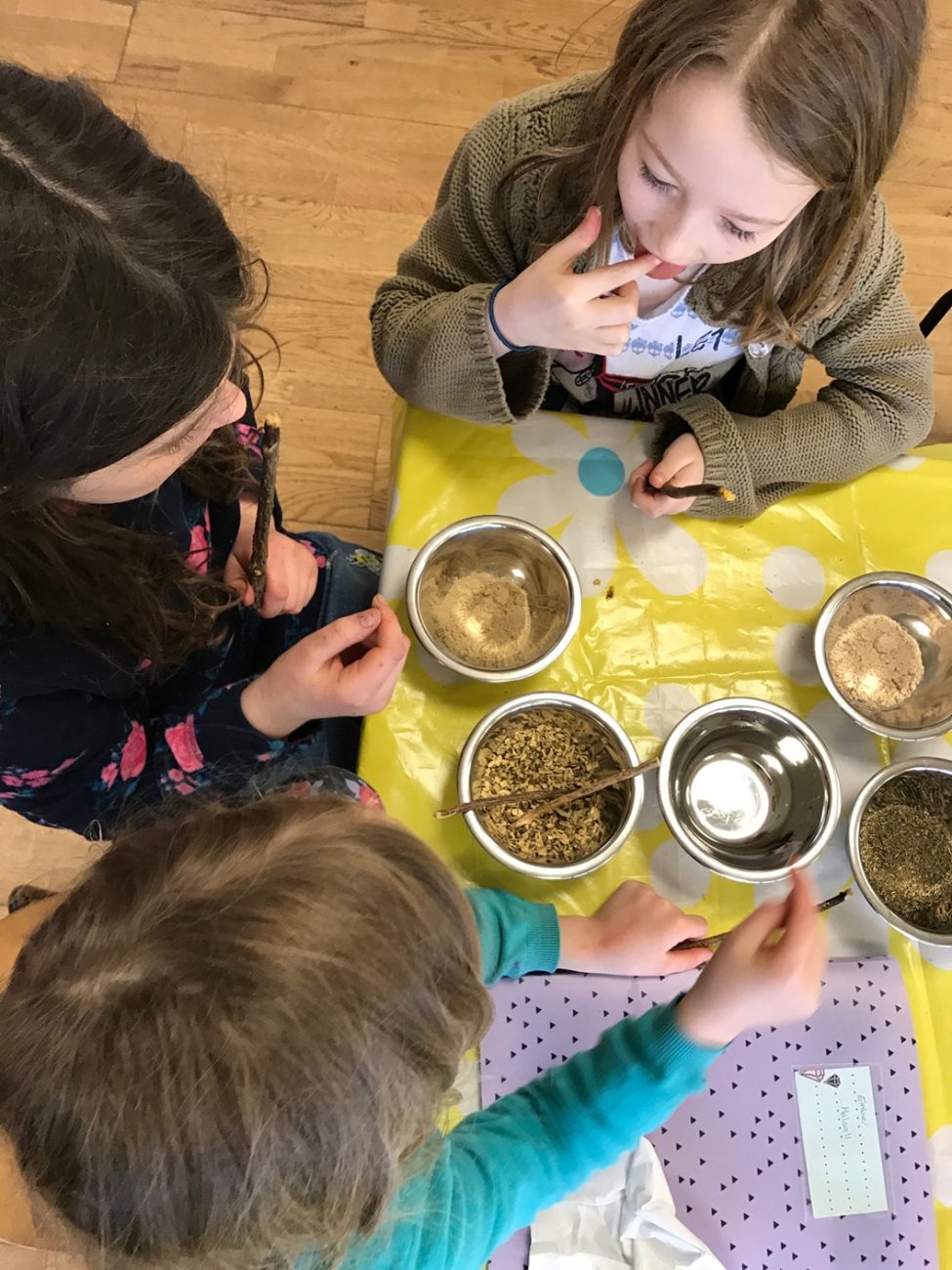
- Tasting herbal teas and syrups
- Listening to folklore and plant stories
- Growing herbs in pots or gardens
- Creating medicines, balms and infused oils
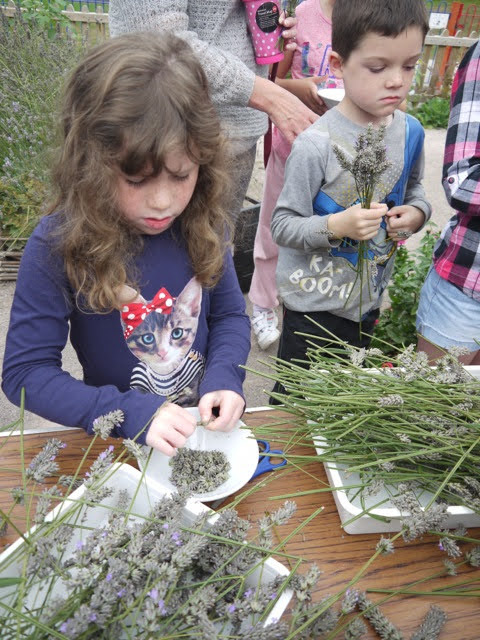
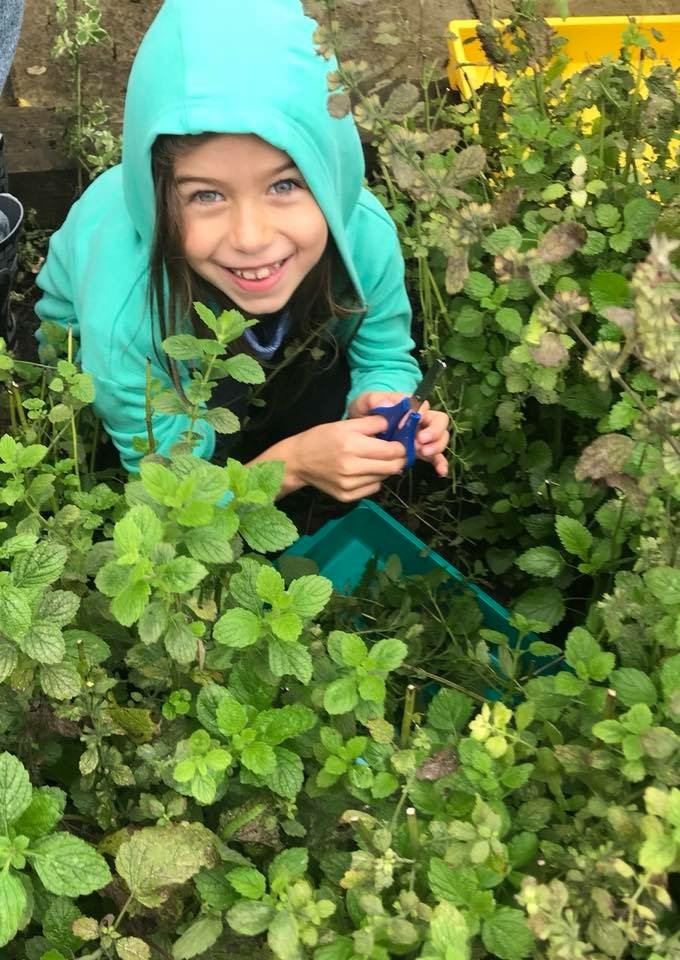
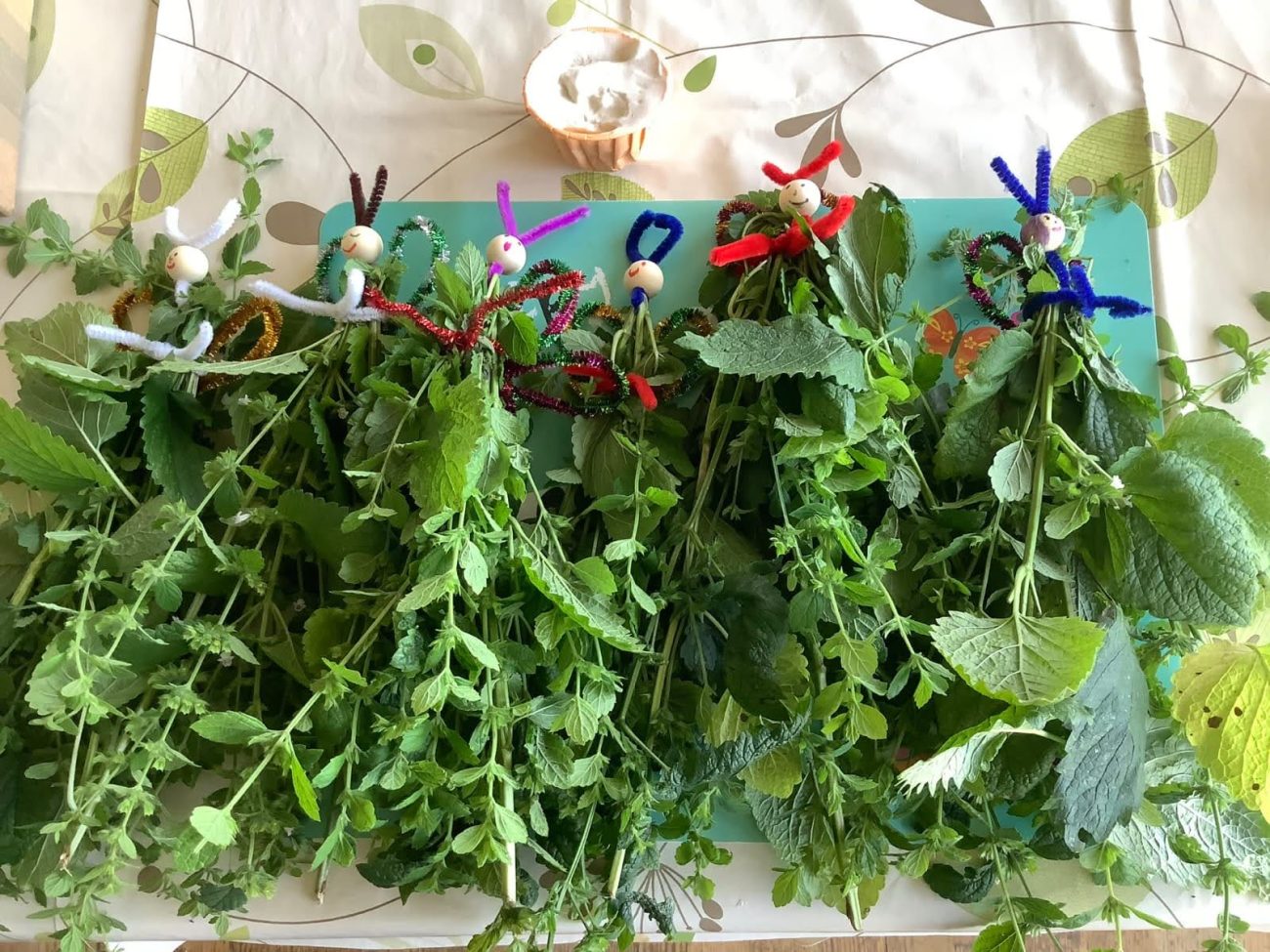
This multisensory approach builds both memory and meaning. When a child spends time crafting a lavender sleep sachet for a family member or harvesting plantain for a salve, the experience anchors herbal knowledge in their heart as well as their mind.
Supporting emotional and physical wellbeing
Herbal education naturally supports children’s wellbeing in holistic ways:
- Emotional regulation through calming sensory activities
- Body awareness through understanding how plants interact with bodily systems
- Confidence through developing practical skills
- Resilience and independence from learning basic self-care practices
- Environmental responsibility through learning where medicine comes from and how to harvest sustainably
These benefits arise organically — not through pressure, but through gentle exploration.
The roots of the Junior Herbalist Club
My personal relationship with herbs began long before I discovered the profession of Medical Herbalism. As a child, I wandered through my garden, determined to make “medicine” from flowers and leaves. I had the curiosity, but not yet the knowledge, to understand which plants were safe or how traditional preparations worked.
Years later, after qualifying as a Medical Herbalist in 2007, I watched my own children mimic these same explorations. I also observed, with concern, how herbal knowledge was disappearing from everyday life. This realisation planted the seed for the Junior Herbalist Club.
I asked myself:
- What if children could learn the basics of herbalism safely, joyfully and with proper guidance?
- What if they could develop skills that nurtured both wellbeing and connection to nature?
- And what if this could be offered in a structured, engaging, extracurricular programme?
In 2014, I launched the first Junior Herbalist Club in my local community — a two-year course for children aged 7–12, built around hands-on learning, seasonal activities and play-based education.
The response exceeded every expectation.
Children came alive in sessions, parents shared enthusiastic feedback, and by the end of the first year I knew this was more than a hobby project. It was a movement waiting to happen.
What children learn in the Junior Herbalist Club
The JHC curriculum is structured around three core principles:
- Safety — accurate plant identification, handling and preparation
- Engagement — practical, sensory and joyful learning
- Integration — herbalism as a gateway to biology, chemistry, maths, language and more
Across the programme, children explore:
- Common medicinal plants in their local environment
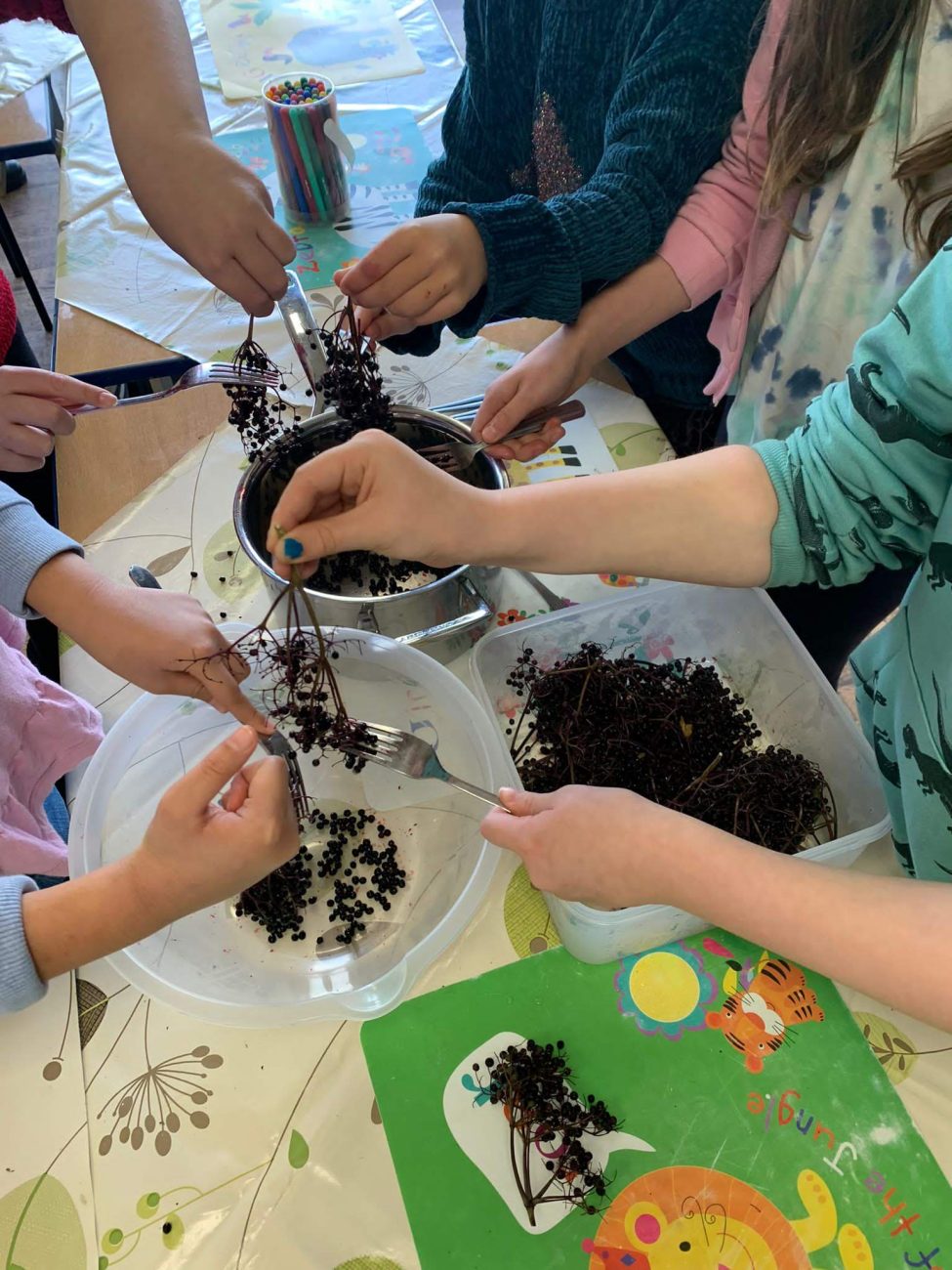
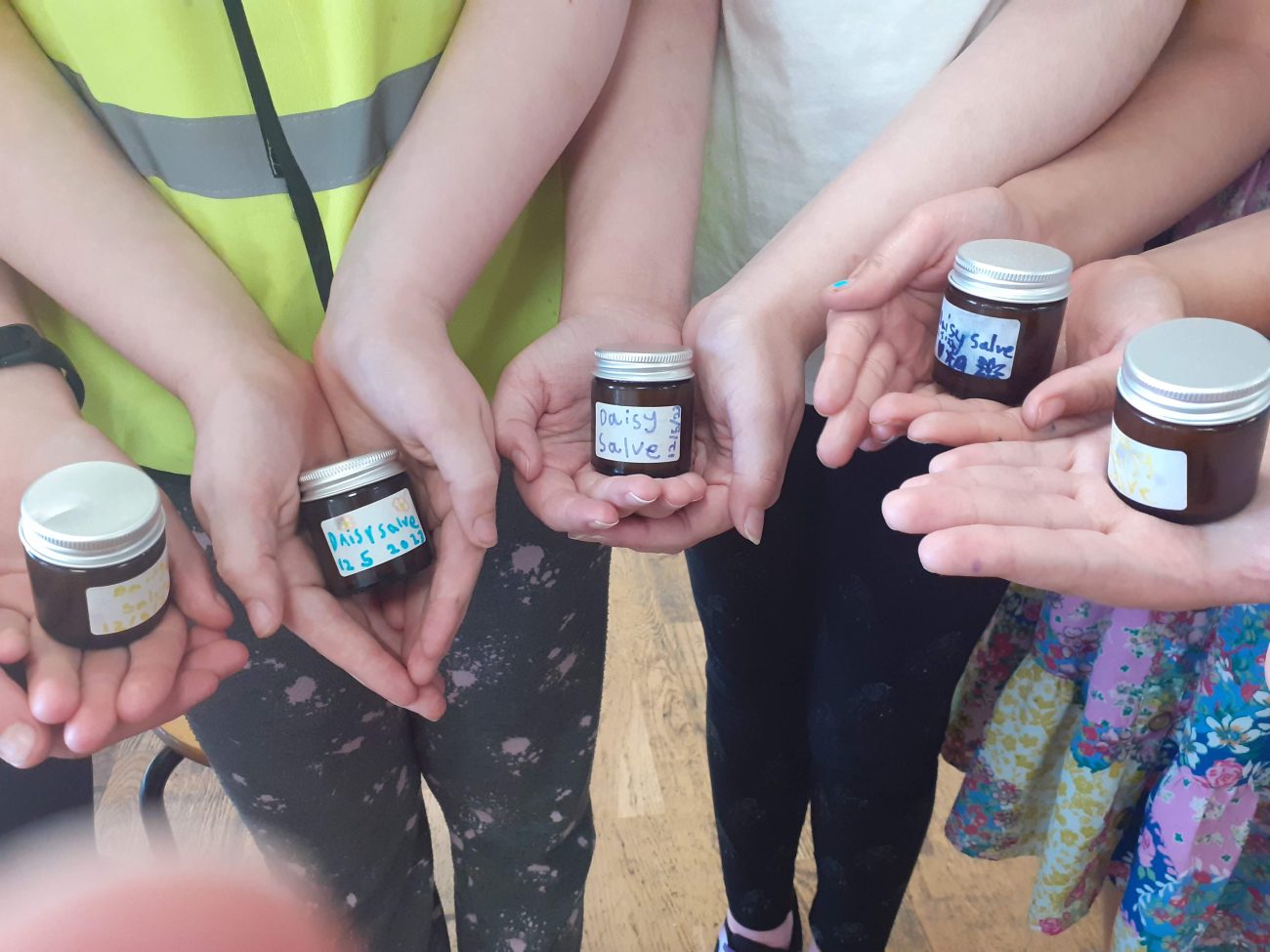
- Simple preparations such as teas, syrups, salves, vinegars, infusions and poultices
- Plant families and basic botany
- Herbal first aid
- Sustainable harvesting and ecological awareness
- Traditional stories and folklore
- Kitchen herbalism and seasonal recipes
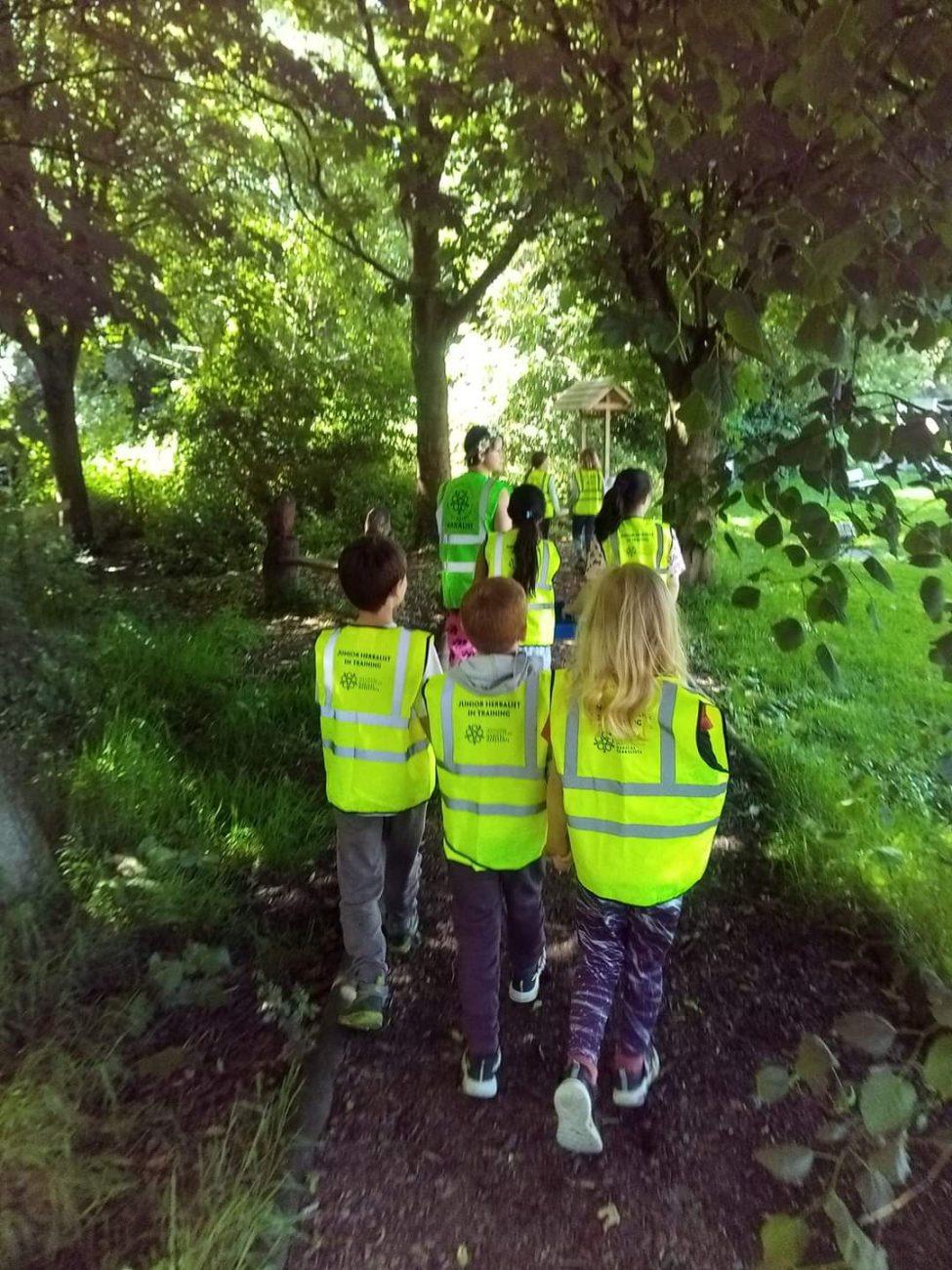
Crucially, while they learn a surprising amount, children experience JHC primarily as play: herbal treasure hunts, sensory games, creative crafts, plant potions, and outdoor exploration.
Parents, especially home-educating families, are delighted by how naturally JHC supports core subjects. Without realising it, children practise:
- Maths (measuring ingredients, calculating ratios)
- English (labelling, describing, storytelling)
- Science (extraction, plant biology, body systems)
- Latin (botanical names)
- Cookery and hygiene skills
The programme nurtures confidence, teamwork, emotional intelligence, and deep ecological awareness.
A decade of growth and evolution
As the Junior Herbalist Club approached its tenth anniversary in 2024, the demand from families, leaders, and young herbalists prompted an important evolution. What were once Year One and Year Two have now become Level One and Level Two. This shift gives JHC Leaders far greater flexibility in how they deliver the programme — whether as weekly after-school clubs, monthly workshops, short courses, or holiday clubs.
This adaptability has also enabled JHC to expand further into schools, where the curriculum enriches outdoor learning, supports science and literacy, and provides children with meaningful, hands-on connection to the natural world.
The enthusiasm of children who completed both levels, many of whom wished to continue exploring herbalism as they grew older, inspired the creation of Level Three, launched in 2024 to celebrate ten years of JHC. Designed exclusively for teens, Level Three takes a body-systems approach, exploring how medicinal plants support different parts of the body, such as the digestive, respiratory, nervous, and immune systems.
Students work with more complex formulations, developing real-world herbal skills and deeper scientific understanding. This advanced level provides a meaningful bridge between childhood curiosity and mature, informed herbal study.
Training leaders and building community
In July 2021, the first official JHC Leader Training course was held, enabling qualified herbalists to offer the programme in their own communities. Annual training sessions have continued since, each cohort bringing new energy, creativity, and dedication.
In the UK, the Junior Herbalist Club is supported by The Herbal Medicine Trust — a registered charity championing herbal medicine education and community access. The Trust has funded JHC Leader Training and supports the broader vision of making herbal knowledge available at every level, from curious beginners to aspiring professionals. Their commitment aligns deeply with the ethos and goals of the Junior Herbalist Club.
Recognition and awards
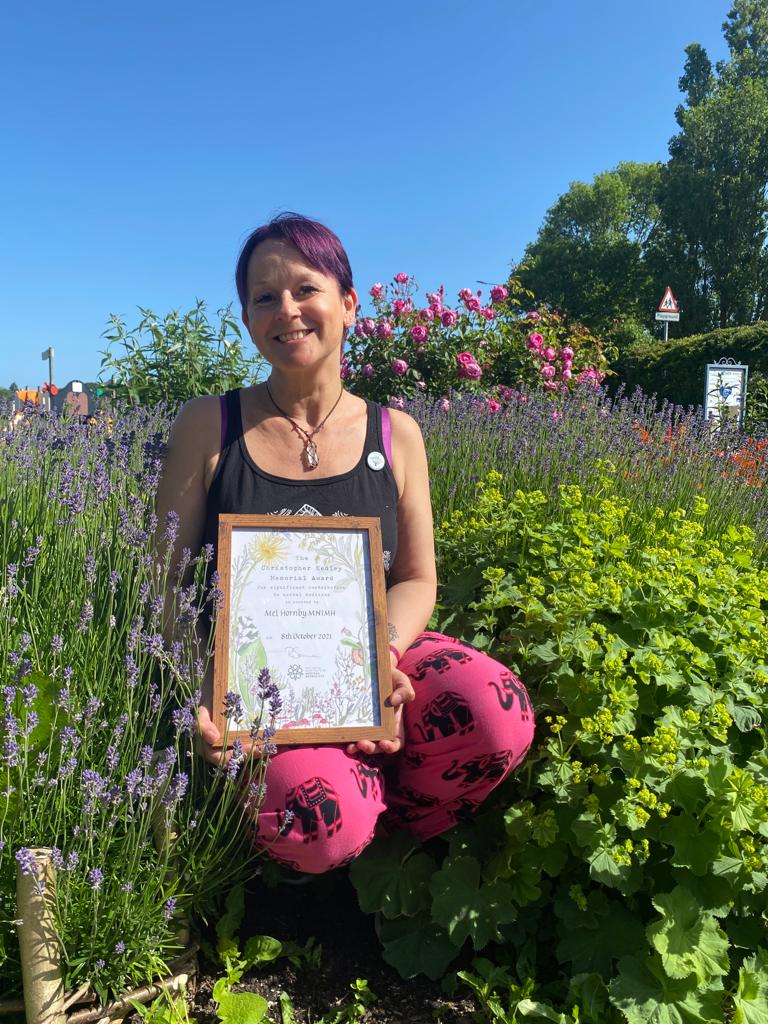
In 2021, I received the Christopher Hedley Memorial Award for developing the Junior Herbalist Club — an honour that affirmed the programme’s importance and highlighted the community’s dedication to nurturing herbal education for children.
The future: Preserving and reinvigorating herbal wisdom
The Junior Herbalist Club is more than a series of lessons. It is a long-term investment in ecological awareness, sustainable living, and holistic wellbeing.
While not every JHC graduate will become a herbalist, many will grow up with:
- A strong sense of connection to nature
- Confidence using herbs for simple, everyday ailments
- Respect for sustainable, plant-based healthcare
- A likelihood of choosing herbal medicine for themselves and their families
In an era of environmental and societal challenges, these skills are invaluable.
With the launch of Level Three and continued Leader Training, the coming decade promises expansion, creativity and deepening impact.
A call to herbalists to join the movement
One of the greatest joys of JHC has been witnessing herbalists around the world embrace the programme. Herbalists are uniquely positioned to guide children safely, and JHC provides a robust, thoughtfully designed framework for doing so.
For qualified Medical Herbalists and Naturopaths who feel called to nurture the next generation of plant lovers, the JHC Leader Training Course provides everything needed to bring this enriching work to local communities.
Children everywhere deserve the chance to connect with nature and experience the magic of herbs in a safe, joyful environment. Together, we can ensure that this ancient knowledge does not fade but instead blossoms far into the future.
To learn more, enquire about training, or explore resources, visit www.juniorherbalistclub.com or email juniorherbalistclub@gmail.com.