







Adaptogens are a class of botanicals that offer promise in the prevention and adjunctive treatment of acute viral infections, such as SARS-CoV-2.
This article was first published in The role of adaptogens in prophylaxis and treatment of viral respiratory infections

The COVID-19 pandemic has brought new challenges to biomedical sciences, specifically, the development of effective therapeutics for prevention and treatment of acute viral and stress-induced diseases. Adaptogens are a class of botanicals that offer promise in the prevention and adjunctive treatment of acute viral infections, such as SARS-CoV-2.
Adaptogens are natural stress-protective plants or plant compounds that increase adaptability, resilience, survival and “the state of non-specific resistance” to harmful factors, including bacterial and viral pathogens.
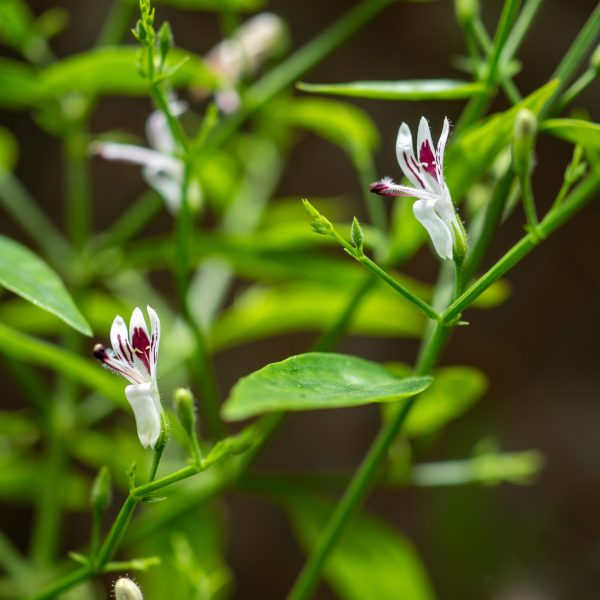
Over 100 species of botanicals have been reported to have adaptogenic activity, however, only few, have been shown to exhibit multitarget effects on the neuroendocrine-immune system by triggering adaptive stress response, including stimulating cellular and organismal defense systems, activating intracellular and extracellular adaptive signaling pathways, expression of stress-activated proteins resulting in transient change of the protection or repair capacity and increase of non-specific resistance and adaptation in stress (Panossian 2017). These are, eleuthero (Eleutherococcus senticosus), ginseng (Panax spp.), rhodiola (Rhodiola rosea), schisandra (Schisandra chinensis), ashwagandha (Withania somnifera), and andrographis (Andrographis paniculata).
Acute viral infections have four distinct stages: infection, viral replication, escalating inflammation, and pathogenic inflammation. In the initial infection phase, there are numerous interactions between components of host defense and the viral pathogen —genomic, transcriptomic, proteomic, metabolomic and macrobiotic (Yang et al. 2020). Consequently, effective prevention or treatment of a viral infection and other viral infections requires therapeutic intervention affecting the innate and adaptive immune system, phases I–III metabolizing enzymes of detoxifying and repair systems, as well as the virus’ life cycle and proliferation (Panossian et al. 2020).
Pre-clinical evidence
Pre-clinical trials on extracts or isolated constituents from andrographis, eleuthero, ginseng, rhodiola, schisandra, and ashwagandha have shown direct viricidal effects on various strains of influenza and rhinovirus, specific antiviral actions (including inhibition of non-structural proteins involved in the replication of SARS virus), and indirect non-specific antiviral actions via activation innate immunity , anti-inflammatory effects, detoxification and repair of cellular and tissue damage induced by oxidative stress, and other effects of potential relevance in the progression of viral infections, see Figure 1 for details (Panossian et al. 2020).
Key elements of innate immunity stimulation are activation of first-line defense response, followed by inhibition of NF-κB and inflammation mediated by proinflammatory cytokines. Important features of adaptogens are their beneficial effects on detoxification and repair processes, leading to recovery and increased survival in virus-induced oxidative stress. Key to this are activation of the antioxidant NRf2-mediated oxidative stress response signaling pathway, the production of detoxification enzymes, the activation of molecular chaperon Hsp70, which mediate cytoprotectant and repair processes, and the activation of the melatonin signaling pathway for regulation of homeostasis (Panossian et al. 2018).

Clinical trial evidence

Adaptogens have been subject to numerous clinical trials. Although these are not specific to SARS-CoV-2, the available clinical data provide support for the hypothesis that adaptogens may be beneficial in all stages of viral infections.
A meta-analysis of andrographis clinical trials (including over 7000 patients) demonstrated improved cough and sore throat and reduced the duration of these and other related respiratory symptoms (Hu et al. 2017). Other studies indicated that Andrographis at a dose of 1.2 g daily reduced intensity of symptoms and signs of rhinitis, sinus pain and headache, as compared to placebo (Panossian et al. 2020).
Much of the research on eleuthero is from observational studies done in the Soviet Union during the 1970s, with studies involving over 4500 subjects. In addition to showing improvement of performance under stress, cardiovascular and pulmonary disorders, trials indicated that eleuthero given prophylactically can reduce influenza mortality rates and typical complications, such as pneumonia, bronchitis, and otitis media. Positive effects of eleuthero were seen in both adults and children (Panossian et al. 2020).
Adaptogenic effects of rhodiola have been well-established in clinical trials, and rhodiola has demonstrated utility in specific pulmonary indications. As an adjunctive therapy in chronic obstructive pulmonary disease, rhodiola significantly improved tidal breathing and ventilation efficiency. A significant decrease in acute respiratory distress syndrome complications was observed in patients preventatively treated for acute lung injury caused by post-traumatic/inflammatory and thoracic-cardiovascular operations (Panossian et al. 2020; Tao et al. 2019).
Numerous clinical investigations on schisandra have confirmed that in viral respiratory tract infections, schisandra targets viral RNA synthesis and replication, and stimulates innate and adaptive immunity. Trials have also demonstrated improvement in chemotherapy-induced immunosuppression, COPD, and fatigue (Nowak et al. 2019; Panossian et al. 2020).

A review of 30 human clinical trials of ashwagandha, indicated the safety and efficacy in subclinical hypothyroidism, chronic stress, insomnia and anxiety, cognitive impairment, among others (Tandon et al. 2020). Adaptogenic effects were studied in three clinical trials, one of which reported significantly increased oxygen consumption, maximum velocity, and average absolute and relative power under exercise conditions with ashwagandha supplementation, an outcome that may be relevant in convalescence from respiratory disease (Panossian et al. 2020).
Reviews of clinical trials on ginseng species on immune response to respiratory tract infections, indicated significant evidence for immunomodulatory activity of ginseng. The studies also demonstrated that ginseng elicited a reduction in cytokine levels, decreased severity of oxidative stress, reduced the duration and frequency of symptoms, and demonstrated potential for prevention of respiratory infections (Iqbal et al. 2020; Panossian et al. 2020; Ratan et al. 2020).
Multiple clinical trials on a fixed combination of andrographis and eleuthero confirmed a significant relief of symptoms of uncomplicated respiratory tract infections caused by the common cold. Studies showed relief of sinusitis, headache, myalgia, nasal congestion and nasal secretion, and an acceleration of recovery time (Panossian et al. 2020).
Discussion
The multitarget effects of adaptogens on the neuroendocrine-immune system make them a potentially important preventative and adjunctive treatment for SARS-CoV-2 infections. They provide baseline support through their immunomodulatory, immunostimulatory, and antioxidant effect through all phases.
Adaptogens help to combat infection through their specific and non-specific antiviral properties, alleviate escalating inflammation through their anti-inflammatory effects, as well as their capacity to repair oxidative stress-induced injuries in compromised cells and tissues, and address secondary disease states and comorbidities through various, infection-related activities.
References
- Hu XY, Wu RH, Logue M, Blondel C, Lai LYW, Stuart B, Flower A, Fei YT, Moore M, Shepherd J. et al. 2017. Andrographis paniculata (Chuan Xin Lian) for symptomatic relief of acute respiratory tract infections in adults and children: A systematic review and meta-analysis. PLoS One 12(8):e0181780.
- Iqbal H, Rhee DK. 2020. Ginseng alleviates microbial infections of the respiratory tract: a review. J Ginseng Res 44(2):194-204.
- Kwon YJ, Son DH, Chung TH, Lee YJ. 2020. A Review of the Pharmacological Efficacy and Safety of Licorice Root from Corroborative Clinical Trial Findings. J Med Food 23(1):12-20.
- Nowak A, Zaklos-Szyda M, Blasiak J, Nowak A, Zhang Z, Zhang B. 2019. Potential of Schisandra chinensis (Turcz.) Baill. in Human Health and Nutrition: A Review of Current Knowledge and Therapeutic Perspectives. Nutrients 11(2):333.
- Panossian A, Brendler T. 2020. The Role of Adaptogens in Prophylaxis and Treatment of Viral Respiratory Infections. Pharmaceuticals 13(9):236.
- Panossian A, Seo EJ, Efferth T. 2018. Novel molecular mechanisms for the adaptogenic effects of herbal extracts on isolated brain cells using systems biology. Phytomedicine 50:257-284.
- Panossian A. 2017. Understanding adaptogenic activity: specificity of the pharmacological action of adaptogens and other phytochemicals. Ann N Y Acad Sci 1401(1):49-64.
- Ratan ZA, Youn SH, Kwak YS, Han CK, Haidere MF, Kim JK, Min H, Jung YJ, Hosseinzadeh H, Hyun SH, Cho JY. Adaptogenic effects of Panax ginseng on modulation of immune functions. Journal of Ginseng Research, in press JGR532_proof , 22 September 2020, 1-9.
- Tandon N, Yadav SS. 2020. Safety and clinical effectiveness of Withania Somnifera (Linn.) Dunal root in human ailments. J Ethnopharmacol 255:112768.
- Tao H, Wu X, Cao J, Peng Y, Wang A, Pei J, Xiao J, Wang S, Wang Y. 2019. Rhodiola species: A comprehensive review of traditional use, phytochemistry, pharmacology, toxicity, and clinical study. Medicinal Research Reviews 39(5):1779-1850.
- Yang R, Liu H, Bai C, Wang Y, Zhang X, Guo R, Wu S, Wang J, Leung E, Chang H. et al. 2020. Chemical composition and pharmacological mechanism of Qingfei Paidu Decoction and Ma Xing Shi Gan Decoction against Coronavirus Disease 2019 (COVID-19): In silico and experimental study. Pharmacol Res 157:104820.