


Last reviewed 18/09/2025
Sustainability status
Not currently on risk lists but complete data may be missing on the status of the species. Read more in our sustainability guide.

Avoid in pregnancy and lactation
Herbs are generally best-avoided in pregnancy, unless working with them under the guidance of a medical herbalist. However, some herbs pose a risk to pregnancy as they are potentially: toxic to the mother, toxic to the neonate, teratogenic (risk developmental malformation), may increase miscarriage risk, or could cause foetal distress leading to miscarriage or premature birth. Herbs with teratogenic, emmenagogue, or stimulant laxative actions are all contraindicated in pregnancy. Furthermore, herbs containing volatile oils, thujone, apiol, phyto-oestrogens also should be avoided.
During lactation, there is the possibility for transfer of plant compounds through the breast milk, which can have an effect (detrimental or beneficial) on the infant.
Please read the Safety section in this monograph.

Drug interactions
Herbs may interact with pharmaceutical medications through both pharmacokinetic and pharmacodynamic mechanisms. Pharmacokinetic interactions involve alterations in the absorption, metabolism, distribution, or excretion of a drug. Many herb–drug interactions occur through liver enzyme modulation: by inducing CYP enzymes — increasing drug concentration and toxicity risk; or by inducing CYP enzymes — decreasing drug concentration and therapeutic efficacy.
Pharmacodynamic interactions occur when herbs and drugs influence the same physiological systems. These interactions can cause synergistic, additive or antagonistic effects at the receptor or tissue level, enhancing or opposing the intended pharmacological action. The clinical consequences of herb-drug interactions can be complex and nuanced. Consultation with a medical professional is, therefore, recommended to ensure safe use and appropriate dosing.
Please read the Interactions section in this monograph.
Contraindications
A contraindication refers to a situation in which a herb should be avoided as it may exacerbate a medical condition or pose undue risk. Contraindications may arise through pharmacodynamic mechanisms (e.g., liquorice in uncontrolled hypertension or uterine stimulants during pregnancy) or pharmacokinetic effects that alter metabolism, absorption or elimination (e.g., tannin-rich herbs in iron-deficient anaemia).
In some cases, herbal actions may aggravate underlying pathologies (e.g., the use of bitter herbs in GERD). Recognition of contraindications requires thorough assessment of patient history, co-morbidities and medications. Consultation with a qualified medical herbalist will provide guidance to ensure safe and appropriate prescribing.
Please read the Contraindications section in this monograph.

-
Herb overview
Safety
Generally well tolerated. Use caution with anticoagulants, antihypertensives and sedatives.
Sustainability
Lower risk
Key constituents
Diterpene lactones: Andrographolide
FlavonoidsQuality
Country of origin: India, Sri Lanka
Primarily cultivated
Marker compound: Andrographolide (diterpenoid lactone)Key actions
Bitter
Hepatic
Immunomodulant
AntimicrobialKey indications
Viral infections
Respiratory infections
Digestive conditions
Liver disease
Skin conditionsKey energetics summary
Cooling
BitterPreperation and dosage
Leaf
Dried herb: 2–6 g/per day
Tincture (1:5, 25%): 3–10 ml daily
-
How does it feel?
The intense bitterness of this herb is its overwhelming sensory property. The initial aroma of the fresh herb, tea or extract is rather animal-like. However, on tasting, there are waves of varying bitter flavours, and a bitter aftertaste that can linger for hours if no other food or drink is taken. Almost hidden after the initial taste impact however, is a slight but distinct cooling effect that spreads downwards throughout the digestive system.

-
Into the heart of andrographis

Andrographis (Andrographis paniculata) Since andrographis is energetically cold (meaning it reduces circulatory and heat-generating activity and enhances digestion and detoxification), it may be taken in combination with warming herbs such as ginger (Zingiber officinale) and astragalus (Astragalus membranaceus) , especially in a cold, debilitated constitution.
Known as chuan xin lian in traditional Chinese medicine (TCM), andrographis was traditionally characterised as a bitter (or, in TCM terminology as a cooling and drying) remedy. It is used in modern Chinese medicine to eliminate toxins (heat), especially in disorders of the lungs, throat, urinary system, and skin. Heat patterns in Chinese medicine involve active inflammation, infection, swelling, and, often, burning pain.
Being strongly bitter and cold in nature, and, therefore, robustly draining and cooling — andrographis is an important herb in TCM for treating what is known as re du (toxic heat) and is both taken internally and applied topically.
Toxic heat is an intense excess of heat in the body, often combined with dampness, which manifests in myriad ways, both internally and externally. Its typical features include infection, swellings, inflammation and pus.
Common examples of toxic heat conditions where andrographis is utilised include acute febrile disease with cough and sore throat, lung abscesses, toxic heat type diarrhoea (i.e., diarrhoea with a foul odour and possibly pus), dysentery, urinary tract infections and a wide range of skin conditions including ulcers, toxic heat type eczema (i.e., eczema that is inflamed and oozing). Examples in which andrographis showed most benefit include raw sore throats, influenza, bronchitis, lung infections and fever. Andrographis is believed to have particular benefit with ‘damp heat’ patterns affecting excretory functions, particularly those relating to the liver, bile and kidneys. Externally, andrographis was used in TCM to treat oozing wounds, sores, carbuncles, scalds, boils, burns, eczema, and snakebites (4).
In Western herbal medicine, andrographis would be considered ‘cold in the first degree’. An extremely bitter herb that is able to clear heat through the liver and through blood detoxification, thus reducing heat and inflammation throughout the body (1).
-
What practitioners say
 Immune system
Andrographis is a wonderful herb to use in the treatment of different types of viral infections. It has broad spectrum antiviral activity against both RNA and DNA viruses including herpes simplex, influenza, hepatitis, dengue and coronavirus (6,7). Coupled with its immunomodulatory effects which stimulate natural killer cells and phagocytes as well as modulate inflammatory pathways, andrographis is a key herb to use to aid recovery from infections (8).
Andrographis is indicated where there is lowered immunity in both acute and chronic infections. It is an immune stimulant rather than solely being antibacterial and increases the proliferation of T cells and modulates cytokines to balance immune activation without triggering excessive inflammation (9). As such, it can be used to reduce symptoms in influenza, upper respiratory tract infections such as common cold, coughs, sinusitis, sore throats, otitis media, and also for urinary infections and vaginitis (1,9).
The active constituent andrographolide was found to be effective as an antimicrobial agent against a variety of bacteria including Escherichia coli, Klebsiella pneumoniae, and Staphylococcus aureus through its ability to disrupt bacterial biofilms (10). This mechanism can also be applied to respiratory tract infections, and andrographis can be considered an important herb to use as a herbal antibiotic in the face of antimicrobial resistance (11).
Andrographis is additionally used to inhibit histamine release and mast cell degranulation which may be useful for use in mild allergies (10).
Digestive system
Andrographis is both a hepatoprotective and hepatic, meaning it improves liver function and protects hepatocytes from damage (1). It works by increasing bile flow and reducing levels of reactive oxygen species (ROS), thereby providing antioxidant and anti-inflammatory effects. Coupled with its bitter and cooling qualities, it is well suited to liver infections and inflammation. As andrographis has very effective hepatoprotective as well as antiviral activity, it should be considered in hepatitis and all forms of sluggish liver where there is a reduced ability to digest fats or alcohol (1).
Andrographis is an excellent herb of choice where there is a complete loss of appetite due to its stimulating effect on the digestive system. This can indicate it in the treatment of anorexia, or loss of appetite following an infection (1). In these instances, it can be combined with warming aromatic herbs such as cardamom (Elettaria cardamomum) and cinnamon (Cinnamon zeylanicum).
Andrographis was used historically in bacillary dysentery and enteritis, and in modern herbal medicine it is often used in the treatment of parasitic, protozoal or fungal gastric infections. It helps to strengthen the intestinal barrier by promoting the growth of beneficial bacteria and downregulating harmful bacteria (13).
The antibacterial and anti-inflammatory action of andrographis make it helpful in treating haemorrhoids as it can help to prevent infection, and assists in local tissue healing and regeneration (14).
Skin health
Hot, inflammatory skin conditions such as sores and eczema can be effectively treated with andrographis. It can also be used externally as a wash or in a cream where there are signs of infection (1,2).
-
Andrographis research

Andrographis (Andrographis paniculata) Exploring the clinical effects of Andrographis paniculata-derived compounds, its extract, or derivatives for the treatment of COVID-19: a systematic review and meta-analysis
This study examined six clinical trials involving a total of 228 participants with acute respiratory tract infections (ARTIs) including Covid-19. Dosages varied across the studies, but usually a standardised extract of A. paniculata was used for durations between 3–14 days. Results showed andrographis reduced inflammatory biomarkers including serum C-reactive protein (CRP) and interleukin-6 (IL-6) and provided symptomatic relief by reducing fever and cough duration.
In some trials, andrographis was found to be a statistically significant symptom resolution when compared to antivirals or conventional care (p < 0.01). It concluded that A. paniculata safely accelerates symptom resolution and can be an effective adjunctive or alternative treatment for ARTIs (8).
Andrographis paniculata in the treatment of upper respiratory tract infections: A systematic review of safety and efficacy
A systematic review of two reviews and eight clinical trials concluded that there was qualified evidence that andrographis was useful in the treatment of upper respiratory tract infections. Adverse effects were mild, infrequent and reversible (15).
Andrographis paniculata (chuān xīn lián) for symptomatic relief of acute respiratory tract infections in adults and children: A systematic review and meta-analysis
A later systematic review and meta-analysis explored 33 randomised controlled trials involving 7,175 participants with acute respiratory tract infections (ARTIs). Dosages varied across the studies, but on average participants were given 1200 mg per day, with treatment durations ranging from 3–10 days. Statistically significant improvements were seen compared to placebo for overall symptoms of ARTIs, cough and sore throat. It was shown to reduce the duration of symptoms with no major adverse effects reported (16).
A double-blind, randomized, placebo-controlled study to assess the efficacy of Andrographis paniculata standardized extract (ParActin®) on pain reduction in subjects with knee osteoarthritis
A randomised, double-blind, placebo-controlled study was conducted to assess the efficacy of a standardised dried extract of andrographis called ParActin®, which is standardised to 150 mg of andrographolide per 300 mg dose. Patients were given 300 and 600 mg daily for pain reduction in patients with knee osteoarthritis. The study concluded that both 300 and 600 mg/day dosages were found to be effective and safe in reducing pain, joint stiffness and physical function. Whilst also demonstrating significant improvements in the SF-36 quality of life questionnaire and a fatigue scale, in individuals suffering from mild to moderate knee osteoarthritis (17).
Andrographis paniculata extract (HMPL-004) for active ulcerative colitis
A randomised, double-blind, placebo-controlled trial evaluated the efficacy of A. paniculata extract in 224 adults with mild-to-moderate ulcerative colitis. Patients were randomised to receive either A. paniculata extract (HMPL-004) 1,200 mg or 1,800 mg daily or placebo for eight weeks. The results showed that up to 60% of patients taking either dose of andrographis were in clinical response at week eight compared with 40% of placebo, whilst 38% of patients in clinical remission at week eight compared with 25% of those in the placebo group. It concluded that patients were more likely to achieve a significant improvement in active ulcerative colitis in the andrographis group than placebo (18).
Andrographis paniculata decreases fatigue in patients with relapsing-remitting multiple sclerosis: A 12-month double-blind placebo-controlled pilot study
This study investigated the effect of A. paniculata on relapse rate and fatigue in relapsing-remitting multiple sclerosis (MS) (RRMS) patients receiving interferon beta. Using 170 mg of A. paniculata dried extract tablet, twenty-five patients were enrolled, and twenty-two patients were ultimately analysed and randomised to the active or placebo group. This study found that A. paniculata significantly reduces fatigue in patients with RRMS receiving interferon beta in comparison to placebo and only interferon beta treatment (19).
-
Historical use of andrographis

Andrographis (Andrographis paniculata) The bitter taste of the herb indicates its choleretic action, and as such it was traditionally applied for liver problems in both Ayurvedic and TCM (4,5).
In Ayurveda, the ancient healing system of India, andrographis was used as a bitter tonic, a remedy against intestinal parasites, and a general stomach tonic. It was said to increase appetite, strengthen digestion, and diminish flatulence, hyperacidity, and biliousness (5).
It was also used in the management of many more complex conditions, including diabetes, hepatitis, and general debility. It was specifically used for feverish stomach complaints in young children and to help weak, convalescing individuals regain appetite and strength after illness (1).
Kalamegha, as andrographis is known in Ayurveda, literally means ‘black cloud’ perhaps attesting to andrographis being traditionally harvested just before winter. Andrographis is also known as bhunimba meaning ‘neem of the earth’ referring to its bitter neem-like taste and effects.
-
Andrographis’s herbal actions
Herbal actions describe therapeutic changes that occur in the body in response to taking a herb. These actions are used to express how a herb physiologically influences cells, tissues, organs or systems. Clinical observations are traditionally what have defined these actions: an increase in urine output, diuretic; improved wound healing, vulnerary; or a reduction in fever, antipyretic. These descriptors too have become a means to group herbs by their effects on the body — herbs with a nervine action have become the nervines, herbs with a bitter action are the bitters. Recognising herbs as members of these groups provides a preliminary familiarity with their mechanisms from which to then develop an understanding of their affinities and nuance and discern their clinical significance.
Western actions
Ayurvedic actions
-
Andrographis’s energetic qualities
Herbal energetics are the description that herbalists have given to plants, mushrooms, lichens, foods and some minerals based on the direct experience of how they taste, feel and affect the body. All traditional health systems use these principles to explain how the environment impacts health, according to each of their philosophies and frameworks. These assessments of individual herbs, though they often do align, can differ from one another due to cultural differences regarding perspectives on how herbs taste versus their physiological effects. Find out more about traditional energetics in our article An introduction to herbal energetics.
Chinese energetics
Chinese energetics align with Bensky’s Chinese Herbal Medicine: Materia Medica.
Western energetics
Western energetics here are informed by The Energetics of Western Herbs by Peter Holmes, as well as traditional materia medica from Culpeper and Dioscorides.
Ayurvedic energetics
Ayurvedic energetics are assigned according to Ayurvedic Medicine: The Principles of Traditional Practice by Sebastian Pole.
-
What can I use andrographis for?
Andrographis (Andrographis paniculata) This popular and traditional Ayurvedic herbal medicine, known as the ‘king of bitters’ has a strong reputation as a bitter digestive tonic, used especially during convalescence, after infectious illnesses as well as in parasitic infestation. It is a potent herb that can be applied during and to aid recovery following a viral infection (1).
Andrographis is an alterative that clears toxins and other metabolic by-products from the blood, making it a great herb for skin conditions especially when they are caused by poor or sluggish liver detoxification. These skin conditions are often red, inflammatory, itching and hot such as eczema, acne or abscesses. Note: Consulting a medical herbalist for chronic skin conditions is often most effective as herbalists are trained to identify the unique causes of such conditions.
As an immunomodulator, it has also been shown to stimulate the immune system, especially white blood cell activity to aid in fighting infections. It can also counter the damaging effects of free radicals due to its antioxidant properties and ability to detoxify the blood (1).
Andrographis is also an excellent choice for treating conditions of the respiratory system. It can be used for both bacterial and viral infections, including the common cold and pharyngotonsillitis. It can be used both prophylactically, acutely and to aid in recovery from a lingering respiratory infection. It helps to clear mucus and relieve congestion in the airways (1,2,3).
As a bitter digestive there is likely to be additional benefit in the treatment of infections in the gut, including even parasitic infestation. It may help with gallbladder and bilious conditions as it both protects the liver from toxins and stimulates bile production and flow (1,2,3).
It can also be considered for prevention and treatment of urinary tract infections (5).
-
Did you know?
The government of Thailand approved trials using andrographis to treat COVID-19 after it was shown to be effective for prison inmates that had mild or asymptomatic cases. The government claims that out of 11,800 inmates who took it to treat coronavirus, 99.02% recovered (20).


 Immune system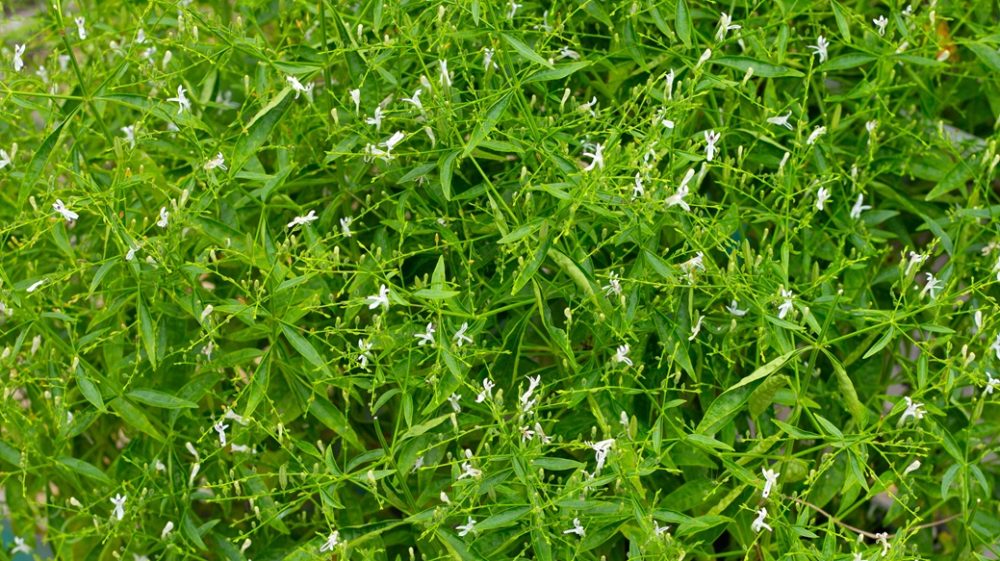
-
Botanical description
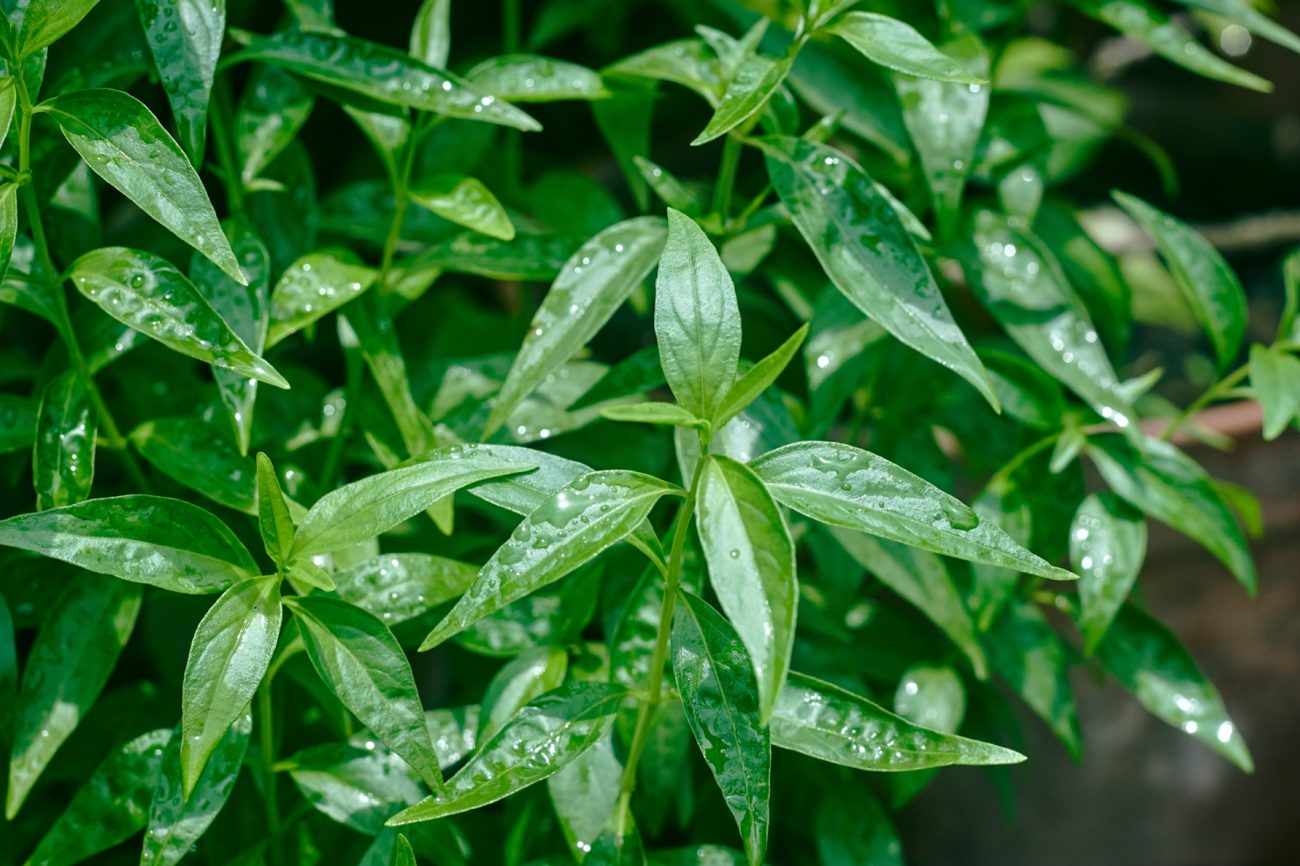
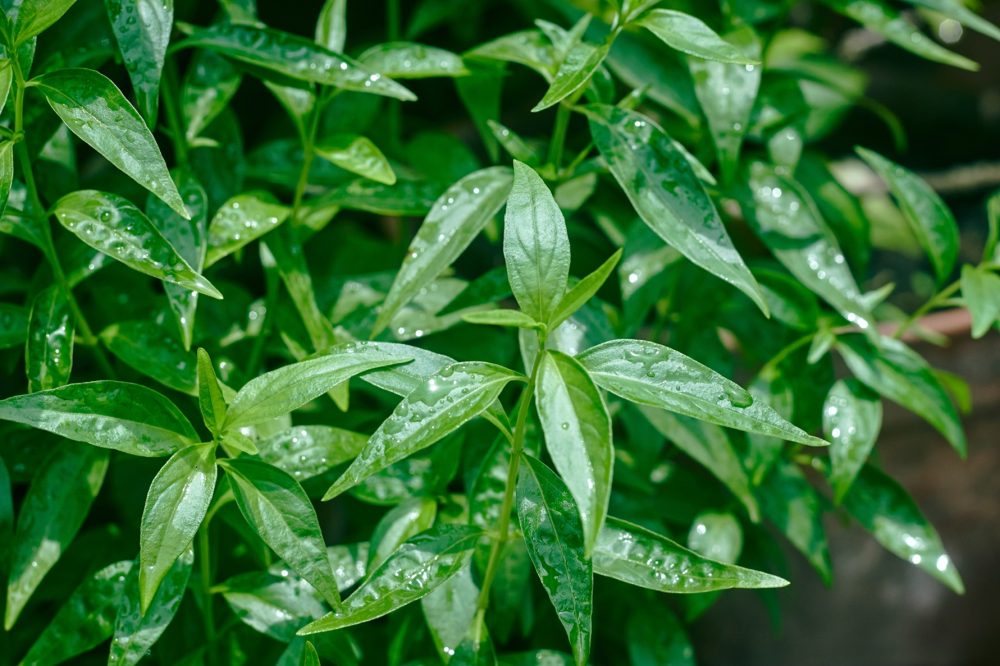
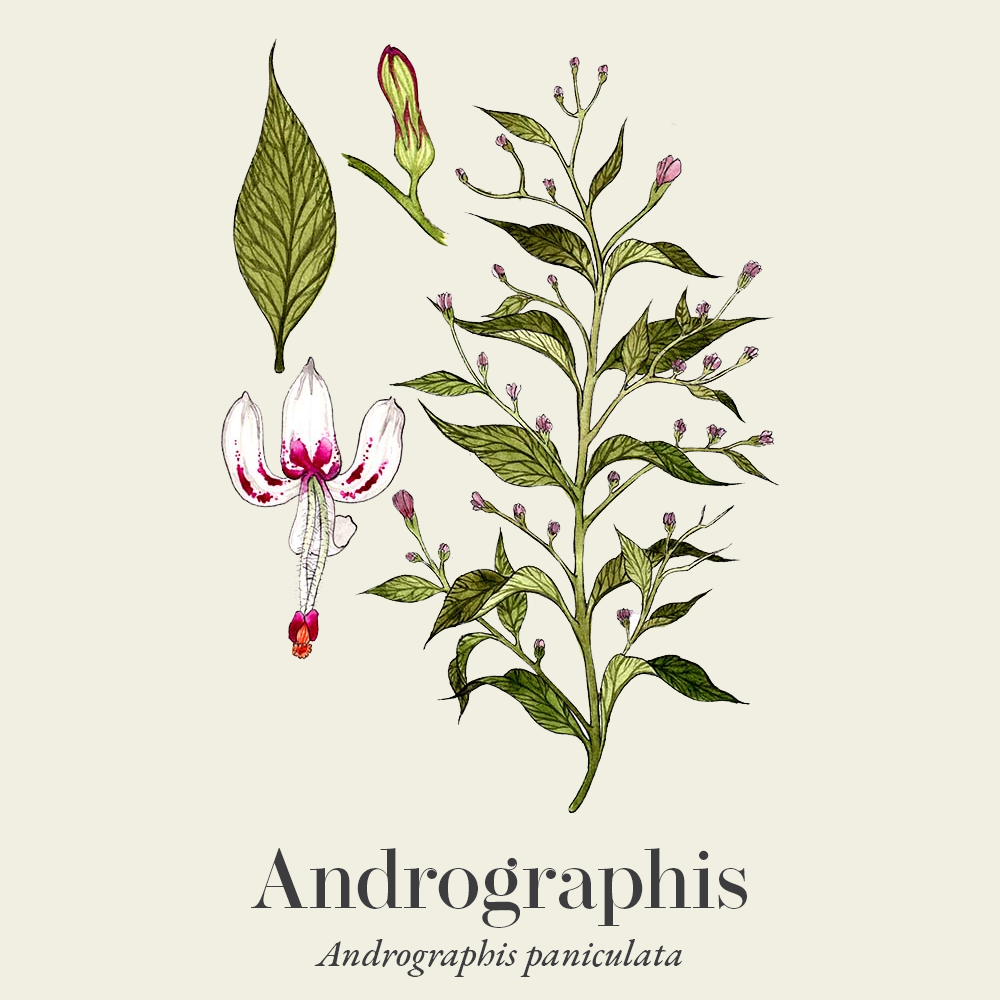
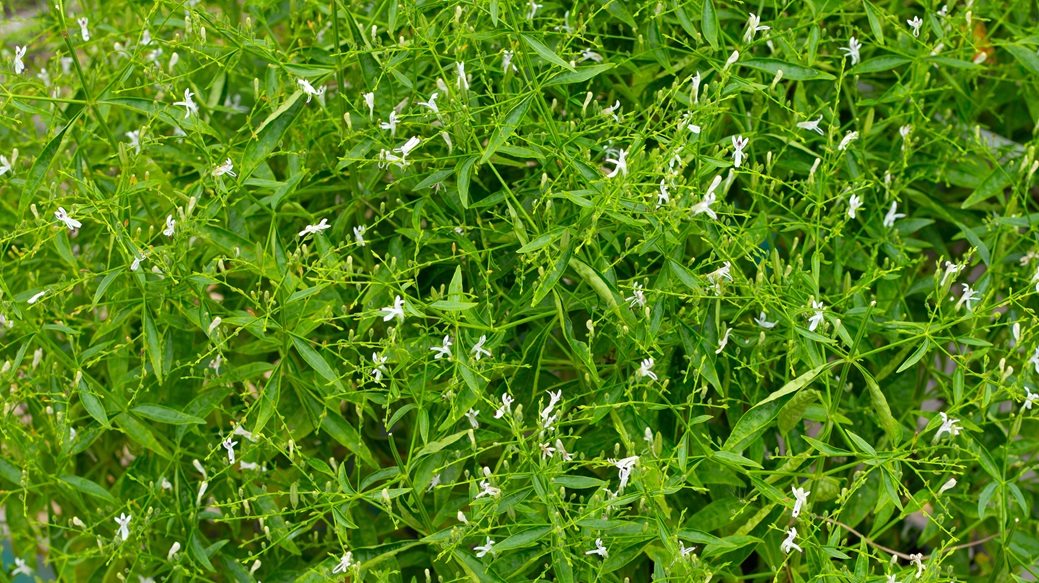
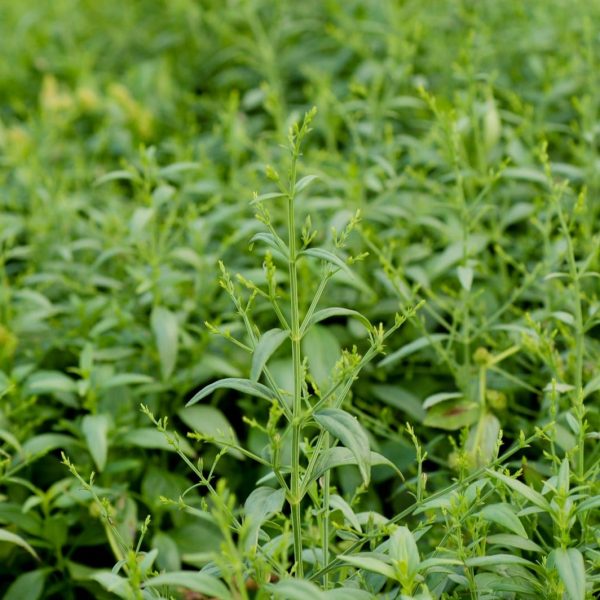
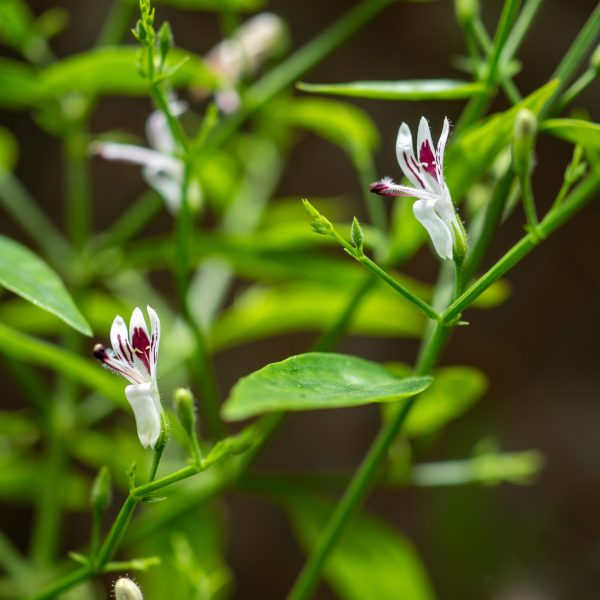
Andrographis is a small green, shade loving annual shrub that can be found growing throughout India. It can grow up to 1 m in height with shiny leaves that grow up to 8 cm in length.
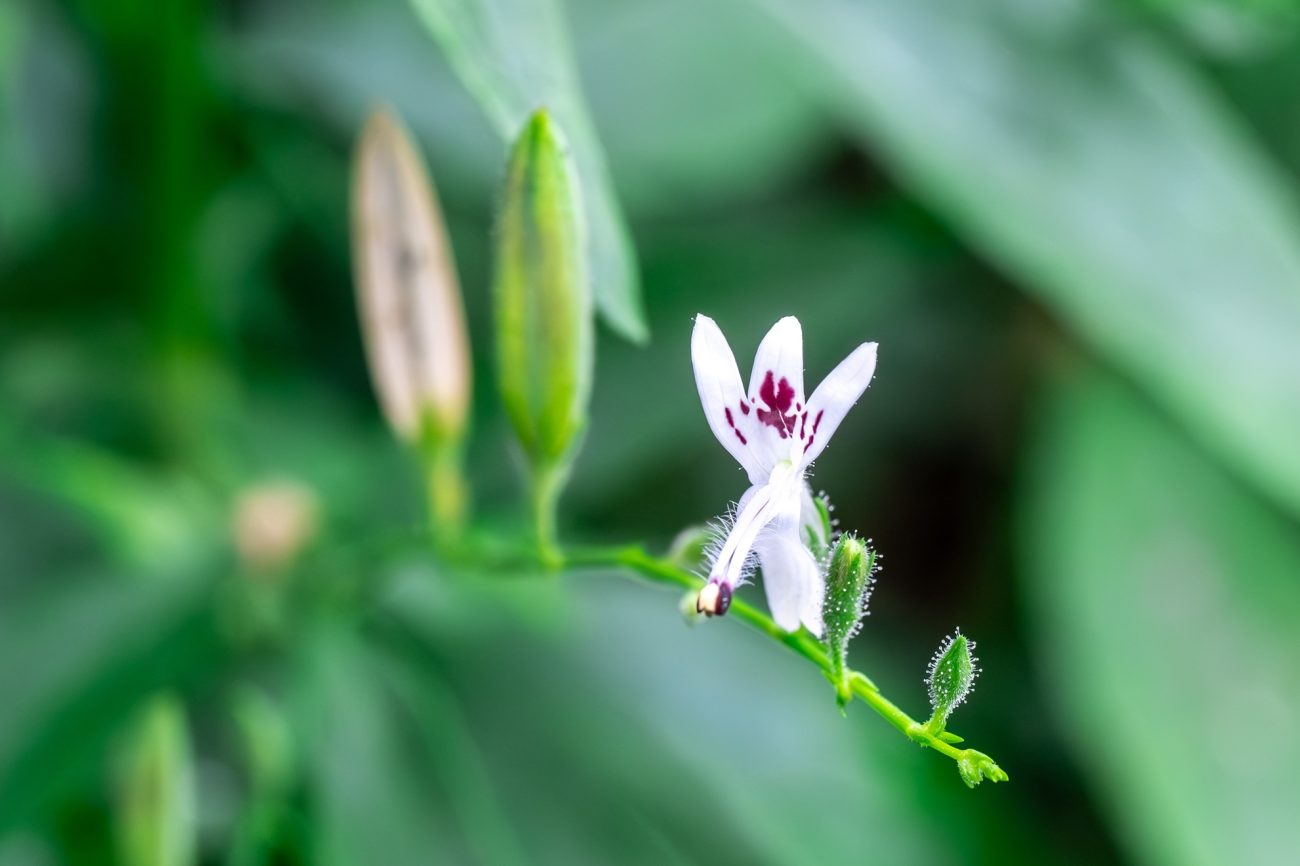
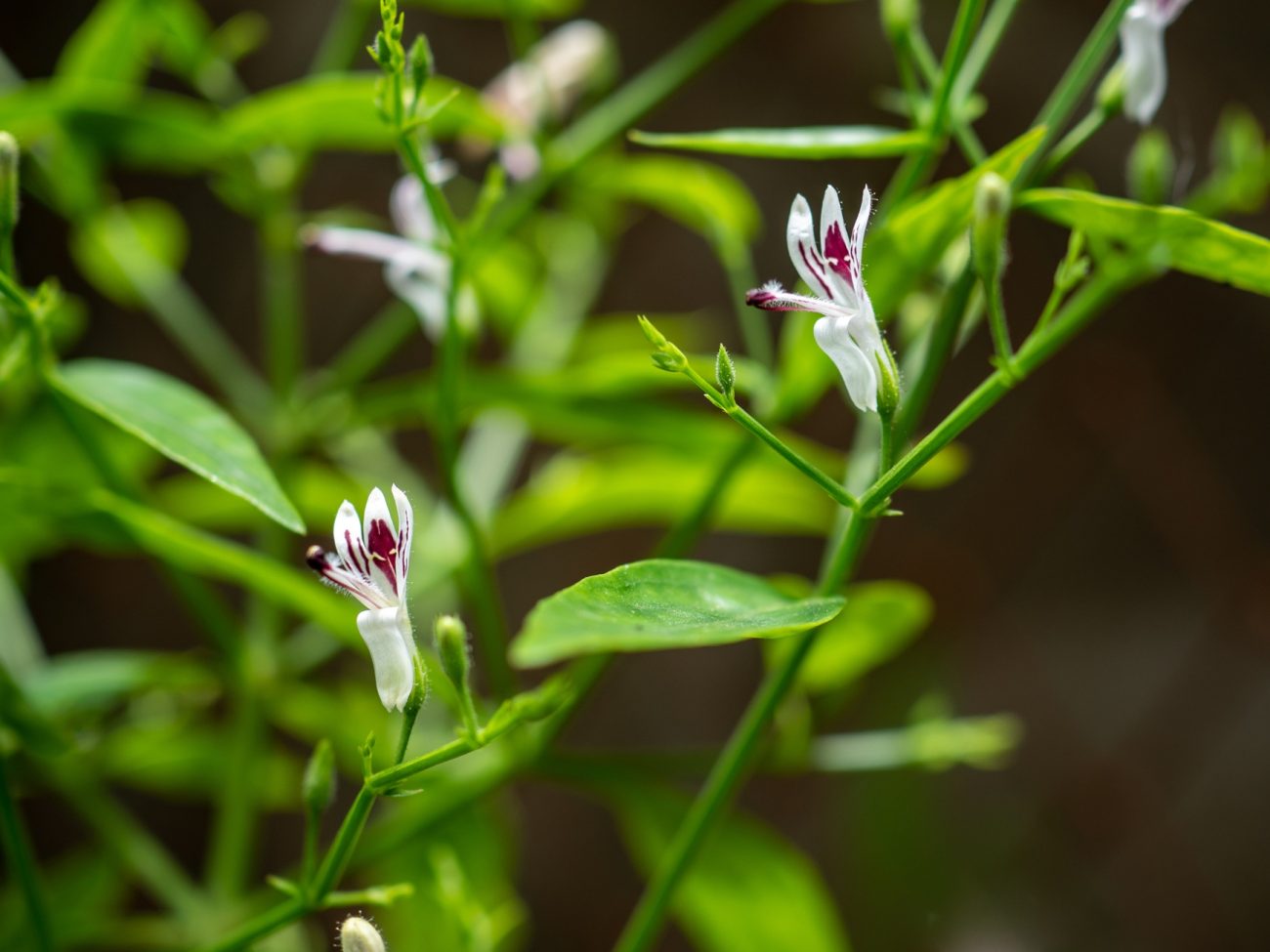
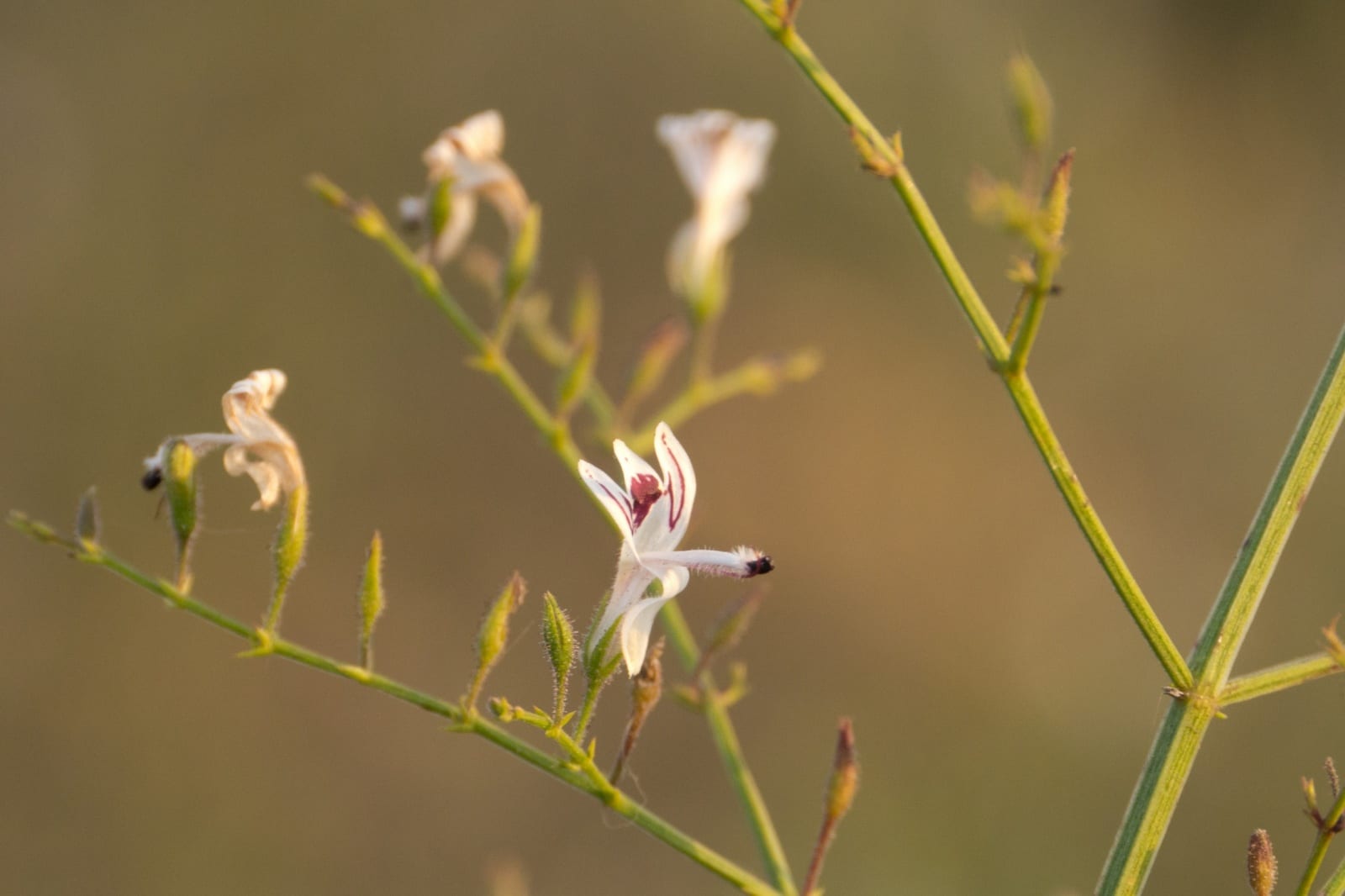
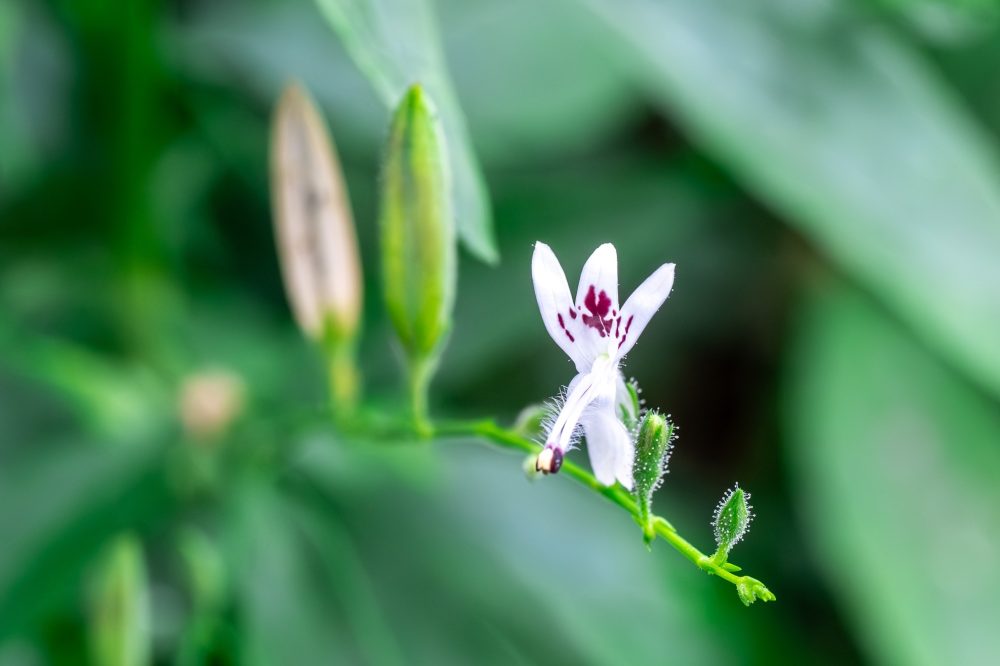
Its branches are square-stemmed, often narrowly winged towards the top. The flowers are particularly beautiful but incredibly small; they are white or pale pink with brown or purple blotches in loose spreading axillary and terminal panicles.
Its seed pods are yellow-brown, smooth and oblong in shape, approximately 2 cm long (24).
-
Common names
- Chiretta
- King of the bitters (Eng)
- Kalmegh (Hindi)
- Kalamegha
- Kirata
- Mahatikta
- Bhunimba (Sanskrit)
- Chuan xin lian (Chin)
- Senshinren (Jap)
-
Habitat
Native to India and Sri Lanka. Its distribution is recorded in India, Sri Lanka, Malay Peninsula, China and Thailand. In India it occurs throughout the plains and also in forests as undergrowth (25).
-
How to grow andrographis
Andrographis is native to India and prefers a hot, humid climate with plenty of sun.
Prepare a bed for andrographis in the late spring, after the last frost has passed. The plant will grow in all soil conditions as long as enough moisture is present. Aerate the soil by breaking up clumps and removing large rocks, then mixing in a 3–4-inch layer of organic compost.
Soak the andrographis seeds overnight. Sow the seeds approximately two inches deep and 6–8 inches apart. Water gently and keep the soil evenly moist until the seedlings have germinated in approximately five to seven days.
Spread a 2–3 inch layer of organic mulch around the seedlings, being careful not to cover the plants. Thin out to 12–18 inches apart when the plants are established, removing the weakest seedlings. Taper off watering once the sprouts appear, water when the top of the soil begins to dry out.
Andrographis reaches 1–3 feet in height when mature. Flowers appear approximately three to five months after planting. Harvest for medicine when the plants are in full flowering stage as they will have the strongest andrographolide content (29,30).
-
Herbal preparation of andrographis
- Dried herb (tea/ capsule)
- Tincture
- Leaf juice is used in Ayurveda
- Decoction
-
Plant parts used
Leaf
-
Dosage
- Tincture (1:5 | 25%): 3–10 ml per day
- Dried herb: The daily maintenance dose for an adult is about 2 to 3 g dried herb equivalent (tea/ capsule). Note: During infection, the effective dose is nearer to 6 g per day (1).
-
Constituents
- Diterpenoid lactones: Collectively referred to as andrographolides consisting of glucosides (neoandrographolide and andrographiside), aglycones (andrographolide), isoandrographolide, andrograpanin and bis-andrographolide
- Diterpene dimers
- Flavonoids: Apigenin and onysillin
- Xanthones
- Rare noriridoids
- Polyphenols: Arabinogalactan proteins
- Steroids
- Quininic acid derivatives: Caffeic acid, cinnamic acid, feruluric acid (1,23)
-
Andrographis recipe
Cold and flu capsules
These capsules can be made in batches at home to aid recovery from colds, flus or other respiratory infections. Andrographis is best tolerated in capsule form due to its intensely bitter flavour. This will make roughly 100 size 0 capsules.
Ingredients
How to make andrographis capsules
- Mix powders thoroughly in a clean dry bowl.
- Use the capsule machine to fill 100 size 0 capsules with the powder.
- Store capsules in a clean, dry container.
- Take 2–3 capsules per day in case of an acute infection.

-
Safety
No significant adverse effects have been found with taking andrographis, although high doses may rarely cause stomach upsets, urticaria (hives), or headaches (1).
The bitter and cold energetic nature of this herb may lessen digestive function, which favours warmth, if given in large doses or taken over a long period. Likewise it must be used with caution and combined with warming herbs (e.g., ginger) to counteract its coldness for individuals with existing digestive weakness (4).
It should be avoided in pregnancy and lactation (1).
Studies on rats have shown andrographis to have a potential antifertility effect in female rodents, this has not been confirmed with human clinical studies but caution is advised if trying to conceive (2,21).
-
Interactions
Andrographis may increase the risk of hypotension when used in conjunction with antihypertensive medication (1,22). It may also increase the risk of bleeding when used in conjunction with antiplatelet or anticoagulant medication (1,22).
It may also potentiate the effects of midazolam (2).
-
Contraindications
Bitters are contraindicated in states of hyperacidity including duodenal ulcers, and should be used with caution in oesophageal reflux (1,2,3).
Ayurvedic contraindications: Contraindicated in high vata (5).
-
Sustainability status of andrographis
Andrographis has not yet been assessed on the IUCN redlist; however, it is classed as low risk due to widespread cultivation and natural abundance (26,27).
Habitat loss and over-harvesting from the wild are two of the biggest threats faced by medicinal plant species. There are an increasing number of well-known herbal medicines at risk of extinction. We must, therefore, ensure that we source our medicines with sustainability in mind.
The herb supplement industry is growing at a rapid rate and until recent years a vast majority of medicinal plant produce in global trade was of unknown origin. There are some very real and urgent issues surrounding sustainability in the herb industry. These include environmental factors that affect the medicinal viability of herbs, the safety of the habitats that they are taken from, as well as the welfare of workers in the trade.
The botanical supply chain efforts for improved visibility (transparency and traceability) into verifiably sustainable production sites around the world is now certificated through the emergence of credible international voluntary sustainability standards (VSS).
Read our article on Herbal quality & safety: What to know before you buy and Sustainable sourcing of herbs to learn more about what to look for and questions to ask suppliers about sustainability.
-
Quality control
Herbal medicines are often very safe to take; however, their safety and efficacy can be jeopardised by quality issues. So, it is important to buy herbal medicines from a reputable supplier, from sources known to test their herbs to ensure there is no contamination, adulteration or substitution with incorrect plant matter, as well as ensuring that recognised marker compounds are at appropriate levels in the herbs.
Some important quality assurances to look for are certified organic labelling, the correct scientific/botanical name, and the availability of information from the supplier about ingredient origins. A supplier should be able to tell you where the herbs have come from, what contaminants are not in the herb, and what the primary compounds are.
-
References
- Bone K, Mills S. Principles and Practice of Phytotherapy: Modern Herbal Medicine. 2nd ed. Edinburgh Churchill Livingstone, Elsevier; 2013.
- Mcintyre A. Complete Herbal Tutor : The Definitive Guide to the Principles and Practices of Herbal Medicine (Second Edition). Aeon Books Limited; 2019.
- Thomsen M. Phytotherapy Desk Reference. 6th ed. Aeon Books; 2022.
- Chen JK, Chen TT, Crampton L. Chinese Medical Herbology and Pharmacology. Art Of Medicine Press, Inc; 2004.
- Pole S. Ayurvedic Medicine : The Principles of Traditional Practice. Singing Dragon; 2013.
- Adiguna SP, Panggabean JA, Atikana A, et al. Antiviral Activities of Andrographolide and Its Derivatives: Mechanism of Action and Delivery System. Pharmaceuticals. 2021;14(11):1102. https://doi.org/10.3390/ph14111102
- Intharuksa A, Arunotayanun W, Yooin W, Sirisa-ard P. A Comprehensive Review of Andrographis paniculata (Burm. f.) Nees and Its Constituents as Potential Lead Compounds for COVID-19 Drug Discovery. Molecules. 2022;27(14):4479. https://doi.org/10.3390/molecules27144479
- Prabhakornritta P, Waranuch N, Fuangchan A, et al. Exploring the clinical effects of Andrographis paniculata-derived compounds, its extract, or derivatives for the treatment of COVID-19: a systematic review and meta-analysis. Frontiers in Pharmacology. 2025;16. https://doi.org/10.3389/fphar.2025.1598255
- Rajanna M, Bharathi B, Shivakumar BR, et al. Immunomodulatory effects of Andrographis paniculata extract in healthy adults – An open-label study. Journal of Ayurveda and Integrative Medicine. 2021;12(3):529-534. https://doi.org/10.1016/j.jaim.2021.06.004
- Dafur GS, Harun A, Kub TNT, Bakar RA, Harun A. A Systematic Review on the Antimicrobial Activity of Andrographolide. Journal of microbiology and biotechnology. 2024;35:10.4014/jmb.2408.08028. https://doi.org/10.4014/jmb.2408.08028
- Sah SK, Rasool U, Ali DM, Hemalatha S. Efficacy of Andrographis paniculata against AmpC producing multi drug resistant E. coli. Biocatalysis and Agricultural Biotechnology. 2019;21:101139. https://doi.org/10.1016/j.bcab.2019.101139
- Menzies-Trull C. Herbal Medicine Keys to Physiomedicalism Including Pharmacopoeia. Faculty Of Physiomedical Herbal Medicine, 2013.
- Tyagi V, Kumar A, Shanker K, Pal A. Andrographis paniculata restores gut health by suppressing inflammation and strengthening mucosal immunity. Frontiers in Pharmacology. 2025;16. https://doi.org/10.3389/fphar.2025.1536683
- Liang Y, Ren T, Li R, et al. Natural Products with Potential Effects on Hemorrhoids: A Review. Molecules. 2024;29(11):2673. https://doi.org/10.3390/molecules29112673
- Coon J, Ernst E. Andrographis paniculata in the treatment of upper respiratory tract infections: a systematic review of safety and efficacy. Nih.gov. Published 2025. Accessed April 13, 2025. https://www.ncbi.nlm.nih.gov/books/NBK71143/
- Hu XY, Wu RH, Logue M, et al. Andrographis paniculata (Chuān Xīn Lián) for symptomatic relief of acute respiratory tract infections in adults and children: A systematic review and meta-analysis. PloS One. 2017;12(8):e0181780. https://doi.org/10.1371/journal.pone.0181780
- Hancke JL, Srivastav S, Cáceres DD, Burgos RA. A double‐blind, randomized, placebo‐controlled study to assess the efficacy of Andrographis paniculata standardized extract (ParActin®) on pain reduction in subjects with knee osteoarthritis. Phytotherapy Research. 2019;33(5):1469-1479. https://doi.org/10.1002/ptr.6339
- Sandborn WJ, Targan SR, Byers VS, et al. Andrographis paniculata Extract (HMPL-004) for Active Ulcerative Colitis. American Journal of Gastroenterology. 2013;108(1):90-98. https://doi.org/10.1038/ajg.2012.340
- Bertoglio JC, Baumgartner M, Palma R, et al. Andrographis paniculata decreases fatigue in patients with relapsing-remitting multiple sclerosis: a 12-month double-blind placebo-controlled pilot study. BMC Neurology. 2016;16(1). https://doi.org/10.1186/s12883-016-0595-2
- Krawiec S. Thailand approved pilot study on treatment of COVID-19 with Andrographis paniculata. Nutritional Outlook. Published February 17, 2021. Accessed September 18, 2025. https://www.nutritionaloutlook.com/view/thailand-approved-pilot-study-on-treatment-of-covid-19-with-andrographis-paniculata
- Bhaisare S, Pathak S, Ajankar VV, Bhaisare SS, Pathak SS, Ajankar VV. Physiological Activities of the King of Bitters (Andrographis paniculata): A Review. Cureus. 2023;15(8). https://doi.org/10.7759/cureus.43515
- Natural Medicines Database. Andrographis. Therapeuticresearch.com. Published 2025. Accessed September 18, 2025. https://naturalmedicines.therapeuticresearch.com/Data/ProMonographs/Andrographis#safety
- Chao WW, Lin BF. Isolation and identification of bioactive compounds in Andrographis paniculata (Chuanxinlian). Chinese Medicine. 2010;5(1):17. https://doi.org/10.1186/1749-8546-5-17
- Hossain MdS, Urbi Z, Sule A, Rahman KMH. Andrographis paniculata(Burm. f.) Wall. ex Nees: A Review of Ethnobotany, Phytochemistry, and Pharmacology. The Scientific World Journal. 2014;2014:1-28. https://doi.org/10.1155/2014/274905
- Royal Botanical Gardens Kew. Andrographis paniculata (Burm.f.) Wall. ex Nees | Plants of the World Online | Kew Science. Plants of the World Online. Published 2025. https://powo.science.kew.org/taxon/urn:lsid:ipni.org:names:45226-1
- IUCN Redlist. The IUCN Red List of Threatened Species. IUCN Red List of Threatened Species. Published 2025. Accessed September 18, 2025. https://www.iucnredlist.org/search?query=Amorpha+paniculata&searchType=species
- Gowthami R, Sharma N, Pandey R, Agrawal A. Status and consolidated list of threatened medicinal plants of India. Genetic Resources and Crop Evolution. 2021;68(6):2235-2263. https://doi.org/10.1007/s10722-021-01199-0
- Anuna. Andrographis Paniculata, Kalmegh herbal Seeds Cultivation and Goodness | kalmegh (kalpnath) Seeds. Anuna.com. Published 2025. Accessed September 18, 2025. https://anuna.com/organic-nursery/seeds/andrographis-paniculata-kalmegh-herbal-seeds-cultivation-and-goodness-kalmegh-kalpnath-seeds/
- American Botanical Council (ABC). Andrographis. Herbalgram.org. Published 2025. Accessed September 18, 2025. https://www.herbalgram.org/resources/herbmedpro/herb-list/andrographis-paniculata?subCat=Cultivation%2C%20Conservation%20%26%20Ecology
Meet our herbal experts
Our monographs are written by our monograph authors and edited, reviewed and updated by Herbal Reality.
Meet our Herbal Reality team or explore our Herbal Reality authors.