


Antiseptic
Antiseptic plants, similar to antimicrobials, inhibit or prevent the risk of infection by slowing or suppressing the growth of pathogenic microorganisms, such as bacteria or fungi. This action is attributed to a variety of phytochemical compounds including essential oils, flavonoids, tannins, alkaloids or phenolic compounds. Mechanisms of action include disruption of microbial cell membranes, inhibition of nucleic acid or enzyme activity, and prevention of biofilm formation.
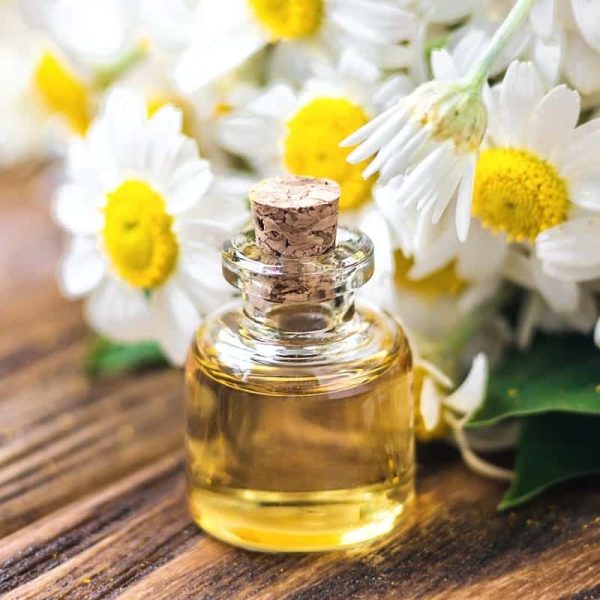
Antiseptic herbs are commonly prescribed in the form of topical agents to treat minor cuts, skin infections, eczema or for oral infections including gingivitis. Examples include calendula (Calendula officinalis), myrrh (Commiphora molmol) and chamomile (Matricaria chamomilla).