


Dosing herbal medicine requires navigating plant variability, preparation methods and individual response, blending traditional insight with modern safety and clinical awareness.
No two leaves are identical. Their size, shape, appearance, and chemical profile differ as a result of natural variability. In much the same way, no two people are the same, nor is a body perfectly symmetrical. For herbal medicines, this poses challenges to unify and standardise dosing.
One of the most common questions asked about herbal medicines is “how much should I take?”. Herbal dosing sits at the intersection of traditional knowledge, experience, pharmacology and individual variability.
Unlike conventional pharmaceuticals, where formulations and doses are standardised, herbal medicine works with complex plant matrices, diverse preparations and considers individual characteristics and constitutions.
Traditional perspectives on dosing herbals
Historically, herbal dosing was developed through empirical trial, observation, experience and long-term use. Effective doses, preferred formulations and the knowledge of optimal remedies was passed through the generations (1).
Traditional texts often describe dosing in experiential terms, such as a glass or handful, or an amount tolerated. While these measures may appear imprecise from a modern or conventional perspective, they reflect a responsive approach to medicine — trial and error.
Doses were often adjusted according to the strength of the herb and individual’s response over time. Sometimes doses may have to be adjusted according to the strength and purity of a batch of herbs, as differences in harvesting, drying, storage and processing can impact the strength of the actives. The importance of feedback and adjustment of doses was a valuable part of traditional practice (2).
Factors which cause variable dosing
Plant and formulation factors
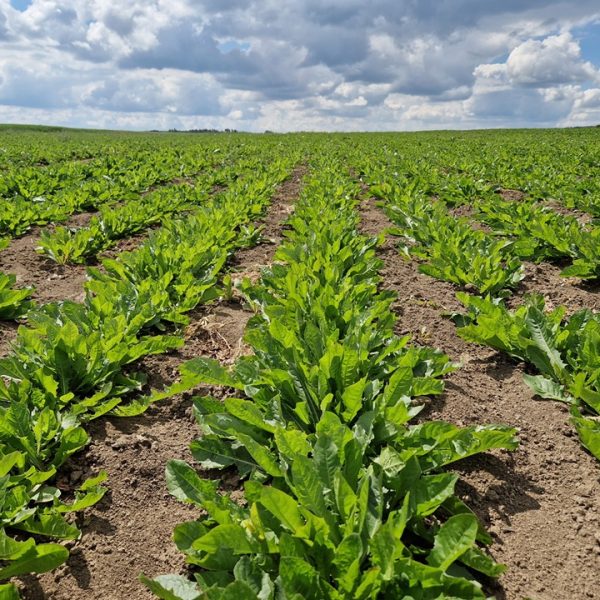
The characteristics of the herb itself must be considered when determining an appropriate dose. Herbs differ widely in their strength, safety profile and therapeutic range; these differences directly inform how they should be used (3). Nutritive herbs such as nettle (Urtica dioica) or dandelion (Taraxacum officinale) are rich in minerals and phytochemicals which are often used in generous doses over extended periods of time for their vast medicinal benefits ranging from anti-inflammatory to blood tonic effects (4,5).

In contrast, aromatic and bitter herbs tend to act more immediately on digestion, circulation and the nervous system and may produce noticeable effects at relatively small doses. For example, peppermint (Mentha x piperita, M. arvensis) stimulates taste receptors and digestive reflexes; even modest amounts can have carminative effects and stimulate gut motility (6).
Similarly, aromatic nervines such as lavender (Lavandula angustifolia) or lemon balm (Melissa officinalis) can have calming effects at relatively low doses (7). Some herbs have a narrow safety profile therefore require great precision and clinical judgement when dosing. Lily of the valley (Convallaria majalis) a cardiotonic can be highly toxic even in small over-doses (8). Hence, careful dosing, appropriate training and awareness of contraindications is so important.
Today, for most people dosing from raw or unprocessed material may be confusing. Telling someone to take a pinch of a powdered herb can lead to significant dosing variability, as a pinch can range on average from 0.3 g to 0.6 g. This variability could lead to double the dose which could have adverse effects rather than a therapeutic benefit. Therefore, quantifying a pinch as a definitive value (e.g., “a pinch is 0.3 g”) makes dosing reproducible, and standardises the process.
When using leaves in preparations (i.e. add two leaves) this can also have inconsistent dosing effects. The variable size, condition and stage of maturity of the leaf can also impact the efficacy of dosing. Furthermore, dried and fresh material will have different effects; dried material may be more concentrated, and the composition of bioactive compounds may have changed (i.e., essential oils may evaporate during drying). All these factors can impact the effective dosing of herbals (2,9,10,11).
Even among commonly used herbs, factors such as duration of use, interactions and individual sensitivity must be considered. For these reasons, effective dosing relies on familiarity with both traditional dosages and contemporary safety data, allowing herbs to be used confidently and appropriately.
Individual factors
Determining an appropriate dose always begins with the person. Age, gender, body composition, digestive capacity, liver and kidney function, comorbidities and individual sensitivity all influence how someone may respond. A healthy adult with good digestion may require and safely tolerate a higher therapeutic dose to achieve a clinical effect.
In contrast, an older or frail adult, a child, or someone with comorbidities may only tolerate lower doses and respond better when doses are gradually introduced and increased. Response to doses also varies depending on individuals’ experiences as some people may respond to very small doses, particularly with aromatic, bitter or nervine herbs; while others can tolerate larger doses before any clinical response is seen.
Effective dosing, therefore, relies not on standardised quantities alone, but on careful assessment of the individual’s capacity to receive, process and respond to herbal medicines (12).
Managing conditions
The nature of the condition being treated is equally important when determining dose. Acute and relatively minor health conditions often respond best to higher or more frequent dosing over a short period of time, with the aim of supporting the body through a transient physiological challenge.
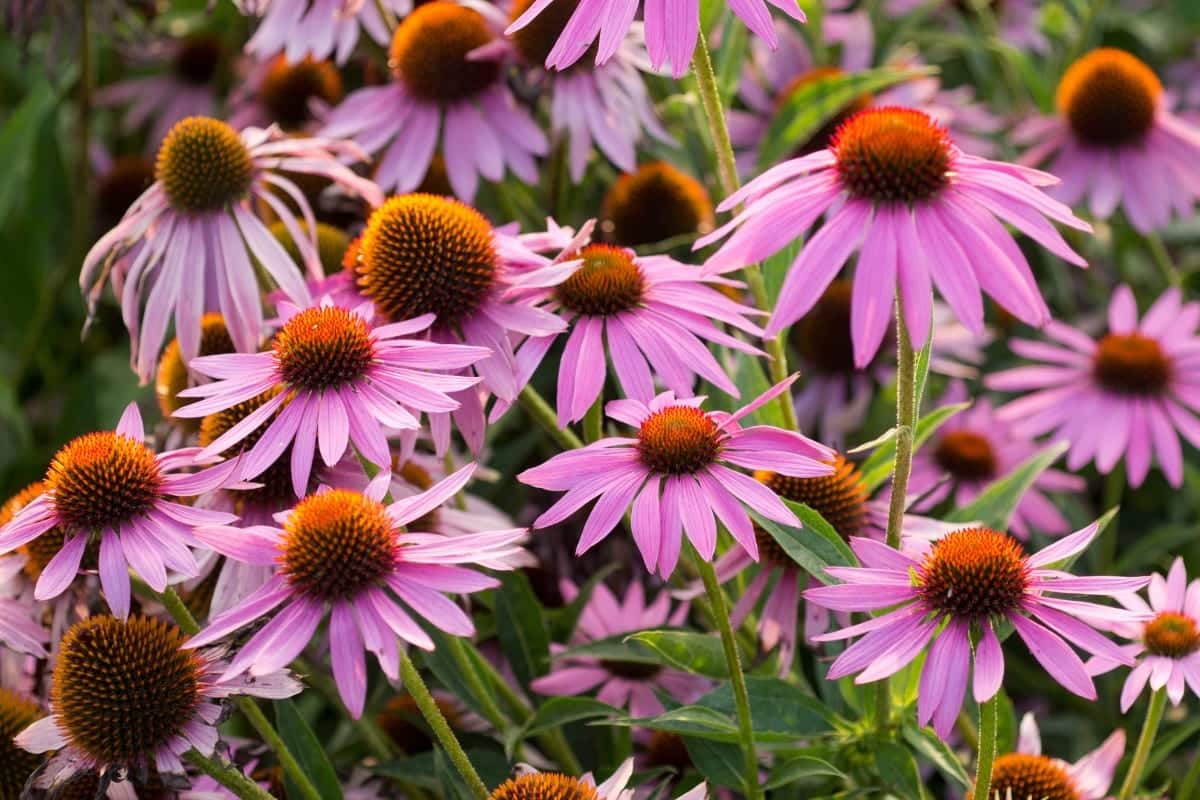
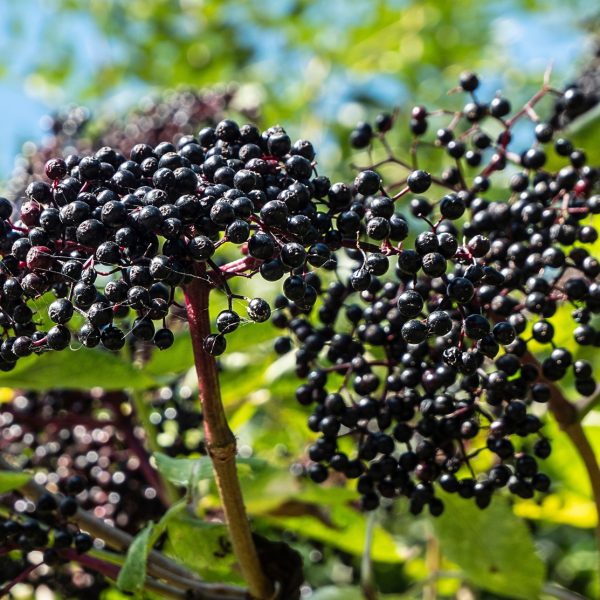
For example, in the early stages of an upper respiratory tract infection (i.e., cold/flu), herbs such as elderberry (Sambucus nigra) or echinacea (Echinacea purpurea) may be taken as tinctures or infusions regularly to support immune and inflammatory responses, soothing symptoms and reducing recovery time.
Acute musculoskeletal pain (i.e., sprain/strain or minor injury) may respond well to short-term internal use of anti-inflammatory herbs such as turmeric (Curcuma longa) alongside topical applications of arnica (Arnica montana) or rosemary (Salvia rosmarinus) (7,12).
On the other hand, chronic conditions usually require low to moderate doses taken consistently over a longer period. Chronic digestive disorders, hormonal imbalances or stress-related conditions often respond better to sustained doses that work gradually with underlying physiological patterns rather than attempting rapid relief of symptoms.
The use of ashwagandha (Withania somnifera) for reducing stress and anxiety can take up-to two weeks before a clinical effect is observed, as the adaptogen regulates cortisol and other hormones (13). When managing on-going or chronic conditions high doses may be poorly tolerated and unnecessary, therefore a “low and slow approach” would allow for cumulative effects and monitoring to take place (14).
Formulation and dosing
Most conventional pharmaceutical medicines have standard formula and doses. There is a comprehensive pharmacopeia which makes production scalable and reproducible. Aspirin is an example of a synthetic medicine (originally isolated from willow (Salix alba)) whereby a single active compound (acetylsalicylic acid) was identified, and chemically synthesised (15).

The therapeutic effects are evidence based with randomised controlled trials (RCTs) to validate the efficacy. For most herbal medicines, there is often not a single isolated compound responsible for the therapeutic effects. Instead, herbal medicines are a complex mixture with many active constituents.
The mixture of compounds are known to work synergistically to have a therapeutic effect; hence, isolating a single compound would not be as therapeutically beneficial (16). For this reason, dosing is rarely about achieving a precise milligram quantity of one active ingredient. Instead, it involves establishing an effective therapeutic relationship between the plant, the preparation and the person taking it.
Finally, the form of preparation has a significant impact on dosing. Teas and decoctions favour water-soluble constituents and are often taken in larger volumes. Powders and capsules rely on digestion and absorption and may therefore require higher quantities to achieve an effect.
Tinctures are more concentrated and allow for flexible, incremental dosing. Herbal dosing tends to operate within broader therapeutic ranges than pharmaceutical drugs, allowing for a greater degree of flexibility and individualisation. The dose is shaped not only by pharmacology, but also by constitution, strength, sensitivity and condition treated (11).
How to standardise herbal dosing
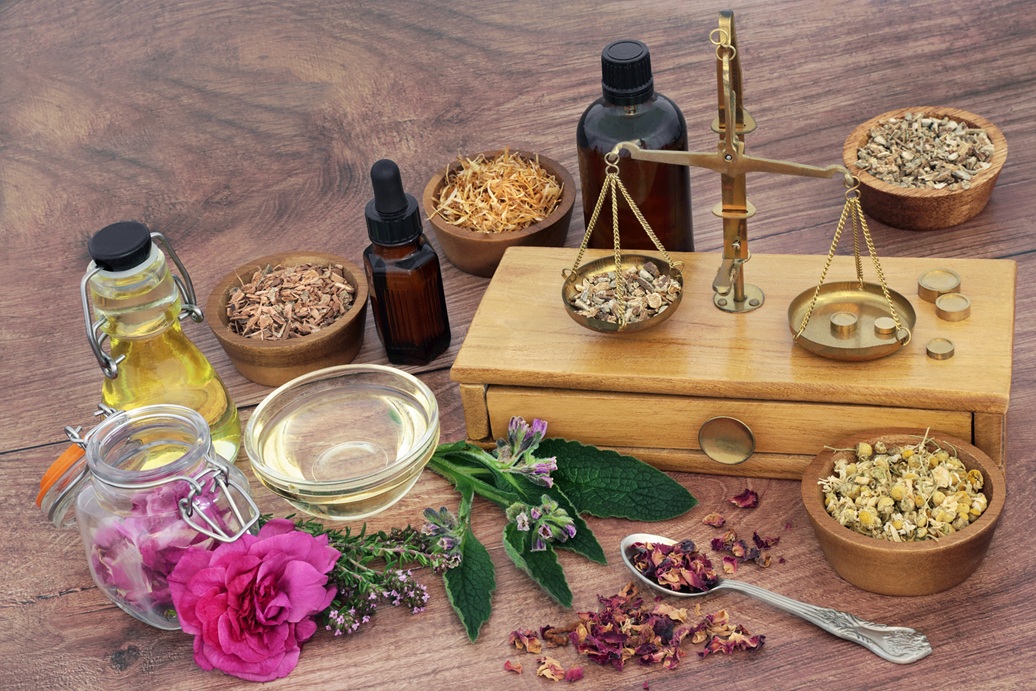
In practice, standardising dosing of herbals is best approached using clearly defined therapeutic ranges rather than fixed doses. Replacing ambiguity in dosing by eyeballing, using a cupful or a few drops/leaves, by standard measures such as volumes for liquids (i.e., millilitre for tinctures) and weights for solids (i.e., gram for dried herbs), can improve dosing. Where reputable suppliers have preparations available with clear strength and doses these may be a preferred option to use.
It is important to regularly review an individual’s response to herbals, and educate them of the signs of efficacy, intolerance and adverse effects so that dosing can be refined over time. One of the strengths of herbal medicine is that it is responsive. Signs that a dose may be too low include a lack of change to symptoms, after an appropriate trial period, or progress which prematurely stalls.
On the other hand, signs that a dose may be too high may include digestive discomfort, headache, nausea or exacerbation of symptoms. Hence, herbal dosing is a dynamic process. Ongoing observation, communication with practitioners and adjustments are integral to safe and effective herbal practice (17).
Conclusion
There is no single answer to the question of how much is enough when it comes to herbal dosing. Effective dosing emerges from the relationship between plant, preparation and individuals, informed by knowledge, use and experience of the person and practitioners.
References
- Bhamra SK, Slater A, Howard C, Heinrich M, Johnson MRD. Health care professionals’ personal and professional views of herbal medicines in the United Kingdom. Phytotherapy Research. 2019;33(9):2360-2368. https://doi.org/10.1002/ptr.6418
- Kofi Busia. Herbal medicine dosage standardisation. Journal of herbal medicine. 2024;46:100889-100889. https://doi.org/10.1016/j.hermed.2024.100889
- Jürges G, Sahi V, Rios Rodriguez D, et al. Product authenticity versus globalisation—The Tulsi case. Aravanopoulos FA, ed. PLOS ONE. 2018;13(11):e0207763. https://doi.org/10.1371/journal.pone.0207763
- Devkota HP, Paudel KR, Khanal S, et al. Stinging Nettle (Urtica dioica L.): Nutritional Composition, Bioactive Compounds, and Food Functional Properties. Molecules. 2022;27(16):5219. https://doi.org/10.3390/molecules27165219
- Kania-Dobrowolska M, Baraniak J. Dandelion (Taraxacum officinale L.) as a Source of Biologically Active Compounds Supporting the Therapy of Co-Existing Diseases in Metabolic Syndrome. Foods. 2022;11(18):2858. https://doi.org/10.3390/foods11182858
- Hirata M, Fornari Laurindo L, Dogani Rodrigues V, et al. Investigating the Health Potential of Mentha Species Against Gastrointestinal Disorders—A Systematic Review of Clinical Evidence. Pharmaceuticals. 2025;18(5):693. https://doi.org/10.3390/ph18050693
- Chevallier A. Herbal Remedies. DK Pub.; 2007.
- Currie GM, Wheat JM, Kiat H. Pharmacokinetic Considerations for Digoxin in Older People. The Open Cardiovascular Medicine Journal. 2011;5(1):130-135. https://doi.org/10.2174/1874192401105010130
- Nakra S, Tripathy S, Srivastav PP. Drying as a preservation strategy for medicinal plants: Physicochemical and functional outcomes for food and human health. Phytomedicine Plus. 2025;5(2):100762. https://doi.org/10.1016/j.phyplu.2025.100762
- Bhamra SK. Investigating the Use and Identity of Traditional Herbal Remedies amongst South Asian Communities Using Surveys and Biomolecular Techniques. Published thesis (PhD). 2016.
- Wilde M. Doses and Measures. Napiers. Published August 3, 2021. Accessed January 14, 2026. https://napiers.net/blogs/news/doses-and-measures
- Tyson RJ, Park CC, Powell JR, et al. Precision Dosing Priority Criteria: Drug, Disease, and Patient Population Variables. Frontiers in Pharmacology. 2020;11. https://doi.org/10.3389/fphar.2020.00420
- Fuladi S, Emami SA, Mohammadpour AH, Karimani A, Manteghi AA, Sahebkar A. Assessment of Withania somnifera root extract efficacy in patients with generalized anxiety disorder: A randomized double-blind placebo-controlled trial. Current Clinical Pharmacology. 2020;15. https://doi.org/10.2174/1574884715666200413120413
- Frost R, Bhamra SK, Heinrich M. Herbal Products and Antidepressants: A Safe Combination or a Risky Mix? Phytotherapy Research. Published online January 13, 2026. https://doi.org/10.1002/ptr.70173
- Mahdi JG, Mahdi AJ, Mahdi AJ, Bowen ID. The Historical Analysis of Aspirin discovery, Its Relation to the Willow Tree and Antiproliferative and Anticancer Potential. Cell Proliferation. 2006;39(2):147-155. https://doi.org/10.1111/j.1365-2184.2006.00377.x
- Efferth T, Koch E. Complex Interactions between Phytochemicals. The Multi-Target Therapeutic Concept of Phytotherapy. Current Drug Targets. 2011;12(1):122-132. https://doi.org/10.2174/138945011793591626
- Bhamra SK. The revival of herbal medicines. Prescriber. 2024;35(6):13-16. https://doi.org/10.1002/psb.2157