

-
How does it feel?
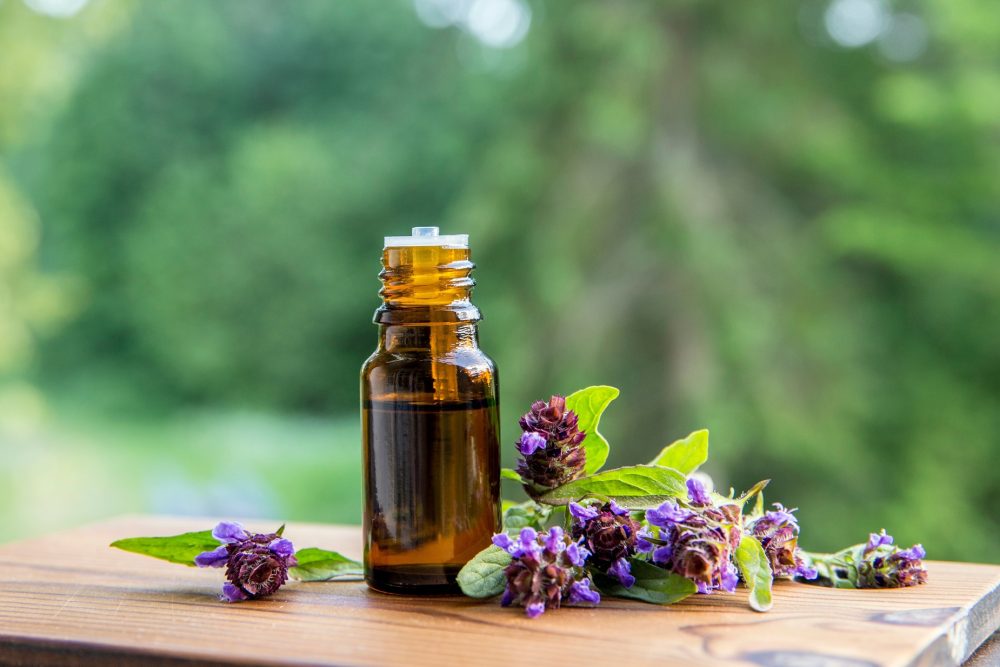
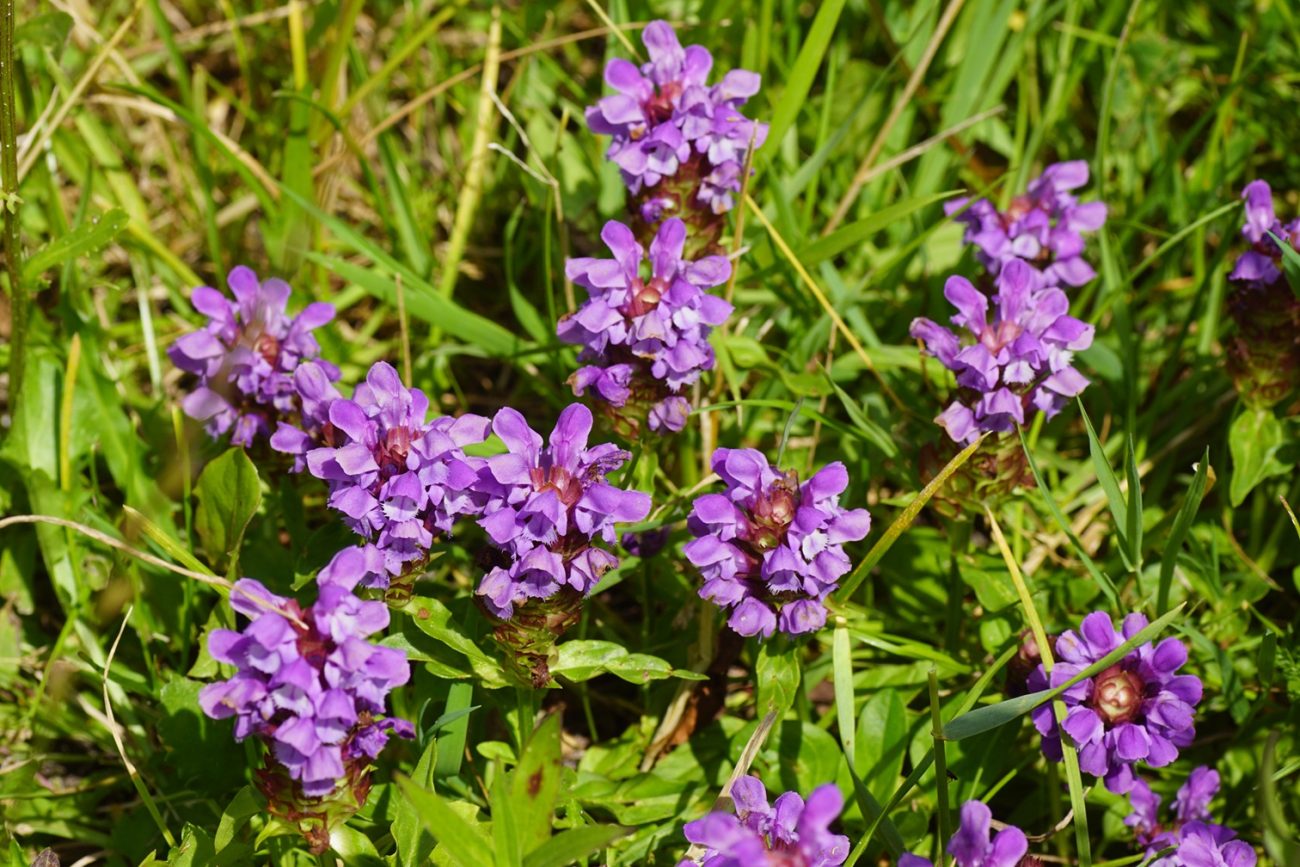
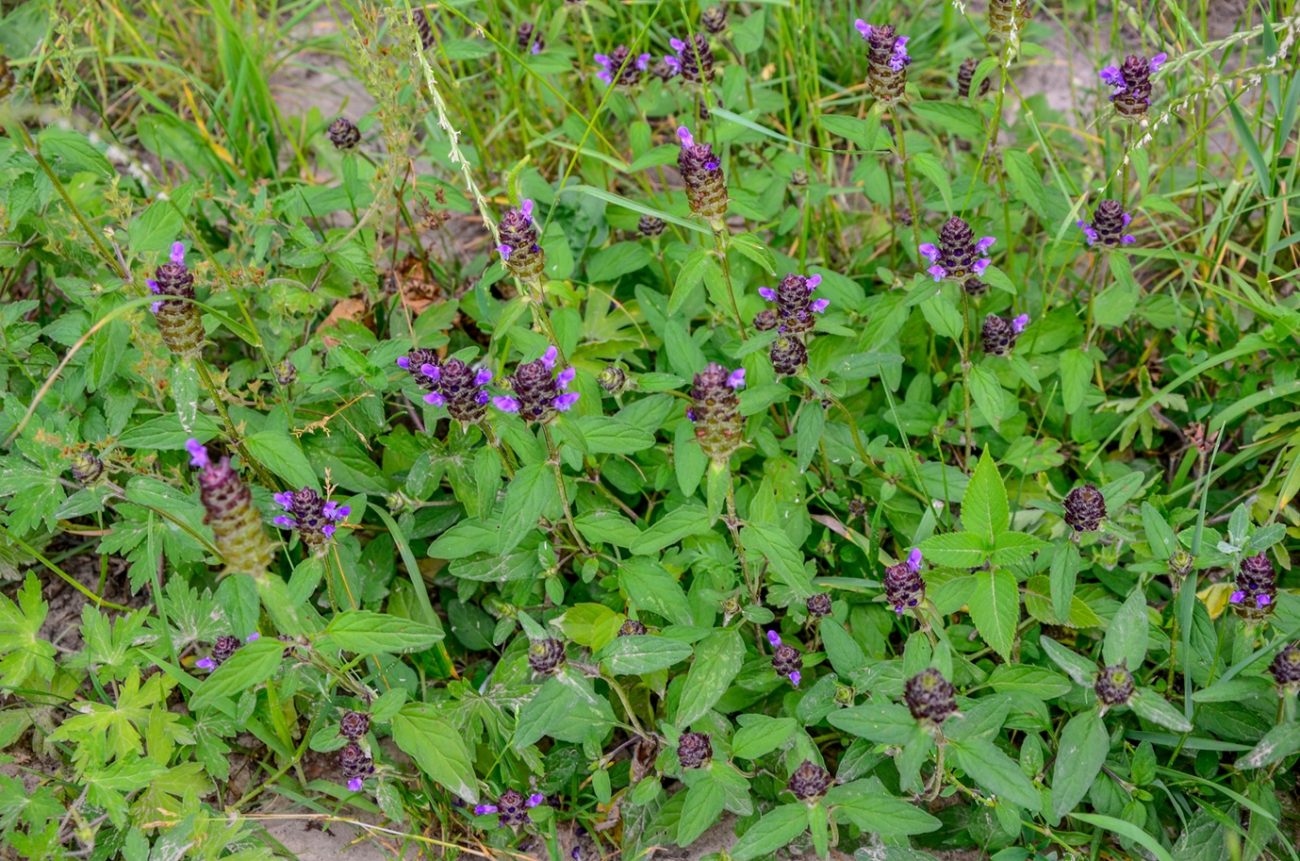
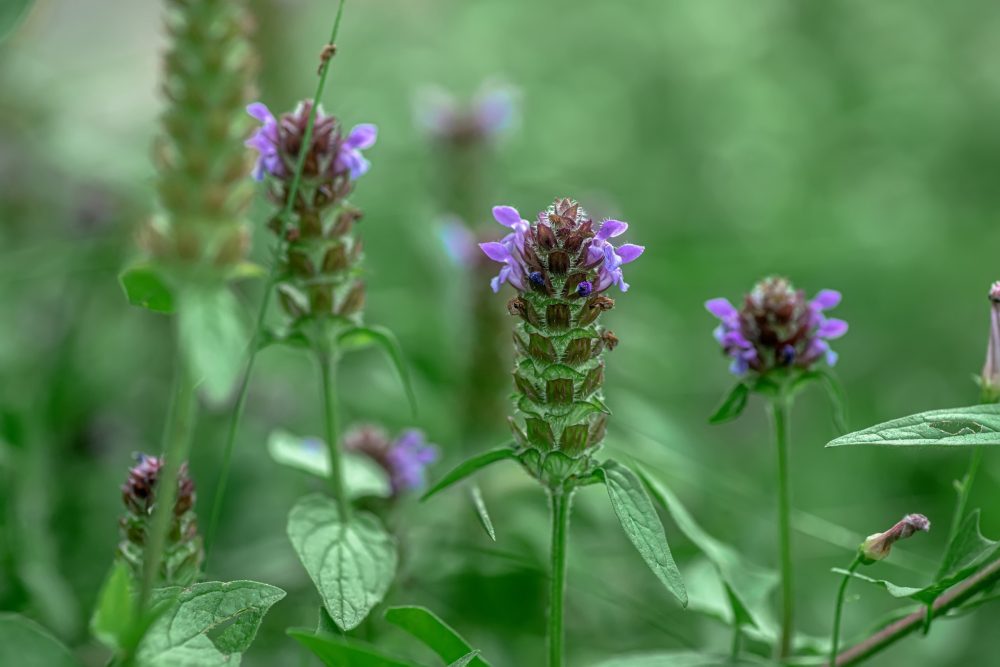
The plant itself can be easily overlooked as it often grows in lawns, easily hidden by grasses growing around it.
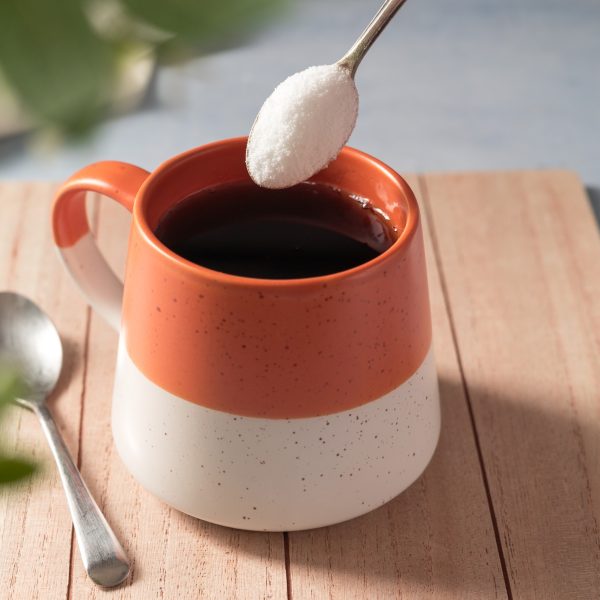
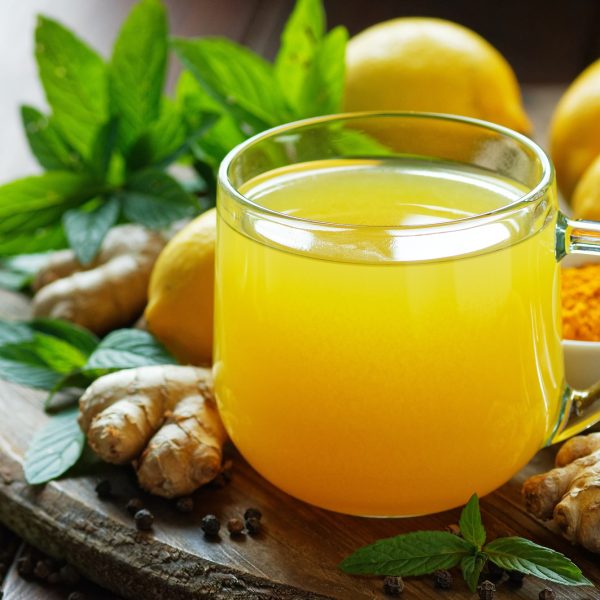
A cup of self-heal tea carries a mild, earthy flavour with gentle bitterness and light astringency. The taste is cooling and clean, leaving a subtle dryness on the tongue and a refreshed feeling in the mouth. The overall impression is simple and grounding — a herbal infusion that cools and refreshes in a calm, unobtrusive way.

-
What can I use it for?
Self-heal is a cooling, mildly astringent herb with traditional applications for conditions of excess heat and irritation. Internally, it has been employed as a tea or infusion to support the liver, digestion, and for its immunomodulatory effects. It has a specific affinity for sore throats, swollen glands, and convalescence following fever or overexertion (2). Its tannin content contributes to local astringency, making it useful as a gargle or mouth rinse for gum inflammation, oral ulcers, and pharyngitis.
Externally, self-heal can be used in washes, poultices, and compresses for minor wounds, abrasions, and dermatological complaints, reflecting its reputation as a “self-heal” plant in folk medicine. In traditional Chinese medicine (TCM), it is described as bitter and acrid, acting on the Liver and Gallbladder meridians to clear heat and dispel fire (3).
-
Into the heart of self-heal

Self-heal (Prunella vulgaris) The energetic signature of self-heal (Prunella vulgaris) is cooling, mildly bitter, and gently astringent, guiding the body toward balance where there is heat, agitation, or irritability. In Western energetic terms, it supports restoration after depletion, staunches inflammation, and tones tissues through its astringency.
In TCM, self-heal (夏枯草, xià kū cǎo) is categorized as bitter, acrid, and cold, entering the Liver and Gallbladder meridians. It is said to clear Liver fire, disperse constrained heat, and soften hardness, which aligns with its use for swollen glands, eye irritation, and inflammatory states (4).
Modern research complements these traditional views. Phytochemical studies show that self-heal contains polyphenols, flavonoids, rosmarinic acid, and triterpenoids — compounds associated with anti-inflammatory, antioxidant, immunomodulatory, and antiviral effects (4).
Laboratory studies have reported activity against Herpes simplex virus (5), evidence of wound-healing support (6), and potential benefits in modulating immune and metabolic function (7). However, modern research has also brought to light properties that were not previously known, such as self-heal’s hypotensive properties (8).
-
Traditional uses
In China the use of self-heal as medicine is recorded in texts from the Dong Han Dynasty, AD 25–220 and was used to relieve a sore throat, for its cooling properties and to aid wound healing (4). It is traditionally used to clear Liver fire, dissipate nodules, reduce swelling, and brighten the eyes, often indicated in cases of hypertension, goitre, eye irritation, or lymphatic swellings (4). Preparations include decoctions, tinctures, or powders, sometimes combined with other herbs for synergistic effects.
In Europe, it was well known for its treatment of wounds, ulcers, infections, inflammations and swellings, particularly associated with heat (9). The German name Braunelle relates to its use for throat infections with brown patches, and Culpeper notes its usefulness for all kinds of ulcers and infected wounds (9). For topical applications, plasters and ointments were used, whilst a syrup was used for internal use.
-
Traditional actions
Herbal actions describe therapeutic changes that occur in the body in response to taking a herb. These actions are used to express how a herb physiologically influences cells, tissues, organs or systems. Clinical observations are traditionally what have defined these actions: an increase in urine output, diuretic; improved wound healing, vulnerary; or a reduction in fever, antipyretic. These descriptors too have become a means to group herbs by their effects on the body — herbs with a nervine action have become the nervines, herbs with a bitter action are the bitters. Recognising herbs as members of these groups provides a preliminary familiarity with their mechanisms from which to then develop an understanding of their affinities and nuance and discern their clinical significance.
-
Traditional energetic actions
Herbal energetics are the descriptions Herbalists have given to plants, mushrooms, lichens, foods, and some minerals based on the direct experience of how they taste, feel, and work in the body. All traditional health systems use these principles to explain how the environment we live in and absorb, impacts our health. Find out more about traditional energetic actions in our article “An introduction to herbal energetics“.
Chinese energetics
Western energetics
-
What practitioners say
 Cardiovascular
In TCM, self-heal is used for conditions with excess heat, inflammation or circulatory imbalance. As such it is used in the treatment of hypertension and associated symptoms, as well as hyperglycaemia and hyperlipidaemia (4,12).
Endocrine
Traditionally this herb has been used for the treatment of goitre — an enlarged thyroid gland (4).
Immune
Self-heal has a strong reputation as an immune-supportive herb. It is used to help the body fight off various types of infections, including viral and microbial infections of the skin, respiratory and lymphatic system. Modern research shows antiviral effects, particularly against herpes simplex virus (HSV-1 and HSV-2), HIV, and influenza viruses (5,10,13). Additionally, antimicrobial effects against a variety of microbes have been noted (14). The polysaccharide fraction was shown to have a stimulating effect on the immune system (7). Self-heal is also commonly used to bring down fevers.
Nervous
Self-heal can be used to relieve tension headaches, and especially in cases where it is linked to hypertension and stress (5,12). Self-heal can help to reduce neuroinflammation and offer protection from oxidative stress, helping to support cognitive function and elevate mood (5,12).
Reproductive
In TCM, the use of self-heal is recorded as early as 618 AD, for the treatment of acute mastitis and breast cancer (5). Today it is still included in Chinese formulations for the treatment of “hyperplasia of mammary glands, acute mastitis, breast cancer and other diseases attributed to the Liver meridian” (5).
Respiratory
Traditionally self-heal is used to alleviate sore throats, with or without swollen glands of the neck, and other general upper respiratory infections. According to TCM practice, self-heal is used in hot, inflamed states, and not cold and damp conditions. A mouth wash or gargle may also be useful with gingivitis. Modern research has also shown some antiviral properties (notably against herpes simplex and influenza viruses) as well as anti-inflammatory, immunomodulatory and antimicrobial effects, which may contribute to its usefulness in upper respiratory tract complaints (5,10,11).
Skin
Self-heal has long been used as a first aid herb to heal wounds and stop infections (3).
-
Research

Self-heal (Prunella vulgaris) Triterpenes of Prunella vulgaris inhibit triple-negative breast cancer by regulating PTP1B/PI3K/AKT/mTOR and IL-24/CXCL12/CXCR4 pathways
This pre-clinical study investigated triterpenes isolated from Prunella vulgaris and their effects on triple-negative breast cancer (TNBC), an aggressive form of cancer with limited treatment options. Researchers identified 19 compounds, including ursolic and oleanolic acids, and tested their impact on TNBC cells.
Results showed significant inhibition of proliferation, migration, and invasion. Mechanistically, the compounds suppressed the PTP1B/PI3K/AKT/ mTOR and IL-24/CXCL12/CXCR4 signalling pathways, both linked to cancer progression. In vivo, tumour growth was also reduced in mouse models. The findings suggest that self-heal triterpenes act through multiple signaling pathways to inhibit TNBC (15).
Prunella vulgaris L. attenuates experimental autoimmune thyroiditis by inhibiting HMGB1/TLR9 Signaling – 2021
This paper explored the effects of Prunella vulgaris in experimental autoimmune thyroiditis (EAT), a model for Hashimoto’s disease. Mice treated with self-heal extracts showed reduced thyroid inflammation, lower serum levels of TNF-α, IL-6, IL-1β, and MCP-1, and downregulation of HMGB1/TLR9/MyD88 signalling. Additionally, the herb shifted T-cell populations, reducing pro-inflammatory Th1 and Th17 cells while supporting Th2 balance.
These findings highlight self-heal’s immunomodulatory activity and its ability to suppress inflammatory signalling cascades linked to thyroid autoimmunity (16).
Inhibition of HIV-1 infection by aqueous extracts of Prunella vulgaris L.
This in vitro study demonstrated that aqueous extracts of Prunella vulgaris can inhibit HIV-1 infection at multiple stages of the viral life cycle. The extracts were particularly effective at blocking early events, such as viral attachment and entry into host cells, but also reduced infectivity after entry. Mechanistic studies suggested interference with viral binding proteins, possibly by interacting with envelope glycoproteins. While still preliminary, the findings opened new possibilities for using self-heal as a natural source of antiviral compounds (17).
The dynamics of bioactive ingredients with and anti-breast cancer activity during Prunellae Spica development
This research paper examined how constituents in flower spikes of Prunella vulgaris change during different stages of plant growth, and how these shifts influence medicinal properties. Early developmental stages were richer in ursolic and oleanolic acid, triterpenes linked to antiproliferative activity in breast cancer cells. Later stages accumulated more phenols such as salviaflaside, which correlated with enhanced anti-inflammatory activity.
These results suggest that the timing of harvest significantly affects the therapeutic potential of self-heal. By connecting phytochemical dynamics with biological activity, this study provides practical insights for the importance of harvest time for the phytochemical profile of the herb. The authors suggest that Prunella vulgaris could be harvested before ripening for its action against breast cancer, and after ripening for its anti-inflammatory use (18).
-
Did you know?
The modern scientific nomenclature still relies much on the names plants were given by Carl Linnaeus, also known as Carl von Linné, the ‘father of modern taxonomy’, who made it his life’s work to organise and name plant species in the 18th century. To unify the nomenclature, Linnaeus dismissed the use of modern languages, and named most plants using Latin or Greek words. However, in this case he made an exception.
In the German language, the name ‘brunella/prunella’ can be traced back as far as the 13th century, and initially Linnaeus named the genus Brunella in 1735and later changed it to Prunella in 1759. This is related to Braun — the German word for the colour brown as well as “Bräune” — the old German term for diphtheria, a serious infection of the upper airways, which typically presents with yellow-brown patches in the throat (19).




Additional information
-
Botanical description
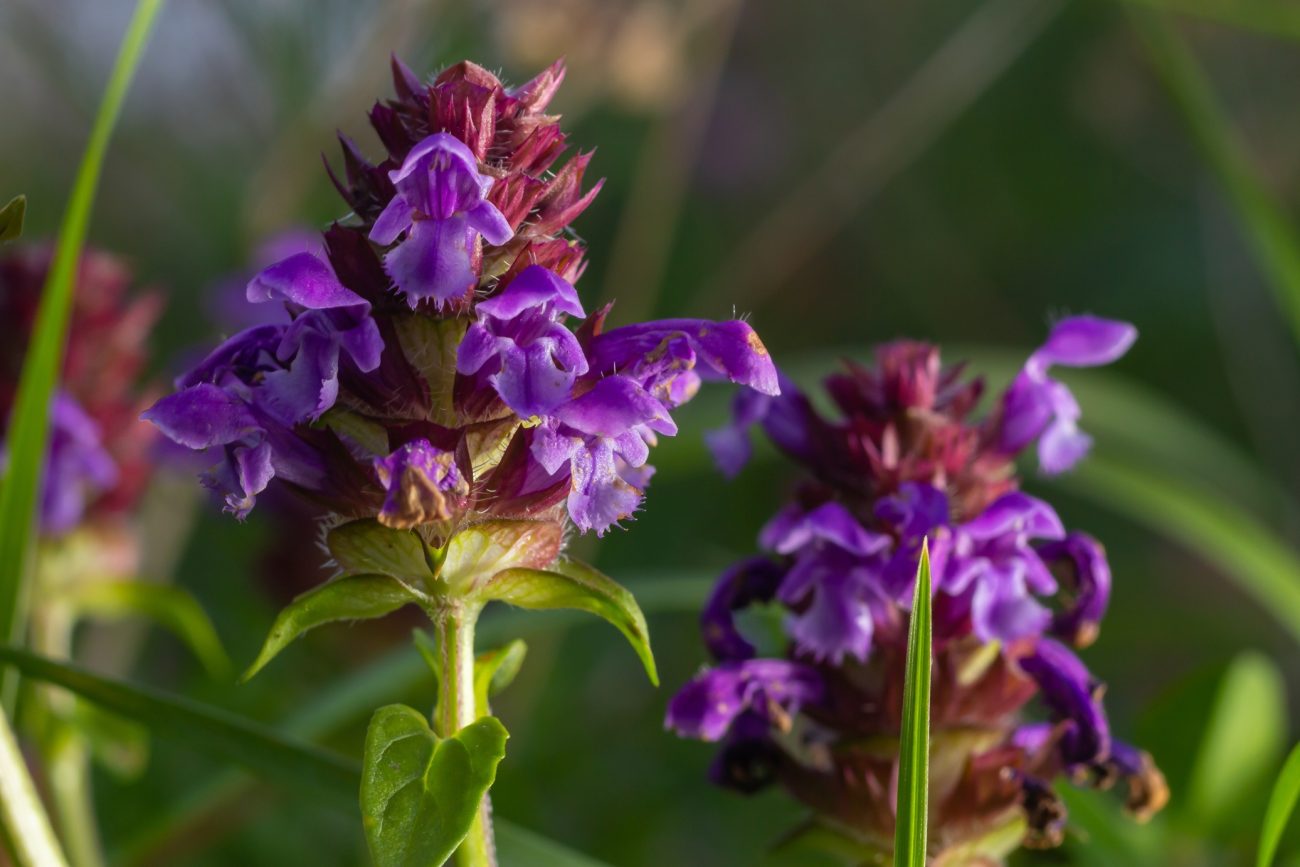
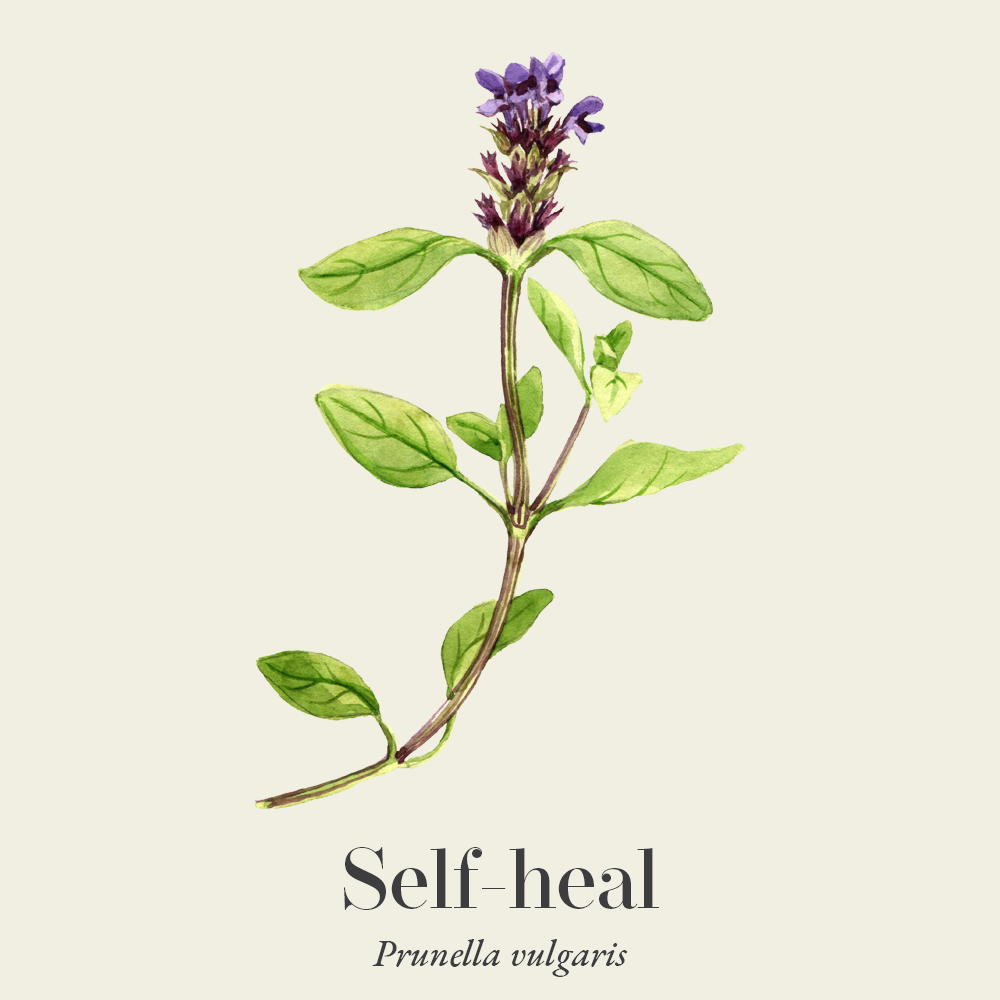
Prunella vulgaris L. is a low-growing perennial herb, typically forming creeping mats from slender, square stems that can reach 10–30 cm in height. The opposite leaves are ovate to lanceolate, finely serrated, and borne on short petioles, with a soft green coloration and faintly hairy surface.
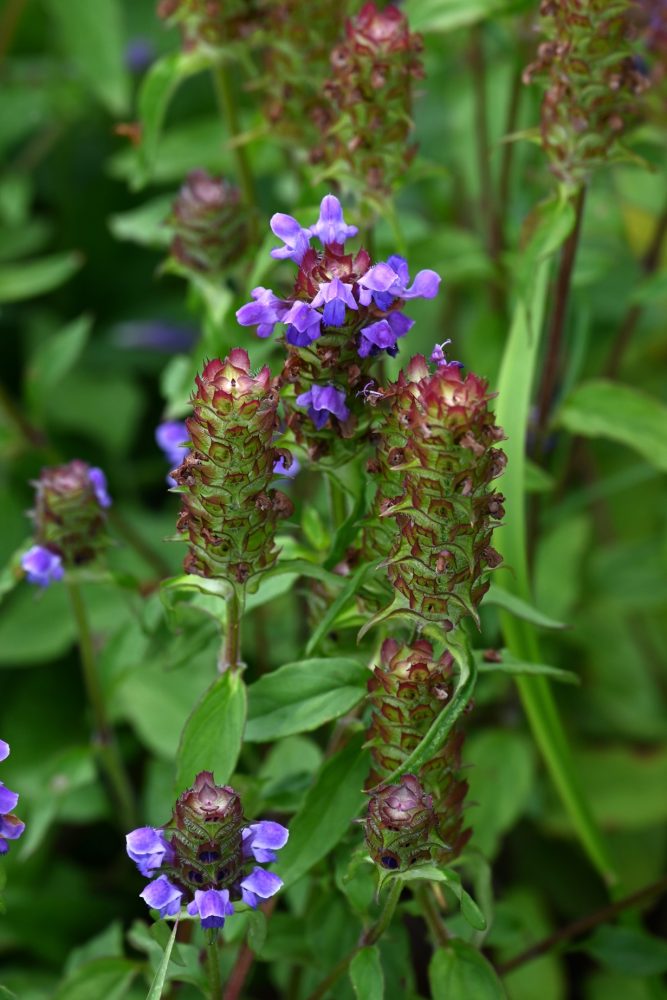
The flowering spikes (spica) are dense, cylindrical clusters of two-lipped, tubular purple to violet flowers subtended by rounded bracts. The plant flowers from late spring to early autumn. Its calyx and corolla structure, along with its square stems and opposite leaves, are characteristic of the mint family (Lamiaceae) (22).
-
Common names
- Prunella
- Heal-all
- Woundwort
- Heart-of-the-earth
- Carpenter’s herb
- Brownwort
- Blue curls
-
Safety
No safety considerations are known for this herb and safety of this herb has not been established for use during pregnancy or lactation (19,20,21).
-
Interactions
None known (19,20,21)
-
Contraindications
None known (19,20,21)
-
Preparations
- Infusion
- Tincture
- Infused oil
- Topical poultice or compress
-
Dosage
Within TCM, the daily dose is given as 9–15 g dried herb and is usually taken as a decoction (4).
Information regarding the exact dosage of the various preparations is limited and no information could be found regarding its dosage in tincture form (19,20,21).
-
Plant parts used
- Flowering herb
- Aerial parts
-
Constituents
- Triterpenoids: Nineteen different triterpenes have been identified in Prunella vulgaris. Ursolic acid, oleanolic acid being the most common ones.
- Flavonoids: Luteolin, quercetin, hyperoside, rutin
- Polysaccharides: PV-P1, PW-PS1, prunellin
- Phenolic acids: Rosmarinic acid, caffeic acid, chlorogenic acid
- Sterols: β-Sitosterol, stigmasterol, campesterol
- Volatile oils: α-Pinene, β-caryophyllene, limonene, 1.8 cineol
- Saponins: Prunelloside A & B and other glycosylated triterpenes
- Tannins: Hydrolysable and condensed tannins (4)
-
Habitat
Prunella vulgaris is native to Europe, Asia, and North Africa, and can be found naturalised across North America and other temperate regions worldwide. It thrives in open, moderately moist habitats such as meadows, grasslands, woodland edges, and roadsides, favouring well-drained soils with moderate fertility. The plant tolerates partial shade but grows most vigorously in full sun (22,23).
-
Sustainability

Not currently on risk lists but complete data may be missing on the status of the species. Read more in our sustainability guide. The IUCN has assessed the species status of Prunella vulgaris in 2015 and rated it as ‘least concern’ (24). Natureserve has classified self-heal as ‘secure’ with no major threats (25). Given the broad range of habitat and wide distribution of this herb, it seems to be under no threat of extinction.
Habitat loss and over-harvesting from the wild are two of the biggest threats faced by medicinal plant species. There are an increasing number of well-known herbal medicines at risk of extinction. We must, therefore, ensure that we source our medicines with sustainability in mind.
The herb supplement industry is growing at a rapid rate and until recent years a vast majority of medicinal plant produce in global trade was of unknown origin. There are some very real and urgent issues surrounding sustainability in the herb industry. These include environmental factors that affect the medicinal viability of herbs, the safety of the habitats that they are taken from, as well as the welfare of workers in the trade.
The botanical supply chain efforts for improved visibility (transparency and traceability) into verifiably sustainable production sites around the world is now certificated through the emergence of credible international voluntary sustainability standards (VSS).
Read our article on Herbal quality & safety: What to know before you buy and Sustainable sourcing of herbs to learn more about what to look for and questions to ask suppliers about sustainability.
-
Quality control
Herbal medicines are often very safe to take, however, it is important to buy herbal medicines from a reputed supplier. Sometimes herbs bought from disreputable sources are contaminated, adulterated or substituted with incorrect plant matter.
Some important markers for quality to look for would be to look for certified organic labelling, ensuring that the correct scientific/botanical name is used and that suppliers can provide information about the source of ingredients used in the product.
A supplier should be able to tell you where the herbs have come from. There is more space for contamination and adulteration when the supply chain is unknown.
-
How to grow
Prunella vulgaris is an easy to cultivate perennial that adapts well to a range of temperate conditions. It prefers full sun to partial shade and moist, well-drained soils rich in organic matter, though it will tolerate poorer ground.
The plant can be propagated by seed, division, or cuttings. Seeds should be sown in spring or autumn, either directly outdoors or in trays for later transplanting, and require light for germination — so only press them gently into the soil surface.
Once established, self-heal spreads readily by creeping rhizomes, forming low mats. It benefits from regular watering in dry periods but is otherwise low maintenance. Harvest flowering spikes once it has started flowering on dry, sunny days. Plants can be cut back after flowering to encourage regrowth and extended flowering through the season (25).
-
Recipe

Self-heal (Prunella vulgaris) Self-heal balm
Prunella vulgaris is commonly used for topical applications. To take advantage of its benefits, it is useful to consider that some of the more antiviral constituents, like the polysaccharides and rosmarinic acid, are water soluble, while the triterpenes and lipophilic compounds with anti-inflammatory effects are more oil soluble. Oil soluble constituents can be extracted by simply infusing the herb in oil. To make a self-heal balm, you can use the following basic recipe for a 60 ml jar.
Ingredients
- 50 ml self-heal infused oil
- 10 g beeswax
- 5–10 drops lavender essential oil
- 5–8 ml self-healtincture
How to make a self-heal balm
- In a heatproof glass measuring jug or double boiler, gently warm the selfheal infused oil and beeswax until fully melted.
- Stir well.
- Once the beeswax has fully melted into the oil, slowly pour in the self-heal tincture, while whisking rapidly. As the water-alcohol mixture doesn’t naturally blend with oil, stir rapidly until it emulsifies. A small hand whisk or milk frother can help. You may see slight separation over time, but the balm will still be effective.
- Take off the heat and stir in the drops of lavender essential oil for added antiviral and soothing effects.
- It is important to keep stirring as the balm cools, to keep the tincture part emulsified in the oil/beeswax. Keep stirring and watch for signs that the mixture is beginning to thicken. As it starts to gradually turn from a liquid consistency to a more creamy consistency, quickly pour into clean, dry glass jars. Allow to cool and harden completely before capping.
Always conduct patch tests on skin before using any balms or creams topically, to check for allergic reactions.
-
References
- Common Selfheal https://www.inaturalist.org/taxa/52764-Prunella-vulgaris, accessed 29/08/2025
- Bruton-Seal J., Seal M. (2008) Hedgerow Medicine — Harvest and Make Your Own Herbal Remedies.
- Holmes P. (1998) The Energetics of Western Herbs — Treatment Strategies Integrating Western and oriental Medicine Vol. 2 Revised Third Edition.
- Pan J, Wang H, Chen Y. (2022) Prunella vulgaris L. — A Review of its Ethnopharmacology, Phytochemistry, Quality Control and Pharmacological Effects. Front Pharmacol. https://doi.org/10.3389/fphar.2022.903171
- Zhang Y., But P. P., Ooi V. E., Xu H. X., Delaney G. D., Lee S. H., et al. (2007). Chemical Properties, Mode of Action, and In Vivo Anti-herpes Activities of a Lignin-Carbohydrate Complex from Prunella vulgaris. https://doi.org/10.1016/j.antiviral.2007.03.010
- Akko E. K.l, Renda G., İlhan M., Bektaş N. Y., (2022) Wound healing acceleration and anti-inflammatory potential of Prunella vulgaris L.: From conventional use to preclinical scientific verification. https://doi.org/10.1016/j.jep.2022.115411
- Fang, X., Chang, R.C., Yuen, W., & Zee, S.Y. (2005). Immune modulatory effects of Prunella vulgaris L. PMID: 16273294. https://pubmed.ncbi.nlm.nih.gov/15702244/
- Zhang, W., Fan, J., Tang, Y., Tan, C., Song, X., and Tan, Y. (2014). Studies on Characterization of Active Constituents in Prunella vulgaris L. And Mechanism of Their Antihypertensive Effect. https://doi.org/10.14233/ajchem.2014.16347
- Culpeper N. (1995) Culpeper’s Complete Herbal. Wordsworth Editions Ltd.
- Tian L, Wang Z, Wu H, Wang S, Wang Y, Wang Y, Xu J, Wang L, Qi F, Fang M, Yu D, Fang X. (2011) Evaluation of the anti-neuraminidase activity of the traditional Chinese medicines and determination of the anti-influenza A virus effects of the neuraminidase inhibitory TCMs in vitro and in vivo. https://doi.org/10.1016/j.jep.2011.06.002
- Fang X., Yu M. M., Yuen W. H., Zee S. Y., Chang R. C. (2005b). Immune Modulatory Effects of Prunella vulgaris L. On Monocytes/macrophages. https://doi.org/10.14233/ajchem.2014.16347
- Commission C. P. (2020). The 2020 Edition of Pharmacopoeia of the People’s Republic of China. Beijing, China: Chemical Industry Press.
- Tabba H. D., Chang R. S., Smith K. M. (1989). Isolation, Purification, and Partial Characterization of Prunellin, an Anti-HIV Component from Aqueous Extracts of Prunella vulgaris. https://doi.org/10.1016/0166-3542(89)90036-3
- Mahboubi M., Mahboubi A., Kazempour N. (2015). The Antimicrobial Activity of Prunella vulgaris Extracts. doi:https://doi.org/10.1515/hepo-2015-0008
- Li, Y., Luo, H., Lin, X., Hua, L., Wang, J., Xie, J., Zhang, Z., Shi, Z., Li, M., Peng, Q., Lin, L., Liao, D., & Xia, B. (2025). Triterpenes of Prunella vulgaris Inhibit Triple-Negative Breast Cancer by Regulating PTP1B/PI3K/AKT/mTOR and IL-24/CXCL12/CXCR4 Pathways. https://doi.org/10.3390/ijms26051959
- Guo Q, Qu H, Zhang H, Zhong X. (2021) Prunella vulgaris L. Attenuates Experimental Autoimmune Thyroiditis by Inhibiting HMGB1/TLR9 Signaling. https://doi.org/10.2147/dddt.s325814
- Oh C, Price J, Brindley MA, Widrlechner MP, Qu L, McCoy JA, Murphy P, Hauck C, Maury W. (2011) Inhibition of HIV-1 infection by aqueous extracts of Prunella vulgaris L. https://doi.org/10.1186/1743-422x-8-188
- Hurck S., 2024 Prunella vulgaris – Kleine Braunelle (Lamiaceae), Blume des Jahres 2023.
- Natural Medicines Database. Self-Heal. Therapeuticresearch.com. Published 2025. Accessed October 4, 2025. https://naturalmedicines.therapeuticresearch.com/Data/ProMonographs/Self-Heal
- Williamson EM, Driver S, Baxter K. Stockley’s Herbal Medicines Interactions : A Guide to the Interactions of Herbal Medicines. Pharmaceutical Press; 2013.
- Mcintyre A. Complete Herbal Tutor : The Definitive Guide to the Principles and Practices of Herbal Medicine (Second Edition). Aeon Books Limited; 2019.
- IUCN. The IUCN Red List of Threatened Species. IUCN Red List. Published 2025. https://www.iucnredlist.org/
- RHS. Prunella vulgaris | selfheal Herbaceous Perennial/RHS Gardening. www.rhs.org.uk. Published 2025. https://www.rhs.org.uk/plants/13944/prunella-vulgaris/details
- Royal Botanical Gardens Kew. Prunella vulgaris L. | Plants of the World Online | Kew Science. Plants of the World Online. Published 2018. Accessed October 31, 2025. https://powo.science.kew.org/taxon/urn:lsid:ipni.org:names:455176-1
- NatureServe Explorer. NatureServe Explorer 2.0. Natureserve.org. Published 2025. Accessed October 31, 2025. https://explorer.natureserve.org/Taxon/ELEMENT_GLOBAL.2.144842/Prunella_vulgaris
- BBC Gardener’s World Magazine. How to grow self-heal (Prunella vulgaris). BBC Gardeners World Magazine. Published 2021. https://www.gardenersworld.com/how-to/grow-plants/how-to-grow-self-heal-prunella-vulgaris/