


Last reviewed 07/09/2025
Sustainability status
Not currently on risk lists but complete data may be missing on the status of the species. Read more in our sustainability guide.

Contraindications
A contraindication refers to a situation in which a herb should be avoided as it may exacerbate a medical condition or pose undue risk. Contraindications may arise through pharmacodynamic mechanisms (e.g., liquorice in uncontrolled hypertension or uterine stimulants during pregnancy) or pharmacokinetic effects that alter metabolism, absorption or elimination (e.g., tannin-rich herbs in iron-deficient anaemia).
In some cases, herbal actions may aggravate underlying pathologies (e.g., the use of bitter herbs in GERD). Recognition of contraindications requires thorough assessment of patient history, co-morbidities and medications. Consultation with a qualified medical herbalist will provide guidance to ensure safe and appropriate prescribing.
Please read the Contraindications section in this monograph.

-
Herb overview
Safety
Avoid with anticoagulant medication and aspirin. Cation advised with anaemia, malnutrition and constipation.
Sustainability
Green / least concern
Key constituents
Tannins
FlavonoidsQuality
Throughout Europe and parts of W. and C. Asia
Wild harvested and cultivated
FairWildKey actions
Anti-inflammatory
Analgesic
AstringentKey indications
Dyspepsia
Acid reflux
Arthritis
Rheumatic conditionsKey energetics
Cooling
Astringent
DryingPreperation and dosage
Aerial parts
Tincture (1:5 | 45%): 6–12 ml daily
6–18 g of dried herb daily
-
How does it feel?
The flowers of meadowsweet have a characteristic honey almond smell which can often be recognised in the late summer when they are in bloom. This smell is also reminiscent of wintergreen and methyl salicylate. Upon tasting, there is a powerful astringent sensation, with an undertone of gentle sweetness and honey. The effect can be felt almost immediately as the herb travels downwards towards the stomach.

-
Into the heart of meadowsweet

Meadowsweet (Filipendula ulmaria) Meadowsweet is considered a cooling, drying and astringent remedy which helps to alleviate excess heat and soothe irritation so it can be applied to any condition involving excess heat including gastritis, gastric ulcers and acid dyspepsia. It has an affinity for the digestive tract where it helps to tonify the gastric mucosa, as well as act as an alterative to drain metabolic waste from the body. It is associated with Saturn, with a further affinity for the musculoskeletal system where it drains heat and dries dampness often associated with inflammatory rheumatic conditions (4).
Within traditional Chinese medicine (TCM), meadowsweet is understood to clear excess fire or heat particularly in the stomach and urinary system. It is considered cooling and tonifying and is used to clear Liver heat and stagnation (5).
The salicylates in meadowsweet inhibit cyclooxygenase enzymes (COX-1 and COX-2), which inhibit prostaglandin synthesis and reduce inflammation, pain and swelling. Meadowsweet is often thought of as a natural alternative to aspirin, particularly as it is the original source of salicylates used to synthesise aspirin. It can be applied to treat arthritic conditions characterised by hot, inflamed and painful joints (5). The tannins help to astringe the gastric mucosa, and can be applied to help reduce gut permeability and treat gastric ulcers (1).
-
What practitioners say
 Digestive system
Meadowsweet is used to treat conditions of the upper gastrointestinal tract. Its tannins appear to provide protection to the oesophageal and gastric mucosa while allowing the salicylates to modulate inflammation without causing the harm associated with aspirin derivatives. It is used principally for reflux other acid-associated problems of the gastroesophageal sphincter (such as hiatus hernia, and GERD/GORD), and more widely to a range of acid dyspepsia symptoms and gastritis as it helps to balance acid secretions through its antacid action.
Meadowsweet’ss tannin astringency prevents mucosal irritation and makes it a useful component in reducing diarrhoea that originates as a reflex from the stomach, such as in gastroenteritis and especially children’s diarrhoea (1,2).
It has a bitter tonic effect and, therefore, helps to facilitate effective digestion by gently stimulating bile and gastric secretions (2). The phenolic compounds have demonstrated antibacterial action against a range of bacteria and, thus, meadowsweet can be prescribed for gastric infections (8).
Urinary system
Meadowsweet is widely regarded as an effective diuretic, and helps to facilitate excretion of metabolic waste including uric acid, which is often elevated in cases of gout. This eliminatory action can also help to treat skin conditions that result from toxin accumulation. Its antimicrobial and anti-inflammatory actions help to treat bladder infections and kidney problems such as kidney stones or UTIs (1,2,3).
Musculoskeletal system
The salicylates and anti-inflammatory action indicate meadowsweet in the treatment of swollen and painful joints, such as in arthritis. This, coupled with the diuretic action makes meadowsweet a helpful addition in a prescription for gout. Nettle (Urtica dioicia) and willow bark (Salix alba) work well in combination for these conditions (1,2,3).
Skin health
The tannins help to staunch wounds and promote tissue healing (1). The antimicrobial actions resulting from the phenolic compounds indicate meadowsweet in the treatment of infected wounds or acne (9). Meadowsweet has also shown to be effective in treating cervical dysplasia when applied topically (1).
-
Meadowsweet research

Meadowsweet tincture (Filipendula ulmaria) There is very little human research on the effects of meadowsweet, as such, preclinical studies have been included below. While modern pharmaceuticals have historically relied on animal testing to ensure safety and efficacy — a requirement in the approval process of novel therapeutic agents for human use — Herbal Reality does not endorse nor support animal testing when determining the efficacy of time-tested natural herbal ingredients.
Our stance is aligned with ethical frameworks that strive to reduce, refine, and replace animal experiments, emphasising the importance of welfare and continual pursuit of innovative, non-animal-based testing methods.DNA-protective, antioxidant and anti-carcinogenic potential of meadowsweet (Filipendula ulmaria) dry tincture
This in vitro examined the flowering aerial parts of meadowsweet extracted in a tincture made with 100 g of dried herb in one litre of 96% ethanol. The active constituents were explored through biological assays, and the tincture was rich in phenolic compounds especially salicylic acid and flavonoids.
It also demonstrated strong in vitro antioxidant and DNA protective effects at low concentrations. It also showed antiproliferative activity against liver cancer cells. The study concluded that meadowsweet has potential in reducing oxidative stress related diseases, however, further research is needed to explore its clinical application (9).
Anti-inflammatory and analgesic effects of Filipendula ulmaria extract
This in vivo animal study investigated the chemical composition and anti-inflammatory and analgesic effects of the aerial parts of meadowsweet extract. A 80% methanolic extract was given to ascertain toxicity and efficacy level at an oral dose of 2000 mg/kg, 100 mg/kg and 200 mg/kg, respectively. There was also a diclofenac control group and a combination group.
The results showed that both the meadowsweet extracts reduced inflammation (paw oedema); however, were less potent than diclofenac. It also showed the 100 mg/kg increased hot plate reaction latency (suggesting an analgesic effect). The extract was non toxic at high doses. This concluded further research is required to explore the benefits of meadowsweet in humans (5).
Variation in phenolic compounds, antioxidant and antibacterial activities of extracts from different plant organs of meadowsweet (Filipendula ulmaria (L.) Maxim.)
This phytochemical and pharmacological laboratory study examined the phenolic compounds, antioxidant and antibacterial activities of different parts of the meadowsweet plant. A 60% aqueous ethanol solution extract was prepared from dried, ground plant parts.
Results showed a high phenolic content in the leaves, flowers and fruits with a lower amount in the stems. The flavonoids were richest in the flowers, then the leaves. It also found hydroxycinnamic acid, catechins, proanthocyanidins and tannins were present in the aerial parts. It concluded that the antibacterial properties predominantly derive from the flowers and fruits (8).
Inhibition of proinflammatory biomarkers in THP1 macrophages by polyphenols derived from chamomile, meadowsweet and willow bark
This in vitro study examined the anti-inflammatory effects of chamomile (Matricaria chamomilla), meadowsweet and willow bark (Salix albla) and their isolated phenolic compounds. Aqueous herbal extracts and isolated polyphenols were applied to cell cultures using THP1 macrophages at different concentrations ranging from 0–100 μM.
Results showed that at 10 μM, both apigenin and quercetin significantly reduced IL-6 production (p < 0.05). Apigenin (10 μM) and quercetin (25 μM) significantly reduced TNF-α production (p < 0.05). Willow bark was found to have the highest anti-inflammatory action, followed by meadowsweet then chamomile (10).
-
Historical use of Meadowsweet
Meadowsweet has a rich history of use within traditional folk medicine, and was one of the most highly prized plants by the Druids. They often used it in rituals and healing ceremonies, as it was believed to dispel negativity and offer protection (6).
Meadowsweet flowers have been discovered at Bronze Age burial sites, suggesting they were placed amongst the dead as an offering or for protection (7).
In Irish mythology, meadowsweet was placed in baths to offer relief from fevers (6). During celtic times, it was used to flavour mead and beer and was used to preserve food.
In medieval Europe, meadowsweet was used to treat digestive issues including diarrhoea and gastric infections as well as to provide relief from headaches. It was also applied in cases of rheumatism and gout (6).
-
Meadowsweet’s herbal actions
Herbal actions describe therapeutic changes that occur in the body in response to taking a herb. These actions are used to express how a herb physiologically influences cells, tissues, organs or systems. Clinical observations are traditionally what have defined these actions: an increase in urine output, diuretic; improved wound healing, vulnerary; or a reduction in fever, antipyretic. These descriptors too have become a means to group herbs by their effects on the body — herbs with a nervine action have become the nervines, herbs with a bitter action are the bitters. Recognising herbs as members of these groups provides a preliminary familiarity with their mechanisms from which to then develop an understanding of their affinities and nuance and discern their clinical significance.
-
Meadowsweet’s energetic qualities
Herbal energetics are the descriptions Herbalists have given to plants, mushrooms, lichens, foods, and some minerals based on the direct experience of how they taste, feel, and work in the body. All traditional health systems use these principles to explain how the environment we live in and absorb, impacts our health. Find out more about traditional energetic actions in our article “An introduction to herbal energetics“.
Western energetics
-
What can I use meadowsweet for?

Meadowsweet (Filipendula ulmaria) Meadowsweet is well regarded as a digestive remedy, with specific actions on the upper digestive tract. It is a powerful antacid and ani-inflammatory, helping to reduce hyperacidity and relieve indigestion, reflux and gastric ulcers. It can also be applied to treat functional dyspepsia and hiatus hernia, where there is excess stomach acid. It has astringent properties and so is also useful in cases of diarrhoea. Its gastroprotective qualities are seen through its ability to protect and heal the gastric mucosa (1,2). It can be combined with marshmallow root (Althaea officinalis) to soothe, protect and reduce inflammation in the gastrointestinal tract. Meadowsweet also combines well with chamomile (Matricaria chamomilla) to relieve flatulence, intestinal spasm or cramps (1,2,3).
Owing to its anti-inflammatory action specific to the gastrointestinal tract, meadowsweet can be used to relieve spasm, pain or inflammation in inflammatory bowel or stomach conditions (1,3).
Meadowsweet contains high amounts of salicylates and gaultherine, which are responsible for its anti-inflammatory and analgesic actions. It can be used to reduce pain, swelling and inflammation in rheumatic conditions, such as gout and arthritis. Its diuretic action also helps to eliminate toxins and uric acid that build up in arthritic conditions (1,2,3). The salicylates help to break down kidney stones and gravel, coupled with its antiseptic diuretic action makes it a useful remedy in treating cystitis and urethritis (1,2,3).
Meadowsweet can be used as a multisystem pain reliever, helping to relieve stomach cramps, headaches, joint pain or period pain (1,2,3).
-
Did you know?

Meadowsweet (Filipendula ulmaria) The brand name aspirin was derived from the former botanical name for meadowsweet, Spiraea ulmaria. In the late 19th century the German company Bayer was looking for a medicine that could replicate the traditional benefits in arthritis of willow bark (Salix alba), without the stomach-harming properties of the chemical initially derived from it, salicylic acid.
Walking by the river one day, one of their scientists reputedly squeezed the flowerbuds of meadowsweet, with a longstanding reputation for healing stomach problems, and noticed the strong aroma of methyl salicylate (familiar from wintergreen oil) prompting an inspiration.
Back in the laboratory, Bayer revisited the earlier work by the French scientist Charles Gerhardt who first generated acetylsalicyclic acid in the laboratory, and marketed it as having comparable properties to salicylic acid without as much harm to the stomach wall. They called their new medicine, now the most widely used in the world, after the Latin ‘a spiraea’ (from meadowsweet) (11).







-
Botanical description
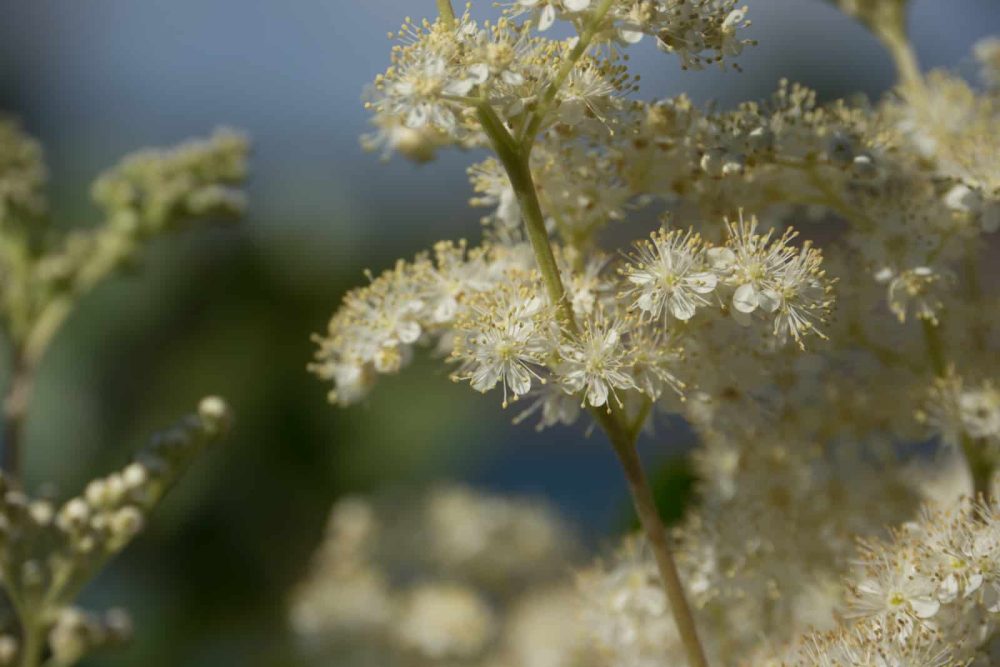
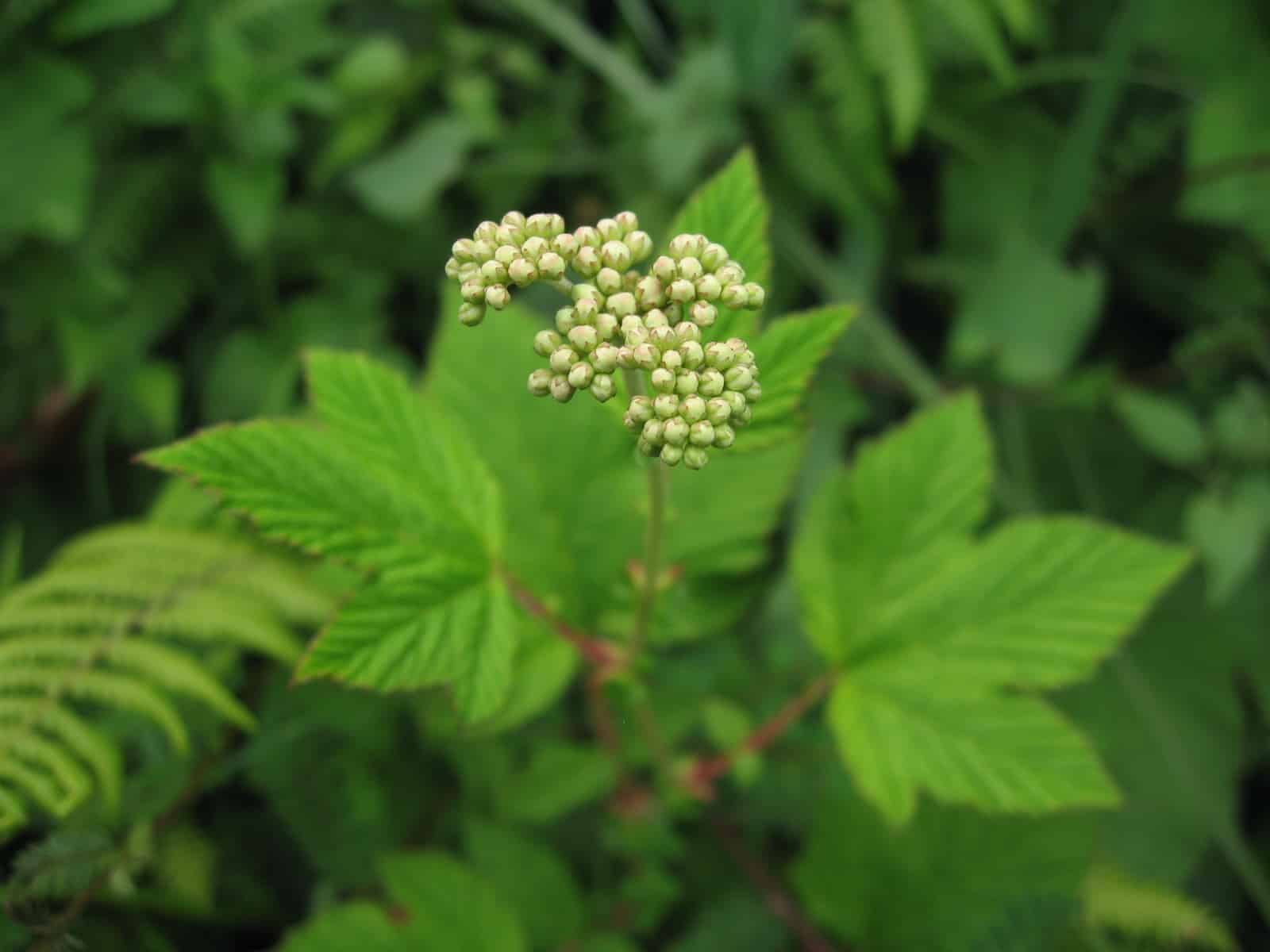
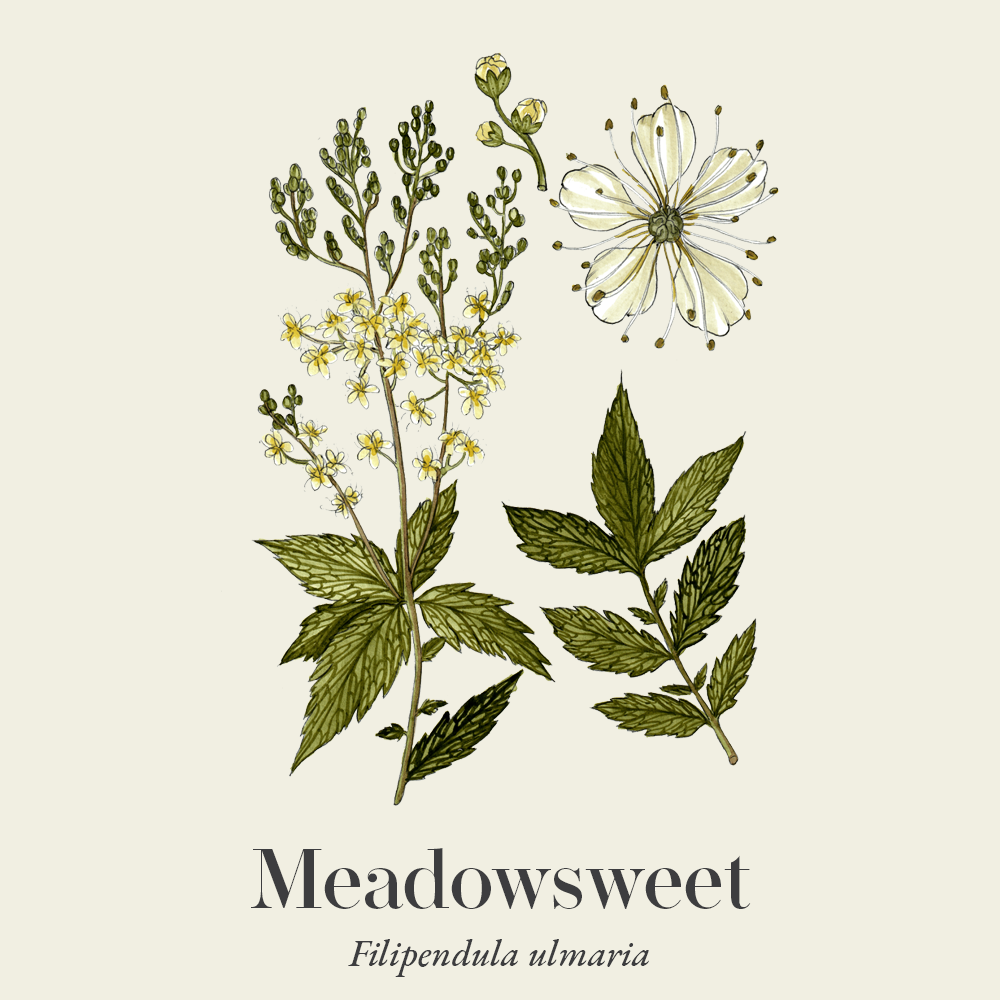
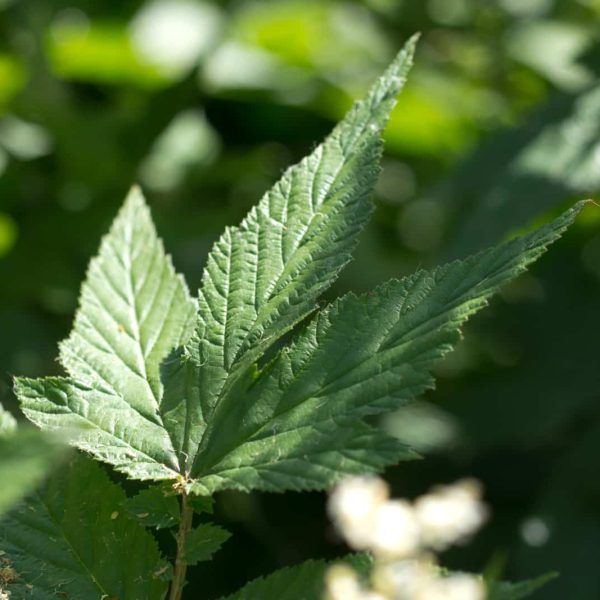
Meadowsweet is a perennial herb up to 120 cm tall, with long petioled leaves up to 65 cm long and composed of 2 to 5 pairs of 8 cm-long ovate leaflets with double-toothed margins and a tomentose underside. The small creamy white flowers are arranged in dense, multiple flowered, cymose panicles with many protruding stamens (20).
Alternate botanical names: Spiraea ulmaria
-
Common names
- Queen of the meadow
- Meadwort (Engl)
- Mädesüssblüten (Ger)
- Spierblumen (Ger)
- Fleur d’ulmaire (Fr)
- Reine des prés (Fr)
- Ulmaire (Fr)
- Ulmaria (Ital)
-
Habitat
Meadowsweet grows in moist or wet habitats including marshes, bogs, ditches, river banks or wet meadows. It is widespread throughout most of Europe and parts of western and central Asia (21).
-
How to grow meadowsweet
Meadowsweet thrives in damp, wet conditions in full sun to partial shade. It prefers moist soil but not waterlogged. It is a hardy perennial that can tolerate cold temperate climates. To grow from seed, sow them indoors from March to May on moist, well-drained seed compost lightly and do not sow too deeply into the soil as they need light to germinate. Germination will take 3–4 weeks. Transplant seedlings into pots then plant out after the risk of frost has passed. Plants can also be sown in autumn between September to October. Keep the soil moist and mulch where possible (24).
-
Herbal preparation of meadowsweet
- Tincture
- Powder
- Dried herb
-
Plant parts used
Aerial parts
-
Dosage
- Tincture (ratio 1:5 | 45%): 2–4 ml three times daily
- Fluid extract (1:1 | 25%): 2–6 ml three times daily
- Infusion/decoction: 2–6 g of dried herb three times daily (16)
-
Constituents
- Flavonoids: Between 3–5% consisting of quercetin, avicularin, hyperoside, rutin, kaempferol, spireoside
- Phenolic glycosides: Gaultherin, spiraein, isolacilin, salicylate derived constituents, salicyl alcohol glycoside with the highest quantity in the flowers
- Volatile oil: Up to 0.2% of salicylaldehyde (75%) and methyl salicylate
- Polyphenols/ tannins: Ellagitannins (10–15%), rugosin-D
- Phenolic acids: Gallic, p-coumaric, vanillic acids
- Vitamin C (16,17)
There is evidence of postbiotic transformation of meadowsweet metabolites by the microbiome. Protective urolithins have been generated from meadowsweet ellagitannins in human faecal cultures (4), and in the case of cultures of pig microbiota polyphenol metabolites were detected demonstrating anti-inflammatory and diuretic activity (17,18).
-
Meadowsweet recipe
Meadoswweet cordial
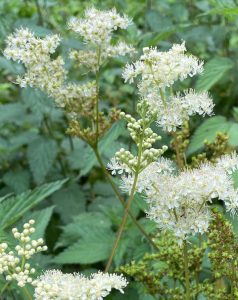
This meadowsweet cordial is a simple and flavoursome recipe which can be made using the fresh flowers at the end of the summer.
Ingredients
- 100 g fresh meadowsweet blossoms (roughly 30–40 flower heads) stripped from the stems
- 2 organic oranges, thinly sliced
- 2 litres filtered water
- 750 g organic raw cane sugar
How to make meadowsweet cordial
- Bring two litres of water to the boil in a large saucepan.
- Add the sugar and stir until it’s completely dissolved.
- Turn off the heat and add the meadowsweet and sliced oranges and stir gently.
- Cover the saucepan and allow the cordial to steep overnight in a cool dark place.
- Strain the mixture through a fine sieve or muslin cloth.
- Bottle the cordial into sterilised bottles and seal.

-
Safety
Caution is advised in cases of salicylate sensitivity and in patients taking warfarin or other anticoagulants (1,2,3).
It should be avoided in pregnancy and lactation (1).
A herbal syrup including salicylate-rich ingredients willow and meadowsweet was withdrawn from the Italian market after being associated with gastrointestinal bleeding in a child (12). Meadowsweet extracts have not shown genotoxic activity, and have even demonstrated antigenotoxic effects in vivo and in vitro (13,14).
-
Interactions
Caution is advised with patients taking aspirin or anticoagulant medication (1,2,15).
-
Contraindications
It should be avoided in constipation, iron deficiency anaemia and malnutrition, due to the high tannin content (1,2,3)
-
Sustainability status of meadowsweet

Meadowsweet is listed as stable and of ‘least concern’ on the IUCN redlist (22). It is considered abundant in Europe, and there are no major threats or concerns to its population (23).
Habitat loss and over-harvesting from the wild are two of the biggest threats faced by medicinal plant species. There are an increasing number of well-known herbal medicines at risk of extinction. We must, therefore, ensure that we source our medicines with sustainability in mind.
The herb supplement industry is growing at a rapid rate and until recent years a vast majority of medicinal plant produce in global trade was of unknown origin. There are some very real and urgent issues surrounding sustainability in the herb industry. These include environmental factors that affect the medicinal viability of herbs, the safety of the habitats that they are taken from, as well as the welfare of workers in the trade.
The botanical supply chain efforts for improved visibility (transparency and traceability) into verifiably sustainable production sites around the world is now certificated through the emergence of credible international voluntary sustainability standards (VSS).
Read our article on Herbal quality & safety: What to know before you buy and Sustainable sourcing of herbs to learn more about what to look for and questions to ask suppliers about sustainability.
-
Quality control
Herbal medicines are often very safe to take; however, their safety and efficacy can be jeopardised by quality issues. So, it is important to buy herbal medicines from a reputable supplier, from sources known to test their herbs to ensure there is no contamination, adulteration or substitution with incorrect plant matter, as well as ensuring that recognised marker compounds are at appropriate levels in the herbs.
Some important quality assurances to look for are certified organic labelling, the correct scientific/botanical name, and the availability of information from the supplier about ingredient origins. A supplier should be able to tell you where the herbs have come from, what contaminants are not in the herb, and what the primary compounds are.

-
References
- Bone K, Mills S. Principles and Practice of Phytotherapy: Modern Herbal Medicine. 2nd ed. Edinburgh Churchill Livingstone, Elsevier; 2013.
- Thomsen M. Phytotherapy Desk Reference. 6th ed. Aeon Books; 2022.
- Mcintyre A. Complete Herbal Tutor : The Definitive Guide to the Principles and Practices of Herbal Medicine (Second Edition). Aeon Books Limited; 2019.
- Popham S. Evolutionary Herbalism : Science, Medicine, and Spirituality from the Heart of Nature. North Atlantic Books; 2019.
- Marinov L, Momekov G, Voynikov Y, et al. Anti-inflammatory and analgesic effects of Filipendula ulmaria extract. Pharmacia. 2025;72:1-11. https://doi.org/10.3897/pharmacia.72.e141286
- Breverton T. Breverton’s Complete Herbal. Quercus; 2011.
- BBC. BBC News – 4,000-year-old flowers found at Bronze Age dig. Bbc.co.uk. Published 2025. Accessed September 6, 2025. http://news.bbc.co.uk/1/hi/scotland/tayside_and_central/8412938.stm
- Savina T, Lisun V, Feduraev P, Skrypnik L. Variation in Phenolic Compounds, Antioxidant and Antibacterial Activities of Extracts from Different Plant Organs of Meadowsweet (Filipendula ulmaria (L.) Maxim.). Molecules. 2023;28(8):3512. https://doi.org/10.3390/molecules28083512
- Andonova T, Muhovski Y, Apostolova E, et al. DNA-Protective, Antioxidant and Anti-Carcinogenic Potential of Meadowsweet (Filipendula ulmaria) Dry Tincture. Antioxidants. 2024;13(10):1200-1200. https://doi.org/10.3390/antiox13101200
- Drummond EM, Harbourne N, Marete E, et al. Inhibition of Proinflammatory Biomarkers in THP1 Macrophages by Polyphenols Derived From Chamomile, Meadowsweet and Willow bark. Phytotherapy Research. 2012;27(4):588-594. https://doi.org/10.1002/ptr.4753
- Connelly D. A history of aspirin. The Pharmaceutical Journal. Published September 26, 2014. https://pharmaceutical-journal.com/article/infographics/a-history-of-aspirin
- Moro P, Flacco V, Cassetti F, et al. ReseaRch and Methodologies Hypovolemic shock due to severe gastrointestinal bleeding in a child taking an herbal syrup. National Library of Medicine. 2011;47 (3)(278-83). https://doi.org/10.4415/ann_11_03_07
- Pukalskienė M, Slapšytė G, Dedonytė V, Rimantas Lazutka J, Mierauskienė J, Rimantas Venskutonis P. Genotoxicity and antioxidant activity of five Agrimonia and Filipendula species plant extracts evaluated by comet and micronucleus assays in human lymphocytes and Ames Salmonella/microsome test. Food and chemical toxicology. 2018;113:303-313. https://doi.org/10.1016/j.fct.2017.12.031
- Matić S, Katanić J, Stanić S, et al. In vitro and in vivo assessment of the genotoxicity and antigenotoxicity of the Filipendula hexapetala and Filipendula ulmaria methanol extracts. Journal of Ethnopharmacology. 2015;174:287-292. https://doi.org/10.1016/j.jep.2015.08.025
- Natural Medicines Database. Meadowsweet. Therapeuticresearch.com. Published 2025. Accessed September 7, 2025. https://naturalmedicines.therapeuticresearch.com/Data/ProMonographs/Meadowsweet
- Fisher C. Materia Medica of Western Herbs. Aeon Books; 2018.
- Bijttebier S, Van A, Voorspoels S, et al. A First Step in the Quest for the Active Constituents in Filipendula ulmaria (Meadowsweet): Comprehensive Phytochemical Identification by Liquid Chromatography Coupled to Quadrupole-Orbitrap Mass Spectrometry. Planta Medica. 2016;82(06):559-572. https://doi.org/10.1055/s-0042-101943
- Piwowarski JP, Granica S, Zwierzyńska M, et al. Role of human gut microbiota metabolism in the anti-inflammatory effect of traditionally used ellagitannin-rich plant materials. Journal of Ethnopharmacology. 2014;155(1):801-809. https://doi.org/10.1016/j.jep.2014.06.032
- Popowski D, Jürgen Zentek, Piwowarski JP, Granica S. Gut Microbiota of Pigs Metabolizes Extracts of Filipendula ulmaria and Orthosiphon aristatus–Herbal Remedies Used in Urinary Tract Disorders. Planta Medica. 2021;88(03/04):254-261. https://doi.org/10.1055/a-1647-2866
- RHS. Filipendula ulmaria | meadowsweet Bogs/RHS Gardening. www.rhs.org.uk. https://www.rhs.org.uk/plants/32871/filipendula-ulmaria/details
- Royal Botanical Gardens Kew. Filipendula ulmaria (L.) Maxim. | Plants of the World Online | Kew Science. Plants of the World Online. Published 2025. https://powo.science.kew.org/taxon/urn:lsid:ipni.org:names:724943-1
- Lansdown R. IUCN Red List of Threatened Species: Filipendula ulmaria. IUCN Red List of Threatened Species. Published March 5, 2013. https://www.iucnredlist.org/species/203433/42408831
- Stawarczyk K, Chrupek A, Sękara A, Gostkowski M, Karbarz M. Insight into the Way the Content of Biologically Active Compounds in Meadowsweet Inflorescences (Filipendula ulmaria (L.) Maxim.) Is Shaped by Phytosociological Habitats. Molecules. 2021;26(17):5172. https://doi.org/10.3390/molecules26175172
- RHS. Filipendula ulmaria | meadowsweet Bogs/RHS Gardening. www.rhs.org.uk. Published 2025. https://www.rhs.org.uk/plants/32871/filipendula-ulmaria/details