












Last reviewed 13/12/2024
Sustainability status
At risk from overharvesting and habitat loss. Read more in our sustainability guide.

Contraindications
A contraindication refers to a situation in which a herb should be avoided as it may exacerbate a medical condition or pose undue risk. Contraindications may arise through pharmacodynamic mechanisms (e.g., liquorice in uncontrolled hypertension or uterine stimulants during pregnancy) or pharmacokinetic effects that alter metabolism, absorption or elimination (e.g., tannin-rich herbs in iron-deficient anaemia).
In some cases, herbal actions may aggravate underlying pathologies (e.g., the use of bitter herbs in GERD). Recognition of contraindications requires thorough assessment of patient history, co-morbidities and medications. Consultation with a qualified medical herbalist will provide guidance to ensure safe and appropriate prescribing.
Please read the Contraindications section in this monograph.

-
Herb overview
Safety
Generally safe. However, multiple contraindications and drug interactions
Sustainability
Low risk/Green
FairWild certified sources availableKey constituents
Triterpenoid saponins — glycyrrhizin
FlavonoidsQuality
Native to Eurasia, northern Africa and western Asia
Widely cultivated
Susceptible to contamination by ochratoxinKey actions
Demulcent
Expectorant
Anti-inflammatory
LaxativeKey indications
Cough
Sore throat
Gastritis
PCOSKey energetics summary
Cool
Moist
SweetSee below for discipline-specific energeticsPreperation and dosage
Root
Dried: 1.5–5 g of liquorice root daily
Fluid extract (1:1 | 45%): 2–6 ml/day
-
How does it feel?
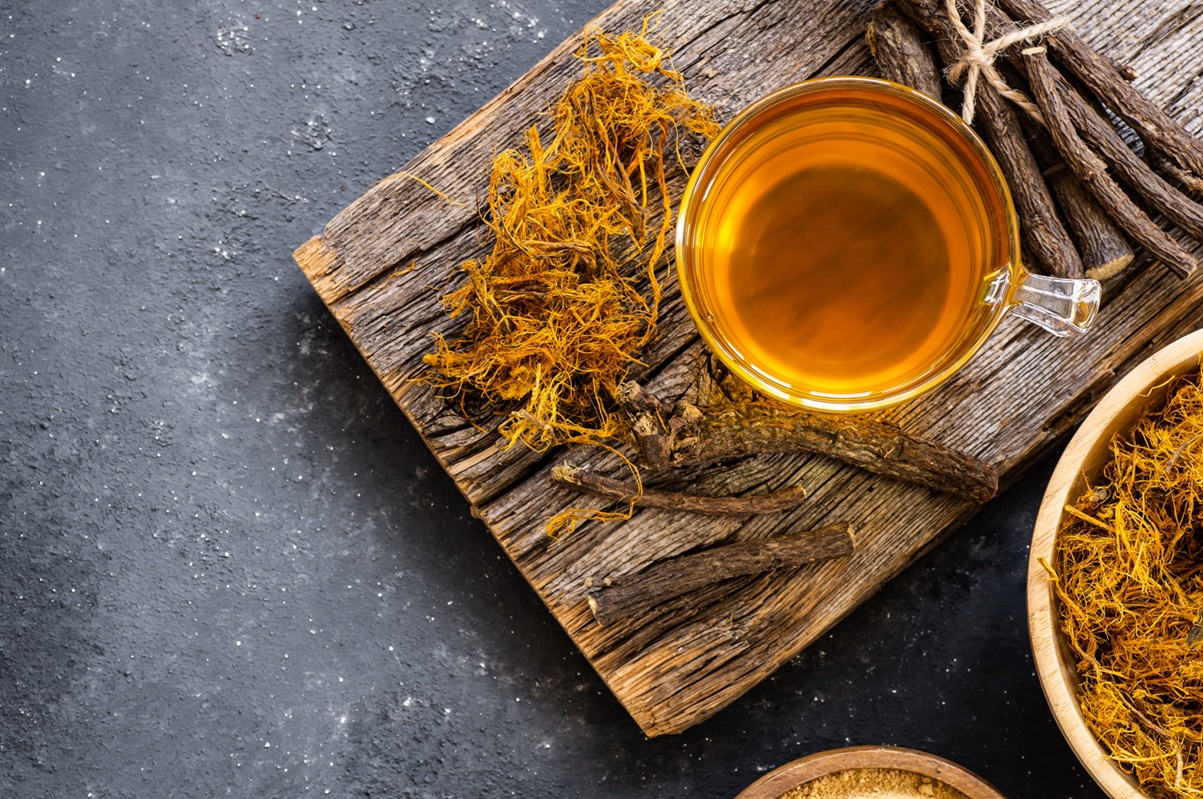
Liquorice comes in several forms. One of the easiest ways to try liquorice is by trying liquorice sticks often found in natural health shops. Chew one of these and the sweetness comes through straightaway, with slight hints of bitterness following behind. These nuanced tastes are more pronounced when trying a more concentrated extract, as it accentuates the sour and sialagogue (saliva promoting) effects.
The sweetness of liquorice that dominates its flavour is why it is the most widely used ingredient in herbal mixtures around the world. As well as making the tastes of other herbs more acceptable (especially for children), those who have experienced the addition of liquorice in a blend tend to agree that liquorice harmonises the combined effects of other ingredients in the blend.

The taste of liquorice
The below qualities are derived from organoleptic assessment.
-
Into the heart of liquorice

Liquorice (Glycyrrhiza glabra) Liquorice is emollient, demulcent and nutritive. It naturally produces mucilage which soothes inflamed mucous membranes throughout the body, with a particular affinity for the respiratory tract, digestive and urinary system. It encourages a healthy inflammatory response and, through coating hot and irritated membranes, allows time for damaged cells to regenerate and repair effectively (1).
It strengthens and supports the nervous system and adrenal glands through the production of constituents that mimic those found in the adrenal cortex. It will modify the body’s own stress response to prevent the onset of adrenal exhaustion and impart a tonifying effect through the body (2).
It is also an effective hepatoprotective, supporting the regeneration and repair of damaged liver cells, particularly in chronic conditions such as cirrhosis and hepatitis (1,2).
-
What practitioners say
 Endocrine system
Liquorice possesses many therapeutic properties that potentiate the action of cortisol and reduce testosterone synthesis. This action is especially relevant in women, as it exerts an oestrogen-like activity and helps to reduce body fat mass.
Triterpenes in liquorice are metabolised by the body into molecules which are structurally similar to that of adrenal cortex hormones. This may provide the basis for the herb’s anti-inflammatory action (7).
Liquorice contains a compound called glycyrrhizic acid, which is linked to its pseudo-aldosterone-like effects. New research suggests that the glycyrrhetenic acid (the hydrolytic metabolite of glycyrrhizic acid) is the primary active component that causes inhibition of peripheral metabolism of cortisol, which binds to mineralocorticoid receptors in the same way as aldosterone (8).
Research suggests two hypotheses for liquorice’s mechanism of action. Firstly, the binding of glycyrretinic acid to mineralocorticoid receptors, and secondly the inhibition of active cortisol activity. Liquorice’s effects in reducing the negative impacts of excess cortisol (a stress hormone) are directly related to increased plasma concentration of liquorice metabolites and their binding to mineralocorticoid receptors. This process is understood to reduce the binding of excess plasma cortisol levels to the receptors, thereby reducing their negative effects and increasing their elimination from the body (9,10,11).
It is also this cortisol mimicking effect that makes liquorice specific for adrenocorticoid insufficiency in conditions such as Addison’s disease (10).
Respiratory system
Liquorice appears to loosen mucus, so it can be used to treat dry coughs with scanty or stuck phlegm, sore throat, laryngitis and tonsillitis. It is specific for aggravated and dry coughing. It is also useful in infections with yellow/green sputum and at a higher dose it is a more stimulating expectorant to clear mucus (2,7).
Digestive system
Liquorice is specific for gastritis, ulcers and all intestinal inflammations and painful spasms . It is very useful in hyperacidity and is often used for arresting bleeding in the intestines and lungs. Its demulcent nature moistens and relaxes the bowel and is helpful in drying constipation. Taken at a low dose, it is antiemetic (if nausea is caused by heat) and in high doses it can be more stimulating (2,7).
There is a significant hepatoprotective action, reducing inflammation in hepatitis and chronic liver disease. Liquorice contains steroidal saponins which demonstrate adrenal and reproductive tonic actions, and there are records of its being used in Addison’s disease as an adrenal support. This activity may account for the use of liquorice in exhausted and hyperactive conditions such as ME and chronic fatigue syndrome (3,12).
Urinary system
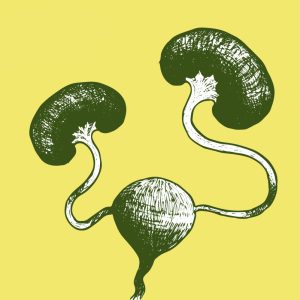
Liquorice soothes painful and burning symptoms of cystitis. This action is largely as a result of its ability to increase mucus production in the urinary tract lining which acts as a barrier against further exposure to eliminatory products of urine production (9).
Skin health
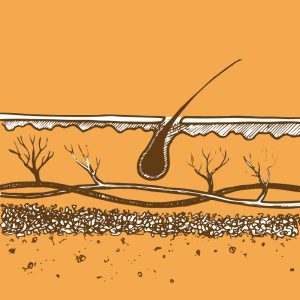
Liquorice is a useful soothing external application for the itchy dry skin. Its anti-inflammatory effects are commonly employed to treat red, hot and inflamed skin disorders. Topical use of liquorice can also be helpful for steroid withdrawal in individuals coming off of steroid creams prescribed for eczema (13).
-
Liquorice research

Liquorice root and powder (Glycyrrhiza glabra) Hepatoprotective effects of a proprietary glycyrrhizin product during alcohol consumption: A randomised, double-blind, placebo-controlled, crossover study
A randomised, double blind, placebo-controlled crossover trial was carried out to evaluate the hepatoprotective effects of glycyrrhizin during alcohol consumption. Twelve healthy individuals (six male and six female subjects) were included in the study where vodka was consumed nightly for 12 days along with a glycyrrhizin product or placebo. A number of different liver function enzymes were measured at days 1, 6 and 12 during the study.
These study results suggest that consumption of glycyrrhizin alongside alcohol consumption may support improved liver health compared with drinking alcohol alone based on altered levels of liver function enzymes in the glycyrrhizin group compared to the placebo group (11). Further clinical trials with a larger subject size are needed to fully understand the potential of liquorice and its compounds for use as a supportive agent for liver function (14).
Efficacy of licorice as adjunctive therapy in critically ill patients with COVID-19: A randomised, placebo-controlled, double-blind clinical trial
In a double-blind, randomised, placebo-controlled clinical trial involving 52 critically ill COVID-19 patients admitted to intensive care, a liquorice root extract tablet was given to patients to explore its effect on disease severity. The extract (D-reglis®, 760 mg daily) was given over a five day period. The primary outcome— length of ICU stay, was significantly reduced in the liquorice group compared with placebo (p = 0.015).
Secondary outcomes, including oxygen saturation, duration of mechanical ventilation, Sequential Organ Failure Assessment (SOFA) score, and mortality rate, did not differ significantly between groups. These findings suggest that liquorice root extract may offer a clinically relevant benefit in reducing ICU stay in severe COVID-19 when used adjunctively, although larger and longer-duration trials incorporating inflammatory and mechanistic biomarkers are needed to confirm and further elucidate its effects (15).
Effects of licorice extract in combination with a low-calorie diet on obesity indices, glycemic indices, and lipid profiles in overweight/obese women with polycystic ovary syndrome (PCOS): A randomised, double-blind, placebo-controlled trial
This randomised, double-blind, placebo-controlled trial evaluated the effect of a liquorice extract on overweight or obese women with polycystic ovary syndrome (PCOS). It was carried out amongst 66 individuals, who received either a liquorice extract at a dose of 1.5 g/day or placebo over the course of eight weeks. Participants received either the liquorice extract alongside a low-calorie diet or a placebo with the same dietary intervention.
Compared with placebo, liquorice supplementation resulted in significant improvements in obesity indices (body weight, BMI, and body fat), glycaemic measures (fasting blood glucose, insulin levels, HOMA-IR, and HOMA-B), and lipid profiles (triglycerides, total cholesterol, LDL-C, and HDL-C) (p < 0.05). These benefits remained significant after adjustment for potential confounders, including baseline values, age, weight change, and physical activity. The findings suggest that liquorice extract may enhance weight management, glucose homeostasis, and lipid metabolism in women with PCOS when used as an adjunct treatment alongside dietary adjustments (16).
Effective licorice gargle juice for aphthous ulcer pain relief: A randomised double-blind placebo-controlled trial
In this randomised, double-blind, placebo-controlled clinical trial involving 54 primary-care patients with aphthous ulcers, the effects of a liquorice gargle juice on pain reduction were evaluated over a short treatment period. Participants were allocated to receive either the liquorice gargle (n = 30) or placebo (n = 24) for 1–2 days. Pain severity was assessed using a 10-point visual analogue scale (VAS) before and after treatment.
Compared with placebo, the liquorice gargle group experienced a significant reduction in pain at both day one (mean VAS 2.47 vs. 4.75; p < 0.001) and day two (mean VAS 1.07 vs. 4.08; p < 0.001). These findings indicate that topical liquorice gargle juice can rapidly reduce pain and accelerate symptomatic improvement in aphthous ulcers, supporting its potential to improve patient comfort and quality of life with this condition (17).
Impact of licorice root on the burn healing process: A double-blinded randomised controlled clinical trial
In a double-blind, randomised clinical trial involving 50 patients with second-degree burns, the authors evaluated the effect of a topical hydroalcoholic licorice (Glycyrrhiza spp.) root extract on the burn healing process. Participants were assigned to receive either a liquorice-containing hydrogel or a control hydrogel without extract, with wound healing assessed on days 1, 3, 6, 10, and 15.
Compared with the control group, patients treated with the liquorice hydrogel experienced significantly reduced inflammation (days 3–10), redness (days 6–15), pain (day three), and burning sensation (days 3–15) (p < 0.05), alongside a significantly faster overall healing process. These findings support the traditional use of liquorice in inflammatory and wound-healing conditions and suggest that topical hydroalcoholic licorice extract may be an effective adjunctive treatment for accelerating recovery in second-degree burns (18).
-
Historical use of liquorice

Liquorice (Glycyrrhiza glabra) It is remarkable that many of the recorded uses of liquorice from different regions over the ages are consistent, and often supported by scientific research. Reference to treatment of conditions including laryngitis, pharyngitis, cough, peptic ulcer and hepatitis are common to European, Indian and Chinese traditions (3).
Liquorice sticks are very widely used around the world as toothbrushes, a reputation backed by modern evidence for a benefit against tooth decay and gum problems (4).
In European history, liquorice, often as extracts, is used to sweeten and harmonise the impact of herbal mixtures. On its own, it is used as a cough and throat remedy, for stomach problems, and consistently as a convalescent tonic (1).
Liquorice is potentially the most commonly used herb in traditional Chinese medicine (TCM), and is included in the majority of formulae. It is used to tonify the Spleen (roughly translated as the wider digestive and assimilative functions in the body), clears Heat and detoxifies Fire Poison (sore throat, boils), moistens the Lungs, stops coughing and soothes spasm. Many of the indications reported in early Chinese texts are common to European usage, such as cough, pharyngitis, gastric pain, ulcers in the gastrointestinal tract and sores. However, the Chinese also used liquorice as a detoxifying agent for poisoning by drugs or food, a use also mirrored in Ayurveda (5,6).
Other Ayurvedic uses of liquorice include viral respiratory infections, asthma, bronchitis, throat infection, eye irritation, ulcers (peptic, oral), acute and chronic liver disease, constipation, painful urination, catarrh of the genitourinary tract, wound infection, arthritis and as a rejuvenative tonic. Liquorice is most commonly used in TCM and Ayurveda to strengthen and harmonise herbal formulae (5,6).
-
Liquorice’s herbal actions
Herbal actions describe therapeutic changes that occur in the body in response to taking a herb. These actions are used to express how a herb physiologically influences cells, tissues, organs or systems. Clinical observations are traditionally what have defined these actions: an increase in urine output, diuretic; improved wound healing, vulnerary; or a reduction in fever, antipyretic. These descriptors too have become a means to group herbs by their effects on the body — herbs with a nervine action have become the nervines, herbs with a bitter action are the bitters. Recognising herbs as members of these groups provides a preliminary familiarity with their mechanisms from which to then develop an understanding of their affinities and nuance and discern their clinical significance.
Western actions
Ayurvedic actions
-
Liquorice’s energetic qualities
Herbal energetics are the description that herbalists have given to plants, mushrooms, lichens, foods and some minerals based on the direct experience of how they taste, feel and affect the body. All traditional health systems use these principles to explain how the environment impacts health, according to each of their philosophies and frameworks. These assessments of individual herbs, though they often do align, can differ from one another due to cultural differences regarding perspectives on how herbs taste versus their physiological effects. Find out more about traditional energetics in our article An introduction to herbal energetics.
Ayurvedic energetics
Ayurvedic energetics are assigned according to Bhavaprakash by Acharya Bhavamishra and Ayurvedic Medicine: The Principles of Traditional Practice by Sebastian Pole.
Western energetics
Western energetics here are informed by The Energetics of Western Herbs by Peter Holmes, as well as traditional materia medica from Culpeper and Dioscorides.
Chinese energetics
Chinese energetics align with Bensky’s Chinese Herbal Medicine: Materia Medica.
-
What can I use liquorice for?
Liquorice is often used in home remedies to make other herbs more palatable. Many herbal medicine traditions agree that it has a potent harmonising effect and it is possibly the most widely used ingredient of folk remedies in the world.
Liquorice is a popular adaptogen. Adaptogens are herbs that positively moderate the stress response and protect the body from the negative effects of high levels of stress hormones. When used in this way, liquorice can also help to improve immune function, making it an excellent herb for short term fatigue from stress or minor illness. More chronic stress related illness or burn out would be better treated under the care of a medical herbalist.
The most common uses of liquorice are for immediate relief of coughs, sore throats as well as for stomach issues and indigestion. Liquorice can also be used to treat burning sensations and dyspepsia by promoting the natural production of protective mucus in the digestive lining. This acts as a barrier to the acid in the stomach and oesophagus (1,2).
-
Did you know?
The liquorice constituent glycyrrhizin is 50 times sweeter than sucrose, hence why this plant has historically been made into confectionery forming a popular sweet treat for much of the world’s population(19). Consistent or excessive consumption of liquorice sweets has also been shown to raise blood pressure (20).




 Endocrine system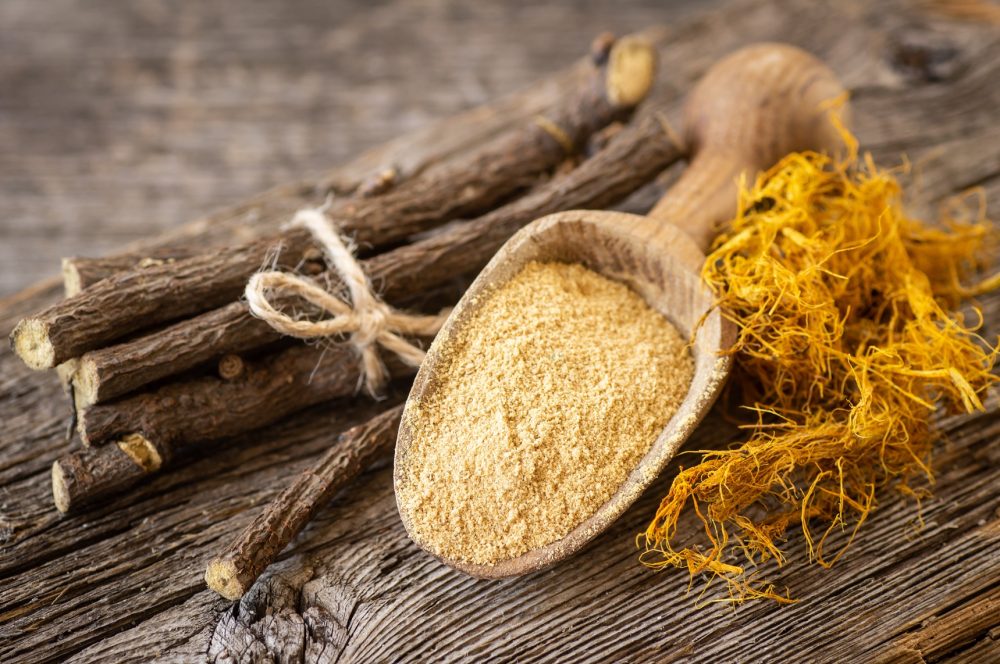

-
Botanical description
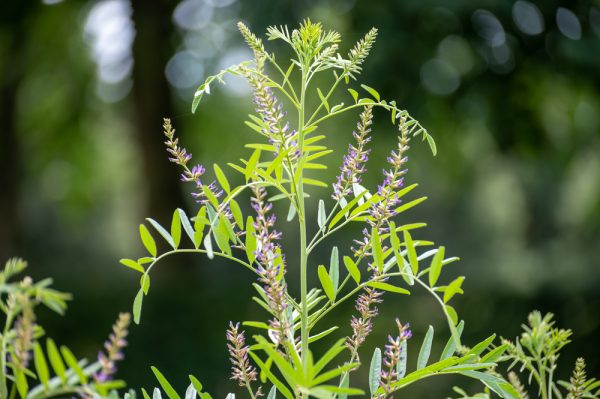
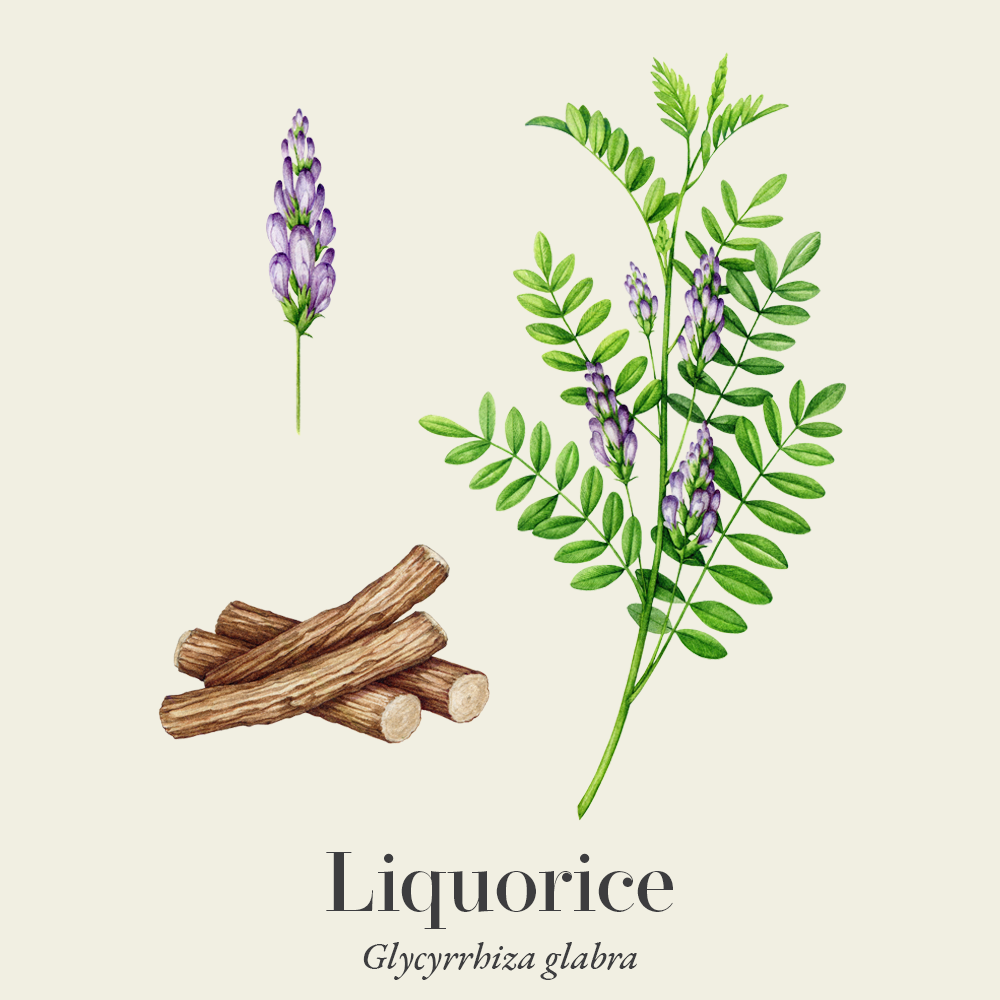
Liquorice belongs to the pea family, so will grow best in soils with a high nitrogen content.
It is a perennial herb with underground rhizomes, characteristic of the Fabaceae family.
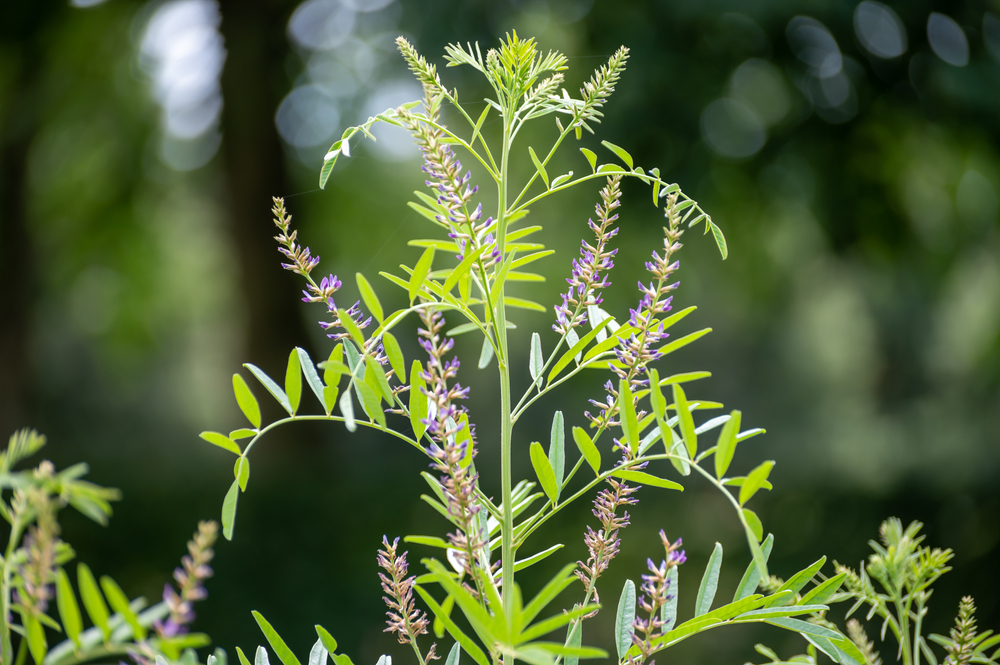
The stems are downy and upright, growing to about 1.5 m in height.
The stolons and long rootlets emerge from a thick rhizome of dark, reddish- or greyish-brown colour externally, while yellowish inside.
The leaves are a dark green and arranged in pairs (pinnate) along the stem.
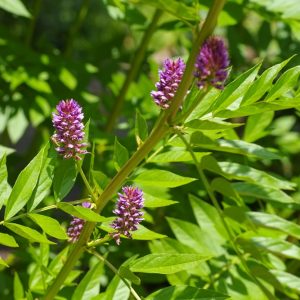
The flowers spring from the axils of the leaves and are a light blue or pale violet, very similar in appearance to those of the sweet pea (24).
-
Common names
- Sweet root
- Sweetwood
- Black sugar (Eng)
- Süssholzwurzel (Ger)
- Lakritzenwurzel (Ger)
- Réglisse (Fr)
- Bois doux (Fr)
- Liquirizia (Ital)
- Regolizia (Ital)
- Regalíz (Sp)
- Orozuz (Sp)
- Jethimadh (Hindi)
- Mulhathi (Hindi)
- Madhuuka (Sanskrit)
- Yastimadhu
-
Habitat
Liquorice is native to Eurasia, northern Africa and western Asia, but is now commonly cultivated due to its use in the production of liquorice-based sweets. Its natural habitat is dry, open scrubland and damp habitats close to water sources (25).
-
How to grow liquorice
Liquorice is generally easy to grow, even in places where the plant is not native. It requires full sunlight and loose, nutrient-rich, deep soil. The final location for liquorice should be sheltered from wind and in well draining substrate to prevent waterlogging. The soil depth is especially important for the large taproot to develop.
Liquorice seeds can be sown indoors early in the year- at the end of February or sown outdoors from the end of May. However, they are most successful when pre-planted at home. Seeds should be cold stratified in the refrigerator for between 2–4 weeks before steeping them in water for 24 hours to increase their germination rate.
After this, place the seeds in a container and cover them with a thin layer of soil. The seeds will be unable to utilize any extra nutrients provided to them by the compost. Place your container in a warm location — about 20°C,and keep the soil moist but not wet. After 15–30 days, the seeds will begin to germinate.
The liquorice root systems and rhizomes need plenty of space to grow so when planting out whether in pots or raised beds, it’s important to ensure there is space for very deep roots to form.
Liquorice will only require fertilising once a year, in spring using an organic, slow-acting fertiliser. Ensure there is sufficient phosphorus content. They are relatively drought proof however it is recommended to water them every couple of days during dry periods. They can also withstand very cold temperatures of –17°C although the plant will surely appreciate a thermal layer during colder winters (31).
-
Herbal preparation of liquorice
- Tincture
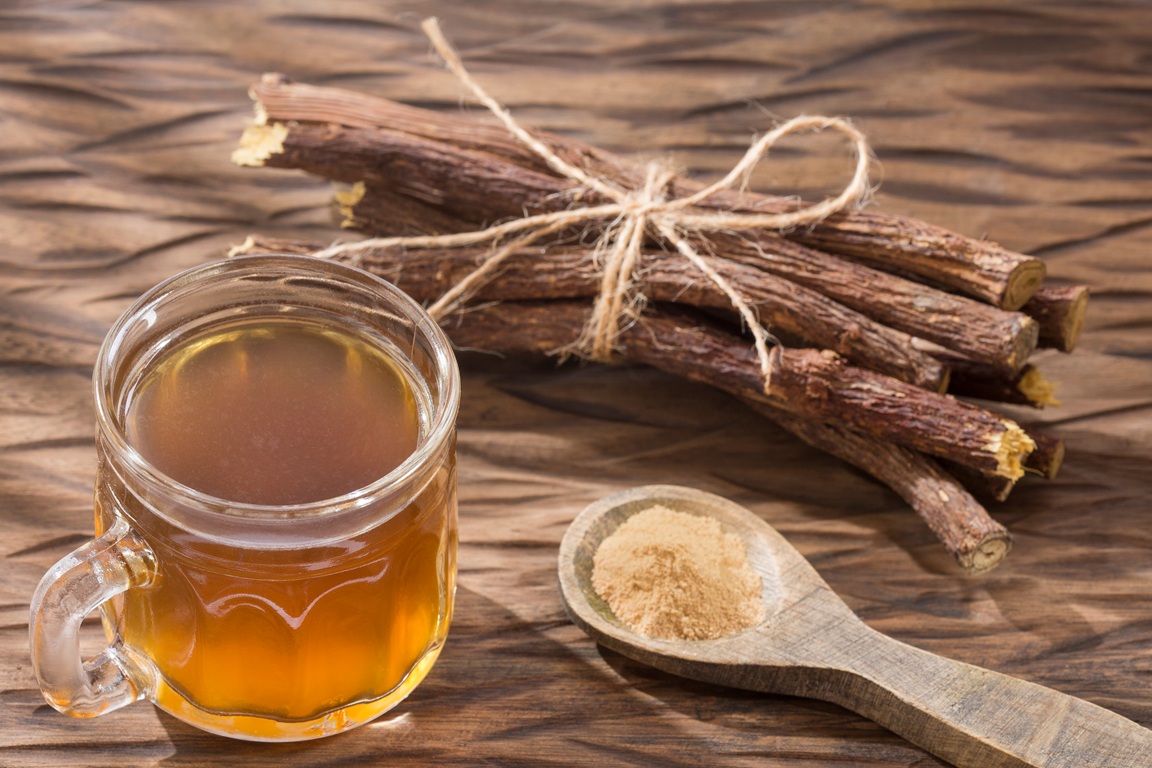
- Tea
- Powder
-
Plant parts used
Root
-
Dosage
- Tincture (1:5 | 45%): 1–5 ml three times daily (2,7,22)
- Fluid extract (1:1 | 45%): 2–6 ml per day
- Infusion/decoction: Place 3–12 g of dried licorice root in one cup of water, bring to the boil and simmer for 10–15 minutes. This should be drunk three times daily.
- Dried (capsule): 1.5–5 g of liquorice root daily (2,7,22)
- Deglycyrrhizinised extract: 1.2–4.8 ml per day
-
Constituents
- Triterpenoid saponins: Including 2–6% glycyrrhizin, present in the form of potassium and calcium salts. The aglycone derivative of glycyrrhizin (GL) is glycyrrhetinic acid (GA), and is also present as such in the root at between 0.5–0.9%.
- Flavonoids: Flavanones, mainly liquiritin, chalcones and isoflavonoids
- Sterols
- Bitters: Glycmarin (24)
-
Liquorice recipe
Liver support tea
The liver is responsible for metabolising wastes, this tea is to be used to combat feelings of sluggishness, poor digestion or when in need of some revitalisation.
Ingredients
- 4 g dandelion root
- 3 g schisandra berries
- 2 g dandelion leaf
- 2 g fennel seed
- 1 g turmeric root powder
- 1 g rosemary leaf
- 1 g liquorice root
This will serve 2–3 cups of liver-loving tea.
How to make a liquorice liver tea
- Put all of the ingredients in a pot. Add 500 ml/18 fl oz freshly boiled filtered water.
- Leave to steep for 10–15 minutes, then strain.
Recipe from Cleanse, Nurture, Restore by Sebastian Pole (21)
-
Safety
Liquorice is safe in amounts commonly found in food for the vast majority of people. However, regular high levels of liquorice consumption, especially in the form of liquorice candy, have been associated with raised blood pressure (20). The best calculation is that regular intake of 12 g per day over a long period could cause such a problem. Larger and prolonged doses may also cause an aldosterone like effect (1,3). Larger doses rich in glycyrrhizin may cause a depletion of potassium levels in the body, with lowered sodium excretion resulting in water retention, swelling and high blood pressure (2,22).
The total daily amount of glycyrrhizin should not exceed 10 mg per day. Deglycyrrhizinated liquorice can be taken up to 4.5 g daily for up to 16 weeks (23).
It should not be taken during pregnancy and breastfeeding (2,3,23).
Caution should be exercised when using with men with a history of impotence and infertility due to its testosterone lowering effects (2,23).
It should also be prescribed with caution amongst the elderly and patients with hepatic, renal or cardiac disease (2).
-
Interactions
Liquorice may interact with corticosteroids, certain types of (potassium-depleting) diuretics and laxatives. If these are being prescribed, it is recommended to keep any regular consumption at low levels and check with your prescriber.
Avoid with digoxin, beta blockers, potassium depleting diuretics, and warfarin. Use with caution alongside oral contraceptives as it may increase the risk of liquorice related side effects (2,7,22,23).
-
Contraindications
It is contraindicated with hypertension, fluid retention, inflammatory liver disorders, severe obesity, congestive heart failure and renal disorders (2,7,22,23).
-
Sustainability status of liquorice
According to the IUCN Red List of Threatened Plants Status licorice is classed as ‘least concern’ due to stable populations and large native distribution across Eurasia and western Asia (26,27).
Habitat loss and over-harvesting from the wild are two of the biggest threats faced by medicinal plant species. There are an increasing number of well-known herbal medicines at risk of extinction. We must, therefore, ensure that we source our medicines with sustainability in mind.
The herb supplement industry is growing at a rapid rate and until recent years a vast majority of medicinal plant produce in global trade was of unknown origin. There are some very real and urgent issues surrounding sustainability in the herb industry. These include environmental factors that affect the medicinal viability of herbs, the safety of the habitats that they are taken from, as well as the welfare of workers in the trade.
The botanical supply chain efforts for improved visibility (transparency and traceability) into verifiably sustainable production sites around the world is now certificated through the emergence of credible international voluntary sustainability standards (VSS).
Read our article on Herbal quality & safety: What to know before you buy and Sustainable sourcing of herbs to learn more about what to look for and questions to ask suppliers about sustainability.
-
Quality control
According to most pharmacopeial monographs, the chemical standardisation of liquorice is usually carried out by measuring a single compound, glycyrrhizic acid (GA). This compound gives liquorice its sweet taste (27). Most pharmacopoeial monographs do not distinguish between liquorice species with Glycyrrhiza glabra, Glycyrrhiza inflata and Glycyrrhiza uralensis all accepted within a single monograph.
The British Pharmacopeia (BP) follows this approach. It has several monographs covering the liquorice herb: one follows the European Pharmacopeia specifying a minimum GA content of 4%; the other, a monograph for a processed form of liquorice root used in TCM that sets a minimum content of 2% (the same as specified in the Chinese Pharmacopoeia). If the liquorice is used in a dried extract which is more concentrated form the BP monograph specifies a range of between 5–7% for GA (28). It is important when harvesting liquorice that the size of the roots are not too small; these generally have lower GA levels and are an indicator of poor sustainability practices.
Unlike some herbs, adulteration is uncommon with liquorice, in part due to its distinctive sweet taste that makes the identification of the herb easier (29). It is, however, susceptible to contamination, particularly from ochratoxin A (OTA) which is produced by fungi of the genera Aspergillus and Penicillium. The BP specifies a limit of 20 µg per kilogram for this contaminant. Temperature, water activity (aw), pH and substrate are among the main factors that affect the rate of OTA production (30). Following good agricultural practices (e.g. collection, drying and storage) can significantly reduce the likelihood for the formation of OTA. It is, therefore, important to ensure that you are buying from suppliers who understand their supply chain and manage these contamination risks.
Herbal medicines are often very safe to take; however, their safety and efficacy can be jeopardised by quality issues. So, it is important to buy herbal medicines from a reputable supplier, from sources known to test their herbs to ensure there is no contamination, adulteration or substitution with incorrect plant matter, as well as ensuring that recognised marker compounds are at appropriate levels in the herbs.
Some important quality assurances to look for are certified organic labelling, the correct scientific/botanical name, and the availability of information from the supplier about ingredient origins. A supplier should be able to tell you where the herbs have come from, what contaminants are not in the herb, and what the primary compounds are.

-
References
- Mcintyre A. Complete Herbal Tutor : The Definitive Guide to the Principles and Practices of Herbal Medicine (Second Edition). Aeon Books Limited; 2019.
- Thomsen M. Phytotherapy Desk Reference. 6th ed. Aeon Books; 2022.
- Wahab S, Annadurai S, Abullais SS, et al. Glycyrrhiza glabra (Licorice): A Comprehensive Review on Its Phytochemistry, Biological Activities, Clinical Evidence and Toxicology. Plants. 2021;10(12):2751. https://doi.org/10.3390/plants10122751
- Sidhu P, Shankargouda S, Rath A, Hesarghatta Ramamurthy P, Fernandes B, Kumar Singh A. Therapeutic benefits of liquorice in dentistry. Journal of Ayurveda and Integrative Medicine. 2018;11(1). https://doi.org/10.1016/j.jaim.2017.12.004
- Bensky D, Gamble A, Kaptchuk D. Chinese Herbal Medicine : Materia Medica. Eastland; 1993.
- Pole S. Ayurvedic Medicine : The Principles of Traditional Practice. Singing Dragon; 2013.
- Bone K, Mills S. Principles and Practice of Phytotherapy: Modern Herbal Medicine. 2nd ed. Edinburgh Churchill Livingstone, Elsevier; 2013.
- Armanini D, Fiore C, Mattarello MJ, Bielenberg J, Palermo M. History of the endocrine effects of licorice. Experimental and Clinical Endocrinology & Diabetes: Official Journal, German Society of Endocrinology [and] German Diabetes Association. 2002;110(6):257-261. https://doi.org/10.1055/s-2002-34587
- Kageyama Y, Suzuki H, Saruta T. Glycyrrhizin induces mineralocorticoid activity through alterations in cortisol metabolism in the human kidney. The Journal of Endocrinology. 1992;135(1):147-152. https://doi.org/10.1677/joe.0.1350147
- Bradley PR, British Herbal Medicine Association. Scientific Committee. British Herbal Compendium : A Handbook of Scientific Information on Widely Used Plant Drugs. British Herbal Medicine Association; 2010.
- Imamovic M, Nils Bäcklund, Lundstedt S, et al. Confounding effects of liquorice, hydrocortisone, and blood contamination on salivary cortisol but not cortisone. Endocrine connections. 2023;12(1). https://doi.org/10.1530/ec-22-0324
- Sabbadin C, Bordin L, Donà G, Manso J, Avruscio G, Armanini D. Licorice: From Pseudohyperaldosteronism to Therapeutic Uses. Frontiers in Endocrinology. 2019;10. https://doi.org/10.3389/fendo.2019.00484
- Zhang Y, Li S, Huang Y, Song C, Chen W, Yang Y. Therapeutic Effect of Liquiritin Carbomer Gel on Topical Glucocorticoid-Induced Skin Inflammation in Mice. Pharmaceutics. 2024;16(8):1001. https://doi.org/10.3390/pharmaceutics16081001
- Chigurupati H, Auddy B, Biyani M, Stohs SJ. Hepatoprotective Effects of a Proprietary Glycyrrhizin Product during Alcohol Consumption: A Randomized, Double-Blind, Placebo-Controlled, Crossover Study. Phytotherapy Research. 2016;30(12):1943-1953. https://doi.org/10.1002/ptr.5699
- Alikiaie B, Shalamzari SMH, Soltani R, Yegdaneh A, Mousavi S. Efficacy of Licorice as Adjunctive Therapy in Critically Ill Patients with COVID-19: A Randomized, Placebo-Controlled, Double-Blind Clinical Trial. Journal of Research in Pharmacy Practice. 2023;12(4):141-147. https://doi.org/10.4103/jrpp.jrpp_22_24
- Hooshmandi H, Ghadiri-Anari A, Ranjbar AM, Fallahzadeh H, Hosseinzadeh M, Nadjarzadeh A. Effects of licorice extract in combination with a low-calorie diet on obesity indices, glycemic indices, and lipid profiles in overweight/obese women with polycystic ovary syndrome (PCOS): a randomized, double-blind, placebo-controlled trial. Journal of Ovarian Research. 2024;17(1). https://doi.org/10.1186/s13048-024-01446-9
- Liu HL, Hsu PY, Chung YC, Lin CH, Lin KY. Effective licorice gargle juice for aphthous ulcer pain relief: A randomized double-blind placebo-controlled trial. Pakistan journal of pharmaceutical sciences. 2022;35(5):1321-1326. https://pubmed.ncbi.nlm.nih.gov/36451559/
- Zabihi M, Hatefi B, Ardakani ME, Ranjbar AM, Mohammadi F. Impact of licorice root on the burn healing process: A double-blinded randomized controlled clinical trial. Complementary Therapies in Medicine. 2023;73:102941. https://doi.org/10.1016/j.ctim.2023.102941
- Allcock E, Cowdery J. Hypertension induced by liquorice tea. BMJ Case Reports. 2015;2015. https://doi.org/10.1136/bcr-2015-209926
- Deutch MR, Grimm D, Wehland M, Infanger M, Krüger M. Bioactive Candy: Effects of Licorice on the Cardiovascular System. Foods. 2019;8(10):495. https://doi.org/10.3390/foods8100495
- Pole S. Cleanse Nurture Restore with Herbal Tea. Frances Lincoln Limited; 2016.
- Hoffmann D. Medical Herbalism : The Science and Practice of Herbal Medicine. Healing Arts Press; 2003.
- Natural Medicines. Licorice. naturalmedicines.therapeuticresearch.com. Published 2024. https://naturalmedicines.therapeuticresearch.com/databases/food
- Fisher C. Materia Medica of Western Herbs. Aeon Books; 2018.
- Royal Botanical Gardens Kew. Glycyrrhiza glabra L. | Plants of the World Online | Kew Science. Plants of the World Online. Published 2024. https://powo.science.kew.org/taxon/urn:lsid:ipni.org:names:496941-1/general-information
- Chadburn H, Plummer J. IUCN Red List of Threatened Species: Glycyrrhiza glabra. IUCN Red List of Threatened Species. Published November 19, 2020. https://www.iucnredlist.org/species/203353/88313725
- British Pharmacopoeia Commission. British Pharmacopoeia 2024. London TSO; 2024.
- Li G, Nikolic D, van Breemen RB. Identification and Chemical Standardization of Licorice Raw Materials and Dietary Supplements Using UHPLC-MS/MS. Journal of Agricultural and Food Chemistry. 2016;64(42):8062-8070. https://doi.org/10.1021/acs.jafc.6b02954
- Heinrich M, Barnes J, Prieto GarciaJM, Gibbons S, Williamson EM. Fundamentals of Pharmacognosy and Phytotherapy. Elsevier; 2004.
- Wang G, Li E, Gallo A, et al. Impact of environmental factors on ochratoxin A: From natural occurrence to control strategy. Environmental Pollution. 2023;317:120767. https://doi.org/10.1016/j.envpol.2022.120767
- Earthsong seeds. Licorice. Earthsong Seeds. Published November 21, 2024. Accessed December 13, 2024. https://earthsongseeds.co.uk/shop/herbs/licorice/
Meet our herbal experts
Our monographs are written by our monograph authors and edited, reviewed and updated by Herbal Reality.
Meet our Herbal Reality team or explore our Herbal Reality authors.