



Last reviewed 25/02/2026
Sustainability status
At risk from overharvesting and habitat loss. Read more in our sustainability guide.

Avoid in pregnancy and lactation
Herbs are generally best-avoided in pregnancy, unless working with them under the guidance of a medical herbalist. However, some herbs pose a risk to pregnancy as they are potentially: toxic to the mother, toxic to the neonate, teratogenic (risk developmental malformation), may increase miscarriage risk, or could cause foetal distress leading to miscarriage or premature birth. Herbs with teratogenic, emmenagogue, or stimulant laxative actions are all contraindicated in pregnancy. Furthermore, herbs containing volatile oils, thujone, apiol, phyto-oestrogens also should be avoided.
During lactation, there is the possibility for transfer of plant compounds through the breast milk, which can have an effect (detrimental or beneficial) on the infant.
Please read the Safety section in this monograph.

-
Herb overview
Safety
Not suitable in pregnancy or lactation. Caution is advised with long term use in individuals with anaemia.
Sustainability
Status:
Caution: At riskKey constituents
Tannins: Ellagitannins
Phenolic acidsQuality
Northern hemisphere
Wild harvested and cultivated
Adulteration with other Alchemilla species can occurKey actions
Astringent
Uterine tonic
Anti-inflammatory
Reproductive tonicKey indications
Dysmenorrhoea
Irregular menstruation
Diarrhoea
MenorrhagiaKey energetics
Cooling
Dry
Tonifying
AstringentPreperation and dosage
Aerial parts
2–4 g/per day
1:5: 6–12 ml per day
-
How does it feel?
Lady’s mantle has a strong astringent quality due to its tannin content. This drying sensation can be immediately perceived upon tasting. It also has bitter qualities which are indicative of salicylate compounds. The cooling sensation can be felt spreading downwards throughout the body following ingestion.

-
Into the heart of lady’s mantle

Lady’s mantle with flowers (Alchemilla vulgaris) Lady’s mantle is a herb with many associated energetic and emotional qualities. The primary energetic qualities of lady’s mantle are bitter, cooling, dry and astringent.
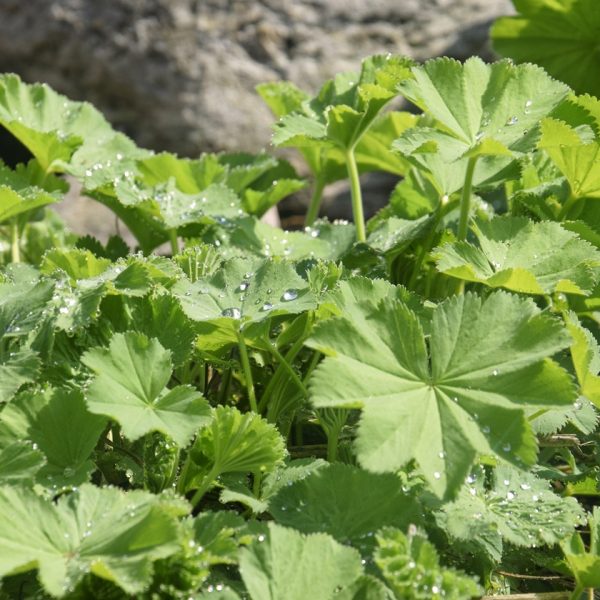
Lady’s mantle collects dew drops on its leaves in the morning sun. Matthew Wood draws an interesting connection between this botanical occurrence and its particular relationship with fluid management in the body. The presence of astringent tannins in lady’s mantle modify and control the outflow of fluids, whilst its salicylates have a thinning effect upon the blood, increasing systemic flowability and removal of fluids from the body. This explains the mechanism by which this herb can drive fluid from damp or weak tissues whilst strengthening and returning them to a healthy toned state (1).
This herb is a well known astringent and tissue tonic due to the presence of its tannins. It is best applied where there is a relaxed or ‘flaccid’ tissue state in the mucous membranes but also in the skin. Matthew Wood also suggests a particular constitution of “pale, anaemic, sensitive women with prominent blue veins and moist skin“ for which lady’s mantle is specifically indicated (1).
It is an excellent remedy where there has been traumatic injury in the female reproductive system or where traumatic sexual experiences may have left an energetic or physical imprint. It can be used for those recovering from miscarriage, sexual trauma, IUD extraction or insertion due to its tissue healing qualities (5).
Lady’s mantle moderates tension and permeability of the mucous membranes in the digestive and reproductive systems but also in the urinary system. It is also mildly diuretic (3). The mucous membrane healing and astringent actions make lady’s mantle an excellent herb for phlegmatic coughs, oedema and other fluid retention throughout the body (3).
On an energetic level, lady’s mantle may be used for those who feel stuck in the sometimes tiresome reality of modern life, for those who wish to seek deeper spiritual connectivity. Its alchemical associations are understood to offer a transformative effect that helps enable freedom from past emotional ties. The positive potential of lady’s mantle is clear vision, courage, endurance and positive change (1).
Its associations with the feminine mean that it is also connected to creativity and expression. It may be useful for those who are experiencing artistic blockages or for those who would benefit from being creatively energised. Elizabeth Brooke recommends burning lady’s mantle on a charcoal disc at night whilst visualising the creative practice you wish to deepen (5).
-
What practitioners say
 Reproductive system
Lady’s mantle is a primary herb used in the treatment of female reproductive conditions. Its astringent qualities have a tonic effect on the epithelium (mucous membrane linings of the internal organs). Herbalists have used this herb in the treatment of gynaecological disorders for centuries due to its restorative effect upon the womb and pelvic tissue (8,9).
Some of the most common indications for lady’s mantle include for the treatment of heavy and painful menstruation (5,9). It is sometimes referenced for use in irregular menstruation as an emmenagogue that can encourage balanced menstrual flow (9). Lady’s mantle, however, does not have a direct hormonal effect, and instead elicits its action through localised tonifying actions, however some herbalists believe that it influences the endocrine system through a feedback loop from its action upon the womb (8,9). Its physiological action in regulating and toning the uterine tissues locally also helps to moderate fluid output and improve the functional health of the reproductive tissues (8).
It supports women in all phases of their reproductive life from menarche to menopause, helping to establish healthy and regular periods. It normalises mood swings and mitigates premenstrual anxiety. It is also often included in the treatment of fertility issues that have no identifiable cause.
Lady’s mantle is sometimes combined with yarrow and herbs to address the lymphatic system such as calendula on the treatment of fibroids or endometriosis (9). It is also useful for postpartum where there is a risk of uterine prolapse. It offers a healing and tonic effect to the uterine tissues that also makes it a choice herb in the recovery of abortions and miscarriages. It may be useful for where poor epithelial health results in a susceptibility to vaginal dysbiosis or thrush. It may also be useful in the management of pelvic inflammatory disease (5).
Lady’s Mantle has a specific affinity for the breasts and is a valuable herb to help relieve swelling and pain that occurs before menstruation (10). A spray or compress can be applied to help restore the breast tone upon cessation of breastfeeding (9). It is soothing and healing as a sitz bath to treat all kinds of genital issues and to help heal perineal tears or episiotomy wounds after childbirth (10).
A lotion or cream may also be used for topical treatment of episiotomy wounds. Lady’s mantle strengthens and heals weakened epithelial tissue and skin around the genital area (5).
Digestive system
Lady’s mantle is often used for acute diarrhoea due to its astringent qualities. It may be used where there is flaccidity or hyper-permeability in the intestinal mucous membranes. This type of tissue state in the digestive system can cause gut problems, poor assimilation of nutrients and loose stools.
The tannins in lady’s mantle have an astringent and tonic effect on the lining of the digestive tract which offers many benefits to digestion. Lady’s mantle may also therefore be used for acute nausea and indigestion (2).
In the British Herbal Pharmacopeia lady’s mantle is referenced for use in dysentery and mild, acute, non specific diarrhoea. It may combine well with agrimony or tormentil for gastroenteritis (11).
Lady’s mantle tea makes an excellent mouthwash to help treat oral ulcers and sores. It can also be used as a gargle for laryngitis (7).
Skin and tissue repair
Lady’s mantle has wound and skin healing properties which have been evidenced through a small number of modern studies. It may be useful for the healing of rectal tears, episiotomies applied topically in the form of a lotion of cream (4).
The flavonoids in lady’s mantle are known to strengthen capillary permeability whilst also having a protective action on connective and elastic tissues. Its astringency makes it a useful agent to help in reducing the severity of haemorrhoids when used in the form of a suppository (10).
Lady’s mantle is an excellent vulnerary for healing minor open wounds. It helps bind the loose skin of a wound or for ulcers that have become fistulous. It helps to actively encourage wound healing, reduce infection and dry up discharge or infective fluids that may occur in some wounds and skin inflammations (2).
Some interesting research has demonstrated a number of mechanisms by which lady’s mantle assists in wound healing and tissue repair. It was shown to stimulate the regeneration of epithelial tissue in vitro (12). Another study demonstrated angio-protective effects which may be responsible for its ability to protect and restore connective tissues. Additionally, a number of its active compounds have been shown to inhibit proteolytic enzymes and protect elastin fibres in human tissue (13).
Cardiovascular system
Lady’s mantle has a profound effect on the vasculature through its tonic action and it has also been identified to contain high levels of vasoactive compounds (14). Although these uses may be less commonly referenced it is well respected by herbalists as a herb that can address conditions such as venous insufficiency which may be accompanied by heavy legs and haemorrhoidal symptomology. This may be addressed using both internal and topical preparations (11).
-
Lady’s mantle research

Lady’s mantle (Alchemilla vulgaris) There are currently limited clinical trials on lady’s mantle. A number of in insightful vivo/ in vitro studies that focus on extracts or isolated compounds that demonstrate a variety of its well documented effects are discussed below to demonstrate the mechanism of action for some of the medicinal actions discussed in this monograph.
Animal studies are not condoned by herbal reality, however for the purpose of including research from which some understanding of therapeutic actions can be confirmed, some animal studies have been referenced in the works included herein.
Treatment of Aphthous Stomatitis with topical Alchemilla vulgaris in glycerine
An open label study was carried out to determine efficacy of lady’s mantle in the treatment of aphthous ulcers. Fourty eight otherwise healthy male and female patients aged 4–44 years of age were recruited to trial a topical standard 3% extract of lady’s mantle glycerine extract (Aphtarine) on common minor oral ulcers. The preparation was applied three times daily.
The study revealed that the majority of patients experienced complete relief of discomfort and complete healing of the ulcers (60.4%) within 2 days and 75% within 3 days. This is a significant result compared with 10.4% and 33.3% who went without treatment and 15% and 40% for those who used common over the counter treatments.
This study confirms the highly effective healing properties and tolerability of a lady’s mantle glycerine extract (13).
Vasorelaxant and blood pressure lowering effects of alchemilla vulgaris: A comparative study of methanol and aqueous extracts.
An in vitro/ in vivo study was carried out on two preparations of lady’s mantle to investigate its potential microvascular and blood pressure lowering effects. Both aqueous and methanol extracts were added in 0.01–10 mg/ml concentrations in an accumulative manner.
Endothelial tissue of pre contracted arteries displayed vasorelaxant activities in both extract types. Opposing vascular effects were observed when extracts were applied in potassium pre-contracted arteries. Oral administration of the methanol extract of lady’s mantle produced significant hypotensive effects.
This study suggests that methanol extracts of lady’s mantle produce positive vascular effects in normal and experimental hypertensive conditions (14).
Another in vivo study was carried out which identified a potential mechanism of action for lady’s mantle in its cardiovascular effects.The study found that lady’s mantle extracts increase the concentrations of lipids and phospholipids in erythrocyte (red blood cell) membranes. A reduction in the number of abnormal erythrocytes, and improved deformability of red blood cells was also observed in rats with arterial hypertension (15).
Beyond traditional use of Alchemilla vulgaris: Genoprotective and antitumor activity in vitro
An in vitro study was performed to investigate the potential of lady’s mantle ethanolic extract in the prevention and suppression of tumour development. The study carried out an assay of compounds which identified 45 active compounds that have free radical scavenging properties. In vitro methodology effectively demonstrated antioxidant activities on chromosome aberrations in peripheral human lymphocytes. The extract also showed suppression of growth of human cell lines derived from different types of tumors through the blockade of cell division, caspase-dependent apoptosis, and autophagic cell death.
The study concludes that lady’s mantle extract has antioxidant, genoprotective, and cytotoxic, anti-tumour and cytoprotective activities against subcellular structure damage which may inhibit tumorigenesis as well as the ability to suppress tumour cell growth (16).
-
Historical use of Lady’s mantle

Lady’s mantle (Alchemilla vulgaris) Lady’s mantle was one of the popular woundworts of the middle ages. Wound worts were so named due to their ability to address and heal wounds. Lady’s mantle was formerly considered one of the best vulnerary remedies (1,6).
It also has a long tradition of use in female reproductive disorders, hence its name ‘lady’s’ mantle (1). It was traditionally used for poor tone over the organs in the pelvic region, this includes for prolapse of the uterus, hernia, uterine bleeding and to restore tone in the uterine tissues after childbirth. The leaves also were used directly on the breasts to relieve inflammation and pain from engorgement (1).
The uses of this herb in ancient times also included its use in rheumatic conditions to address the inflammation and dampness in the joints. It was used for purulent discharges and infected orifices such as for the ears, eyes and throat. A mild infusion could be used as an eye wash for conjunctivitis (1).
Culpepper writes “lady’s mantle is very proper for inflamed wounds and to stay bleeding, vomitings, fluxes of all sorts, bruises by falls and ruptures. It is one of the most singular wound herbs and therefore highly prized and praised, used in all wounds inward and outward, to drink a decoction thereof and wash the wounds therewith, or dip tents therein and put them into the wounds which wonderfully drieth up all humidity of the sores and abateth all inflammations thereof. It quickly healeth green wounds, not suffering any corruption to remain behind and cureth old sores, though fistulous and hollow” (7).
-
Lady’s mantle’s herbal actions
Herbal actions describe therapeutic changes that occur in the body in response to taking a herb. These actions are used to express how a herb physiologically influences cells, tissues, organs or systems. Clinical observations are traditionally what have defined these actions: an increase in urine output, diuretic; improved wound healing, vulnerary; or a reduction in fever, antipyretic. These descriptors too have become a means to group herbs by their effects on the body — herbs with a nervine action have become the nervines, herbs with a bitter action are the bitters. Recognising herbs as members of these groups provides a preliminary familiarity with their mechanisms from which to then develop an understanding of their affinities and nuance and discern their clinical significance.
-
Lady’s mantle’s energetic qualities
Herbal energetics are the descriptions Herbalists have given to plants, mushrooms, lichens, foods, and some minerals based on the direct experience of how they taste, feel, and work in the body. All traditional health systems use these principles to explain how the environment we live in and absorb, impacts our health. Find out more about traditional energetic actions in our article “An introduction to herbal energetics“.
Western energetics
-
What can I use lady’s mantle for?

Lady’s mantle (Alchemilla vulgaris) Lady’s mantle is a renowned traditional remedy that is often seen on the apothecary shelves of modern herbalists. It is notably astringent due to the presence of tannins. Tannins have a tonic action upon different types of tissues in the body. These tonifying actions make lady’s mantle a choice herb for weak or under functioning tissues in the reproductive and digestive systems (1).
Lady’s mantle has a particular affinity for women and the female reproductive system. It is used to address a wide range of gynaecological conditions and it is also a general female reproductive tonic.
One of its most popular applications is for the management of menstrual pain particularly where it is caused by congestion or weakness in the uterine tissue (1). It has a number of uses for female conditions relating to poor tone which include menorrhagia (heavy menstruation) and leucorrhoea. Its astringent properties help to restore tone in the reproductive tissues whilst also reducing excess secretions (1,2).
A mild infusion can be used as an eye wash to help reduce the inflammation caused by conjunctivitis. A stronger infusion may also be used as a gargle or mouth wash for sores, ulcers and laryngitis (1). Lady’s mantle has a long tradition of use as a mouthwash for healing inflammatory conditions in the mouth (3,4).
Its tonic effects also offer some relief to digestive issues that are caused by weakness of the digestive mucous membranes. It may be drunk as a tea to assist in digestive processes, specifically to aid the digestion of fats (1). It is also commonly referenced for mild, non specific diarrhoea (2,4).
-
Did you know?
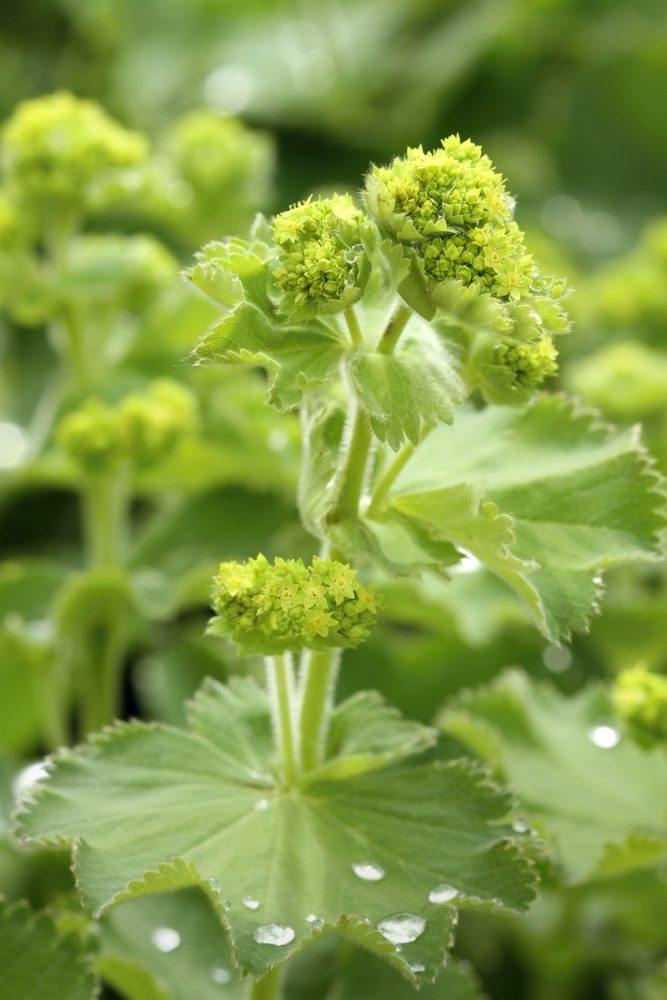
Lady’s mantle forms dew drops upon its leaves which can be seen glistening in the sun on a summer morning. These drops are in fact a vascular secretion of the plant due to a process called guttation. The drops gather and nestle in the cup formed by the soft leaves. These drops are thought to be magical elixirs with supportive effects for physical and spiritual health enhancing powers (3).
These drops are visually beautiful to find, giving the appearance of jewels or liquid mercury. These droplets of water were once considered by alchemists to be the purest form of water. It is said that this sacred water was used when attempting to turn base metal into gold – hence the name ‘alchemilla’ (6).
The name Alchemilla is thought to have come from the Arabic word ‘alkmelych’ which translates as ‘alchemy’ (6).







-
Botanical description
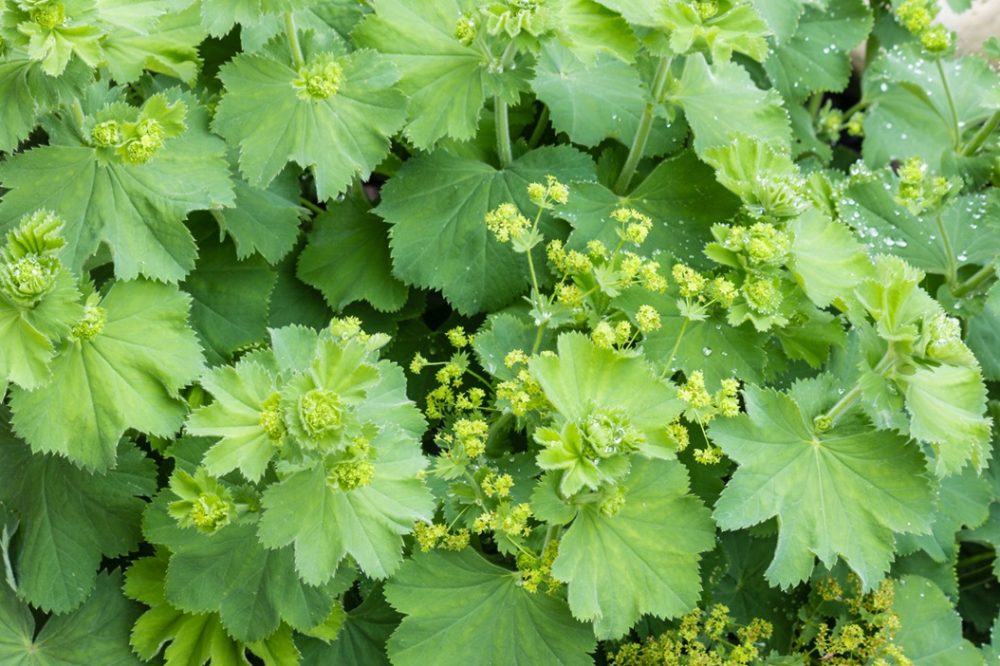
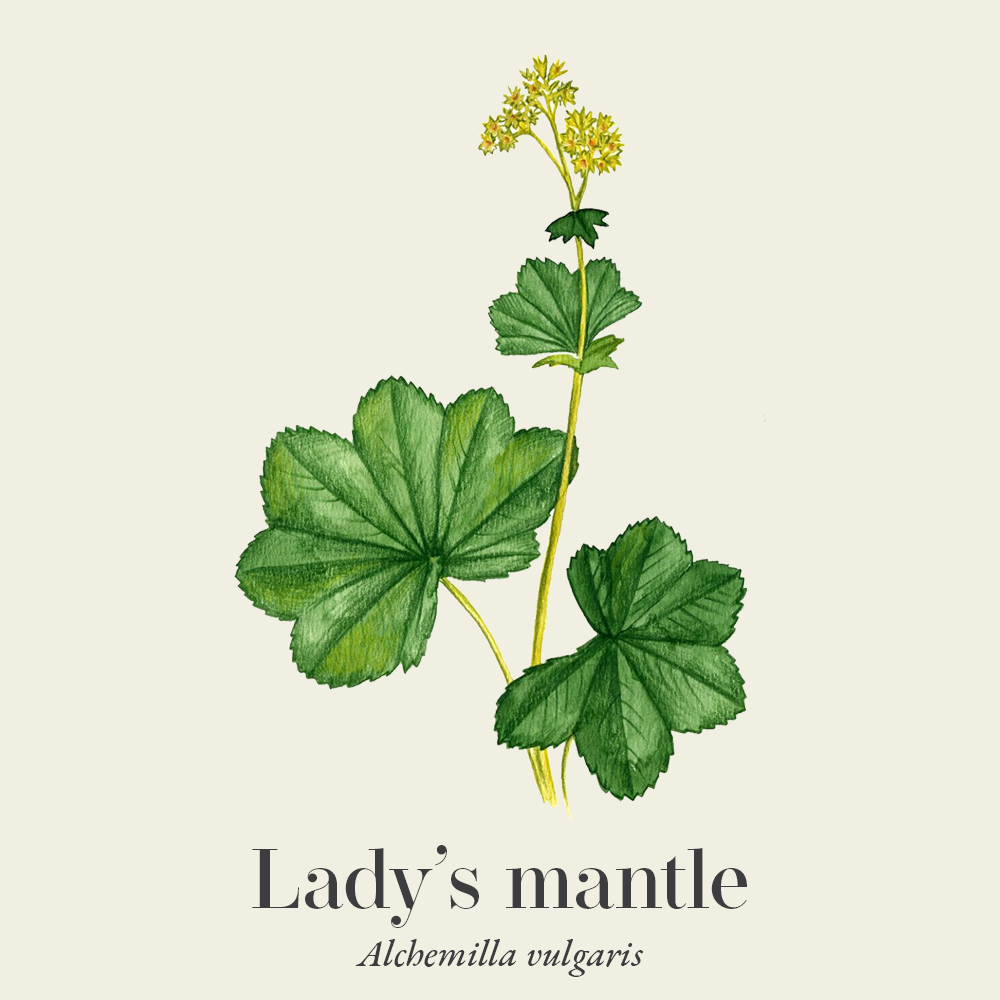
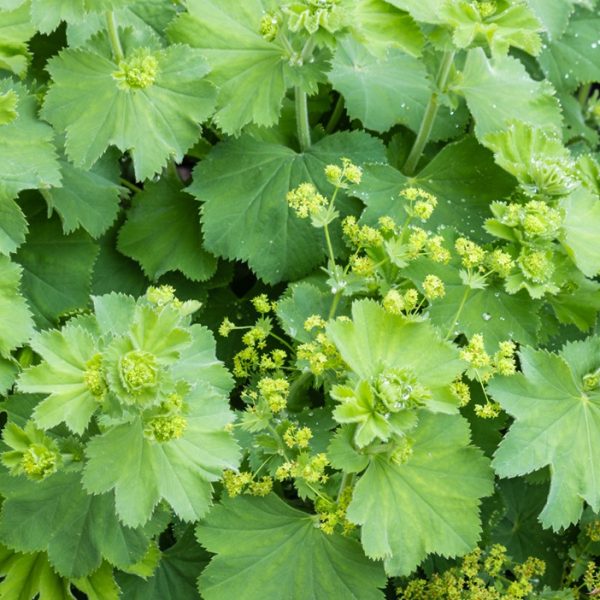
Lady’s mantle is a small creeping herbaceous plant. The leaves are soft and velvety and grow up to 6 inches across with serrated edges. Each leaf is palmately veined with 7–11 partially folded lobes, giving it a pleated or fan-like appearance.
The foliage is light green to olive green in colour. Plants spread very slowly by rhizomes, forming mounds 12–15” tall that can spread in excess of two feet (17).
The flowers bloom from June to August and grow in loose divided clusters at the end of the freely-branching flower-stems, each on a short stalk, or pedicle. They are yellow-green in colour, numerous and small, at around 1/8 inch in diameter.
The flowers have no petals, the calyx is four-cleft, with four conspicuous little bracteoles that have the appearance of outer and alternate segments of the calyx. The flowers contain four stamens, inserted on the mouth of the calyx, their filaments jointed (2).
-
Common names
- Alchemilla
- Lions foot
- Frauenmantel (German)
- Nine hooks
- Bear foot
-
Habitat
Lady’s mantle is native to the Northern Hemisphere. It is native to the UK, the Arctic circle in Europe, Asia and also in Greenland. If found in southern latitudes it is generally only on high mountain ranges, such as the Himalayas.
It is distributed over Britain although often in the colder districts and on high-lying ground up to an altitude of 3,600 feet in the Scottish Highlands. It is abundant in Yorkshire, especially in the Dales. It may also be found in moist, hilly pastures and by streams, except in the south-east of England (6,18).
-
How to grow lady’s mantle
Lady’s mantle is easy to grow. It thrives best in slightly acidic to neutral soil however it is adaptable to most soil types. The best planting position is in full sun to partial shade although it will tolerate near-complete shade. The plant prefers a little afternoon shade in more tropical climates.
- It can be grown by propagation of the root clump or from seed. Start seeds indoors. Germination usually takes place between three to four weeks.
- When the plants reach four inches high, they can be transplanted outdoors. Keep the transplants 12 inches apart; they will quickly fill in the empty spaces.
- Lady’s mantle is drought-tolerant once established. It does not like to be waterlogged so ensure that the soil or container is well draining. Regular watering is required in extreme heat to prevent the leaves from drying out.
- The plant will benefit from a mulch around the base of the plant but not too close to the stem. Lady’s mantle tends to grow low to the ground, so keep the mulch from covering the leaves and lower stems. Rake debris around the plants to prevent moisture from fostering fungal diseases and crown rot.
- To control the plant’s rampant self-seeding it is recommended to deadhead them regularly. Lady’s mantle has a habit of spreading vigorously. Removing the flower stalks before they go to seed helps to curve this problem. Reducing water can also help to slow the overall rate of blooming (19).
-
Herbal preparation of lady’s mantle
- Tea
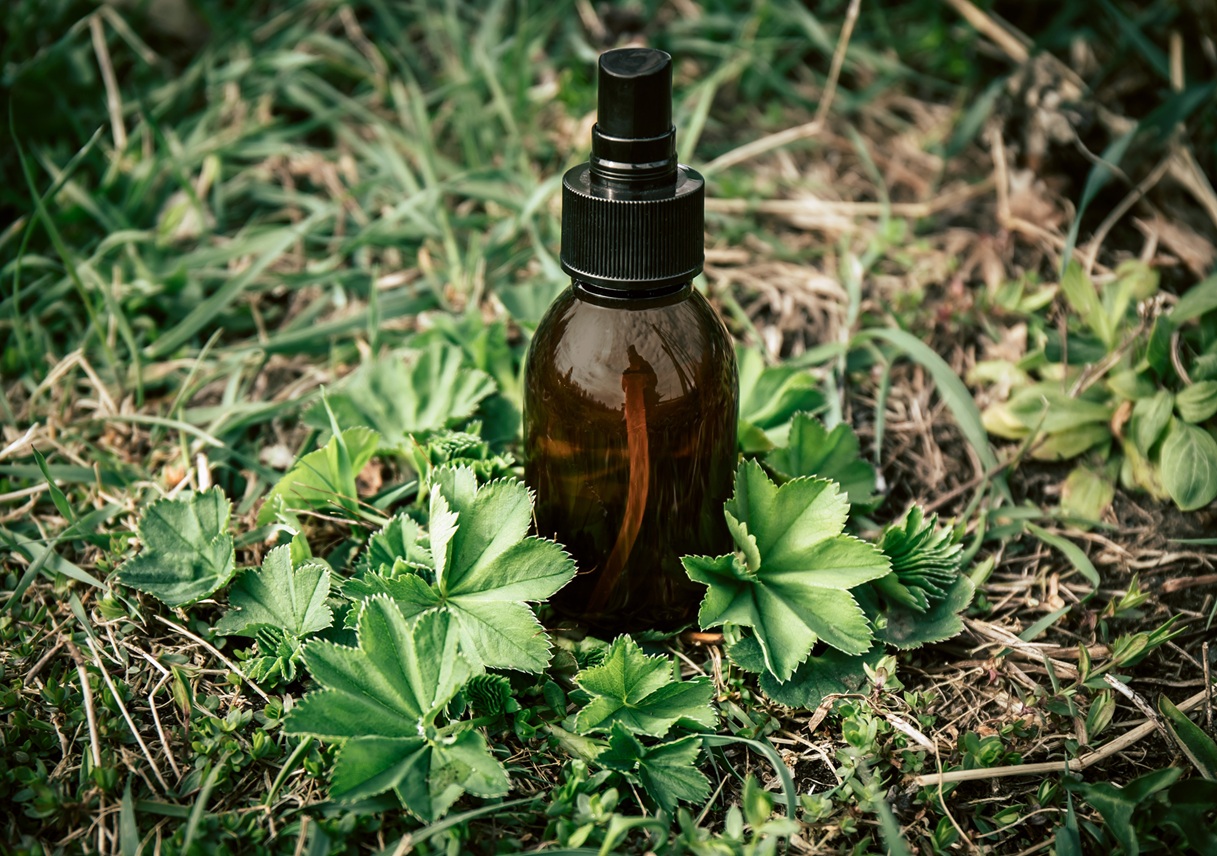
- Tincture
- Liquid extract
-
Plant parts used
Aerial parts
-
Dosage
- Tincture ( 1:5 in 25%) :Take between 2–4 ml in a little water up to three times a day (2,8).
- Fluid extract (1:1 | %): Take between 2–3 ml in a little water up to three times a day.
- Infusion/decoction: To make an infusion place 2–4 grams of dried material into one cup of boiling water and infuse for up to 15 minutes. This should be drunk hot three times a day (2,8).
-
Constituents
- Tannins (up to 15%): Ellagitannins (5 – 8%) including agrimoniin and laevigatin
- Phenolic acids: Caffeic acid, gentisic acid, syringic acid, p-coumaric acid
- Flavanol glycosides: Quercitin, rutin, kaempferol, luteolin
- Essential oil, phytosterols, aliphatic hydrocarbons
- Proanthcyanidins
- Trace amounts of salicylic acid (2,8)
-
Lady’s mantle recipe
Lady’s mantle feminine tonic tea
Lady’s mantle combines beautifully with raspberry leaf (Rubus idaeus) and rose (Rosa spp). With the addition of peppermint (Mentha piperita) for freshness and the nourishing and blood tonifying qualities of nettle (Urtica diocia). This tea blend offers a delicious brew for morning or night with deeply restorative properties.
Ingredients
- 20 g raspberry leaf
- 20 g lady’s mantle leaf
- 10 g nettle leaf
- 5 g peppermint leaf
- 5 g rose petals
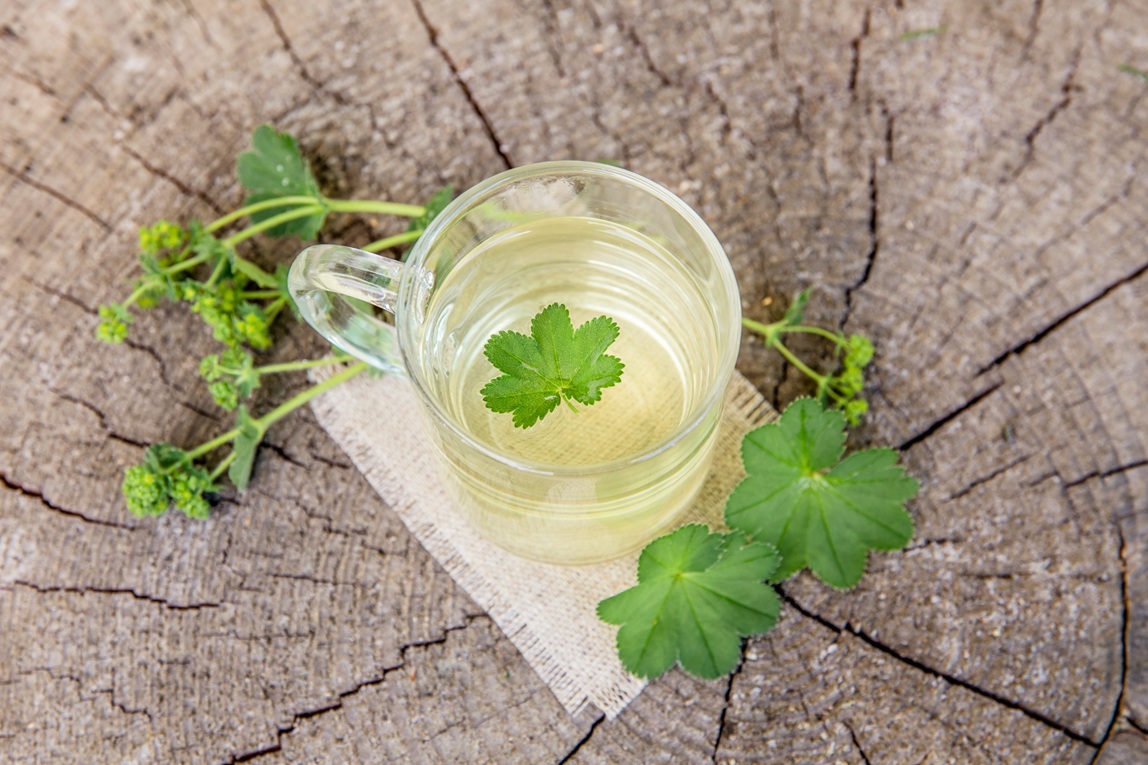
How to make lady’s mantle tea
- Blend the herbs together in a large bowl using a clean dry spoon.
- Once blended well, the herbs can be decanted into a clean, glass jar.
- To make the tea, add four tablespoons into a large teapot. Add approximately four cups of boiling water, cover, and steep for between 15 minutes (if drinking hot) or one hour (if drinking cold).
- After the time has passed, strain out the herb material and pour the tea into your favourite mug.
- The tea can be reheated in a pan or drunk cool with a slice of lemon later in the day.

-
Safety
Lady’s mantle is a generally well tolerated herb, although the tannin may cause gastric upset in some individuals when taken in high doses (8). It could theoretically cause constipation after prolonged use (8).
Lady’s mantle should not be used during pregnancy or lactation unless under the instruction of a qualified medical herbalist (8,9).
-
Interactions
None known (2,8,20,21)
-
Contraindications
Lady’s mantle should be used with caution and only on a short term basis with individuals who have anaemia (2,8).
-
Sustainability status of lady’s mantle
Lady’s mantle is classed as ‘least concern’ according to the IUCN Red List of endangered species. A paper that was published in 2009 reviewed the populations of A. vulgaris and concluded that in a new red list for Great Britain this species is classified as ‘endangered’ or ‘vulnerable’. This paper explained that the species had been included in the new Biodiversity Action Plan.
The sustainability issues with this species are thought to be due to the management of the upland meadows and fells for food production, game birds and recreation (22,23).
Read our article on Herbal quality & safety: What to know before you buy and Sustainable sourcing of herbs to learn more about what to look for and questions to ask suppliers about sustainability.
-
Quality control
Lady’s mantle is typically wild harvested, as well as being commercially cultivated in Eastern and Central Europe. Adulteration can occur with other Alchemilla species so it is recommended to source from reputable suppliers. The key marker compounds include ellagitannins, specifically ellagic acid (8,24).
-
References
- Wood M. The Earthwise Herbal : A Complete Guide to New World Medicinal Plants. Berkeley, Calif. North Atlantic Books; 2009.
- Fisher C. Materia Medica of Western Herbs. Aeon Books; 2018.
- Hedley C, Shaw N. Plant Medicine. (Waddell G, ed.). Aeon Books; 2023.
- Tadić V, Krgović N, Žugić A. Lady’s mantle (Alchemilla vulgaris L., Rosaceae): A review of traditional uses, phytochemical profile, and biological properties. Lekovite sirovine. 2020;(40):66-74. https://doi.org/10.5937/leksir2040066t
- Brooke E. A Woman’s Book of Herbs. Aeon Books; 2018.
- Grieve M. A Modern Herbal.; 1970.
- Culpeper N. Culpeper’s Complete Herbal & English Physician. Applewood Books; 2011.
- Hoffmann D. Medical Herbalism: The Science and Practice of Herbal Medicine. Healing Arts Press; 2003.
- Romm AJ, Hardy ML, Mills S, Abascal K. Botanical Medicine for Women’s Health. Churchill Livingstone; 2010.
- Trickey R. Women, Hormones and the Menstrual Cycle : Herbal and Medical Solutions from Adolescence to Menopause. Allen & Unwin ; London; 1999.
- British Herbal Medicine Association. British Herbal Pharmacopeia 1996. British Herbal Medicine Association; 1996.
- Shrivastava R, Cucuat N, John GW. Effects ofAlchemilla vulgaris and glycerine on epithelial and myofibroblast cell growth and cutaneous lesion healing in rats. Phytotherapy Research. 2007;21(4):369-373. https://doi.org/10.1002/ptr.2060
- Tasić-Kostov M, Arsić I, Pavlović D, et al. Towards a modern approach to traditional use: in vitro and in vivo evaluation of Alchemilla vulgaris L. gel wound healing potential. Journal of Ethnopharmacology. 2019;238:111789. https://doi.org/10.1016/j.jep.2019.03.016
- Takir S, Altun I, Sezgi B, Suzgec-Selcuk S, Mat A, Uydes-Dogan B. Vasorelaxant and blood pressure lowering effects of alchemilla vulgaris: A comparative study of methanol and aqueous extracts. Pharmacognosy Magazine. 2015;11(41):163. https://doi.org/10.4103/0973-1296.149733
- Mb P, Алиев ОИ, Andreeva VYu, Васильев АС, Калинкина ГИ. Effect of Alchemilla vulgaris extract on the structure and function of erythrocyte membranes during experimental arterial hypertension. Bulletin of Experimental Biology and Medicine. 2006;141(6):708-711. https://doi.org/10.1007/s10517-006-0259-0
- Jelača S, Dajić-Stevanović Z, Vuković N, et al. Beyond Traditional Use of Alchemilla vulgaris: Genoprotective and Antitumor Activity In Vitro. Molecules. 2022;27(23):8113. https://doi.org/10.3390/molecules27238113
- RHS. Alchemilla vulgaris L. agg. | great sanicle Herbaceous Perennial. Rhs.org.uk. Published 2026. Accessed February 25, 2026. https://www.rhs.org.uk/plants/156142/alchemilla-vulgaris-l-agg/details
- Royal Botanical Gardens Kew. Alchemilla vulgaris L. | Plants of the World Online | Kew Science. Plants of the World Online. https://powo.science.kew.org/taxon/urn:lsid:ipni.org:names:721079-1
- RHS. Alchemilla. Rhs.org.uk. Published 2025. https://www.rhs.org.uk/plants/alchemilla
- Williamson EM, Driver S, Baxter K. Stockley’s Herbal Medicines Interactions : A Guide to the Interactions of Herbal Medicines. Pharmaceutical Press; 2013.
- TRC Healthcare. NatMed Pro – Alchemilla. Therapeuticresearch.com. Published 2026. https://naturalmedicines.therapeuticresearch.com/Data/ProMonographs/Alchemilla#drug-interactions
- Bradshaw M. The decline of Lady’s-mantles (Alchemilla vulgaris L. agg.) and other hay-meadow species in Northern England since the 1950s. ALCHEMILLA DECLINE Watsonia. 2009;27:315-321. https://archive.bsbi.org.uk/Wats27p315.pdf
- Khela S. IUCN Red List of Threatened Species: Alchemilla vulgaris. IUCN Red List of Threatened Species. Published July 2, 2013. Accessed November 30, 2025. https://www.iucnredlist.org/species/202916/2757997
- Mills S, Bone K. The Essential Guide to Herbal Safety. Elsevier Churchill Livingstone; 2005.