

Last reviewed 18/12/2025
Sustainability status
Not currently on risk lists but complete data may be missing on the status of the species. Read more in our sustainability guide.

Avoid in pregnancy and lactation
Herbs are generally best-avoided in pregnancy, unless working with them under the guidance of a medical herbalist. However, some herbs pose a risk to pregnancy as they are potentially: toxic to the mother, toxic to the neonate, teratogenic (risk developmental malformation), may increase miscarriage risk, or could cause foetal distress leading to miscarriage or premature birth. Herbs with teratogenic, emmenagogue, or stimulant laxative actions are all contraindicated in pregnancy. Furthermore, herbs containing volatile oils, thujone, apiol, phyto-oestrogens also should be avoided.
During lactation, there is the possibility for transfer of plant compounds through the breast milk, which can have an effect (detrimental or beneficial) on the infant.

Drug interactions
Herbs may interact with pharmaceutical medications through both pharmacokinetic and pharmacodynamic mechanisms. Pharmacokinetic interactions involve alterations in the absorption, metabolism, distribution, or excretion of a drug. Many herb–drug interactions occur through liver enzyme modulation: by inducing CYP enzymes — increasing drug concentration and toxicity risk; or by inducing CYP enzymes — decreasing drug concentration and therapeutic efficacy.
Pharmacodynamic interactions occur when herbs and drugs influence the same physiological systems. These interactions can cause synergistic, additive or antagonistic effects at the receptor or tissue level, enhancing or opposing the intended pharmacological action. The clinical consequences of herb-drug interactions can be complex and nuanced. Consultation with a medical professional is, therefore, recommended to ensure safe use and appropriate dosing.

-
Herb overview
Safety
Not safe in pregnancy and lactation.
Additive effects when combined with other sedatives.
Sustainability
Status: Low risk
Key constituents
Isoquinoline alkaloids
FlavonoidsQuality
USA
Wild harvested and cultivatedKey actions
Sedative
Anxiolytic
Nervine
AntispasmodicKey indications
Insomnia
Pain
Anxiety
HyperactivityKey energetics
Cool
DryPreperation and dosage
Aerial part
12 g per day
Between 6–12 ml per day
-
How does it feel?
A preparation of California poppy made by combination of infusion or tincture has a warmly aromatic odour. The initial taste is slightly sweet and warm, then a subsequent bitterness follows, as a result of the alkaloids. The initial sensation is one of immediate calm and relaxation as the warmth of the herb can be felt spreading throughout the body.


-
Into the heart of california poppy

California poppy (Eschscholzia californica) California poppy has a long tradition of use in Western herbal medicine for calming the nervous system and has been used for states of unrest such as insomnia, nervous agitation and mild to moderate pain. It can be used for any such presentations in children too, including over-excitability (5).
California poppy is an excellent nervine that is energetically both cooling and relaxing. This combination of properties offers a perfect antidote to a hot and wired system. This herb may be indicated in hyperactive and agitated states of the nervous system. This plant can provide a calming and centering effect during times of stress, anxiety, depression or burnout (2). It can also be applied to calm the mind during anxious states, especially when repetitive thoughts are a strong feature in affecting peace or sleep.
California poppy may be used for pain that interferes with sleep or for pain in the nerves such as is experienced in sciatica and shingles. This can be applied both topically and internally (1,2).
California poppy is thought to have an affinity with the emotional heart. This is due to its dynamic combination of antihypertensive, antispasmodic and nervine actions. It is especially indicated when stress and anxiety affecting the nervous system manifest in the cardiovascular system, such as increased heart rate, mild chest pain and palpitations (1,2).
It can be used to gently relax these tensions, harmonising the mind to bring a sense of calm and serenity to the heart.
-
What practitioners say
 Nervous system
California poppy is primarily used to support conditions affecting the nervous system including panic, anxiety, stress and pain. The desired effect is determined by the dose, with lower doses eliciting an anxiolytic effect, whilst higher doses become more sedative and analgesic (1,2).
It is a favoured remedy of many herbalists for use in minor aches and pains, especially if this is associated with nervous tension. It has a tradition of use for headaches and for colicky pains, so can help to ease cramps, spasms and is also useful for IBS. For overworked muscles, it can be taken in the form of a strong tea, and accompanied by an Epsom salt bath to ease soreness.
California poppy can help to quieten an overactive mind, especially when recurring thoughts prevent sleep and rest. In cases where this is accompanied by physical sensations of anxiety such as spasm or pain, this herb is especially helpful (2,4). It is a safe and effective children’s remedy that can be used as a sleep aid when there is anxiety, pain or over-excitability. Sources also suggest it can be used for bedwetting (1).
It is often included in a mix with other nervous system relaxants for a synergistic effect. It combines well with passionflower (Passiflora incarnata) for hyperactivity, sleep disturbances and incessant rumination. It can also be combined with hops (Humulus lupulus) and valerian (Valeriana officinalis) to aid with insomnia and sleeplessness (8,9).
It can be mixed with another member of the poppy family — corydalis (Corydalis yanhusuo) to increase the analgesic effect and in combination with hawthorn (Crataegus monogyna) to ease anxiety, especially when cardiac symptoms are present (1,8).
-
California poppy research

California poppy (Eschscholzia californica) Alkaloids from Eschscholzia californica and their capacity to inhibit binding of [3H]8-Hydroxy-2-(di-N-propylamino)tetralin to 5-HT1A receptors in vitro
In this in vitro study, a 70% ethanol extract of California poppy was able to bind to serotonin receptors 5-HT(1A) — these are responsible for neuromodulation, decreasing blood pressure and heart rate by blood vessel dilation and vagus nerve stimulation. The activity on the 5-HT(1A) receptor was at least partly due to the presence of the aporphine alkaloidN-methyllaurotetatanine (10).
Modulatory effects of Eschscholzia californica alkaloids on recombinant GABAA receptors
This preclinical study involved analysing the alkaloids from the aerial parts of Eschscholzia californica and their effect on human GABAa receptors. The study found (S)-reticuline alkaloids acted as a positive GABAa modulator. They concluded that the herb’s sedative effects were due to (S)-reticuline alkaloids metabolising into morphine-like alkaloids acting at opioid receptors rather than direct GABAa binding. The study suggested using the herb in higher doses for stronger sedative effects (3).
Double-blind, randomised, placebo-controlled study to evaluate the efficacy and safety of a fixed combination containing two plant extracts (Crataegus oxyacantha and Eschscholtzia californica) and magnesium in mild-to-moderate anxiety disorders
In a double-blind randomised controlled trial a combination of California poppy, hawthorn (Crataegus oxycantha) and magnesium were compared to placebo to evaluate safety and efficacy of the combination on mild to moderate anxiety disorders. The trial was conducted amongst 264 adults diagnosed with mild-moderate generalised anxiety. Participants were divided into two groups, with one group (n=130) receiving the herbal extract, and the other (n=134) receiving placebo. The dosage given was two tablets twice a day for three months.
The Hamilton anxiety scale, somatic scores and change in patient self-assessment examined at day 7,14,30, 60 and 90 days after treatment showed that anxiety fell during treatment. The herbal treatment showed significant reductions in anxiety scores then placebo (p=0.005) suggesting these herbs can be effective in reducing anxiety (11).
A combination of Eschscholtzia californica Cham. and Valeriana officinalis L. extracts for adjustment insomnia: A prospective observational study
This open label, observational, longitudinal study was carried out in a French primary care setting to assess the effect of a supplement containing Eschscholzia californica and Valeriana officinalis on individuals with insomnia. Thirty-six patients were included in the study, and were instructed to take up to four tablets per night over the course of four weeks. Each tablet contained 80 mg of Eschscholzia californica and 32 mg Valeriana officinalis root extract.
Results showed that after one month insomnia severity was reduced (p<0.0001), sleep duration had increased by 0.5 hours (p=0.002) and waking in the night was also reduced. Anxiety scores were also improved (p<0.0001). This is a promising study for the use of California poppy in the treatment of anxiety and insomnia, however, more robust studies with a control group are warranted to further explore this herb (12).
-
Historical use of California poppy
California poppy has a long tradition of use in Western herbal medicine for calming the nervous system, being used for states of unrest such as insomnia, nervous agitation and mild to moderate pain (6).
It was used by Native Americans as a food, (the whole plant was cooked and eaten as a vegetable) and as a medicine in various preparations for both children and adults. Tribes from different parts of California used the plant in various ways and for a variety of conditions. The Mendocino used a root preparation applied to a painful tooth, taken for stomach aches or applied as a wash for headaches.
The Costanoan tribes used a decoction of the flowers to promote healthy sleep and as a preparation to be rubbed into hair to kill lice. The Chumash made a poultice of the seed pods to halt lactation in breast-feeding (7).
-
California poppy's herbal actions
Herbal actions describe therapeutic changes that occur in the body in response to taking a herb. These actions are used to express how a herb physiologically influences cells, tissues, organs or systems. Clinical observations are traditionally what have defined these actions: an increase in urine output, diuretic; improved wound healing, vulnerary; or a reduction in fever, antipyretic. These descriptors too have become a means to group herbs by their effects on the body — herbs with a nervine action have become the nervines, herbs with a bitter action are the bitters. Recognising herbs as members of these groups provides a preliminary familiarity with their mechanisms from which to then develop an understanding of their affinities and nuance and discern their clinical significance.
-
California poppy's energetic qualities
Herbal energetics are the descriptions Herbalists have given to plants, mushrooms, lichens, foods, and some minerals based on the direct experience of how they taste, feel, and work in the body. All traditional health systems use these principles to explain how the environment we live in and absorb, impacts our health. Find out more about traditional energetic actions in our article “An introduction to herbal energetics“.
-
What can I use california poppy for?

California poppy (Eschscholzia californica) California poppy is used to ease nervous tension and facilitate a feeling of relaxation in the mind and the body. As a sedative, California poppy helps to promote sleep when taken in the evening before bed. It can be applied to support states of nervous exhaustion, and balance feelings of being tired and wired, often due to prolonged stress or burnout (1,2).
This herb has both antispasmodic and nervine actions, California poppy may also be used to ease spasm in the digestive system and in the urinary tract. This may be applied in conditions such as irritable bowel syndrome (IBS) and enuresis (1,2).
Due to its antispasmodic and relaxant actions, it is helpful in relieving muscular tension and aches. This may be best achieved by a combined approach using a tea made from the fresh flowers accompanied with a salve applied topically to the affected area. Those with spasmodic conditions associated with the nervous system such as neuralgia and neuropathy will also likely find benefit from using this herb regularly (3).
California poppy has a calming effect on the nervous system, which also makes it useful to use during acute periods of anxiety or during panic attacks. With its gentle nervine relaxant effect, it may also be used for insomnia, restlessness and migraines.
It is non-addictive and safe for all ages including children. Its gently sedative effects can be especially helpful in treating colic, restlessness or pain in children (1–4).
-
Did you know?
The opium poppy – Papaver somniferum is renowned for possessing potent sedative properties. The opioids (alkaloids within the plant) are utilised by the medical profession in the production of codeine and morphine. As well as the strong sedative quality, morphine is an extremely powerful analgesic. California poppy is a far safer distant cousin. As it contains no morphine, it is a non-addictive, gentle option that is used in some programmes of opiate withdrawal (13,14).





-
Botanical description
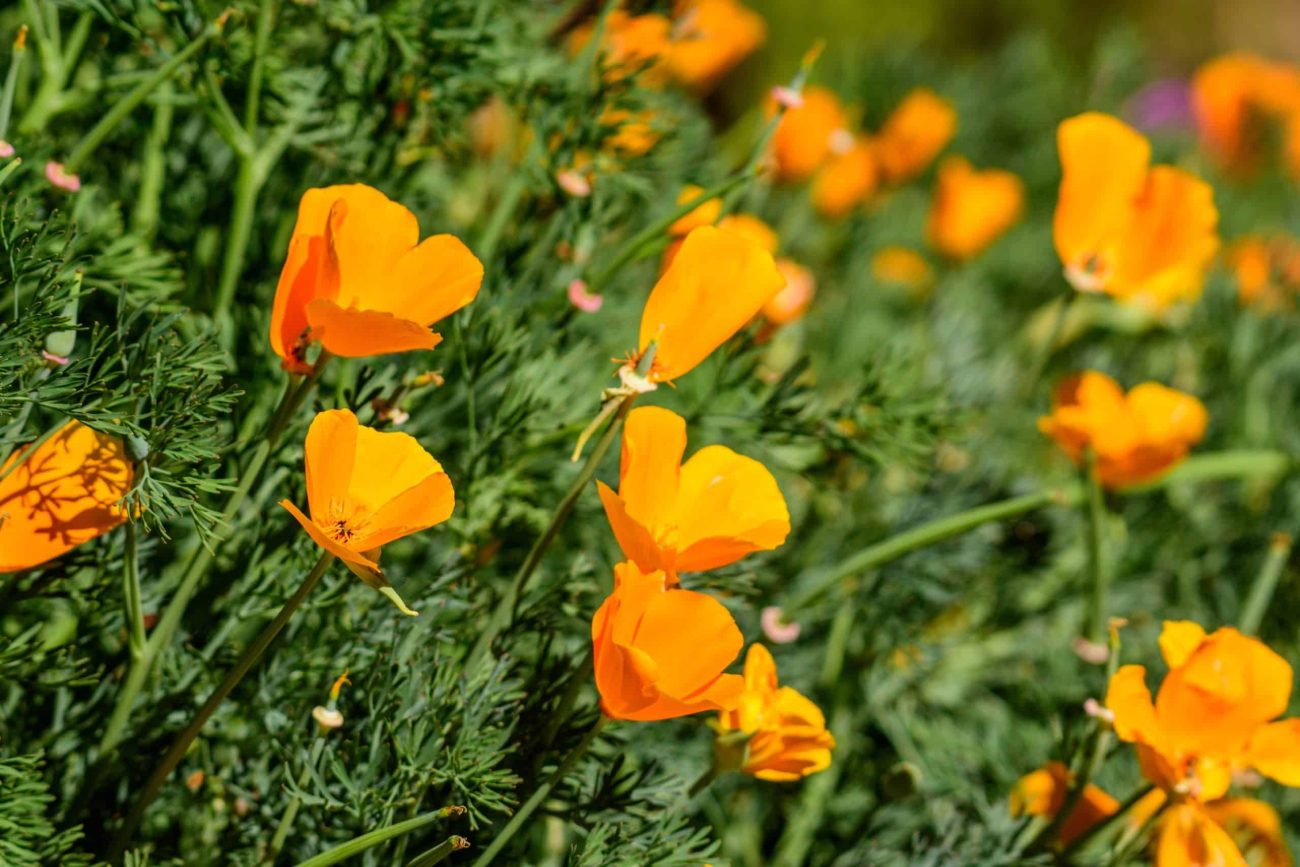
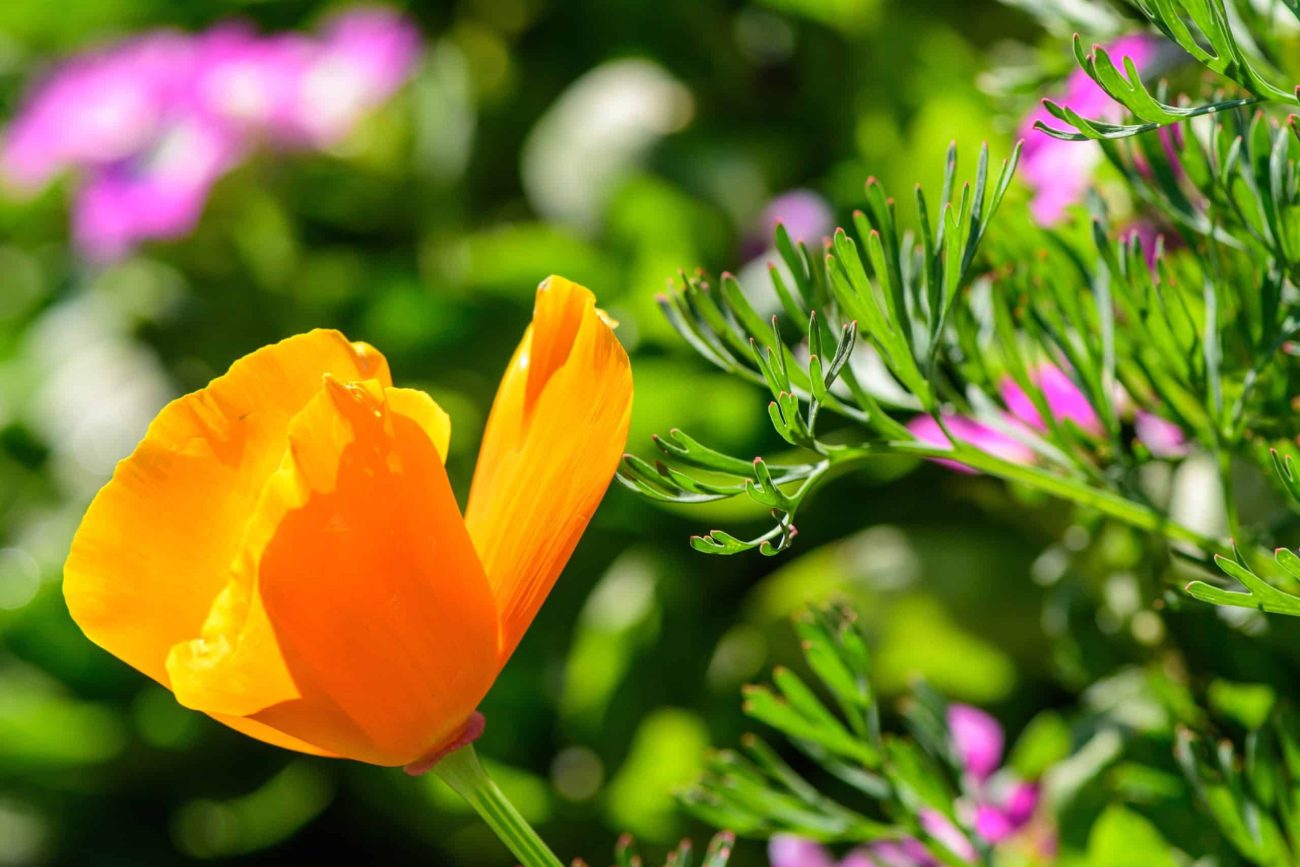
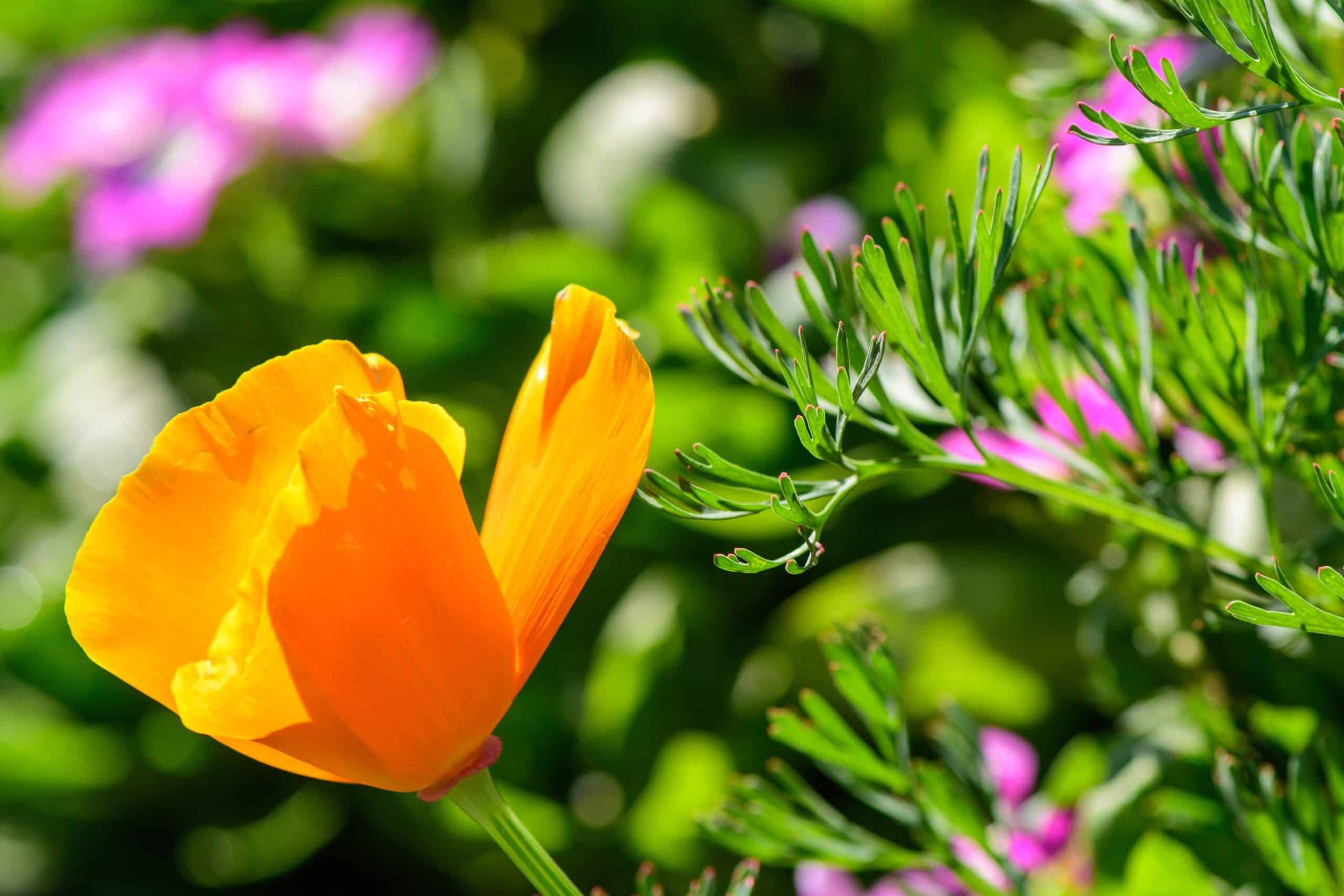
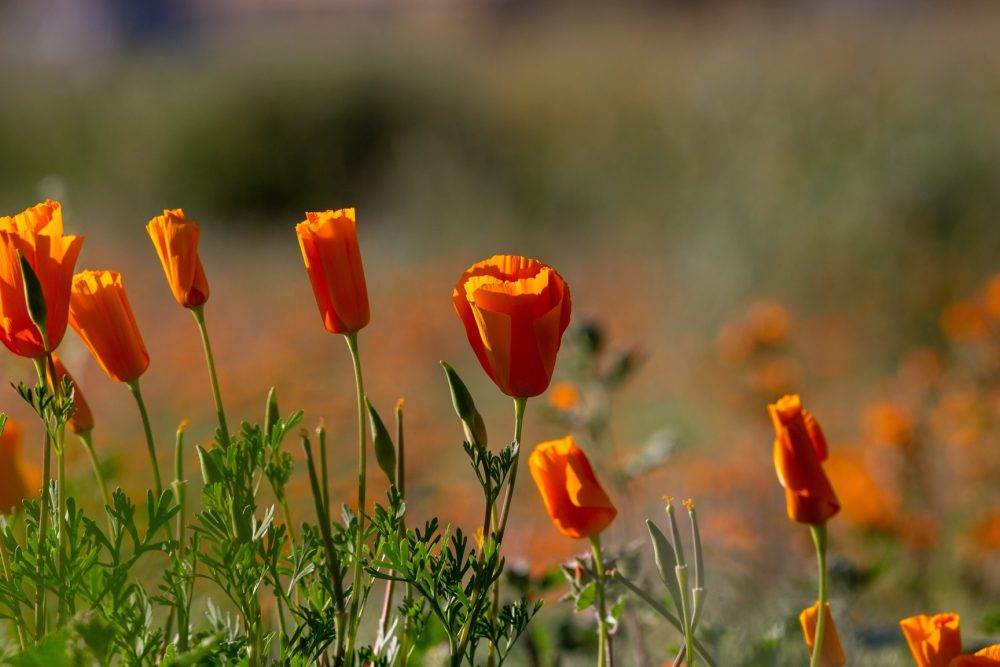
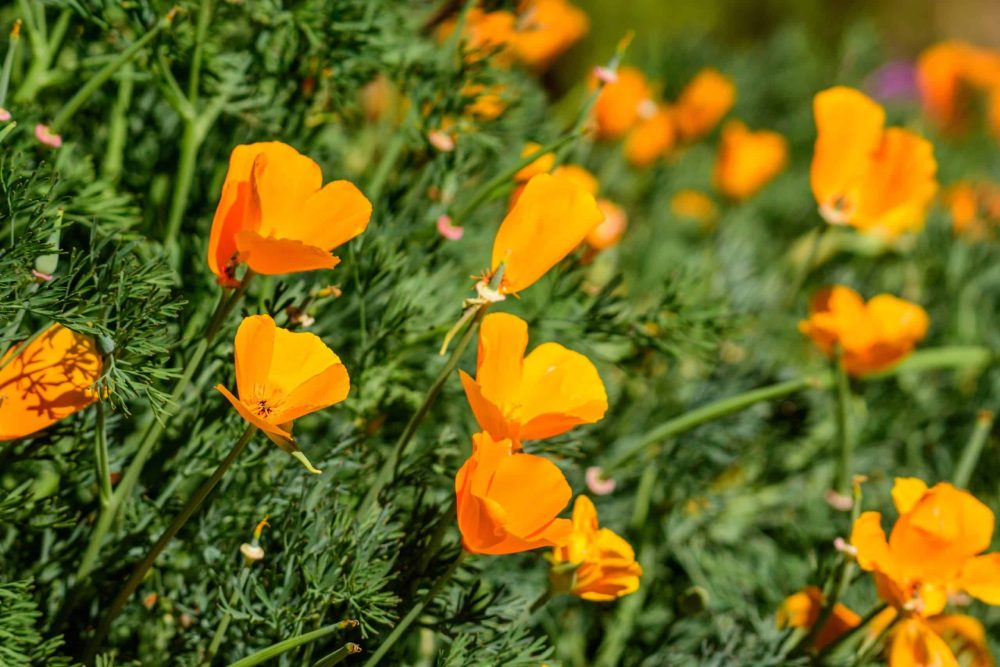
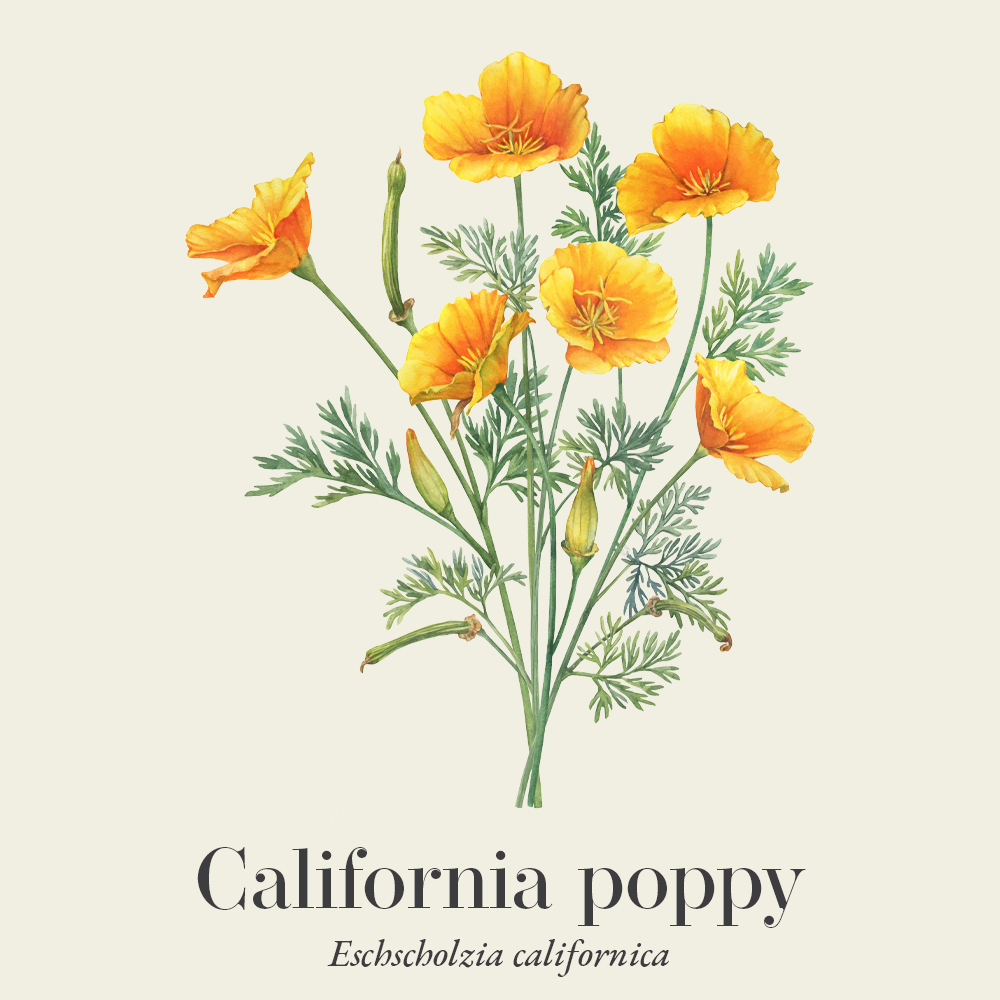
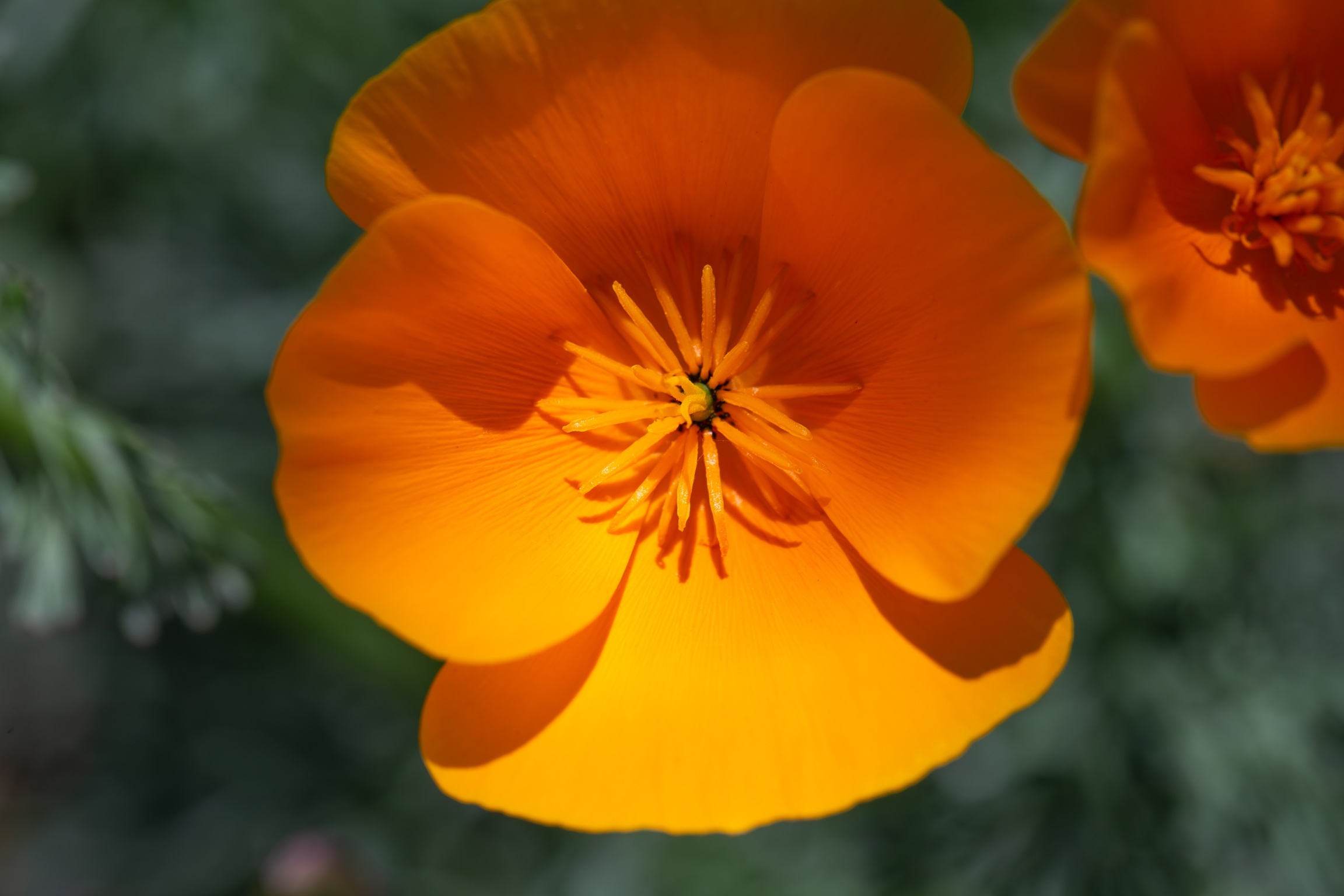
Eschscholzia californica has finely pinnated (feathery) blue-green leaves and intense warm yellow-orange solitary 4-petalled flowers, silky in texture and having long stems.
The flowers close at night or in cold, windy weather. Slender, cylindrical ribbed seed capsules follow flowering, which split open rather explosively, spreading numerous small globular seeds up to six feet away. It is drought-tolerant and spreads well (15).
-
Common names
- California poppy
- Golden poppy
- Cup of Gold
-
Habitat
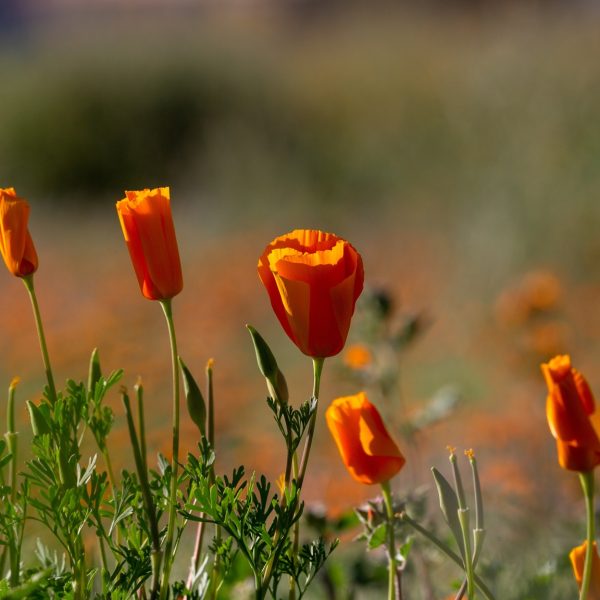
This graceful hardy annual, or perennial in warmer climates, is native to western North America and is the state flower of California. It has adapted to grow well in Mediterranean countries and grows well in the UK too, often cultivated for ornamental gardens. It is often found on grasslands and arid land, but is also found in coastal dunes, chaparral and coastal scrub, dry plains and coastal prairies, and the open slopes of pine or redwood forests (16).
-
How to grow california poppy
California poppies are easy to grow. They prefer poor, well-drained soil in full sun and can be grown in exposed or coastal gardens, or in a mixed flower meadow.
- Sow in a drill spreading seeds thinly along the row. Use a trowel or your fingers to cover seeds very lightly with soil and water with a fine rose watering can.
- Sow seeds directly in situ where they are to flower between spring and autumn. These plants will suffer if moved.
- Thin seedlings out once they’re about 4 cm tall and again at 8 cm, so that they’re spaced about 15 cm apart.
- Deadhead regularly to ensure a long flowering period (17).
-
Herbal preparation of california poppy
- Infusion
- Tincture
Preparations made from the fresh plant material are considered more potent, whether used as a tea or tincture.
-
Plant parts used
Aerial parts
-
Dosage
- Tincture (1:10| 45%): 2–4 ml three times daily. Drop doses can also be given.
- Fluid extract (1:1 | 25%): 1–2 ml three times daily.
- Infusion/decoction: 2–4 g up to three times daily (8,18).
- Other preparations: 1:5 in 25%, up to 4 ml per night for sleeplessness in children (1)
Dosages calculated from animal studies suggest that 1.5–6 g for a 60 kg adult in humans is required for a sedative effect, whilst dosages of between 25–200 mg per kg for a more gentle anxiolytic effect (18).
-
Constituents
- Isoquinoline alkaloids: Californidine. sanguinarine, chelirubine, macarpine, chelerythrine, protopine, eschscholtzine, allocryptopine , (S)-Reticuline and N-methyllaurotetatanine
- Flavonoid glycosides: Occurring mainly as quercetin isorhamnetine glycosides, as well as kaempferol.
- Phenolic acids: Caffeic and ferulic acids.
- Fatty acids
- Polysaccharides (8,18)
-
California poppy recipe
California poppy tincture (using the whole fresh plant)
It is always preferable to use plants harvested from intentional cultivation, and not to harvest wild specimens in order to protect local habitats. If there is an abundance however, they can be foraged from the wild, as long as some plant specimens are left to remain. Try to harvest when there are a combination of flowers and seed heads on the plant.
Ingredients
- 1 litre 45% vodka
- 300 g california poppy (fresh or dried)
- 2.4 litre kilner jar
How to make a California poppy tincture
- Gently shake the aerial parts free of bugs and dust, and rinse the roots well if using them too.
- Cut into smallish chunks and put into a clean, wide-necked kilner jar gently packing down the herb and covering it with vodka so all the plant material is submerged.
- Leave for a month, stirring the mixture once or twice daily.
- Strain through a double layer of muslin and squeeze the plant material well to get as much liquid out as possible.
- Try drop doses of between 40–80 drops (2–4 ml) either straight onto the tongue or diluted in a little water. Maximum daily dose: 6 ml of a 1:3 tincture.
This recipe is a 1:3, however more vodka may be required to top up the herb and it may end up being a 1:5 depending on how much extra liquid has been added.


-
Safety
There is a lack of reliable information for the use of California poppy in pregnancy and lactation and, therefore, it should be avoided and only taken under the guidance of a medical herbalist (19).
It is wise to be very cautious when treating children with analgesic doses of this herb, (which tend to be higher than those that reduce anxiety). Use for the shortest possible time on the lowest effective dose for pain and titrate upwards incrementally in both the treatment of children and adults (1,4,5). If in doubt, seek the guidance of a qualified medical herbalist.
-
Interactions
Theoretically, the alkaloids in California poppy may inhibit CYP3A4 enzymes; however, no interactions have yet been observed clinically and reported (3,18).
California poppy has additive effects when used in conjunction with central nervous system (CNS) depressants (1,19). It also may bind to the same receptors as those targeted by certain antidepressants (SSRIs or MAO inhibitors), so caution is advised in these cases (19).
-
Contraindications
None known (2,9,18)
-
Sustainability status of california poppy

California poppy is classed as ‘secure’ on NatureServe Explorer, and is currently not listed on the IUCN Redlist (20,21).
However, they state that the bigger threat to this plant is the genetic contamination of wild populations. This, coupled with the encroachment of human activities on the historic native habitat of this species is resulting in a largescale, human induced transformation in the distribution and genetic composition of this species (21,22).
Plant Serve also states that focusing on identifying and delineating good quality, native populations of this plant in its native habitats are some of the efforts needed to conserve the genetic strength of this species. They also state ‘a conservation strategy should be developed to maintain some such high-quality occurrences in which the gene pool appears to be relatively undiluted by introduced stock, and in which the species is occupying its historic habitat’ (21).
Read our article on Herbal quality & safety: What to know before you buy and Sustainable sourcing of herbs to learn more about what to look for and questions to ask suppliers about sustainability.
-
Quality control
California poppy is best used fresh as opposed to dried herb form to maximise the benefits from its constituents. It may also be tinctured from fresh herb as long as the alcohol percentage is high enough to account for the water content (22).

-
References
- Hoffmann D. Medical Herbalism: The Science and Practice of Herbal Medicine. Healing Arts Press; 2003.
- Mcintyre A. Complete Herbal Tutor : The Definitive Guide to the Principles and Practices of Herbal Medicine (Second Edition). Aeon Books Limited; 2019.
- Fedurco M, Gregorová J, Šebrlová K, et al. Modulatory effects of Eschscholzia californica alkaloids on recombinant GABAA receptors. Biochemistry Research International. 2015;2015:1-9. https://doi.org/10.1155/2015/617620
- Mcintyre A. Herbal Treatment of Children : Western and Ayurvedic Perspectives. Elsevier/Butterworth-Heinemann; 2005.
- Bone K, Mills S. Principles and Practice of Phytotherapy: Modern Herbal Medicine. 2nd ed. Edinburgh Churchill Livingstone, Elsevier; 2013.
- Association for the Advancement of Restorative Medicine (AARM). Poppy for Anxiety and Insomnia: Herbal Monographs from Restorative Medicine. Restorative Medicine. https://restorativemedicine.org/library/monographs/california-poppy/
- Williams M, McKinsey E, Jenks A. California poppy. Herbalgram.org. Published 2025. Accessed December 17, 2025. https://www.herbalgram.org/resources/herbalgram/issues/141/table-of-contents/hg141-herbprofile-cali-poppy/
- Thomsen M. Phytotherapy Desk Reference. 6th ed. Aeon Books; 2022.
- American Botanical Council (ABC). German Commission E – California poppy. Herbalgram.org. Published 1991. Accessed October 10, 2024. https://www.herbalgram.org/resources/commission-e-monographs/monograph-unapproved-component-characteristics/california-poppy/
- Gafner S, Dietz BM, McPhail KL, et al. Alkaloids from Eschscholzia californica and Their Capacity to Inhibit Binding of [3H]8-Hydroxy-2-(di-N-propylamino)tetralin to 5-HT1A Receptors in Vitro. Journal of Natural Products. 2006;69(3):432-435. https://doi.org/10.1021/np058114h
- Hanus M, Lafon J, Mathieu M. Double-blind, randomised, placebo-controlled study to evaluate the efficacy and safety of a fixed combination containing two plant extracts (Crataegus oxyacantha and Eschscholtzia californica) and magnesium in mild-to-moderate anxiety disorders. Current Medical Research and Opinion. 2003;20(1):63-71. https://doi.org/10.1185/030079903125002603
- Abdellah SA, Berlin A, Blondeau C, et al. A combination of Eschscholtzia californica Cham. and Valeriana officinalis L. extracts for adjustment insomnia: A prospective observational study. Journal of Traditional and Complementary Medicine. 2019;10(2):116-123. https://doi.org/10.1016/j.jtcme.2019.02.003
- Rosner B, Neicun J, Yang JC, Roman-Urrestarazu A. Opioid prescription patterns in Germany and the global opioid epidemic: Systematic review of available evidence. Cheungpasitporn W, ed. PLOS ONE. 2019;14(8):e0221153. https://doi.org/10.1371/journal.pone.0221153
- Zampieron ER. Successful application of Eschscholzia californica to combat opioid addiction. International Journal of Complementary & Alternative Medicine. 2018;11(4). https://doi.org/10.15406/ijcam.2018.11.00403
- RHS. Eschscholzia californica | California poppy Annual Biennial/RHS. Rhs.org.uk. Published 2025. Accessed August 1, 2025. https://www.rhs.org.uk/plants/106119/eschscholzia-californica/details
- Becker A, Yamada Y, Sato F. California poppy (Eschscholzia californica), the Papaveraceae golden girl model organism for evodevo and specialized metabolism. Frontiers in Plant Science. 2023;14:1084358. https://doi.org/10.3389/fpls.2023.1084358
- BBC Gardeners World. How to grow California poppy. BBC Gardeners World Magazine. Published 2021. Accessed July 28, 2022. https://www.gardenersworld.com/how-to/grow-plants/how-to-grow-california-poppy/
- Fisher C. Materia Medica of Western Herbs. Aeon Books; 2018.
- Natural Medicines Database. California poppy. Therapeuticresearch.com. Published 2025. Accessed December 18, 2025. https://naturalmedicines.therapeuticresearch.com/Data/ProMonographs/California-Poppy#safety
- Nature Serve Explorer. California poppy. Natureserve.org. Published 2025. Accessed May 1, 2025. https://explorer.natureserve.org/Taxon/ELEMENT_GLOBAL.2.160245/Eschscholzia_californica
- IUCN. The IUCN Red List of Threatened Species. IUCN Red List of Threatened Species. Published 2019. https://www.iucnredlist.org/search
- California Species Field Guide. CA Species and Habitat Explorer. Mt.gov. Published 2025. Accessed December 18, 2025. https://fieldguide.mt.gov/ca/?species=eschscholzia%20californica