

Explore our top herbal tips for making the most out of your festival and herbal events. Don’t forget to take a look at our list of herb events throughout the year.
How do you avoid dehydration from the alcohol and sun?

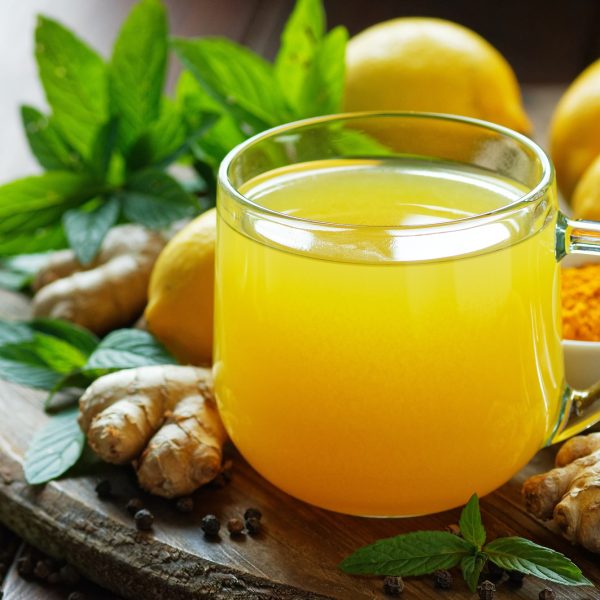
To stay hydrated, drink plenty of cooling herbal teas of peppermint, chamomile, licorice, fennel and roses. These have a soothing effect on your thermostat and will help to rehydrate you. They don’t have to be drunk piping hot: you can let them cool, bottle them and take them with you if you are out and about. Your aim should be to match your alcohol intake with water.
If you have fair skin or haven’t been in the sun much then build up your tolerance slowly. Some exposure to the sun is a good thing: the sun is a great source of Vitamin D. Cover-up in light cotton and wear a sun hut to protect from burning and dehydration.
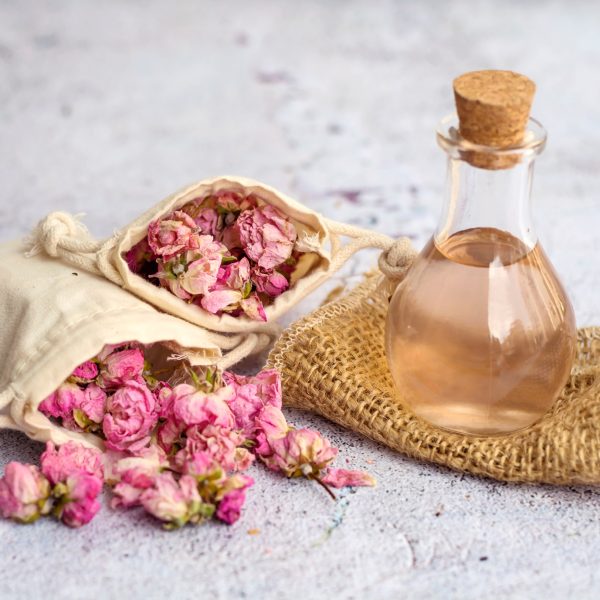
At the end of the day use some aloe vera juice directly on your skin. You can make ice cubes from it and then let it luxuriantly melt as it cools you down or just dab the juice on cool from the fridge. Forget all the aloe vera ‘gels’ around. They have minimal aloe vera and are mainly made from water and thickening agents. For a quick and cooling ‘spritz’ mist yourself in rosewater. Roses have long been used for tightening the skin and are used to soothe and cool that prickly heat sensation. You will smell divine too.
What food and juices should you go after during a festival?
Refreshing aloe vera juice at breakfast time to will set you up for a cool day. Green leafy vegetables and colourful vegetables and fruits that flourish in the summer contain phytonutrients that protect against oxidative skin damage from too much sun exposure. After all, in the pursuit of optimum photosynthesis, plants have to protect themselves from intense sun exposure and they develop compounds that act as powerful leaf-guarding antioxidants.
Avoid too many heating foods – often on the menu at festivals. All dark meats (beef, lamb, pork) as well as citrus fruits (except lemons and limes), tomato, raw garlic, raw onion, chillies, excess salt and sour dairy products all increase heat in our bodies.
What herbs work wonders on a festival goer?
If you want to superboost your plant-protection then try taking some ginseng or tulsi. They provide all-day festival energy and vitality without exhausting your adrenal glands and influencing the common ‘energy-crash’ often experienced when taking more conventional stimulants and consuming high levels of caffeine.
What health tips do you have for recovering from the excesses of a festival?
Build up your energy and stamina a couple of weeks in advance with supportive and energising foods and herbs, so that your body is prepared. And, don’t forget to take them with you to the festival itself so that you have a healthy ‘pick-me-up’ to hand when your need it.
If you feel that your body is in need of a good detox once the festival is over, classic greens such as spirulina and chlorella can help to rid the body of any excesses that you brought back from the fields, whilst also nourishing the liver; the perfect antidotes to a weekend of excess.