

Astringent
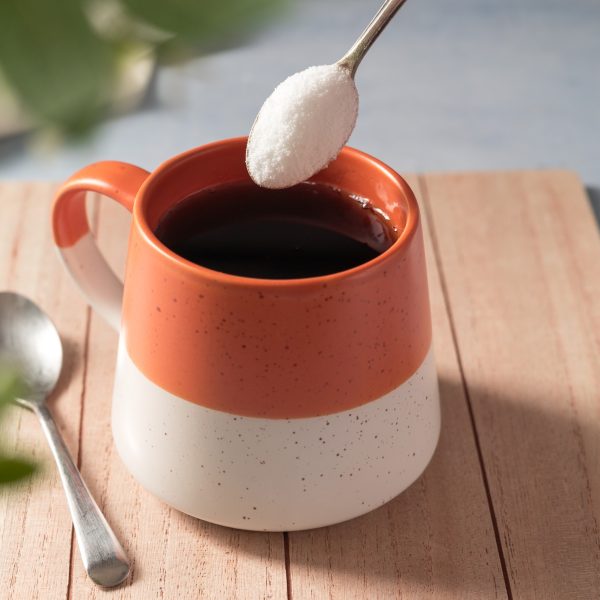
The astringent taste is produced by complex polyphenols such as tannins, the most recognisable of which is black tea. Tannins are used in concentrated form (e.g. from oak bark) to make leather from animal skins.
The process of ‘tanning’ involves the transformation of fluid proteins in living tissues into tightly coagulated fibres, similar to the process of boiling an egg. This effect takes place throughout the body when it comes into contact with tannins. They form a protective barrier and calm inflamed or irritated surfaces. In the case of open wounds tannins can help to seal a damaged skin.
One group of tannins, the reddish-brown condensed tannins are procyanidins, which can reduce inflammation and oxidative damage. Excessive use, however, can result in malabsorption of nutrients.
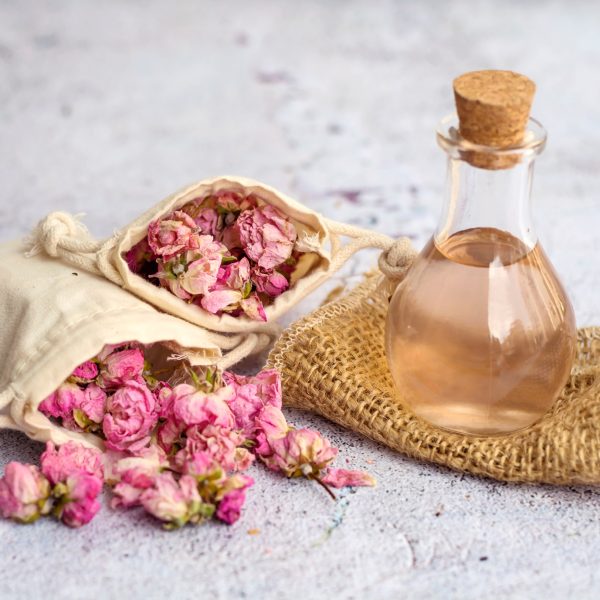
Examples of astringent herbs include rose (Rosa spp.), agrimony (Agrimonia eupatoria) and lady’s mantle (Alchemilla vulgaris).