



Insomnia is defined by persistent difficulty initiating or maintaining sleep, driven by hyperarousal and circadian dysregulation. Here we explore herbal and lifestyle strategies.
Understanding insomnia
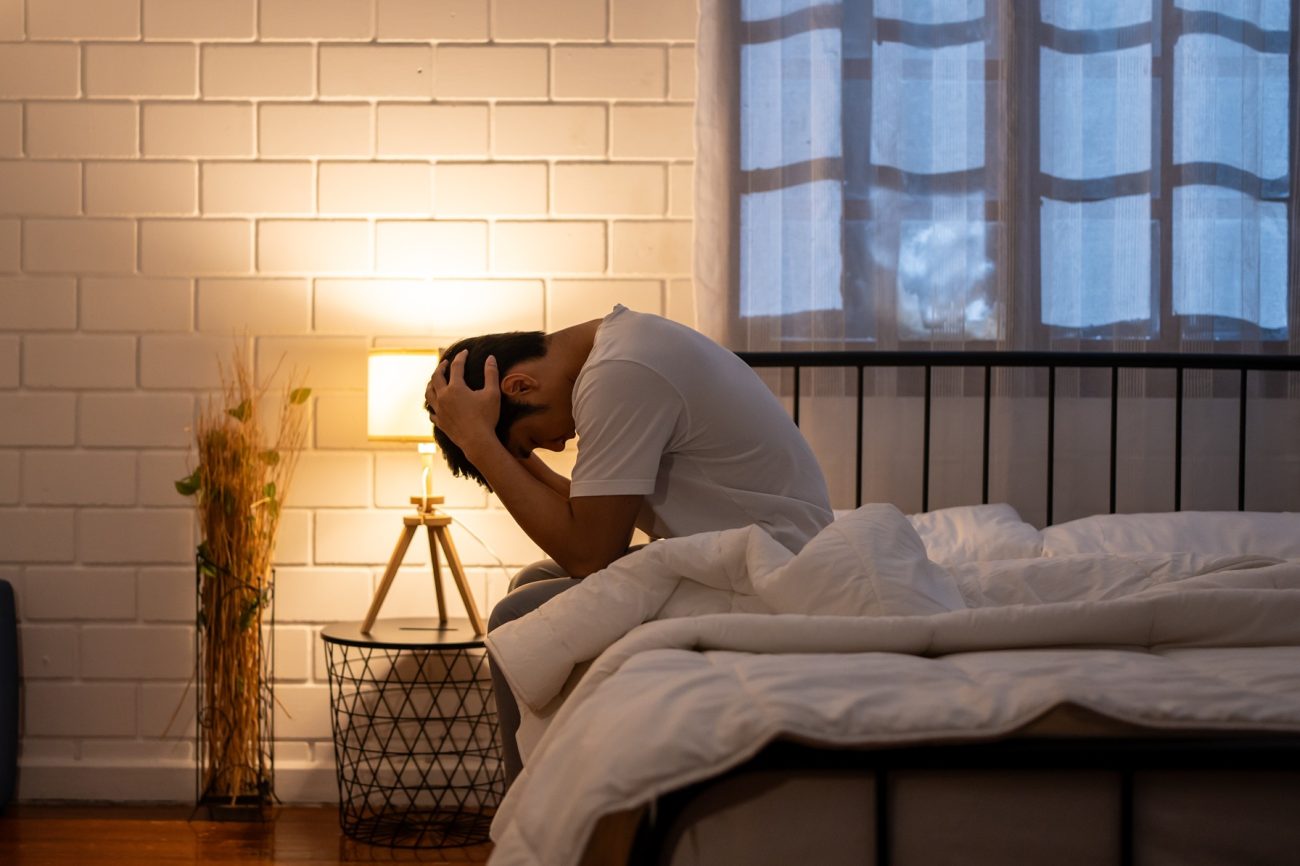
Insomnia is a common and complex sleep disorder characterised by persistent difficulty with sleep initiation, sleep maintenance, or early-morning awakening, despite adequate opportunity and appropriate circumstances for sleep (1). The diagnosis of insomnia requires the presence of associated daytime impairment, such as fatigue, reduced concentration, mood disturbances, or reduced occupational and social functioning (1).
The Diagnostic and Statistical Manual of Mental Disorders (DSM-5) and the International Classification of Sleep Disorders (ICSD-3), recognise insomnia as a disorder of both night-time sleep and daytime functioning, rather than a purely nighttime problem (2,3). Insomnia can be acute or chronic, with chronic insomnia defined as symptoms occurring at least three nights per week for a minimum of three months (3).
Insomnia is highly prevalent worldwide and represents one of the most frequently reported health complaints in primary care. Epidemiological studies suggest that up to 30–40% of adults experience transient or intermittent insomnia symptoms, and approximately 6–10% meet diagnostic criteria for chronic insomnia disorder (4,5).
Prevalence increases with age (6). It frequently coexists with cardiovascular disease, metabolic disorders, dysbiosis, chronic pain syndromes, anxiety, depression and complex trauma (7,8,9). It is associated with an increased cardiovascular risk, cognitive deficits, and reduced quality of life (10).
There is increasing evidence associating insomnia with hypertension, coronary heart disease and heart failure, as well as cardiovascular mortality (11). Patients with insomnia are 45% at a higher risk of developing cardiovascular disease (11). There is also an increased risk of stroke, with people with insomnia having a 54% higher risk of stroke within four years (12).
How does insomnia work?
Insomnia is best understood through a hyperarousal model, in which people present with a heightened physiological, cognitive, and emotional activation across the 24-hour cycle. Neurobiologically, normal sleep depends on a delicate balance between wake-promoting systems mediated by neurotransmitters, such as noradrenaline, dopamine, histamine, and orexin, and sleep-promoting systems involving gamma-aminobutyric acid (GABA), adenosine, and melatonin (13).
In individuals with insomnia, this balance is disrupted. Studies demonstrate increased metabolic activity in wake-promoting brain regions during both sleep and wakefulness, elevated nocturnal cortisol secretion, and heightened sympathetic nervous system activity (14).
These findings suggest that the brain of a person with insomnia remains in a state of persistent alertness, even during periods where they should be asleep. Dysregulation of the hypothalamic-pituitary-adrenal (HPA) axis further contributes to difficulty initiating and maintaining sleep, particularly in stress-related insomnia (14).
Circadian rhythm disturbances can also play a role, especially in individuals with delayed sleep-wake phase disorder or irregular sleep schedules (15). Additionally, insomnia often shows subjective-objective discrepancy, as patients often perceive less sleep than measured objectively (16).
Understanding the root causes
Insomnia is often multifactorial, and research suggests that while insomnia may begin in response to a specific trigger (e.g.. acute or prolonged stress or illness), it often becomes self-sustaining through learned behaviours and ongoing hyperarousal, highlighting the importance of a multifactorial treatment approach (1).
Insomnia is commonly driven by hyperarousal of the central nervous system, meaning the brain remains in a heightened state of alertness when it should be transitioning into sleep (1).
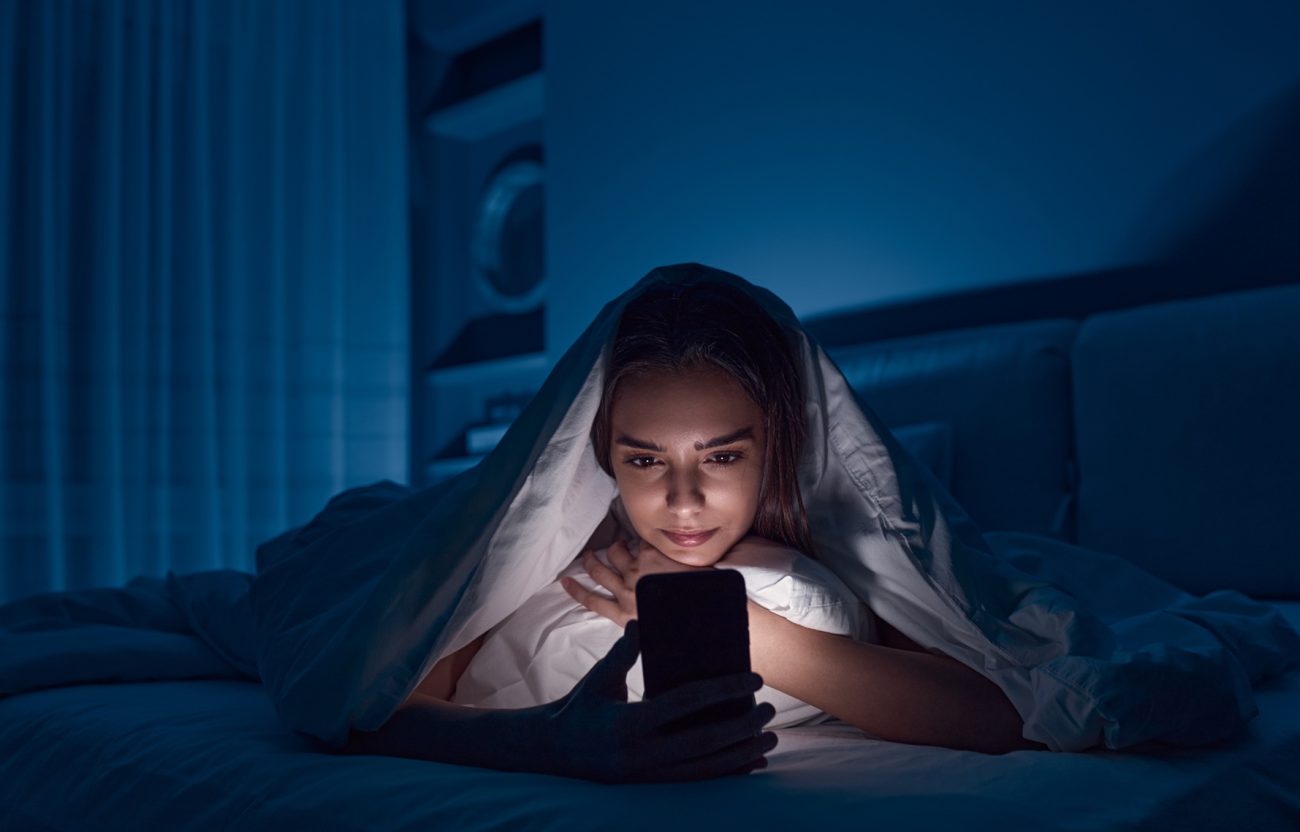
- Psychological factors such as stress, anxiety, depression and trauma are strongly associated with both acute and chronic insomnia, with cognitive models showing that worry about sleep itself can perpetuate the condition (17,18).
- Behavioural contributors are also well established and include irregular sleep schedules like shiftwork, excessive screen exposure before bedtime, caffeine or alcohol intake, and conditioned arousal (where the bed becomes associated with wakefulness rather than sleep) (19,20,21).
- Environmental factors like excessive light or noise in the bedroom, feeling too hot or too cold and who someone sleeps with are all precipitating and perpetuating factors (22).
- Physiological factors play a role too, particularly dysregulation of circadian rhythms, alterations in neurotransmitters involved in sleep–wake regulation (such as GABA, serotonin, and orexin), and increased activity of HPA axis, which elevates cortisol levels at night (1,19).
There is emerging evidence linking gut microbiota with sleep regulation and circadian rhythms. Certain gut bacteria ferment dietary fibres to produce short-chain fatty acids (SCFAs), notably butyrate, acetate, and propionate (23). These metabolites play a role in modulating immune and neural signalling and also influence the activity of sleep-related neural circuits (e.g., orexin neurons in the hypothalamus) (24).
They are found to be lower in individuals with insomnia. Higher microbial richness/diversity correlates with better objectively measured sleep efficiency and longer total sleep time (25). Reduced diversity and specific taxa shifts appear in insomnia and sleep disorder cohorts versus controls.
Insomnia frequently co-occurs with medications that stimulate the nervous system, as well as medical conditions such as chronic pain, gastrointestinal disorders, dysbiosis or cardiovascular disease (26).
Menopause is also strongly associated with insomnia, largely due to fluctuating and declining oestrogen and progesterone levels, which disrupt thermoregulation, circadian rhythms, and neurotransmitters involved in sleep regulation like GABA and serotonin. Vasomotor symptoms such as night sweats and hot flushes frequently cause nocturnal awakenings, and menopause-related anxiety and low mood also contribute to hyperarousal and difficulty maintaining sleep (27).
Signs and symptoms
Night-time symptoms of insomnia (1,28)
- Difficulty falling asleep
- Frequent nocturnal awakenings
- Difficulty returning to sleep after awakening
- Early morning awakening with insufficient total sleep time
- Subjective non-restorative or poor-quality sleep
Daytime symptoms of insomnia (1,28)
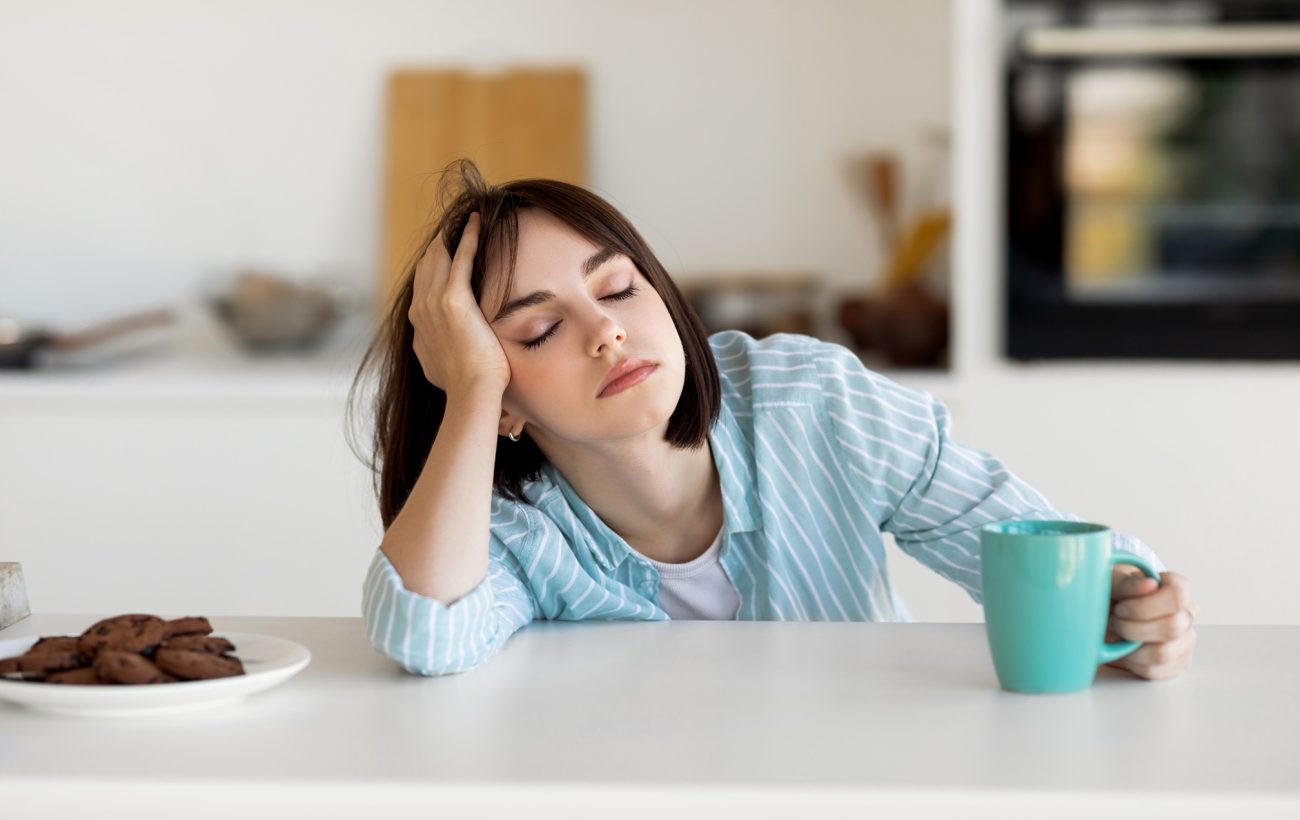
- Persistent fatigue or low energy
- Impaired concentration, attention and memory
- Irritability, mood instability or emotional distress
- Reduced motivation and decreased work or academic performance
- Increased risk of accidents and errors
These symptoms often lead to significant distress and reduced quality of life, reinforcing maladaptive sleep behaviors and perpetuating the disorder.
Herbs for better sleep
Some of the key herbal strategies include (29):
- Nervine and sedative herbs that modulate central nervous system activity
- Adaptogens that support stress resilience and HPA axis balance
- Digestive and hepatic support particularly when sleep disturbance is linked to metabolic factors, gastrointestinal discomfort and potential dysbiosis

It is important to highlight the relevance of synergy in herbal medicine. A randomised controlled trial investigating the efficacy and safety of a polyherbal formulation containing valerian (Valeriana officinalis), passionflower (Passiflora incarnata), and hops (Humulus lupulus), found it to be as effective as the conventional sleep medication zolpidem in the treatment of primary insomnia (30).
Participants taking the herbal formula experienced significant improvements in total sleep time and sleep latency, along with a reduction in the number of nightly awakenings. Insomnia Severity Index scores also improved markedly, suggesting that this polyherbal approach offers a well-tolerated and effective alternative to pharmaceutical hypnotics like zolpidem for managing insomnia.
For hyperarousal insomnia and heightened sympathetic nervous system states, the focus should be on GABAergic modulation, HPA-axis regulation and anxiolytics. Herbs that can work through GABA modulation include valerian, hops, passionflower, skullcap (Scutellaria lateriflora) and lemon balm (Melissa officinalis) (31,32).
For fatigue-dominant insomnia when there is chronic stress, it is important to not just include sedative herbs but also adaptogens (33). The main emphasis should be on providing circadian support, taking restorative tonics, anti-inflammatory herbs and mitochondrial-supportive herbs. Melatonin can be helpful, starting with 2 mg slow release and increasing gradually depending on response (34).
Herbs that are suitable for this type of insomnia are ashwagandha (Withania somnifera) as it reduces cortisol, improves sleep quality and upregulated GABA neurotransmitters (33). Tulsi (Ocimum tenuiflorum), can help with circadian and stress modulation and is not a sedating herb (35). Schisandra (Schisandra chinensis) is an adaptogenic plant that improves stress and is also a GABA and serotonin modulator (33).
Valerian (Valeriana officinalis)
Valerian root has been used in European herbal medicine for centuries as a remedy for nervous tension and insomnia (35). Preclinical studies suggest that valerian may enhance GABAergic neurotransmission by inhibiting GABA breakdown and reuptake (36). Clinical trials have produced mixed results with no improvement when taking a single dose. A meta-analysis showed improvement in sleep latency and improved sleep quality (37). Valerian appears to be most effective when taken consistently over several weeks rather than as an acute sedative.
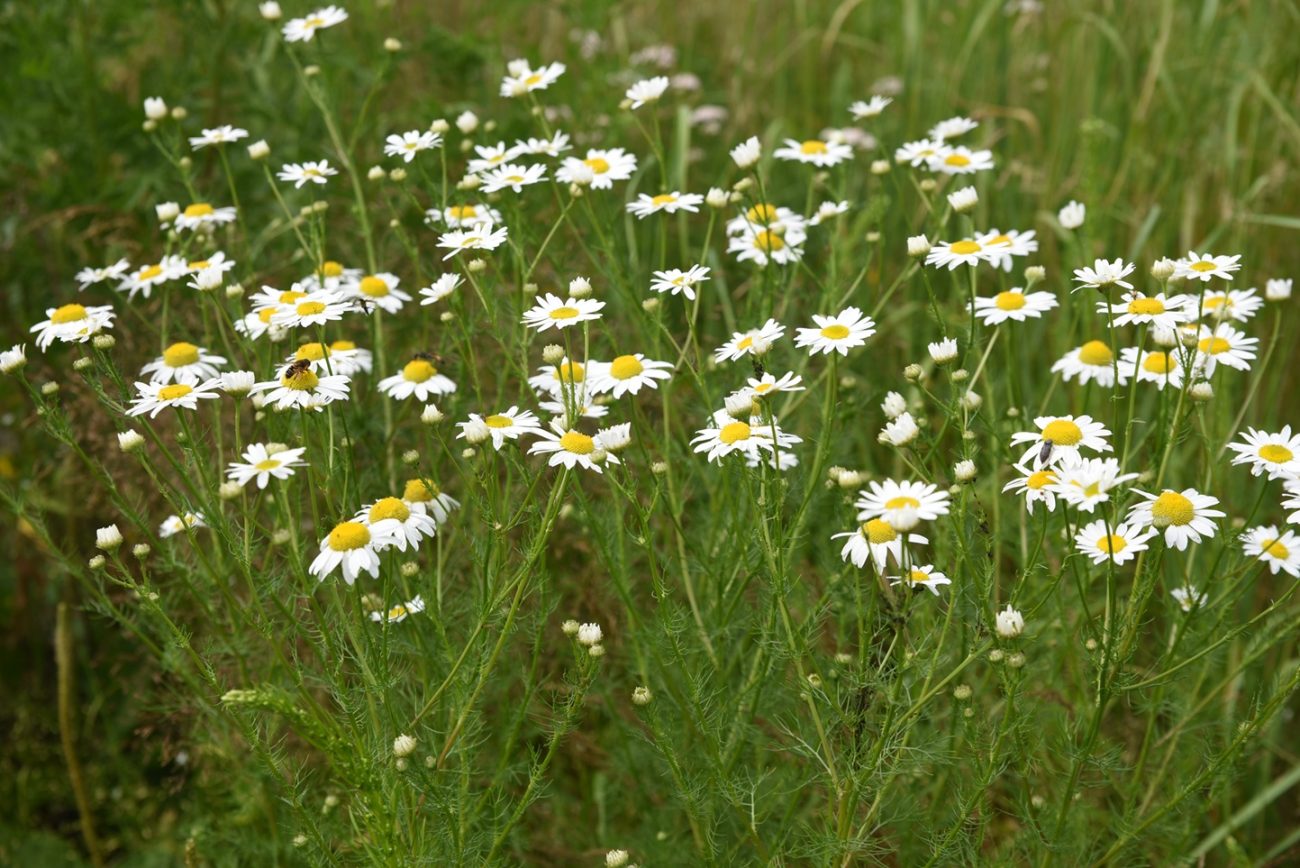
Chamomile (Matricaria chamomilla)
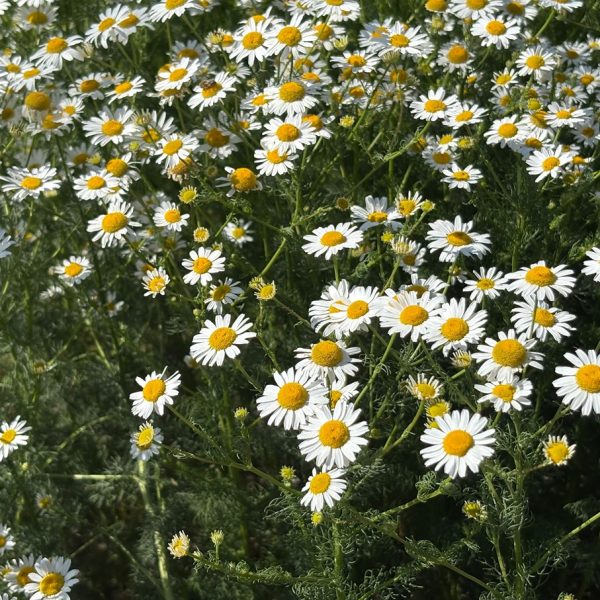
Chamomile is traditionally used as a mild sedative and anxiolytic, particularly for insomnia associated with nervousness or digestive discomfort (35). Its flavonoid constituents, including apigenin, bind to benzodiazepine receptors in the brain, providing a plausible mechanism for its calming effects (38). Clinical evidence shows it improves onset of sleep and the number of awakenings after sleep (39). Chamomile is a safe herb suitable for children (35).
Hops (Humulus lupulus)
Hops have a long tradition in European medicine for restlessness and sleep difficulties. Constituents such as humulone and lupulone exhibit sedative properties and can influence GABAA receptor activity. Hops are often combined with valerian in herbal formulations, with some evidence suggesting synergistic effects on sleep quality (40,41).
Lemon balm (Melissa officinalis)
Lemon balm is a calming nervine with anxiolytic and mood-supportive properties. Traditionally used for insomnia linked to anxiety or digestive upset, lemon balm has been shown to inhibit GABA transaminase, therefore increasing GABA availability (32,35). Clinical studies suggest benefits for sleep quality, particularly when used in combination with other sedative herbs (41,42).
Passionflower (Passiflora incarnata)
Passionflower has a history of use in both Western and traditional American herbal medicine for nervous insomnia (35). Research supports its anxiolytic and mild sedative effects, possibly mediated through modulation of GABA activity. Trials have used both a water extract (infusion) and ethanolic extract (tincture) (44).
Ashwagandha (Withania somnifera)
Ashwagandha powder or tincture is increasingly being used to help with insomnia. It can be useful particularly through its adaptogenic effects on the stress response. Clinical studies suggest it can reduce hyperactivation of the HPA axis and lower cortisol levels, supporting relaxation and improved sleep onset and quality, particularly in stress-related insomnia. Evidence also indicates that ashwagandha can modulate GABAergic signalling and reduce anxiety, both of which are key contributors to difficulty initiating and maintaining sleep (45,46).
Holistic approaches
Herbal medicine is most effective when integrated into a holistic framework that addresses behavioral, psychological and environmental factors. Key strategies include maintaining regular sleep–wake schedules, optimising sleep environments and reducing physiological arousal before bedtime.
Cognitive-behavioral therapy for insomnia (CBT-I) remains the gold standard non-pharmacological treatment and may be complemented by mindfulness practices, gentle movement, and stress-management techniques (47). Regular physical activity and exposure to natural daylight can further support circadian regulation and sleep quality (48).
References
- Levenson JC, Kay DB, Buysse DJ. The pathophysiology of insomnia. Chest. 2015;147(4):1179-1192.
- Sateia MJ. International classification of sleep disorders–third edition: highlights and modifications. Chest. 2014;146(5):1387-1394. https://doi.org10.1378/chest.14-0970
- American Psychiatric Association. Diagnostic and Statistical Manual of Mental Disorders. 5th ed, text rev. Washington, DC: American Psychiatric Publishing; 2022.
- Morin CM, Jarrin DC. Epidemiology of insomnia: prevalence, course, risk factors, and public health burden. Sleep Med Clin. 2022;17(2):173-191. https://doi.org/10.1016/j.jsmc.2022.03.003
- Morin CM, Benca R. Chronic insomnia. Lancet. 2012;379(9821):1129-1141. https://doi.org/10.1016/s0140-6736(11)60750-2
- Brewster GS, Riegel B, Gehrman PR. Insomnia in the older adult. Sleep Med Clin. 2018;13(1):13-19. https://doi.org/10.1016/j.jsmc.2017.09.002
- Neroni B, Evangelisti M, Radocchia G, et al. Relationship between sleep disorders and gut dysbiosis: what affects what? Sleep Med. 2021;87:1-7. https://doi.org/10.1016/j.sleep.2021.08.003
- Taylor DJ, Mallory LJ, Lichstein KL, Durrence HH, Riedel BW, Bush AJ. Comorbidity of chronic insomnia with medical problems. Sleep. 2007;30(2):213-218. https://doi.org/10.1093/sleep/30.2.213
- Germain A. Sleep disturbances as the hallmark of PTSD: where are we now? Am J Psychiatry. 2013;170(4):372-382. https://doi.org/10.1176/appi.ajp.2012.12040432
- Ishak WW, Bagot K, Thomas S, et al. Quality of life in patients suffering from insomnia. Innov Clin Neurosci. 2012;9(10):13. https://pmc.ncbi.nlm.nih.gov/articles/PMC3508958/
- Sofi F, Cesari F, Casini A, Macchi C, Abbate R, Gensini GF. Insomnia and risk of cardiovascular disease: a meta-analysis. Eur J Prev Cardiol. 2014;21(1):57-64. https://doi.org/10.1177/2047487312460020
- Wu MP, Lin HJ, Weng SF, Ho CH, Wang JJ, Hsu YW. Insomnia subtypes and the subsequent risks of stroke. Stroke. 2014;45(5):1349-1354. https://doi.org/10.1161/strokeaha.113.003675
- Riemann D, Spiegelhalder K, Feige B, et al. The hyperarousal model of insomnia: a review of the concept and its evidence. Sleep Med Rev. 2010;14(1):19-31. https://doi.org/10.1016/j.smrv.2009.04.002
- Dressle RJ, Feige B, Spiegelhalder K, et al. HPA axis activity in patients with chronic insomnia: a systematic review and meta-analysis. Sleep Med Rev. 2022;62:101588. https://doi.org/10.1016/j.smrv.2022.101588
- Meyer N, Harvey AG, Lockley SW, Dijk DJ. Circadian rhythms and disorders of the timing of sleep. Lancet. 2022;400(10357):1061-1078. https://doi.org/10.1016/s0140-6736(22)00877-7
- Ma Y, Goldstein MR, Davis RB, Yeh GY. Profile of subjective-objective sleep discrepancy in patients with insomnia and sleep apnea. J Clin Sleep Med. 2021;17(11):2155-2163. https://doi.org/10.5664/jcsm.9348
- El Rafihi-Ferreira R, do Brasil do Carmo MMI, Bassolli L, et al. Cognitive and psychological factors associated with severe insomnia in Brazilian women. Psicol Reflex Crit. 2022;35(1):39. https://doi.org/10.1186/s41155-022-00243-x
- Ahmadi R, Rahimi-Jafari S, Olfati M, et al. Insomnia and post-traumatic stress disorder: a meta-analysis. Neurosci Biobehav Rev. 2022;141:104850. https://doi.org/10.1016/j.neubiorev.2022.104850
- Andreadi A, Andreadi S, Todaro F, et al. Modified cortisol circadian rhythm: the hidden toll of night-shift work. Int J Mol Sci. 2025;26(5):2090. https://doi.org/10.3390/ijms26052090
- Chaudhary NS, Grandner MA, Jackson NJ, Chakravorty S. Caffeine consumption, insomnia, and sleep duration. Nutrition. 2016;32(11-12):1193-1199. https://doi.org/10.1016/j.nut.2016.04.005
- Chakravorty S, Chaudhary NS, Brower KJ. Alcohol dependence and its relationship with insomnia. Alcohol Clin Exp Res. 2016;40(11):2271-2282. https://doi.org/10.1111/acer.13217
- Johnson DA, Billings ME, Hale L. Environmental determinants of insufficient sleep. Curr Epidemiol Rep. 2018;5(2):61-69. https://doi.org/10.1007/s40471-018-0139-y
- Wang Z, Wang Z, Lu T, et al. Gut microbiota regulate insomnia-like behaviors. Mol Psychiatry. 2025;30(6):2597-2611. https://doi.org/10.1038/s41380-024-02867-0
- Yerlikaya FH, Onmaz DE, Selvi Y, et al. Insomnia patients have a poor intestinal prognosis. J Psychiatr Res. 2025;183:25-30. https://doi.org/10.1016/j.jpsychires.2025.01.035
- Smith RP, Easson C, Lyle SM, et al. Gut microbiome diversity is associated with sleep physiology. PLoS One. 2019;14(10):e0222394. https://doi.org/10.1371/journal.pone.0222394
- Naha S, Sivaraman M, Sahota P. Insomnia: a current review. Mo Med. 2024;121(1):44. https://pmc.ncbi.nlm.nih.gov/articles/PMC10887463/
- Maki PM, Panay N, Simon JA. Sleep disturbance associated with the menopause. Menopause. 2024;31(8):724-733. https://doi.org/10.1097/gme.0000000000002386
- NHS. Insomnia. https://www.nhs.uk/conditions/insomnia/. Accessed 8th February 2026.
- Bone K, Mills S. Principles and Practice of Phytotherapy. 2nd ed. London, UK: Elsevier Health Sciences; 2013.
- Maroo N, Hazra A, Das T. Efficacy and safety of a polyherbal sedative-hypnotic formulation NSF-3 in primary insomnia. Indian J Pharmacol. 2013;45(1):34-39. https://doi.org/10.4103/0253-7613.106432
- Bruni O, Ferini-Strambi L, Giacomoni E, Pellegrino P. Herbal remedies and their possible effect on the GABAergic system. Nutrients. 2021;13(2):530. https://doi.org/10.3390/nu13020530
- Mathews IM, Eastwood J, Lamport DJ, et al. Clinical efficacy and tolerability of lemon balm. Nutrients. 2024;16(20):3545. https://doi.org/10.3390/nu16203545
- Liao LY, He YF, Li L, et al. A preliminary review of studies on adaptogens. Chin Med. 2018;13(1):57. https://doi.org/10.1186/s13020-018-0214-9
- Choi K, Lee YJ, Park S, Je NK, Suh HS. Efficacy of melatonin for chronic insomnia. Sleep Med Rev. 2022;66:101692. https://doi.org/10.1016/j.smrv.2022.101692
- McIntyre A. The Complete Herbal Tutor. London, UK: Butterworth-Heinemann; 2004.
- Orhan IE. Molecular mechanisms of the anxiolytic effect of Valeriana officinalis. Curr Pharm Des. 2021;27(28):3084-3090. https://doi.org/10.2174/1381612827666210119105254
- Bent S, Padula A, Moore D, Patterson M, Mehling W. Valerian for sleep. Am J Med. 2006;119(12):1005-1012. https://doi.org/10.1016/j.amjmed.2006.02.026
- Mao JJ, Li QS, Soeller I, et al. Long-term chamomile therapy of GAD. J Clin Trials. 2014;4(5):188. https://doi.org/10.4172/2167-0870.1000188
- Kazemi A, Shojaei-Zarghani S, Eskandarzadeh P, Hashempur MH. Effects of chamomile on sleep. Complement Ther Med. 2024;84:103071. https://doi.org/10.1016/j.ctim.2024.103071
- Salter S, Brownie S. Treating primary insomnia. Aust Fam Physician. 2010;39(6):433-437.
- Morin CM, Koetter U, Bastien C, Ware JC, Wooten V. Valerian-hops combination for insomnia. Sleep. 2005;28(11):1465-1471. https://doi.org/10.1093/sleep/28.11.1465
- Ranjbar M, Firoozabadi A, Salehi A, et al. Effects of herbal combination on insomnia. Integr Med Res. 2018;7(4):328-332. https://doi.org/10.1016/j.imr.2018.08.001
- Müller SF, Klement S. Valerian and lemon balm in children. Phytomedicine. 2006;13(6):383-387. https://doi.org/10.1016/j.phymed.2006.01.013
- Lee J, Jung HY, Lee SI, et al. Effects of Passiflora incarnata on sleep parameters. Int Clin Psychopharmacol. 2020;35(1):29-35. https://doi.org/10.1097/yic.0000000000000291
- Park CW, Hong KB, Suh HJ, Ahn Y. Sleep-promoting activity of ashwagandha root extract. J Food Drug Anal. 2023;31(2):278. https://doi.org/10.38212/2224-6614.3456
- Speers AB, Cabey KA, Soumyanath A, Wright KM. Effects of Withania somnifera on stress-related disorders. Curr Neuropharmacol. 2021;19(9):1468-1495. https://doi.org/10.2174/1570159×19666210712151556
- Salwen-Deremer JK, Siegel CA, Smith MT. Cognitive behavioral therapy for insomnia in IBD. Crohns Colitis 360. 2020;2(3):otaa052. https://doi.org/10.1093/crocol/otaa052
- Shen B, Ma C, Wu G, et al. Effects of exercise on circadian rhythms. Front Pharmacol. 2023;14:1282357. https://doi.org/10.3389/fphar.2023.1282357