













Last reviewed 16/01/2025
Sustainability status
At risk from overharvesting and habitat loss. Read more in our sustainability guide.

-
Herb overview
Safety
In significant excess wild yam may cause nausea, vomiting, diarrhoea and headaches.
Sustainability
Caution: At risk
Key constituents
Phytosterols: Beta-sitosterol
Steroidal saponins: Diosgenin
Alkaloids: DioscorinQuality
Native to North America
Wild harvested
Substitution risk with other Dioscorea spp. and addition of synthetic progesteroneKey actions
Antispasmodic
Anti-inflammatory
Cholagogue
Hormonal modulatorKey indications
IBS
Dysmenorrhoea
Colic
MenopauseKey energetics summary
Cold
Dry
BitterSee below for discipline-specific energeticsPreperation and dosage
Root and rhizome
Tincture (1:5 | 45%): 20–40 ml per week
Decoction: 6–12 g per day
-
How does it feel?
Wild yam leaves a bitter taste after prolonged chewing of its rhizome (1). When prepared as a decoction, it can feel mildly thick or starchy because of its saponin content (2). When taken internally, it generally produces a relaxing and grounding effect, particularly on smooth muscle tissue (3).

-
What practitioners say
 Digestive system
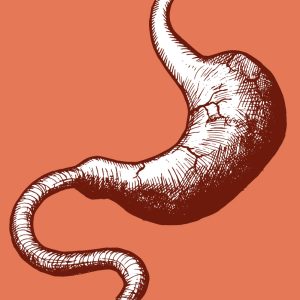
Wild yam is a useful antispasmodic plant used to relieve colic spasms, IBS, biliary colic and bloating (4). It is also used in inflammatory conditions of the bowel, such as colitis and diverticulitis (4).
Mrs Grieve wrote in her Modern Herbal book: “perhaps the best relief and promptest cure for bilious colic”, highlighting its antispasmodic action (6).
Reproductive system
Wild yam helps to regulate levels of oestrogen and progesterone. Its steroidal saponins are converted into diosgenin, which is a precursor of progesterone (4). However, research suggests that steroidal saponins primarily exert an oestrogenic effect on the body, with a secondary progestogenic action (10). These compounds bind to oestrogen receptors in the hypothalamus and can, therefore, be beneficial in alleviating symptoms associated with the low-oestrogen environment of menopause (5,10).
The antispasmodic properties of wild yam explain why it is used to relieve tension in the uterus and ovaries. It is indicated for spasmodic dysmenorrhoea accompanied by nausea and ovarian and/or uterine pain. The herb is traditionally used as a hormone-balancing and nourishing tonic in cases of low libido, infertility, and premenstrual syndrome (PMS) (3,4,8).
Some practitioners say that it may also be helpful in relieving nausea and cramping during pregnancy (4,6). However, in pregnancy it should only be taken in small amounts and always under the guidance of a qualified herbalist.
Musculoskeletal system
The antispasmodic action helps to relieve muscular spasms and pain, including muscle twitches, restless legs, and leg cramps (4). As wild yam has anti-inflammatory properties, it can be beneficial in conditions such as arthritis and gout (3). Traditionally, the herb has been used in the management of convulsions and epilepsy (4).
Immune system
Its anti-inflammatory properties make it useful in autoimmune conditions, including rheumatoid arthritis and lupus. It can improve immune function and has been suggested to stimulate interferon production (4).
Nervous system
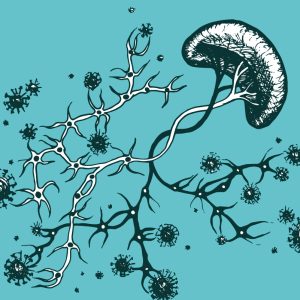
The herb has a calming effect on the nervous system, helping to ease anxiety and muscle tension (9). It can also help to relieve mood swings associated with PMS and menopause.
-
Wild yam research

Wild yam (Dioscorea villosa) Effects of wild yam extract on menopausal symptoms, lipids and sex hormones in healthy menopausal women (11)
This double-blind, placebo-controlled, cross-over study tested a topical wild yam cream on 23 menopausal women to determine effects on common symptoms, hormone levels, and side effects. After three months of treatment, the study found no significant difference between the wild yam cream and placebo for menopausal symptom relief or hormone changes such as oestradiol or progesterone levels. The formulation had no side effects, so was very safe to use.
Bioassay-guided evaluation of Dioscorea villosa — an acute and subchronic toxicity, antinociceptive and anti-inflammatory approach (12)
In an animal study, wild yam extract demonstrated both antinociceptive (pain-reducing) and anti-inflammatory effects in rodent models of pain and inflammation. Doses of 200–400 mg/kg significantly reduced chemically induced writhing and formalin pain responses, and inhibited leukocyte migration, an indicator of reduced inflammation. Importantly, this study also reported no significant acute or subchronic toxicity in treated rodents, supporting traditional use for inflammatory pain relief.
The anticancer potential of steroidal saponin, dioscin, isolated from wild yam (Dioscorea villosa) root extract in invasive human breast cancer cell line MDA-MB-231 in vitro (13)
This in vitro study investigated the anticancer effects of dioscin, a steroidal saponin isolated from wild yam on the invasive human breast cancer cell line MDA-MB-231. The researchers found that dioscin inhibited cancer cell proliferation and induced apoptosis in a dose-dependent manner, while also affecting gene expression related to immune response, inflammation and steroid biosynthesis.
-
Historical use of wild yam

Wild yam (Dioscorea villosa) Wild yam has a long history of use in Indigenous North American medicine and later in Eclectic herbal practice (7,8). Indigenous peoples valued the root for its ability to relieve pain and ease spasms, using it for colic, difficult labour, musculoskeletal pain and a range of digestive complaints (7,9). Its strong antispasmodic action made it especially useful in conditions involving cramping or tension, particularly in the gastrointestinal and pelvic regions.
During the nineteenth century, Eclectic physicians commonly referred to wild yam as “colic root”, reflecting its reputation as a reliable remedy for intestinal, biliary and renal colic (8). It was frequently prescribed for gallstones, dyspepsia, severe abdominal cramping, and persistent nausea, often combined with other antispasmodic herbs, such as cramp bark (Viburnum opulus) or black cohosh (Actaea racemosa) (9). Thomas Bartram describes its actions as antirheumatic, anti-inflammatory, muscle-relaxant, and cholagogue, noting its usefulness in inflammatory rheumatism, stomach and muscle cramps, as well as disorders of the liver and gallbladder. He also suggested that its anti-inflammatory effects were linked to its steroidal constituents (9).
Wild yam was also widely used for gynaecological issues, particularly for painful menstruation, uterine irritation and symptoms associated with menopause (3,4). Traditionally, it was considered to soothe and strengthen the reproductive organs while easing pain and inflammation. Its association with hormonal support developed more strongly in the twentieth century, following the identification of diosgenin and its later use in the manufacture of steroidal hormones (1,5).
-
Wild yam’s herbal actions
Herbal actions describe therapeutic changes that occur in the body in response to taking a herb. These actions are used to express how a herb physiologically influences cells, tissues, organs or systems. Clinical observations are traditionally what have defined these actions: an increase in urine output, diuretic; improved wound healing, vulnerary; or a reduction in fever, antipyretic. These descriptors too have become a means to group herbs by their effects on the body — herbs with a nervine action have become the nervines, herbs with a bitter action are the bitters. Recognising herbs as members of these groups provides a preliminary familiarity with their mechanisms from which to then develop an understanding of their affinities and nuance and discern their clinical significance.
-
Wild yam’s energetic qualities
Herbal energetics are the description that herbalists have given to plants, mushrooms, lichens, foods and some minerals based on the direct experience of how they taste, feel and affect the body. All traditional health systems use these principles to explain how the environment impacts health, according to each of their philosophies and frameworks. These assessments of individual herbs, though they often do align, can differ from one another due to cultural differences regarding perspectives on how herbs taste versus their physiological effects. Find out more about traditional energetics in our article An introduction to herbal energetics.
-
What can I use wild yam for?

Wild yam root (Dioscorea villosa) Wild yam has antispasmodic properties, making it especially valuable for conditions involving smooth muscle tension and cramping, particularly involving the bowel and the uterus (3,4). It is widely used for gastrointestinal spasms such as intestinal colic, irritable bowel syndrome (IBS) and gallbladder/biliary pain (3,4). By relaxing involuntary muscle contractions, wild yam helps relieve sharp, gripping or twisting pains without suppressing normal digestive function (5).
Wild yam is also used for menstrual pain and reproductive system disorders (5). Wild yam is commonly used for menstrual pain (dysmenorrhea), uterine cramping, and ovarian pain (3,4). While it does not contain progesterone, its steroidal saponins, especially diosgenin, support endocrine balance indirectly by influencing hormone metabolism and reducing inflammatory stress on the reproductive organs (5).
Wild yam has anti-inflammatory properties, making it useful in inflammatory rheumatic pain (3). It is often indicated when pain presents as spasmodic or associated with nervous tension. Its calming action on the nervous system can help reduce pain exacerbated by stress or anxiety.
Additionally, wild yam is traditionally considered a cholagogue, which means it can support hepatic and biliary function, help fat digestion and ease congestion in the liver and gallbladder (6). It can be used in cases of biliary colic, sluggish digestion or digestive discomfort linked to biliary stagnation (7,8).
-
Did you know?
Although wild yam contains the steroidal saponin diosgenin, which is used industrially to manufacture progesterone and other steroid hormones, it is likely that this conversion does not happen in the body (10,14). The chemical transformation requires laboratory processes (14). This has helped shift wild yam’s reputation away from being a ‘natural progesterone’ and toward its true strengths as an antispasmodic, anti-inflammatory and oestrogen modulator and pain-relieving herb.

 Digestive system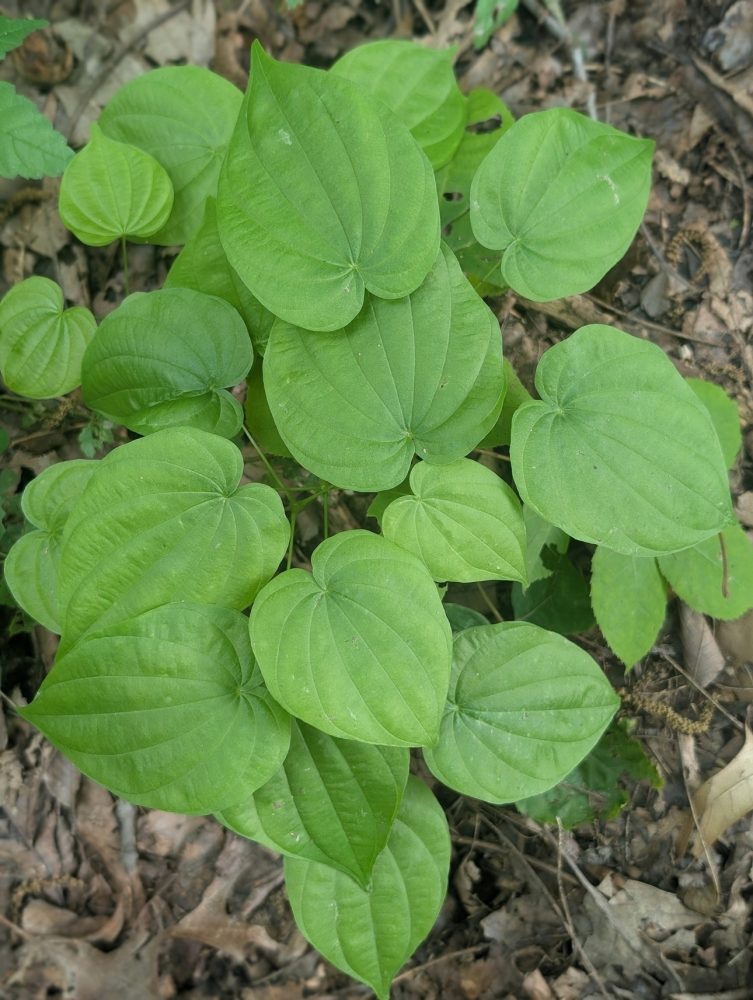
-
Botanical description
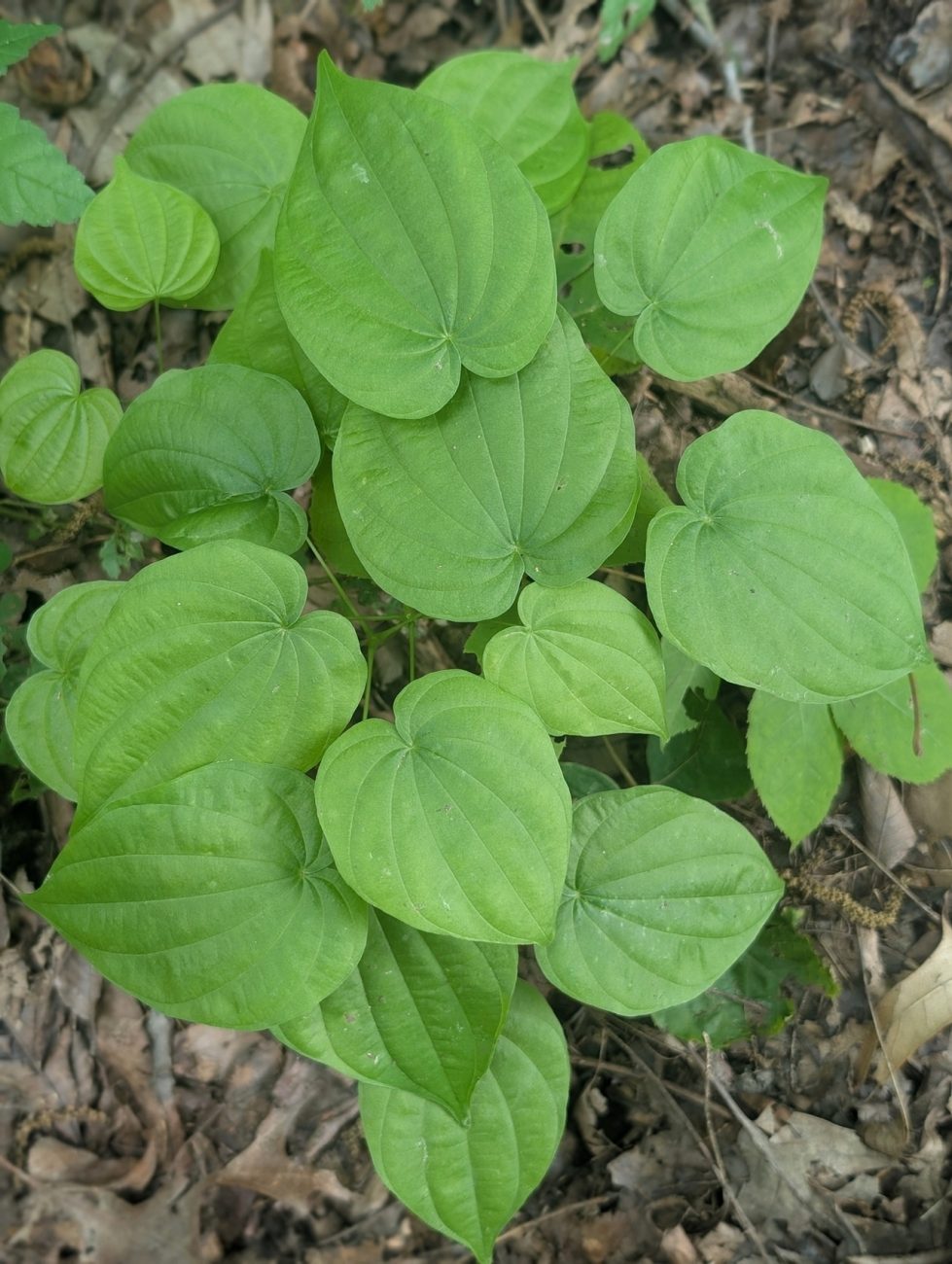
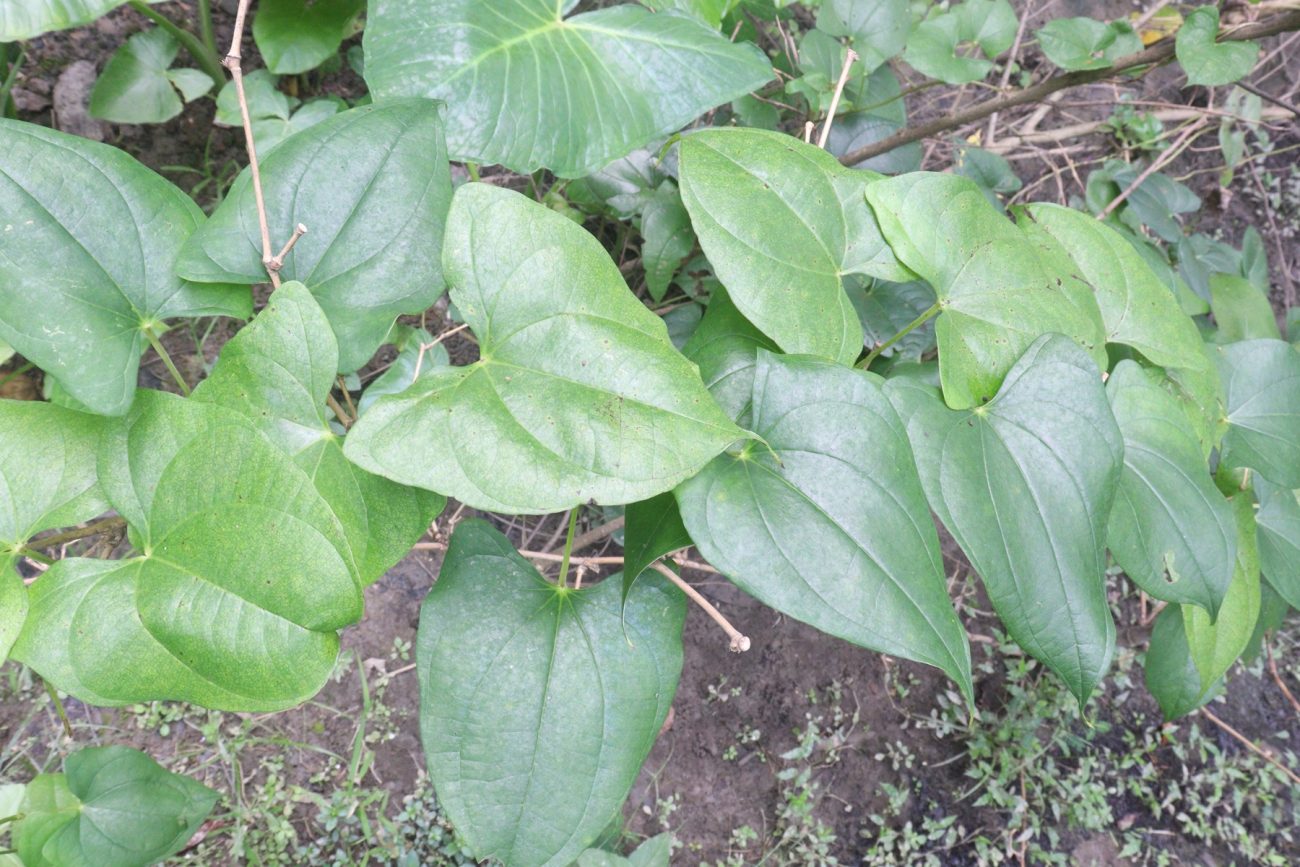
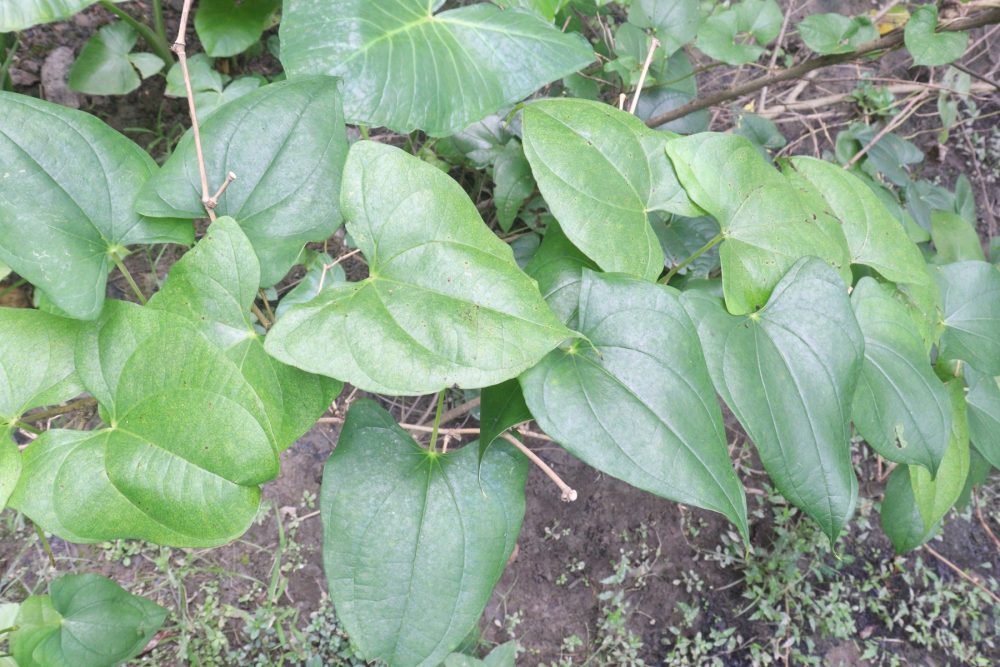
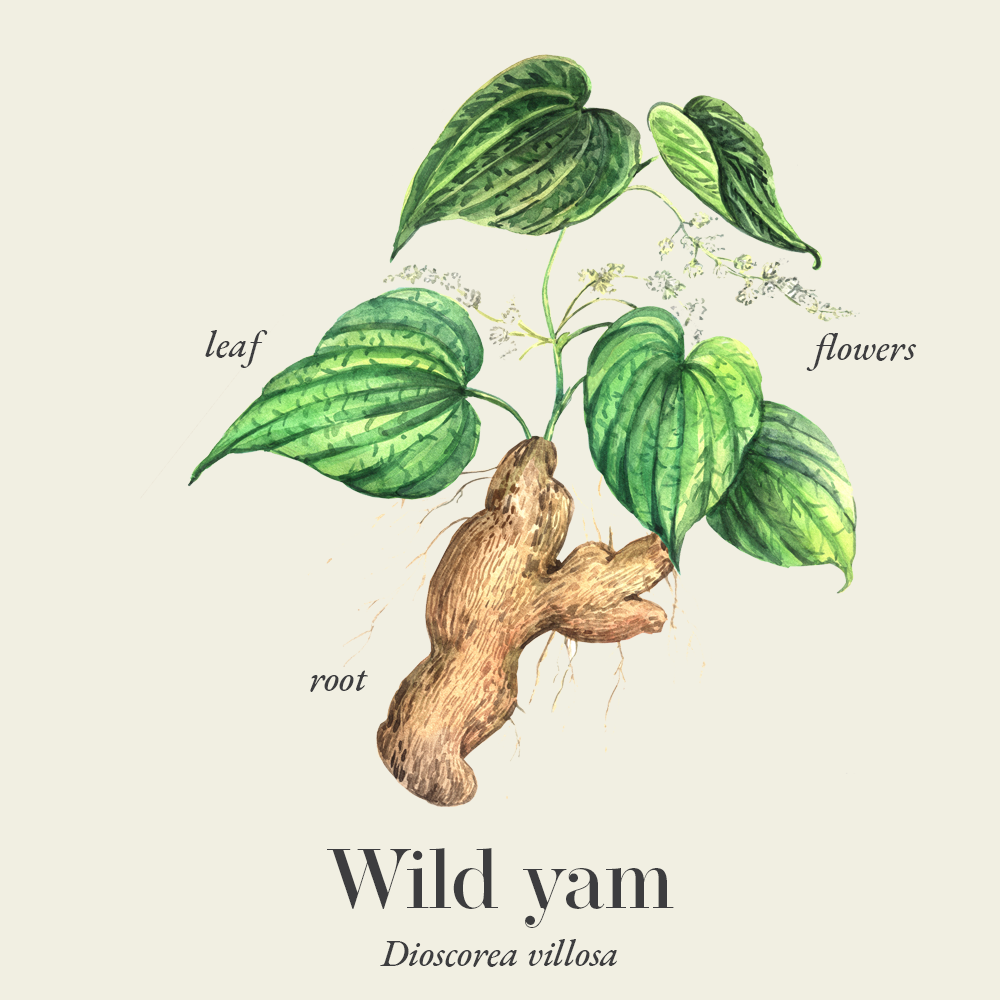
Wild yam is a perennial, twining vine with slender, climbing stems that can reach 3–5 m in length.
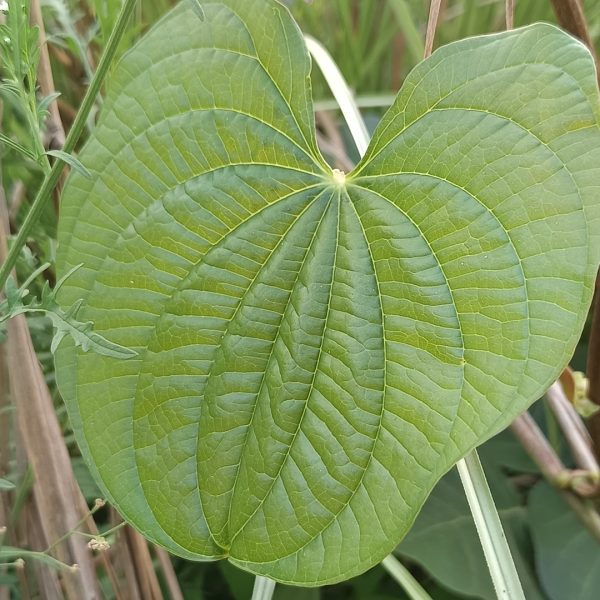
The plant has alternate, heart-shaped to ovate leaves with prominent parallel venation, typically 7–9 veins radiating from the leaf base. Leaves are smooth, thin, and pointed at the tip, with long petioles (3, 8).
Wild yam is dioecious, producing male and female flowers on separate plants (3). The flowers are small, greenish-white to yellowish, and borne in drooping panicles or spikes.
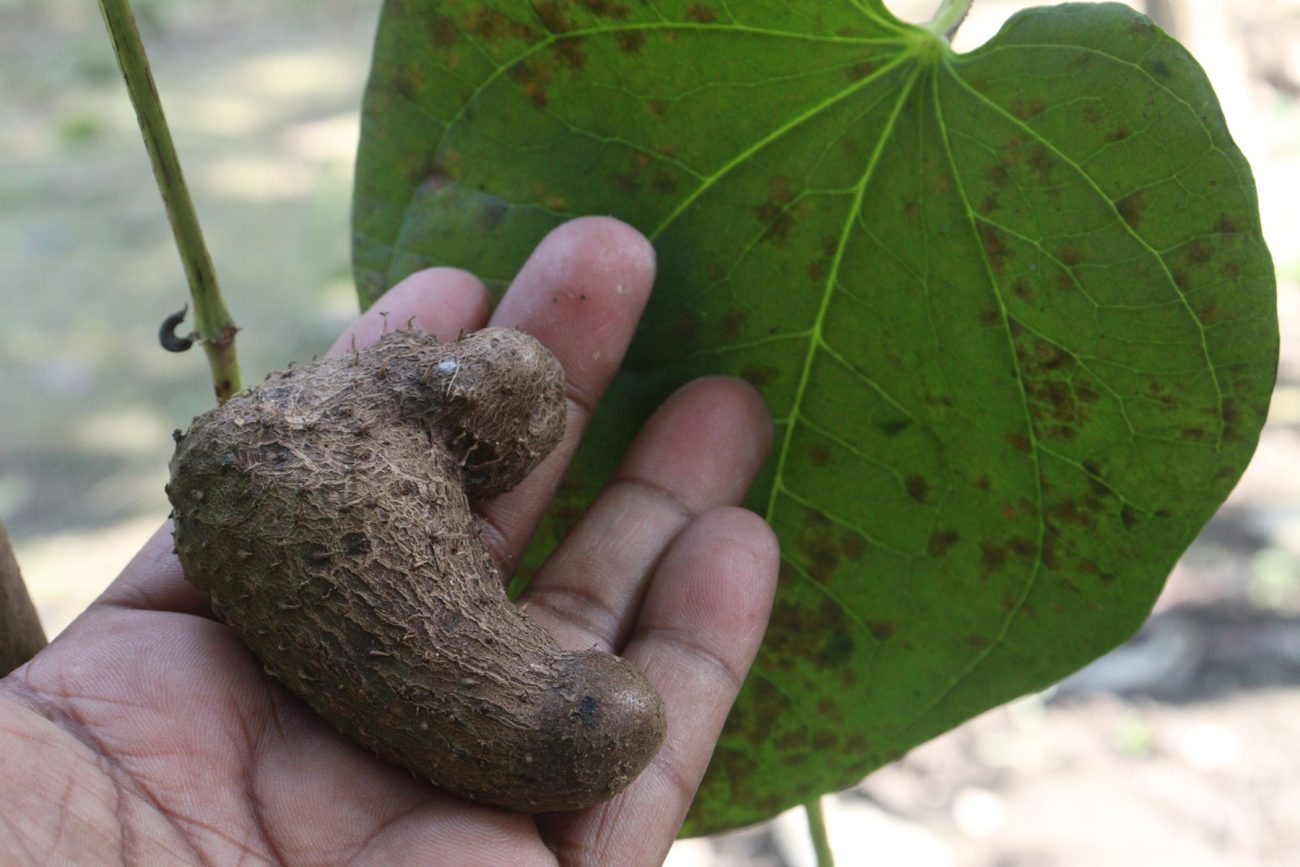
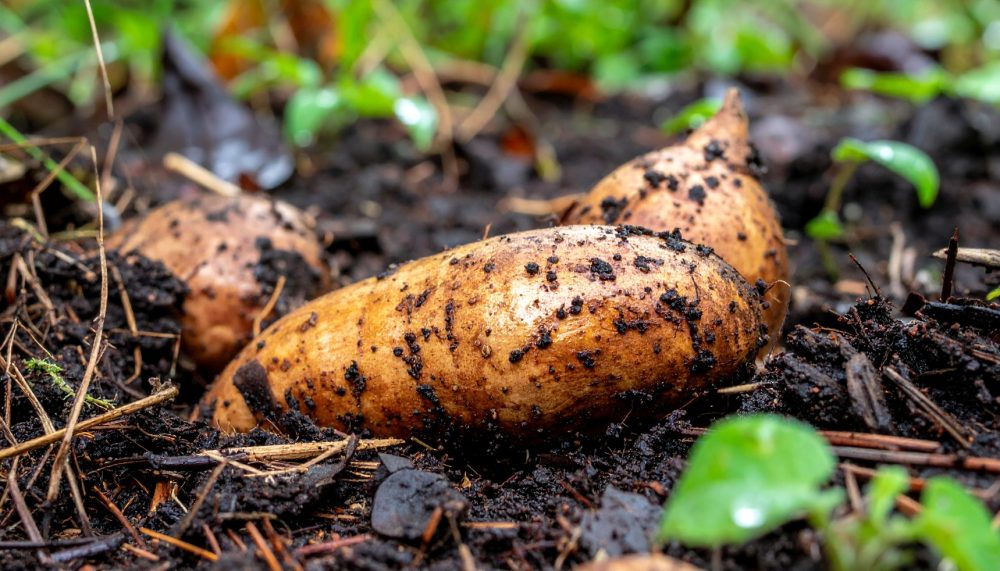
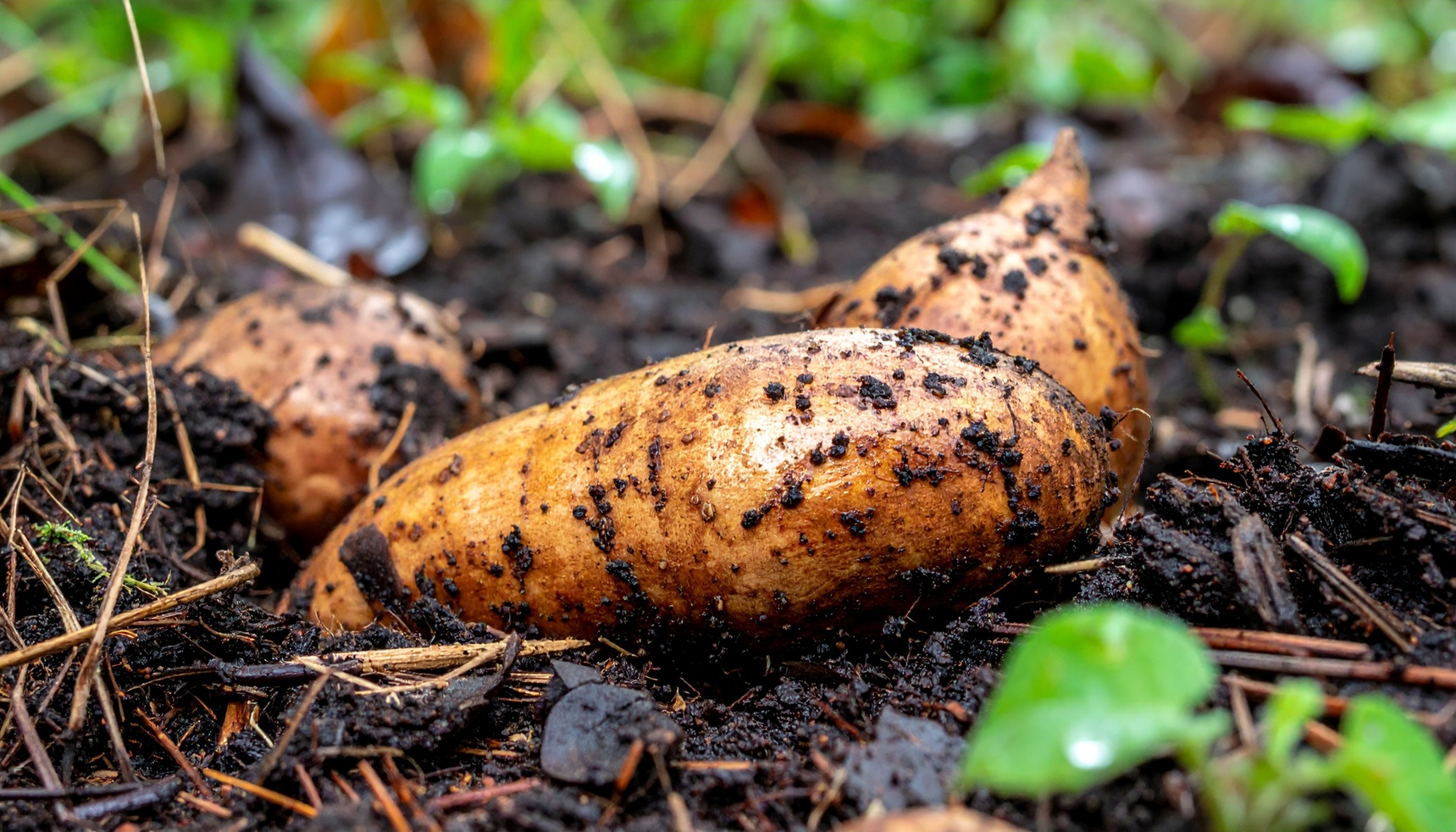
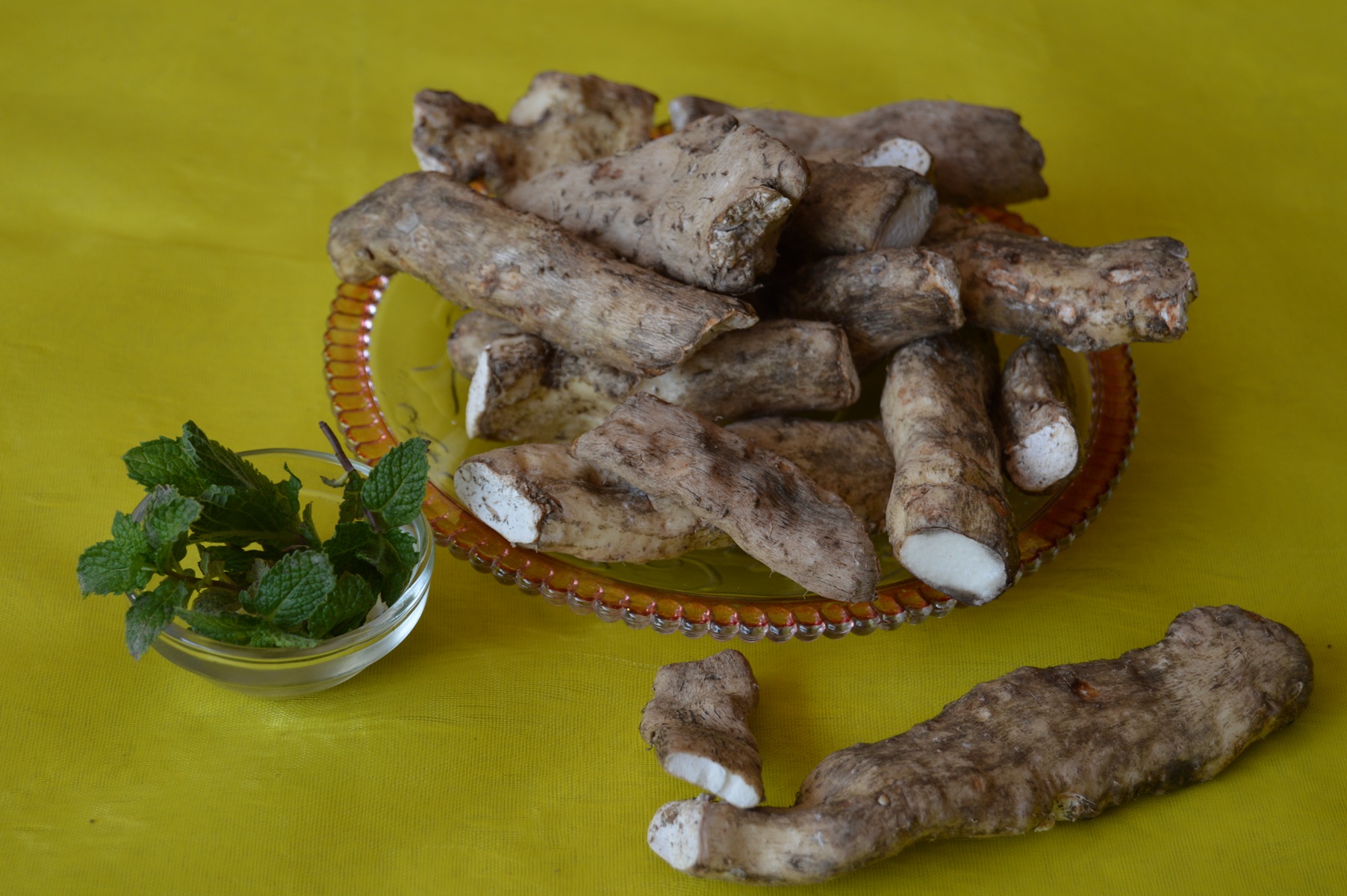
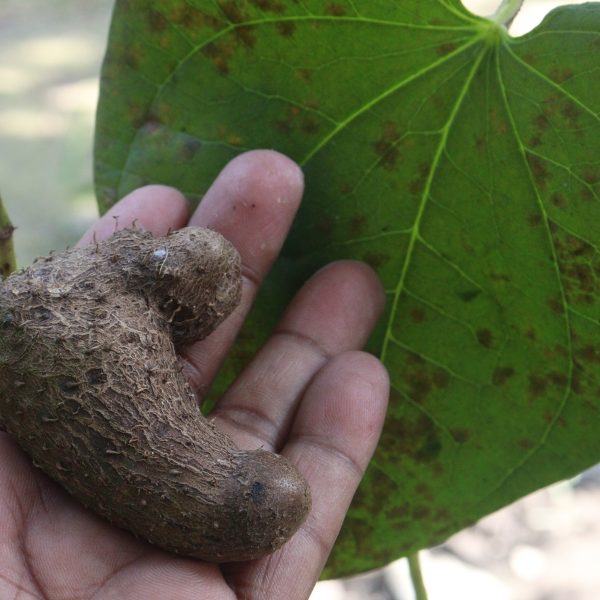
The most medicinally significant part of the plant is its thick, knotty, horizontal rhizome, which is brown externally, white to yellowish internally.
-
Habitat
Wild yam is native to eastern North America, ranging from southern Ontario and New England through the eastern and southeastern United States, extending westward to Texas and the Midwest (8, 18). It grows primarily in deciduous woodlands, forest edges, thickets, and moist slopes, favouring well-drained, loamy soils rich in organic matter. The plant thrives in partial shade and is often found climbing over shrubs or low trees (19). Although native, wild yam has declined in some areas due to overharvesting and habitat loss, and it is now sometimes cultivated for medicinal use to reduce pressure on wild populations.
-
How to grow wild yam
It grows best in temperate climates in partial shade, mimicking woodland-edge conditions. It prefers well-drained soil rich in organic matter and requires a trellis or nearby shrubs for its twining vine to climb. Propagation is most reliable from rhizome divisions, planted horizontally in spring about 5–8 cm deep, though it can also be grown from seed with patience. Keep soil consistently moist during establishment, then water moderately once established. Wild yam is slow growing, and rhizomes are typically harvested after 3–5 years, ideally in autumn after the foliage dies back (20).
-
Herbal preparation of wild yam
A decoction is the traditional method for internal use. The average dose is 2º4 g or fluid equivalent, taken three times daily (3). To prepare a decoction, use 1 teaspoon to each cup of water gently simmered for 20 minutes (9).
Tinctures can offer a more convenient and concentrated form. Alcohol extracts the steroidal saponins effectively, making tinctures suitable for conditions such as menstrual cramps, muscle spasms, and biliary colic (16,17).
Externally, wild yam can be prepared as poultices, oils or creams (4).
-
Plant parts used
Root and rhizome (1,4)
-
Dosage
- Tincture (1:5 | 45%): 20–40 ml per week (1,3)
- Infusion/decoction: 6–12 g per day (1,3,9).
- According to the British Herbal Pharmacopeia (BHP): Ethanolic extract 1:5 45% 2–10 ml in water (9)
-
Constituents
- Phytosterols: Beta-sitosterol, campesterol, stigmasterol (3)
- Steroidal saponins: Diosgenin (absorbable glycoside), dioscin, protodioscin (1, 2, 3)
- Alkaloids: Dioscorin (3)
- Flavonoids
- Tannins
-
Wild yam recipe
Wild yam poultice
This poultice can be used to ease joint pain, stiffness, and spasmodic or rheumatic discomfort, particularly where pain is aggravated by muscular tension or inflammation.
Ingredients
- 2–3 tablespoons dried wild yam root, finely powdered
- Hot water (as needed)
- Optional adjunct: 1 tablespoon of ginger powder or grated ginger for warming circulation (9)
How to make a wild yam poultice
- Place the powdered wild yam root in a heatproof bowl.
- Gradually add hot (not boiling) water, stirring until a thick, spreadable paste forms.
- Allow the mixture to cool slightly to a comfortably warm temperature.
- Spread the paste evenly onto a clean cloth or directly onto the affected joint.
- Cover with another cloth or bandage to retain warmth.
Application
- Apply to the affected joint for 20–30 minutes, once or twice daily.
- Remove and gently rinse the area with warm water.

-
Safety
In significant excess it may cause nausea, vomiting, diarrhoea and headaches (4). Generally safe in pregnancy in low doses but consult with a qualified herbalist before taking (1, 4). Bartram recommends to avoid in pregnancy (9). There are no established guidelines for using wild yam while breastfeeding.
-
Interactions
There is no information on the potential interactions of wild yam and pharmaceutical drugs (1). Diosgenin and dioscin show mild inhibition of CYP3A4 in vitro, but the concentrations needed are very high, making significant drug interactions unlikely in real-world scenarios (15).
-
Contraindications
None known (1,3,4)
-
Sustainability status of wild yam
Wild yam has no formal global IUCN Red List status. Nature Serve lists wild yam as a G5 (safe) plant in the United Stated: “with no obvious intrinsic vulnerabilities, this species is considered secure”. Although in the state of Nebraska it is a G1 (critically endangered) and in Kansas is S2 (endangered) (18).
Habitat loss and over-harvesting from the wild are two of the biggest threats faced by medicinal plant species. There are an increasing number of well-known herbal medicines at risk of extinction. We must, therefore, ensure that we source our medicines with sustainability in mind.
The herb supplement industry is growing at a rapid rate and until recent years a vast majority of medicinal plant produce in global trade was of unknown origin. There are some very real and urgent issues surrounding sustainability in the herb industry. These include environmental factors that affect the medicinal viability of herbs, the safety of the habitats that they are taken from, as well as the welfare of workers in the trade.
The botanical supply chain efforts for improved visibility (transparency and traceability) into verifiably sustainable production sites around the world is now certificated through the emergence of credible international voluntary sustainability standards (VSS).
Read our article on Herbal quality & safety: What to know before you buy and Sustainable sourcing of herbs to learn more about what to look for and questions to ask suppliers about sustainability.
-
Quality control
Herbal medicines are often very safe to take; however, their safety and efficacy can be jeopardised by quality issues. So, it is important to buy herbal medicines from a reputable supplier, from sources known to test their herbs to ensure there is no contamination, adulteration or substitution with incorrect plant matter, as well as ensuring that recognised marker compounds are at appropriate levels in the herbs.
Some important quality assurances to look for are certified organic labelling, the correct scientific/botanical name, and the availability of information from the supplier about ingredient origins. A supplier should be able to tell you where the herbs have come from, what contaminants are not in the herb, and what the primary compounds are.
-
References
- Thomsen M, Gennat H, eds. Phytotherapy Desk Reference. Montvale, NJ: Medical Economics; 2000.
- Dong SH, Cai G, Napolitano JG, et al. Lipidated steroid saponins from Dioscorea villosa (wild yam). Fitoterapia. 2013;91:113-124.
- Fisher C. Materia Medica of Western Herbs. London, UK: Aeon Books; 2018.
- McIntyre A. The Complete Herbal Tutor: The Definitive Guide to the Principles and Practice of Western Herbal Medicine. London, UK: Butterworth-Heinemann; 2004.
- Bone K, Mills S. Principles and Practice of Phytotherapy: Modern Herbal Medicine. 2nd ed. Edinburgh, UK: Elsevier Health Sciences; 2012.
- Grieve M. A Modern Herbal. Botanical.com website. Accessed January 1, 2026. https://www.botanical.com
- PlantaeDB. Dioscorea villosa (Wild yam): ethnobotanical use and traditional preparations. Accessed January 2, 2026. https://www.plantaedb.com/taxa/phylum/angiosperms/order/dioscoreales/family/dioscoreaceae/genus/dioscorea/species/dioscorea-villosa
- Henriette’s Herbal Homepage. Dioscorea—Wild Yam. Accessed January 2, 2026. https://www.henriettes-herb.com/eclectic/kings/dioscorea.html
- Bartram T. Bartram’s Encyclopedia of Herbal Medicine. London, UK: Hachette UK; 2013.
- Zava DT, Dollbaum CM, Blen M. Estrogen and progestin bioactivity of foods, herbs, and spices. Proc Soc Exp Biol Med. 1998;217(3):369-378. https://doi.org/10.3181/00379727-217-44247
- Komesaroff PA, Black CVS, Cable V, Sudhir K. Effects of wild yam extract on menopausal symptoms, lipids and sex hormones in healthy menopausal women. Climacteric. 2001;4(2):144-150.
- Lima CM, Lima AK, Melo MGD, et al. Bioassay-guided evaluation of Dioscorea villosa: acute and subchronic toxicity, antinociceptive and anti-inflammatory effects. BMC Complement Altern Med. 2013;13:195. https://doi.org/10.1186/1472-6882-13-195
- Aumsuwan P, Khan SI, Khan IA, et al. Anticancer potential of the steroidal saponin dioscin isolated from Dioscorea villosa in invasive human breast cancer cells in vitro. Arch Biochem Biophys. 2016;591:98-110. https://doi.org/10.1016/j.abb.2015.12.001
- Semwal P, Painuli S, Abu-Izneid T, et al. Diosgenin: an updated pharmacological review and therapeutic perspectives. Oxid Med Cell Longev. 2022;2022:1035441. https://doi.org/10.1155/2022/1035441
- Manda VK, Avula B, Ali Z, et al. Characterization of in vitro ADME properties of diosgenin and dioscin from Dioscorea villosa. Planta Med. 2013;79(15):1421-1428. https://doi.org/10.1055/s-0033-1350699
- Fordos S, Amin S, Abid N, et al. Saponins: advances in extraction techniques, functional properties, and industrial applications. Appl Food Res. 2025;5(2):101146.
- Love J, Simons CR. Acid hydrolysis of saponins extracted in tincture. PLoS One. 2020;15(12):e0244654. https://doi.org/10.1371/journal.pone.0244654
- NatureServe Explorer. Dioscorea villosa. Last updated December 2025. Accessed January 3, 2026. https://explorer.natureserve.org/Taxon/ELEMENT_GLOBAL.2.153733/Dioscorea_villosa
- Flora of Pennsylvania. Wild yam (Dioscorea villosa). 2026. Accessed January 3, 2026. https://www.paenflowered.org/apgii/dioscoreales/dioscoreaceae/dioscorea/dioscorea-villosa
- Gardening Channel. How to grow wild yam (Dioscorea villosa, colic root). Accessed January 3, 2026. https://www.gardeningchannel.com/grow-wild-yam-dioscorea-villosa/
Meet our herbal experts
Our monographs are written by our monograph authors and edited, reviewed and updated by Herbal Reality.
Meet our Herbal Reality team or explore our Herbal Reality authors.