


Susan Leopold gives an overview of the challenges and traditions surrounding white sage, a threatened herb with great cultural significance for Indigenous North American communities.
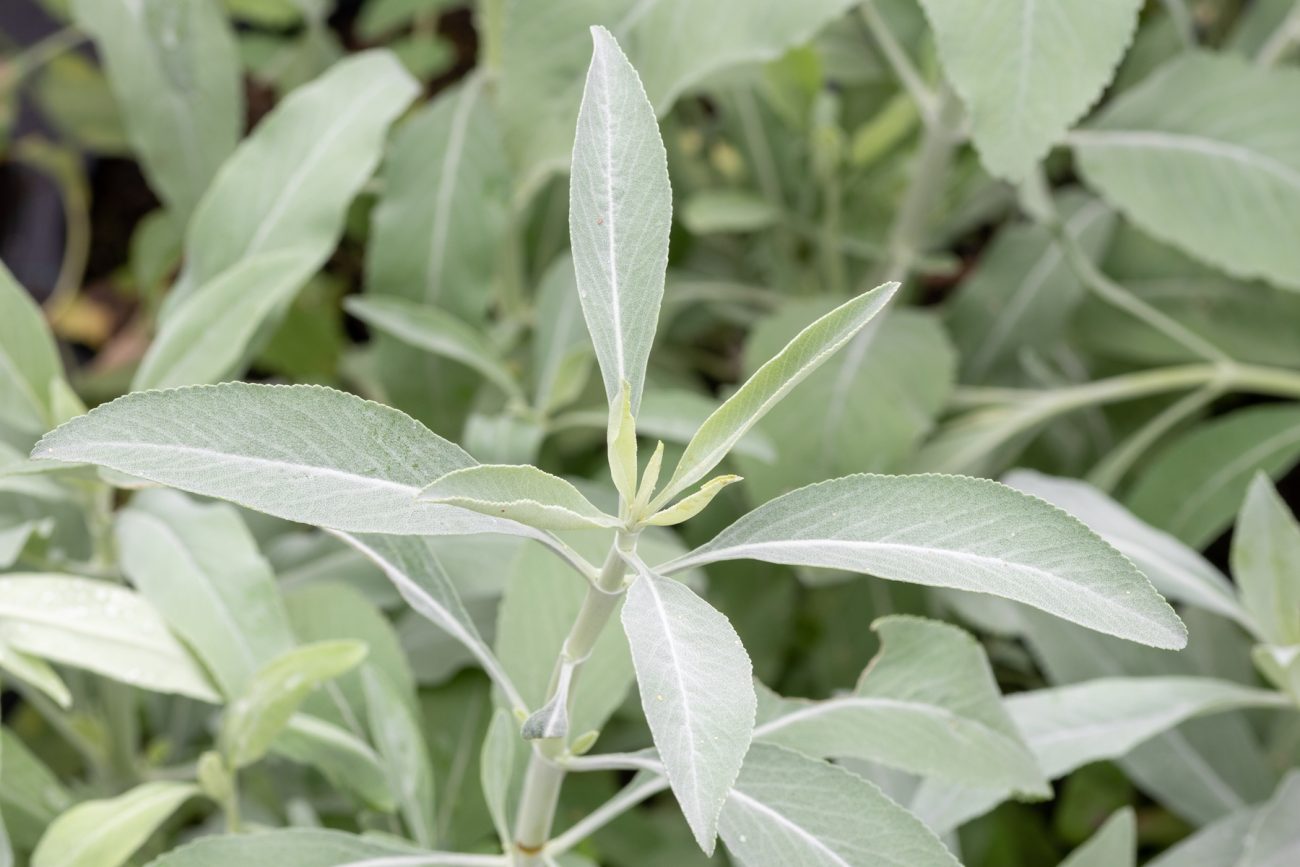
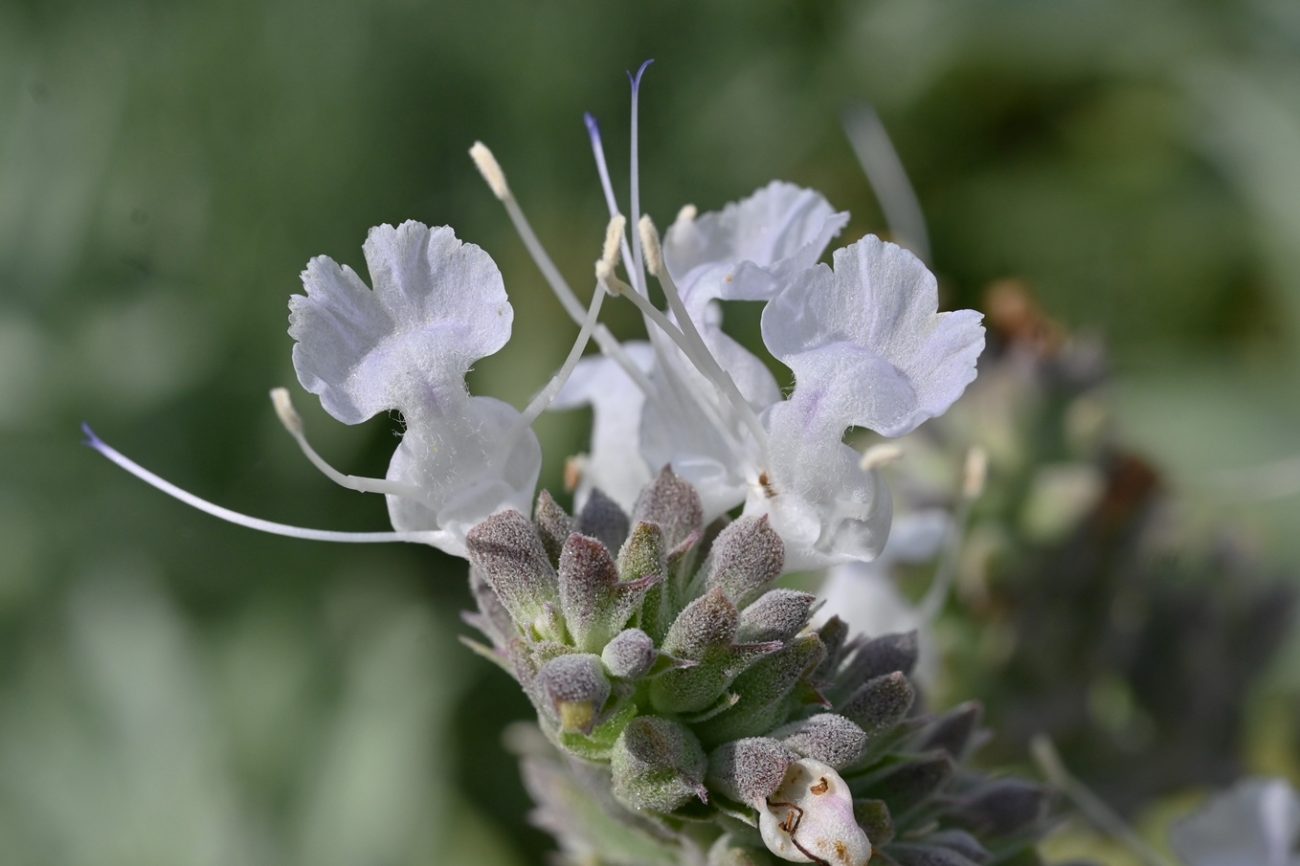
White sage (Salvia apiana) is more than just a fragrant, silvery-leafed plant — it is a vital part of Indigenous traditions, an ecological cornerstone of Southern California’s coastal habitats and regions of Baja Mexico. Revered for generations, white sage is now threatened by a complex web of commercial exploitation, habitat loss, and cultural appropriation.
As its popularity surges in modern wellness and spiritual markets, the challenges facing white sage have intensified, raising urgent questions about sustainability, ethics, and conservation. This article explores these issues in depth, weaving together ecological, cultural, and economic threads to illuminate the plight and promise of this remarkable plant.
White sage conservation challenges
Native to the coastal regions of Southern California and Baja California, Mexico, white sage thrives in the sun-drenched, rocky soils of coastal sage scrub habitats. Its perennial nature and aromatic leaves have made it a mainstay for Indigenous communities, who cherish it for its ceremonial, medicinal, and culinary uses. Despite its abundance in certain areas, white sage faces mounting threats that could jeopardise its long-term survival and the integrity of the ecosystems it supports. Let’s delve into the key conservation challenges confronting white sage today.
Habitat loss and environmental threats
White sage faces a double jeopardy: not only is it overharvested, but it’s also losing ground to urban development and environmental stressors. Nearly half of its natural range has been destroyed to make way for cities, roads, and agriculture. The remaining habitats are under siege from climate change, invasive species, and altered fire regimes.
Projections are grim. Combined threats could shrink suitable white sage habitat by up to 66% by the end of the century. This loss reverberates beyond the ecological sphere, disrupting the cultural practices of Indigenous peoples who rely on white sage for ceremonies and healing. The plant’s decline represents both an environmental crisis and an erosion of cultural heritage.
Pollination ecology and hybridisation
White sage is a linchpin in its native ecosystem, supporting a diverse community of pollinators. Bees, especially those in the genera Bombus (bumblebees) and Xylocopa (carpenter bees), are its primary pollinators, ensuring the reproduction and resilience of local populations. In coastal sage scrub communities, Salvia apiana often stands as a dominant species, anchoring biodiversity. The health of pollinator populations is crucial; declines in bees due to pesticides, habitat loss, and disease further complicate conservation efforts.
Environmental changes
Human-driven changes are reshaping white sage’s world. Increased fire frequency — sometimes a result of careless human activity — destroys established plants and disrupts regeneration cycles. Invasive species like Echium candicans outcompete native sage for space and resources, further hindering its growth and reproduction.
At the same time, the decline of pollinators, especially bees, is a growing concern. These creatures are essential for white sage’s reproduction, and their disappearance could spell disaster for the species. The interplay of these factors underscores the fragility of white sage’s native range and the urgent need for conservation action.
Cultural appropriation and misuse
Perhaps the most contentious aspect of white sage’s contemporary story is its widespread use in wellness and spiritual practices — often divorced from its deep Indigenous roots. The burning of white sage to “cleanse energy” or “purify spaces” has become a staple of New Age rituals, yoga studios, and online wellness influencers. Yet, this appropriation frequently ignores the plant’s sacred significance and the traditions of the communities that have stewarded it for centuries.
This disconnect between traditional use and commercial exploitation diminishes the spiritual value of white sage and fuels irresponsible consumption. When consumers are unaware of the plant’s origins and importance, they may unwittingly contribute to unsustainable harvesting and the erosion of cultural knowledge.
Commercialisation and overexploitation
The commercialisation of white sage has reached unprecedented levels. Today, it’s easy to find bundles of white sage for sale on e-commerce sites and in big box stores across the United States. However, the supply chain is fraught: there are only a handful of farms cultivating white sage for the market, and most products are still wild-harvested.
Poaching, or illegal harvesting, has plagued the plant for years. In California and Baja Mexico, authorities have confiscated hundreds of pounds of illegally collected Salvia apiana, sometimes during the plant’s most vulnerable blooming season. Poachers often take entire plants or strip large quantities from single locations, preventing regrowth and devastating local populations. Law enforcement rarely catches perpetrators, and wild populations have suffered steep declines.
Commercial exploitation and illicit trade
The meteoric rise in the popularity of Salvia apiana in spiritual and wellness circles has triggered a dramatic increase in commercial harvesting. Each year, tens of thousands of pounds of wild white sage are stripped from the hillsides of California and Mexico to supply markets in the United States and abroad. This large-scale removal destabilises native ecosystems and puts immense pressure on the species, which is not currently listed as endangered but is certainly at risk (1).
Recent efforts to shed light on the unregulated white sage trade have revealed troubling patterns. For example, arrests in the Etiwanda Preserve — a protected area between Los Angeles and Palm Springs — spurred investigations by organisations such as United Plant Savers and the California Native Plant Society. Their work, along with documentaries like Saging the World, highlights the ecological and cultural consequences of unchecked harvesting (1,2,3).
At the heart of the issue is a shadowy network sometimes referred to as the “white sage mafia”. These groups exploit vulnerable individuals, recruiting them to harvest wild white sage for profit. Ironically, although the herb is relatively easy to cultivate, most commercially available sage is wild harvested because cultivation costs are higher. To counter this, United Plant Savers urge consumers and sellers to demand proof of cultivation, thereby supporting sustainable practices and reducing pressure on wild populations (2). Or grow your own, Plant Savers sells white sage seed, it can be expensive because the seeds are so small and are hand harvested, but germination rates are high.
International trade and supply chain concerns
The reach of white sage extends far beyond North America. Online marketplaces offer hundreds of white sage products, some vendors requiring bulk orders of 100 bundles or more. Reports indicate that a single seller may move tens of thousands of pounds of Salvia apiana in a year.
This global trade raises thorny questions about sustainability and cultural respect. For Native American tribes, the smoke from white sage is spiritually potent — a medium for blessings and prayers. Its commercialisation by non-Indigenous groups not only threatens wild populations but also appropriates sacred traditions.
Western spiritual movements have driven international demand since the 1980s, with a recent study from the Netherlands showing a strong preference for white sage among smudge stick users. Many consumers are drawn by the plant’s association with Native American spiritualism, deepening the market’s reach (2).
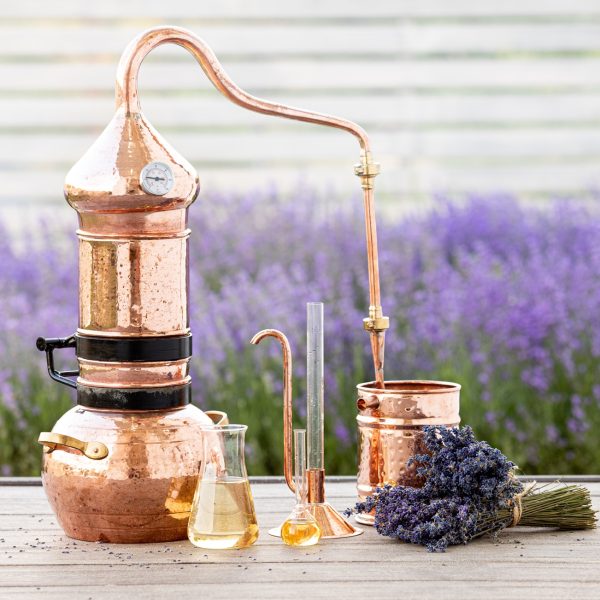
Yet, there are glaring gaps in our understanding of the global supply chain. On major e-commerce platforms, several Chinese companies offer bulk white sage, but sourcing and buyer information remain opaque. No comprehensive tracking system exists for international sales, leaving researchers and advocates in the dark about the true scale of the trade. Essential oil derived from Salvia apiana is also a popular scent for candles and other products.
Traditional uses and cultural significance
For Indigenous peoples such as the Cahuilla, Diegueno, Luiseno, Mahuna, Chumash, Tongva, and Serrano, white sage is an indispensable part of life. Its seeds are edible, its leaves used as a spice, and its medicinal properties harnessed to calm nerves, treat colds, and act as a diuretic. The spiritual dimension is paramount; for the Chumash, tending to the spirit is integral to healing the body, and white sage plays a key role in maintaining spiritual wellbeing.
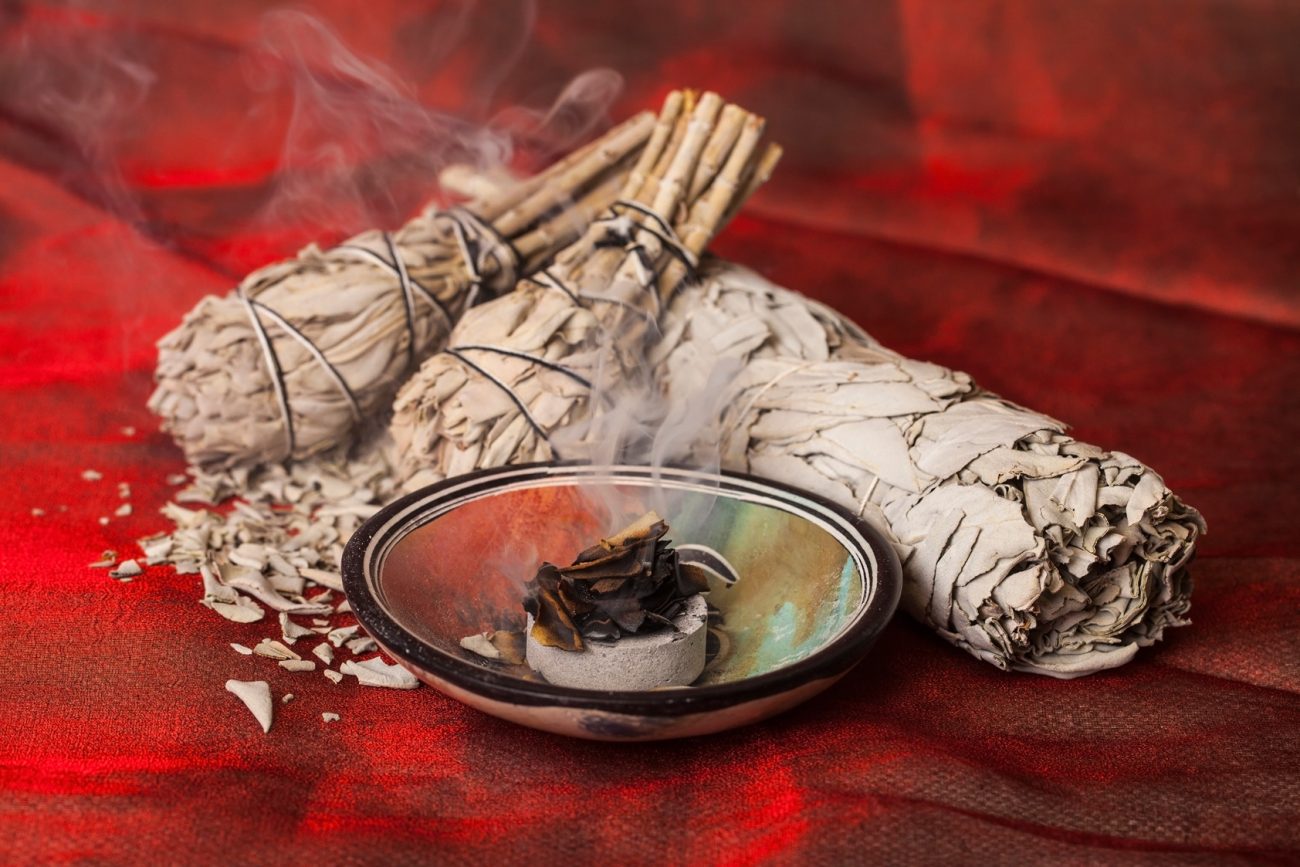
Since the 1980s, white sage has been embraced by a variety of cultures and spiritual movements. Burning sage leaves for ceremonial fumigation has grown popular far beyond Indigenous communities, with New Age, Neopagan, and Wiccan groups driving demand for smudge sticks and related products.
Conservation status of white sage
Although Salvia apiana is not formally classified as endangered, its conservation status is precarious. Intense commercial demand and environmental pressures have led to misconceptions and unsustainable harvesting. Legal collection is strictly regulated, permitted only on private land with proper permissions or from certified sustainable sources. Unfortunately, lax enforcement and unclear regulations have allowed habitat degradation to continue.
Conservation initiatives
Amid these challenges, hope springs from grassroots efforts and community-based conservation. Local environmental organisations, Indigenous groups, and conservationists are leading the charge, focusing on cultivation, habitat restoration, and education. Protected areas like the North Etiwanda Preserve provide a haven for native species and ceremonial access for Indigenous peoples, while home cultivation and community stewardship promote biodiversity.
Sustainable practices and public engagement
To reduce pressure on wild populations, advocates encourage consumers to choose sustainably sourced or home-grown white sage. Educational campaigns — such as Saging the World — seek to inform the public about responsible sourcing and the importance of respecting Indigenous practices (3).
The central message is clear: plants are not mere resources, but relationships. By viewing Salvia apiana through this lens, we can support both ecological resilience and the preservation of traditional knowledge. United Plant Savers has submitted white sage for Red Listing status to bring more international attention. Plants in trade have very little protection, so it’s up to us to ask important questions and take a stand.
Future outlook
The success of ongoing initiatives depends on collective action, the integration of traditional ecological knowledge, and the amplification of Indigenous voices. By working together, stakeholders can ensure that Salvia apiana — and the cultural practices intertwined with it — survive and thrive for generations to come. White sage’s plight is a microcosm of broader tensions between commerce, culture, and conservation. As demand continues to rise, so too does the responsibility to safeguard its future.
Through informed choices, respect for tradition, and active stewardship, we can honor the legacy of white sage and help it flourish in the wild and in the hearts of those who cherish it. Whether you burn a smudge stick or simply admire its silvery leaves on a hillside, remember: the story of white sage is one of resilience, community, and the enduring power of nature and tradition.
References
- California Native Plant Society. White Sage Protection. California Native Plant Society. Accessed February 13, 2026. https://www.cnps.org/conservation/white-sage
- Geertsma IP, Zandstra BE, Stefanki A, van Andel TR. Commercialized “smudge sticks” used as incense in the Netherlands: an inventory of plants and trends behind a New Age fashion. Plants. 2024;13(3003):1–15.
- Saging the World [film]. Directed by David Bryant, Rose Ramirez, and Deborah Small; produced by Rose Ramirez, Deborah Small, and California Native Plant Society. 2022. Available at: https://www.youtube.com/watch?v=_V7NoB1UPU8 Accessed February 13, 2026.