

Herbal products fall under different regulations depending upon their recognised traditional and intended use, safety, formulation and efficacy, which determines standards and marketing claims.
The regulation of herbal products is highly varied worldwide. There are four basic regulatory categories into which herbals fit: No category, herbal supplements, traditional herbal medicines, and drugs. The manner in which herbal products are utilised within national health care systems is equally varied, ranging from full integration with full or partial reimbursement to self-care with full costs payable by consumers and patients.
The regulatory requirements for bringing botanical products to the market are more consistent as the need for safety and quality are universal, though the approaches for ensuring safety and quality differ — ranging from community-based, culturally governed practices with no formal oversight to fully approved botanical drugs subject to rigorous safety and efficacy testing. Following is a brief overview of some of the regulatory models that exist worldwide.
Primary models
Indigenous and traditional cultures
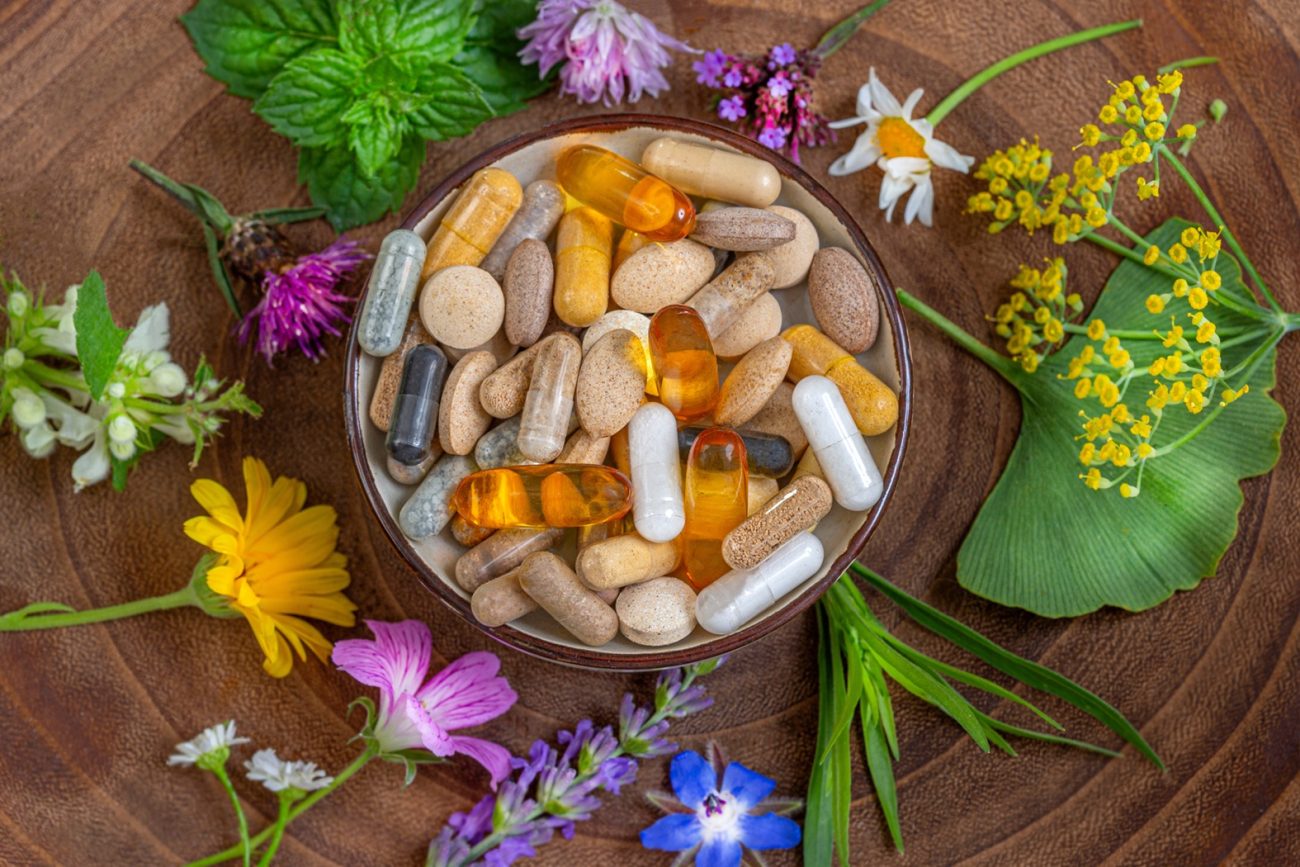
The most underrepresented of herbal medicine traditions in terms of national recognition among world cultures are indigenous traditions, and they are the most robust from the perspective of traditional integrity. These are represented by traditional African, Amazonian, South American, select North American herbal traditions, and other traditional herbalists whose primary regulatory pressures are based on who can successfully provide herbal health to their communities. The majority of traditional herbalists practice in rural areas, but for some, work also spills over into cities.
Botanicas are an example urban herbal workplace as herbal shops with histories tracing back to the ancient Aztec traditions that emerged as sanctuaries for Hispanic-Americans looking either for culturally-oriented healing practices or as alternatives where access to dominant health care services is limited (1). While there are efforts to bring regulations to traditional healers worldwide, true traditional herbal healers remain an integral part of communities and derive their legitimacy from community trust, not government oversight. At the same time, these healers follow well-established standards of training, ethics, and cultural restrictions rooted in their own traditions.
In some African traditions, training is meticulous and requires several months to years depending on the ability of the student to learn (2). Traditionally, Ayurveda was learned through the Guru-Shishya Parampara/Gurukula system of education in which the student lived with the family of the teacher, sometimes for many years and remained devoted to that teacher throughout their life. They were expected to be steeped in the classic literal knowledge base of the vedas, samhitas, and nighantus, including the memorisation of hundreds of mantra and slokas that conveyed, not only the knowledge of anatomy, physiology, pathology, and treatment protocols, but mantra and invocations between student and teacher, teacher and student, harvesting of the plants, making of the medicines, and much more (3).
In China, in addition to having a similar apprenticeship model as in India, herbalists needed an intimate knowledge of the best sources of herbal medicine (dao di yao cai — “authentic regional medicinal materials”) (4). This concept refers to the understanding that the therapeutic quality and potency of a medicinal plant depend not only on its species, but also on the geographical origin, soil composition, climate, and traditional processing techniques associated with that region (4).
In some indigenous North American traditions, grandmothers would not allow their students to pick an herb before they were 16 years old, because if they picked a herb for medicine without having the maturity to be in relationship with the plant it could foul the medicine. In most traditional cultures, it was the teacher who decided when the apprentice or student was ready to practice and the community subsequently accepted that individual as the next generation healer. From then, the new healer either succeeded or did not, based on her or his ability to offer their patients effective medicine. Conversely, traditionally across cultures, every household had family members who possessed greater or lesser degrees of folkloric knowledge to deal with everyday ills and spills, yet they would not specifically self-identify as being a healer or herbalist.
Herbs as supplements
While traditional and indigenous herbal practices continue to operate largely outside formal regulatory frameworks, the globalisation and commercialisation of medicinal plants has necessitated new approaches to oversight. As botanicals entered retail and international markets, regulators sought mechanisms to ensure consumer safety and quality without imposing the full evidentiary requirements of pharmaceutical approval.
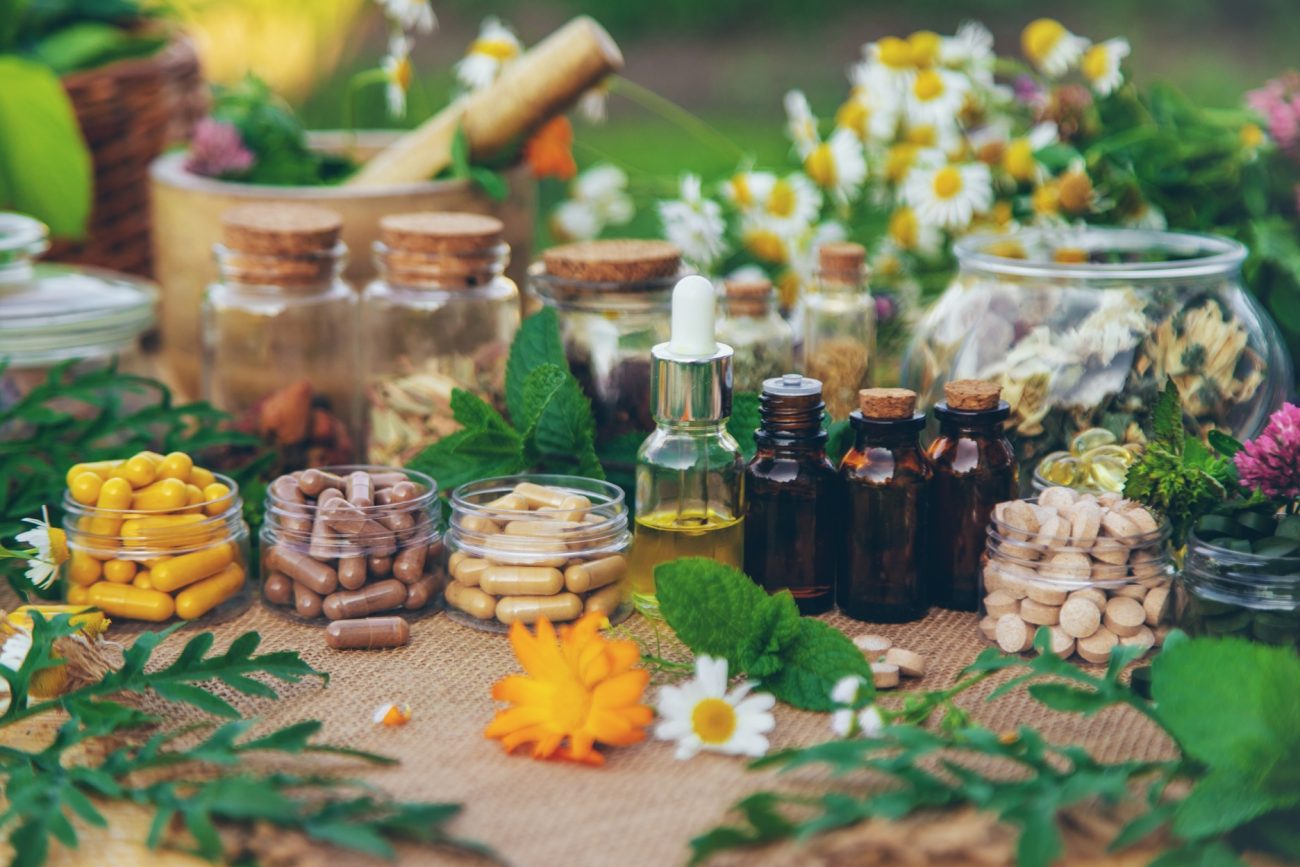
The US was the first country to adopt this formal regulatory model, which categorises botanicals as a subcategory of foods rather than therapeutic agents. This governs the trade of herbs that are in the public domain, without the need for pre-authorisation or formal toxicological studies due to precedent of historic use in the same manner as conventional foods are allowed without formal testing. In most countries, supplements are allowed to display ‘soft’ claims in herbal product packaging — such as “aids sleep” or “supports digestion”.
Herbal supplements, however, cannot be marketed for the prevention or treatment of any specified disease and must be manufactured with varying good manufacturing practices, among other regulatory requirements. Numerous countries including the US, members of the European Union (EU), and Japan, among others, regulate a variety of natural products as supplements. In this framework, herbs transition from a culturally governed, community-based practice to a commercially regulated domain, enabling broader public access while maintaining safety standards and acknowledging historical use.
Examples of herbs as supplements and the claims they are able to make under this regulation include St John’s wort (Hypericum perforatum) — “supports mood”, echinacea (Echinacea purpurea) — “supports immunity” , and milk thistle (Silybum marianum) — “supports liver health”.
Herbs as traditional medicines
In many countries, regulators recognised that certain herbal products had a long-standing history of safe and effective use. To accommodate this, frameworks were developed to formally acknowledge traditional medicines, which exist throughout Asia, Europe, and India. Ingredients used in traditional medicines must be safe for their intended use, must be documented as having been in the public domain for a material length of time, and are recognised for their traditional use. Traditional medicine products can be marketed as traditional medicines with specific claims depending on the extent of documentation supporting the claim, and varying models for assessing safety, efficacy, and product registration exist.
In most of these countries, traditional medicines must be made according to traditional principles, with some countries (e.g., Japan) conforming strictly with exacting recipes (Kampo formulas), while others (e.g., China) allow for formula modification of individual patients. Canada maintains a unique regulatory framework of Natural Health Product that is much like the traditional medicine model. Similarly, Australia’s Therapeutic Goods Act 1989 governs complementary medicines under the Therapeutic Goods Administration (TGA), allowing herbal and vitamin products to be listed on the Australian Register of Therapeutic Goods (ARTG) when supported by traditional or low-risk evidence.
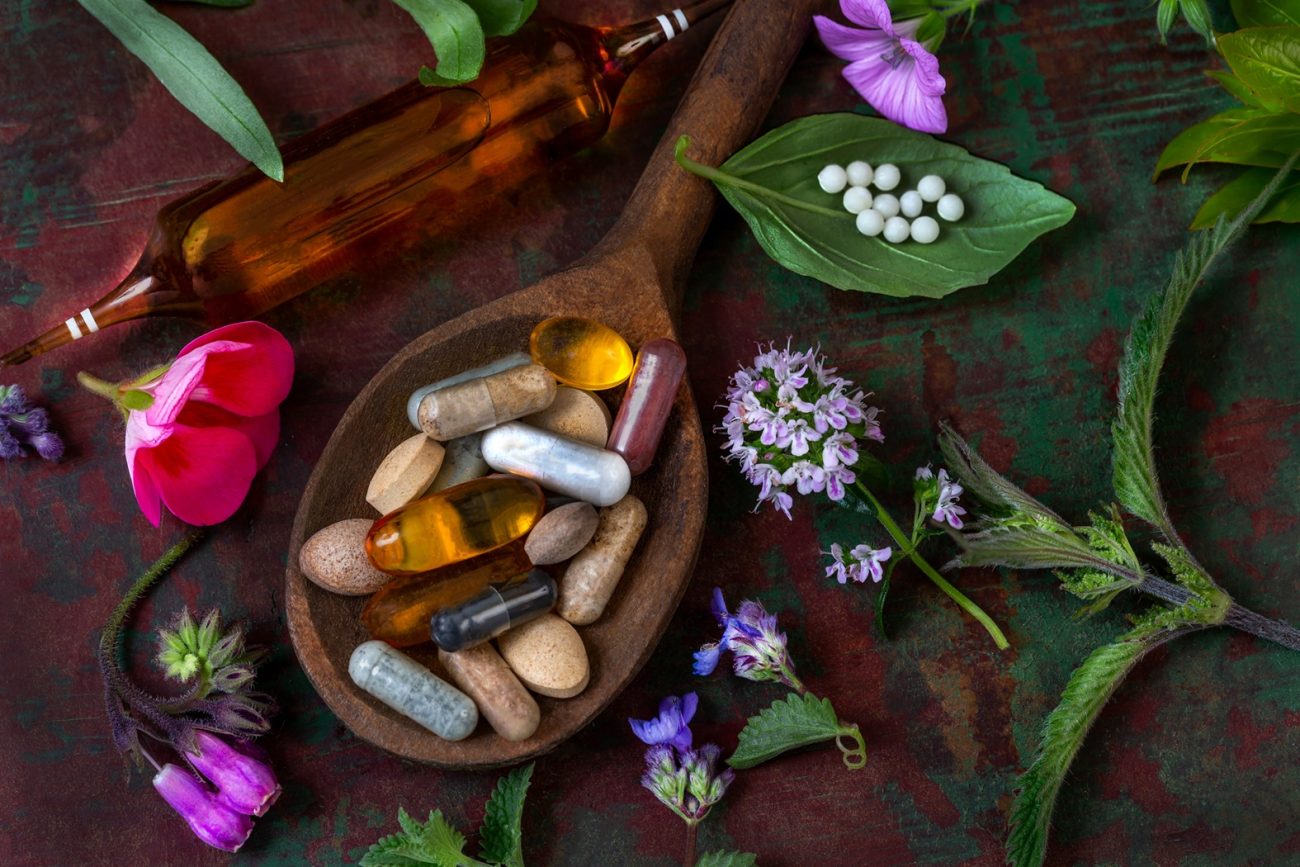
In most cases, the botanical ingredients used in traditional medicine products must comply with pharmacopoeial standards of the respective country, as well meet numerous other regulations (e.g., mandatory adverse effects reporting) (5). Until their exit from the EU, the UK was similarly beginning to implement the traditional medicine protocols of the EU. However, the UK also maintains their own Human Medicines Regulations (2012) specifically for products, while separate provisions exist in Ireland and elsewhere.
Examples of herbs under traditional medicines regulation in the UK include A. Vogel Echinaforce, containing echinacea (Echinacea purpurea), which under THR is permitted to state that it is “to relieve the symptoms of cold and flu-type infections”and Weleda’s Arnica Spray, containing arnica (Arnica montana) indicating its use “for the relief of minor sports injuries, bruises, muscular pain, stiffness and sprains”(5).
The same herb can be regulated differently depending on formulation, intended use, and presentation. In the US, valerian (Valeriana officinalis) sold as a dietary supplement may claim to “support relaxation” under food law. In the UK, a standardised extract marketed for “mild sleep disturbances” is regulated as a traditional herbal medicine under the THMPD, as in Canada under the Natural Health Products it may be labelled as “for relief of occasional sleeplessness (insomnia)”(6). So, intended use and presentation determine classification, which in turn defines allowable claims.
Botanical drugs
Some plant-derived products demonstrate sufficient evidence of safety and efficacy to qualify as therapeutic agents. Regulatory authorities, notably in the US, introduced a botanical drug approval process by which a drug of botanical origin, or some derivation of a plant or plant molecule, can attain formal drug approval by undergoing rigorous testing and approval similar to conventional pharmaceuticals (7). Examples of botanical drugs include Veregen, a topical FDA-approved treatment for genital warts derived from green tea (Camellia sinensis); Fulyzaq, a dragon’s blood tree (Croton lechleri) derivative approved by the FDA for non-infectious diarrhoea in HIV patient populations; and Qutenza, a topical chilli (Capsicum annum) preparation approved by the EMA for neuropathic pain and neuralgia (8,9).
Unlike the US, which maintains a distinct botanical drug category for plant-derived products supported by clinical evidence, the UK technically provides a similar pathway through full marketing authorisation. However, in practice, very few herbal products pursue this route due to the high financial demands and extensive clinical trial data requirements. Consequently, the UK market is dominated by two main categories: Herbs marketed as food supplements, and traditional herbal medicines registered under the Traditional Herbal Registration (THR) scheme. Thus, while a botanical drug pathway exists in principle, it is largely unused, meaning that the UK effectively operates with only two widely accessed regulatory categories.
Further to this, there is an idiosyncratic regulation in the UK permitting herbalists to prescribe unlicensed herbal remedies as magisterial prescriptions after a one-to-one consultation. However, there is no statutory or legally recognised definition of what constitutes a herbalist.
Government support and oversight of herbal medicine
Different countries display varying degrees of acceptance of botanical medicines by health professionals and regulators. Generally speaking, Asia, India, and select countries in Africa, are strongly supportive of botanical medicine, while US regulatory and medical professionals are, generally, antagonistic towards botanical products. Canada and members of the EU can be described as moderately supportive of botanical medicine initiatives. However, Canada and the EU preferentially display a greater level of acceptance for Western herbs, and generally lack approval for most non-Western botanicals (e.g., Ayurvedic or Chinese medicines).
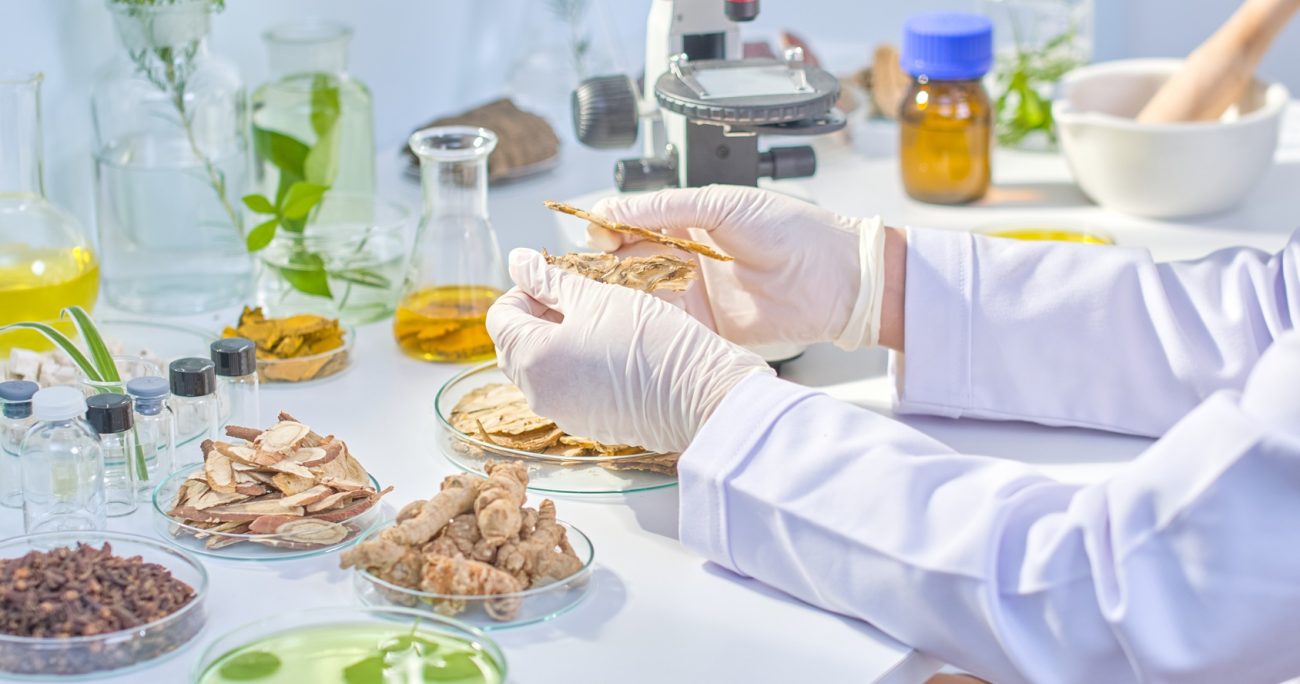
In the EU, this is in part owing to the requirement that herbal products must demonstrate a minimum of 30 years of medicinal use, including at least 15 years within the EU, to qualify for simplified registration — a requirement often less attainable for non-Western botanicals (10). Moreover, whereas quality control standards for multi-ingredient formulas are present in the respective pharmacopoeias of China and India, the European Pharmacopoeia, US Pharmacopeia, and others, have no entries for formulas outside of Western herbal traditions, and even Western herbal combinations are rarely included. This reflects a bias for single herb preparations over multi-ingredient formulations.
In the majority of countries, the trade of herbal products are overseen by the national regulatory authorities. The cost of approval of a traditional herbal medicine varies widely and is not clearly disclosed in the literature. but estimates range from more than $100,000 in England to $300,000,000 in the US, creating substantial barriers to market entry for new herbal medicine products (11).
Market entry as a supplement is much less costly, generally only consisting of general business costs, while in some countries (e.g., Ghana) the government actively supports the safety and quality assessment of traditional medicines for traditional herbal medicine knowledge holders specifically to facilitate the availability of herbal products to consumers (12).
In most countries, individual herbalists are exempt from industry-mandated good manufacturing practices (GMPs), though the US Food and Drug Administration maintains the authority to require individual practitioners to meet the same GMPs as commercial manufacturers though to date, they have not imposed this requirement.
WHO Traditional Medicines Unit — Gujarat Declaration
The World Health Organization (WHO) has supported the integration of traditional medicine practices including herbal medicines as integral to human health care for decades and have developed numerous works to advance traditional medicine globally. In 2023, WHO’s Gujarat Declaration proclaimed to all nations of the world that traditional medicine knowledge and the integration of traditional practices with modern medicine is critical to human health (13). This has created a directive for all countries to embrace traditional medicine knowledge, including botanical medicine.
While WHO can support these efforts, it is ultimately the responsibility of respective countries to implement WHO recommendations, and different countries do this to greater or lesser degrees with countries such as Bhutan, China, Ghana, India, Malaysia, and Turkey, to name a few, making great strides in advancing herbal medicine as a viable public healthcare option.
References
- Tucker AO, Jules J. 2019. Aztec Botany, Agriculture, Trade, and Medicine: Flora of the Voynich Codex, Springer International Publishing, pp. 13-24, https://doi.org/10.1007/978-3-030-19377-5_2
- Mokgob MG. 2014. Understanding traditional African healing. Afr J Phys Health Sep;20(Suppl 2):24-34.
- Sihag J, Jain R. 2024. Enlightening the Principles of Traditional Learning Methods through Ayurveda. Journal of Ayurveda and Integrated Medical Sciences 9(1): 207-210.
- Zhao ZZ, Guo P, Brand E. 2012. The formation of daodi medicinal materials. Journal of Ethnopharmacology 140: 476-481.
- UK Government. Currently Approved Traditional Herbal Registrations (THRs) — granted to 06-08-2024. London, UK; 2024. Accessed October 2025. https://assets.publishing.service.gov.uk/media/66be02d13effd5b79ba49153/THRs_granted_to_06-08-2024_14-08-2024_final.pdf
- Health Canada. Valerian Labelling Standard. Guidance: Valerian (Valeriana officinalis). Accessed October 14, 2025. https://www.canada.ca/en/health-canada/services/drugs-health-products/drug-products/applications-submissions/guidance-documents/nonprescription-drugs-labelling-standards/valerian.html
- Picking D. 2017. The Global Regulatory Framework for Medicinal Plants. Pharmacognosy, Fundamentals, Applications and Strategies: 663-675.
- U.S. Food and Drug Administration. What is a botanical drug? Updated Jan 7, 2025. Accessed October 13, 2025. https://www.fda.gov/about-fda/cder-offices-and-divisions/what-botanical-drug
- European Medicines Agency. Qutenza: EPAR – Product Information. Updated May 15, 2009. Accessed October 13, 2025. https://www.ema.europa.eu/en/medicines/human/EPAR/qutenza
- European Medicines Agency. Herbal medicinal products. Published August 15, 2007. Accessed October 10, 2025. https://www.ema.europa.eu/en/human-regulatory-overview/herbal-medicinal-products
- Medicines and Healthcare products Regulatory Agency (MHRA). Traditional Herbal Registration Scheme: Fees. London, UK; 2024. Accessed October 16, 2025. https://www.gov.uk/government/publications/traditional-herbal-registration-scheme-fees
- Donor 2025, personal communication to AHP.
- [WHO] World Health Organization. 2023. Gujarat Declaration. Traditional Medicine Global Summit. August 2023, Gujarat, India