



Whilst regulatory scrutiny across Europe persists, emerging clinical trials, toxicity reviews and AI modelling studies strengthen evidence for ashwagandha’s safety profile.
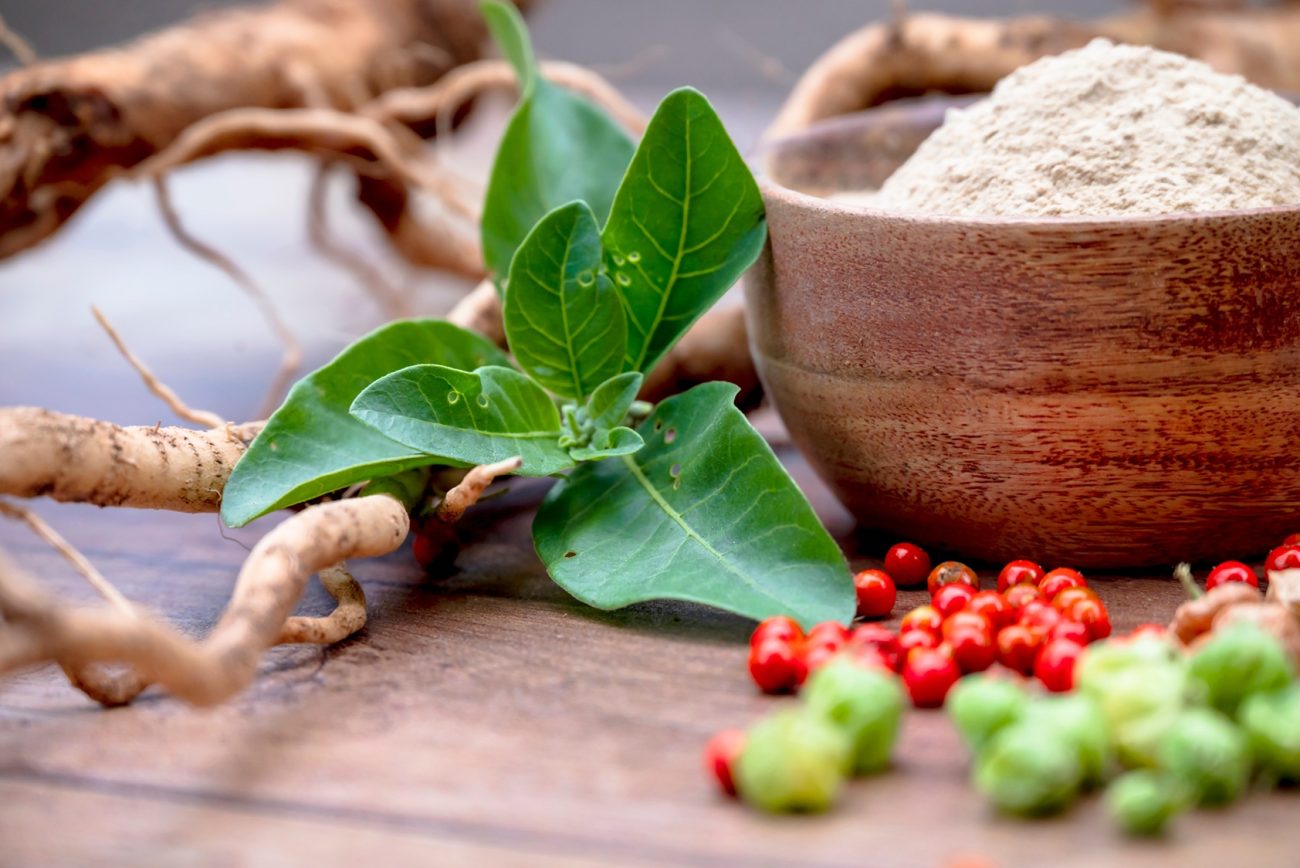
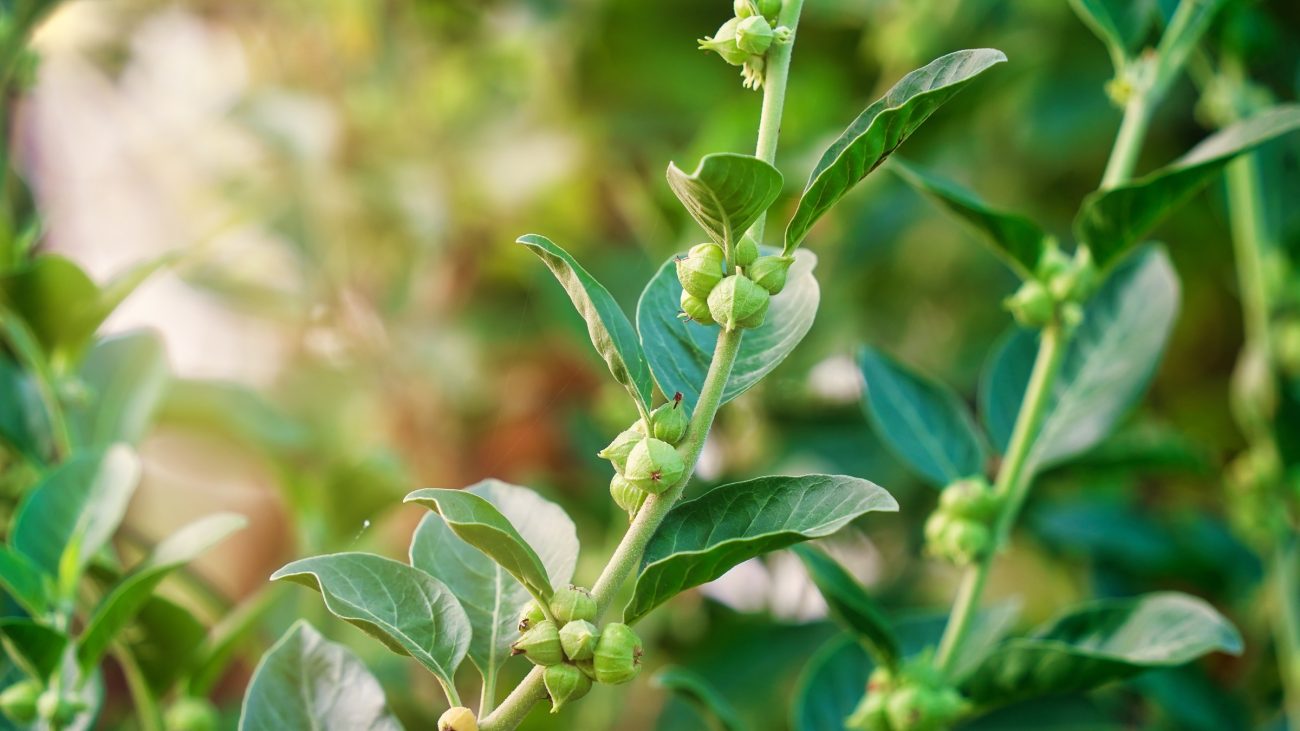
In Ayurvedic medicine, ashwagandha (Withania somnifera) is classed as a rasayana; a group of herbs generally used to rejuvenate the body, support general wellbeing and help with convalescence. Traditionally, ashwagandha has been considered a gentle herb that is safe. The root is accepted as the plant part used, however, some products on the market also contain extracts from the leaf.
Three years ago, a flurry of regulatory authorities either banned or published warnings against ashwagandha due to concerns about safety. The topic of ashwagandha safety and the impact of reports of liver damage on the availability of ashwagandha to the public and practitioners was covered by Simon Mills in 2023 (1). Since then, there has not been an improvement. Ashwagandha has been banned or concerns about its use raised by Danish, Dutch, French, Belgian, German and Polish regulatory authorities (2). The UK Food Standards Agency (FSA) opened a consultation seeking input, but has not published an outcome.
The end of 2025 and the start of 2026 has provided some peer-reviewed responses to this, with a series of papers in the journal Phytotherapy Research (2–5), an approach to assessing safety that uses AI (6), and a 12-month prospective observational study (7).
The regulatory status in Europe
In 2013, the German Federal Institute for Risk Assessment (BfR) published a risk assessment of botanicals that recommended prohibiting ashwagandha from use in food supplements, due to concerns about effects on the endocrine system and its safety in pregnancy (2). A lack of consensus about how to proceed led to no change.
However, in 2019, the Danish Food and Drug Administration suggested they also had concerns due to traditional use of ashwagandha as an abortifacient, as well as effects on sex and thyroid hormones. In 2020, Polish authorities limited the intake of ashwagandha to 3 g daily. In 2023, Denmark banned the use of ashwagandha in food supplements, with Dutch, French, German and Swedish authorities advising people against its use (2).
In the UK, ashwagandha has not been accepted as a medicine under the traditional herbal medicinal products framework, but has not been banned, and its history of use in India could be used to support an application. Whether it can be used in foods and supplements in the future will depend on the outcome of the FSA consultation (2).
Assessments of ashwagandha safety
Multiple clinical trials and systematic reviews have concluded that the side effects from taking ashwagandha are minimal (7,8). Many of the clinical studies that have been published in the past have only assessed the effects of taking ashwagandha for 8–12 weeks, which doesn’t reflect the long-term use that is sometimes advised.
A recent 12-month multi-centre clinical study in 191 men and women was conducted to assess safety over a longer period of time (7). There were 18 mild adverse events of nausea, digestive upset and headache, none of which required an intervention. Liver, renal and thyroid function were all found to be unaffected. Cortisol was reduced, testosterone increased and self-reported quality of life was significantly improved; all of which are outcomes considered to be beneficial effects (7).
The repeated demonstration of the safety of ashwagandha in clinical trials has not reassured regulatory authorities, however, and concerns have remained.
The source of abortifacient traditional use claims
Concerns about ashwagandha’s safety in pregnancy surprised herbalists, as most traditional texts make no mention of this. In 2013, the BfR raised concerns that ashwagandha had abortifacient effects based on a World Health Organisation monograph for ashwagandha, which itself referenced an American Herbal Pharmacopoeia (AHP) monograph (4). However, the AHP monograph has been misrepresented. The original text is as follows:
“There are conflicting reports regarding the use of ashwagandha in pregnancy. Large but undefined doses have been reported to possess abortifacient activity. Of several ayurvedic practitioners consulted, none reported having observed an abortifacient activity clinically. Conversely, ashwagandha has, traditionally and in modern ayurvedic practice, been used to prevent miscarriage and stabilize the fetus.”
Concerns that the WHO monograph has distorted information from other sources has been shared by other authors and the AHP published a press report to respond to the claims (9,10).
Preclincial studies to show safety
A detailed review of pharmacokinetics and toxicity studies of ashwagandha found no cause for concern from in vitro, in vivo and ethnobotanical sources (9). This is supported by preclinical and clinical evidence from the Ministry of AYUSH in India that demonstrates no toxicity to mother or foetus when pregnant women use ashwagandha root (10). As with any other herb, more research is needed to have complete certainty of ashwagandha safety.
Withanolides and withanosides are rapidly absorbed into the systemic circulation within 1 and 1.5 hours and withanolides are present for between 6 and 15 hours. Some withanolides are able to cross the blood-brain barrier, while others (such as withanoside IV and withanoside V) do not. The impact of ashwagandha phytochemicals on cytochrome P450 enzymes is not clear. Some studies show no impact, while others have found that CYP2B6 is inhibited and CYP3A4 is induced (9). It is likely that there are differences between individuals.
A safe dose of 2 g/kg has been found in animal studies and animal studies generally show low or no toxicity, unless high-alkaloid extracts are used (3). Williamson and Brendler conclude that ashwagandha “is an unusually safe herb” (3).
A novel approach to assessing safety
The complexity of plants and humans makes predicting the effects of consumption of herbs challenging. The presence of certain phytochemicals can prevent or enhance the absorption of others in the body. Ronen et al. described how they validated the use of AI to predict toxicity based both on published literature and on molecular structure of the phytochemicals in ashwagandha (6).
Out of 1396 publications mentioning ashwagandha 97% did not highlight any toxicity concerns; those that did refer to toxicity were mostly discussing cytotoxicity in the context of cancerous cells. There were nine articles that included concerns of liver toxicity and one mention of an adverse effect on thyroid activity (6). AI analysis of the structure of phytochemicals in ashwagandha found that all of those present in the roots of the plant were predicted to have low liver, reproductive and hormone toxicity, with only two of the phytochemicals found in the leaves of the plant being predicted to have liver toxicity (6).
Conclusion
It has always been challenging to confidently reassure regulatory authorities about the safety of herbs. The perspective of the herbalist who focuses on therapeutic benefits clashes with that of the regulator who disregards benefits and focuses on minimising risks. Ethics prevents us from conducting randomised controlled trials in pregnant individuals and herbs should always be prescribed cautiously in pregnancy, but it is important for experts to highlight when traditional understanding has been misrepresented.
Ashwagandha has a long history of traditional use and demonstrated clinical safety. More modern techniques may help to convince those who remain wary of herb safety.
References
- Mills, S. Threats to ashwagandha safety: How do we respond to new reports of liver damage? Herbal Reality 2024. Threats to ashwagandha safety: How do we respond to new reports of liver damage? | Safety | Herbal Reality
- Brendler T, Al-Mondhiry R, Lang L, Marles R, Tallon M, Raghu A. Ashwagandha: Is It Safe? Part 1: A Regulatory Review. Phytother Res. 2025 Dec 19. https://doi.org/10.1002/ptr.70151
- Williamson EM, Brendler T. Ashwagandha: Is It Safe? Part 2: A Preclinical Evidence Review. Phytother Res. 2025 Sep 18. https://doi.org/10.1002/ptr.70090
- Brendler T. Is Ashwagandha an Abortifacient? Phytother Res. 2025 Dec 26. https://doi.org/10.1002/ptr.70150
- Li L, Zhang X, Hao J, Tian X, Zhu Y, Yang Y, Qiu B, Wen J. Evaluating the Safety of Ashwagandha as a Food Additive: A Focus on Reproductive, Thyroid, and Immune System Effects. Phytother Res. 2025 Dec 26. https://doi.org/10.1002/ptr.70157
- Ronen Y, Ebert C, Tamim-Yecheskel BC, Zev S, Kantor O, Arbel HB. Comprehensive safety evaluation of Withania somnifera (Ashwagandha): an AI-driven meta-analysis and quantitative structure-activity relationship based toxicity assessment. Front Nutr. 2025 Nov 24;12:1658265. https://doi.org/10.3389/fnut.2025.1658265
- Salve J, Kale S, Prajapati BL, Sparavigna A, Savant M, Ademola J, Langade D. Safety of 12-Months Administration of Ashwagandha (Withania somnifera) Standardized Root Extract in Healthy Adults: A Prospective, Observational Study. Phytother Res. 2025 Oct 8. https://doi.org/10.1002/ptr.70096
- Sharma E, Ganu G, Kshirsagar K, Shah A, Mahale U, Mehta A, Nair S. An open-label, single dose, safety and pharmacokinetic study of Withania somnifera root extract in healthy volunteers. Drug Metab Pers Ther. 2025 Feb 19;40(1):23-34. https://doi.org/10.1515/dmpt-2024-0089
- Tallon MJ, Koturbash I, Blum JL. A Systematic and Ethnobotanical Review of Ashwagandha’s (Withania somnifera) Teratogenic and Abortifacient Potentials. Phytother Res. Published online August 31, 2025. https://doi.org/10.1002/ptr.70079
- Upton, R. Press Release: AHP Responds to Claims of Ashwagandha Abortifacient Effects. 2024. American Herbal Pharmacopoiea. Press-Release-Ashwagandha-Abortifacient-Assessment_06-24-2024.pdf