



10 mins prep time | 60 mins | 500 ml | Intermediate | Vegan
This is an aromatic rose water distillation recipe that can be done from home to produce small batch botanical hydrosols.
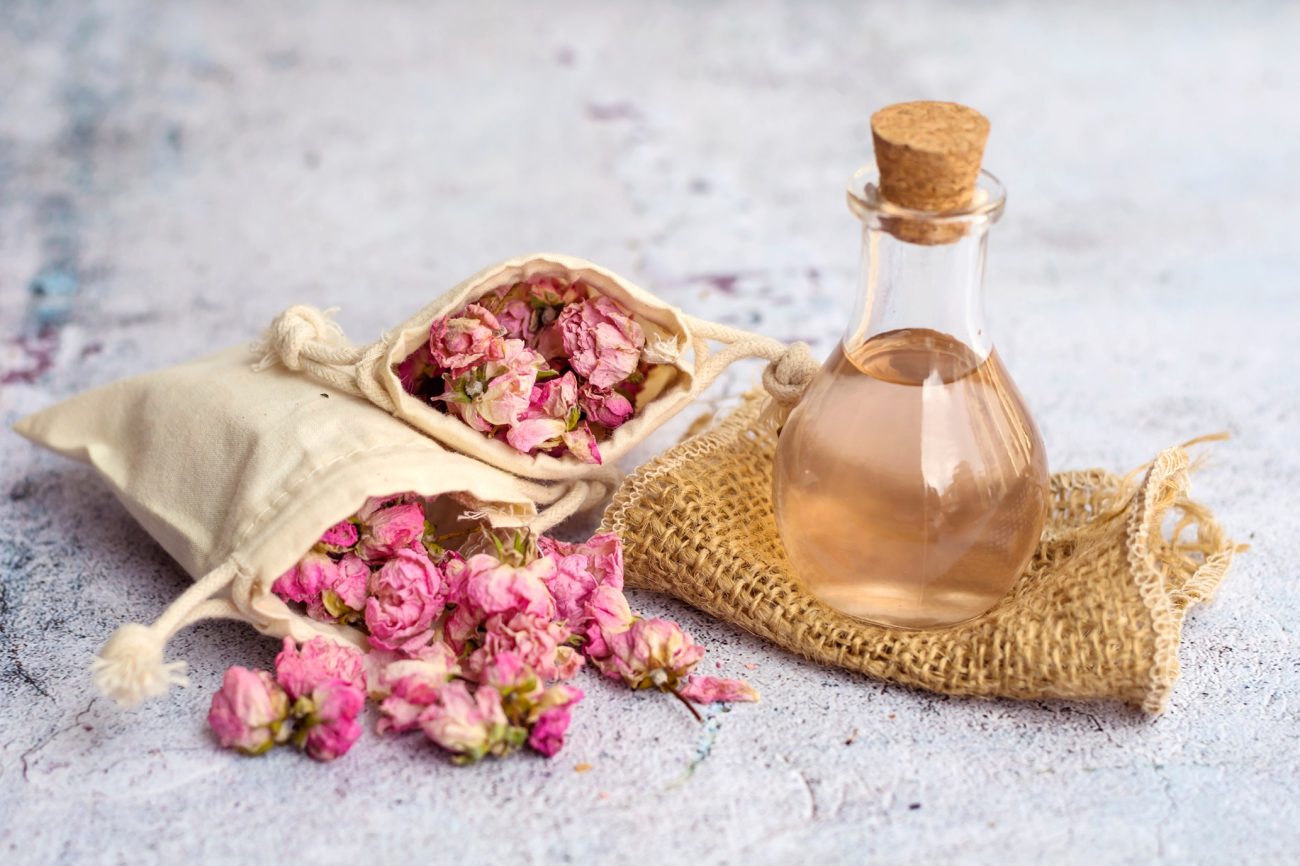
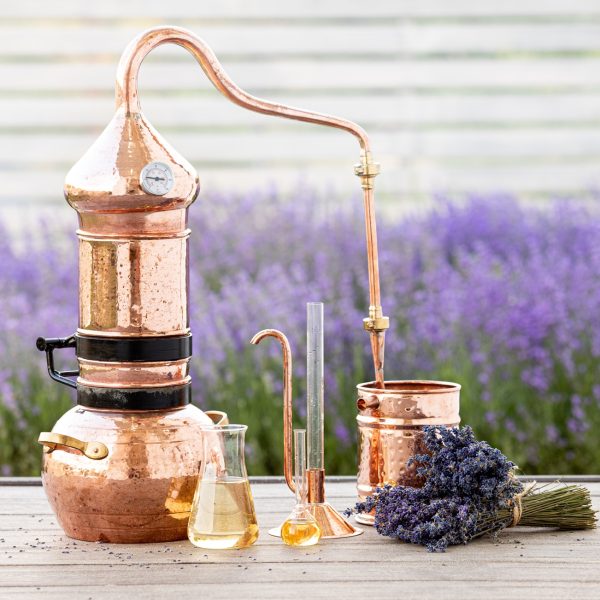
A steam distillation is the process of extracting the aromatic constituents of a plant using heat, evaporation and condensation. This method is especially suited to plants with high levels of aromatic compounds and essential oils including rose, thyme (Thymus vulgaris), lemon balm (Melissa officinalis), lemon verbena (Aloysia citradora) or lavender (Lavandula angustifolia). This is the conventional method of extraction for essential oils, and hydrosols are collected as the by-product (1). The heat causes the volatile compounds to turn into water vapour, which contains molecules of essential oil (1).
These volatile oils evaporate at lower temperatures through steam distillation than if they were alone which prevents burning and degradation and preserves the medicinal and aromatic qualities of the plant (1,2). Hydrosols contain water soluble phytoconstituents as well as trace amounts of essential oils. As the process is via aqueous distillation, aromatic waters will successfully extract monoterpenes, phenolic terpenes, phenylpropanoids as well as small amounts of organic acids and flavonoids (2,3,4).
Hydrosols can be used both internally and externally as they offer a variety of medicinal actions dependent on the plant, however resulting from the constituent profile, can offer antimicrobial, anti-inflammatory, nervine, respiratory expectorant, digestive or antispasmodic actions (2,3,4). Hydrosols can be applied to the skin as toners and to soothe skin irritations, as well as used internally for medicinal benefit.
Ingredients
- 250 g fresh plant material
- 750 ml filtered or spring water (enough to cover the plant material)
Equipment
- Large pot with a tight fitting domed lid
- Heat proof bowl with a 600 ml capacity
- Trivet or ramekin
- 1 kg ice cubes
- Sterile glass bottle
How to make a rose water distillation
- Chop the rose petals.
- Place in the pot and cover with the filtered water (do not overfill so the plant is flooded).
- Place the trivet on top of the plant material and water like a platform (this is to raise the collection bowl so it is collecting steam, not boiling water).
- Place the collection bowl on top of the trivet.
- Place the lid on the pot upside down, so the steam runs down the inside of the lid and into the bowl.
- Place ice into the domed lid.
- Bring the mixture to a gentle simmer. Be careful to avoid vigorous boiling as it will reduce the aroma of the water.
- Continue until most water has evaporated and condensed into the bowl.*
- Once the water has been evaporated, carefully remove the glass bowl and retain the water inside it— this is the aromatic water.
- Bottle in sterile bottles, label and keep in the fridge.
* If the lid is too small to hold all the ice, it may require regular topping up to ensure it stays cold.
How to store distilled rose water
Aromatic waters should be stored in the fridge and consumed within one month. They can also last for up to six months if they remain unopened.
Floral waters should be discarded if there are any noticeable signs of decay such as cloudiness, a musty or sour smell, visible mould or gas/bubbles in the water.
Medicinal benefits of hydrosols
Hydrosols can be used medicinally, and offer a safe, alcohol-free alternative for those who are not able to take alcohol. They can be safely used in children at the correct dose.
FAQs
Can I consume a hydrosol internally?
Yes, hydrosols can be consumed internally; however, it is advisable to consume them within three months if they have been kept in the fridge. It is advisable to check the liquid for any signs of decay or mould and should be discarded if any are visible.
Are hydrosols safe for children?
Hydrosols can be safe and effective for children internally, however their safety depends on the herb used. Some examples which are commonly considered safe include rose, chamomile (Matricaria chamomilla), lemon balm (Melissa officinalis) and lavender (Lavandula angustifolia).