



This systematic meta-analysis of RCTs found spirulina supplementation to improve lipid, glycaemic and inflammatory biomarkers that are risk factors of cardiovascular disease.
This article summarises the paper Spirulina’s impacts on cardiovascular health: Insights from a systematic meta-analysis of RCT (1).
Plant name and species
Spirulina (Spirulina maxima, Spirulina platensis, Spirulina fusiformis and Spirulina pacifica)


Aim of study
The aim of this spirulina study was to carry out a systematic review and meta-analysis of randomised controlled trials (RCT) to evaluate the effects of spirulina supplementation on modulating risk factors of cardiovascular disease (CVD).
Study method
Using the PRISMA statement protocol for systematic reviews, broad searches of medical databases were carried out and did not exclude papers based on language or date of publication. Two authors independently applied inclusion and exclusion criteria to select papers for the review.
The inclusion criteria were RCTs that explored the effects of spirulina intake on:
- Lipid profiles — triglycerides (TG), total cholesterol (TC), low-density lipoprotein-cholesterol (LDL-C), and high-density lipoprotein-cholesterol (HDL-C)
- Glycaemic indexes — fasting blood glucose (FBG), HbA1c, insulin, and homeostatic model assessment-insulin resistance (HOMA-IR)
- Blood pressure
- Anthropometric indexes — weight and body mass index (BMI)
- Inflammatory biomarkers — high-sensitivity C-reactive protein (hs-CRP), tumour necrosis factor alpha (TNF-α), and interleukin 6 (IL-6)
Study design included RCT with placebo or control groups. Other types of study design were excluded.
Two authors independently extracted data and evaluated study quality using the Cochrane Risk of Bias tool. The authors looked at publication bias and assessed the quality of evidence using the GRADE tool.
Herbal preparation
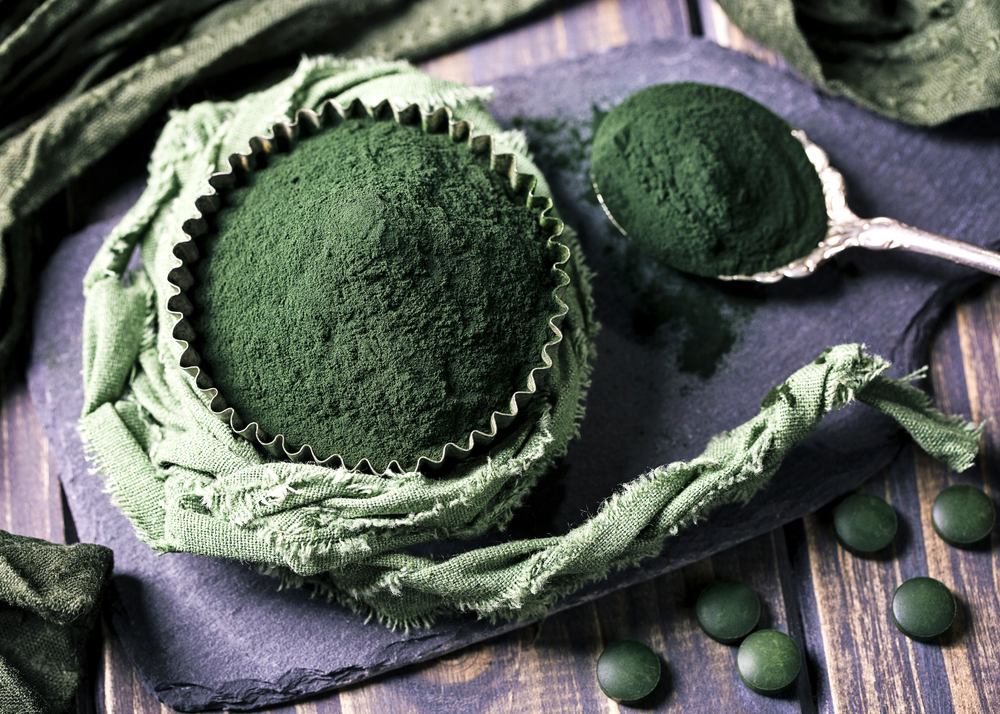
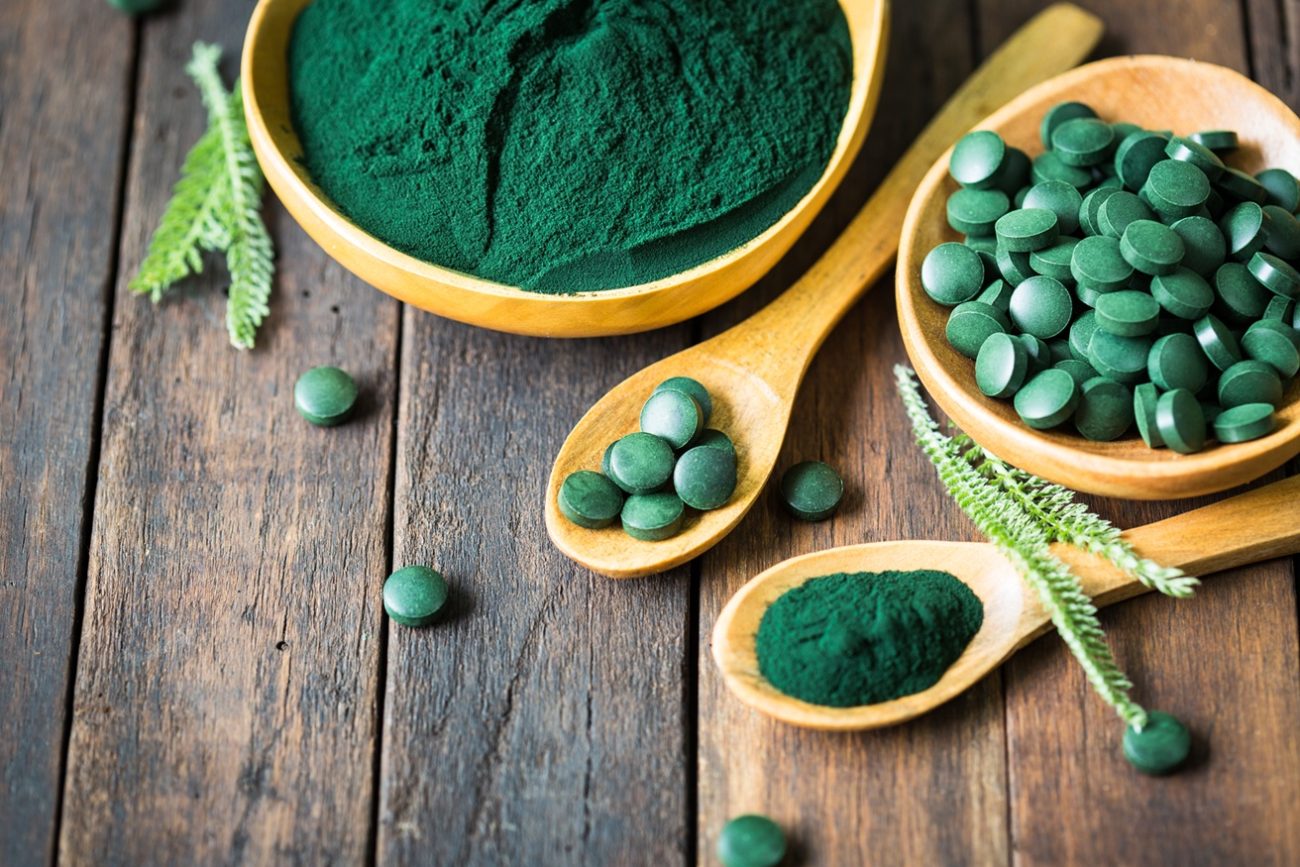
Most of the RCTs identified through searching used spirulina in capsule or tablet form. A few used a water or ethanol extract, and one used spirulina prepared as a sauce.
Sample size
In the systematic review, 35 RCTs were identified, which examined n=1523 participants.
Results of study
The duration of supplementation ranged between 2–16 weeks, and doses were 0.5 to 8 mg a day. Studies recruited patients with a range of metabolic conditions or were healthy participants, and were a mix of males and females. The mean age of participants was 21.5 to 76.7 years, and body mass index ranged from 22.6 to 40.7 kg/m2.
Of the 35 studies, most had a low risk of bias, with nine moderate and five high risk.

Lipid profiles
Results of the meta-analyses showed that spirulina lowered TG, TC, LDL-C (p<0.001, 28 studies) and raised HDL-C (p<0.001, 28 studies) compared to placebos.
Glycaemic values
Spirulina reduced FBG (p<0.001, 19 studies), insulin (p<0.001, 9 studies) and HOMA-IR (p<0.05, 4 studies), but there was no change to HbA1c (p>0.05, 7 studies) compared to placebos.
Blood pressure and body anthropometry
Spirulina reduced systolic blood pressure (p<0.01, 9 studies) and diastolic blood pressure (p<0.001, 9 studies). It reduced body weight by weighted mean difference of 1.78 kg (p=0.01, 15 studies) and BMI reduced accordingly (p<0.01, 18 studies) compared to placebos.
Inflammatory markers
Spirulina reduced all three inflammatory markers tested, which were hs-CRP (p<0.01, 7 studies), TNF alpha (p<0.01, 8 studies) and IL-6 (p<0.001, 9 studies).
GRADE analysis
Of the 15 cardiovascular risk factors measured, LDL-C, FBG and HbA1c were calculated to have a lower certainty of outcome, with all other parameters moderate or high.
Sub-group analysis
With such a large-data set, the authors were able to complete multiple subgroup analyses and looked at the results according to study duration (<8 and ≥8 weeks), dosage (<2 and ≥2 g/day), BMI category (normal, obese, overweight) and age (<50 and ≥50 years). The finer detail is presented in the paper
The analyses showed both TG and TC were reduced in both short and longer trial durations (<8 and ≥ 8 weeks) and a range of doses (<2 and ≥2 g/day). TG was reduced in individuals with normal and overweight BMI, whereas TC was also reduced in individuals with an obese BMI. Levels were reduced over all age ranges (<50 and ≥50 years). Overall blood lipids were generally regulated to a similar extent regardless of study duration, dose, BMI category or age.
Glycaemic indices and anthropometric measures were more variable with a tendency to be more effective at lower doses (<2g/day) and over shorter study durations (<8 weeks). For inflammatory markers there was a more consistent picture with spirulina being more effective at lower doses and shorter study durations, and in healthy populations who were less than 50 years of age.
Discussion
This article is a comprehensive systematic review and meta-analysis on the use of spirulina to regulate cardiovascular risk factors, and was carried out to a high standard.
Overall, 35 RCTs were analysed. Dietary spirulina supplementation significantly improved blood lipid profiles, glycaemic responses, anthropometric measures and inflammatory biomarkers in patients with cardiovascular disease and healthy individuals.
There was a pattern within the sub-group analysis that suggested spirulina was effective in regulating blood lipids regardless of study duration, dosage or patient BMI or age. For glycaemic factors, anthropometric measures and inflammatory biomarkers, there was a tendency for lower doses to be more effective over shorter duration studies.
The authors conducted a GRADE analysis which weighs up the certainty of evidence, and this includes looking at the heterogeneity of the meta-analyses (a measure of how variable studies are from one another). Often for herbal remedies where heterogeneity is high — different herbal preparations, doses, etc. — the GRADE analysis can suggest lower levels of certainty. In this study, however, overall, GRADE suggested 12 of the 15 outcomes measured were attributed to moderate or high-quality evidence.
The findings suggest that spirulina is a strong candidate for modifying cardiovascular risk factors. Spirulina species are nutrient-rich blue-green algae that comprise proteins, vitamins, omega-3 oils, and pigments, such as beta-carotene, carotenoids, phycocyanin. It displays anti-inflammatory and antioxidant potential in the lab and it is widely researched for its effects on the cardiovascular system.
One recent study looked at its effects on vascular ageing. Spirulina was grown in silicon-enriched media, and over a six-month period, participants with high blood pressure showed an 8% decrease in pressure and 13.5% increase in aortic pulse wave velocity — an indicator of reduced arterial stiffness (2).
Conclusion
Dietary supplementation with spirulina improved many lipid, glycaemic and inflammatory biomarkers that are risk factors of cardiovascular disease. Spirulina reduced the levels of inflammatory markers and improved glucose homeostasis. It improved blood pressure and reduced weight and body mass index in participants. Spirulina in capsule or tablet form could be used therapeutically to reduce cardiovascular disease risk.
Further research is needed to understand whether the changes persist after spirulina supplementation has stopped, and which preparations, doses and durations are optimal. Sub-group analyses of patients versus healthy individuals would elucidate the therapeutic and preventive potential of spirulina.
References
- Shiri H, Soleimani AA, Omidi Sarajar B, Talebi Taheri A, Esmaeili F, Nematollahi MH, Alizadeh Sani M. Spirulina’s impacts on cardiovascular health: Insights from a systematic meta-analysis of RCT. Complement Ther Med. 2025 Nov;94:103242. https://doi.org/10.1016/j.ctim.2025.103242
- Virsolvy A, Benmira AM, Allal S, Demattei C, Sutra T, Cristol JP, Jouy N, Richard S, Perez-Martin A. Benefits of Dietary Supplementation with Specific Silicon-Enriched Spirulina on Arterial Function in Healthy Elderly Individuals: A Randomized, Placebo-Controlled Trial. Nutrients. 2025 Feb 28;17(5):864. https://doi.org/10.3390/nu17050864