

This randomised, placebo-controlled trial showed that ivy taken three times a day for seven days reduced the severity of acute cough symptoms compared to an inactive placebo.
In this article, we summarise the study Ivy leaves extract EA 575 in the treatment of cough during acute respiratory tract infections: Meta-analysis of double-blind, randomized, placebo-controlled trials (1).
Plant name and species
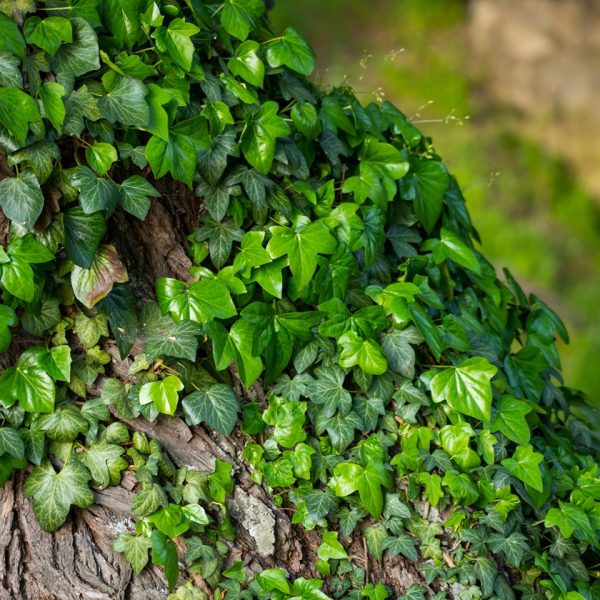
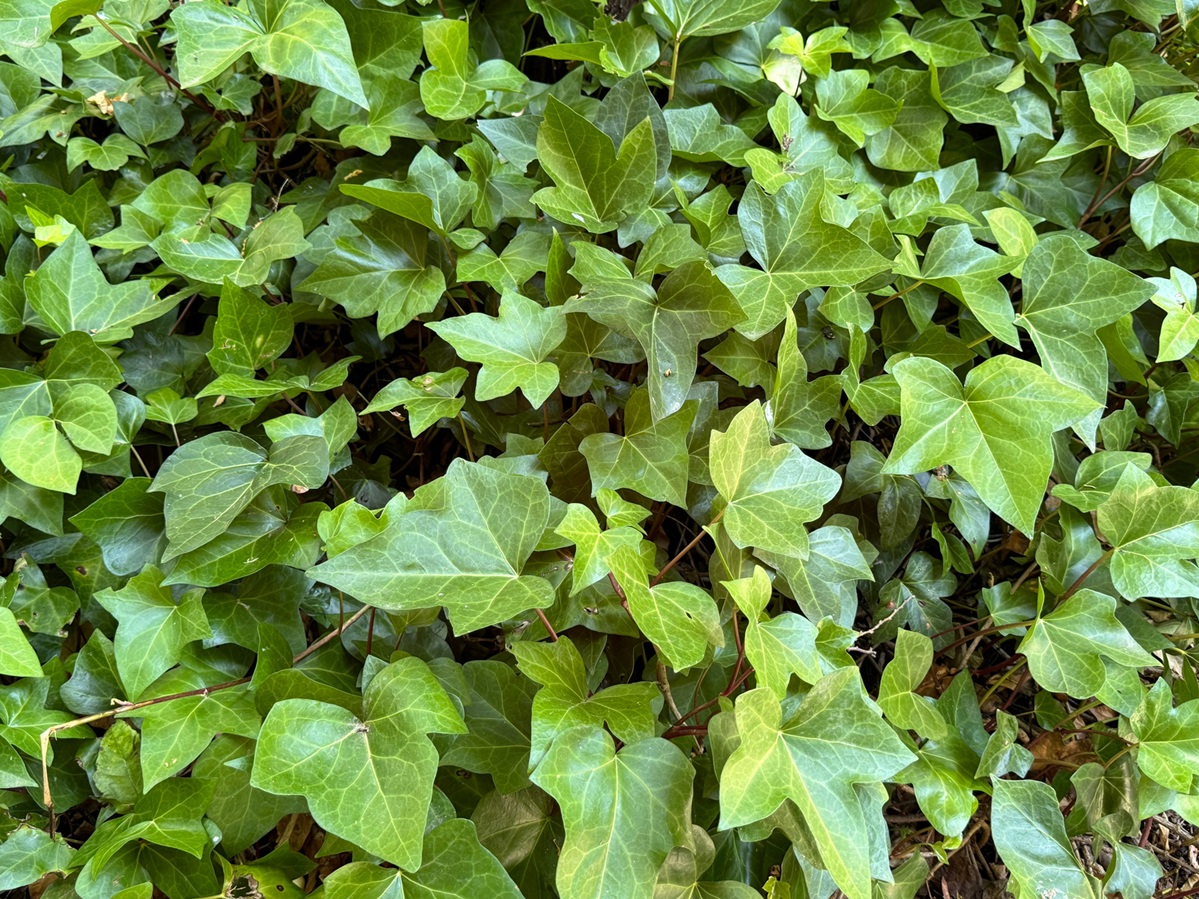
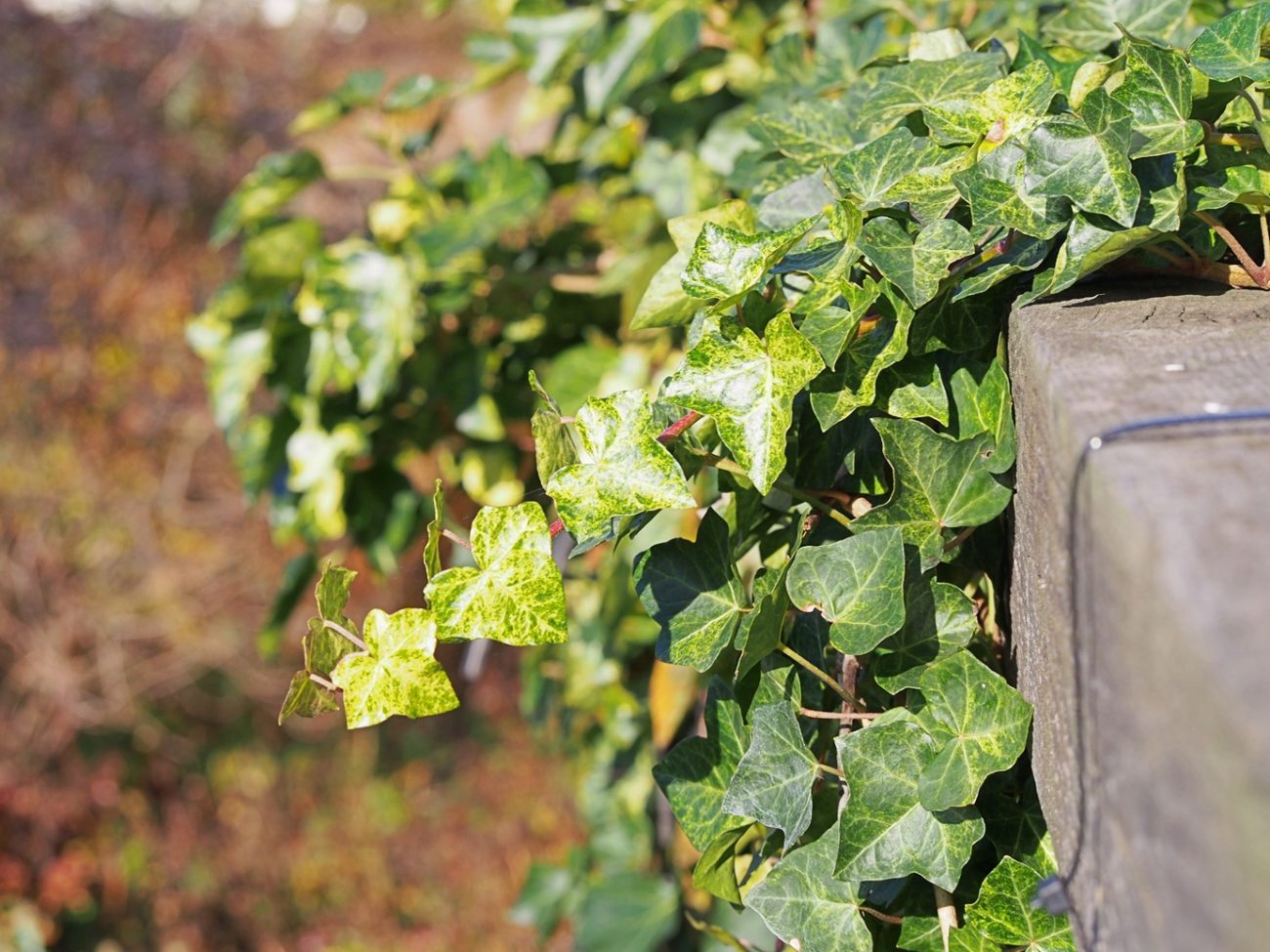
Ivy (Hedera helix)
Aim of study
The aim was to carry out a randomised placebo-controlled trial to explore the safety and efficacy of ivy leaf cough liquid for acute cough in adults.
Study method
Patients
N=181 patients with cough were randomly assigned to receive an ivy remedy or placebo across four clinical locations in Germany. Patients were aged 18–75 years, were male and female, and had acute cough 2–3 days prior to enrolling onto the study. Patients were excluded if they had asthma, chronic bronchitis or any other chronic lung disease amongst other criteria.
Treatment
Groups received a liquid with ivy leaf extract (35 mg EA 575® ivy leaves dry extract) or inert placebo three times per day for seven days. No further details on the nature of the placebo were given — i.e., was it a similar liquid in a similar bottle and packaging? During the course of treatment any other medications that influenced bronchitis or mucociliary clearance were not permitted.
Outcomes
For the main outcome, cough severity was measured by visual analogue scale (VAS, a 100 mm scale) over the treatment period of seven days. Measures were taken at daily visits to the clinic which took place on days 2–7 (visits 1–6). The area under the curve was calculated from this VAS data.
For secondary outcomes, cough severity was measured by Bronchitis Severity Score (BSS) and Verbal Category Descriptive score (VCD). A Global Efficacy Assessment (GEA) at V5 and V6 was carried out and two questions were asked on the efficacy of the treatment completed by patients and investigators.
Herbal preparation
The study examined the effects of a liquid cough remedy containing EA 575 a dried extract of ivy leaf (ratio of 5–7.5:1, ivy:extraction solvent); the remedy contained 35 mg EA 575 (manufactured by Prospan, Germany).
Sample size
N=181 patients with cough were randomly assigned to receive ivy or placebo; some subjects were lost to follow-up and in all there were n=88 in the ivy group and n=90 in the placebo group who completed the study.
Results of study
Regarding the ivy versus placebo groups, the mean ages, gender splits and other demographics like ethnicity and blood pressure were similar between the groups. The mean age was around 36 years and there were near equal splits of males and females across groups.
Cough severity VAS
The ivy cough liquid group saw a significant reduction in cough severity with the mean area under the curve (AUC) reduced compared to the placebo group (p <0.0001). Looking at the time-point data, the ivy cough liquid was a significant improvement at the first visit (V1) and persisted as better through to the end of the study.
Secondary outcomes
For the other secondary outcomes, the cough severity monitored by the BSS and VCD scores were similar between groups at baseline, but were significantly reduced in the ivy cough liquid group compared to placebo. Looking at the separate visits, the BSS (bronchitis severity) improved for the ivy liquid again by visit 1 and was consistently better through to the end of the study compared to the placebo.
For the global efficacy assessment (GEA), patients taking the ivy liquid rated the medication better than the placebo group, and rated themselves as generally feeling better.
Adverse events
Adverse events were recorded in some of the ivy liquid patients (n=9) and placebo patients (n=12). Mostly these were a single adverse event which included worsening cough or sinusitis. Compliance was good.
Discussion
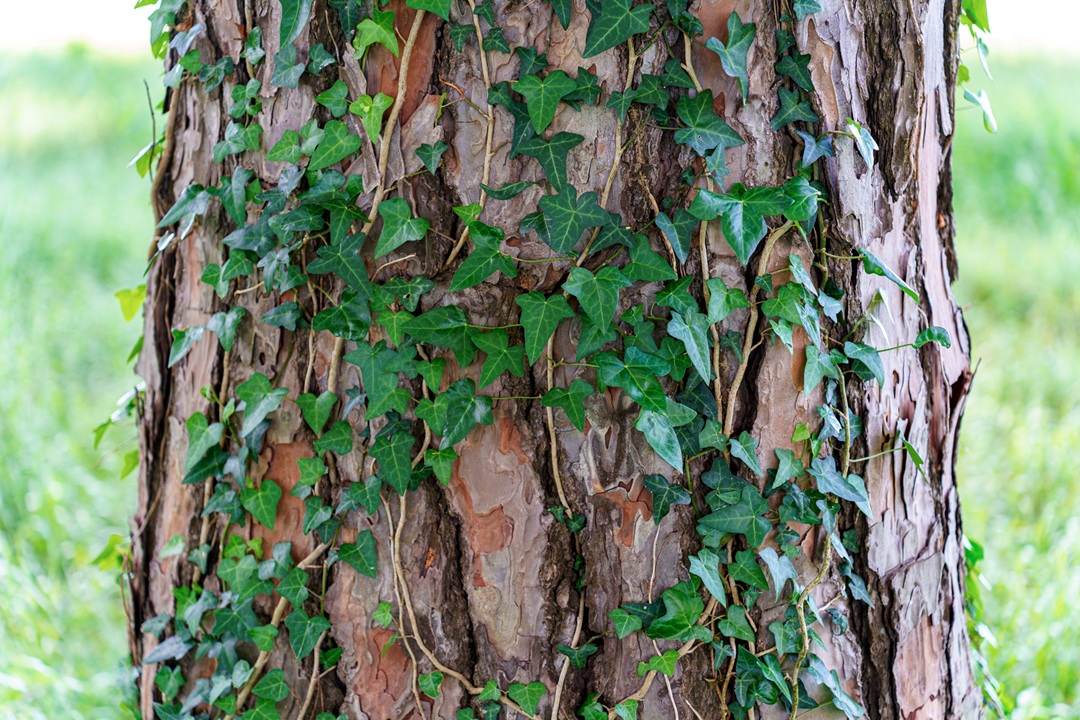
Ivy leaf extract is a remedy for chesty coughs, acting as an expectorant and dilating the bronchial vessels (2). This randomised, placebo-controlled trial of patients with acute cough showed that ivy leaf cough liquid taken three times a day for seven days reduced the severity of cough symptoms compared to an inactive placebo. The outcomes included a visual analogue scale and bronchitis severity scale; both showed improvements upon the first visit and for each subsequent visit compared to the placebo.
Symptoms of cough do ease by themselves, so the improvements seen at the early visits are a significant finding and would have equated to approximately day three onwards of the cough starting, given that patients entered the study after about two days of seeking help. The global assessment questions showed that the patients reviewed the ivy leaf cough liquid as effective, more so than the placebo liquid.
One limitation of the study was a lack of information regarding the placebo. Was it similar to the ivy product in taste, smell, labelling and packaging? The authors also reviewed whether there was a centre effect or any differences in outcome at the four locations; one location did not observe any significant differences but they suggest this would be normal within a spread of data across different clinics.
The mean age of participants was 36 years, and the authors looked at eight subjects separately who were aged 65–75 years, and the safety profile was similar to the groups overall. This is an important consideration to ensure that the ivy product was safe within a group who can be more vulnerable to coughs.
Conclusion
An ivy leaf remedy containing an extract relieved acute cough symptoms in adults compared to a placebo. The remedy given for seven days provided instant relief and was consistently effective throughout the study and better than the placebo. The liquid was well tolerated and safe.
References
- Schaefer A, Kehr MS, Giannetti BM, Bulitta M, Staiger C. A randomized, controlled, double-blind, multi-center trial to evaluate the efficacy and safety of a liquid containing ivy leaves dry extract (EA 575®) vs. placebo in the treatment of adults with acute cough. Pharmazie. 2016 Sep 1;71(9):504-509. https://doi.org/10.1691/ph.2016.6712
- European Medicines Agency (2018). Ivy leaf Hederae helicis folium – herbal medicinal product. https://www.ema.europa.eu/en/medicines/herbal/hederae-helicis-folium